

High-Performance Plastic Coated Fabric Manufacturer in China
Our Plastic Coated Fabric represents a category of advanced composite materials engineered for exceptional durability and environmental resistance. By applying a robust polymer coating, such as polyvinyl chloride (PVC), to a high-strength base textile, we create a versatile industrial fabric that is inherently waterproof, highly durable, and easily customized. This PVC coated fabric is fundamental in applications requiring a reliable barrier against moisture, UV radiation, and physical stress, including high-performance blackout solutions.

24
Years in Business
120
5-Star Reviews
2k
Active Customers
12
Counties Served
Product Advantages
Key Technical Properties and Advantages

The polymer coating acts as a protective shield for the underlying fibers, making the fabric is highly durable and resistant to abrasion and wear and tear. This quality is critical for products like industrial tarps, equipment covers, and high-traffic upholstery, ensuring a long service life.
The non-porous vinyl coated surface makes the material 100% waterproof, preventing moisture penetration. This makes it an ideal choice for outdoor applications that require reliable protection from rain, snow, and humidity, such as for an awning or protective tarp.
Our fabrics offer excellent UV resistance to withstand prolonged exposure to sunlight without significant degradation or color loss. Furthermore, the PVC coating is inherently resistant to chemicals, oils, and mildew, making it suitable for industrial and automotive environments where exposure to chemicals is a concern.
Featured Products
The Role of the Base Fabric: Polyester vs. Nylon
The choice of base textile is crucial to the final properties of the coated fabric, defining its core strength and performance characteristics.

Polyester
As the industry standard, vinyl coated polyester serves as a robust and reliable foundation. This synthetic fabric provides excellent dimensional stability, meaning it resists stretching or sagging under tension, making it ideal for large-scale applications. Its inherent resistance to moisture and UV degradation, combined with its high tensile strength, creates a cost-effective, high-performance composite material.

Nylon
When an application demands maximum durability and toughness, nylon is the superior choice for the base textile. Its exceptional abrasion resistance and high tear strength make it ideal for high-stress products that experience significant physical contact or dynamic loads. This makes nylon the preferred reinforcement for premium heavy-duty and inflatable applications.
Choosing the Right Fabric
Factors to Consider
When selecting the appropriate vinyl fabric for your needs, several critical factors must be taken into account to ensure optimal performance and longevity. First, consider the specific application and environment where the fabric will be used. For outdoor applications, UV resistance and waterproof capabilities are paramount, as these characteristics protect against prolonged exposure to sunlight and adverse weather conditions. The base material, whether polyester or nylon, significantly impacts the fabric’s durability and flexibility. Additionally, the coating material, such as PVC or acrylic, determines the fabric’s resistance to wear and tear. Understanding these factors, along with options for fabric by the yard, will help you choose a vinyl fabric that meets your specific requirements, whether for industrial, automotive, or residential use.
Durability and UV Resistance
Durability and UV resistance are key considerations when choosing vinyl fabrics, especially for applications that demand high performance under challenging conditions. Vinyl fabrics are engineered to endure significant wear and tear, making them ideal for heavy-duty applications. The PVC coating offers robust protection against abrasion and environmental stressors, ensuring the fabric remains intact over time. UV resistance is vital for outdoor applications, such as awnings and outdoor furniture, where fabrics are exposed to sunlight for extended periods. This resistance prevents fading and degradation, maintaining both aesthetic appeal and functional integrity. The combination of these attributes ensures that vinyl fabrics provide a reliable and long-lasting solution for various demanding environments.
Weight and Thickness Specifications
Understanding the weight and thickness specifications of vinyl fabrics is crucial for selecting the right material for your application. The 18 oz vinyl fabric is a popular choice for its balance of strength and flexibility, making it suitable for a wide range of uses, from industrial tarps to tensile structures. This weight provides enough heft to withstand harsh conditions while remaining manageable for installation and handling. The thickness of the fabric contributes to its waterproof and abrasion-resistant properties, essential for applications requiring high durability. When purchasing fabric by the yard, considering these specifications will ensure you acquire a product that meets your performance needs while optimizing cost and material efficiency.
Plastic Coated Fabric Technical Capabilities & Specification Overview
This table outlines the typical performance range and options available for our plastic coated fabrics, which can be supplied as a full fabric roll or as fabric by the yard.
| Parameter | Performance Range / Options |
|---|---|
| Base Fabric Options | High-Tenacity Polyester, High-Strength Nylon |
| Coating Type | PVC (Polyvinyl Chloride), PU (Polyurethane), Acrylic Blends |
| Standard Weight | Ranging from 10 oz to 40+ oz (e.g., a common 18 oz vinyl) |
| Coating Method | Direct Coating, Blade Coating (Knife Coating) |
| Standard Widths | 60 to 126" (1.5m to 3.2m)" |
| Tensile Strength | Engineered to specification, from medium-duty to >500 lbs. |
| UV Resistance | Standard & Premium Formulations (500 to 1500+ hours) |
| Fire Retardancy | Optional treatments to meet standards like NFPA 701, B1, M2. |
| Color Options | Wide range of colors standard; full RAL/Pantone matching available. |
Testimonials
What Our Customers Say About Plastic Coated Fabric
The true measure of our plastic coated fabric quality lies in the consistent feedback from our global partners. These testimonials reflect the real-world durability, versatility, and manufacturing precision that our clients experience across diverse industrial applications.
“We specified their vinyl coated polyester for our vehicle interior components. The abrasion resistance is outstanding, and the material’s consistent quality across large fabric roll orders has significantly improved our production efficiency.”

Lucia Ferretti
“Their PVC coated fabric is genuinely highly durable. We’ve deployed it in extremely cold climates for equipment protection, and it remains flexible and waterproof without cracking, outperforming all previous suppliers.”

Tobias Andersen
Versatile Applications of Plastic Coated Fabric Across Industries
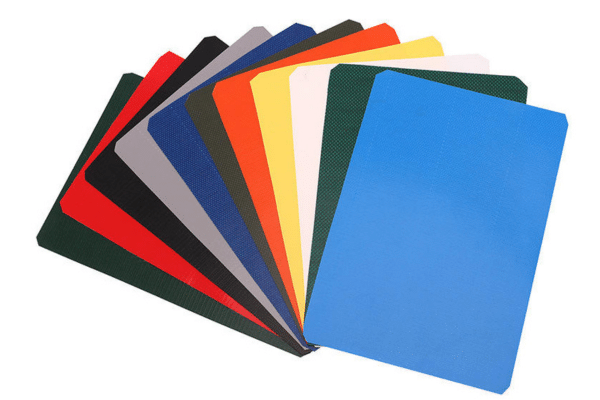
Secure Your Assets with Expert Plastic Coated Fabric
Leverage our deep expertise in PVC coated fabric formulation to guarantee durability and supreme protection for your next project. Whether you require specialized vinyl fabric by the yard for custom upholstery or high-performance 18 oz coated fabric for heavy-duty tarp applications, we engineer solutions that exceed longevity standards and meet your precise technical demands. Contact our textile specialists today to configure your optimal industrial fabrics.
Our Latest Insights
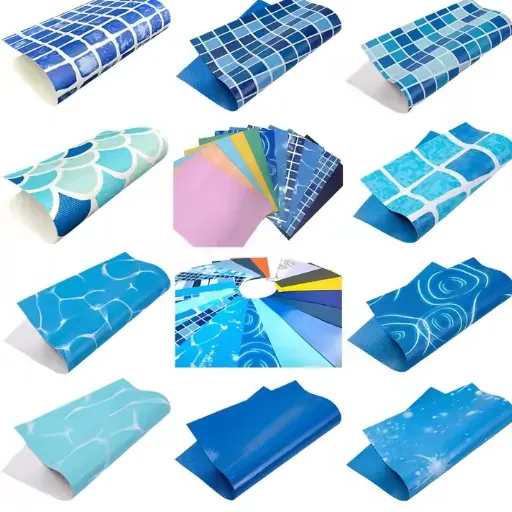
PVC Tarpaulin for Water Slides: Grades, Seams & Specs
The correct PVC tarpaulin for water slides is a PVC-coated, high-tenacity polyester fabric at 18 oz (610 gsm) as the accepted baseline, and 20 oz (650 gsm) or heavier for slides that run wet most of the season. The spec that matters is not the marketing label but three measurable numbers: coating weight, base-fabric denier,…
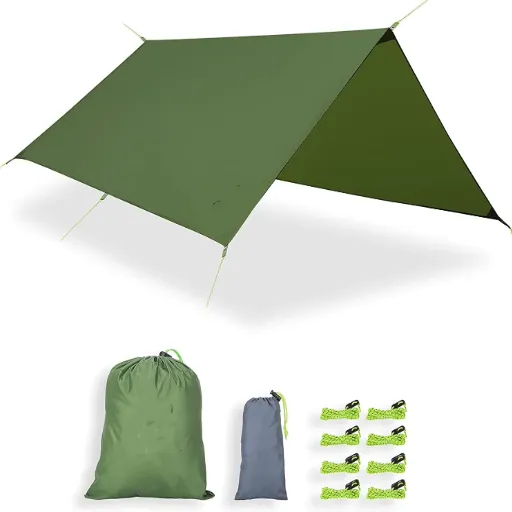
Lightweight Waterproof Tarp for Camping: Materials & Sizes
A lightweight waterproof tarp for camping comes down to a single trade-off: the fabric that carries best sheds rain least, and the fabric that sheds rain best carries heaviest. For ultralight backpacking, silnylon and silpoly win, at under 600 g for a full-size shelter. For car camping, base camp, and group shelters, a PVC-coated or…
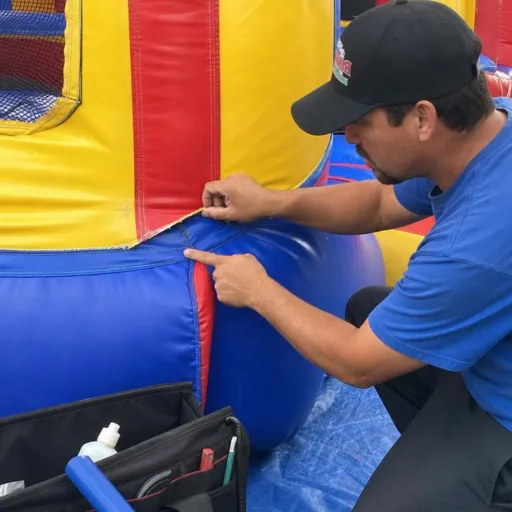
How to Repair a Bounce House: Costs & When to Replace
Most bounce house damage is repairable, and the question that decides everything is whether the fix is worth it. A puncture in 18 oz commercial PVC is a 15-minute, roughly $25 field patch. A seam split on a lighter 15 oz unit can run $500 or more once you ship it out, which is when…
Frequently Asked Questions (FAQs)
Find answers to the most common questions about Plastic Coated Fabric. If you can’t find what you’re looking for here, please contact us.
PVC coated fabric is generally thicker, more durable, and offers superior weather resistance, making it ideal for heavy-duty outdoor use. PU coated fabric is lighter, more flexible, and has a softer feel, often used in apparel or applications where flexibility and breathability are priorities.
Yes, for most high-performance applications, blade coating is superior. It produces a smoother, more consistent fabric with PVC coating, which enhances both the aesthetic and functional properties, including durability, cleanability, and resistance to abrasion.
Absolutely. While we offer a wide range of colors as standard options, we provide full color-matching services using RAL or Pantone references to meet specific branding or design requirements for volume orders.
The polymer coating acts as a protective barrier that encapsulates UV inhibitors and stabilizers. This prevents the underlying base textile from degrading when exposed to prolonged exposure to sunlight, maintaining both the structural integrity and color of the fabric.
Yes. Our PVC formulations are manufactured in compliance with international safety standards. For applications like upholstery or car seats, we ensure that the materials do not contain harmful levels of plasticizers or substances known to cause health concerns.
Lead times vary depending on order volume, customization complexity, and current production schedules. For standard coated fabric orders, typical delivery is 3-4 weeks. Custom formulations or fabric by the yard with special specifications may require 5-6 weeks. Contact us for precise timing.