

Premium Fish Farming Tarpaulin
Elevate your aquaculture project with our Premium Fish Farming Tarpaulin. This superior aquaculture liner is engineered for exceptional strength and longevity. As a non-toxic and UV-resistant pond liner, it creates a secure, healthy habitat for your fish. Its durable, leak-proof design simplifies maintenance and maximizes yield, making it the smart investment for any serious fish farming operation.

24
Years in Business
120
5-Star Reviews
2k
Active Customers
12
Counties Served
Our Offerings
Key Features of Fish Farming Tarpaulin

Constructed with high-density polyethylene (HDPE) or reinforced PVC materials, our tarpaulin features a 6-layer cross-laminated structure that is up to 5X longer lasting than traditional 3-layer products. UV-stabilized for outdoor use, lasting 4-5 years or more.
Heat-sealed corners and edges ensure complete waterproofing. Reinforced with high-density stitched seams to withstand pressure without rupturing. Seamless construction prevents water seepage and maintains optimal water quality.
Free from harmful chemicals, safe for all fish species, including catfish, tilapia, koi, shrimp, and prawns. Materials are recyclable and promote sustainable aquaculture practices. Smooth surface minimizes bacterial accumulation.
Explore Our Specialized Fish Farming Tarpaulin Categories
Browse our range of durable tarpaulins designed for aquaculture. From pond liners to protective covers, find the perfect solution for your fish farm.

Fish Pond Liner
Durable, waterproof fish pond liner designed to protect and seal your outdoor pond. Made from high-quality, UV-resistant material that withstands harsh weather. Safe for fish, plants, and wildlife. Easy to install and maintain.

Fish Tank Liner
Premium fish tank liner provides reliable leak protection for your aquarium. Non-toxic, fish-safe material ensures healthy aquatic environment. Flexible design fits various tank sizes. Simple installation process. Durable construction for long-lasting use.
SHANDONG XINDERUN
Precautions for Fish Farming Tarpaulin
Essential precautions for fish farming tarpaulin include selecting food-grade materials, proper installation with smooth base preparation, secure edge anchoring, and regular maintenance to prevent leaks.

Material Selection and Quality Inspection

Installation and Securing

Premium Waterproof Canvas Options
Benefits of Light Deprivation with Fish Farming Tarpaulin
Controlled Light Environment
Darker colored tarpaulins (blue, green, black) naturally reduce light penetration, creating a calm environment that reduces fish stress and promotes natural behavior patterns similar to their native habitats.
Temperature Stability
Reduced light exposure helps maintain more stable water temperatures throughout the day, preventing harmful temperature fluctuations that can stress fish and affect their growth rates.
Reduced Fish Stress
Dimmer environments reduce predator-related stress responses in fish, resulting in calmer behavior, reduced injuries from aggressive interactions, and improved immune system function.
Discover the Specs: Fish Farming Tarpaulin Tech Details
Explore our high-strength, UV-resistant tarpaulin, engineered for aquaculture. This waterproof, non-toxic material ensures a safe, durable environment for healthy fish stocks. Ideal for ponds and tanks.
| Specification | Details |
|---|---|
| Material Composition | High-Density Polyethylene (HDPE) or Reinforced PVC with multi-layer cross-lamination |
| Layer Structure | 6-layer cross-laminated structure (vs. traditional 3-layer). First layer: high tenacity polyester yarn; 2 layers: waterproof PVC/HDPE coating |
| Thickness Options | 0.45mm (standard), 0.6mm, 0.75mm, 1.0mm (heavy-duty) |
| GSM Rating | 500 GSM (light), 750 GSM (standard), 1000 GSM (commercial grade) |
| Tensile Strength | Ship-grade quality with high tensile strength to withstand pressure and mechanical stress |
| UV Stabilization | UV-stabilized coating for extended outdoor lifespan (4-5 years minimum, up to 15 years with lacquer coating) |
| Waterproof Rating | 100% waterproof with heat-sealed seams and corners |
| Temperature Resistance | Operational range: -30°C to +70°C (-22°F to +158°F) |
| Color Options | Blue, White, Green, Yellow, Black, Gray, Multi-color (availability varies) |
| Size Range | Customizable: 5ft × 5ft to 30ft × 30ft (or larger on request) |
| Height Options | Standard: 4 feet; Custom: 3-6 feet |
| Capacity Range | 300 fish (small) to 2,000+ fish (commercial); 1,000L to 150,000L water volume |
| Edge Treatment | Reinforced edges with metal or copper eyelets for secure frame attachment |
| Seam Construction | High-frequency welding or stitchless heat-sealed construction |
| Chemical Resistance | Resistant to acids, alkalis, and organic solvents; Safe for food-contact applications |
| Tear Resistance | High tear and puncture resistance; Abrasion-resistant surface |
| Flame Retardancy | Flame retardant and mildew proof treatment available |
| Weight | Varies by size: 5-50 kg (lightweight and portable) |
| Installation Time | 1-2 days for complete setup (including frame) |
| Certification | Food-grade safe, environmentally tested, non-toxic to aquatic life |
| Suitable Species | Catfish, Tilapia, Koi, Carp, Shrimp, Prawns, all tropical fish species |
| Compatible Systems | Biofloc, RAS (Recirculating Aquaculture System), Traditional farming |
Testimonials
What Our Customers Say About Fish Farming Tarpaulin
Read what our customers are saying about our Fish Farming Tarpaulin. Discover honest reviews and testimonials on the quality, effectiveness, and versatility of our tarpaulin products.
“As a beginner, I was nervous about fish farming. The tarpaulin pond made everything simple. It’s portable, so when I moved locations, I just dismantled and reassembled it. After 6 months, my tilapia are thriving and I’m seeing great returns!”

Sarah Anderson
“Cost-effective and durable! I’ve been using these ponds for 4 years now. The material is strong, easy to maintain, and I’ve had zero leakage problems. Perfect for small spaces too. I’m expanding my farm with 3 more ponds this year!”

David Williams
Use Cases for Fish Farming Tarpaulin

Ready to Transform Your Aquaculture Business?
Transform your fish farming with our premium aquaculture liner and pond liner solutions. Start for just $30, set up in 2 days, and harvest profits in 90 days. No expensive concrete needed. Portable, durable, and proven by 10,000+ successful farmers worldwide. Enjoy 95% cost savings, zero water leakage, 4-6 year lifespan, and lifetime expert support. Perfect for catfish, tilapia, biofloc systems, and more. Get your free consultation today!
Our Latest Insights
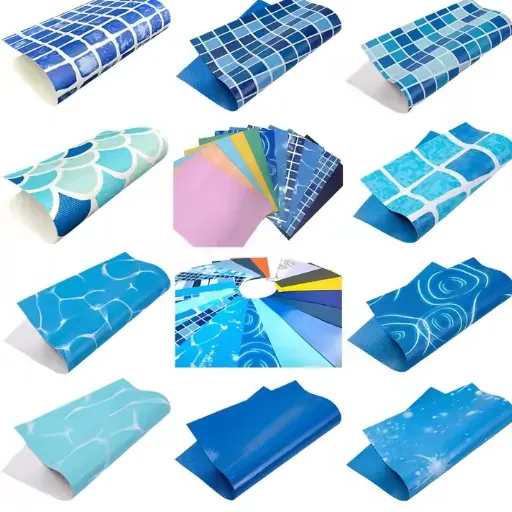
PVC Tarpaulin for Water Slides: Grades, Seams & Specs
The correct PVC tarpaulin for water slides is a PVC-coated, high-tenacity polyester fabric at 18 oz (610 gsm) as the accepted baseline, and 20 oz (650 gsm) or heavier for slides that run wet most of the season. The spec that matters is not the marketing label but three measurable numbers: coating weight, base-fabric denier,…
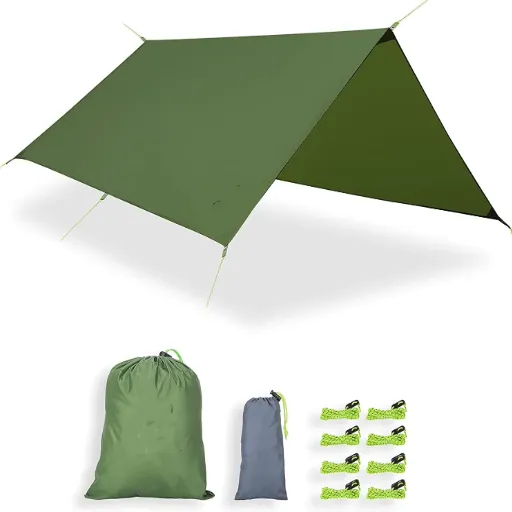
Lightweight Waterproof Tarp for Camping: Materials & Sizes
A lightweight waterproof tarp for camping comes down to a single trade-off: the fabric that carries best sheds rain least, and the fabric that sheds rain best carries heaviest. For ultralight backpacking, silnylon and silpoly win, at under 600 g for a full-size shelter. For car camping, base camp, and group shelters, a PVC-coated or…
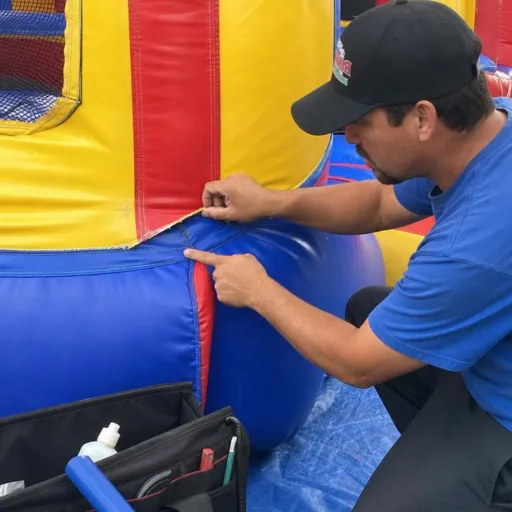
How to Repair a Bounce House: Costs & When to Replace
Most bounce house damage is repairable, and the question that decides everything is whether the fix is worth it. A puncture in 18 oz commercial PVC is a 15-minute, roughly $25 field patch. A seam split on a lighter 15 oz unit can run $500 or more once you ship it out, which is when…
Frequently Asked Questions (FAQs)
Find answers to the most common questions about Fish Farming Tarpaulin. If you can’t find what you’re looking for here, please contact us.
Fish farming tarpaulin is a specialized pond liner made from durable, waterproof materials like HDPE (high-density polyethylene) or PVC. This aquaculture liner creates a barrier that prevents water from seeping into the ground, maintains optimal water quality, and protects fish from soil contamination. The tarpaulin is installed over a prepared base and secured with a supporting frame, creating a contained environment ideal for fish cultivation.
Tarpaulin ponds can hold anywhere from 1,000 liters for small backyard ponds to 150,000 liters for commercial operations. Common biofloc tank sizes are 5,000, 10,000, 20,000, and 30,000 liters. The actual capacity depends on the pond liner dimensions and depth. A properly installed aquaculture liner with quality sealing can maintain this capacity without significant water loss through the walls.
Pond liner size depends on your pond dimensions. Calculate using: Length + (2 x Depth) + 2ft overlap × Width + (2 x Depth) + 2ft overlap. For example, a 10ft x 12ft pond with 2ft depth needs approximately 16ft x 18ft liner. Standard tarpaulin pond liners can hold 5,000 to 150,000 liters. It’s better to order slightly larger aquaculture liner as it’s easy to trim to exact size, but you can’t add material if it’s too small.
Pond liners offer numerous advantages: they prevent water loss through seepage, reduce cleaning time from 30-45 days to just 2-8 days, protect fish from soil contaminants and predators, are 70% cheaper than concrete ponds, allow for flexible pond shapes and sizes, enable higher stocking densities, and can last 7-10 years with proper maintenance. The aquaculture liner also facilitates easier harvesting and better water quality management.
For fish farming, pond liners should be at least 0.5mm (20 mil) thick for small ponds, but 1mm to 2mm thickness is ideal for commercial operations. Thicker aquaculture liners (1-2mm) provide better puncture resistance, longer lifespan, and can handle higher stocking densities. For biofloc systems or intensive farming, choose reinforced liners with 6-layer laminated construction for maximum durability.
Maintenance of pond liners is straightforward: Remove debris regularly using pond vacuums, manual rakes, or nets depending on pond size. Drain and clean the liner between batches using gentle brushes or automated scrubbers. Inspect for tears or punctures monthly and repair immediately using patch kits. Protect from sharp objects and falling branches. Avoid harsh chemicals that could damage the tarpaulin or harm fish. With proper care, your aquaculture liner will maintain its integrity for years.