


Find the Perfect Fish Pond Liner
Build a beautiful, long-lasting home for your fish with our premium Fish Pond Liner. A high-quality liner is the foundation of any healthy pond, preventing water loss and protecting your aquatic life. We offer a range of reliable, flexible, and fish-safe materials, including EPDM, PVC, and RPE, to ensure your aquaculture thrives for years to come.

24
Years in Business
120
5-Star Reviews
2k
Active Customers
12
Counties Served
Our Offerings
Common Fish Pond Liner Problems We Solve

Our puncture-resistant liners create an impermeable barrier that keeps every drop where it belongs.
Our fish-safe, non-toxic liners ensure your aquatic life thrives in a healthy environment.
Get UV-stabilized materials that withstand years of direct sun exposure without breaking down.
Our weather-resistant liners maintain flexibility in temperatures from -40°F to 180°F.
Struggling with stiff materials? Choose flexible options that conform easily to any pond shape or contour.
LY TRUSTLINK
Choose Your Perfect Fish Pond Liner Material
Choosing the right liner is the most crucial decision you’ll make for your Aquaculture. Our liners are engineered to provide superior protection and longevity, giving you peace of mind and a vibrant, stable environment for your fish and plants.

PVC Liner
Lowest cost option, lightweight, fairly flexible, easy to seam with tape.

RPE (Reinforced Polyethylene)
Strongest puncture resistance, lightweight (1/3 weight of EPDM), no underlayment needed, excellent value for money.

EPDM Rubber
Extremely flexible and bendable, perfect for irregular shapes with corners and shelves. Fish safe, UV resistant, and proven durability over 30+ years.
Why Choose Our Fish Pond Liner?
💡Expert Guidance
Our pond specialists have over 50 combined years of experience. Free consultation helps you choose the right material, calculate sizes accurately, and avoid costly mistakes. We’re here to ensure your project succeeds.
💰Best Price Guarantee
We offer competitive pricing without compromising quality. Found a lower price elsewhere for the same product? We’ll match it. Volume discounts available for large projects. Your satisfaction is our priority.
🔧Complete Solutions
Beyond liners, we offer everything you need: underlayment, seaming tape, repair kits, and installation accessories. One-stop shopping saves time and ensures all components work together perfectly.
📞Outstanding Support
Real people answer your calls and emails – no bots, no runaround. Pre-sale consultations, installation guidance, and post-purchase support included. We’re invested in your success from start to finish.
🌱Eco-Conscious Products
Our liners are safe for fish, plants, and the environment. No harmful chemicals leaching into your pond ecosystem. Recyclable materials and sustainable practices reflect our commitment to environmental responsibility.
🎯Custom Solutions
Need a unique size or shape? We offer custom fabrication services for large or irregular projects. Heat-welded seams create seamless installations. Tell us what you need, and we’ll make it happen.
Detailed Technical Specifications: Fish Pond Liner
Whether you’re building a minor decorative feature or an extensive Aquaculture, we have the perfect solution for your needs.
| Material Type | Thickness | Weight | UV Resistant | Fish/Plant Safe | Temperature Range |
|---|---|---|---|---|---|
| EPDM Rubber | 45 mil | 1.2 lbs/sq ft | Yes | Yes | -40°F to 170°F |
| PVC | 20 mil | 0.5 lbs/sq ft | Yes | Yes | -20°F to 160°F |
| RPE | 24-40 mil | 0.6–1.0 lbs/sq ft | Yes | Yes | -50°F to 180°F |
Testimonials
What Our Customers Say About Fish Pond Liner
Real reviews from real pool owners
“I was skeptical about the price, but this liner has paid for itself. No more constant refilling due to leaks. My water bill dropped significantly. The fish are healthier too. Highly recommend to anyone serious about their Aquaculture.”

Michael Thompson
“The technical specifications were spot-on. UV resistance is real – even in Florida sun, the liner shows no signs of degradation after 4 years. Installation guide was clear and helpful. Professional quality at a fair price.”

David Park
Key Features of Our Fish Pond Liners

Our Latest Insights
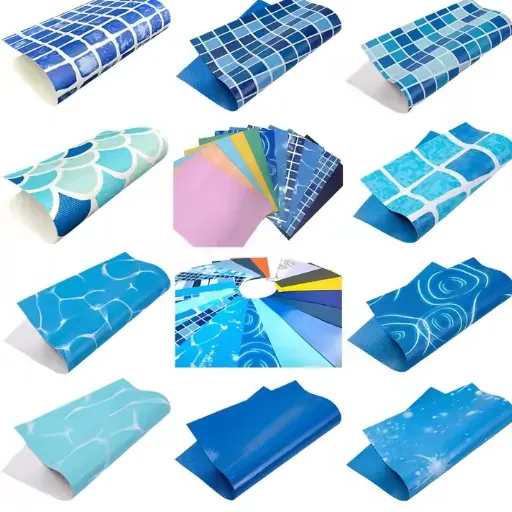
PVC Tarpaulin for Water Slides: Grades, Seams & Specs
The correct PVC tarpaulin for water slides is a PVC-coated, high-tenacity polyester fabric at 18 oz (610 gsm) as the accepted baseline, and 20 oz (650 gsm) or heavier for slides that run wet most of the season. The spec that matters is not the marketing label but three measurable numbers: coating weight, base-fabric denier,…
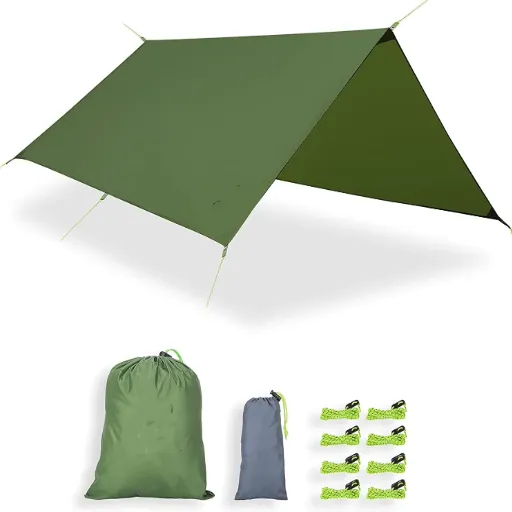
Lightweight Waterproof Tarp for Camping: Materials & Sizes
A lightweight waterproof tarp for camping comes down to a single trade-off: the fabric that carries best sheds rain least, and the fabric that sheds rain best carries heaviest. For ultralight backpacking, silnylon and silpoly win, at under 600 g for a full-size shelter. For car camping, base camp, and group shelters, a PVC-coated or…
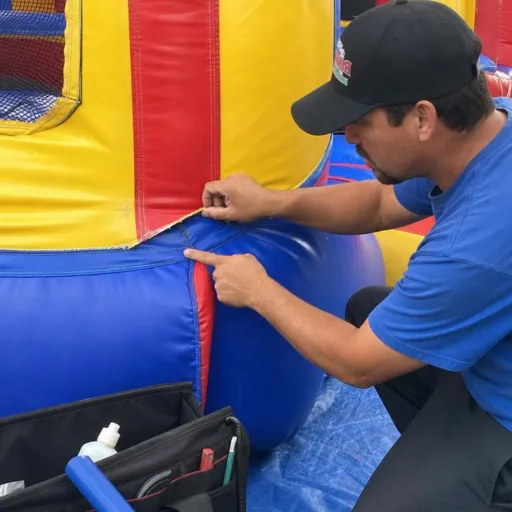
How to Repair a Bounce House: Costs & When to Replace
Most bounce house damage is repairable, and the question that decides everything is whether the fix is worth it. A puncture in 18 oz commercial PVC is a 15-minute, roughly $25 field patch. A seam split on a lighter 15 oz unit can run $500 or more once you ship it out, which is when…
Frequently Asked Questions (FAQs)
When performance cannot be compromised, your choice of material supplier is as critical as the material itself. We provide more than just a product; we deliver a technical partnership.
Quality liners can last 20-50+ years with proper installation. EPDM rubber liners have been proven to last over 30 years, while RPE liners are rated for 20-40 years. Budget options like PVC typically last 10-15 years. Longevity depends on UV exposure, underlayment protection, and maintenance.
EPDM rubber, RPE, and LLDPE/LDPE are all completely safe for fish and aquatic life. Avoid PVC liners if possible, as they may contain trace amounts of arsenic and other chemicals from plasticizers that can leach into water over time. Always choose liners specifically designed for ponds, never use rubber roofing material.
For EPDM liners, 45 mil is standard and recommended for most applications. RPE liners are typically 30-36 mil due to their reinforced construction. LLDPE ranges from 17-20 mil, while PVC is usually 12-20 mil. Thicker isn’t always better; reinforced materials like RPE offer superior strength at lower thickness. Consider your specific application and traffic around the pond.
EPDM rubber liners require underlayment for warranty coverage, as they’re more susceptible to punctures. RPE liners don’t require underlayment on smooth surfaces like sand or clay. However, underlayment is always recommended for maximum protection from roots, rocks, and sharp objects, significantly extending liner life.
Yes, most liners can be repaired. EPDM and RPE liners can be patched using special repair kits with adhesive patches. Clean and dry the damaged area thoroughly, apply primer if included, then press the patch firmly over the tear or puncture. Some materials can also be heat-welded for permanent repairs.
Remove all sharp objects, roots, and rocks from the excavation. Create a smooth base using 2-3 inches of sand or soft clay. Install geotextile underlayment if required. Ensure proper shelf levels and gradual slopes. The smoother and more protective the base, the longer your liner will last and the better it will perform.