
Agricultural Tarpaulin: Crop Protection & Farm Applications
Agriculture has been the mainstay of human civilization since time immemorial. Among environmental challenges, the unpredictability of the weather is the foremost, which must be addressed if farmers are to achieve good yields. Tarpaulins have become the preferred method for protecting crops, boosting productivity, and meeting various farming requirements.
This post discusses the significance of agricultural tarpaulins for crop protection and their various applications in farming. By the end, you will know how these robust, multipurpose coverings, which have already been called indispensable tools of modern agriculture, can perform a range of tasks on farms, from protection and storage to optimization. Therefore, please stay with us as we reveal the significant advantages of agricultural tarpaulins and how their everyday use has changed farmers’ working practices.
Understanding Agricultural Tarps
Agricultural tarps are heavy-duty and weather-resistant, making them the right covers for farmers’ operations. They are usually applied to protect fields, hay, or tools from bad weather and sunlight, thereby ensuring the safety and integrity of essential materials. Since tarps are made from tough materials like polyethylene or PVC, they can withstand harsh outdoor conditions while remaining light and easy to move. Their multi-functionality and toughness rank them among the must-have items for modern farms, boosting efficiency and output.
Definition and Importance in Agriculture
Agricultural tarps, also known as farm tarps or silage tarps, are specialized coverings that support various farming operations. Their primary purpose is to protect crops, soil, and farm equipment from unfavorable weather conditions, including heavy rains, UV radiation, and wind erosion. Moreover, they are widely used for weed control, soil erosion reduction, and soil preparation.
💡 Key Benefits
Silage covers are used in conjunction with no-till farming practices, which help keep the soil moist and the weeds down without the use of chemicals. This not only reduces expenses but also supports sustainable agriculture. Moreover, the tough, weather-resistant tarps serve as barriers against harsh weather, an increasingly important concern due to climate change.
Agricultural tarps remain an essential tool for improving the efficiency and effectiveness of farming operations while ensuring sustainability by overcoming adverse conditions.
Types of Agricultural Tarps
Agricultural tarps include silage tarps, hay tarps, mulch tarps, shade tarps, pond liners, and fencing tarps.
Common Uses of Tarps in Farming
- Weed Suppression – Silage tarps are widely used to control weed growth by blocking sunlight, thereby reducing the need for chemical herbicides.
- Hay Protection – Hay tarps serve to keep stored hay dry from rain, sun, and other unfavorable environmental conditions, thus extending its usable period.
- Moisture Retention in Soil – Mulch tarps help maintain soil moisture content and temperature at desirable levels, creating favorable conditions for better crop growth.
- Providing Shade for Livestock and Crops – Shade tarps offer critical protection against excessive heat, thereby ensuring the welfare of livestock and sensitive crops.
- Creating Aquaculture or Irrigation Ponds – Pond liners help maintain the desired water levels and prevent water loss from seepage.
Benefits of Agricultural Tarpaulin in Modern Farming

💰 Cost-Effective Solution
Agricultural tarpaulins, a tough and cost-effective option, are used to cover and protect crops, equipment, and livestock from the elements.
🌾 Enhanced Crop Protection
They protect crops from erratic weather conditions such as torrential rain, hail, or overheating, thereby reducing the risk of crop loss.
💧 Improved Water Conservation
Tarpaulins restrict evaporation and runoff, thereby helping retain water in the irrigation network and ponds.
🌱 Weed Suppression
Tarpaulins are very effective at preventing weed growth, thereby aiding better soil management and, in turn, leading to higher farm output.
🔄 Versatility in Applications
Agricultural tarpaulins cover a wide range of farming needs, from silage cover to temporary storage or shelter.
Enhanced Crop Protection
Agricultural tarpaulin provides better crop protection than ever before by covering plants with a layer that prevents harsh sun, wind, and rain. It serves as a barrier to insects and birds, reducing the likelihood that crops will be damaged. It also regulates soil moisture and temperature, creating a very comfortable environment for planting flowers. Agricultural tarpaulin ensures higher yields and better quality by significantly reducing exposure to unfavorable environmental conditions.
Durability and Heavy-Duty Features
Agricultural tarps are built to withstand extreme weather so that farmers can rely on them for a long time. The primary material for these tarps is high-density Polyethylene or PVC, which cannot be torn, sunburned, or even lost in bad weather, including heavy rain and extreme heat. The heavy-duty construction of these tools enables them to withstand significant wear and tear, which is very important in agriculture-intensive settings.
Moreover, antimicrobial or antifungal coatings have been applied to modern agricultural tarpaulins, making them more durable and preventing crops from contamination. Material technology has enabled these tarpaulins to be both strong and flexible, making them a versatile and cost-effective solution for various farming needs. The strong design ultimately reduces replacement costs, making them an invaluable asset for sustainable agriculture.
Waterproof and UV Resistant Properties
The poly tarp has become one of the most essential elements in modern agriculture due to its water and UV-resistant characteristics. The waterproofing protects not only the crops but also the soil and tools, and prevents mold growth by reducing moisture. At the same time, UV coatings safeguard against sunlight, thereby prolonging the material’s lifespan.
In addition to the properties required for sustainability, the tarpaulins also maintain proper storage conditions, thereby keeping the produce fresher for longer. The combination of these two significant features makes the agricultural tarpaulin a big assist on the farm and a boon to the farmer, as it aids the farming process, keeps the farmer’s pocket happy with low maintenance costs, and benefits the environment by reducing the need for farmland.
Diverse Applications of Agricultural Tarpaulin

In the agricultural sector, tarpaulins come in different varieties and possess a wide range of uses. They are the most commonly used to protect crops and cover produce with a tarpaulin shield against bad weather, such as rain, wind, and excessive sun. Moreover, tarpaulins serve a dual role as soil moisture-retention and weed-prevention ground covers, ultimately leading to healthier crop yields. Furthermore, they are used in livestock rearing to provide temporary shelters and protect animals from extreme environmental conditions. Because of their diverse uses and durability, tarpaulins for agricultural purposes remain the most essential tools across various farming activities.
Using Silage Tarps for Optimal Silage Management
Silage tarps play a significant role in protecting silage during fermentation and storage, ensuring the feed is of excellent quality. They form an airtight barrier that prevents oxygen from getting in. This is very important for maintaining the proper anaerobic conditions, thereby limiting spoilage and nutrient loss while retaining the nutritional value of the silage.
Besides, silage tarps protect the material from the adverse effects of weather, such as rain and sun, thereby preventing water damage and overheating. Reliably made silage tarps significantly improve feed quality, reduce waste, and enhance overall efficiency in silage management through farmers’ active intervention.
Hay Tarps for Efficient Hay Storage
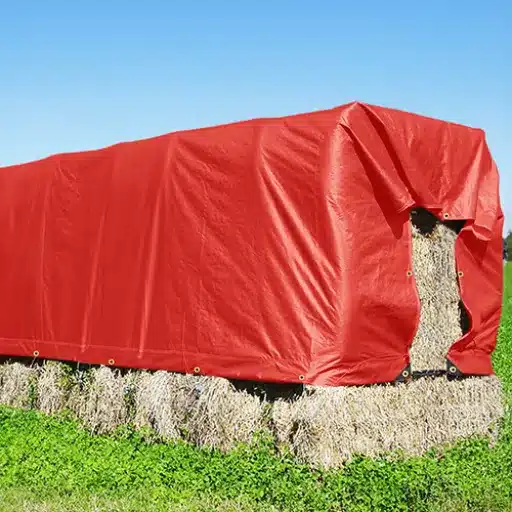
Hay tarps are indispensable for guarding hay bales against the elements, such as rain, snow, and sunshine, which may cause the formation of mold, nutrient loss, and a general decline in the hay quality. When farmers use hay tarps properly, they can not only prolong the hay’s lifespan but also maintain its nutritional value.
Nowadays, tarps are made from durable materials that withstand the weather and come in various sizes to meet different storage requirements. Questions about economical hay tarping solutions have risen significantly, underscoring the importance of using tarps to reduce waste and enhance the profitability of hay storage. It shows that purchasing high-quality hay tarps is not just a way to prevent losses but also a strategic move to strengthen long-term farming efficiency.
Protective Covers for Farm Equipment
Farm equipment protective covers are not only essential but also necessary for protection against natural elements, dust and debris. The use of hard-wearing covers can significantly prolong the machine’s life by safeguarding it from rust, color change, and mechanical wear. The best covers are usually made from water- and UV-resistant fabrics, offering protection year-round.
For best results, make sure the covers are the right size and securely tied down to stop wind or moisture from coming through. Thus, investing in protective covers means reducing maintenance expenses while the equipment remains in optimal working condition.
Choosing the Right Agricultural Tarpaulin

Several key factors influence the selection of agricultural tarpaulin. The first factor to consider is the material. Polyethylene and PVC tarpaulins are still considered the best due to their strength and ability to withstand harsh outdoor conditions. For a long service life, make sure the tarpaulin is water-resistant, UV-resistant, and tear-resistant.
Size is another critical factor, as it should be large enough to cover your equipment or crops fully. Furthermore, look for reinforced edges and grommets as they provide secure fastening. Assess the use for which the canvas is meant, that is, if it is for crop protection, machinery coverage, or storage, and pick it accordingly. By considering these factors, you will be able to find the best tarpaulin that fits your requirements.
Material Considerations: Poly vs. Other Options
The material choice greatly influences the selection of the right agricultural tarpaulin, as it determines durability, price, and application area. Among the options, poly tarp is the lightest, most water-resistant, and least expensive. Besides, these tarps undergo UV coating, making them suitable for outdoor use regardless of the climate, as they do not fade in sunlight. They can be used for hay, silage, and machinery covering as they will remain protected from rain and sun for a long time.
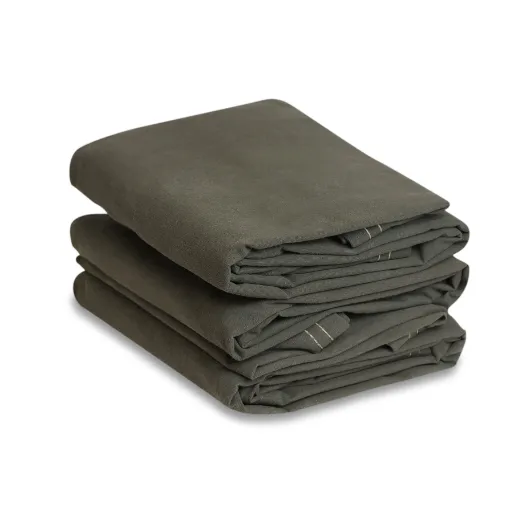
On the contrary, materials such as canvas or vinyl might be more suitable in some instances. Canvas tarpaulins, made of tough cotton, allow airflow and are best used for specific applications, such as crop covering to prevent mold formation. But on the other hand, they are not as water-resistant as the poly ones. Vinyl tarps, although heavy and pricey, offer excellent tear resistance and waterproofing, making them suitable for long-term use or very severe weather.
Size and Thickness: Understanding 12 Mil and Beyond
Choosing the right agricultural tarp means that size and thickness are well understood. Thickness in most cases is represented in mils, and in this case, 1 mil is equal to one-thousandth of an inch. A 12 mil tarp is a common choice because it offers good durability and flexibility.
📏 Thickness Guide
- 5-10 mil tarps: Light coverage for short-term use
- 12 mil tarps: Good balance of durability and flexibility (common choice)
- 14-16 mil tarps: Heavy-duty applications like protecting machinery, hay, or large crop fields
Make sure the tarp you buy is the right size to cover the area you want and has enough extra to secure it properly.
Importance of Grommets and Reinforcement
Grommets and reinforcement are vital factors in ensuring tarps’ long life and efficiency, especially in heavy-duty applications. Grommets, metallic rings located at intervals along the edges of tarps, are essential for reliable fastening. They provide an opening for ropes or bungees to pass through without damaging the tarp, making it easier to secure the tarp tightly against the wind or changing weather conditions.
Reinforced edges, such as double-stitched hems or extra layers of fabric, lend the tarps greater strength and help delay fraying. Grommets that do not rust and reinforced corners are the features users usually seek in tarps; thus, their importance is evident in the long term. Opting for a tarp with high-quality grommets and strong reinforcement ensures reliable performance, even under heavy strain or in extreme conditions.
Maintenance and Storage of Agricultural Tarpaulin

Proper care and storage of agricultural tarpaulins are critical to prolong their lifespan and ensure optimal performance. The tarp should be cleaned after each use to remove stains, dirt, and moisture, to help prevent the growth of fungi and bacteria. Mild soap and water should be used for washing, and the tarp should be allowed to air dry thoroughly before being stored.
Store it in a cool, dry place, out of direct sunlight, as prolonged exposure to UV rays can degrade the material. Make sure the tarp is folded neatly and stored safely away from sharp objects to prevent accidental cuts or holes. It is also advisable to do regular checks for damage or wear so that repairs can be done on time.
Best Practices for Cleaning and Storage
The proper and careful maintenance of agricultural tarpaulin not only enhances its durability but also ensures its effectiveness in protecting crops, tools, and livestock. The following are some major best practices:
🧹 Regular Cleaning
Clean the tarpaulin after use with water and mild soap to remove dirt, debris, and residues that can cause material deterioration. Harsh chemicals that could degrade the fabric should be avoided.
☀️ Dry Thoroughly
Before putting away, the tarpaulin should be completely dry to prevent mold and mildew growth. It is best to spread the tarp in a shaded area, avoiding direct sunlight, as prolonged exposure may weaken some materials.
🔍 Inspect for Damage
The tarp should be inspected regularly for rips, holes, or places that have worn out. Any damage must be repaired quickly using adhesive patches or reinforcement tape to keep the tarp functional.
📦 Store Properly
Fold the tarp neatly and keep it in a cool, dry place, away from sunlight and moisture. A storage bag or a sealed container can be used to protect the tarp from pests and dust.
⚠️ Avoid Prolonged Exposure
When not in active use, exposure to extreme weather conditions can be minimized. Tarps can be rotated or taken down during non-essential periods to reduce wear and tear.
💡 Pro Tip: By following these maintenance tips, agricultural tarpaulins will last longer, maintaining performance while reducing replacement frequency. A routine maintenance schedule will not only save money in the long run but also be eco-friendly.
Maximizing Lifespan through Proper Handling
The most critical factor in maximizing the lifespan of agricultural tarpaulins is proper handling. It is not just personal experience but also research that supports the idea that the tarp should not be dragged on rough surfaces, as it will cause unnecessary abrasions. It is also a good habit to clean tarps after use, especially if they have been in contact with dirt, chemicals, or organic matter, as this helps preserve their quality.
Storing them correctly in dry, shaded areas away from sunlight and sharp objects makes a huge difference in their longevity. Furthermore, inspecting them for minor damage and using patch kits to repair them quickly helps prolong their use. All these methods not only enhance the tarps’ durability but also save the farmer from the costs of frequent replacements.
Seasonal Considerations for Tarpaulin Care
- ❄️ Winter
Remove snow regularly to avoid damage from its weight.
- 🌧️ Rainy Season
Check if the tarp is secured and positioned so water runs off without pooling, which can stress the material.
- ☀️ Summer
Store tarps in places where they cannot get direct sunlight, as this helps reduce UV exposure that gradually weakens the fabric.
- 💨 Windy Conditions
Go through all the tie-down points again to make sure there are no tears caused by flapping or strain.
Regular maintenance throughout the year ensures maximum durability and performance.
Frequently Asked Questions (FAQs)
❓ What should growers look for in an agricultural tarpaulin?
A grower taking farm plastic supply would first need to ensure it is a highly durable, UV-stabilized tarpaulin, with waterproof options such as a waterproof poly tarp cover. Consider GSM or mil ratings (e.g., 6 mil, 7 mil, 8 mil, 16 mil heavy-duty, or 20 mil) to evaluate thickness and longevity. Features such as reinforced poly, string-reinforced layers, cross-laminated or laminate construction, grommets/eyelets, and frost resistance can help ensure tarps are made to last for agricultural use and other farm applications.
❓ Are silage covers and agricultural tarps different from general-purpose tarps?
Silage-cover tarps are specialized agricultural tarps designed for high oxygen-barrier performance and impermeable sealing to maintain silage quality. Generally, they are very heavy-duty, frequently cross-laminated or multilayered, and provide UV resistance and weatherproofing that prevent spoilage. Although general-use waterproof tarps can be used for several purposes, silage covers are designed for a long-lasting oxygen barrier, which is protection specific to silage management and farm use.
❓ Which materials are best for tarps used in agricultural use?
The agricultural tarps often include HDPE (high-density polyethylene), reinforced polyethylene laminates, and cross-laminated films. HDPE farm tarpaulins and silver poly tarp options offer UV resistance and are lightweight yet durable. For heavy-duty applications, it is better to use tarps with higher mil ratings (e.g., 8-20 mil), string-reinforced layers, or special coatings for frost resistance and impermeability. You have to think about whether you need breathable greenhouse cover or impermeable silage or feed covers.
❓ When is a reinforced or reinforced poly tarpaulin necessary for farming?
String-reinforced or reinforced poly tarps are suitable for farming activities that require tear resistance and load-bearing capacity, including covering hay bales, feed piles, and machinery. These tarps feature a waterproof, woven core, making them highly resistant to tearing and providing long-lasting performance. When handling heavy loads or frequently, always use heavy-duty, waterproof tarps with grommets and reinforced edges to secure the covers against wind and movement.
❓ What options should a grower consider for greenhouse cover and light deprivation?
Growers’ selection of a greenhouse cover would be based on factors such as whether they require light deprivation, UV resistance, or frost resistance. The greenhouse covers can be made of transparent or diffused plastic tarps, which may also include greenhouse-specific laminates or multi-layer films. For light deprivation, blackout or opaque tarpaulin sheets may be used; for climate control, thick, UV-stabilized, impermeable, and weatherproof materials must be used to protect crops year-round.
❓ How do I choose between heavy-duty, super heavy-duty, and multi-purpose tarps for my barn and fields?
The decision between heavy-duty, super heavy-duty, and multi-purpose tarps is determined by the use for which they were intended. For temporary, light-duty covers, a five-mil or 6-mil poly tarp may be sufficient; for regular farm use, 7-mil to 8-mil heavy-duty tarp options are advisable. For long-term silage, bunker, or high-abrasion applications, select either 16 mil or 20 mil super heavy-duty tarps or cross-laminated oxygen barrier films. Moreover, you can ask yourself whether you need waterproof, UV-stabilized, string-reinforced, or laminated tarps; check if tarps are made with reinforced eyelets and hemmed edges for secure fastening in barns or open fields. Many suppliers sell tarps specifically marked as heavy-duty, waterproof, and farm tarps and covers to meet agricultural requirements.
Conclusion
Agricultural tarpaulins have become indispensable tools in modern farming, offering versatile solutions for crop protection, equipment storage, and sustainable farming practices. By understanding the different types, benefits, and proper maintenance techniques, farmers can maximize their investment while ensuring long-term agricultural success. Choose the right tarpaulin for your specific needs and follow best practices to enjoy reliable performance for years.
📚 Reference Sources
- Agricultural Tarpaulins – Know The Benefits: Discusses the benefits of farming tarpaulins, including crop protection, water resistance, and durability.
- Innovative Uses of Tarps in Agriculture: Explores various applications of tarps in agriculture, including weed suppression, soil protection, and microclimate creation.
- A Comprehensive Guide to Agricultural Tarps provides a detailed overview of the types of agricultural tarps, their uses, and selection tips for different farming needs.
- The Role of Agricultural Tarpaulins in Modern Farming highlights their role in protecting crops, hay, and machinery, as well as in pond lining and greenhouse applications.
- Agricultural Tarps Market Analysis: Future Growth Trends. Analyzes the agricultural tarps market, including their applications in crop protection and sustainable farming practices.