
PVC Inflatable Fabric: Properties, Applications & Manufacturing
When it comes to producing long-lasting, adaptable, and versatile inflatable products, PVC inflatable fabric stands as one of the top choices among manufacturers and users. This remarkable material has found widespread use across various industries—from inflatable boats and camping gear to promotional displays and safety materials. But what is that invisible factor that makes PVC inflatable fabric so important? This comprehensive guide will take you through the main characteristics that set it apart, as well as some of the most innovative applications where it demonstrates its brilliance.
📋 Key Takeaways
- PVC inflatable fabric combines polyester base with PVC coating for exceptional durability
- The material offers superior water resistance, flexibility, and weather resistance
- Applications range from recreational products to industrial and commercial uses
- Proper maintenance can significantly extend the lifespan of PVC inflatable products
- Environmental considerations are driving innovation in sustainable alternatives
Introduction to PVC Inflatable Fabric
What is PVC Inflatable Fabric?
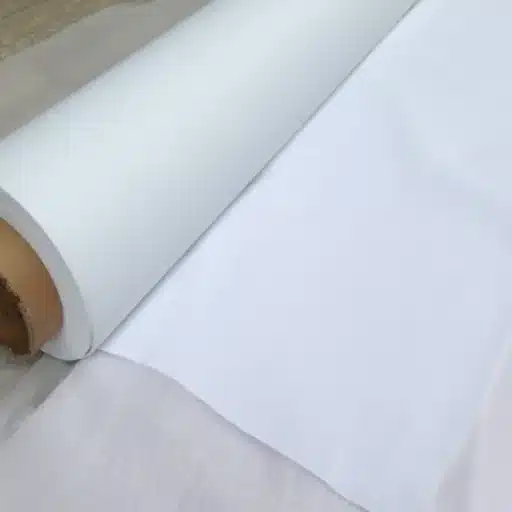
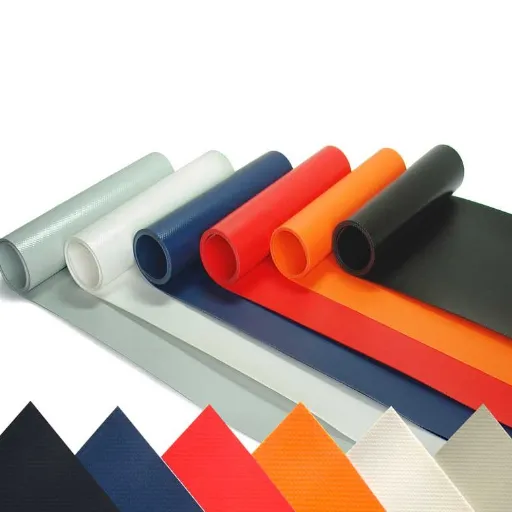
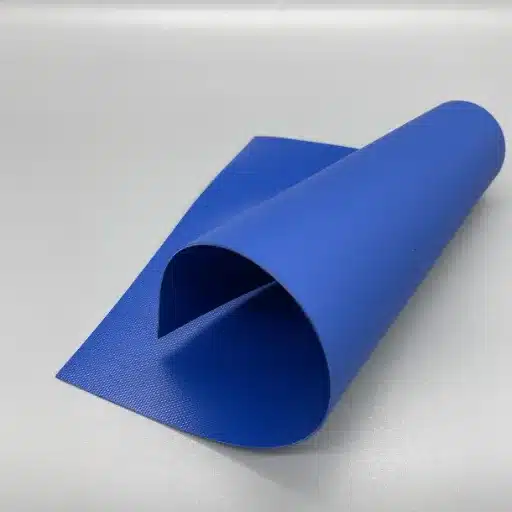
PVC inflatable fabric is an adaptable and long-lasting material made by combining an inner fabric of polyester with a PVC coating. The resulting material has amazing durability, flexibility, and resistance to harsh weather. The PVC coating is responsible for the material’s impermeability and waterproofness, which are the two main properties that keep the product inflated for a long time and assure its reliable use.
One of the main factors for its popularity is its remarkable performance under adverse conditions. The material can endure high levels of exposure and is great for both indoor and outdoor applications. The fact that it is lightweight is also a good point because it allows easy transportation and quick installation, especially in industries where convenience is crucial.
Over time, PVC inflatable fabric has become one of the most popular materials in the market. It is being used in various products such as inflatable boats and bounce houses, and in industrial applications like air tents and storage tanks. Its ability to adapt to various applications, cost-effectiveness, and excellent performance characteristics make it an integral part of designing reliable and durable inflatable solutions.
History and Development of Inflatable Materials
Inflatable materials have a long history during which their development has taken place over centuries, with the earliest trace found in the use of animal bladders filled with air for flotation and buoyancy in ancient times. These very simple inflatables were the first to signal the advent of air as a functional medium for industry. In the 1800s, the rubber vulcanization process, pioneered by Charles Goodyear, opened the door for the production of more resilient and flexible inflatable products that included balloons and primitive air mattresses.
The 20th century brought the introduction of synthetic materials such as PVC (polyvinyl chloride) and polyurethane, which revolutionized the inflatable industry. These new materials boasted improved strength, elasticity, and resistance to moisture, thus empowering their use even more broadly. Designers started to create inflatables for a variety of purposes—recreation ranging from children’s pool floats to industrial applications like inflatable dams and shelters among others. Besides, the quality and consistency of these materials were improved tremendously by modern manufacturing processes like heat sealing and automated cutting.
💡 Did You Know? The evolution in inflatable materials is still ongoing today, with the focus being on sustainability and innovation. The search for eco-friendly substitutes for PVC is gaining momentum as an attempt to cut down on environmental impact without losing the desired product longevity.
Importance of PVC in Inflatable Products
The unique properties of PVC or polyvinyl chloride make it an indispensable material for the production of inflatable products. It is a material that is very light, soft, and still can last long, which are the main requirements for products that are exposed to air pressure and temperature changes. And because of this flexibility, the manufacturers can make a lot of different inflatables, for example, pool toys, air beds, and even more complex applications like inflatable tents and medical devices. The versatility of PVC has been a major contributor to the development of industries that need reliable and cost-effective materials.
One of the main advantages of PVC in inflatable products is its durability. The material is very resistant to moisture, UV rays, and temperature variations, thus the products will continue to function properly without getting damaged if placed outside in harsh conditions. Also, the fact that PVC can be heat sealed allows for very strong and leak-proof seams that are very important for the success and durability of the inflatable product. The properties of being long-lasting and low-cost together make PVC very popular in this industry.
PVC, however, is a material that has many benefits but has also been the subject of environmental concerns. In order to cope with this issue, the industries are looking into alternative formulations and recycling methods that will help make inflatable products less of a burden on the environment. Still, PVC is the material of choice for many manufacturers because of its unmatched performance and cost-effectiveness. Its place in the market is assured through new inventions that demand both reliability and flexibility.
Key Features of PVC Inflatable Fabric
Durability and Strength
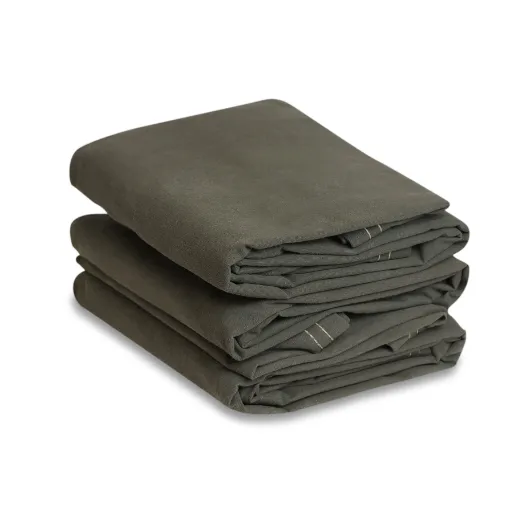
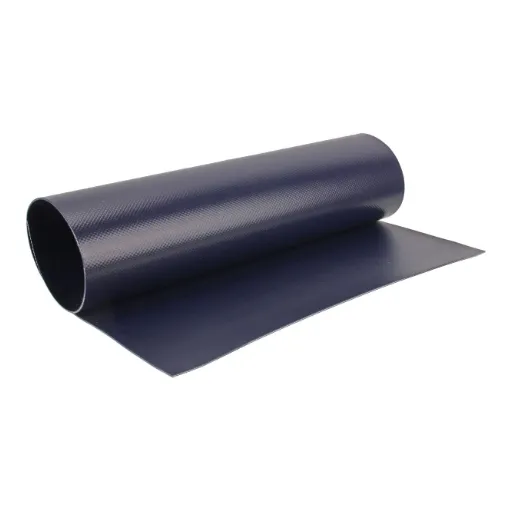
PVC inflatable fabric is an ultimately durable and strong material, which has become the favorite for many applications. It is a hard and robust material designed to withstand significant wear and tear and difficult conditions, making it highly reliable. Its strong and rugged structure alone is enough to resist punctures, abrasions, and even unending exposure to the elements, like extreme heat or UV rays. These are the essential features of outdoor usage, where inflatables have to be used continuously while fighting against nature without compromising the integrity of their structure.
One of the main aspects of PVC inflatable fabric is its tear strength that prevents tiny damages like small punctures from turning into larger tears anytime soon. This quality is further amplified by modern manufacturing procedures, like laminated reinforcement and the use of multi-layer construction. These modifications give more backing and prolong the life of the fabric, thereby catering to main applications such as inflatable boats, tents, and recreational equipment. Numerous industries rely on these characteristics to avert costly replacements or waiting time due to material failure.
🔬 Technical Advantages
PVC inflatable fabric’s toughness is also credited to its capacity to resist chemicals that might be present in the environment. PVC is made to endure oils, chemicals, and water, thus it is very suitable for those industrial and marine areas where exposure to these elements is common. Moreover, the material will eventually become less flexible and strong, but the process will be so slow that the chances of cracking or brittleness will never be realized. The newest direction in the development of PVC is to create more durable fabric for the future by coupling this flexibility and strength with additives and coatings that will not be replaced by old technologies.
Water Resistance and Maintenance
PVC inflatable fabric is famously associated with excellent water resistance, and hence, it is ideal for aquatic and outdoor applications. The fabric, due to its very nature, cannot absorb any water, thus remaining light and functional during wet conditions. This trait not only boosts performance but also diminishes the chance of the growth of microorganisms like mold and mildew, which otherwise could have reduced the lifespan of the material.
The maintenance of PVC inflatable fabrics is easy and economical. The usual cleaning process involving mild soap and water is often enough to remove dirt, stains, and debris, thus keeping the material’s look and functionality intact over a long period. The strong nature of the fabric allows it to endure and withstand changing temperatures and water contact over long periods without losing its quality. Therefore, it is perfect for inflatable boats, tents, and pool equipment.
On top of that, the development of new protective coatings has made the fabric much more resistant to solar radiation as well as chemical attacks, thus even more durable and less maintenance intensive. All these attributes ensure that PVC inflatable fabric continues to be a reliable and long-lasting choice in areas where water resistance and low maintenance are of utmost importance.
Flexibility and Weight
One of the key traits that make PVC inflatable fabric so popular is its remarkable flexibility. This property means that the material could be very easily and safely folded, rolled, or otherwise manipulated without causing any damage to the material. All these advantages combined make it very versatile for transporting and storing. The combination of PVC fabrics’ great softness with the manufacturers’ ability to produce both functional and compact designs is very essential in the case of wide applications such as inflatable rafts, life jackets, or even temporary shelters. The no-compromising flexibility comes with the structural integrity of the product and reliable performance even under repeated use and harsh conditions.
In addition to that, the lightweight nature of PVC inflatable fabric is another key factor that makes it very successful and practical in different environments. The fabric, although very light, has incredible strength and durability, and thus customers get a perfect combination of portability and resilience. The lightness of the fabric is an absolute necessity in reducing transportation costs to the minimum and in providing easy handling, especially for products that are meant for emergency or recreational use. For example, inflatable kayaks and bounce houses benefit greatly from this attribute as it makes the whole process of setup, carrying, and storing remarkably easy.
⚙️ Innovation Update: New developments in material engineering have also contributed to the flexibility and weight ratio of PVC inflatable fabrics. Manufacturers have applied advanced polymer blends and reinforcing layers to create a fabric that is both lighter and more durable than traditional materials. These advancements ensure that PVC inflatable fabric remains in demand by different sectors that range from outdoor recreation to emergency response, while remaining affordable and user-friendly.
Benefits of Using PVC Inflatable Fabric
Cost-Effectiveness
Versatility in Applications
The use of PVC inflatable fabrics is not only limited to one industry but they are very diversified and span across the board to even the extreme ends. Their strongness, small weight, and the fact that they can be bent make them the best choice for a lot of different uses. Below are the five main applications that showcase their versatility:
🏊 Recreational Products
PVC inflatable fabrics are used in producing inflatable boats, air mattresses, and pool toys among others. These items gain from the fabric’s water-resistance and puncture durability, thus being able to stay functional for a long time even with regular use.
⛺ Temporary Structures
PVC fabrics are usually used for event tents, medical shelters, and mobile workspaces as these inflatable structures are lightweight and portable. These are easy to install and provide a fast solution for temporary needs.
✈️ Aeronautical Applications
PVC fabrics are important in aviation-related applications from hot-air balloons to inflatable hangars. Their ability to endure extreme weather conditions makes them the best choice for areas where reliability is essential.
📢 Advertising and Promotional Displays
PVC inflatable fabric is often used in producing giant balloons, inflatable arches, and mascots that are unavoidably eye-catching to the public. The substance’s capability to keep brilliant prints further ensures visibility and effective branding.
⚽ Sports and Fitness Equipment
PVC fabrics are used in inflatable sports equipment that includes yoga balls and water sports gear because of their stretchiness and strength. These products address various recreational and fitness needs.
The different applications point to the versatility of PVC inflatable fabrics and their large impact on many industries. Their dependability and cost-effectiveness are still the reasons for the technology spreading in many different areas.
Environmental Considerations
The environmental impact of PVC inflatable fabrics is one of the major drawbacks despite all the advantages they provide. The manufacturing, recycling, and consumption of PVC materials have led to sustainability and health-related ecological concerns. Here are five major environmental factors in regard to PVC inflatable fabrics that need to be considered:
⚠️ Environmental Concerns
- Production Impact: The fossil fuel consumption and greenhouse gas emissions from PVC manufacturing are significant contributors to carbon footprints and global warming. Trying to curb the gases emitted involves the allocation of funds to eco-friendly technologies and renewable energy sources.
- Non-Biodegradability: The non-biodegradability of PVC means that dumped items will be around in the environment for centuries. This causes problems with the management of waste over the long term and calls for more recycling.
- Chemical Additives: Plasticizers, among other chemical additives, are utilized to improve the flexibility and performance of PVC fabrics. Some of these additives might leach into the surroundings and thus pose a danger to the ecosystem and human health.
- Recycling Challenges: Recycling of PVC is possible but the process is so complicated and costs so much that most of the time the facilities for recycling are not even available. Products made of contaminated or mixed-use PVC cannot be recycled at all, which is also a reason why the problem is getting bigger.
- Marine Pollution: PVC products that are carelessly disposed of can get to rivers and oceans where they will negatively affect marine creatures. These plastics usually become microplastics, which fish and other sea animals consume, hence distorting the aquatic ecosystem and possibly contaminating the food chain.
Looking Forward: Environmental challenges are being tackled by the introduction of biodegradable substitutes, enhancement of recycling techniques, and imposition of stricter guidelines on the manufacturing and disposal practices.
Common Applications of PVC Inflatable Fabric
Inflatable Boats and Watercraft
The popularity of inflatable boats and watercraft made from PVC inflatable fabric can be attributed to their great lifespan, lightness, and versatility. The vessels have been adopted in numerous industries and recreational applications. Below you can find five common types of inflatable boats and watercraft:
PVC inflatable fabric is used in these different types, showing its great flexibility and allowing for professional and recreational use in water environments.
Bouncy Castles and Recreational Products
Bouncy castles along with other inflatable playthings have become essential at various events like birthday parties, fairs, and family get-togethers. These products are made of sturdy PVC fabrics which are meant to give children and sometimes adults safe and fun playing activities. They can be found in numerous shapes, sizes, and designs to suit various needs and environments.
Below are the 5 most popular bouncy castles and inflatable types:
- Standard Bouncy Castles: These simple but very entertaining inflatables are traditional and have walls all around to keep the kids safe inside while giving a lot of space for bouncing. For children’s parties, they are very common and are offered in a wide range of themes like fairy castles, pirate ships, and cartoon-inspired designs.
- Inflatable Slides: Inflatable slides that are tall and very thrilling are favorites among children. They come in different sizes including single-lane and dual-lane options, and sometimes have accessories like water sprinklers for increased fun during summer parties.
- Obstacle Courses: Inflatable obstacle courses, which are a mixture of physical activity and amusement, present a challenging experience for participants who have to climb, crawl, and slide through different obstacles. They are very suitable for team-building activities and competitions.
- Interactive Games: Inflatable boxing rings, gladiator arenas, and sports games are examples of products that are designed to promote interactive play. They usually are a source of fitness and friendly competition, hence they are great for engaging group activities.
- Inflatable Water Parks: These inflatable structures aimed at causing aquatic fun comprise water slides, climbing walls, and splash zones. They are generally set up in pools or on lakes, where they turn out to be a source of fun during hot days and also provide a thrill to recreational water activities.
Every single one of these inflatable activities is an exhibit of the versatility of PVC materials, which are acclaimed for their durability, creativity, and safety in a wide range of entertaining experiences.
Industrial and Commercial Uses
The industrial and commercial sectors prefer PVC materials because of their strength, flexibility, and low price. Here are five main uses of PVC in these sectors:
🏗️ Construction Tarpaulins
PVC tarpaulins are typically deployed on construction sites to ensure the weather does not affect the materials and equipment. They stand up to the elements—wind, rain, and sun—thus guaranteeing a long life even in tough conditions.
🚚 Truck Covers
PVC truck covers made of heavy-duty material are the standard in the logistics and transportation industry for securing cargo. These covers not only prevent rain from getting inside but also offer wear resistance, thus protecting goods during transit no matter how far.
📊 Billboard Printing
PVC is the chosen material for making outdoor billboards and banners mainly due to its digital printing capability and the ability to withstand very bad weather conditions. This means the ads will be nice and easily readable for quite a long time.
⛺ Tents and Canopies
PVC of industrial quality is the material used for manufacturing tents and canopies, providing tough material for events and gatherings. These are light but strong structures, which make them a good choice for temporary coverage needs.
🏥 Inflatable Shelters
PVC inflatable shelters are being used in emergencies or industry-aiding situations. They are compact and very fast to set up and thus provide temporary but stable housing, workshops, or storage solutions.
Every single application mentioned here is clear evidence of the versatility and efficiency of PVC materials in various industrial and commercial situations, thus proving their adaptability and usefulness across different sectors.
Maintenance Tips for PVC Inflatable Products
Cleaning and Care Practices
Proper maintenance of PVC inflatable products is the route to their longevity and effectiveness. The first step is cleaning the PVC items after every usage with mild soap and warm water, particularly when they have come into contact with dirt, saltwater, or chemicals. Abrasive cleaning materials, such as hard brushes, should be avoided as they can scratch the PVC surface and ruin it. The best tool for cleaning without leaving scratches is a microfiber cloth or soft sponge. For the most difficult stains, diluted vinegar or specialized PVC cleaners can efficiently break down residues while ensuring the materials are not degraded in quality.
🧼 Best Practices Checklist
- Clean after every use with mild soap and warm water
- Use microfiber cloth or soft sponge to avoid scratching
- Apply diluted vinegar for tough stains
- Avoid abrasive cleaning materials and hard brushes
- Rinse thoroughly to remove all soap residue
- Allow to air dry completely before storage
Care has many aspects and storage is one of the most important ones. Before storing, check to see if the inflatable product is dry all over. If there is any moisture on the surface, it can cause mold or mildew to grow. When the product is dry, let the air out completely, fold it carefully so that no creases are formed, and put it in a cool dry place away from sunlight. Very high or low temperatures or too much UV light will make the PVC weak and be more likely to crack or discolor with time. To be extra safe, keep your PVC items in a protective bag or container and do not put anything heavy on top to avoid accidental punctures.
Finally, regular inspection is necessary to spot and fix small problems before they get worse. Look for small holes, leaks, or seams becoming weaker on a regular basis. If you apply a simple soapy water solution to the surface, it can help show you where the air leaks are because they will form bubbles. You can use repair kits that are made specifically for PVC materials to effectively cover up these areas. If you abide by these care practices, your PVC inflatable products will not only be functional but will also keep their appearance and performance for years.
Storage Recommendations
Storage that is done right is the key to extending the lifespan and preserving the quality of your PVC inflatable products. One of the steps to take before storage is to check that the inflatable is dried completely to avoid the growth of mold or mildew which in turn affects PVC material. A soft towel can be used to wipe off any moisture or the product can be left in a shaded well-ventilated area to dry completely. It is advisable to avoid exposing the surface to direct sunlight during the process because by doing so, the material may get weaker as a result of having prolonged UV exposure.
📦 Storage Guidelines
- Dry Completely: Ensure the inflatable is 100% dry before storage to prevent mold and mildew growth
- Deflate Properly: Follow manufacturer’s directions for gentle deflation
- Fold Carefully: Avoid very compact shapes that can cause creases and stress on seams
- Choose Cool, Dry Location: Store away from temperature extremes and direct sunlight
- Use Protective Container: Keep in storage bags to protect from dust, sharp objects, and pests
- Avoid Heavy Stacking: Don’t place heavy items on top that could cause punctures
- Periodic Inspection: Check stored items regularly for any damage or wear
Having dried the inflatable, the next step is to deflate the product very carefully following the manufacturer’s directions. Try to be gentle when you are either folding or rolling the inflatable, as making it into very compact shapes can cause the formation of creases and applying stress on seams. The best place for storage is a cool and dry place that is not exposed to the extremes of temperature or direct sunlight. Heat that is too much could make the PVC hard while being too cold for a long time could make it less flexible. A storage bag or container can help to keep out dust, sharp objects, and even pests besides providing an extra layer of protection.
If the inflatable is for long-term storage, then you should inspect it from time to time to check for any damage or wear. Besides the surface, check also the seams and edges, since those are the areas that are likely to suffer the most stress during storage. Treat any trouble spots promptly so that damage does not escalate. When you adhere to these storage instructions, your PVC inflatable products will always be ready for use and they will also maintain the quality of performing consistently over a long period of time.
Repairing Damages and Extending Lifespan
The duration of your PVC inflatable products is directly proportional to the quality of maintenance and repairs done at the right time. On the first sight of minor punctures or tears, the first thing to do is to wash the affected area with a mild detergent and then let it dry completely. The next step is to use a repair kit that is specially meant for PVC materials and usually contains adhesive and patches which can seal the minor damage very effectively. While applying the patch, it is very important that the surface is leveled and no air bubbles are present in order to create a strong and lasting bond.
🔧 Repair Process
- Clean affected area with mild detergent
- Allow to dry completely
- Use PVC-specific repair kit
- Apply patch ensuring no air bubbles
- Allow adequate curing time
- Test repair before full use
In the case of bigger tears or extensive wear, professional repair services will be the option to go for. Some manufacturers or specialized repair shops might have advanced techniques that can bring back the inflatable’s original state. It is very important to carry out regular inspections so as to be able to detect any damage early before it gets worse, especially in areas like seams or connection points which are stressed the most and thus prone to damage.
💡 Preventive Measures
- Avoid Over-Inflation: Do not inflate the product more than it is supposed to be since too much pressure can result in the material losing its strength over time
- UV Protection: Cover the inflatable with a protective cover to block direct sun rays for extended periods, preventing material degradation
- Clean Storage: Always keep in a location that is clean and dry to minimize the chances of damage by mildew or environmental factors
- Regular Inspections: Conduct routine checks to identify potential issues early
As long as those maintenance practices are followed, your PVC inflatable will not only be functional, safe, and reliable for many years but will also give you the maximum value and enjoyment.
Technical Specifications and Standards
| Specification | Details |
|---|---|
| Base Fabric | Usually made of polyester or nylon |
| Coating Type | PVC laminated layer applied through calendering or coating methods |
| Layer Construction | Multiple layers including base fabric, PVC coating, and outer protective layer |
| Key Properties | Airtight, high tensile and tear strength, UV resistant, weather resistant, abrasion resistant |
| Seam Joining | Heat welding for airtight, leak-proof seams |
| Compliance Standards | RoHS compliant options available with eco-friendly formulations |
| Optional Treatments | UV inhibitors, fire-retardant coatings, anti-mildew treatments |
Comparison: PVC vs. Alternative Materials
| Material | Advantages | Disadvantages |
|---|---|---|
| PVC Fabric | • Cost-effective • Excellent air retention • Good UV resistance with inhibitors • Lightweight and portable • Easy to repair |
• Environmental concerns • Not biodegradable • Can degrade without UV protection • Recycling challenges |
| Hypalon (CSM) | • Superior chemical resistance • Better heat tolerance • Excellent UV resistance • Longer natural lifespan |
• Higher cost • Heavier weight • More expensive repairs • Limited availability |
| Polyurethane | • Good abrasion resistance • Flexible in cold weather • Eco-friendlier options • Good tear strength |
• Higher production cost • Less air retention than PVC • More complex manufacturing • Limited color options |
| Rubber | • Natural material option • Good elasticity • Excellent grip • Traditional choice |
• Expensive • Heavier than PVC • Degrades faster outdoors • Difficult to repair |
References
-
Challenges in Design & Development of Envelope Materials for Inflatable Systems
This paper discusses the use of PVC-coated polyester fabric in inflatable systems and its performance under outdoor conditions. -
Drop Stitch Inflatable Structures
This study explores the application of PVC fabric in inflatable pool floats and its integration with other materials. -
Characterizing the Mechanical Properties of Drop Stitch Inflatable Structures
This research examines the mechanical properties of PVC fabric used in inflatable structures. -
Air Inflated Stage Roof Structure with Independent Energy for SMES Exhibition
This study highlights the use of PVC tarpaulin fabric in portable inflatable stage roofs. -
Inflatable Vessel Design Study
This design study evaluates PVC as the most feasible material for inflatable vessels based on tensile testing.
Frequently Asked Questions (FAQ)
❓ What is PVC inflatable fabric and what makes it ideal for inflatable products?
PVC inflatable fabric is a type of fabric that consists of multiple layers where the base fabric (usually made of polyester or nylon) is coated with a PVC laminated layer which produces sheets suitable for inflatable products. It has the ability to seal air in, has very high tensile and tear strength, can resist UV rays and is very weather resistant when UV inhibitors are added, and withstands abrasion—all these qualities have made this material a perfect fit for bouncy houses, inflatable boats, and large inflatable goods.
❓ What are the typical layers of PVC in inflatable fabric construction?
The typical PVC layers in the making of inflatable fabric normally consist of a base fabric (the strengthening part), a layer of PVC that is either coated or calendered and adhered to the foundation, and an outer covering for UV resistance or fire-retardant properties. The resultant material is a durable one that is airtight, resistant to punctures, and built to survive extreme weather and heavy traffic.
❓ How does PVC compare to Hypalon for inflatable boats?
Hypalon is another material used for inflatable boats, and it has higher prices and is heavier than PVC. Modern PVC laminated fabrics can withstand abrasion, are environmentally resistant, and can be treated for UV and weather resistance, thus providing excellent longevity when made with stringent quality control and the use of UV inhibitors. While Hypalon offers better chemical resistance and heat tolerance, PVC inflatable boat materials provide the best air retention and are often chosen based on cost-effectiveness and performance.
❓ Are PVC inflatable fabrics suitable for outdoor use and how do they handle UV resistance?
Absolutely. PVC fabrics specified for inflatable applications can have UV inhibitors and coatings that confer great resistance to UV rays, weather, and environmental factors. With the right fabrication and fabric solutions such as extra coatings, PVC inflatable fabric can endure harsh climatic conditions and last for extended periods without losing its quality or appearance.
❓ What manufacturing processes produce PVC inflatable fabric and ensure quality control?
PVC inflatable fabric is mainly made by using calendering or coating methods to laminate PVC onto the base fabric. Along the way, quality control measures involve testing for air leakage, tear resistance, puncture resistance, seam welding strength, and compliance with eco-friendly standards like RoHS. These processes help to materialize the characteristics of performance and durability that suit inflatable applications.
❓ How important is seam welding and airtight construction for inflatable products made with PVC?
Seam welding holds significant importance: welded seams sustain airtightness and the superior air retention quality of an inflatable. The right seam welding practices and inspections eliminate leaks and prolong the lifespan of inflatable products. Fabric has better longevity when seams are expertly welded and tested, particularly for items like inflatable boats or large inflatable castles that take a lot of use.
❓ What maintenance considerations and lifespan can I expect from PVC inflatable fabric?
If maintained properly—regularly cleaned, sharp objects avoided, dry storing, and protected from extreme heat—PVC inflatable fabric can last a long time. Its durable nature, anti-mildew treatments, and resistance to punctures and abrasion allow people to use it heavily. Lifespan varies with the kind of PVC, intensity of use, and exposure to UV and chemicals, but fabrics made for heavy use and with quality control last many years.
❓ Are PVC inflatables safe, eco-conscious, and compliant with regulations like RoHS?
PVC can fulfill environmental requirements and be produced in compliance with RoHS; manufacturers might employ eco-friendly formulas and methods to lessen the use of harmful additives. Fire-retardant and anti-mildew treatments can also be applied to PVC inflatable fabric. It is crucial to verify the manufacturer’s documentation for compliance, certifications, and any claims regarding eco-friendly production or reduced hazardous substances when choosing materials.
🎯 Conclusion
PVC inflatable fabric has established itself as an indispensable material across numerous industries due to its unique combination of durability, flexibility, water resistance, and cost-effectiveness. From recreational products like bouncy castles and inflatable boats to critical industrial applications such as emergency shelters and commercial tarpaulins, this versatile material continues to prove its worth.
Whether you are a product designer seeking reliable materials, a manufacturer looking for cost-effective solutions, or an outdoor enthusiast wanting durable gear, PVC inflatable fabric offers an excellent balance of performance and practicality. With proper maintenance and care, products made from this material can provide years of reliable service.
As the industry continues to evolve with a focus on sustainability and innovation, PVC inflatable fabric manufacturers are working toward eco-friendlier alternatives and improved recycling methods.