
Patent Analysis: Recent Innovations in Tarpaulin Technology
In recent years, the field of tarpaulin technologies has made significant progress with the help of new shapes and high-performance composite materials that make them tougher, softer and more versatile. Tarpaulins, as they were once known, now have to meet the crux of continuous needs with vast applications in building industry and farming in particular as well as concealing very expensive properties. The piece offers a detailed patent analysis in tarpaulin technology alongside the major developments that will affect the industry and more importantly the consumers. With these in mind, we will indirectly analyze if there are any improvements from the prior art and look forward to see how the weather fabrics will be utilized and developed in the upcoming years.
Overview of Tarpaulin Technology
Definition and Types of Tarpaulin
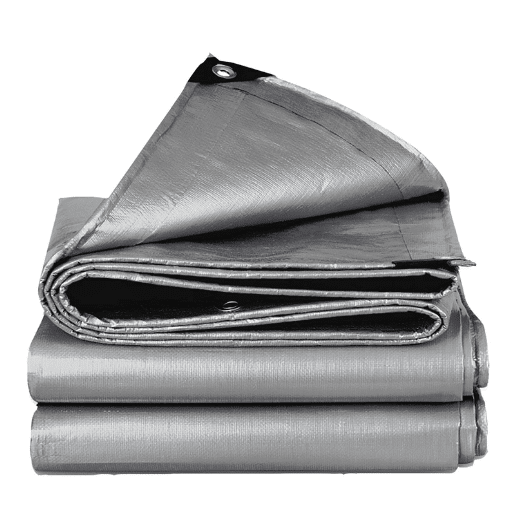
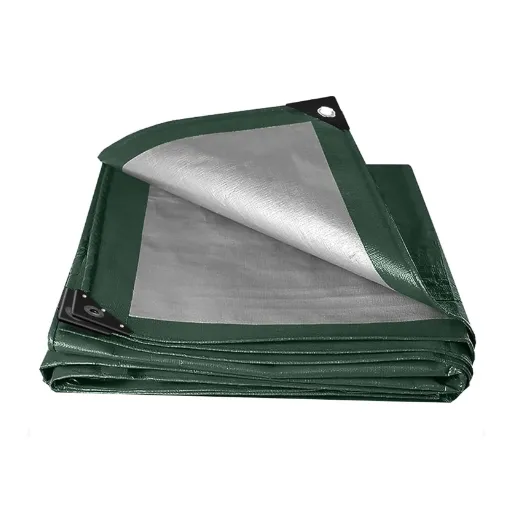
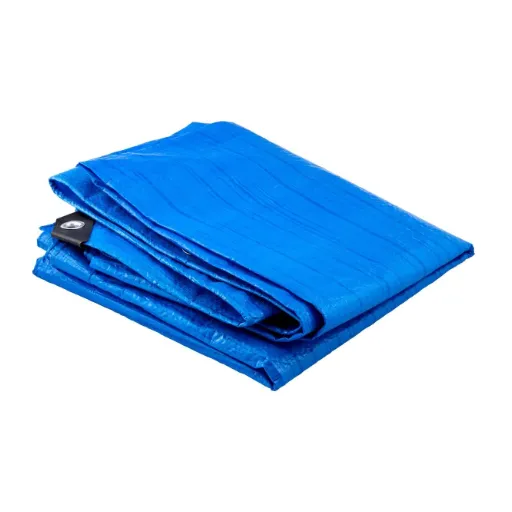
A tarpaulin, or a tarp as many people know it, is a highly robust and bendable cloth mainly used to cover and shield things from harsh weather elements like rain, wind, and sunlight. It is polyester, canvas, or wood given its stiffness and is then layered or covered with polyethylene or PVC for that more added water-proof property that tarpaulins are known for. Their form and structure is not only aimed at maintaining such items, but maximizing the use of these items in difficult environments.
The classification of tarpaulins is largely attributed to the kind of material used and its physical properties. Tarpaulin made of polyethylene (PE) is light, cheap and hinders water penetration thereby making it suitable for short-term covering; this includes for instance construction and outdoor storage. Vinyl pristine tarps, however, have a more sturdy build as well as high resistance to wear and tear, ultraviolet radiation, and chemicals; this is mainly applied in the manufacturing and transport industries. Canvas tarpaulins, constructed from protective natural paper-do, find application among farmers and environments that require ventilation such as greenhouses. Amongst the other types of tarp are the fire-resistant ones, which provide patent analysis to lack of fire, and mesh tarps which are used in instances where light and movement of air is advisable for example during the construction of a scaffold or a fence.
Each type of tarp, like patent analysis, is designed to address certain problems in a number of industries including: agriculture, construction, transport, and disaster management. Different factors including such things as the type of fabric, coating, and the atmosphere in which the product will be employed, allow the users to make an informed selection. This trait of tarpaulin enhances its place as an adaptable measure providing cheap protection for many hands-on activities.
Materials Used in Tarpaulin Manufacturing
In general, the majority of tarpaulins are made out of very strong artificial or semi-natural materials to ensure durability, resistance to climatic elements, and flexible design. Examples of such materials include, rather than restrict themselves, polyethylene (PE), polyvinyl chloride (PVC), canvas, and polypropylene (PP). There are also specific properties for each of these materials which are useful for specific purposes, thus serving as a base for high-performance tarpaulins production.
Expandable plastic material – mainly referred to as polyethylene (PE) – accounts for a substantial volume of sale due to its light weight, waterproof structure and affordability. The interwoven high-density polyethylene (HDPE) is applied with low density polyethylene (LDPE) coatings to increase the tear strength and longevity of the material. This ensures the development and manufacture of a tough and workable product ready for use as and such for farming covers and shelters or even for generic purposes.
Heavy duty and long range applications call for the use of Polyvinyl Chloride (PVC) coated tarpaulins. PVC coated fabrics perform exceptionally for waterproof comes in handy. works perfectly come summer or winter includes outdoor installments being waterproof and tends to the UV radiation in an elastic way. Flame Proof Tarpaulins especially Additional Coating of Some Tarpaulins in Poly Vinyl also further put their efforts for fire-prone places. They are designed to optimize both costs and performance depending on the situation envisaged.
Importance of UV Resistance in Tarpaulin Sheets
Tarpaulin sheets are used for various outdoor functions that necessitate exposure to sunlight; therefore, it is crucial that they are UV safe. When a property lacks UV resistance, it is more prone to wear and tear as this entails degradation, yellowing, and erosion of the material. In this regard, additional functionality is needed especially in structures for example heavy duty tarp for building construction to provide sun shade and direct exposure.
To add or enhance UV resistance, finished materials or polymers may have some anti-UV agents incorporated into them, or a top layer barrier that filters the radiation could be introduced. It stops the polymers composing the tarpaulin from breaking down, thus making sure it remains strong and flexible for a long period. This translates to less repair work for the users, lower purchase and replacement expenses as well as efficient utilization of the apparatus wherever it is stressed the most.
It should be noted that some of these tarpaulins can also withstand ultraviolet rays and this is important in the maintenance of the items or spaces that it covers. Be it crops or equipment or temporary structures, all can be sheltered from the ultraviolet radiation that would otherwise damage the enclosed material. Owing to the consideration of constructing these tarpaulins with a supplementary film they are more appealing to the industries that require day in day out structures that are also weather proof.
Patent Landscape for Tarpaulin Innovations

Recent Patent Filings in Tarpaulin Technology
The tarpaulin sector has become a hub of creativity and innovation over the past few years, with patent analysis revealing a trend towards the production of stronger, more weather-resistant, and more functional tarpaulin units. Of interest here is the integration of nanostructures where embedding nanoparticles in the tarpaulin material optimizes its tensile property and the ability to withstand the containment of chemical components. As well, Antiprisms with varying shear properties underside have been introduced in composite tarpaulin materials from a patents perspective. These Antiprisms enable the creation of lightweight fabrics, which are nevertheless durable under heady temperature changes.
Additionally, another achievement augmented with self-repairing tarp systems has particularly aroused lots of attention. Analysis of recent patent filings indicate that sealant inculcation in microcapsules within fabric housing layers has been appropriate. This is done whenever a rupture is expected thus the sealant within the activated capsule is released which serves to cover the ground preventing any further rupture damages thus blocking the life of the material once more. Such a synergy can be extremely important in sectors that engage in out of doors infrastructure development for example construction and agriculture, as well as emergency management.
One more meaningful trend in recent patents is the use of renewable energy technologies in tarpaulins. To put an example, there are flexible photovoltaic (PV) panels worked into the tarpaulin material, so that it can perform protection and electricity production simultaneously. All these developments are targeted at addressing demand for green solutions particularly in hard to reach areas and in cases when small level energy generating installations must be installed for a short period of time. In addition to this, smart tarpaulins fitted with sensors for weather parameters and operational status of the material are also being filed under this newer category.
The patent analysis of this field indicates the direction that the industry is moving towards, which is inventing and making tarpaulins useful, safe, efficient and hence, eco-friendly wherever these products may be applicable. These new initiatives aid a great deal in underscoring the necessity of continued innovative processes on outdated tarp technologies.
Analysis of Patent Trends and Insights
A recent patent analysis review within the tarpaulin industry has shown a differentiated orientation towards the development of versatile and eco-friendly approaches. In most invention disclosures, vividly designed structures made of advanced materials, such as polymer-enhanced products or fabrics containing graphite/graphene or nanoparticles, are clearly present. The existence of these features allows a tarpaulin to be stronger, water-proof, and more ultraviolet resistant, which means it can meet very harsh weather conditions without compromising its shape.
Another striking feature in the examined patents is that they incorporate elements of digitalization. Theranostic devices such as sensors which are fixed for the control of temperature, humidity, or even strain on a tarp are very common these days. Such solutions contribute to the concept of maintenance by prediction and address the question of how a tarp can be used in conditions where it should not be used,or its service life should be extended.
Nonetheless, sustainability is equally being focused upon, with a corresponding increase in patents focused on designing for recyclability or biodegradability. The trend also fits into the international pressure from the regulatory bodies and the market demand for green solutions and in effect, the sector is in position to retrofit and adjust books and molds quickly to the changingworld’s environmental expectations.
In the end, the changes in the patent analysis indicate that there have been efforts across the industry in response to changes in the market, i.e. flexibility, durability, or sustainability. Along with the increasing emphasis on these trends is the importance of innovation that transforms existing products to serve niche and advanced application purposes.
Market Analysis and Forecast
Current Market Size and Growth Rate of Tarpaulin Industry
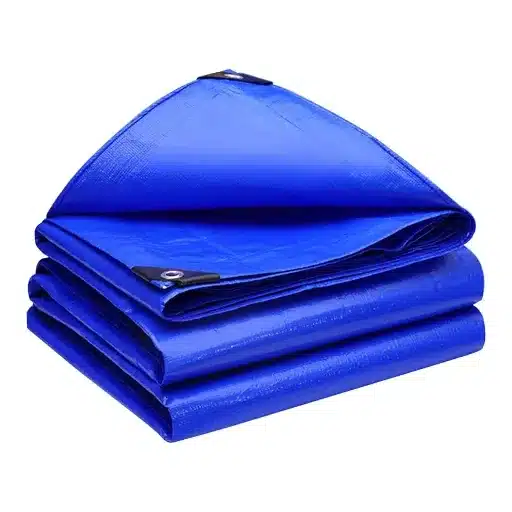
In recent years, the industry for production of tarpaulins has grown at a steady pace powered by its multi-purpose use in various fields, such as agriculture, construction, transport or warehouse use. It is estimated that in 2022, the global market for tarpaulins was worth around 8.5 billion dollars, and in the period of 2023–2030 its compound annual growth rate should amount to 4.2 percent. Expansion is happening as more people require lightweight and sturdy as well as cheap protective materials which promote efficient logistics services and resilience to environmental phenomena. Specifically, developing countries, as a result of rapid construction growth and industrialization, have become healthy sources of this growth.
As far as geographical locations go, Asia Pacific accounts for the biggest and fastest developing market for tarps thus forms a major part of the total sales. This is due to the remarkable rise of infrastructural development and urbanization, mostly on China and India. Moreover, as this region attempts to advance itself by modernizing its agriculture, the use of tarpaulins for crops ether during protection or storage has gone up. Conversely, in North America, the demand remains stability according to records, with main prominence in transport and storage services. A fairly good share of the market is also presented by Europe, with the advancement being driven by the rather stringent laws that favor the use of recyclable and biodegradable materials in the manufacturing processes.
Some likely causes of this growth are; firmer preference for tarpaulins that are of higher performance made of advanced materials like polyethylene, polypropylene and PVC that offer enhanced durability, weather satisfies as well as sealants among others for customization purposes. Moreover, there is a shift to the market players imposition of eco-friendly products and compliance with environmental policies all of which enhance development of the industry. In the midst of this interest in going green, however, as mentioned above, the gradual incorporation of technology that allows for digitalities of the supply chain aspect means that the tarpaulin sector remains robust as it will be able to transform along the prevailing trends and requirements of the market without loosing the operational and environmental aspect.
Projected CAGR and Future Market Trends
The tarpaulin market is estimated to grow at a CAGR of around 5.4% between the years 2023 and 2030. Such high demand across industries including agriculture, construction, logistics, as well as automotive applications warrants robust growth. Uppward expansion is explained by introduction of new manufacturing technologies which facilitate manufacturing of lightweight strong and weather proof tarpaulins for specific industries.
There is a noticeable new trend towards the production of eco- friendly tarpaulin as consumers start to change their preferences and regulatory authorities enhance their requirements on environment as a marketing lever. Alongside the increased e-commerce opportunities and logistics transportation requirements, the demand for tarpaulins has also expanded. With digital supply chain optimization, operating efficiency is improved thus enabling manufacturers to be more active in the market.
In addition, the insights from a regional point of view demonstrate that Asia-Pacific continues to be the largest market because of industrial expansion as well as increasing infrastructure and agriculture extensions. Nonetheless, Northern America and Europe continue to witness high levels of demand as well, with an emphasis on high-performance tarpaulins that meet high environmental regulations. These growth drivers across regions and industries highlight how flexible and robust this particular industry has become, even in light of growing changes in the global economy.
Impact of Emerging Technologies on Tarpaulin Products
Speaking about the tarpaulin industry, it is currently experiencing immense progress due to the stream of technology. Products of this sector become functional, reliable and eco-friendly appearing for the purpose of superseding the existing solutions. It has led to massive changes in the production of tarpaulins and their utilization, making it possible to accommodate the existing marketing needs and constraints. Here is a more comprehensible dissertation on the five identified focal emerging technologies and their consequences on the behaviour of tarpaulin materials:
- Implementation of Nanotechnology: The use of nanomaterials such as nanoparticles and nanofibers in the making of tarpaulins improves their properties such as strength, elasticity, weather resistance. For example, it was discovered that 45% of the infinite scope of improvement can be reached in tensile strength using nanotechnology with the additional benefit of thinness of the material improved.
- Smartagne Protest shows coatings: It is possible to enable innovative functions such as the self – cleaning and temperature regulating features in tarpaulins with smart coatings. As an illustration, approaching this with a hydrophobic coating helps in the reduction of costs and efforts as it repels water and dirt, on the other hand, a thermochromic coating conserves heat as fitting with the outside environment.
- Recyclable and Biodegradable Materials: In order to achieve sustainable development, research and development has focused on biodegradable plastics and recyclable materials for example Polyethylene and bio-plastics. All these applications are in conformity with the standards of the global environmental development and they reduce waste being sent to the landfill below 60% as compared to the use of the old tarpaulins.
- Manufacturing Techniques Automation: Use of automated manufacturing techniques such as robotic arm welding and press cutting strikes standardization in production, minimizes defects by 30% or more and at the same time improves productivity. It equally enables the manufacturing of tarpaulins used for more specific purposes.
- Smart Tarpaulins: For years now, it has been possible to find tarpaulins that are equipped with IoT and can measure several environmental parameters such as temperature, humidity and stress of the material. With these kinds of tarpaulins, it is easier to maintain the quality of products, or optimize processes in agriculture or industry.
These are examples of how the industry is advancing the development of tarpaulins and includes making them robust, yet still eco-friendly and effective for several purposes.
Applications of Tarpaulin in Various Sectors
Use of Tarpaulin in Construction
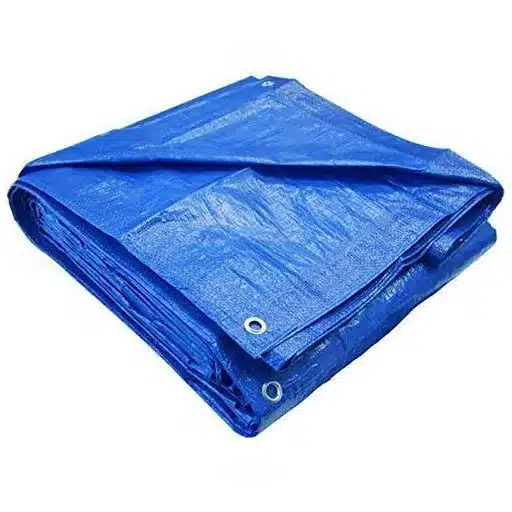
It’s impossible to overestimate the impact of tarpaulins on the industry dealing with construction in general and building construction in particular. Tarpaulin, being one of the expandable and cheapest material, is great for a variety of needs and tasks. Here are five specific uses of tarpaulins in building works:
- Weather Related Damage Control: These tarps actually serve as a cover on the building materials, processes and structures such that they can be raint, snowy, windy or any type of weather which is adverse, or any weather at all. Within this manner, materials are not subjected to environmental elements and do not degrade further which can cause failure of the project.
- Dust and Debris Containment: Should any demolition or construction activities take place, it is likely that tarpaulins will be employed in order to contain substantial amounts of dust or debris within certain confines. This what happens has also been discussed in the tripartite that contains that tarpaulin minimizes public health pollution pollution and guarantees public health confomity and security.
- Covers for Scaffolding: This type of tarpaulins creates a protective cover to the entire scaffolding structure which promotes the safety of workers by preventing falling objects and minimizing unusual temperatures during construction activities in extreme conditions.
- Protective Tarp Uses: In addition to construction purposes, tarpaulins can be used to cover and store tools and materials or set up a temporary building on site. This makes everything accessible and prevents essential materials from being affected by climatic factors.
- Base Covers: Strong poly tarps can very well play the role of base covers by providing solutions for soil erosion, on-site construction site stabilization, and materials such as gravel and sand in place.
All these uses explain why the construction industry too has, to a great measure, relied on the manufacture of tarp products. These are versatile, long-lasting, and economical enough to meet any operational requirement while providing maximized effectiveness and safety at the site.
Applications in Transportation and Logistics
Tarpaulins are important in the transport and logistics sector due to the advantages that they offer and the extent of their utility. These heavy duty coverings provide expansive usage in many operations worldwide, providing security to cargo being transported. Presented below are five main uses and their explanations:
- Protection of Cargo: Tarps are used to protect goods from elements that may cause them harm such as rain, wind or even harmful ultraviolet (UV) rays. This is crucial especially when the load is sensitive or perishable and has to be transported over long distances. For example, a polyethylene tarp is able to block up to 95% of the sun’s rays which prevent deterioration of the materials being transported.
- Covers for Trucks and Trailers: Heavy duty tarpaulins such as canvas or PVC are used to cap an open truck or trailer, which is important in preventing loads from spilling over and protecting the material. To this effect, tarpaulins that have polyvinyl coating as well as fire retardant properties are normally used to transport commodities as regulations of regions demand for such safety measures.
- Hazardous Materials : Containment: Therefore consumable tarps such as the ones used in containment of spills are utilised when hazardous items for example chemicals or even refuse which are sometimes industrial in nature have to be transported. Such property saves or reduces an environmental issue caused by movement leakage over such chemicals.
- Pallet Wrap Load Securement: Tarps act as a reinforcement when applied while pallet wrapping, helps maintain and hold the contents in the shipping pallets into position. This way, the items are not scattered or even shaken out of the location during any sudden movement or even vibration while transporting them.
- Weather Shield dampening emergency unit: In unpredictable climates, during the logistical operations, tarpaulins serve as makeshift shelters or coveralls for the goods lying on the open ground or in ready positions. Their high tensile strength makes them convenient in the emergency cases or during the unfavorable weather conditions such as storms.
These applications emphasize the importance of this most ordinary device for tarpaulins in ensuring the integrity of operations and providing security of assets in transport and logistics.
Role of Tarpaulin in Agriculture and Environmental Protection
Tarp tools are of great importance within the agricultural and environmental sectors as they are a fitting solution to some operational and preservation needs as well as sustainability. Their variety of usage and long-lasting nature is well worth mentioning. Here are five very important purposes of tarps in the above mentioned areas:
- Protection of Crops: Most crops are tarps covered because of adverse weather conditions like heavy rainfall, or hailstones or even direct hot sun rays. With the help of the crop micro-climate the crop lost during the crucial growth and harvest phase is partially avoided and thus kept to a minimum.
- Soil Conservation Ground Cover: Tarpaulins can also be used as ground covers for areas where erosion is likely to occur either around soil vents or generally the soil surface. Loss of soil is reduced by the use of tarpaulins to anchor the soil. While anchoring the surface soil, run off is minimised, which helps in maintaining the soil structure and fertility, which is essential to practicing sustainable agriculture.
- Covering Silage and Hay: Farmers, for instance, combine tarpaulins with silage and hay bales with the effort of preserving them from moisture, together with mold or spoilage, if available. Research suggests that covering silage reduces spoilage losses by at least 25% which translates to better quality feed and improved efficiency.
- Water Harvesting / Storage: Tarpaulins also help to collect water by building water storage structures, such as water pans or tanks, in areas with insufficient water resources. Since they are waterproof, there is minimal loss of captured rainwater that is meant for crop irrigation or animal watering.
- Waste Minimization and Environmental Protection: Linings and cover layers are made of tarpaulins income waste storage and composting facilities in the field, which contains the leachate and prevents it from contaminating nearby soil and water. Moreover, because overflowing waste is a common and recognized practice in toxic materials transportation, these blankets also help in reducing and environment-friendly as well as statutory compliant managing hard waste.
Through these usages, tarpaulins are pivotal tools that ensuring higher agricultural productivity also aid in other processes of environmental protection and resource conservation.
Product Performance and Innovations
Evaluating Performance Metrics of Tarpaulin Products
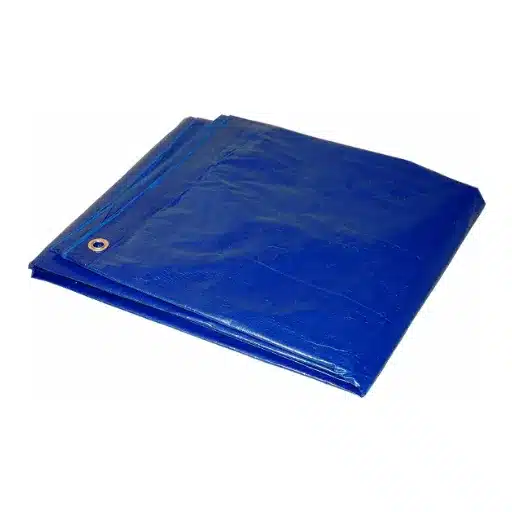
The comprehension of tarpaulin products performance indicators is rather impossible without taking into account various other vital factors. Some essential performance indicators are tensile strength, tear resistance, UV resistance, water proofing and the thermal stability. The equipment like Universal Testing Machine (UTM) is used for measuring tensile strength in newtons per square millimeter (N/mm²) which reveals how much the material may be strained or stressed before failure i.e. breaking, and tear resistance is used to explain how much force is needed to puncture a fabric and rip it out into operational activities respectively.
One important functionality to the durability, especially in relation to heavy tarpaulins is protection from high levels of UV light exposure. This is one of the reasons why most coatings today comprise UV-stabilizing compounds within them, to reduce the amount of UV rays absorbed that causes damages. The water resistance which is usually explained in terms of the amount of force needed to move water through the mm square of a foil is generally provided in terms of a hydrostatic resistance. Moreover temperature tolerance limits identify ranges in which materials can operate in situations which involve extreme climatic temperatures such is the case of thermoplastics used to manufacture tarpaulins.
To boost these performances, there has been an innovative emphasis on improvement of high-density polyethylene (HDPE) and polyvinyl chloride (PVC) materials with greater density, covered with antifungal coatings, prepared with weaving techniques. These advancements increase durability and lessen mass, making easy the movements of the material. Laboratory mechanical and environmental tests of the product are conducted at intervals, which enable certification of the product in accordance with international standards such as ISO 811 for fabric waterproofing and ISO 13934 for fabric strength. Combining the advancements in material and technology with exhaustive testing, tarp materials crafted today are highly potent and versatile to industry premeasures.
Innovations in Composite Tarpaulin Materials
Composite tarpaulin materials have recently evolved mostly due to advancement in production technology of the laminates and coating materials as a result of many innovations in this field. Lightweight, high performance laminates including polyvinyl chloride ( PVC ), polyurethane ( PU ) and thermoplastic polyolefin ( TPO ) are currently being improved for their strength apart from their weight. Multilayer coatings have now incorporated nano enhanced additives for protection against the ultraviolet rays, abrasion and chemical degradation. Such innovation is directly related to the main problem of using these materials for industrial purposes, and helps to minimize the product life span and maintenance cost.
For example, the use of PECVD (plasma enhanced chemical vapor deposition) technologies in the process of coating makes it possible to achieve control over the surface properties, their hydrophobicity and heat resistance in particular, to a great extent. This technology helps manufacturers handle certain requirements, as in the case of demanding external usages. Furthermore, from other sources it can be seen that advanced composite materials with laminates and film are improved by as much as 40% in terms of tensile properties and shape retention in comparison to non-advanced tarp.
Sustainable material practices serve a secondary purpose of encouraging the development of innovative solutions more often as well. In this regard, using bio-based polymers is one of the most popular examples of recyclable components that sustain green technology by adopting sustainable manufacturing practices while maintaining the quality of the products. These changes not only set out to meet strict environmental laws worldwide, there is more than one sector that is happy to embrace development trends designed around more green concepts. With the employment of advanced lamination techniques and the best practices of sustainability, the production of composite tarpaulins will introduce new standards with regards to both performance and environmental concerns.
Future Developments and R&D in Tarpaulin Technology
Growing industrial and environmental needs play an essential part in the further development of tarpaulin materials. This process is largely affected by patent analysis carried out in the field of new materials based on highly functional polymers and nanotechnology. Such modifications contribute to the strength of the polymer products and resistance to ultraviolet rays, as well as, flexibility of the materials. This enhances the performance of tarpaulins in adverse weather conditions thereby increasing their service life. In addition, focus is given to the development of biodegradable biodegradable and recyclable tarpaulins in an effort to reduce the incorporation of petrochemical materials.
The modernization of technology is another direction that is actively pursued in R&D. It rests on self-repairing, performance-monitoring, sensor-based, and coating-based properties facilitated by the materials’ ability to respond to the environment. These kinds of coatings, for example hydrophobics or flame inhibitors, used in various branches of industry are also being improved.
In addition, new manufacturing processes, more notably layering techniques, and lamination processes, are improving the alignment of the components and variation of materials, and cause less production waste. Such enhancements higher mature performance attributes and comply with the renewed more restrictive global environmental laws. In this way, sustainable advancement will push the industry forth, raising the spectre of innovations being crafted into tarpaulin technology modes faster than what is applicable to today’s standards consistent with the present day.
References
-
The ‘484 Patent Claim Construction – University of New Hampshire IP Mall
Discusses a patent for a tarp cover system for flatbed vehicles. -
Sundance, Inc. v. Fabricating – University of New Hampshire IP Mall
Covers a patent case involving tarpaulin and sidekit manufacturing. -
Injunctions in Patent Cases After eBay – University of Illinois Chicago Repository
Examines legal cases involving tarp systems for flatbed trailers. - Click here to read more.
Frequently Asked Questions (FAQ)
Q: Elaborate on the term patent analysis tarpaulin and the significance of this tool for understanding the market in reports.
A: patent analysis tarpaulin is the process that is applied to the patent aspect of the tarpaulin perfections. It details the components of the patents as inventive, or existing features and the current state of the art which is necessary in order for the market report and market research to determine the market share, dynamics and opportunities.
Q: In what ways can an analysis of the patents in the tarpaulin and their application help to explain the present and future expansion of the said market?
A: An exhaustive patent analysis tarpaulin examines certain tendencies, market players and disruptive patents that lead direction for the market. The figures out, where and when market capacity will grow more rapidly, basis on deplication of patent filings, and their propagation according to the methodology of research, will enable the external investors and other interested parties to decide whether or not to invest into the given R&D activity, or seek market expansions in such countries and regions as latin america.
Q: What research literature and analytical techniques are often applied in the analysis of tarpaulin patents?
A: In the context of patent analysis concerning tarpaulin, studies include patents filed with patent offices, reports on the market, application programming interfaces for current information, amongst others. Analytical techniques covered range from creation of technological landscapes, study of citations, and integrative analysis of inventors and assignees, so as to provide undistracted findings about technology regions, equipment, chemicals, new inventive lines of thought.
Q: In what ways do patents overcome problems like UV degradation, providing UV protection, or oscillations in raw material cost?
A: The patent analysis tarpaulin uncovers various technical approaches to the problem achieved through the development of UV protective films, a woven structure, or quite original thicknesses that lessen the intensity of UV. In addition, patents consider substitutes for raw materials and changes in the production process, thus maximizing the efficiency of tarpaulins used in the open air where these materials are relatively cheaper with, the production, and maintenance of costs too kept down.
Q: What is the significance of inventors, analysts and platforms in launching a product that is governed by a patent?
A: The formulation of concepts which are patentable is a mandate for the inventors whereas an analysts engages in compiling patent analysis tarpaulin into research and market tarpaulin reports. Platforms and APIs enhance the speedy gathering and sharing of data and information. All these form the basis in making decisions on launching new products in target markets and the level of participation of consumers in those products in the near future.
Q: Is it possible to conduct patent analysis and establish critical components of the tarpaulin design such as monolithic materials, new grommet structures and alterations of the fasteners?
A: Certainly. patent analysis tarpaulin presents a list of and highlights seamless fabrication patterns, coupler reinforcements, innovative fastener designs and the equipment specific techniques in the market. In the market of tarpaulins, such inventions are a source of competitive advantage and hence appear lower in hierarchy on market reports or analyst reviews.
Q: What is the role of patent analysis in R & D investments and Growth Opportunity Analysis?
A: There is patent analysis tarpaulin which reveals the white spaces, patent thickets and even the nearby competitors’ IP strategy and helps the company efficiently choose where to invest into R&D. In addition, there shall be different growth opportunities, such as the introduction of eco-friendly coatings, multipurpose design for outdoor use, manufacturing tools that can reduce costs or new markets that can be explored.
Q: In patent analysis of tarpaulins — What kind of challenges are generally noticed? For example, changes in market characteristics or limited access to trade secrets.
A: Some of the problems i. shifting references of raw materials, ii. patent classifications are disjoint, and iii. prosecuted contents are accessible to only a few people are some of the hurdles faced in doing patent analysis effectively for tarpaulin. In order to endure the complexities of diverse patent spaces, changing market conditions and recent additions to the market, relevant patent information which takes market research and rubber industry maturation into consideration, must be amplified with market reports and timely APIs.