


Polyester Fabric for Airbags: The Future of Airbag Fabrics
In the evolving landscape of automotive safety, the role of airbag fabrics is paramount. Polyester fabric, in particular, is emerging as a leading choice for airbag systems due to its impressive mechanical properties and cost-effectiveness. This article delves into why polyester is becoming the fabric of choice for manufacturers and how it is poised to revolutionize airbag technology. From its use in front airbags to its application in side and curtain airbags, polyester fabric is setting new standards in vehicle safety.

24
Years in Business
120
5-Star Reviews
2k
Active Customers
12
Counties Served
Product Features
Key Features and Benefits of Polyester Airbag Fabric

Polyester airbag fabric stands out for its superior durability, a key advantage that makes it an ideal choice for automotive safety systems. The polyester fibers used in these fabrics exhibit exceptional resistance to environmental factors such as temperature fluctuations and humidity, ensuring consistent performance. This durability is further enhanced by the reinforced polyester construction, which guarantees reliable airbag deployment even under the most challenging conditions. The integration of polyester fibers ensures that the airbag systems remain resilient and dependable, providing robust protection when it is needed most.
Cost-effectiveness is another significant benefit of polyester airbag fabrics. Compared to traditional materials like nylon, polyester offers a more economical solution without compromising on performance. The increasing use of polyester yarn in airbag systems, particularly in economy vehicle models, highlights its value-driven appeal. Polyester’s good tensile strength ensures that these fabrics can withstand the rigors of deployment, making it a cost-effective choice for manufacturers looking to balance safety and budgetary constraints in their automotive airbag applications.
The design flexibility offered by polyester airbag fabric is revolutionizing the industry. Innovations such as flat airbag textile have enhanced the flexibility and strength of airbag fabrics, crucial for efficient deployment. These textiles are engineered to provide a flatter profile, optimizing the space within the airbag module and improving aesthetic integration into vehicle interiors. This flexibility is particularly important for applications like knee airbags, where high strength and flexibility are required to ensure effective protection without adding bulk or weight to the system.
Featured Products
Polyester Base Airbag For Sale
Polyester airbag fabric is essential for vehicle safety, offering exceptional tensile strength, tear resistance, and high melting point, ensuring reliable performance and occupant protection during airbag deployment.

Tensile Strength and Tear Resistance in Airbag Fabrics
Polyester fabric for airbags excels in tensile strength exceeding 500 N/cm and tear resistance, ensuring reliability and intact deployment. These properties provide high impact resistance, abrasion protection, and durability against environmental factors like extreme temperatures, safeguarding occupants over the vehicle’s life.

Melting Point and Coating Options
The melting point of polyester fabric is a critical specification influencing airbag performance. Polyester’s high melting point of 260°C ensures stability up to 175°C during deployment heat exposure. Coating options enhance functionality with fire retardancy and air retention, meeting diverse safety needs for occupant protection.
Market Outlook for Airbag Fabrics
Current Trends in Polyester Airbag Fabric
Polyester airbag fabric is increasingly favored over traditional options like nylon, largely due to its cost-effectiveness and satisfactory performance. Manufacturers are actively exploring eco-friendly alternatives such as recycled polyester and hybrid coatings, aligning with regulatory demands and consumer expectations for sustainable products. These innovations not only enhance the environmental footprint of airbags but also offer manufacturers opportunities to stand out in the market. The shift towards sustainable and innovative fabric solutions is shaping the future of the airbag fabric industry.
Future Growth Projections
The airbag fabric market is poised for substantial growth, with projections indicating a rise from USD 2.1 billion in 2023 to USD 3.6 billion by 2032. This growth is fueled by tightening safety regulations and evolving vehicle technology, increasing the demand for advanced airbag systems. The Asia Pacific region is expected to lead with a CAGR of 7.2%, reflecting its burgeoning market potential. Meanwhile, North America anticipates steady growth at a CAGR of 5.5%, driven by ongoing developments in airbag technologies that meet contemporary safety standards.
Market Size and Key Players
The global airbag fabric market is expanding, with a projected market size reaching USD 3.6 billion by 2032. Key players such as Toyobo Co., Ltd., Toray Industries, Inc., Hyosung Corporation, and Autoliv Inc. dominate this space, renowned for their advanced fabric technologies. Toyobo Co., Ltd., in particular, stands out for its innovative contributions to airbag fabric development. These companies continue to drive progress and innovation in the industry, cementing their roles as leaders in the production and supply of airbag fabrics.
Polyester airbag fabric Technical Capabilities & Specification Overview
This table provides an overview of the technical capabilities and specifications of Polyester airbag fabric, highlighting their importance in automotive safety solutions.
| Property | Specification | Unit |
|---|---|---|
| Basis Weight | 150-300 | g/m² |
| Tensile Strength | ≥500 | N/cm |
| Warp Tongue Tear Strength | ≥0.75 | N/g/m² |
| Weft Tongue Tear Strength | ≥0.7 | N/g/m² |
| Yarn Tenacity | ≥65 | cN/tex |
| Yarn Denier | 200-800 | dtex |
| Thickness | <0.35 | mm |
| Melting Point | 260 | °C |
| Dynamic Air Permeability | ≤1000 | mm/s |
| Heat Shrinkage | <6 | % |
Testimonials
What Our Customers Say About Our Polyester airbag fabric
Our commitment to safety and innovation has earned the trust of industry leaders worldwide. See what our clients say about our polyester airbag solutions
“I’ve been using polyester airbag fabric in our vehicle designs, and I’m impressed with its durability and tensile strength. It ensures safety functionality while maintaining lightweight properties. This fabric is a game-changer for improving airbag reliability and performance. Highly recommend it for anyone involved in automotive safety innovation!”

John Carter
“The polyester airbag fabric stands out for its exceptional quality and resilience. It’s incredibly sturdy, resistant to wear, and performs consistently under pressure. I’ve worked with various materials, and this one meets the highest safety standards while being easy to handle during production. Excellent product all around!”

Emily Rodriguez
Typical Applications of Airbag Fabric

Discover Reliable and Cost-Efficient Polyester Airbag Fabric
Enhance safety and durability with our premium polyester airbag fabric, engineered for high-performance impact resistance. Designed to meet stringent safety standards, this fabric offers excellent strength, flexibility, and cost-effectiveness for diverse automotive applications. Choosing polyester airbag fabric means investing in cutting-edge protection without compromising budget efficiency. Elevate your safety systems’ reliability with this advanced solution, tailored for long-lasting performance. Explore affordable options today and experience the perfect balance of quality and value—because safety should always come first.
Our Latest Insights
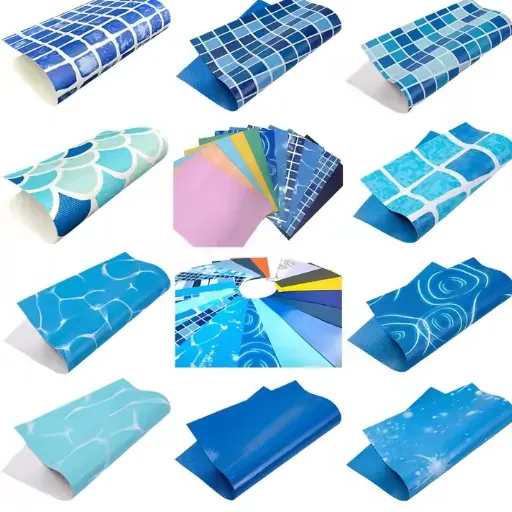
PVC Tarpaulin for Water Slides: Grades, Seams & Specs
The correct PVC tarpaulin for water slides is a PVC-coated, high-tenacity polyester fabric at 18 oz (610 gsm) as the accepted baseline, and 20 oz (650 gsm) or heavier for slides that run wet most of the season. The spec that matters is not the marketing label but three measurable numbers: coating weight, base-fabric denier,…
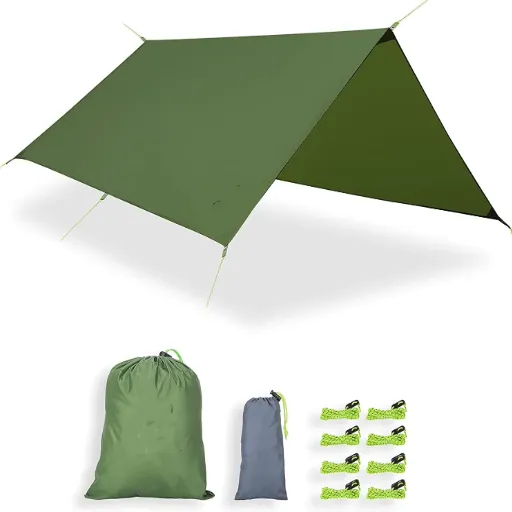
Lightweight Waterproof Tarp for Camping: Materials & Sizes
A lightweight waterproof tarp for camping comes down to a single trade-off: the fabric that carries best sheds rain least, and the fabric that sheds rain best carries heaviest. For ultralight backpacking, silnylon and silpoly win, at under 600 g for a full-size shelter. For car camping, base camp, and group shelters, a PVC-coated or…
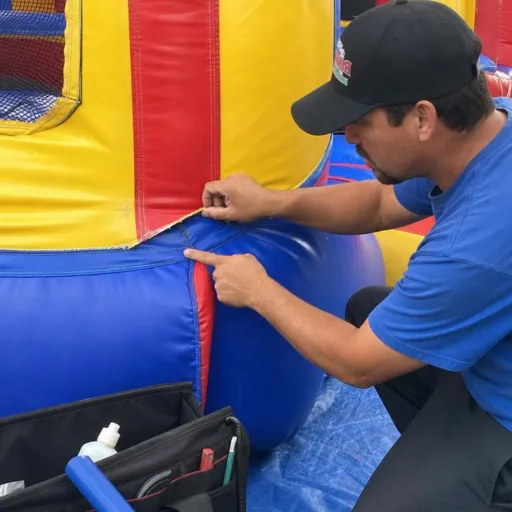
How to Repair a Bounce House: Costs & When to Replace
Most bounce house damage is repairable, and the question that decides everything is whether the fix is worth it. A puncture in 18 oz commercial PVC is a 15-minute, roughly $25 field patch. A seam split on a lighter 15 oz unit can run $500 or more once you ship it out, which is when…
Frequently Asked Questions (FAQs)
Find answers to the most common questions about Polyester Base Airbag. If you can’t find what you’re looking for here, please contact us.
Polyester airbag fabric offers exceptional strength, durability, and resistance to high temperatures, ensuring reliable performance during deployment. It is also lightweight and cost-effective, making it a preferred choice for various automotive applications.
Yes, polyester airbag fabrics can be tailored to meet unique customer requirements, such as specific weight, thickness, or weaving patterns. Our team works closely with clients to deliver customized solutions that align with their design and safety needs.
Polyester fabric is recyclable, and advancements in manufacturing processes are focused on reducing environmental impact. We are committed to promoting sustainable production practices and providing environmentally conscious solutions.
While primarily used in the automotive industry for driver, passenger, and side airbags, polyester airbag fabric is also suitable for other applications in aerospace and industrial safety systems.
We specialize in the large-scale production of polyester airbag fabric and offer efficient global shipping services. Clients can rely on us to deliver high-quality materials on time, regardless of location.
They are ideal for commercial trucks, construction equipment, specialized transport vehicles, and other heavy-duty industrial platforms where robust occupant protection is essential.