


Advanced Weather Barrier Membrane: Ultimate Protection for Building Envelopes
Protect your investment from the persistent threat of environmental damage. Moisture intrusion, air leakage, and UV degradation compromise structural longevity, leading to costly repairs, energy inefficiency, and potential health hazards like mold. Our advanced Weather Barrier Membrane is a high-performance, fluid-applied system engineered to form a monolithic, seamless barrier, providing definitive protection for your building’s exterior sheathing and behind the cladding.

24
Years in Business
120
5-Star Reviews
2k
Active Customers
12
Counties Served
Product Features
Key Features of the Weather Barrier Membrane

Facilitates the escape of interior moisture vapor while maintaining an effective barrier against external water intrusion, thus reducing the risk of condensation and mold development within wall assemblies.
Provides robust protection from prolonged sunlight exposure and extreme weather conditions, preserving the membrane’s integrity throughout construction delays and service life.
The fluid-applied formulation creates a continuous, joint-free barrier on the substrate, eliminating common points of failure associated with traditional sheet membranes and maximizing envelope durability.
Featured Products
Weather Barrier Membrane For Sale
Explore our specialized range of weather barrier membranes, engineered to meet the unique demands of various construction environments. Each product type is developed to provide optimal air and moisture management, ensuring robust long-term protection for your structures.
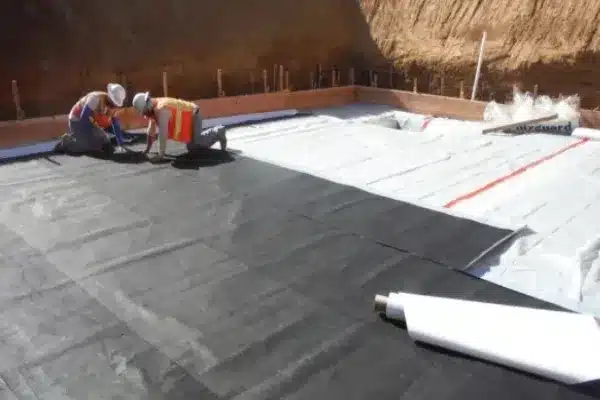
Self-Adhered Weather Barrier Membranes
Designed for rapid installation and consistent coverage, these membranes feature a pre-applied adhesive layer, eliminating the need for mechanical fasteners. They provide superior adhesion to a wide range of substrates and deliver excellent resistance to air and water infiltration, enhancing energy efficiency and building integrity.

Sheet Membranes
Sheet membranes are pre-manufactured rolls designed for consistent thickness and high-quality control during installation. These products provide a robust physical barrier against air and moisture intrusion, making them ideal for projects requiring straightforward application on smooth, continuous substrates. They exhibit excellent dimensional stability and mechanical strength, allowing for effective protection even in demanding environments. Sheet membranes are particularly suited for large-scale commercial or industrial installations where speed, uniformity, and proven long-term performance are essential.
Performance of Barrier Systems
High-Performance Characteristics of Weather Barriers
Weather barriers exhibit high-performance characteristics that are essential for maintaining the integrity of the building envelope. These barriers are designed to be vapor permeable yet waterproof, allowing moisture vapor to escape while preventing water ingress. This dual functionality is crucial in enhancing energy efficiency and protecting wall assemblies from moisture-related damage. High-performance weather barriers are also UV stable and elastomeric, offering durability and flexibility under various climate conditions. The integration of advanced materials such as silyl terminated polyether further enhances their resilience, ensuring long-term protection and sustainability of both residential and commercial structures.
UV Stability and Durability
UV stability and durability are critical attributes of weather barrier membranes, as they directly affect the lifespan and effectiveness of the barrier system. Exposure to UV rays can degrade materials, leading to compromised protection against air and water intrusion. Therefore, high-quality membranes are engineered to withstand prolonged UV exposure without degrading. This durability ensures that the membrane retains its performance characteristics, maintaining a robust barrier against environmental stressors. Additionally, durable membranes resist the wear and tear associated with temperature fluctuations and harsh weather conditions, making them an integral component in safeguarding the building envelope.
Managing Air Leakage and Water Resistance
Effectively managing air leakage and water resistance is fundamental to the performance of barrier systems. Air barrier solutions must provide a continuous and impermeable layer across the building envelope to prevent unwanted air and moisture movement. This involves using fully bonded membranes that seal all joints and penetrations seamlessly. The application of liquid applied or self-adhered membranes, complemented by the proper use of flashing and sealants, ensures that the barrier remains intact. By minimizing air leakage and maximizing water resistance, these systems significantly enhance the energy efficiency and durability of wall assemblies, contributing to a sustainable and resilient building environment.
Weather Barrier Membrane Technical Specifications
This table provides a detailed overview of the technical performance and specifications of weather barrier membranes, including their properties as air and water barriers, installation requirements, and compliance with building codes.
| Property | Specification |
|---|---|
| Material | Elastomeric membrane, fluid-applied, acrylic, silyl terminated polyether |
| Thickness | Varies based on application, typically 20-60 mils |
| Water Resistance | Waterproof, liquid applied, water-resistive |
| Vapor Permeability | Vapor permeable air and water barrier, moisture barrier |
| Air Leakage | Low air leakage rates, effective air barrier system |
| UV Stability | UV stable, resistant to UV exposure |
| Installation Method | Self-adhered, spray, or adhesive bonded |
| Surface Compatibility | Compatible with concrete, gypsum board, plywood, OSB, and masonry substrates |
| Performance Standards | Meets NFPA 285 and other building code compliance requirements |
| Durability | High-performance, resilient to weather conditions and physical stress |
| Energy Efficiency | Contributes to energy efficiency in building envelope design |
| Joint and Penetration Sealing | Utilizes compatible sealants for openings and joints |
| Product Declaration | Includes data sheet with detailed product information |
Testimonials
What Our Customers Say About Our Weather Barrier Membrane
Discover how professionals benefit from our Weather Barrier Membrane solutions in real-world applications. Our customers rely on these products to achieve secure, efficient, and long-lasting building envelope performance.
“The self-adhered membrane simplified our installation process on a tight timeline. Its adhesion and resistance to the elements gave us confidence that we were delivering best-in-class protection for our clients.”

Michael Chen, Project Manager, UrbanBuild Inc.
“We specify the sheet membrane on nearly all our commercial projects. Its mechanical strength and uniformity deliver consistent results, ensuring durability and cost-effective coverage on every build.”

Laura Martinez, Senior Architect, GreenVision Design
Key Application Scenarios for Our Weather Barrier Membrane

Weather Barrier Membranes for Comprehensive Building Protection
Safeguard your structures against environmental threats with advanced weather barrier membranes engineered for high-performance building envelopes. Our membranes deliver exceptional moisture management, vapor permeability, and long-term durability across a wide range of projects. Backed by robust material science and field-proven reliability, these solutions are built to address the complex demands of today’s construction standards.
Our Latest Insights
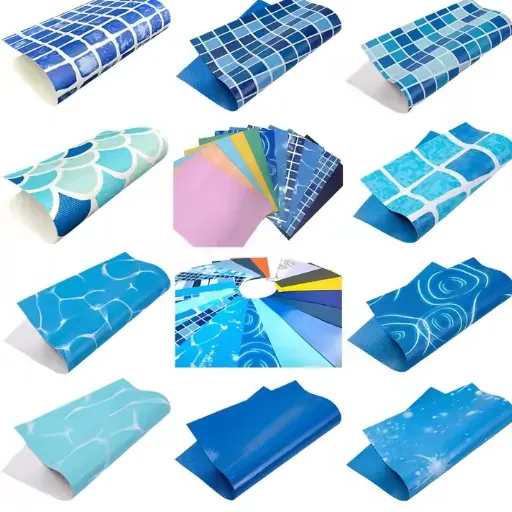
PVC Tarpaulin for Water Slides: Grades, Seams & Specs
The correct PVC tarpaulin for water slides is a PVC-coated, high-tenacity polyester fabric at 18 oz (610 gsm) as the accepted baseline, and 20 oz (650 gsm) or heavier for slides that run wet most of the season. The spec that matters is not the marketing label but three measurable numbers: coating weight, base-fabric denier,…
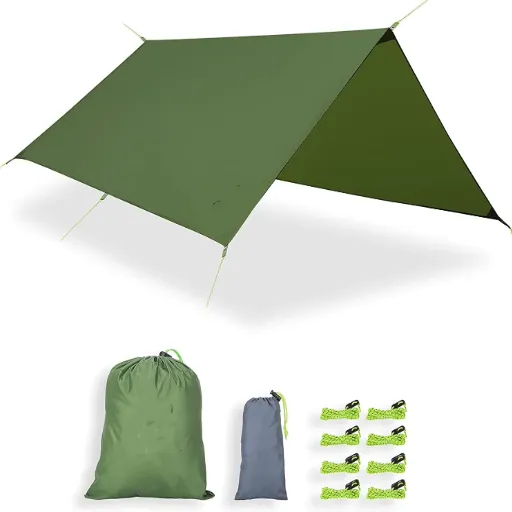
Lightweight Waterproof Tarp for Camping: Materials & Sizes
A lightweight waterproof tarp for camping comes down to a single trade-off: the fabric that carries best sheds rain least, and the fabric that sheds rain best carries heaviest. For ultralight backpacking, silnylon and silpoly win, at under 600 g for a full-size shelter. For car camping, base camp, and group shelters, a PVC-coated or…
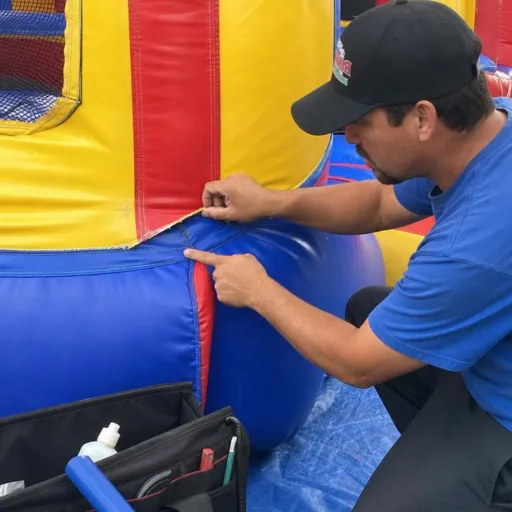
How to Repair a Bounce House: Costs & When to Replace
Most bounce house damage is repairable, and the question that decides everything is whether the fix is worth it. A puncture in 18 oz commercial PVC is a 15-minute, roughly $25 field patch. A seam split on a lighter 15 oz unit can run $500 or more once you ship it out, which is when…
Frequently Asked Questions (FAQs)
Find answers to the most common questions about Weather Barrier Membrane. If you can’t find what you’re looking for here, please contact us.
A weather barrier membrane is a specialized material installed in building envelopes to control air and moisture infiltration. Its primary purpose is to enhance energy efficiency, prevent water intrusion, and protect the integrity of structural components.
Yes, these membranes are suitable for new construction and the renovation of existing buildings. They can be integrated with various substrates and accommodate different installation conditions, enhancing performance across a diverse range of applications.
Key considerations include project location, exposure to environmental stresses, intended building use, desired vapor permeability, and installation method. Technical data sheets and manufacturer guidance should be reviewed to ensure proper membrane selection.
Weather barrier membranes are engineered to allow controlled vapor permeability while blocking air and liquid water. In contrast, vapor barriers typically aim to block all forms of moisture movement. Selection depends on climate, wall assembly, and project requirements.
Most modern weather barrier membranes are designed to work in conjunction with common construction materials, including concrete, masonry, sheathing, and insulation. Manufacturers often provide compatibility charts and recommend specific sealants for optimal results.
Once correctly installed, weather barrier membranes typically require minimal maintenance. Regular inspections of penetrations, seams, and terminations are recommended to ensure integrity is preserved throughout the building’s lifespan.