
Waterproof Tarp Ultimate Guide: Materials, Applications & Selection
In terms of safeguarding against nature’s fury, a sturdy and dependable waterproof tarp can serve you as the best partner ever. It does not matter whether you are protecting your stuff from the rain, building a long-lasting shelter in the wild, or carrying out various DIY projects; tarps are such handy tools that can fit different needs. However, with the huge variety of materials, sizes, and designs, it might be a dilemma for you which one to pick? This article will cover every aspect of waterproof tarps that you should know — the first one being the materials they are made of and the last one being the different applications and your perfect match according to your specific needs. So, be prepared to make wise choices and to discover the whole potential of this must-have instrument!
Understanding Waterproof Tarps
What is a Waterproof Tarp?
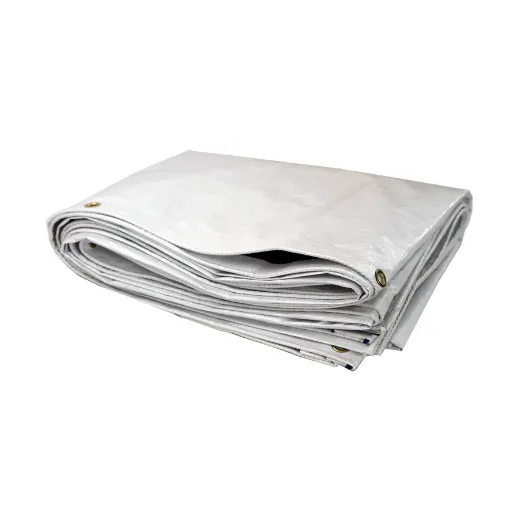
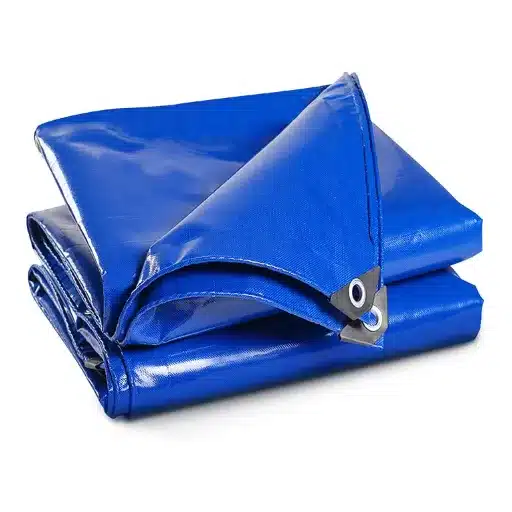
A waterproof tarp is a robust, adaptable sheet that no water will flow through and it will provide reliable protection against moisture. It is sometimes made from materials such as polyethylene, vinyl, or canvas with waterproof coatings, and it can be very resilient during storms and heavy rain and at the same time keep the covered items from being wet.
Waterproof tarps are made in such a way that water cannot find its way through the fabric even if it rains for a long time or the area is continually wet. They are usually fitted with features that help them resist leakage or damage and thus improve their strength and the effectiveness of preventing water intrusion, such as heat-sealed seams and heavy-duty grommets.
These tarps find their way into a multitude of uses such as covering outdoor gear, protecting construction sites, and even building temporary shelters. Their practical design and top-notch water resistance make them an indispensable tool for both home and commercial purposes where water protection is a matter of priority and thus the maximum assurance is provided in any given situation.
Key Features of Heavy Duty Waterproof Tarps
1Superior Water Resistance
Heavy-duty waterproof tarps are made with the help of the latest technology and high-quality materials. They provide 100% waterproof protection, thus, perfect for wet places where rain or moisture can collect heavily.
2Durability and Strength
Tarps made of tough materials like polyethylene or vinyl are very strong and can survive even the most extreme situations. Their resistance to ripping, stretching, and abrasions guarantees that they will be in use for a long time in hard-working sites such as construction or outdoor storage, that demand durability.
3UV and Weather Protection
Most of the heavy-duty waterproof tarps are made with UV-resistant coatings which safeguard the items under the cover from light damage. Furthermore, they are designed to last through harsh weather changes such as heavy wind, snow, and rain after the period of outdoor exposure.
4Reinforced Edges and Grommets
These tarps usually have reinforced edges and non-corrosive grommets to secure their fitting. This quality, in turn, means easy fastening which delivers the required stability even in the worst conditions, whether rugged or windy.
5Versatile Applications
Heavy-duty waterproof tarps are multi-purpose items that can be used either for residential purposes or in commercial sectors. They are regularly employed in covering up equipment, protecting vehicles, making temporary shelters, and even as ground sheets for camping or construction work.
Benefits of Using Waterproof Tarps
💧 Protection from Water Damage
The main purpose of waterproof tarps is to be a barrier between water and the covered items by blocking rain, snow, and condensation and thus eliminating the chances of water damage. This is especially beneficial for outdoor equipment, vehicles, and places where rust or decay might occur because of wet conditions.
🛡️ Durability in Harsh Environments
Tarps made of the toughest materials such as polyethylene or vinyl are the ones that can brave the fiercest of weather and protect from the elements at least to some extent. Besides, some tarps are known to last for many years if taken care of properly, thus there would be no need for frequent replacements.
💰 Cost-Effective Solution
Waterproof tarps can be thought of as a cost-saving measure for the protection of your valuables and places. They less the chance of damage thus saving the cost of repairs or replacements in both residential and commercial settings.
⚙️ Ease of Use and Installation
Reinforced edges and grommets make waterproof tarps efficient in securing and fastening easily. Moreover, this comfort comes with quick setup and stability that makes them ideal for either temporary covering or long-term projects.
🔄 Wide Range of Applications
Tarps are very flexible in their use, as they can cater to different needs, e.g., covering up of equipment and vehicles, serving as temporary shelters, rooftop covers, or ground tarps in camping and construction projects. Plus, they come in different sizes and weights to fit the specific requirements.
Types of Materials Used in Waterproof Tarps
Polyethylene Tarps: Durability and Cost-Effectiveness
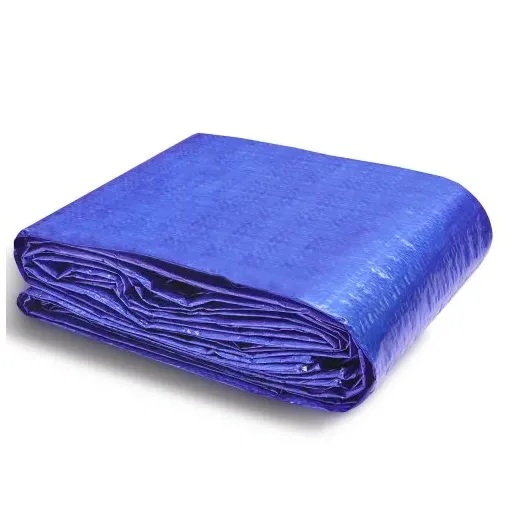
Due to outstanding strength, a light structure, and economy, polyethylene tarps are among the most commonly used materials for waterproof tarpaulin applications. They are made up of high-density polyethylene (HDPE) fabric combined with laminated coating and almost impervious to water, UV rays, and general wear and tear. This factor makes them the best option for any applications that need prolonged outdoor exposure as they would be able to last during the harshest weather without degrading fast. Besides, strong tear resistance guarantees that the tarps will be long-lasting, even in the most difficult environments.
Key Advantage: The versatility of polyethylene tarps is one of their main benefits. They can be graded in terms of weight ranging from very lightweight, and medium, to heavy-duty which basically means that there is always a suitable solution for every purpose. Very lightweight polyethylene tarps are perfect for temporary or domestic use such as furniture protection and plant covering, whereas heavy-duty ones are recommended for industrial applications, construction sites, or agricultural needs.
These tarps are additionally equipped with reinforced edges and rust-resistant grommets to provide secure fastening and durability, thus, overall. Polyethylene tarps have an economic perspective that puts them as comparatively low priced materials against canvas and vinyl. This low price together with the quality makes them the choice for both the average user and the professional in some cases. Besides, the low maintenance, reusability, and a variety of sizes and colors available add to their practicality. Polyethylene would, therefore, be the most reliable choice for different needs if one is looking to strike a balance between the cost, performance, and adaptability of a waterproof tarp.
Canvas Tarps: Breathability and Versatility
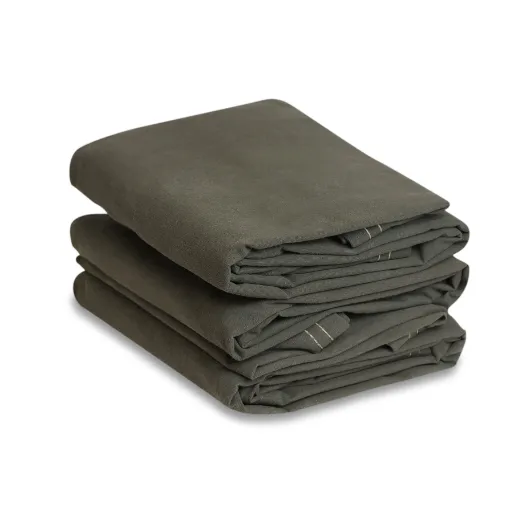
Canvas tarps are one of the most durable and versatile options available, often chosen for their breathability and eco-friendliness. The natural fibers that make up the canvas, such as cotton, are tightly woven together making the canvas biodegradable and a sustainable option for people who care about the environment. The structural nature of the fabric allows moisture to get out, which lessens the chances of condensation, rust, or mildew forming on the elements or goods that are covered. That is why canvas tarps are considered perfect for situations such as covering up equipment, cars, or even products that need to be kept dry and at the same time ventilated.
The strong points of canvas tarps include, among other things, their ability to resist being worn out and torn. They can withstand use in demanding sites such as construction, farming, and industry, which are classified as heavy-duty and high wear areas. The coated canvas tarps have got their water resistance improved due to the coating, thus their life span is extended without losing their pliability. Furthermore, they are fire retardant when treated and hence cannot be used in places where safety from fire is an issue. Their robustness and longevity make them a trustworthy option not only for outdoor but also for indoor usage and that too in extreme conditions.
⚠️ Important Note: The maintenance of canvas tarps is greater than that of synthetics. The canvas may call for re-treatment from time to time in order to keep its water resistance and UV barrier intact. In addition to this, although they are not 100% waterproof, their water resistance can be improved with proper coating and care. Such factors notwithstanding, canvas tarps are still the choice of many individuals and companies who value a reusable, adaptable, and eco-friendly option that comes with a guarantee of performance.
Vinyl Tarps: Heavy Duty and Weather Resistance
Vinyl tarps are known for their durability and ability to withstand the weather, thus they are perfect for demanding applications. Heavy-duty PVC material is used for making these tarps which can endure extreme conditions like heavy rains, strong winds, and UV light that is very intense. The tarps are also waterproof by nature which means that the materials or equipment under them are safe from getting wet and are thus protected in almost all the environmental situations. This quality makes them a reliable option for the industries like construction, agriculture, and transportation which cannot risk losing material due to the weather and need the protection that is guaranteed.
One of the main benefits of vinyl tarps is their ability not to get torn, scratched, or affected by mildew. Their strength allows them to last long with constant use without going through so much wear and tear, even under the toughest conditions. When the material is installed using heat-sealed seams, it gets even more resistant; therefore, the water has no chance of coming through. Furthermore, most vinyl tarps come with edges that are strengthened and grommets that facilitate strong fastening and consequently the likelihood of obtaining damage at the points of stress is reduced. Vinyl tarps are able to keep their structure over time thus providing a long-term value especially for heavy-duty applications.
💡 Pro Tip: The major innovations of the modern manufacturing processes have not only improved the performance but also the tarps’ functionalities. To give an example, many choices have the flame-retardant coatings or cold-weather resistance that expands their usability across different climates and safety-conscious industries. Vinyl tarps are also of different sizes, weights, and thicknesses making them very flexible for both big businesses and individual users. Even though initially, they may cost more than the other tarp materials, their reliable performance, durability, and toughness are worth the investment, giving the users not only peace of mind but also excellent protection.
Applications of Waterproof Tarps

Waterproof Tarps in Camping and Outdoor Activities
Waterproof tarps are very important for camping and outdoor activities as a reliable source of protection and they also improve the overall experience in several ways. Their resistant to water and tough nature makes them priceless for the adventurers and outdoor lovers. Let us look at five main uses of waterproof tarps in camping and outdoor places:
🏕️ Rain and Sun Shelter
Waterproof tarps can be set up to offer a reliable shelter, thus keeping the campers drier in case of sudden rain or giving them shade from the sun’s rays. They are easily tied to trees or poles to create a makeshift shelter or a canopy.
⛺ Ground Protection or Tent Footprint
The water-resistant tarp under the tent acts as the protective footprint, which not only blocks the moisture from coming into the tent but also protects the bottom from rocks and dirt. This will prolong the life of the tent and provide a drier sleeping area.
🎒 Protection for Gear
Tarps keep camping gear such as backpacks, food, or firewood protected from wet and dirty conditions and thus are a shelter during unpredictable weather.
🍳 Camping Kitchen Setup
One can use a tarp to prepare an instant and clean cooking area in the wilderness. It provides a flat and dry space for food preparation or can be pitched above to shelter cooking gadgets from rain.
🚨 Use in an Emergency
Waterproof tarps are multipurpose enough for emergency situations, such as making a temporary stretcher, rainwater collection for drinking, or wrapping people to retain their body heat.
The versatility and dependability of waterproof tarps make them a necessity for whoever is going on an outdoor expedition. Their lightweight and compact design guarantees that they are not only easy to carry around but also provide multiple practical applications in different conditions.
Construction Uses: Protection from Weather Conditions
Waterproof tarps have become a must-have item in construction projects as they provide a protective shield against the weather. Their long life, adaptability, and friendliness to the users make them as good as the basic factor of safety and efficiency on a site of operation.
With these applications, it is evident that waterproof tarps are very important tools in the construction business, as they not only protect the project but also extend the time it lasts even during bad weather conditions.
Care and Maintenance of Waterproof Tarps
Cleaning Tips for Long-Lasting Durability
Proper cleaning of waterproof tarps is very necessary to keep them effective and to make their durability longer. Start by dusting off the tarp surface with a soft-bristle brush or a clean cloth and all the loose dirt and debris. This will keep the abrasive materials from causing unnecessary wear by cleaning. After that, when the surface is entirely clean use a mixture of mild soap and hot water to clean the tarp properly. Avoid strong chemicals or bleach because these can destroy the tarp’s waterproof coating and make the material weaker. Gently scrub with the help of a sponge or soft brush and wash with a hose, making sure that all the soap is rinsed off.
🌞 Drying Process
Drying is a very important factor in the process of extending the lifespan of your tarp. Always let the tarp be air-dried thoroughly before putting it away to stop the formation of mold and mildew. You can either hang it on a line or lay it down in a well-ventilated place that is not too hot and does not have direct sunlight. The tarp material can degrade faster when it is under strong sunlight for a long time although, the sun can be a good ally in a short period to dry the tarp and speed up the process.
Finally, even if they are small, tears, holes, or weak grommets on the tarp, inspect it after cleaning for any signs of wear or damage. If that is the case, repair the damaged areas as soon as possible using waterproof tarp patch kits to prevent further damage. Regular cleaning and quick repairs will not only increase the tarp’s life but also help it to perform at its best, thus providing year-round protection for your projects or valuables. These cleaning practices are effective for your situation; you can increase the tarp’s lifetime significantly and, at the same time, cut down on the number of replacements.
Storage Best Practices
Storing tarps in the right way is very important for their functionality and lifetime. Always make sure that the tarp is completely dry before putting it away so that the mold, mildew, and bad smells cannot develop. If there is moisture in between the folds, the material can get deteriorated over time, and its waterproof properties will be compromised. To do this, let the tarp dry in air completely after washing, and check for wet spots before folding it.
📦 Proper Storage Checklist
- ✓ Ensure tarp is completely dry before storage
- ✓ Fold systematically along preferred seams
- ✓ Store in cool, shaded location away from direct sunlight
- ✓ Use zippered storage bags or lidded containers
- ✓ Label with size and type for easy identification
- ✓ Conduct periodic inspections during storage
When you fold the tarp for storage, do it systematically to reduce the number of folds and also help keep its integrity. First, bend it along its preferred seams and then continue to reduce its size courteously, with no clear folds that might develop weak areas. Keep your tarp in a shaded place that is not hot and far from sunlight to avoid UV damage; even though sunlight may cause the material to be damaged, and hence, become hard or retain a bad color. Zippered storage bags or containers with lids will be additional protection against dust, pests, and moisture.
For long periods of storage, you might want to put a label on the tarp with its size and type so that you can quickly tell what is needed for the next projects. Also, it is recommended to carry out inspections from time to time during the entire storage period. Make sure that no pests or external factors such as high humidity could jeopardize its condition. By adhering to these recommended practices, you will not only prolong the tarp’s life but also its readiness for use, so it will continue to protect your valuables or projects safely for years to come.
Repairing Minor Damage
When a tarp gets little damage like tiny rips, holes, or worn out edges repair should be done right away to keep its usefulness and prevent further damage. You should start by closely looking at the damaged area to determine how much damage there is. Wipe the area very well with a wet cloth and then allow it to dry up thoroughly. The adhesion that will be created by the restorative materials will be compromised by dirt, debris, or moisture, thus making it very important to have a very clean surface for the restoration to be effective.
🔧 Tarp Repair Tape Method
You can use tarp repair tape if there are small rips or holes and it will be a quick and effective method. These tapes are made in a way that they can create a very strong bond with polyethylene or vinyl tarps, thus making the seal waterproof and highly durable. Cut the tape a little bigger than the damaged area so that you are sure that it will cover the damaged area completely. Do the tape application on both sides of the tarp for more strength and press firmly to make it stick.
🔥 Heat Sealing Technique
If the damage comes with fraying edges, you can use a flame or heat sealer as your heat source to melt the edges a little and thus prevent the material from further unraveling. This method works best for synthetic materials and should be done carefully to avoid excessive melting.
🩹 Patch Kit Application
In cases of very serious damage or areas where stress is always there, a patch kit that is meant for tarps might be a better option. Cut a patch from a like material slightly bigger than the damaged area. Put a strong adhesive or tarp glue around the edges of the patch and then place it on the hole or tear. Push it hard and let the adhesive cure while you are referring to the specific product instructions for the best results.
If you are quick in dealing with minor damages and use the right repair techniques, you will soon realize that you have significantly extended your tarp’s lifespan, thereby saving costs on replacements while ensuring reliable performance.
Buying Guide for Waterproof Tarps

Factors to Consider When Choosing a Tarp
Waterproof tarp selection needs to consider various factors to a great extent so that it can satisfy the particular needs of the user:
1Material
Tarps are made from different materials like polyethylene, canvas, and vinyl. Polyethylene tarps are light-weight, durable, and resistant to both the elements and UV rays; thus, they can be used in outdoor applications for the most part. Canvas tarps, though heavier, are breathable and therefore, they are good for covering equipment or shielding construction sites. The heavy and waterproof nature of vinyl tarps makes them especially suitable for industrial or long-term applications.
2Size and Thickness
The size and thickness of the tarp are very important issues. Make sure you get a tarp that not only covers the area you want but also allows for some extra to be fastened down securely. The thickness of the tarp is usually in mils, and thicker tarps (for example, 10-20 mils) will be able to resist water, wind, and wear for a longer time than the thinner ones.
3Waterproof vs. Water-Resistant
It is very important that the tarp is marked as “waterproof” and not “water-resistant.” The waterproof tarps do not allow water to come through at all while the water-resistant ones can only withstand a little moisture.
4UV Resistance
When used outdoors, UV resistance becomes a very important characteristic. Tarps with UV protection keep their quality even after a long time of use in sunny places; thus, their life is considerably prolonged.
5Grommets and Reinforcements
Good grommets and edges with reinforcements are important for fastening that is safe and tear-resistant. Grommets should be spaced evenly and made of non-rusting materials like aluminum or brass.
6Intended Use and Portability
Consider how and where the tarp will be used. Light, foldable tarps are perfect for camping or temporary cover, while heavyweight ones are appropriate for long-term outdoor use or industrial applications.
If you take all these points into consideration and do a comparison of the products available, you will be able to locate a tarp that will give you the best protection from the elements and, at the same time, be the most cost-effective for your investment.
Evaluating Quality: What Makes a Tarp High-Quality?
When the quality of a tarp is assessed, several important features are going to be analyzed in order to make sure that it will be able to meet your needs. To begin with, look at the fabric that it is made of—tarps of high-density polyethylene (HDPE), canvas, or vinyl usually offer excellent durability and weather resistance. A tight weave or coating that prevents tearing and offers protection against UV rays, water, and extreme temperatures should be the one to look for.
Therefore, you can spot a top-quality tarp meant for your specific conditions by checking these features, thus getting the most out of the product life and functionality at the same time.
References
- John Brown University Disaster Shelter Competition
This study discusses the use of waterproof tarps in disaster shelter construction. - Surf Sled
This research explores the use of waterproof and corrosion-resistant materials, including tarps, in marine applications. - Massachusetts Homeowner’s Handbook To Prepare For Coastal Hazards
This handbook mentions the performance of waterproof underlayments compared to FEMA’s blue tarps.
Frequently Asked Questions (FAQ)
❓ What exactly is a waterproof tarp and when is it necessary to use one?
A waterproof tarp could be described as a heavy-duty waterproof sheet that is able to resist the water pressure completely and thus is good for areas like covering furniture placed outdoors, wood of the deck, or the building of temporary walls. A waterproof tarp product can be picked when rain, seep, or moisture are detrimental to the project, whether it is inside or outside and its durability or life-span matters as much as that of the tarp.
❓ How do poly tarps stack up against vinyl-coated and polyester tarps?
Poly tarps are the lightest, the cheapest, and the least water resistant among the vinyl-coated and polyester classes that stand for modern-day super durability and heavy-duty tarps performance. Vinyl-coated tarps and polyester blends are the best choice when it comes to long-term usage, they will keep wear to a minimum and they will be hard to tear or seep through even under rough conditions.
❓ How thick should the tarp be that I am going to buy – is it worth it to get one that is 20 mil thick?
The thickness of 20 mil often indicates that the material is heavy and it is normally found in heavy-duty tarps; a 20 mil waterproof tarp is truly worth it if you need a sturdy protection that lasts for a long time when large waterproof tarp applications such as covering landscaping equipment, maintaining the porch roof, or building durable temporary walls.
❓ Is it possible to use a waterproof tarp as a cover for an outdoor patio or porch?
Absolutely, there are tarps that are specifically made and are frequently used for the purpose of shielding patios and porches from rain and sun. A tarp would be the best solution for protecting furniture, cushions, and flooring; get a tarp that fits your needs and also consider UV-resistant and heavy-duty tarps that will enhance the lifespan of your tarp when used outdoors.
❓ Are custom tarps available or is there a large assortment of sizes and colors to choose from?
Numerous suppliers provide custom tarps as well as a wide range of sizes, colors, and materials for tarps that will meet your requirements. Custom tarps enable you to give the measurements for a large waterproof tarp, also you can add grommets or mesh panels, and select vinyl-coated or polyester fabrics for tailored protection.
❓ What are the different ways to use a waterproof tarp in landscaping or for deck protection?
Waterproof tarps are used to protect soil, plants during construction, and to cover lumber or tools on a deck. They stop wood from getting damaged by moisture, protect landscape features from the bad effects of weather, and can create a temporary no-debris zone during the work.
❓ What maintenance activities can prolong the life of my tarp?
If you want to get the most out of your tarp, clean it regularly, keep it out of the sun, store it when dry, and fix small holes right away. Proper care can assist in the prevention of tearing due to rough use; the addition of mesh reinforcements or layers of vinyl can be further contributing factors to the durability and lifespan of the tarp.
❓ Are mesh tarps or standard tarps more advantageous in terms of ventilation?
The main purpose of mesh tarps is to provide the much-needed airflow and they are therefore helpful in places where ventilation is a requirement, whereas standard tarps are the solid ones that give the most effective waterproofing and hence no breathing of air along with possible smells under them. In case you need a breathable condition for plants or areas that are being covered, select mesh. On the other hand, go for a waterproof tarp if you need total protection against water seep or heavy rain.