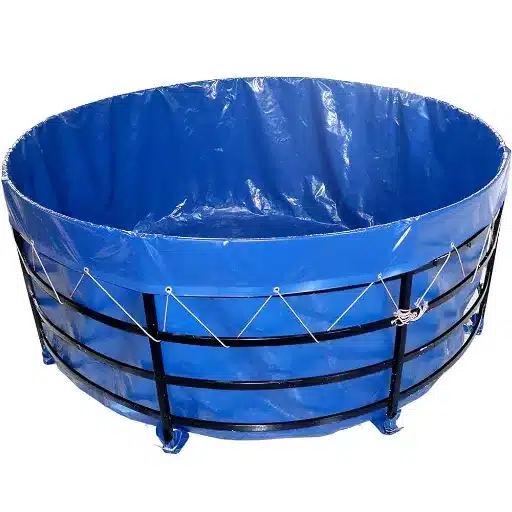


Tarpaulin Cleaning Methods: Material-Specific Care Guide
Just washing your tarpaulin won’t keep it looking like new—it will need special care, depending on its exact material. Each tarp material, such as PVC, canvas, and polyethylene, has different cleaning requirements to maintain its properties and provide maximum comfort. This comprehensive guide will help you understand the safest and most effective cleaning methods for each material type. From tough stain removal to wear-and-tear prevention, we’ll cover everything you need to know to extend your tarpaulin’s life and keep it performing at its best. Keep reading to discover expert advice and practical tricks that will provide your tarpaulin with the care it deserves!
Preparing Your Tarpaulin for Cleaning
1
Remove Loose Debris
Shake the tarpaulin to remove all dirt, leaves, and dust. A soft brush or cloth may help in gently removing any remaining stubborn particles.
2
Inspect for Damage
Check the tarpaulin for rips, tears, and weak spots. Fix these areas beforehand to avoid further damage during cleaning.
3
Choose an Open Area
Identify a large, clean spot, such as a driveway or lawn, where you can lay the tarpaulin flat. Also, make sure there are no sharp objects around that could damage the material.
4
Gather Supplies
Before cleaning the tarpaulin, gather mild soap, soft sponges or brushes, and clean water. Do not use strong chemicals or abrasive tools, as they can damage the tarpaulin.
5
Rinse Before Cleaning
With clean water, rinse the tarpaulin to remove surface grime. This step reduces the amount of dirt spread and ensures a more effective cleaning process.
✓ Important: Once you follow these steps, your tarpaulin will be ready for cleaning that is both thorough and safe.
Assessing Tarpaulin Material
When selecting a tarpaulin material for cleaning, the fabric type must be considered—whether PVC, polyethylene, or canvas—as each has its own cleaning requirements. Even though PVC tarpaulins are tough and can often withstand a light scrubbing with soapy water, polyethylene tarps are more sensitive and should be washed with gentler methods. Canvas tarpaulins, which absorb more water, shall be cleaned with less water to avoid soaking and prolonged drying times.
⚠️ Best Practice: It is good practice to check the manufacturer’s specifications. A spot test on an inconspicuous area is the best way to ensure that the cleaning solution is not detrimental to the material before applying it to the entire surface.
A proper assessment ensures an efficient cleaning process and extends the tarp’s life.
Gathering Necessary Cleaning Supplies
To clean tarpaulins effectively, the first step is to gather all necessary supplies. Having everything ready before you begin will make the cleaning process more efficient and thorough.
Essential Cleaning Supplies Checklist
| Item | Purpose |
|---|---|
| Mild Detergent/Cleaner | Designed explicitly for tarpaulins or gentle dish soap for regular cleaning |
| Soft-Bristled Brush | For scrubbing delicate fabrics without causing damage |
| Bucket of Warm Water | For mixing cleaning solutions and rinsing |
| Vinegar Solution/Isopropyl Alcohol | For tougher stains (check material safety first) |
| Garden Hose with Spray Nozzle | For rinsing dirt and cleaning agents thoroughly without over-soaking |
| Microfiber Cloths/Sponges | For spot cleaning and quick drying |
| Protective Gloves | To prevent skin irritation during outdoor cleaning |
💡 Pro Tip: The tarp’s material compatibility should always come first; hence, consult the manufacturer’s instructions before using any specific cleaning product.
⚠️ Safety Precautions Before Cleaning
Wear Protective Gloves
Always put on gloves as a barrier between your hands and harsh chemicals and irritants.
Ensure Good Ventilation
Make sure the area you are cleaning has good air circulation, especially when using products that may emit fumes.
Avoid Sharp Objects
During cleaning, don’t let the tarp come into contact with sharp objects or edges that might accidentally cause tears or damage.
Test First
Make sure to test cleaning agents in small, hidden areas of the tarp first to ensure suitability and avoid staining or damaging the material.
Fire Safety
If you are using flammable or volatile cleaning products, do not clean in the vicinity of open flames or heat sources.
Best Cleaning Methods for Tarpaulins
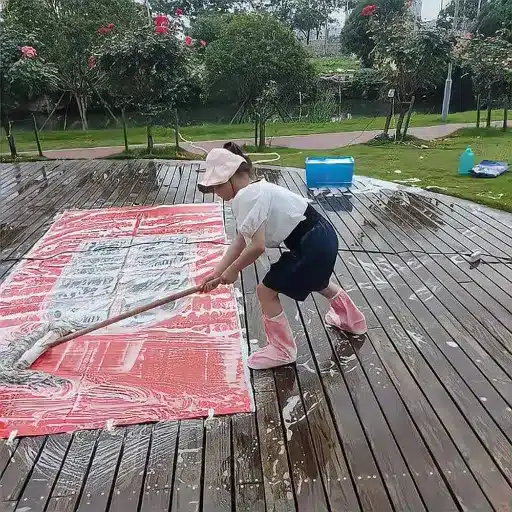
Washing Tarpaulin with Water and Mild Soap
The safest and most effective method for long-term tarpaulin maintenance
One of the safest and most effective methods to keep your tarpaulin in good condition for a long time is to clean it with water and mild soap. This gentle approach protects the material while providing thorough cleaning results.
Step-by-Step Cleaning Process:
- Prepare the Surface: Lay the tarp on a clean, flat surface to ensure easy access to all areas.
- Mix Cleaning Solution: Combine warm water with a mild, non-abrasive soap or detergent, as harsh chemicals can weaken the tarp’s material over time.
- Scrub Gently: Use a soft-bristled brush or sponge to scrub the tarp, removing dirt, stains, or debris, paying extra attention to heavily soiled spots.
- Rinse Thoroughly: After cleaning, rinse thoroughly with clean water to remove any soap residue, as leftover detergent can attract dirt or degrade the material.
- Air Dry Completely: Allow the tarp to air dry completely before storage or reuse to prevent mold or mildew growth.
Benefits: Regular cleaning with this method not only keeps the tarpaulin functional but also extends its lifespan without causing damage.
Using a Vacuum for Tarpaulin Cleaning
An excellent first method for removing loose dirt and debris
Cleaning tarpaulins with a vacuum can be an excellent preliminary method for removing loose dirt, dust, and debris without water or chemicals.
Vacuuming Guidelines:
- Start with a vacuum cleaner having a brush or upholstery attachment to sweep the tarp’s surface gently
- Pay special attention to seams and folds where particles usually gather
- Spread out and properly secure the tarp to allow vacuuming without risk of damage
- This technique is ideal for rapid cleanups between deeper cleaning sessions
Note: For stubborn stains or entrenched dirt, additional cleaning methods beyond vacuuming may be required.
Disinfecting Tarpaulin Surfaces
For thorough sanitization and germ elimination
Disinfection Process:
- Prepare Solution: Mix a mild cleaning solution of water and a small amount of bleach, or a disinfectant safe for use on plastics and similar materials.
- Apply Carefully: Use a soft cloth or sponge to apply the solution evenly over the entire surface, paying special attention to areas with visible dirt or stains.
- Allow Time to Work: Let the disinfectant sit for a few minutes to kill germs more effectively.
- Rinse Thoroughly: Rinse the tarp very well with clean water to remove any residue.
- Air Dry: Allow it to air-dry completely before storing or re-using.
Safety Reminder: Wear gloves throughout the process to protect your skin, and, if working indoors, ensure the room is well-ventilated.
Material-Specific Tarpaulin Cleaning Tips
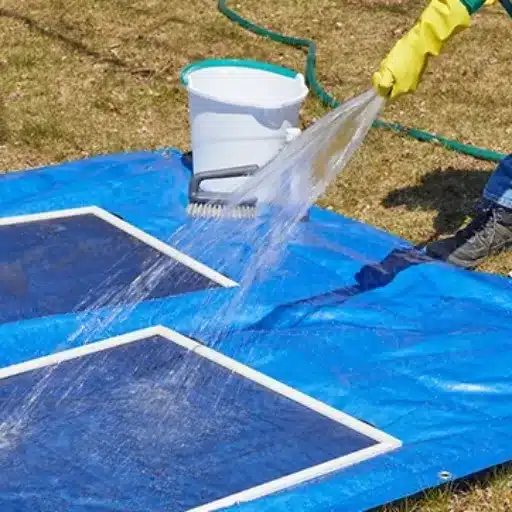
Cleaning Vinyl Tarpaulin
Maintaining durability through gentle but thorough cleaning
To clean a vinyl tarpaulin, one should take a gentle yet thorough approach to maintain its durability and protective coating.
Vinyl Cleaning Steps:
- Use a soft-bristled brush or cloth to remove debris from the surface first
- Mix warm water with mild dish soap to create the cleaning solution—avoid harsh chemicals that could destroy the vinyl coating.
- With a sponge or soft cloth, lightly clean the tarp, focusing on areas where dirt or stains are most visible.
- Rinse very well with clean water to get rid of all soap residue
- Let the tarpaulin air dry completely before putting it away to prevent mold or mildew
For Stubborn Stains: If a stain is very tough and persistent, a vinyl-safe cleaner may be used according to the product’s instructions.
Maintenance Tips for Vinyl:
- Regular cleaning after heavy use or harsh weather exposure will prolong the lifespan
- Store in a cool and dry place
- Do not keep in direct sunlight for extended periods as this may cause fading or cracking over time
Cleaning Canvas Tarpaulin
Preserving the fabric’s protective coating with careful cleaning
Canvas Cleaning Process:
- Begin by shaking the tarpaulin to loosen and remove dirt and debris
- With a soft-bristle brush and a solution of mild soap and water, gently scrub the surface
- Avoid harsh detergents or bleach as they can strip the fabric’s protective coating
- Remove all soap residue by rinsing very well with clean water
- Let the tarp air dry completely before putting it away
- Store in a cool and dry place to prevent mold and mildew growth
Important: For tough spots, look at the manufacturer’s care instructions. Regular maintenance of the tarp will ensure it remains durable and efficient.
Cleaning Polyethylene Tarpaulin
Water-resistant and durable material requiring specific care
Polyethylene tarpaulins have a reputation not only for being water-resistant but also for being very durable. Proper care, however, is the key to ensuring they last longer.
Polyethylene Cleaning Steps:
- Shake the tarp to remove dirt and debris
- With the aid of a soft brush or sponge, warm water and mild detergent work perfectly for scrubbing
- Do not use abrasive brushes or strong chemicals as they will weaken the polyethylene fabric
- Rinse the tarp using clean water until there is no trace of soap left
Tough Stains: A specialized cleaning solution for plastics can be used for tough stains, such as grease or oil—always check the manufacturer’s recommendations for compatibility.
Post-Cleaning Care:
- Allow the tarp to air dry completely before folding or putting it away
- Keep in a dry and airy place to fight mold and mildew
- Damages like rips or punctures can be handled easily with polyethylene tarp repair kits
- A little maintenance goes a long way in keeping the tarp reliable
Best Products for Tarpaulin Care
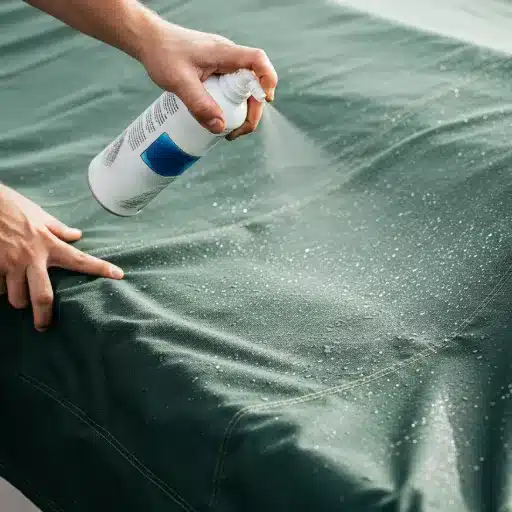
Choosing the Right Cleaner for Tarpaulin
When choosing a cleaner for your tarpaulin, opt for a mild, non-abrasive option to avoid damaging the material. Cleaners that are specially formulated for use on vinyl or polyethylene surfaces are the best choices as these are the most compatible with common tarpaulin materials.
⚠️ Avoid: Strong chemical agents such as bleach and ammonia, as they will eventually wear down the tarp’s coating.
✓ Recommended Options:
- A solution of warm water and mild dish soap is usually good enough for daily cleaning
- For tough stains, tarpaulin-specific cleaning products available at outdoor or hardware stores can be reliable options
- Always adhere to the cleaner’s directions for ensuring the best results
Using Microfiber Cloths and Magic Erasers on Tarpaulins
Using microfiber cloths and magic erasers as cleaning equipment for tarpaulins can yield excellent results when used correctly.
Microfiber Cloths
- Gentle on the tarp surface
- Best for removing dust, dirt, and grime without scratching
- Superfine fibers trap particles efficiently
- Provide thorough cleaning
Magic Erasers
- Excellent for removing difficult stains or scuff marks
- Work through light buffing to remove stubborn debris
- Require careful use to avoid removing protective coating
- Should be used with caution
💡 Pro Tip: Both tools should be slightly damp for best cleaning performance. Always test on a small, inconspicuous area first to ensure compatibility with the tarpaulin material. Combining these cleaning techniques with mild cleansers makes them even more effective, protecting your tarpaulin for longer while maintaining its appearance.
Homemade Cleaning Solutions for Tarpaulin Maintenance
Tarpaulin upkeep at home can be done with simple, inexpensive solutions that are easy to make. These homemade alternatives are both practical and economical.
DIY Cleaning Recipe #1: Basic Soap Solution
Ingredients:
- 1 gallon of warm water
- A few drops of mild dish soap
Instructions: Mix, ensuring the soap is mild enough not to harm the tarp’s fabric.
DIY Cleaning Recipe #2: Enhanced Solution for Stubborn Stains
Ingredients:
- 1 gallon of warm water
- A few drops of mild dish soap
- A little white vinegar
Purpose: The vinegar helps break down dirt without being harsh on the material.
Application Process:
- Use either a soft brush or sponge for gentle cleansing
- Be thorough yet not too rough during scrubbing
- Rinse the tarpaulin very well with clean water after cleaning to remove all soap
- Let it air dry completely before storage or reuse
Benefits: Not only are these homemade cleaning solutions very effective, but they also keep your tarpaulin in excellent condition without the need for costly commercial cleaners.
Post-Cleaning Maintenance for Tarpaulins
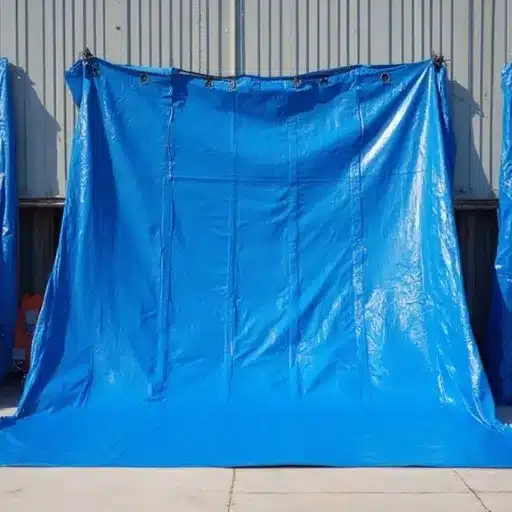
How to Sanitize Tarpaulin After Cleaning
After cleaning your tarpaulin, applying a sanitizing solution ensures a hygienic surface free from bacteria and mold.
Sanitization Process:
- Prepare Solution: Mix one part household bleach with ten parts water
- Apply Carefully: Take a clean sponge or cloth and carefully apply the solution to areas where there could be bacteria or mold
- Wait: Allow approximately ten minutes for the solution to work effectively
- Rinse Thoroughly: Rinse the tarpaulin thoroughly with clean water to ensure no bleach residue remains
- Air Dry: Let it air dry in a well-ventilated place before storage or reuse
✓ Result: Your tarpaulin will have excellent hygienic protection and be ready for safe use!
Proper Storage Techniques for Clean Tarpaulins
Proper storage of tarpaulins is essential to maintain their durability and long-term usability. Following adequate storage procedures prevents damage and significantly extends the life of your tarpaulin.
Storage Best Practices:
| Practice | Why It Matters |
|---|---|
| Fold Neatly | Avoid stress and creases that could lead to material damage |
| Cool, Dry Location | Prevents moisture buildup and mold growth |
| Avoid Direct Sunlight | Prevents material degradation and UV damage over time |
| Use Storage Bag | Keeps the tarp free from dust, pests, and accidental damage |
| No Heavy Objects | Prevents warping and material damage |
| Regular Inspection | Detects moisture, mold, or pests early to maintain pristine condition |
💡 Remember: Following these steps will preserve your tarpaulin’s integrity for many years of reliable use.
Regular Maintenance Tips for Longevity of Tarpaulins
Regular Cleaning
Wash frequently with a mild soap and water solution to remove dirt, stains, and debris.
Avoid Prolonged Sun Exposure
When not in use, avoid leaving the tarpaulin in direct sunlight for extended periods, as this can eventually weaken the material.
Regular Inspections
Examine the tarpaulin regularly for rips, tears, or weak seams, and repair any damage promptly to avoid more extensive repairs.
Proper Anchoring
Use corner reinforcements and proper anchoring methods to avoid stress on areas where the material is most likely to weaken, thereby reducing the risk of tearing.
Complete Drying
Let the tarpaulin air dry completely before storing it to prevent mold or mildew growth.
Reference Sources
Tarp Cleaning Hacks: Keep Your Tarps in Top Condition
Offers practical cleaning tips and maintenance protocols for extending the lifespan of tarpaulins.
The Ultimate Guide to Cleaning PVC Tarpaulin: Proper Care
Provides detailed cleaning methods for PVC tarpaulins, emphasizing gentle and effective techniques.
How to Wash Heavy Duty Tarpaulins: Comprehensive Guide
Covers cleaning methods for heavy-duty tarps, including the required tools and materials.
Main Points of Tarpaulin Cleaning
Discusses cleaning techniques for rainproof tarpaulins and tips for avoiding stains on lighter-colored fabrics.
What Maintenance Should You Perform on PVC Tarpaulin Rolls
Highlights maintenance and cleaning practices for PVC tarpaulin rolls to ensure durability and usability.
Frequently Asked Questions (FAQs)
What cleaning methods are the best for PVC tarpaulins?
PVC tarpaulins are strong, long-lasting, and water-resistant, making them relatively easy to clean. First, prepare a mixture of warm water and a mild soap, then gently scrub the surface with a soft-bristle brush. Avoid harsh chemicals and abrasive tools as they would ruin the PVC coating. After thoroughly rinsing with clean water to ensure no soap remains, let the tarp air dry completely before using it. If you clean regularly and maintain it properly, your PVC tarpaulin will last longer and stay functional and weatherproof.
What are the most effective cleaning methods for heavy-duty tarpaulins?
Heavy-duty tarpaulins require careful cleaning since they are used in the harshest conditions. To start, use a broom or soft brush to remove any loose dirt and debris. For very tough stains, use a non-abrasive cleaner and a sponge to work on the affected areas. Then wash the tarp down with a garden hose or a low-pressure washer, making sure not to damage the material. Dry the tarp completely before folding or storing it to avoid mold and mildew. Taking proper care of it will make your heavy-duty tarpaulin last and remain a reliable, practical choice in the long run.
What is the proper procedure for cleaning waterproof tarpaulins?
Often, rainproof tarpaulins are coated with a special material, so they only need gentle cleaning to maintain their waterproof properties. A mild detergent diluted in water can be applied to the surface with a soft cloth or sponge for cleaning. Bleach or other strong chemicals should not be used, as they may damage the waterproof layer. Rinse the tarpaulin thoroughly and let it air-dry in a shady place to avoid UV damage. Regular cleaning and proper storage will help retain your tarpaulin’s rainproof features.
What measures can be incorporated to prevent discoloration on light-colored tarpaulins?
Since light-colored tarpaulins are more susceptible to visible stains, preventive care is a must-take measure. Use a mild soap solution and clean them often to stop dirt and grime from setting in. Do not let the tarp come in contact with very dirty or greasy items. If staining happens, immediately tackle the stain with a non-abrasive cleaner to avoid permanent discoloration. Proper cleaning and maintenance will keep your light-colored tarpaulins looking new and functional.
What are the essential maintenance tips that apply to tarpaulins to ensure the longest possible lifespan?
Regular cleaning and proper storage are the two most important factors that, together, can guarantee the longevity of your tarpaulin. Always clean the tarp after use, especially if it has been soiled with grease or exposed to harsh weather. Store the tarpaulin in a cool, dry place, out of direct sunlight, to prevent UV damage. Also, take the time to check the tarp regularly for signs of wear and tear, such as holes or frayed edges, and fix them right away. These maintenance tips will make your tarpaulin remain sturdy and practical for years to come.