
Budget vs Premium Tarpaulin: Value & Quality Comparison
Selecting an appropriate tarpaulin for your needs often comes down to one central question: would you like the budget option or the premium option? There are good reasons to use both types of tarpaulins, but knowing the distinctions between them can make a real difference. The article outlines the key distinctions between budget and premium tarpaulins, helping you assess their quality and value to make the best choice for your specific needs. If you need cost-effectiveness, durability, or functionality, this guide will provide the insights you need to make an informed choice.
Understanding Tarpaulins
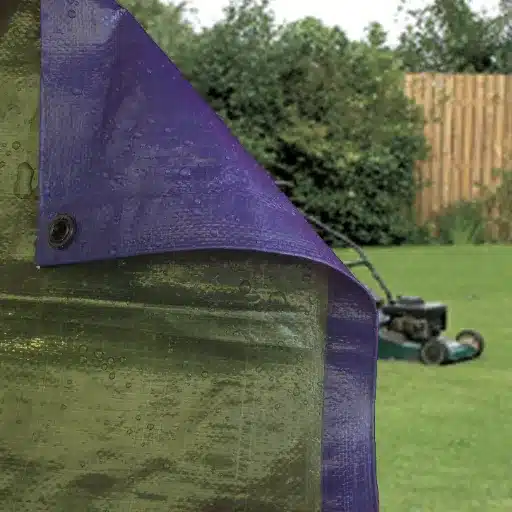
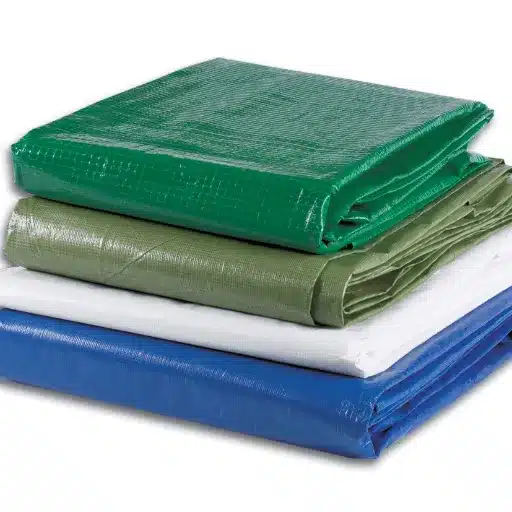
Tarpaulins, or tarps, are often called that and are made from materials such as polyethylene, canvas, or vinyl. They are handy sheets designed to provide a barrier against the weather and elements, including rain, wind, and sun. Cheaper or budget tarpaulins are made of lighter materials and are suitable for limited-time use or light-duty applications. The high-end or premium tarpaulins, however, are made from highly durable materials, sometimes with reinforced edges and UV resistance, thus making them suitable for heavy-duty or long-term use. It’s essential to consider the intended use, environment, and life expectancy of the tarp when selecting, as these factors will help you find the right one for your needs.
🔍Why Do You Need Tarpaulins?
Tarpaulins are a remarkably flexible material and are used in very different ways, both in professional and personal sectors. Recent search trends indicate that many people use tarps to protect their property from the wrath of the weather, including rain, snow, and intense sunlight.
They are frequently used to protect cars, machinery, and construction materials from the outside (i.e., the elements), thereby extending their lifespan and reducing the risk of damage. They are equally helpful for people who enjoy nature, as they provide quick, lightweight shelter for camping, picnics, and other outdoor activities.
Moreover, tarpaulins are of prime importance in farming, as they cover crops, animal shelters, and feed, thereby preventing losses caused by bad weather. Customers’ preference for strong, adaptable solutions is driving a growing demand for tarpaulins as the most reliable, cost-effective, and multipurpose protection and utility option.
📋Types of Tarpaulin Materials
Common tarpaulin materials include polyethylene, canvas, vinyl, PVC, mesh, and nylon.
Key Features to Look for in a Quality Tarpaulin
💪Durability
Select a very durable tarp that will not be easily damaged or worn out over time. Polyethylene, vinyl, and PVC are the best materials for their long-lasting lifetime.
💧Water Resistance
A water-resistant tarp is a must, particularly for outdoor use. It is an essential characteristic because it wards off rain and humidity. The majority of the high-quality alternatives, such as polyethylene, vinyl, and PVC, are also really water-resistant.
☀️UV Resistance
One of the main properties of a tarpaulin is its ability to block the sun’s rays, thereby protecting against damage and extending its lifespan in the light. For UV protection, vinyl and polyethylene are the trusted materials.
🔄Flexibility
Flexibility is a must for easy handling and accommodating different uses. Nylon and mesh tarpaulins are highly flexible, making them suitable for applications that require frequent changes.
⚖️Weight
Consider the weight of the tarpaulin based on your needs. The lighter materials, such as mesh and nylon, are more portable and easier to handle, while the heavier materials, such as canvas and vinyl, provide greater stability.
💡 Pro Tip: If you pay attention to these characteristics, you can pick a tarp that suits your needs perfectly and delivers long-lasting performance.
Budget Tarpaulins – Pros, Cons, and Ideal Uses
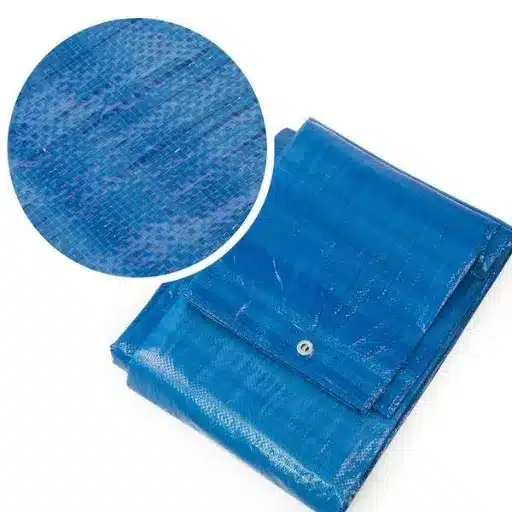
What Are Budget Tarpaulins Made Of?
Tarpaulins for budget purposes are generally constructed from economical materials such as polyethylene or lighter nylon. The main aim of these materials is to offer the simplest durability and water resistance in a production process that keeps costs as low as possible. Polyethylene tarpaulins are usually reinforced with mesh for added strength, making them suitable for temporary protection against rain or dust. Although budget tarpaulins may not have the heavy-duty characteristics of premium ones, they are still perfect for short-term use and light-duty applications.
✅Best Applications for Cheap Tarps
- 🏕️ Camping and Outdoor Activities
Inexpensive tarps can be used as a temporary shelter, ground cover, or to protect campers from sudden rain during camping outings. - 🏗️ Construction Projects
They are suitable for covering tools, building materials, or small work areas, thereby shielding them from dust and weather. - 🌱 Garden and Yard Work
Tarps like this can be used to collect and move leaves, grass clippings, and other garden waste. - 🚗 Temporary Vehicle Cover
They can be used to provide hasty protection for automobiles, motorbikes, or yachts against rain and sun exposure. - 🎪 Event Setup
At an outdoor event or market, cheap tarps can be used to cover tables, booths, or equipment.
⚠️Limitations of Choosing a Cheap Tarpaulin
- Lower Durability: The materials used in cheap tarpaulins are usually thinner or lower-quality, leading to tearing, punctures, and general wear and tear, making them more prone to damage.
- Short Lifespan: These tarps are usually not very long-lasting due to their lightweight nature, mainly when used in inclement weather or under heavy use.
- Reduced Water Resistance: Many low-cost tarps lack effective waterproofing, leading to leaks and inadequate protection during heavy rain.
- UV Degradation: It is possible that cheap tarpaulins do not have enough UV protection leading to a quick deterioration when being subjected to direct sunlight for long periods.
- Limited Strength: Unbearably low weight capacity, these tarps are not suited for heavy-duty applications or securing large, heavy loads.
Premium Tarpaulins – Why They’re Worth the Investment
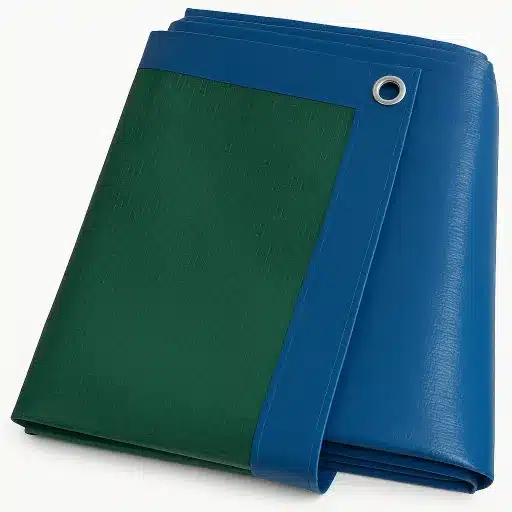
Materials and Durability of Premium Tarpaulins
Premium tarpaulins are manufactured from high-quality materials such as heavy-duty polyethylene, PVC (polyvinyl chloride), or canvas, ensuring excellent durability and performance. The materials are usually subjected to a series of treatments, such as UV inhibitor application, waterproofing, and anti-mildew treatments for fungal resistance, giving them a longer lifespan under harsh environmental conditions.
Premium tarps, unlike lower-priced alternatives, are built to last even in the most adverse weather conditions, with no effect on their physical properties. Furthermore, their double-stitched seams and metal rings make them stronger for very demanding applications and thus better suited for use in industries, construction sites, or farming.
Premium tarpaulins are a guarantee of reliability and durability, and, in turn, their initial purchase price is offset by the savings from reduced replacement frequency.
🏆High-Performance Uses for Premium Tarps
🏗️ Construction Projects
Premium-quality tarps are widely used to protect materials, machinery, and work areas from bad weather, enabling the site to keep operating without interruption.
🌾 Agricultural Applications
They can very well protect plants, hay, and tools from rain and sun, thereby preserving their quality and usability.
🚚 Truck and Cargo Covers
The use of these tarps ensures the goods are well protected from damage caused by wind, rain, and debris during shipping.
🎪 Outdoor Event Shelters
The use of premium tarps is everyday for forming provisional shelters or coverings at outdoor events, helping protect against unexpected changes in the weather.
🏭 Industrial Storage Covers
They are the most suitable solution for covering and safeguarding large machines, raw materials, and other assets in the industry, providing maximum durability and protection.
The Long-Term Value of Investing in a Premium Tarpaulin
Purchasing a premium tarp is an investment that pays off significantly in the long run thanks to its durability, versatility, and cost-effectiveness. The top-grade tarps are made from high-quality materials that withstand extreme weather conditions and thus do not need to be replaced often.
Their aforementioned properties and ability to perform multiple tasks, such as equipment protection, shelter construction, and the protection of goods during transit, make them useful across different areas. Eventually, this leads to reduced maintenance costs and fewer losses from damage, which is why they are seen as a reliable and worthwhile investment.
In the end, with good handling, a premium tarpaulin can last for many years like your trusted partner, thus, saving a lot of time and money in the future.
Budget vs Premium Tarpaulin: A Comparative Analysis
When comparing budget and premium tarpaulins, key differences include durability, material quality, cost, waterproofing, UV resistance, weight, and longevity.
Material Quality: Polyethylene vs Canvas
Certain characteristics of polyethylene and canvas tarpaulins make each material better suited for specific uses.
Polyethylene Tarps
- ✓ Synthetic plastic material
- ✓ Inexpensive and lightweight
- ✓ Waterproof
- ✓ Resistant to mold and mildew
- ✓ Perfect for temporary applications
- ✗ Suffers from UV radiation fading
Canvas Tarps
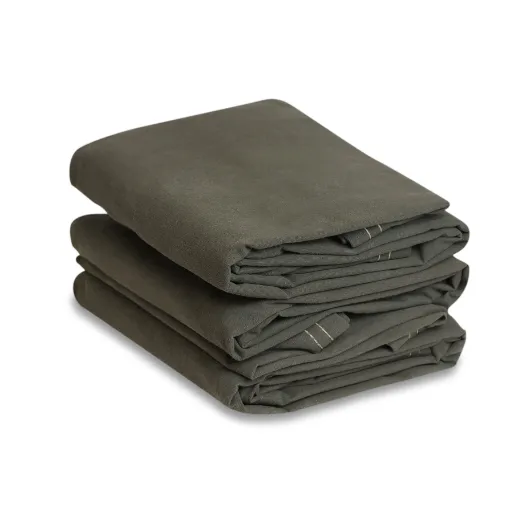
- ✓ Natural or polyester/cotton blend
- ✓ Highly durable and breathable
- ✓ Can be treated for waterproofing
- ✓ Great for long-term use
- ✓ Less likely to tear
- ✓ Better UV protection
📌 Key Takeaway: Ultimately, the decision between polyethylene and canvas depends on specific requirements, including durability needs, exposure to external elements, and the project’s budget.
Durability and Lifespan
💰 Value Analysis: When considering durability and lifetime, premium tarpaulins give better value for money after a long time, particularly for situations that need tough materials to resist very harsh conditions.
Mil Thickness Explained
Mil thicknesses are the deciding factor in the higher tarpaulin budget comparisons and the premium ones. A “mil” denotes the thickness of a material since it is a unit of measurement equal to one-thousandth of an inch.
Budget: 5-10 Mils
- Inexpensive
- Lightweight
- Short-term use
- Light-duty applications
- Less durable
Premium: 12-20+ Mils
- Excellent endurance
- Puncture resistant
- Tear resistant
- Heavy-duty applications
- Long-term reliability
Choosing the right mil thickness is dependent on the use intended and the budget-durability needs balance.
Choosing the Right Tarpaulin for Your Needs

When selecting a tarpaulin, it is crucial to consider the specific requirements of your application. Evaluate the environment where it will be used, how much durability you will require and the budget you have. For light-duty uses, go for thinner tarps with lower mil thickness which are affordable and suitable for temporary use only. For heavyweight or long-term use, buy thick tarps with higher mil thickness to guarantee reliability and resist fabric degradation. Choosing the right fabric and features, such as UV resistance or waterproofing, will still confirm that the tarp is suitable for your purpose.
📝Factors to Consider When Choosing the Right Tarpaulin
🎨 Material Type
Decide upon the tarpaulin material like polyethylene, canvas, or vinyl depending on your set needs of durability, flexibility, and weather resistance.
📏 Size and Dimensions
Make sure the tarpaulin size matches the area you intend to cover, accounting for any extra overlap or securement needed.
📊 Mil Thickness
Opt for a thickness based on the purpose you have in mind; thicker tarpaulins are more durable and thus suitable for heavy-duty applications.
🌦️ Weather Resistance
Pick up features such as UV protection, waterproofing, or mildew resistance to survive and even perform well in different environmental conditions.
🔗 Grommet Placement
Look at the grommets’ spacing and quality to ensure secure fastening and make the setup easier for you.
Assessing Your Specific Needs
To accurately evaluate your requirements, consider the situation for which the tarp will be used, the conditions it will be used in, and the expected conditions. Then determine the size and shape that will allow you to cover the area you need, with varying degrees of effectiveness.
Be durable enough so it doesn’t matter if it will be exposed to heavy traffic or terrible weather. When the tarp is to be used outdoors for a long time, the one with UV protection and waterproofing features should be the first choice.
Additionally, consider the frequency of tarp use and ease of installation, and ensure the grommet location and material durability are appropriate for your application. The result will be that you choose a tarp that is simply perfect for you by concentrating on these essential aspects.
Comparing Costs and Longevity of Tarps
When weighing the costs and lifespan of tarps, the key is to balance the initial investment against the expected lifespan.
💡 Smart Decision: In the end, the least expensive choice is the one that exactly meets your requirements. Inexpensive tarps are usually enough for temporary, light-duty work. In cases of heavy use or extended outdoor use, buying higher-quality materials may prove cost-effective in the long run, as you will not have to replace the tarps as often.
Reference Sources
- 📚How To Differentiate High Quality Industrial Tarpaulin From Cheap Tarps – This article discusses how to evaluate tarpaulin quality based on material, durability, waterproofing, fire resistance, and warranty.
- 💰Imported Tarps Are Cheaper—But Are They A Good Value? – A guide comparing the cost-effectiveness of imported tarps versus premium U.S. tarps, including a total cost of ownership calculator.
- 📖Tarps for Dummies: A Simple Guide to Choosing the Right Tarp – A beginner-friendly guide on the durability, versatility, and affordability of heavy-duty poly tarps.
- 🎯Why Choosing a High-Quality Tarpaulin Sheet Makes All the Difference – Insights into the benefits of high-quality tarpaulin sheets, including better materials, strong stitching, and water resistance.
- 🔍Choosing the Right Tarpaulin Roll for 2025 – A detailed look at tarpaulin roll specifications like thickness, weight, and GSM (grams per square meter).