
Boat Tarp Complete Guide: Marine Cover Selection & Installation
Consider utilizing a boat tarp with your boat to protect it from these harrowing conditions. The sun, rain, and even the dirt can be caught in the air protecting your vessel. It is also beneficial in as far as the increase in the period of use and the attractiveness of the looks is concerned. Nevertheless, it is too confusing to go through all available choices and decipher the installation steps. This is where this guide comes in handy. In this piece of informational content, we shall discuss in depth every detail you need or want to know about how enhancing a cover’s protection properties, one can adjust not only the dimensions but also subject. Apart from equipment on the basics of proper attachment, it will address some installation important techniques to lengthen it so that they will protect effectively. This guide will be beneficial to wrap everything learned and apply it in protecting a boat regardless of being a veteran boater or a beginner. Time to dig in!
Understanding Boat Tarps

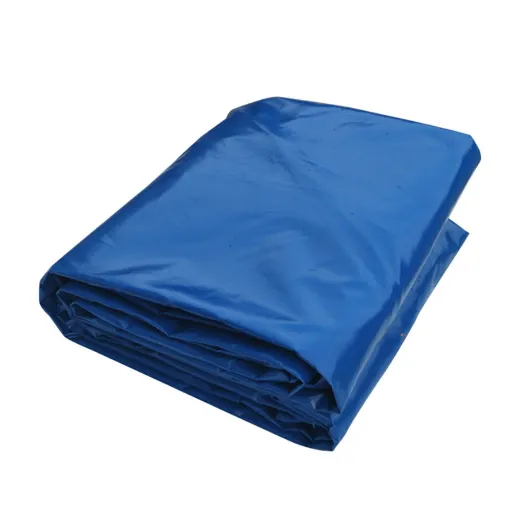
Essential for all situations, boat tarps shield a vessel from inclement weather, ultraviolet rays, and general dirt or surface contaminants. These are applied to cover plaques, areas, mitigating dirty surfaces and decreasing the effects of wear. The best options in this regard have hard-wearing materials, for instance, polyester or vinyl, no need mentioning making them very resistant to conditions for such a long time. For a tight fit with the boat and avoidance of water popping up or wind erosion, it is thus imperative one selects a tarp too. Straps which adjust, extra stitches, or extra inflation which prevents molds growth are helpful to consider because of the benefit they offer in efficiency and durability of the boat tarp.
What is a Boat Tarp?
A boat tarp is a specifically built cover for the boat, that shelters the boat from offenders during the lying up season How to make a boat tarp – the simple way. The purpose behind these covers, dotting the corners of a white sailboat, is prolonging the wear of a boat’s hull and empty deck on account of environmental modification. The current generation of tarps for boats are manufactured from robust fabrics like impermeabilised, coated polyester or loaded with polyvinyl chlorides and suitable for usage in loads of weather conditions. They most commonly have difficulties with rodents who destroy dishes, notebooks with homework and dirty laundry under the cabins. A properly installed boat tarp which covers hull will allow the user to enjoy their boating every year without worries of high repair bills.
Types of Boat Tarps: Overview
There are several kinds of boat cover to choose from all suited for different needs and conditions. The following are just some of the more common ones available:
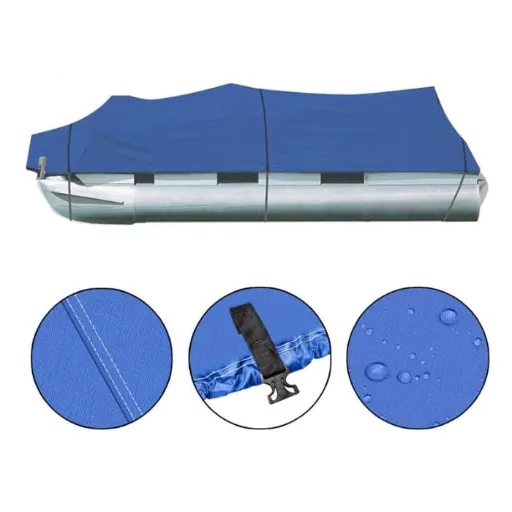
- Custom-Fit Covers: These fit the specific make of a particular boat perfectly, and provide optimum safety, also they have an attractive appearance. They are very good for storing the boats for a long time and for moving the boats from one place to another.
- Universal Fit Tarps: These are designed to fit different shapes and sizes of boats. This makes these tarps cheaper than other types, making them very useful when one wants to cover a boat that can be used almost anywhere.
- Canvas covers: These tarpaulins are made for long wear and allow breathing while taking cover as they are woven to reduce the risk of building up dampness from beneath the sheet and harsh weather.
- Poly tarps: These are lightweight. When exposed to UV? These are the best means of covering the boats against Sg and long heavy rain. They are much more affordable for binding all boat tarps for a short duration.
- Trailerable Tarps: These tarps were designed to withstand transportation as their material and reinforced straps allow a secure fit throughout high-speed motion.
Every type of boat tarp performs a different purpose so selecting an appropriate one depends on various aspects like, the usage, the size of the boat and the type of weather where one resides.
Benefits of Using a Boat Cover
- Weather Protection: If you use a boat cover, your watercraft is safe from excessive heat, wet conditions, as well as freezing cold, and also the wind which causes degradation in both the outer and internal sides of the boat.
- Dirty and Grubby Stuff: Debris is one more trouble and that of course includes dirt, leaves et al. However, custom snug boat covers prevent all the dirt stuff meaning that less time will be used on cleaning and more focus and attention on ensuring the boat neater for longer.
- Saves Maintenance Expenses: Maintaining a plastic boat cover ensures all food item wear and tear without revealing the boat cover to the items used and hence boat cover life is boosted and subsequently repair and maintenance costs are saved.
- Prevents Crimes such as Vandalism and Boat Theft: With every reason to use a boat cover, it also appreciates the aesthetic value of the boat thus making it less desirable to vandals and also thieves.
- Lowers Gasoline Consumption during Transportation: When a light boat covers a vessel during transportation, young this is enclosing fabric effectively helps with lightering in terms of reducing the resistance to wind, therefore petrol lasts longer.
Materials Used in Boat Tarps
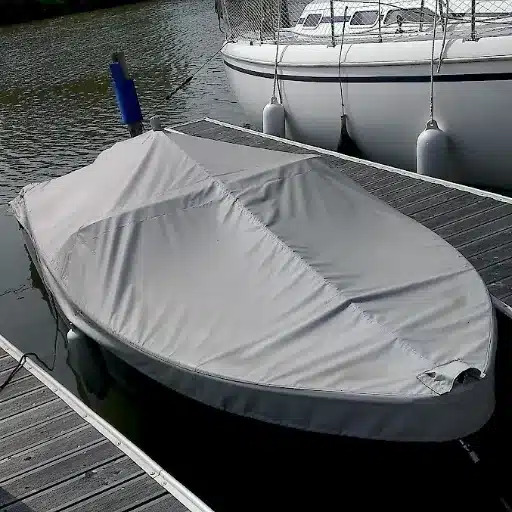
The material that would often be used in making a boat tarp would be any or some of the following three: polyester, canvas or vinyl. To start with, polyester as a material for fabric is light in weight, thin yet strong, and it doesn’t get easily destroyed from the sun and hence, has a long shelf life. The fabrics made of canvas are noted for their breathability and durability while those made of vinyl fabric are waterproof and even more resistant under extreme weather conditions. Each of the three materials is selected based on its benefits in terms of coverage and service duration and its resistance to the environment.
Polyester vs. Poly Tarps
Polyester tarps are lightweight, UV-resistant, and long-lasting, while poly tarps are economical, waterproof, and versatile.
Durability and Waterproof Features
When selecting protective tarpaulins for vessels, the features to focus most on are the ability to withstand harsh conditions and to be waterproof. Boat tarps come in materials such as polyester, polyethylene, or fabric with a vinyl coating. For this reason, polyester is preferred, as it is strong, does not tatter hassle-freely, unlike other ungrateful construction materials, and has good protection from emotionally detrimental ultraviolet rays, which often presents serious danger to open boats. Poly-tarps that are made from a polyethylene can supply excellent coverage against rain which makes them appropriate for places that experience incessant rainfall and excessive humidity. Fabrics with a vinyl coating possess great strength and an extra waterproof layer essential in the marine environment. And as always, every user’s favourite product has their reasons for liking it; even choosing these materials also requires certain aid — context: aims of use, weather conditions, intensity of use as clouds of the day move over.
Exploring Marine Grade Polyester Canvas
Strong and high-grade canvas with very animalistic workmanship is acknowledged as highly reversible and suitable innovative application of fabrics for outdoor construction frameworks. This type of fabric is made to endure extreme environments, for instance, sunlight, water and fungi. Since polyester is artificial fabric, shape of the canvas is retained and such issues as overstretching or shrinking are absent, hence there are no problems with introducing the shape of the canvas for quite a long time. It is less in weight, handy, and comes in multiple tones and different styles for easier modification. Additionally, this is because cotton linen, looking like a boat tarp solution made of windproof and waterproof strength fabric is helpful and practical for such needs.
Choosing the Best Boat Tarp
When selecting a good quality boat tarp that you are going to use, certain do include in your choice basic elements such as thickening, fabric, or size. Polyester or vinyl based tarpaulin can be better as the excessive exposure to the sun may cause degradation, and also such materials are naturally waterproof and mildew resistant. Certain that the boat tarp fits perfectly one’s needs in terms of full protection of the boat and comes with loopholes or tightly stitched edges to attach it without any hassle. Also, look for efficient tarps which do not demand too much usage of force for handling and are also versatile in terms of practice, like enjoyable and neat colors or finishes, depending on an individual’s preference.
Factors to Consider When Selecting a Boat Cover
- Strength of Material: A strong boat cover is made of materials that do not deteriorate easily in sunlight, water or get moldy such as canvas or marine fabric “polyester” as known by many.
- Customization: It is best to ascertain that the cover precisely fits the make, model and/or elegance for covering the boat to minimize any opening that may allow elements to come in.
- Protection from Hostile Climates: Prefer a cover that can survive climate such as heavy downfalls, scorching sunlight and fierce winds.
- Installation Process: Consider a boat cover that comes with simplified mounting mechanisms such as foldable belts, borders that stretch, or commonly a side release buckle for easy assembly and detaching.
- Thinking of the Air Circulation: You should also consider investing in covers that have air vents knitted within the fabric to allow air ventilation, which will otherwise pose problems of mildew and mold when your boat is being stored.
UV Resistance and Weather Protection
Apart from the design, UV rays are harmful for the fabric, resulting in fading, depreciation and even brittleness to the structure, and as a result UV resistance should be checked on the boat tarp before purchasing it. Covers that provide such high torquies, other than good design, you will also get a boat cover made of fully or partially polyester, or in some instances even fully acrylic. This does not end there, strong covers for boats are the ones which have a weather resistance provision that can resist rain, snow and seasonal changes among others. Most present day covered structures (for boat) are created in a way that they come with water resist material and adjustable seams to withstand the inet weather all year round without compromising the shape of your sea vessel.
Installation and Securing Your Boat Tarp

To protect your boat maximally, correct usage and fixing of the boat tarp is mandatory. To begin with, spread the tarp uniformly on the boat covering it all. Tie down the tarp firmly using belts, elastics or strings to the hooks or eyelets meant for that purpose. Check and make sure the tarp does not have creases and is well fitted with no apparent stretch so that water or wind will not be a menace. From time to time, especially when there’s more volatile climate, check the tarp and the fasteners to ascertain that they are still in place.
How to Properly Secure a Boat Tarp
Once your boat tarp is properly secured, regular maintenance is key to ensuring its longevity and effectiveness. Always clean the tarp periodically to remove dirt, debris, and potential mold growth. Use a mild soap solution and a soft brush or sponge to prevent damage to the material. After cleaning, allow the tarp to dry completely before reattaching it to avoid trapping moisture, which can lead to mildew. Additionally, inspect the tarp for signs of wear and tear, such as holes or frayed edges, and repair them promptly with a tarp patch or adhesive. Proper maintenance will keep your tarp in excellent condition and protect your boat for years to come.
Using Grommets and Reinforced Edges
These elements extend the service life of a covering like a boat tarp or any larger covers that need to be tied down or clipped onto anchor lines. Becoming an organized convenient structure, a grommet gets inserted to the cloth which in turn helps to attach bungee cords, ropes or tie down straps. They lessen the effects of this aspect when the tarp is being used. The edges of the tarp designed to hold the structure together add additional strength and ensure that it will not tear when it is windy or there is a heavy load. In order to avoid damage to tarps that are meant to last a long time, it is crucial to routinely check these components and fix defective ones, for example, rusty grommets or torn borders, to prevent further deterioration. Grommets and reinforced edges ensure the continued use of your tarp in a stable manner even under extreme circumstances.
Best Practices for Trailerable and Console Boats
When you are responsible for the maintenance of your trailer and console boats, there are a handful of important considerations. First and foremost is to make certain that the boat has been effectively secured against any further movement when in transit. Any loss or damage can be avoided by using a high-strength tie-down strap specifically made for this purpose. Your trailer must be properly maintained at all times and, more specifically, ensure that you analyze the tires, lights, bearings and winch periodically, since they facilitate the correct functioning of a trailer.
Secondly, remember that if the boats were used that day, especially at sea, make an effort to wash the entire vessel even underneath. Corrosion and damage may occur because the boat’s outer facade and the inside machinery are prone to salt and dirt. Wash it down with clean water, marine soaps and protectants and cover it with the wash and protect codes to help the finish last.
Finally, carry out regular inspections of the boat’s engine and other electrical components on the boat. Watch for oil levels, condition of fuel lines, charge in the batteries, and proper operation of other electronics as well. More importantly, ensure that the boat is constructed for the winter period while in storage. Freeze damage will depend on how much the boat is able to hold in cold based on its winterization. With these techniques, the lifespan of a trailerable boat and a console boat or their proficiency on the water can be dramatically prolonged.
Maintenance and Care for Boat Tarps
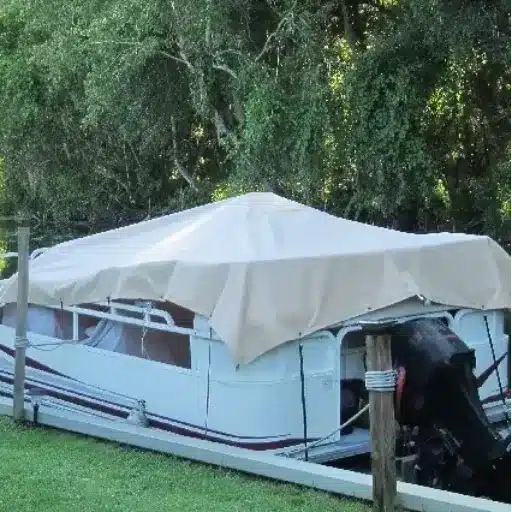
To take care of your boat tarp, make sure to wash the fabric often with soft soap and water in order to clean the dirt, salt and debris. Do not use aggressive products or scrub the surface since such treatments can be damaging to the fabric. Do not put away the tarp while it is still wet to prevent molds or mildew. Make sure you check for any rips, heavy usage signs or stitching that is coming off as well as fix them immediately, learning to keep the tarpaulin for a longer time. Always keep the tarp in a dry and cool environment without exposing it to sunlight when not using it so that it does not deteriorate quickly. Tending to your tarp on a routine basis is an effective way to keep it strong and efficient.
Cleaning and Storing Your Tarp
Therefore, to make cleaning much more effective, apply a mild soap and water solution with a delicate brush or sponge to remove dirt and mud from your tarp. Do not use any chemical or bleach as they may destroy the fabric of your tarp reducing its longevity. Rinse with water as well after using soap. Where drying will be the next step, be sure to hold the tarp throughout this process either laid on a flat surface or even hanged in a manner which avoids direct sunlight penetration.
Ensure that before putting away, the tarp is unquestionably dry, otherwise, mold and mildew will grow on it. Look out for any possible damages especially tearing or fraying at the edges and mend them using tarp repair tape or patches. Fold the tarpaulin carefully and place in an enclosure far from radiant heat, high humidity, cold, or rain. If there is to be an extended storage plan, a cageless or a sealed container would be best as this keeps out any dust or insects from the stored belongings. The durability and ability to perform in varying conditions of the tarp will increase with such maintenance over time.
Repairing Tears and Damage
To repair and recover the wear and tear of tarps it is first proper to clean the place to repair with soapy water to get rid of the dust and some other small particles. Leave the cleaned tarp to dry out completely before any further steps making repairs. In the case of small incisions or tears, make use of repair tape making sure that the tape exceeds the damaged edges by at least an inch all around, and press down with firm pressure. In case of larger tears, the application of a tarp patch kit, which includes ready-made patches or tubes of glue, will be more suitable. Using the adhesive material cover the torn area as per manufacturer’s guide and add some pressure in order for it to be fixed. The materials used to make repairs should be of the right type for the tarp so that the repairs carry on and assure effectiveness. Such prompt interventions help in improving the lifespan of the boat tarp and keeping it usable for a longer time.
Maximizing the Lifespan of Your Boat Cover
In order to increase the durability of my cover, I always make sure that it is cleaned regularly to eliminate any dust, salt or any debris cemented on the material which might otherwise cause its degradation. I also avoid keeping it in moist or hot conditions when it is not in use so that fungal growths such as mold would not grow on it. I check to see if there are any weaknesses that may indicate tear and most importantly if I see any such, I repair them early enough to maintain the strength of the cover. The use of support posts and appropriate strapping belts for the cover make sure that there are no tight spots and the cover does not come out. The importance of taking such measures is great because they help me to preserve my investment and allow me to use a boat tarp for a long time.
Reference Sources
- Stormwater Runoff Best Management Practices for Marinas – This document discusses the use of tarps in marina maintenance and provides guidelines for their application.
- Stormwater Runoff Best Management Practices For Marinas – This resource highlights the importance of tarps in boat maintenance and offers practical advice for their use.
- Virginia Clean Marina Guidebook – This guidebook includes best practices for using tarps to collect debris during boat maintenance.
Frequently Asked Questions (FAQs)
Conclusion
Protecting your boat with the right tarp is an investment in its longevity and appearance. By understanding the different types of boat tarps, materials, and proper installation techniques, you can ensure your vessel remains in excellent condition for years to come. Regular maintenance and care will maximize the lifespan of your boat cover, saving you time and money on repairs. Whether you’re a seasoned boater or just starting out, following the guidelines in this comprehensive guide will help you make informed decisions and keep your boat protected from the elements.