

Coated Fabric Technology: Types, Methods & Applications
Coated textiles are smart alternatives that breathe new life into ordinary and traditional materials, in the quest for increased performance and longevity. Perhaps you are looking for or maybe even wearing waterproof coats, or have seen tents and roofs turned into canvases in different places, in fashion, construction, automotives, healthcare, to mention but a few, then you appreciate what I mean in a wide range of industries these are used. This text shall dwell on the marvel of coated fabrics, its various forms, the procedures in which it is produced, and the numerous uses that make it so useful. If you are a creative who wishes to get excited in her designs or a pro who wants to get equipped with plugins and tools for these designs, this will give you the hopes and dreams of what one can achieve with that material. Read on as the essay unpacks one of the greatest concepts in textile evolution.
Understanding Coated Fabrics
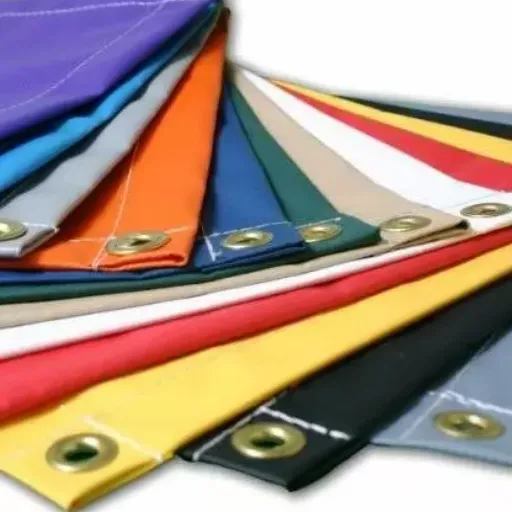
A coated fabric can be referred to as any fabric treated with any material in order to make the goods better. Such coatings can be instrumental in providing water resistance, strength, fire retardance, ultraviolet protective cover and so forth. Three common coating materials include polyvinyl chloride (PVC), polyurethane (PU) and silicone depending on the additional function of the articles. Such fabrics find their different industrial usages ranging from the automotive sector to the medical one where fabrics are functional and safe due to enhanced features.
Definition and Importance of Coated Fabrics
A treated layer of coating material textile is called a coated fabric. It has been designed to have the additional features and performance for the given intended end use. Coated fabrics are strengths and elasticity of the base textile enhanced by the abilities of the coating to be waterproof, non-combustible, UV-resistant, or more wear-resistant.
In view of the trends and insights, the importance of different types of coated fabrics is emerging in many sectors. Firstly, the increased consumption for coated fabric alternativel is evident in the projections for 2023, particularly with regards to emerging conventional technologies that apply such coated fabrics as sophisticated protective barriers and green devices. This trend is seen in certain sectors such as healthcare, making use of coated fabrics as sanitary, antibacterial coatings or the automotive industry, which uses more and more such textiles concerned in ensuring safety, similar use of lightispin curves where both use is light and rigid such means. All in all, it would be impossible to provide safe, sustainable, and better solutions in today’s ever-changing context without utilizing coated fabrics.
Overview of Types of Coated Fabrics
Coated fabrics could be available within the ends for different applications. Some of these include the common ones like polymer-coated fabric, rubber-coated fabric, fabric-backed wall covering.
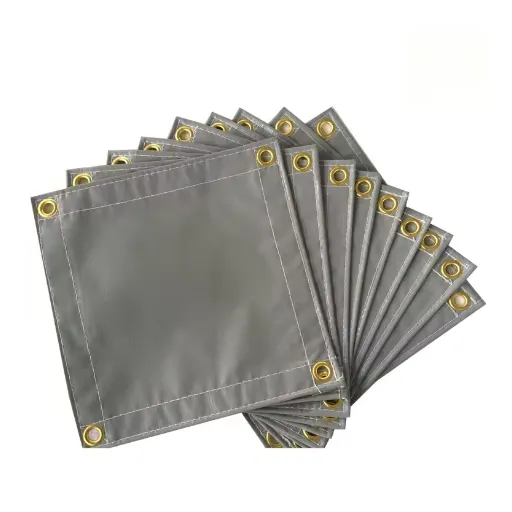
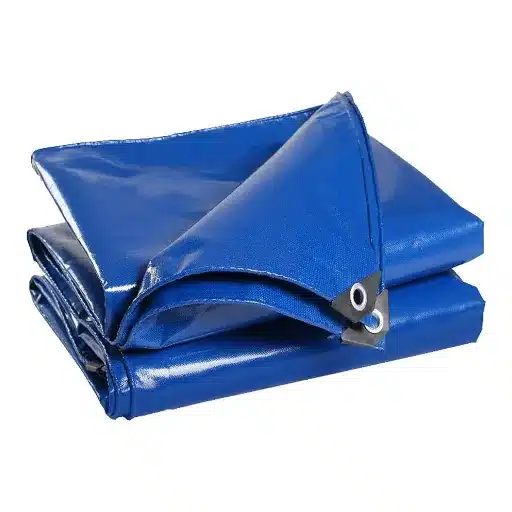
The majority of Polymer-Coated Fabrics are covered with materials including PVC, polyurethane and acrylic, making them water proof, and capable of withstanding wear and tear. They serve in the manufacture of equipment such as protective clothing, outdoor furniture/structures, and tarpaulins etc.
Rubber-Coated Fabrics are flexible and strong due to the addition of rubber to the fabric surface, which could be natural or synthetic. They allow the use of fabric for purposes such as conveyor belts, wetsuits or water proof garments, inflatable rafts, and more.
The last sub-type is Fabric-Backed Wallcoverings for which there is a great concentration upon the embarked styles and/or functions. They comprise cloth layers laminated behind plastic or any other films making them extremely tough and simple to care for in decorating interiors.
The characteristics of each of coated fabric allow it to be assigned to a particular environment and include features such as exposure to bad weather, strength and ecological aspect as well as supporting different functions.
Key Characteristics of Coated Fabrics
- Durability: The design of coated fabrics ensures that they can put up with wear for a prolonged period and have better abrasion resistance.
- Water Resistance: A good number of coated fabrics possess either water resistance or water proofing thus making them comfortable for use in outdoor and humid conditions.
- Flexibility: The materials are elastic and allow meaningful alterations for a variety of application without compromising the strength.
- UV Resistance: There are coated fabrics that have been manufactured in such a way as to tolerate exposure to the sun for a long time without breaking down.
- Ease of Maintenance: It is commonly seen that coated fabric does not get stained nd is easy to wipe ensuring that it is appropriate for construction work.
Types of Coatings Used in Fabric

Coatings used in fabric include polyurethane (PU), polyvinyl chloride (PVC), silicone, acrylic, fluoropolymer, and rubber-based coatings.
| Type | Base | Features | Uses |
|---|---|---|---|
| PU | Synthetic | Lightweight, soft | Apparel, tents |
| PVC | Polymer | Durable, pliable | Upholstery, bags |
| Silicone | Elasto-polymer | Heat-resistant | Industrial fabrics |
| Acrylic | Resin | Water-resistant | Outdoor gear |
| Fluoro. | Polymer | Stain-proof | Technical textiles |
| Rubber | Natural/Synth. | Stretchable, strong | Conveyor belts |
PVC Coating: Properties and Applications
Due to its affordability, PVC coating can make up the bulk of the material with the remaining materials providing various advantages including the high tensile strength of PVC. It is highly water-resistance, chemical resistance and weather-proof and so can be used seamlessly in both portfolio interior and exterior designs. Moreover, PVC consists of polymer substances that are characteristic of being ductile but remain very firm, making variegated constructional work possible.
One of the prevalent uses of the material is in upholstering which comes with the advantage of lasting longer furniture covers, and/or other surfaces which are mostly visited such as office spaces, benches and other public seating areas. The coated fabric finds application in manufacturing waterproof bags without adding much weight yet resistant to moisture. Such a broad range of most efficient purposeful applications can be observed in the up-to-date construction activity of such an industrial area as in question, for in this case, sheaths for large vehicles of the automobile industry, tents or working protective clothing offer.
Vinyl Coating: Advantages and Use Cases
The benefits of applying vinyl include the added strength that the vinyl offers and thus, the application can also differ. For instance, products that need to remain functional irrespective of moisture such as coverings of furniture, waterproof bags and tarpaulins or tents rely on the coated fabric to function for a very long time under any circumstances. Vinyl coatings provide excellent protection against wear and tear, chemical attacks, and also the rays of the sun and hence, can be used for a prolonged period both, indoors as well as outdoors. Another significant feature is that it is not heavy and is not hard to handle on different materials making it very user-friendly.
The uses of vinyl coatings should not be limited to the furniture or the industrial scopes, there is an application of them in the construction and in the automotive sectors for protective linings for the parts that are most prone to abrasion as well. This principle stands for creative elements and individuals, too; even in this case, coated fabric is available in different colors and patterns and, therefore, acceptable in its minimalistic detail. Then, this conclusion holds true for other sectors as well, i.e., the universal sticker or skirting or the bar fitting vinyl.
Silicone and Rubber Coatings: Versatility and Performance
Rubber & silicone coatings can be applied in many fields due to their flexible and expandable qualities. In particular, these coatings show considerable resistance to high temperatures which makes them suitable for coatings in automobile industry, aerospace and electronics. Their structure is flexible enough and at the same time rigid enough to provide protective coatings during stress. Also, water and corrosion are no problems to these coatings since they have hydrophobic characteristics. In addition, silicone and rubber coatings are effective in the aspects of electrical insulation, hence they are used to a great extent in protecting the wires and other electronics. These materials, with its advancement in scientific development, are used in more and more fields since they can be manufactured as solutions for diverse industrial problems encountered in the present times.
Manufacturing Processes for Coated Fabrics

It is usually a collection of manufacturing processes designed to develop a coated fabric which starts with the fabrication after the substrate has been prepared, involves coating, and coating is always followed by a curing of the fabric. The most fundamental stage involves the clearance and surface modification of the textile to prepare it for the coating. Coating is then carried out using knife, dip or roll coating technique with the help of polymers, resins or rubber. Finally, the coated fabric is subjected to curing which is primarily done by the application of heat or certain chemicals catering to lock in and improve the clothing performance. Such fabrication processes increase the life span of the range of coating, as well as its flexibility and applicability to the various industries.
Common Techniques for Applying Coatings
- Knife Coating – An accurate surface method encompassing coating layer pressing on different surfaces from fabric to table cloth while maintaining the same sizes of coated fabric.
- Dip Coating – This is when a fabric is immersed into a liquid solution of the coating resin for it to get saturated then left to dry or to cure after which each fabric should be separated.
- Roll Coating – Rollers are employed in the process of applying the dry film since it is best for the purposes of control and regulation of the film thickness applied to a fabric.
- Spray Coating – It is the use of a spray gun from which the processing material, i.e. a coating, is distributed across the fabric’s surface. It is recommended for such purposes when it is necessary to cover a surface with a thin layer of material.
- Calender Coating – This is the passing of fabric through calender rollers with a certain pressure applied on it to allow the coating to adhere on the fabric, assuring a uniformly finished and processed one.
Quality Control in Coated Fabric Production
Quality inspection lay under the hood of any coated fabric manufacturing as it needs to be carried out consistently for desired outputs and standards. Generally, it is undertaken at every stage in the manufacturing process that includes inspection and tests. First of all, raw fabrics and raw material coatings are inspected for their consistency and quality prior to manufacturing activities. During coating, continuous measurement systems which take into account such variables as thickness adherence and homogeneity, are usually employed. Technologies like infra-red scanning and automated inspection systems assist in determining abnormal circumstances like pinholes, uneven films or impurities.
Final stage of research and development activities is testing of the coated fabric, when a mechanical or environmental means can be used for this testing to achieve desired values of tensile strength levels, resistance to abrasion, water proof property, and treatment against fading by ultraviolet radiation etc. depending on the nature of application. The process is also accompanied by exhaustive documentation and traceability measures to foster responsibility and aim at enhancing quality of products. These elaborate processes aim at ensuring that the coated fabric achieves the expected form and function for a particular application in an environmentally responsible way.
Innovative Manufacturing Trends
The manufacturing methods of coated fabric have been transformed over a period of time due to technological advancements and aspirations for sustainable development. One of the most dominant trends is introducing the application of environmentally friendly coatings, like water-based ones, or those based on biograde materials, because they eliminate the need to use solvents that are hazardous. Digital printing methods are also on the rise as they enable very complex and accurate design aspects without having to deal with a lot of waste. In addition, it includes automate and intelligent manufacturing, which harnesses emerging technologies such as reliance on artificial intelligence for inspection processes. Coated fabrics are run as an annual program with as well as domestically developed recycling activities reusing production waste for more economic use. Nonetheless, stages such as interrelationship between performance and design development are pushed towards the integration of sustainability and increasing regulation.
Benefits of Using Coated Fabrics

- Toughness: Whenever the fabric is coated there is a big degree of improvement upon the toughness of the coated fabric, hence they can be employed in rigorous applications.
- Water Proof: A good number of the coated fabric in the market today has been purposely made to not allow leakages, hence providing for a waterproof fabric.
- Flexibility: Since these fabrics are used in different fields such as fashion industry, transport industry and medical equipment.
- Low Haute Ten: It is usual for these coated fabrics to be cleanable and maintainable due to the surface protection thus prolonging in use.
- Improved Visual Performance: Coated fabrics have many different colors, varying structures and other changes that show elements of creativity.
Durability and Longevity
The unparalleled fabric durability and longevity of coated fabric is one of the benefits that makes them ideal for many applications. These kinds of materials are designed to endure all sorts of environmental effects, which include exposure to ultraviolet rays, changes in temperature, as well as excessive wear and tear. The special built-in coatings and screen fabrics remain intact and effective over a very long period of time, unlike plain fabrics, that extends the usability of fabrics. This all helps to cut down on replacements, therefore helping to lower environmental pollution because of the lesser volume of waste managed.
Water Resistance and Protection
Coated fabrics are excellent for their ability to be water-resistant. As a result, such fabrics are utilized in areas or applications that are prone to moist or wet environments. They are highly water-resistant as the complex coatings form such a structure that water can’t get through the coated fabric. This is especially useful in a variety of industries like outdoor apparel, marine upholstery, indoor and outdoor architectural frames, etc. where water is a major concern. Moreover, there is waterproofing which helps to protect the surfaces of the confining structures and increases life even if it is harsh. coated fabric promotes the purposes of sustaining and improving the performance of the product over its useful life – due to efficient moisture barrier.
Versatility in Design
In designing, the level of freedom afforded by coated fabric allows for creative usage or confined to several ventures. The pliability of the material enables manufacturers to incorporate different texture, shade, colors, patterns and designing techniques into the process of production which would otherwise prove impossible. The content of the rigid objects that can be produced is enhanced by possibilities of combining several elements with the endurance of the materials, resulting in aesthetic products in their areas of consumer’s interest; for example, the car seats, the seats and women’s wear. It is the combination of these styles in the construction of a design that offers practical designs that do not sacrifice the beauty of coated fabric.
Applications of Coated Fabrics Across Industries
Automotive Sector
Coated fabrics are extensively employed as seat, dashboard and door trims in the interiors of vehicles due to their durability, ease of maintenance and attractive appearance.
Furniture Sector
For this purpose, fabrics are the best option because they allow die-cut furs to obtain any last meter encountered on a roll that is seated upholsters – very good looks along with the endurance against fire and stains.
Medicine Branch
Coated textiles are applied in healthcare equipment such as hospital beds, chairs and covers, thanks to their antimicrobial and waterproof properties and also easy cleaning.
Garments and Fashion
This coated fabric, most widely used in manufacturing of different sorts of bags, shoes and apparel is available with different coatings which make them water resistant, fashionable, etc.
Transportation and Marine Sector
They supply materials for caregiver upholstery boats, line haul trucks as well as interior aircrafts and exteriors that require high durability and withstanding pressure from the environment.
Textiles and Fashion Industry
The textile and apparel industries have undergone quite an evolution with the introduction of coated fabric and other creative materials. This is because these materials do not merely overdeliver on their primary purposes but also fit into the contemporary green movement. Such fabrics are regularly employed to make fashionable products, including raincoats, handbags, or shoes that are not only functional but very durable, beautiful too. More so, these forays into textile technology is also changing the fashion design and manufacturing practice for the better in response to the rising fashion consumer preferences for green or sustainable fashion or even ethical fashion. With their wide range of applications and endurance, coated fabric still serves as an integral part of the changes in the direction of global fashion.
Automotive and Transportation Applications
Coated fabrics are very useful in the automotive and transportation sector where there is a need for strong, resistant to harsh conditions and flexible materials. They are used in making car interiors, seat covers, airbags, and even tops for convertible cars, which combine both functionality and beauty. The coated fabric does not permit water passage and thus prevents damage while exposure to UV rays is usually sufficient to protect fabric coated surfaces against weather induced damages. It must be noted advancements in developing lightweight material is shone in lesser consumption of fuel in the autos. It also is used for making seats of buses or trains which all heights extent more need in combing hygiene and increased life span of the material. Coated fabrics are made to increasingly meet the goals of sustainability which is another trend that the world is presently focused on.
Construction and Architectural Uses
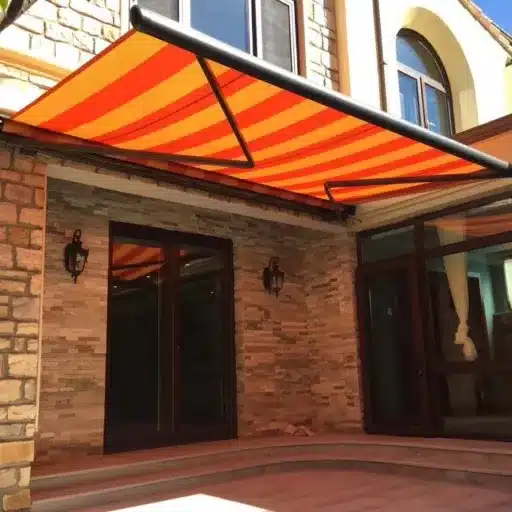
A great candidate for coated fabrics in construction and architecture is the so-called versatile application. Tensile structures, such as canopies and awnings, utilize these membranes due to their strength and resistance to weathering. In addition, membranes of coating fabrics are directly applied to the roof of a structure to become liquid-proof against water and resistant to ultraviolet light. They are a little higher in weight, but that is a trade-off worth making in exchange for flexibility and longevity requirements in some designs. With the advent of technology, many of these materials now fulfill energy efficiency and green criteria, which are in demand nowadays.
Reference Sources
- TexTech Industries: Which Coating Method Is Right for Your Application? – Discusses various coating methods like direct coating, immersion coating, and more.
- Falcon Products: Guide to the Different Types of Coated Fabrics – Covers common types of coatings such as vinyl, silicone, acrylic, and polyurethane.
- Insider Market Research: Textile Coatings: Types, Applications, Benefits And Future – Explains coating methods like dipping, spraying, and laminating, along with their applications.
- Fenner Advanced Materials: High Tech Coated Fabrics – Focuses on high-tech coated fabrics designed for industrial applications.
- Precedence Research: Coated Fabrics Market Size to Hit USD 42.98 Billion by 2034 – Provides insights into the market size and growth trends for coated fabrics.
Frequently Asked Questions (FAQs)
What are the different types of coated fabrics?
Coated fabrics include PVC-coated fabrics, silicone-coated fabrics, and rubber-coated fabrics. These are distinguished by their own characteristics and uses, giving versatile end-use applications such as outdoor equipment, tents, and protective clothing.
How are coated fabrics made?
This type of fabric is produced by applying a polymer coating to the base fabric, like cotton or canvas. This is the reason for increasing durability, water resistance, and good performance of fabrics needed for all types of industries and applications in this region.
What is the best coated fabric for outdoor use?
For outdoor use, PVC coated fabrics are considered the best because of waterproofing, anti-dirt, and UV resistance properties. On the other hand, silicone-coated fabrics are a good lightweight and durable option for camping and hiking gear.
Can coated fabrics be used for food-related applications?
Yes, some coated fabrics can indeed be used in food-related applications. For example, food-grade silicone coated fabrics are often used for tablecloths and storage bags because they are safe for food contact and can be easily cleaned.
How to care for items made of coated fabrics?
Normally, coated fabric items require gentle cleaning. Avoid harsh detergents, because the abrasive action can spoil the coating. The best care involves mild soap and a soft cloth or sponge: simply wipe away dirt from the surface while preserving durability and fabric properties.
Are conductive coated fabrics available?
Yes, conductive coated fabrics are available and are often used for static control or electromagnetic shielding applications. The coating basically renders the fabric conductive, so that it can serve well in electronic applications and specialty clothing.