
Marine Tarpaulin: Saltwater Resistant Covers & Marine Applications
In any case, the right materials can be a decisive factor when protecting precious equipment, ships, or goods in difficult seas. Marine tarpaulins are made for protecting things in water and are strongest against all the harshness of sea life—fighting against saltwater, UV light, and stormy weather. However, what really gives these covers their quality and reliability and how to do it the right way for different marine applications? The article is to take you through the possible uses of marine tarpaulins like the protection of your boat in winter storage, coverage of cargo on the deck, or lining shells or containers in fisheries, etc. The qualities, durability, and features of this type of tarp will be thoroughly discussed so that you get to know how they could be used in different ways with great effectiveness in the marine industry. Please keep with us as we reveal the reason why these tough covers are not only a must-have for marine pros but also a great option for every water-loving hobbyist.
Understanding Marine Tarpaulins
What is a Marine Tarpaulin?
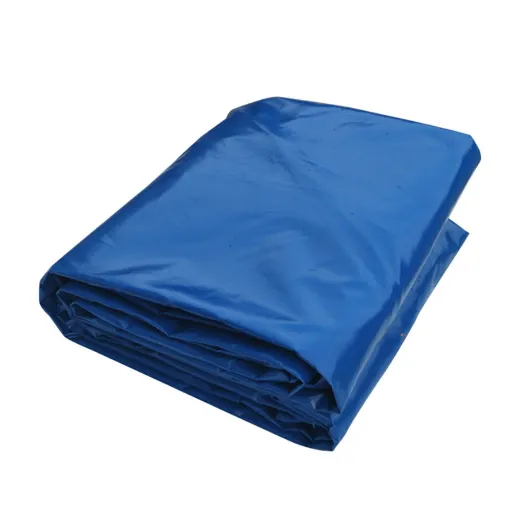
A marine tarpaulin refers to a heavy-duty protective covering specifically for marine areas. Its production relies on strong and waterproof materials like PVC or polyethylene to endure the harshest of conditions, including salty water, strong winds, and ultraviolet rays. Hence, tarps made out of these materials protect reliably under such conditions for boats, cargo, and/or equipment, preventing damages due to weather or other environmental factors.
Different sizes and thicknesses make marine tarpaulins suitable for various needs and applications. Some are even provided with maximum security and protection through layers or features such as grommets and ropes. When one says tarpaulins’ versatility, they mean that their covering boats is not the only use but that they can also be applied for the lining of containers, protecting deck supplies, or even the setting of emergency shelters.
Marine tarpaulins’ key attributes — water resistance, longevity, and versatility — categorize them as the main lighting for the use of professionals and hobbyists in marine industries. Whether it is for use during daily operations, and storage or transport, these tarpaulins represent a solution that is both economical and reliable when it comes to protecting assets against the hostile conditions that are characteristic of the sea.
Benefits of Using Marine Tarps
🌊 Waterproof Protection
Marine tarps are fashioned with superior materials that guarantee the highest level of waterproofing. This property keeps boats, devices, and cargo not only dry but also safe, regardless of heavy rainfall or ocean mist. Research has shown that tarps with waterproof characteristics can bring down moisture-related destruction by as much as 70%, therefore, these tarps become a must-have in the areas where these factors are common or in unexpected wet weather situations.
☀️ UV Resistance
Sunlight can be damaging to surfaces and materials, and with time its effects will be evident. Marine tarps are sometimes equipped with UV-resistant coatings to eliminate the risk of the sun causing damage, the material fading, or the cracking of the cover owing to the ultra-violet rays. Thus the material will not lose its original properties and the assets under the cover will last longer.
💪 Durability Under Harsh Conditions
Using tough materials as polyvinyl chloride (PVC) or reinforced polyethylene, marine tarps are manufactured to risk-free handling, strong winds and abrasive atmospheres. They are long-lasting and their robustness makes it possible to use them for the long-term purposes at the seashore, on the lake, etc., without tearing or wearing down easily.
🛡️ Corrosion and Mildew Prevention
Marine tarps serve as an obstacle to the moisture thus minimizing the chance of metal corrosion and at the same time stopping the spreading of mildew on fabric or wooden surfaces. This is a very critical concern for saltwater environments as the rust and decay processes take place very fast when there is no proper protection.
🔧 Versatility
These tarps are available in different sizes and have customizable options which make them fit for various applications such as covering boats, gear, and cargo, and even making temporary shelters. Their flexibility is such that they perfectly fulfill the diverse requirements of marine operations, thereby providing practicality as well as being economical.
Common Materials Used in Marine Tarpaulins
Marine tarps are made from high-grade materials that are capable of bearing the extreme conditions prevalent in marine areas. The following is a list of the top materials that are most commonly used:
| Material | Key Characteristics | Best Uses |
|---|---|---|
| Polyethylene (PE) | Lightweight, durable, economical, water-proof, UV protected, saltwater resistant | Sun and rain protection, general marine applications |
| Vinyl (PVC) | Superior strength, totally waterproof, resistant to cuts, tears, mold, and extreme weather | Heavy-duty marine applications, changing temperatures |
| Canvas | Breathable, naturally water-resistant when treated, moisture resistant | Applications requiring ventilation, preventing condensation |
All these materials have their pros and cons opening a way for the users to pick the right one according to their specific requirements as the matter of price, portability or comfort. Selecting the right one can help marine operators secure the equipment and assets even in the most adverse environments.
Applications of Marine Tarpaulins

Marine Applications for Tarps
Marine tarpaulins are multi-purpose products and have a large scope of use in different operations conducted in water. The following information focuses on their five major applications and explains them in detail:
- Boat Covers: Marine tarps are a common choice for boat covers to protect vessels from the extreme weather, ultraviolet rays and dirt. Such covers stop hulls from getting damaged and, thus, reduce maintenance costs.
- Dock and Pier Protection: Tarpaulins may be set up on docks and piers to prevent damage to the equipment and cargo stored there. Their strength makes the items safe from getting wet, sun and wind exposure.
- Fishing Gear Covers: Fishing gear and nets are easily damaged by the sun and saltwater if left out for a long time. Marine tarps can offer the protection and thus the prolonging of the equipment’s lifespan.
- Cargo Securing on Vessels: Marine tarps have a great advantage of making sure the onboard cargo is well secured, especially during the transportation phase in case of rough seas. The tarps work as barriers allowing the goods to stay dry and stable all through the shipping process.
- Maintenance and Repair Shelter: Tarpaulins for marine use act as temporary cover for the vessel when it is being repaired or worked on. They create a sheltered area that keeps workers and equipment dry throughout the unpredictable weather period.
Key Insight: The above-mentioned uses of tarpaulin show that the material is quite adaptable and is critically important in executing marine operations smoothly and safely.
Using Tarps for Boat Covers
Tarpaulins are really needed products for the boats’ protection against the environment. They are synonymous to being strong, waterproof and saving money, which are the requirements for a good boat protection solution. A mix of these properties put forward 5 points for tarps as boat covers:
1. Protection from UV Rays
Tarps prevent the main people from the boat that is the sun by mainly ionizing the boat’s materials such as paint, upholstered surfaces, and even decks which leads to the very gradual but eventually irreversible fading, cracking, and drying up of these materials.
2. Weatherproofing
Concrete marine tarps would never let any water in, so the boats inside would always be there and not affected by rain, snow, and ice that might have come during the off-seasons or long periods of storage.
3. Control of Debris
Tarps act like screens that do not allow leaves, twigs, and dirt to spoil your boat thus giving you less need for cleaning or maintenance.
4. Corrosion Prevention
As rainwater or any moisture is not allowed inside by tarps, it is the first step of preventing the depreciation of metal parts in the vessel who are then referred to as the infrastructure because they are the ones supporting the vessel’s entire lifespan.
5. Economical Storage
Covering boats with tarps is a very economical way of dealing with it/ keeping it rather than going for the really costly storage units or tailor-made covers, besides maintaining the same protection level all year round.
When boats are covered with marine tarps, the owners can be assured that their boats will be in good condition and ready for use whenever they feel like having a trip to the sea.
Protecting Cargo with Marine Tarpaulins
Marine tarpaulins are the mainline of defense against the elements to which cargo, in particular, is sometimes exposed; therefore, they are the most indispensable and reliable tools for safeguarding cargo throughout transport or even during storage in difficult places. Their long-lasting nature coupled with various usages has made them the best candidate for protecting different types of goods against nature’s wrath thus whatever is precious and expensive is destined to arrive at the place of its destination in the best of conditions.
Five Primary Benefits for Cargo Protection:
- ✓
Waterproof Protection: Marine tarpaulins are composed of waterproof materials that stop water from coming in, and therefore the cargo remains dry when there is very heavy rain or in places with very high humidity. This quality is particularly important for those goods that are very sensitive to moisture, for instance, packaged food or electronics. - ✓
UV Resistance: UV-protected coatings are often used on these tarpaulins which help prevent the goods from being damaged by the sun. This is especially relevant for cargo that is going to be outdoors for a long period of time possibly waiting for new placements or being transported. - ✓
Tear and Wear Resistance: Contrary to what might be expected and to some extent, marine tarpaulins are made to be as resistant as possible to tearing, abrasion, and rough handling; this, in turn, makes them suitable for covering goods during their roughest transport or unloading and loading deporting. - ✓
Custom Size and Fit: There is a variety of sizes and the option to customize, thus marine tarpaulins can cover everything from small to large machinery. This property really makes sure that a perfect fit is provided for every kind of and size of the cargo. - ✓
Weatherproof Performance: These tarpaulins, apart from moisture, also guard against the wind, and snow, and keep the cargo free of dust and all other elements of nature, thus providing total protection even in the most extreme conditions.
The application of marine tarpaulins gives both the business community and the average man on the street peace of mind with regard to the security of the cargo as well as the reduced cost of damage prevention.
Maintenance and Care for Marine Tarpaulins

Cleaning and Storing Your Marine Tarpaulin
The overall quality and life of your marine tarpaulin can be heavily influenced by proper cleaning and storage methods. First, the tarp can be rinsed with fresh water to get rid of any loose dirt, debris, or salt deposits. If you want to clean it more thoroughly, you can use mild soap or a specialized tarp cleaner with a soft-bristled brush to gently scrub the tough stains. Make sure not to employ harsh chemicals or abrasive cleaners since these can ruin the waterproof coating and cause the fabric to lose its strength gradually. After cleaning, please rinse the tarp well so that no soap is left behind.
⚠️ Important Drying Guidelines
After cleaning, it is very important that the tarp is completely dried out before it is put away. If moisture gets stuck in the fabric, it will cause the growth of mold and mildew and also create bad odors. For air drying, lay the tarp out in a shaded but ventilated place. Sunlight that is too intense may lead to a gradual but sure degradation of the tarp material, so don’t let it be exposed for too long. Besides, the tarpaulin covering will last longer and work better if it is dried properly.
For storage, make certain the tarp is folded in a compact manner and put away in a cool and dry site that is not near sharp objects or heat sources. It is advisable to use a dust-proof covering or a storage bag to prevent the dog from making his bed there because that would mean calling for Replacement sooner than planned. Keeping an eye on your marine tarpaulin regularly can help you spot and fix minor problems before they turn into major ones even if it is not being used. Your marine tarpaulin will be a trustworthy and durable partner for all your transport and storage needs if you follow these guidelines.
Inspecting for Damage: Signs of Wear and Tear
Regular inspection of your marine tarpaulin is a must if you want to have it last long and work properly. First of all, check for any signs of damage that you can see, like rips, holes or edges that have worn out. Seams and grommets are the areas where most of the pressure is applied during use, so pay close attention there. Also, check all the reinforcements and stitching to see if they are still there; once the stitching is compromised, it can lead to failure of that area and the rest of the structure under a heavy load or during harsh weather.
Inspection Checklist:
- Visual damage (rips, holes, worn edges)
- Seams and grommets condition
- Reinforcements and stitching integrity
- UV damage signs (discoloration, cracking, fading)
- Mold, mildew, or water stains
- Hardware condition (eyelets, straps, fasteners)
- Rust or corrosion on metal components
Next, check the tarp for environmental wear signs. The sun can be very brutal on a tarp, and the UV rays can cause the material to become fragile or lose its flexibility. If the tarp is discolored, cracked, or has faded areas, there is a good chance that it has already suffered UV damage which has weakened its ability to protect. In case the tarp is constantly exposed to water or humidity, keep an eye on the signs of mold, mildew, or water stains because they can deteriorate the fabric’s integrity and lead to more problems.
Finally, make sure all the hardware connected to the tarp is working properly. The hardware includes checking eyelets, straps, and fasteners for rust, corrosion, or deformities that could prevent proper sealing and attachment. Fixing little problems right away can keep bigger ones from happening which might reduce the tarp’s life and increase the risk of its protecting items getting damaged. The addition of regular inspections to your maintenance schedule will make sure that your tarpaulin is strong and usable for many years.
Extending the Lifespan of Your Boat Cover
Proper care and maintenance are necessary to make the most of your boat cover and secure your investment. One of the most important factors is regular cleaning. After every use, it is very critical to rinse off the boat cover with fresh water in order to get rid of salt, dirt, and debris that can damage the fabric gradually. Take the cover humidity soaked metamorphic soap offered by marine fabrics; while harsh chemicals may reduce the material’s strength or remove the protective coating that has been applied. First, let the cover dry up completely, then store it so that mold and mildew do not form, which can affect both the cover’s appearance and its durability negatively.
💡 Best Practices for Storage
It is absolutely necessary that your boat cover is stored properly during the winter months or whenever it is not in use. Folding it when wet or taking it out in the sun for long periods are practices that you should avoid because UV rays can lead to fading and eventually even weaken the fabric over the years. Instead, put it away in a place that is cool and dry, and it’s best to use a breathable storage bag so that the cover can keep its shape and be in good condition. Moreover, you could purchase UV-protection treatments or sprays that would act as a safeguard for the cover against sunlight and therefore prolong its usability.
Periodic inspections to catch wear and tear signs early are another important practice. Pay special attention to seams, stitching, and attachment points since these are usually the most stressed areas. If you notice small rips or worn areas, repair them immediately using marine covers repair kits. Being careless with small problems can result in larger—and pricier—damage. When practiced along with regular storage and cleaning habits, these preventive measures will definitely keep your boat cover working efficiently for many years, thus saving you money and labor in the long run.
Heavy-Duty Marine Tarpaulins

Features of Heavy-Duty Tarps
Heavy-duty marine tarpaulins are very strong and tough thus can be used in pretty much any environmental conditions. They will thus be the best choice for protecting boats, various kinds of equipment, and even outdoor valuables. These tarps are made of hard-wearing materials such as vinyl, polyethylene, or canvas, and have been made even stronger and more durable by adding waterproof and UV-resistant coatings that will stop water from penetrating and causing damage through the sun’s prolonged exposure. The reinforced hem and grommets give strength to the edges and thus secure fastening is ensured, which also reduces the likelihood of tearing either under tension or during strong winds.
Key Features:
- Exceptional Durability: Extreme weather and heavy-duty use paper, commercial and non-commercial
- Mold & Mildew Resistance: Quality and trustworthiness in damp or chemically exposed areas
- Oil Resistance: Maintains integrity in industrial environments
- Fire Retardant Options: Peace of mind for industrial and specialized applications
- Reinforced Construction: Strengthened edges, hems, and grommets
The heavy-duty tarps’ flexibility is another one of their significant advantages. They come in an array of sizes, colors, and thicknesses, and buyers can choose the one that is the most suited for their requirements. No matter if covering large boats with heavy-duty tarps, setting up temporary shelters, and covering huge machines, the heavy-duty tarps are giving you the flexibility to choose your protection. Quality tarps have been proven to last longer and reduce items’ risks of wear and tear, thus saving money and effort in the long run.
Applications in Harsh Environments
Heavy-duty tarps are made to be able to withstand the most difficult and harshest places. The properties of such tarps like their longevity, imperviousness to the weather, and versatility make them absolutely necessary in many different industries and situations. Below are five main areas where heavy-duty tarps demonstrate their great value:
| Industry | Primary Applications | Benefits |
|---|---|---|
| Construction Sites | Cover building materials, machines, create temporary worker shelters | Barrier protection, eliminate environmental damage, prevent delays and extra costs |
| Agriculture & Farming | Protect crops, hay, and farming tools | Protection from harsh sunlight, heavy rains, frost, ensuring agricultural productivity |
| Marine Environments | Cover boats, docks, and marine gear | Defense against saltwater corrosion, UV rays, and stormy weather |
| Industrial Warehousing | Create partitions, cover machinery, protect outdoor storage | Prevent dust, moisture, and UV damage; maintain quality and security of inventory |
| Disaster Relief | Rapidly build shelters, protect damaged structures | Portable, quick setup, withstands rough weather in crisis scenarios |
So to sum up, tarps play a key role in the above-listed applications through their remarkable versatility and reliability. They bring about strong protection and buttress even the most extreme conditions with their comfort.
Choosing UV Protected Tarps for Sun Exposure
One of the main factors to look for in tarps which are going to be used outdoors for a long time is the UV protection feature. UV-protected tarps are intended to resist the harmful effects of UV radiation emitted by the sun. Thus, they do not lose their quality, i.e., no material degradation and no color fading, throughout the years. At the same time, regular tarps under the sun would become brittle, get easily torn, and have their lifespan significantly reduced—almost to that of non-UV treated ones. Whereas these durable covers with UV protection keep their strength and integrity during a long hot summer, they are still giving the great coverage in the regions where the sun shines the hardest.
🔬 UV Protection Technology
The newest technology in tarp making uses high-density polyethylene (HDPE), or PVC, which is treated with UV inhibitors, thus prolonging their life significantly in sunlit areas. A large number of UV-resistant tarps have coatings or laminated finishes that provide extra shielding beside the sunlight’s effects. Thus, they become the best choice for covering cars, boats, equipment, or outdoor storage. In agriculture, UV protections tarps are helpful in keeping crops and hay fresh and their quality plus the longevity of the materials stored is assured.
📊 Key Statistics
3X
Longer Lifespan
Studies reveal that UV-treated polyethylene tarps are capable of lasting up to three times longer than untreated ones when subjected to the same conditions. Thus, they are considered over extended periods of time as being cost-effective due to the reduced need for replacements. In whatever manner the UV-resistant tarps are being used either for personal, commercial, or agricultural purposes, their priority still remains the same: providing unbroken protection against the harshest sun exposure while ensuring long-term performance and value.
Innovations in Marine Tarpaulin Technology

Advancements in Waterproofing Technologies
The new waterproofing technologies have changed the marine tarpaulin market, making waterproofing completely guaranteed. The most important innovation in this matter is the coming of the high-tech polymer coverings which boost the non-absorbent nature of the tarpaulins, at the same time, allowing the tarpaulins to remain flexible and light. The polymers are formulated to create a barrier of water-tightness at a molecular level, thus, even the most serious conditions, such as heavy rain or long, continuous saturations, will not be able to force water through the barriers.
🔬 Nanotechnology Applications
Nanoparticles are being utilized at the production level of new features that make tarpaulins superhydrophobic, thus, water can easily slide off without even touching the material. This not only resistance to water but also makes the tarpaulin self-cleaned resulting in less maintenance. The advancements in nanno-technology are also eco-friendly because they are manufactured using non-toxic and biodegradable materials which fuel sustainable practices.
💪 Enhanced Durability
Ultra-modern water-proofing techniques still give priority to durability in tough marine habitats. The fabrics that are used today are fortified not only against water penetration but also against salty water corrosion and ultraviolet radiation, which means that they will be great for boat covers, cargo protection, and other sea-related applications. Thanks to the combination of high-performance design with the latest in materials science, modern-day marine tarpaulins are enabling the flexibility and longevity to be optimized.
♻️ Eco-Friendly Materials for Marine Tarps
The increasing concern about sustainability has hastened the adoption of environmentally-friendly materials in the manufacture of marine tarpaulins. The manufacturers are now using biodegradable and recyclable materials, for instance, polyethylene and polypropylene with better eco-credentials. These materials are not only able to withstand the rigors of the marine environment but also the disposal process, wherein the impact on the environment is lessened. By using recyclable and bio-based polymers further, the manufacturers diversify the market by offering products that are supporting a more circular economy.
🌱 Plant-Based Coatings Innovation
One of the greatest advancements in this area is the replacement of traditional chemical finishes with plant-based coatings. Soy or linseed oil coatings are among the materials that offer good water and UV resistance while being environmentallyfriendly. The protection provided by these non-toxic substitutes against moisture, salt, and temperature is the same as that of the conventional coatings, and they fit perfectly into environmentally-conscious practices. The progression achieved in this field has been remarkable in terms of reducing the impact of marine tarpaulins on the environment.
🌊 Ocean Plastic Upcycling
Besides, the idea of upcycling is now being applied in the production of marine tarps. A few manufacturers are making tarpaulins out of the recycled plastics collected from ocean cleanup operations, thus giving a second life to the materials that would otherwise pollute the marine environment. These technological advancement is not only making the consumers more conscious of their buying decisions but also meeting the environmental issues by combining the raw material obtained through ecological sources with the manufacturing process practiced. This commitment to eco-friendly technology not only depicts the future of the marine industry as being functional and responsible towards the environment.
Future Trends in Marine Fabric Technology
The development of new marine fabrics and their technologies is pushing towards greater durability, sustainability, and multifunctionality. Here are the major trends shaping the future:
1. Smart Fabrics
Materials that can track environmental conditions like temperature, humidity, and UV exposure. Such materials are using sensors laid out inside and IoT connectively for giving the real-time data that leads to increased safety and efficiency in the ocean areas.
2. Bio-Based Materials
Researchers are studying algae-based fibers and plant-based ones that are not only durable but also very environment-friendly. The use of these materials would lead to less pollution and reduce reliance on fossil fuels.
3. UHMWPE Fibers
Lightweight yet strong materials offering high resistance to abrasion and water while maintaining flexibility. Overall performance is improved even in the roughest marine conditions.
4. Advanced Coatings
High-tech coatings that provide self-cleaning or antimicrobial properties, highlighting the trend of efficiency and environmentally friendly design.
5. Circular Economy
Closed-loop recycling processes making fabric recycling easier. These developments focus on resource efficiency and waste minimization, solving both industry demands and environmental challenges.
References
- Comparative Effect of Different Stocking Densities of Heteroclarias on Plankton Abundance in Tarpaulin Tanks
This study explores the use of tarpaulin tanks in aquaculture, providing insights into their design and application. - The Effect of Stocking Density on the Growth Performance and Feed Utilization of Albino Clarias Gariepinus Reared in Collapsible Tarpaulin Tanks
This research focuses on the effectiveness of collapsible tarpaulin tanks in aquaculture settings. - Are Cloth Tarpaulin Mounted Nets Effective for Discard Reduction in Trammel Nets?
This paper examines the use of tarpaulin-mounted nets in marine environments and their impact on marine species.
❓ Frequently Asked Questions (FAQ)
Q: What exactly a marine tarpaulin is and what makes it different from the regular poly tarps?
A: The marine tarpaulin is a cover of high standard and grade that has been designed particularly for saltwater and difficult marine environments. A marine tarpaulin usually is denim, tear-resistant, and reinforced at seams such like corners and grommets every 2 feet to withstand the attacks of sun, salt, and rains for a long time, whereas the basic poly tarps are not. Eventually, the marine tarpaulin has the same function as a waterproof boat cover, boat tarps, or waterproof tarps with a leading weave and different materials.
Q: Is it true that marine tarpaulins are waterproof and thus, can serve as a waterproof boat cover?
A: Yes, most of the time, marine tarpaulins are waterproof and regarded as waterproof boatcover. They consist of heavy-duty fabrics or heavy-duty poly tarps with coatings that block water from entering thereby making them ideal for keeping cargo, boats, and equipment dry. Search for the products that are marked waterproof boat or waterproof tarps and also check for reinforced corners for safe fastening to a boat or truck.
Q: What types of materials are used in making marine tarpaulins — nylon, cotton canvas, or something else?
A: Marine tarpaulins can be manufactured using various materials like heavy-duty poly (sometimes called poly tarps), nylon, and occasionally treated cotton canvas. Poly tarps and duty poly tarps are the prime options for the marine industry since they come with water resistance and UV-resistant coatings while cotton canvas may be used for aesthetic or breathable purposes but is not so common for long exposure to marine environments. The marine-grade fabric focuses on a tight weave, UV treatment, and rot resistance.
Q: Can I use marine tarpaulin to cover trucks, dump truck loads, or as truck tarps?
A: Of course. Marine tarpaulins are multipurpose and can serve as truck tarps, dump truck covers, or utility covers. Their heavy-duty design and reinforced corners make them fit for secure fastening on a truck, and high-quality marine tarps endure the wear and tear from covering cargo or oversized loads in windy conditions.
Q: What are the effects of reinforced corners, grommets, and weave on the durability of a marine tarpaulin?
A: Every 2 feet, reinforced corners and grommets create strong anchor points that inhibit tearing and consequently extend the life of the material. Moreover, a tight weave fibers contribute to the performance of the fabric being tear-resistant and at the same time waterproof. All these features combined prevent rotting and damage from repeated uses, thus making marine tarpaulins heavy duty and ideal for long-term exposure in harsh weather or marine environments.
Q:Is it possible to get wholesale specialized marine tarpaulins like camouflage, awning, or tent covers?
A: Indeed, tarps are available in many different types while including camouflage patterns, awning materials, tent covers, and specialized boat tarps. Several manufacturers provide wholesale options for buyers wanting to purchase in bulk. Along with the duty boat tarps, best boat tarp options, and oversized or utility tarps designed for camping, automotive, or commercial use, you can also find them.
Q:What steps do I take in selecting the best boat tarp or marine tarpaulin according to my needs?
A: Select a marine tarpaulin by checking the size of the boat, sunlight and salt exposure, and needed features like reinforced corners, UV-resistant coatings, and waterproof ratings. For a waterproof boat cover, select marine-grade, high-quality materials with a tight weave and tear-resistant construction. If you need to attach the tarp to cleats or truck beds, consider duty tarps with proper grommet spacing.
Q:Is it possible to use marine tarpaulins for camping, awnings, or as a versatile utility cloth?
A: Certainly, marine tarpaulins are multipurpose and can be utilized as a camp shelter, awning, ground cloth, or general utility tarp. Their heavy-duty, water-resistant, and UV resistance characteristics make them fit for a variety of outdoor applications where a durable, tear-resistant cover is required.
Q:What kind of maintenance is necessary to extend the life of a marine tarpaulin and protect it from rot or damage?
A: For prolongation of life, it is important to regularly rinse off the saltwater and salt spray, dry the tarp completely before long-term storage to prevent rot, quickly repair small cracks, and avoid sharp edges that might puncture the fabric. When not in use, store in a cool, dry place away from the sun to maintain the UV resistant and waterproof coatings. Proper care ensures even 10 oz or heavier duty tarps are performing well for years.