
Custom Tarpaulin Manufacturing: From Design to Production
Custom tarpaulins have been proven to be an industry standard for covering, protecting, or containing almost anything when it comes to high-quality and durable solutions. However, have you ever thought about what is involved in making these multifunctional products? Custom tarpaulin manufacturing is a laborious and creative process that entails taking the initial design through to the final production stage and then combining the product’s functionality with precision craftsmanship. This article invites you to an exclusive view of the process, on a per-step basis from raw materials to custom tarps that cater to the specific requirements of each industry. You are going to be offered a very enlightening experience regardless if you are a business owner, a project manager, or someone interested in learning about the manufacturing process.
Understanding Custom Tarps
What are Custom Tarps and Covers?
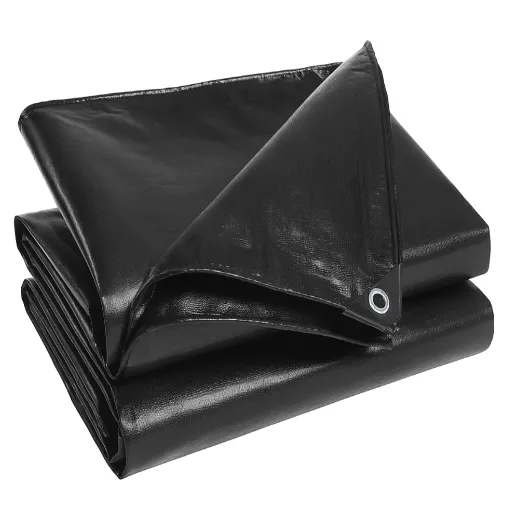
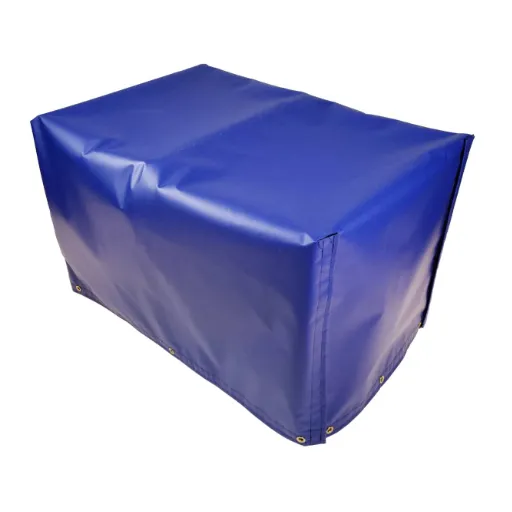
Custom tarps and covers are exceptional covers and tarps specifically taking into account the unique requirements of size, shape, and use. These products are not like standard tarps, which are available in certain dimensions and materials only. Custom tarps on the contrary are made to suit particular needs making them super adaptable and trustworthy for different applications in all sectors of the economy.
Usually, these tarps are made out of tough and weatherproof materials like vinyl, canvas, or polyethylene. They can be used for many different things like protecting equipment from extreme weather, keeping cargo safe during shipping, or constructing temporary shelters at building sites. Moreover, the customization permits the incorporation of such features like stronger grommets, UV protection, and fire resistance so the average performance in specialized conditions will be ensured.
Key Advantage
The benefit of custom tarps and covers is their adaptability and precision. In the case of manufacturing, agriculture, logistics, or personal projects, these covers provide the same level of protection and functionality as standard tarps do not. By solving the specific problems of the customers and providing the most appropriate solution, custom tarps give the customers the certainty that their assets are not only well protected but also completely covered against the impact of the outside elements.
Benefits of Using Heavy Duty Tarpaulin
✓ Durability and Longevity
Heavy duty tarpaulins are reliable products with an extremely long life span, they can endure the harshest of conditions that can come with their usage, e.g., extreme weather, UV rays, and high friction. When made of first-rate materials like polyethylene or polyvinyl chloride (PVC), it offers longer life spans than regular tarps thus, cutting down the frequency of replacements.
✓ Waterproof Protection
These tarps are great for waterproofing and thus, that equipment, cargo, or goods associated with water do not stay under the storms or snows. They are perfect for outdoor stockpiling and sending in the construction and transport sectors.
✓ Versatility Across Industries
Heavy duty tarps can be put to use in different fields and for many purposes such as covering machines and vehicles, providing a temporary roof or shelter. Their flexibility enables them to be in agriculture, warehousing, camping, etc.
✓ Enhanced Strength and Load Capacity
These tarps during their making have been given reinforced edges and also possess high tensile strength that allows them to take on heavy loads without any ripping or tearing. This characteristic plays a major role in the securing of heavy materials, large item protection, or the establishment of stable structures in tough surroundings.
✓ Resistance to Mold and Mildew
A considerable number of heavy-duty tarpaulins are perforated with antimicrobial coatings that prohibit the growth of fungi and bacteria. Thus, they will not pile up dirt and will not cause any harm to the user; they are perfect for use in humid and wet environments.
Different Types of Materials: Canvas vs. Vinyl
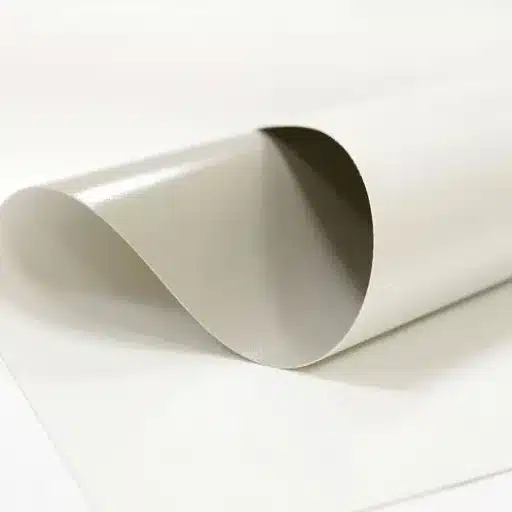
Canvas is a much lighter, more breathable and heat-resistant material compared to vinyl, which ranks high on the list of Waterproof, Durable and Weather-resistant materials.
Designing Your Custom Tarpaulin
Choosing the Right Size for Your Needs
Selecting the proper size for my tarpaulin always starts with the purpose of the tarp. If the tarpaulin is going to be used for covering a vehicle or equipment, then I will take the proper measurements of the item making sure to get its height, width, and length, and adding a little more for proper coverage. By doing this, I make sure that the tarpaulin is not only serving its purpose but also giving total protection to the covered object from outside elements.
💡 Pro Tips for Sizing
- Proper Folding: Place the tarp on a clean surface and slowly fold it the right way to avoid having sharp bends.
- Storage Location: Store it in a place that is dry, cool, and well-ventilated; better still, in a protective bag or container to keep it away from pests, dust, and moisture.
- Avoid UV Exposure: Do not allow the tarp to be subjected to direct sunlight in the storage area as this may result in the gradual breakdown of materials that are sensitive to UV light.
- Safe Placement: Keep the tarpaulin in a spot away from sharp or rough objects that may cause tears or punctures.
Customization Options: Colors, Logos, and More
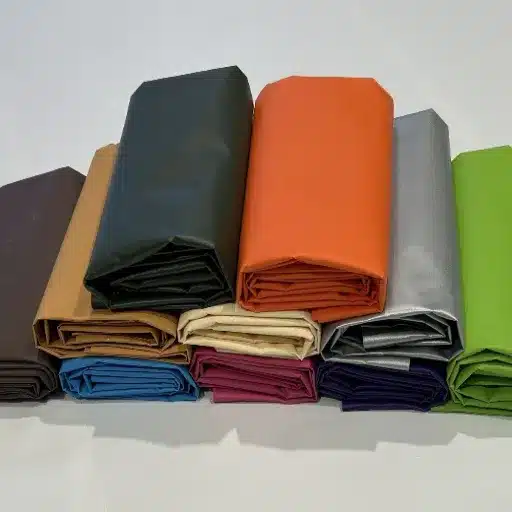
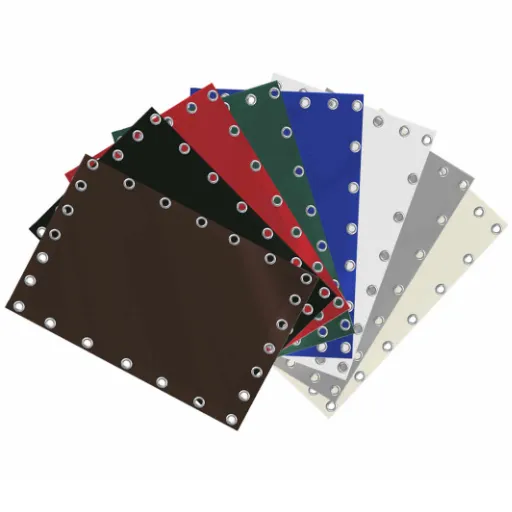
Modern tarpaulins have the advantage of the customization feature which is the main reason why people go for it. It is a case of versatility where a tarp can go as far as the user’s imagination when it comes to colors. At the same time, the existence of a large spectrum of colors ranging from the dull colors like black, gray, and white and the bright ones like red, blue and yellow proves that it is not just a matter of aesthetic needs but also functional ones. For instance, sometimes people may choose dark colors for the purpose of discretion or blending in, while at other times, safe, bright colors for visibility may be picked. The whole thing is possible with the different colors allowing the tarps to be distinctive depending on the case whether it is for a personal project, professional area, or an outdoor event.
🎨 Business Branding Opportunities
Colors aside, several manufacturers have gone a step further by providing their customers with a wide range of options as far as logo placements and custom graphics are concerned. This is a big advantage for business outfits that not only want to use these tarps as a promotional item but also want to keep their brand in the consumers’ mind by looking professional at the same time, i.e., they want to maintain professionalism on construction sites, booths, etc. and even while transporting.
Application Methods: The whole process of adding logos and custom prints usually involves methods like screen printing or heat transfer which are guaranteed to be strong enough to withstand extreme weather conditions. The ability to tailor-make a product in such a way gives one the whole range of functional and marketing possibilities.
Going by the case of customizing a tarp further, one could alter the size, material type, edges reinforcement, grommet locations, and special coatings among others as they like. Take for instance if someone asks for the fireproof material for industrial use or then UV-protected tarps for extended sun exposure. The combination of individuality with the use of modern technology and advanced materials has made the modern tarpaulins very much functional as per the individual’s requirements. The required quality and quantity in terms of the values that the user gets such functionality and the creative needs are no longer a problem.
Understanding Fabric Resistance and Durability
The longevity and resistance of textiles are two crucial factors that very much determine the fabric evaluation for different purposes. Resistance is defined as a quality of the material to stay intact under the action of forces like tearing, abrasion or puncturing while durability is the fabric performance’s protracted lifespan under repetitive use or adverse conditions. In industrial fields, the fabrics resistant in high-quality play a significant role in safety, efficiency, and sustainability. For instance, heavy-duty materials such as PVC-coated polyester or canvas are regularly used for tarpaulin because they are capable of bearing heavy stress and resisting environmental factors like wind, rain, and temperature changes.
Key Factors in Fabric Resistance
Tensile Strength: One prime consideration for the fabric resistance determination is the material’s tensile strength, which is the maximum amount of force a material can take before its breaking point. High tensile strength fabrics such as nylon and aramid fibers (also known as Kevlar) are often involved in situations with severe requirements where durability is the key factor.
Protective Coatings: By the same token, the application of coatings or treatments for example, polyurethanes or polyvinyl chlorides not only doubles the resistance of a fabric to the climate but also to water, UV light, and fungi. The application of such coatings adds another layer of protection, thus prolonging the material’s life even under difficult conditions.
Modern Innovations: Modern textile manufacturing methods are also a way of increasing the longevity and resistance of the fabrics in the first place. For example, the introduction of nanotechnology in various textile processes is the main source used to create ultra-resistant products that would otherwise be susceptible to wear and tear. In addition, biodegradable coatings technology is at an advanced stage such that it can deliver both high-performance and eco-friendly materials.
This way, modern textiles not only adhere to industry standards but also support globally the sustainability initiatives. By fabric resistance scientifically studying and the progressive technologies integrating, the manufacturers are able to optimize, strength, durability, and eco-friendliness of the finally produced materials, thus providing different accesses to the needs of the market.
The Manufacturing Process
Quality Control in Custom Tarpaulin Manufacturing
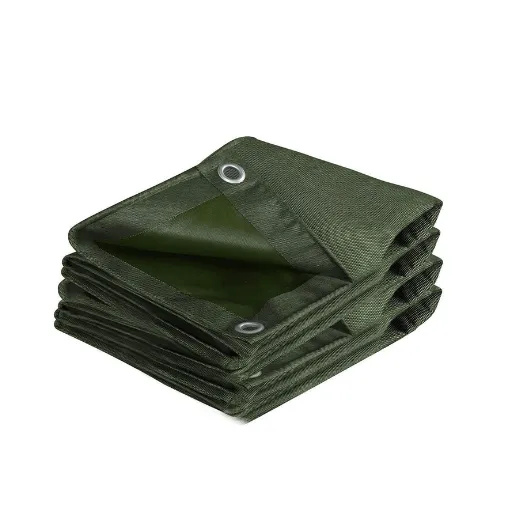
Quality control is a fundamental component in the custom tarpaulin production process, as it guarantees that every single product will meet the very rigorous performance standards. The very first step in this long process is to get the best raw materials, like polyester or polyethylene, which are then checked for strength, flexibility, and resistance to environmental factors; these characteristics have to be consistent across the different samples. Furthermore, the latest technology is employed in production to ensure that coatings and laminates are applied evenly across the whole fabric, which results in a fabric that is of uniform thickness and durability.
🔬 Rigorous Testing Standards
To prove that the tarpaulins are weather resistant, the tarpaulins are subjected to more than the normal quality checks for UV radiation, water penetration, and very hot and very cold temperatures. They use special machines to imitate the worst weather conditions and to see how long the material will last and how durable it will be.
Further, the testing method for determining seam strength is very precise and involves the application of force until the seam gives way, so that through this process it can be confirmed that, whether the edges are welded or stitched, they can handle the stress without losing their strength.
More and more sophisticated quality assurance measures are being put in place to cover checking the finished tarpaulins for defects that could be such as uneven coatings, weak seams, or surface inconsistencies. More and more manufacturers are turning to automated systems and digital tracking to monitor the entire production process closely and with almost perfect accuracy and to enable them to keep records that are accurate and easily accessible. The combination of these thorough practices leads the custom tarpaulin manufacturers to supply dependable solutions of great performance, which can be used in different sectors such as agriculture, industry, etc.
Heavy Duty Features: What to Look For
Picking the appropriate heavy-duty tarps, the right mixture of characteristic features assures durability and performance in harsh environments.
By thoroughly assessing these attributes, you can buy a heavy-duty tarpaulin that is not only capable but even designed to surpass the task’s requirements.
Maintenance and Care for Custom Tarps
Cleaning and Storing Your Tarpaulin
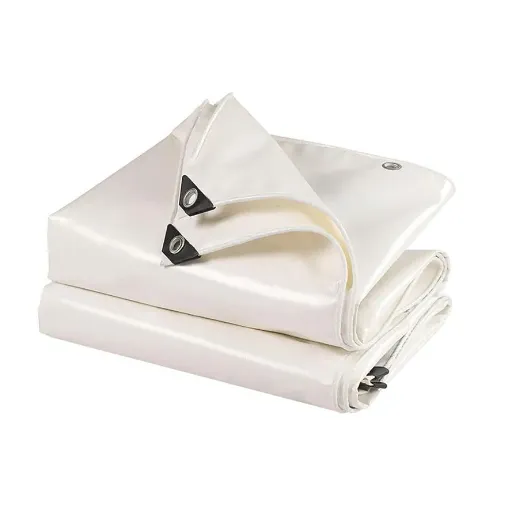
The proper cleaning and storage of your tarpaulin are necessary to prolong its life and keep it functional.
🧼 Cleaning Process
- Initial Cleaning: Take a soft-bristled brush or a damp cloth to get rid of the dirt, debris, and stains that are loose.
- Deep Cleaning: Use mild soap mixed with warm water for very dirty areas while staying away from harsh detergents and abrasive materials that might remove the tarp’s protective coating.
- Rinsing: Carefully scrub the area where the stains are and then wash it with clean water very well to avoid any residue from being left.
- Drying: After cleaning, make sure that the tarp is completely dry, particularly if it will be stored for a long time, in order to prevent the growth of mold and mildew
Repairing Common Damages
The need for quick response in marshalling the repair works on a tarpaulin is, at the very least, indispensable to keep the little problems at bay from developing into major issues. The first thing to do when dealing with frequent damages is to clean the area that got affected thoroughly. The presence of dirt, grease, or debris on the tarp could lead to ineffective repairs, hence, applying a mild soap and water solution to scrub the surface carefully and then drying it completely before carrying on is the best way to go. This stage guarantees that the adhesive patches or sealant tape to the material really holds tight.
🔧 Small Tears or Holes
In most cases, small tears or holes can be treated by specialized tarp repair tape or adhesive patches alone.
Method: The patch for the repair needs to be cut just a little bigger than the damaged area so that there is room for a tight seal to be made. It is even more effective to place the patch on the inside of the tarp as it will be less prone to coming apart, therefore, pressing down hard to make sure that the bonding is done rightly.
🔧 Seam Damage
In the event that your damage is at the seam, you might require heavy-duty waterproof adhesive or seam tape that will be just as powerful as a seam in providing the reinforcement that is needed.
Important: Manufacturer’s guidelines should always be adhered to while using repair products, to ensure that the end product lasts for a long time.
🔧 Extensive Damage
Larger or more complex damages, such as extensive rips or failing grommets, may require additional tools and effort.
Solution: For significant rips, stitching the damaged area with heavy-duty thread before applying a patch can create added strength. Grommet replacement kits are also available to fix worn or missing eyelets, ensuring the tarpaulin can be properly secured.
Regularly evaluate your repairs and, if necessary, consider professional tarpaulin repair services for extensive damage. With proper care, most tarpaulin damages can be effectively managed, extending the life and utility of this essential material.
Maximizing the Lifespan of Your Custom Covers
Best Practices for Longevity
1. Choose Quality Materials
Fabrics like polyester or vinyl are used to make custom covers, which are resistant to wear and tear and provide excellent protection against the elements. Furthermore, going for UV-resistant materials can give an extra layer of protection against sun damage, which can cause fading or degradation over the years. Also, waterproof or water-resistant options can be chosen to avoid moisture being trapped inside that may lead to mold or mildew problems.
2. Regular Maintenance
You should always wash your covers with mild soap and water to clean off dirt, dust, and other small particles that settle on the surface. You should also stay away from the use of strong chemicals or abrasive tools, as their effects will not be good on the fabric or on the protective coatings.
After washing: Let the covers dry completely before putting them away, as moisture is a reason for bad odor and fabrics’ slow decay. If your covers will be placed outdoors, it is a good practice to do a check-up on them every now and then for signs of damage like small rips or weak spots. Deal with them while they are still small so that the problem does not escalate.
3. Proper Storage Techniques
When not being used, the covers should be placed in an area that is clean, dry, and away from direct sunlight or extreme temperatures. One way to prevent the formation of unwanted creases or damage to the material is to fold or roll the covers carefully.
Pro Tip: As a precaution, you might want to place your covers in a storage bag that allows air to pass through. So, it will be like subjecting them to the outside conditions but at the same time keeping them from getting moist.
The combination of materials of the highest quality, maintenance that is regular, and storage that is mindful all contribute to the fact that your custom covers will last longer in terms of usefulness and performance.
Industry Applications of Custom Tarps
Custom Tarps for Construction Sites
Custom tarps are a necessity for construction sites and their uses include protecting the site efficiently and providing operational effectiveness at the same time. Among the main uses for these tarps are the covering of building materials, machinery, and working areas from the adverse effects of weather such as rain, wind, and sun. Heavy-duty tarps are the ones made of very sturdy materials like polyethylene or vinyl and specially designed to bear heavy construction environments. They help in prevention of financial losses due to drying and securing of materials, so that the project still goes on as planned.
🏗️ Safety and Compliance Benefits
Besides keeping the weather out, custom tarps also enhance the safety of the site by trapping the dust and debris, thus reducing the hazards and making the adherence to the safety regulations easier. A case in point is the use of scaffold tarps that can mark off the area where workers are reduced risk of dropping materials and thus safeguarding both the workers and the pedestrians.
Specialized Features: Such tarps can also be customized to possess certain characteristics such as reinforced grommets, flame-resistance, or UV treatment according to the specific need of the site.
The aspect of customizing construction tarps enables the businesses to have the exact needs of the project met thus the performance will be the best. In addition, construction companies that are committed to Asia’s high-quality tarps and good maintenance of them will have more productivity, safety, and cost efficiency on the job sites of any size.
Outdoor Recreation and Event Covers
Covers that are both durable and versatile are the ones that events and recreation in nature would require to prevent the participants, the equipment, and the place from being affected by the unpredictable nature of the weather. These covers, which could be pop-up canopies or large event tents, are made of the most advanced materials that water resistance, UV protection, and wind resilience are among the qualities that these fabrics are hybrid with. One example is polyvinyl chloride (PVC) and polyethylene, which are highly regarded for their ability to last long and resist the elements.
🎪 Design and Market Growth
In the eyes of those who are not protected, the covers may be considered an attraction from their different designs, colors, and sizes that can accommodate even the most diverse themes. Reports have it that a considerable rise in the global event tent market is expected to happen, and the increasing count of outdoor celebrations, festivals, and recreational gatherings are the main reasons driving this growth.
This indication lays out the necessity of marrying functionality with aesthetics to meet the changing audience not only in terms of their needs but also in terms of their wants.
Going for premium quality outdoor covers guarantees not only the grounds that the event organizers and recreational providers are going to have the comfort and fun experience for the attendees but also that their investments in equipment and décor will be safe.
📚 References
- Tarpaulins and Truck Covers – A Market Analysis: This study provides insights into the market dynamics of tarpaulins, including custom fabrications and their applications.
- Substrates for Coated Fabrics: This paper examines the materials used in tarpaulins, focusing on cost-effective and custom-fitted solutions.
- Construction Guidelines for Customized Kitting Solutions: This research discusses the use of tarpaulin materials in customized production solutions, highlighting market and user needs.
- Click here to read more.