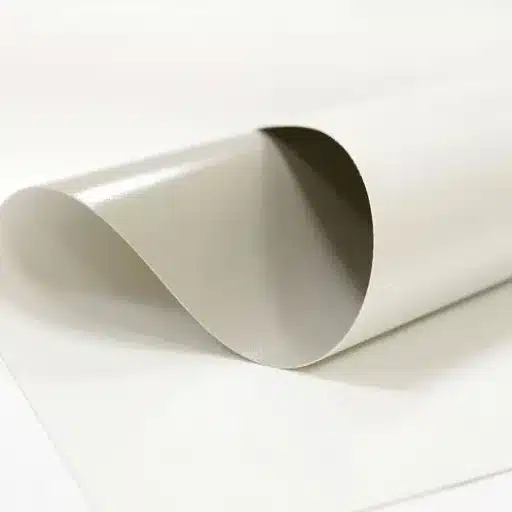

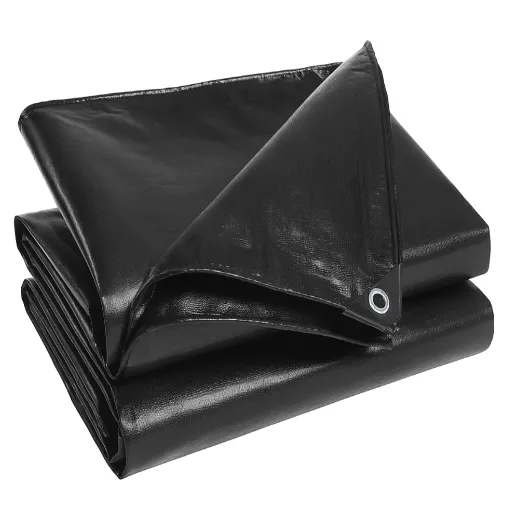
PVC Tarpaulin Buyer’s Guide: GSM, Certifications & Applications
Your quotation sheet shows the least expensive tarpaulin product but its actual cost will exceed all other options during the next three-year period. Buyers tend to concentrate their attention on the initial square meter cost which prevents them from recognizing the actual expenses associated with replacement products and equipment downtime and the costs of lost or damaged freight. The proper PVC tarpaulin selection determines whether a user must spend money once or faces ongoing financial difficulties.
All protection duties for trucks and construction sites and agricultural equipment require users to understand that tarpaulins have different performance standards. This guide will show you exactly how PVC tarpaulin is constructed, how it compares to PE alternatives, which GSM weight you need for every application, and what certifications actually matter. The material selection process will end with you having a complete system for material selection and supplier choice which prevents you from paying excessive amounts.
Here is what we will cover:
- What PVC tarpaulin is and why it dominates heavy-duty markets
- How PVC stacks up against PE tarpaulin in performance and total cost
- A practical GSM selection guide from 450 GSM to 1000+ GSM
- Industry-specific applications and requirements
- Certification standards explained in plain English
- How to evaluate suppliers and avoid common procurement mistakes
What Is PVC Tarpaulin?
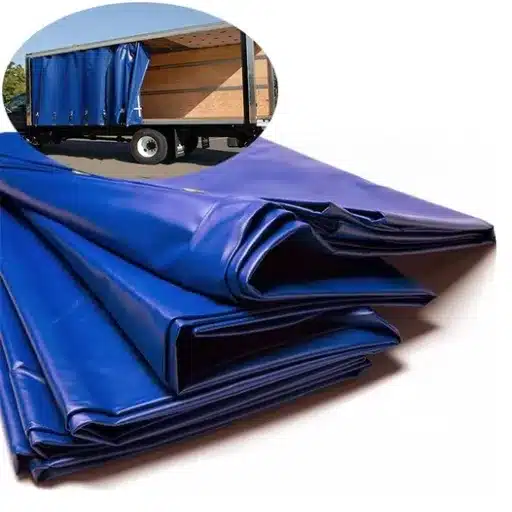
PVC tarpaulin consists of a flexible high-strength fabric which manufacturing process creates using woven polyester scrim as its base material and dual-sided polyvinyl chloride (PVC) coating. The material produces waterproof and tear-resistant capabilities which endure industrial applications that would destroy lighter materials.
The final product quality results from the manufacturing process. The knife coating method applies PVC compound to scrim material through high-pressure direct application. The method establishes strong adhesion which improves tensile strength by 15 to 25 percent and extends product durability.
The hot lamination process uses adhesive and heat to create a permanent bond between PVC film and scrim material. It is more cost-effective but less durable under heavy mechanical stress. The standard material for permanent or high-wind applications consists of knife-coated PVC tarpaulin.
The global plastic tarpaulin market is valued at approximately USD $2.34 billion in 2025, and PVC holds roughly 55–60% of that share according to market research from [Market Data Forecast]. The reason is simple: when buyers need protection that lasts more than a season, PVC is the material they specify.
Key Properties of PVC Tarpaulin
- Tensile strength: 1,500–5,000 N/5cm depending on GSM and coating type
- Lifespan: 5–10+ years for heavy-duty grades, up to 15 years for architectural membranes
- Waterproofing: Fully waterproof with properly sealed seams
- UV resistance: Stabilized grades resist degradation for 5–10 years
- Cold flexibility: Maintains flexibility down to -10°C to -20°C
- Chemical resistance: Excellent against oils, acids, and solvents
Ready to compare specifications side by side? Download our free tarpaulin spec sheet to share with your procurement team.
PVC Tarpaulin vs. PE Tarpaulin: Which Should You Choose?
If you have ever stood in front of two quotes and wondered why one costs three times as much, you have probably been comparing PVC and PE tarpaulin. The price gap is real, but so is the performance gap.
Core Material Differences
PE tarpaulin is made from woven high-density polyethylene (HDPE) fibers laminated with a thin low-density polyethylene (LDPE) film. It is lightweight, typically 80–280 GSM, and easy to fold by hand. PVC tarpaulin uses a woven polyester scrim coated with thick PVC layers, typically 450–2,400 GSM. It is heavier, stiffer, and far more durable.
Performance Comparison
| Feature | PVC Tarpaulin | PE Tarpaulin |
|---|---|---|
| Base fabric | Woven polyester scrim | Woven HDPE fibers |
| Coating | Thick PVC on both sides | Thin LDPE lamination |
| Weight | 450–2,400 GSM | 80–280 GSM |
| Lifespan | 5–10+ years | 1–2 years (6–12 months in harsh sun) |
| Tear strength | 3,000–4,200 N/5cm | 800–1,300 N/5cm |
| UV resistance | Excellent (5–10 years) | Poor (chalks and cracks in 6–12 months) |
| Cold weather | Flexible to -10°C to -20°C | Becomes brittle below 0°C |
| Chemical resistance | Excellent | Poor; swells and degrades |
| Fire retardancy | Can be certified (B1, M1, NFPA 701) | Generally non-fire-retardant |
| Printability | Excellent ink adhesion | Poor ink adhesion |
The Real Cost Difference
At first glance, PE looks like the bargain. A 90 GSM PE tarp might cost 0.50–0.50–0.90 per square meter, while a 650 GSM PVC tarpaulin runs 2.50–2.50–4.50 per square meter. But the math changes when you factor in lifespan.
Over a 10-year period, a PE tarpaulin might need replacement 5–10 times. Each replacement carries labor costs, downtime, and the risk of weather damage between installs. A single PVC tarpaulin installation can last the entire decade. For projects longer than 18–24 months, PVC almost always delivers the lower total cost of ownership.
Not sure which material fits your timeline? Read our detailed PE vs. PVC tarpaulin comparison to see a full cost breakdown by application.
PVC Tarpaulin GSM Guide: Choosing the Right Weight

GSM stands for grams per square meter. It measures the total weight of the finished fabric including the scrim and both PVC coating layers. Heavier GSM means a stronger base fabric, thicker coating, and longer service life.
But heavier is not always better. The right GSM depends on your application, budget, and how long you need the cover to last.
450 GSM: Light-to-Medium Duty
450 GSM PVC tarpaulin is the entry point for PVC. It is usually hot-laminated rather than knife-coated, which keeps the price down while still delivering PVC-level waterproofing and UV resistance.
- Thickness: 0.35–0.45 mm
- Base fabric: 300D×500D or 500D×500D
- Tensile strength: ~1,500–2,000 N/5cm
- Best for: Garden fence screens, pallet covers, light agricultural ground sheets, temporary shelters, advertising banners
- Lifespan: 3–5 years
This grade is ideal when you need something more durable than PE but do not expect heavy mechanical stress or constant wind loading.
650 GSM: Heavy Duty
650 GSM is the workhorse of the transport and events industries. It balances strength, weight, and cost better than any other grade.
- Thickness: 0.55–0.65 mm
- Base fabric: 1000D×1000D, 9×9 or 20×20 threads per inch
- Tensile strength: ~2,500–3,000 N/5cm
- Best for: Truck and trailer covers, curtainsider systems, event tents, construction site enclosures, machinery protection
- Lifespan: 5–7 years
At this weight, PVC tarpaulin can handle highway wind speeds and repeated tension loading. It is the standard specification for most commercial trucking fleets.
900 GSM: Ultra Heavy Duty
900 GSM PVC tarpaulin is built for punishment. It is almost always knife-coated to maximize the bond between scrim and coating.
- Thickness: 0.80–0.90 mm
- Base fabric: 1000D×1000D, 20×20 or 30×30 threads per inch
- Tensile strength: ~4,000–4,200 N/5cm
- Best for: Mining covers, quarry protection, flatbed transport in extreme conditions, permanent outdoor structures, oilfield use
- Lifespan: 7–10+ years
This grade resists abrasion from gravel, sand, and industrial debris that would shred lighter materials in weeks.
1000+ GSM: Permanent Industrial and Architectural
1000 GSM and above represents the top tier of PVC tarpaulin. It is used when structural integrity and maximum longevity are non-negotiable.
- Thickness: 0.90–1.00 mm+
- Base fabric: 1000D×1000D to 1300D×1300D
- Tensile strength: ~4,500–5,000+ N/5cm
- Best for: Tensile membrane architecture, swimming pool liners, Arctic and offshore applications, maximum-durability equipment covers
- Lifespan: 10–15+ years with proper maintenance
Quick Selection Reference
| Application | Recommended GSM | Coating Type |
|---|---|---|
| Light covers, garden fences, banners | 450 GSM | Laminated |
| Standard truck/trailer covers | 650 GSM | Knife-coated or laminated |
| Event tents, construction enclosures | 650 GSM | Knife-coated |
| Heavy machinery, mining, extreme weather | 900 GSM | Knife-coated |
| Permanent structures, pool liners, architecture | 1000+ GSM | Knife-coated |
When Carlos took over procurement for a mid-sized construction firm in Austin, he inherited a supplier contract that delivered 450 GSM tarps for every job site. After the windstorm caused two tarps to tear loose which resulted in scaffolding damage, he switched to 650 GSM knife-coated PVC tarpaulin for all outdoor enclosures. The upfront cost increased by 40%, but replacement requests dropped by 85% in the first year. His crews achieved complete workday recovery from weather-related cover failures.
Need help matching GSM to your exact application? Check out our complete GSM tarpaulin guide for detailed selection charts by industry.
Key Applications by Industry
PVC tarpaulin is not a single product. It is a material platform adapted to different industries through variations in weight, coating, color, and certification. Understanding how each sector uses it will help you specify the right grade for your project.
Transportation and Logistics
The transportation sector accounts for roughly 35–40% of global tarpaulin demand. Truck fleets, rail operators, and shipping companies rely on PVC tarpaulin because it survives the exact conditions that destroy other materials: constant UV exposure, high-speed wind, and abrasion from road spray and cargo movement.
Common transport applications include:
- Curtainsider trailers: Roll-back curtain systems in 650–900 GSM that allow forklift access while enclosing cargo
- Flatbed and tipper covers: Fitted tarps secured with ropes, eyelets, and ratchet straps
- Container and rail covers: Waterproof protection for open containers and railway freight
- Marine covers: Saltwater-resistant covers for boats and docked equipment
For highway use, 650 GSM is the minimum specification most fleet managers accept. Anything lighter risks tearing at speed or failing at tie-down points.
Construction
Construction represents approximately 42% of the broader tarpaulin sheets market. On a job site, PVC tarpaulin does more than keep rain out. It acts as a safety barrier, debris screen, and weather enclosure.
Typical construction uses:
- Scaffolding screens: 600–800 GSM debris containment and wind reduction
- Concrete curing covers: Insulated tarps that maintain moisture and temperature for proper curing
- Temporary roofing and walls: Weather enclosures for open structures
- Material storage covers: Protection for cement, steel, lumber, and equipment
Regulated construction sites often require fire-retardant PVC tarpaulin certified to standards like EN 13501-1 or NFPA 701. Using non-certified material can result in work stoppages and fines.
Agriculture
Agricultural buyers use PVC tarpaulin for crop protection, livestock housing, and equipment storage. The agricultural sector drives about 20–25% of total demand.
Agricultural applications include:
- Crop and hay protection: Waterproof covers for grain piles, hay bales, and produce to prevent moisture and mold
- Greenhouse covers: Transparent or semi-transparent PVC sheets that extend growing seasons
- Livestock shelters: Durable barn curtains and pen covers
- Water management: Liners for irrigation canals, ponds, and reservoirs
- Equipment storage: Covers for tractors, harvesters, and machinery
For most farm applications, 450–650 GSM provides the right balance of durability and handling ease. Agricultural grades often include anti-condensation and anti-mildew treatments to prevent mold in humid conditions.
Other Industrial Uses
Beyond the big three sectors, PVC tarpaulin shows up in specialized roles that demand its unique combination of strength and chemical resistance:
- Tensile architecture: Stadium awnings, shade sails, and permanent canopy structures
- Pool and pond liners: 900–1000+ GSM waterproof membranes
- Industrial curtains: Welding curtains, mining enclosures, and oil boom barriers
- Inflatable structures: Bouncy castles, temporary event domes, and advertising arches
Certifications and Standards Explained
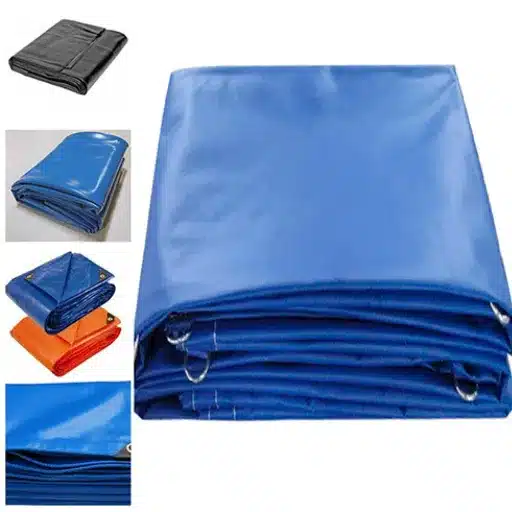
If you are buying PVC tarpaulin for public events, construction, or transport in regulated markets, certifications are not optional extras. They are legal requirements. Unfortunately, many buyers do not understand what the codes actually mean until an inspector asks for paperwork.
Fire Retardancy Standards
B1 Certification (DIN 4102-1)
This German standard measures how difficult a material is to ignite and how it behaves in a fire. B1 is the highest flammability rating for flexible materials in Germany and is widely accepted across the EU. A B1 certified PVC tarpaulin will self-extinguish when the flame source is removed.
M1 Certification (NF P92-503)
The French equivalent of B1, M1 certifies that a material has very low flammability and produces minimal smoke and drips. Many event venues and public buildings in France require M1-rated materials.
NFPA 701
The US standard for fire-resistant textiles. NFPA 701 tests both the fabric and any coatings or treatments. It is commonly required for tents, awnings, and stage curtains in the United States.
UV and Weather Resistance
UV resistance is not a single certification. It is usually expressed as a rating or warranty from the manufacturer. Look for PVC tarpaulin that specifies UV stabilizers in the coating formulation and offers a documented lifespan under outdoor exposure. High-quality suppliers will provide test data showing tensile strength retention after 2,000+ hours of accelerated UV testing.
Quality Verification Checklist
When evaluating a supplier’s certifications, request the following:
- Actual third-party test certificates, not just marketing claims
- Certificate dates and validity periods
- The specific product SKU or specification covered by the certificate
- Accreditation of the testing laboratory (ISO 17025 is preferred)
How to Choose a PVC Tarpaulin Supplier
The supplier landscape for PVC tarpaulin is dominated by large Chinese manufacturers, regional specialists, and trading companies. Choosing the right partner is about more than price per square meter.
Evaluate Manufacturing Capability
Top-tier exporters like Shanghai Unisign and DERFLEX operate multi-factory operations with annual outputs exceeding 100 million square meters. They can produce rolls up to 5.1 meters wide, which reduces seams and labor for large covers. Smaller specialists may offer more customization or faster turnaround for niche orders but with higher minimum order quantities.
Request Samples and Test Data
Never place a bulk order based on a catalog photo alone. Request physical samples and verify:
- Actual GSM weight against the quoted specification
- Base fabric denier and thread count
- Coating uniformity with no thin spots or bubbles
- Weld strength if you need fabricated covers rather than raw rolls
Understand Pricing and MOQ
Pricing for 650 GSM heavy-duty PVC tarpaulin typically ranges from 2.50to2.50to4.50 per square meter depending on order volume, customization, and certification requirements. Minimum order quantities vary:
- Large Chinese factories: Often one full container load (20,000–40,000 m²)
- Trading companies: May accept smaller lots at a markup
- Regional suppliers: Sometimes offer the best option for urgent, low-volume orders
Payment terms are usually 30% deposit and 70% before shipment (T/T). For first-time transactions with unverified suppliers, consider using a letter of credit or escrow.
Watch for Red Flags
Be cautious of suppliers who:
- Refuse to provide third-party test certificates
- Quote prices significantly below market rate (often a sign of thinner coating or lower base fabric quality)
- Cannot specify base fabric denier and thread count
- Have inconsistent communication or slow response times
Maria operates 40 flatbed trucks from her Phoenix-based business. After her main tarp supplier retired, she assessed three new vendors through their product samples. The first sample she received matched her previous tarps in appearance yet showed a weight reduction of 12% from the stated 650 GSM value. The second sample did not pass the basic tear strength assessment which tested the material at its hem.
The third supplier provided a knife-coated sample that included complete testing documents and a UV protection guarantee. She incurred an 8% higher cost per roll yet her tarps have exceeded the lifespan of the previous supplier’s products by two years and ongoing.
Looking for truck-specific guidance? Read our truck tarpaulin selection guide to see fleet manager recommendations by route and cargo type.
Conclusion
The mission requirements determine the selection of the appropriate PVC tarpaulin material. The 450 GSM laminated tarp serves as an ideal solution for both agricultural lightweight protection and temporary shelter requirements. The industry standard for trucking and event tents consists of 650 GSM knife-coated grade material. The mining industry and permanent architectural structures and extreme climate conditions require 900 to 1000+ GSM material grade.
Remember these key takeaways:
- PVC tarpaulin beats PE on total cost of ownership for any project lasting longer than 18–24 months
- GSM is the primary selector for matching strength to application
- Knife-coated PVC outperforms laminated under heavy mechanical stress
- Certifications like B1, M1, and NFPA 701 are essential for regulated industries
- Supplier verification through samples and test certificates prevents costly procurement mistakes
Whether you are covering a truck fleet, enclosing a construction site, or building a permanent agricultural shelter, the right PVC tarpaulin will protect your assets for years without constant replacement. Take the time to spec it correctly upfront, and the material will pay for itself many times over.
Ready to source the right PVC tarpaulin for your project? Download our spec sheet with exact GSM recommendations by industry, or contact our team to discuss your requirements and request a custom quote.