

Commercial vs Residential Tarpaulin: Usage & Selection Guide
This guide will help you with the necessary information to choose commercial and residential tarps. Tarpaulins are extremely versatile and serve a variety of different purposes, from covering construction sites and equipment to personal belongings and outdoor furniture at home. But not all tarps are the same, and getting the wrong type can be a big loss in terms of money or protection if you’re not careful. This article is here to help you make an informed decision, as we endeavor to dismantle key differences between commercial and residential tarps, and thus illustrate their common uses and provide them use against some practical considerations for choosing the perfect tarp for each situation. Whether you are a business owner with oversized projects, or a homeowner looking to the future for long-lasting guarding, this article has you covered in the more literal sense.
Understanding Tarpaulins
What is a Tarpaulin?
A tarpaulin, popularly known as a tarp, refers a big sheet of flexible material that is of waterauxiliary or water-resistant nature; usually, it is made good and tough with large construction from materials such as polyethylene or canvas or vinyl, which ensures durability and resistance against environmental materials and phenomena. The main purpose on the tarpaulin is to shield things and surfaces from rain, sunlight, dirt, or other damaging factors.
Tarps have gone on to find widespread use in homes and businesses because of their varied uses and convenience. The homeowners, for instance, use tarps to fit on patio chairs and tables, or to put plants undercover in times of bad weather or to provide shade during recreational activities. But in commercial settings, tarps are commonly utilized in construction projects at construction sites for shielding equipment and materials from weather conditions or as temporary walls and coverings.
Eyelets or grommets along the edges of the tarp are one of the defining features of tarpaulins. These reinforced holes permit the use of ropes or bungees, or some other kind of fastener, binding the tarp firmly to a stable cover. Additionally, some tarps come with added features, like UV resistance, fire retardancy, or mildew protection, thus enabling diversification in function. However, when applied for any task, the tarpaulin gives a clear-cut covering solution for a myriad of circumstances.
Types of Tarpaulins: Commercial vs Residential
Standard tarpaulins are made as per the exacting standards for the industrial worker, while custom tarpaulins are specially designed for a homemaker striving for an impressive quality finish.
Key Materials Used in Tarpaulins
That tarpaulins are made of various materials, which are selected mainly for their strength, functionality, and suitability for particular applications. Of course, the most common material is polyethylene (PE), which is a lightweight, waterproof plastic that is highly resistant to tears and has become widely popular because of its economy. PE is suitable for general outdoor use, including shelters, equipment covers, and protection during construction projects.
On the other hand, polyvinyl chloride (PVC) is also in demand since it offers purely enhanced strength characteristics and greater versatility. This, in turn, makes the PVC tarps comparatively heavy-duty to the PE tarps and includes the additional features such as UV resistance, weatherability, flame retardancy, and fabric stability under extreme weather conditions. This makes PVC tarps suitable for industrial, commercial, and long-run exterior applications, where durability is the key.
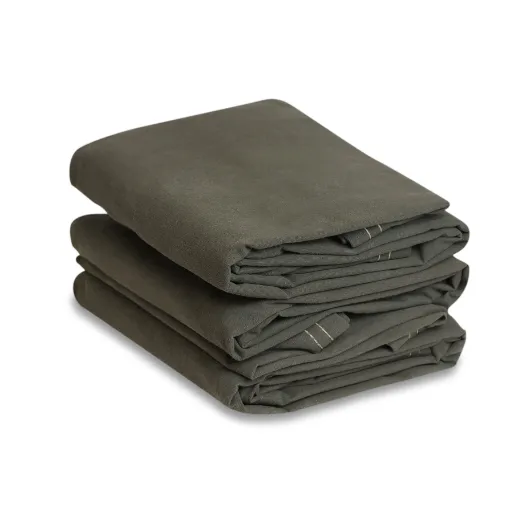
Canvas, woven from cotton or polyester, is another fabric widely used to make tarpaulins. The canvas tarps are appreciated for good breathability and flexibility, making them versatile for jobs like painting projects and equipment coverings. They are often treated with some water-resistant and anti-mildew properties that make such canvas tarps get a longer life. Each of these materials has some unique advantages to offer while helping to fulfill the varying needs of residential and commercial consumers.
Types of Heavy Duty Tarps

PVC Tarpaulins
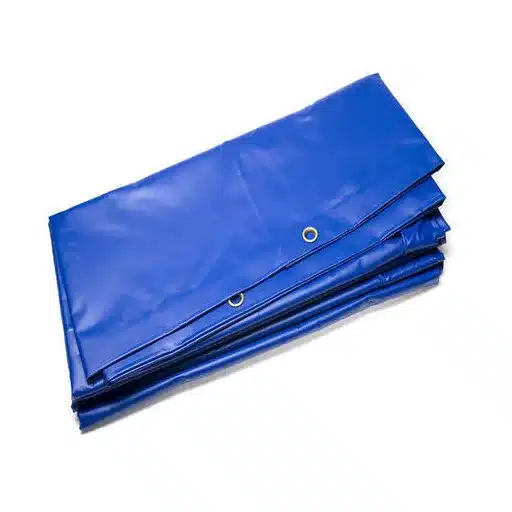
PVC tarpaulins are reckoned one of the toughest and most versatile options in the heavy-duty tarp category. Made of polyvinyl chloride (PVC), a robust synthetic plastic polymer, they combine strength, flexibility, and longevity to make the perfect choice in such projects that require durable performance. Being mostly endured in harsh conditions at sites like construction zones, work in industries, etc., these tarps are equally known for their weather resistance. They are of a sufficiency to survive the high winds, high rain, and even snow and are reliable in outdoor use.
✓ Key Features of PVC Tarpaulins
- Far-reaching resistance to UV radiation and chemicals
- Waterproof and flame-resistant properties
- Excellent strength against rips and abrasion
- Available in various thicknesses, weights, and sizes
- Reusable and easy to clean
- Reinforced edges with durable grommets
An essential feature of PVC tarpaulin is that it offers far-reaching resistance to UV radiation and chemicals. This assurance is a guarantee that even after long exposure to sunlight and harsh environments, they retain structural integrity and color. They also are waterproof and flame-resistant, safe for extra security, thereby helping to prevent anything catching on fire in environments with increased risk. The strength of the material against rips and abrasion further emphasizes its suitability for heavy-duty tasks under great load and punishment.
The PVC tarps are available in various thicknesses, weights, and sizes to fit machines, secure loads during transport, or construction of instant shelters. These tarps are made with reinforced edges which makes them easy to position and has durable grommets that make it capable for security. They are also reusable and easy to clean, very ecofriendly, making them a much higher option compared to single-use plastic. The longevity can significantly reduce the frequency of the replacement. It can be safely concluded that PVC tarpaulins form a safe and versatile alternative for many residential, commercial and industrial purposes.
Polyethylene Tarpaulins
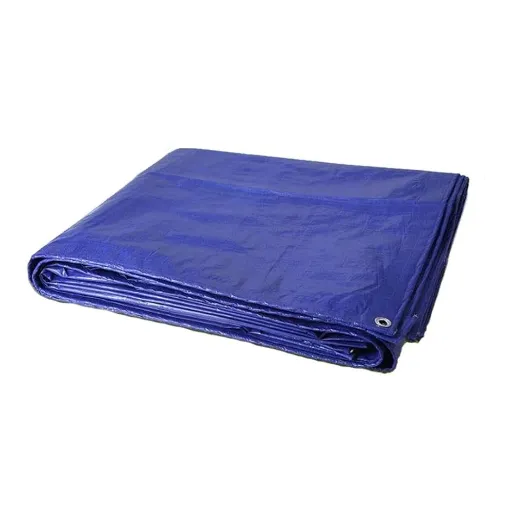
In other words, known to be the most versatile and durable, are polyethylene tarps, often known as PE Tarps. They are polythene sheets that are woven of high-density polyethylene (HDPE) tape threads and are then film-laminated on both sides with a coating of low-density polythene (LDPE). Such tarps are water-, UV-, and even mildew-resistant and therefore the tear-resistant. They could be an ideal moisture-proof and wet-proof option for a variety of indoor and outdoor applications from, agricultural use to construction use.
💡 Advantages of PE Tarpaulins
- Affordable pricing with various thicknesses and sizes available
- Lightweight for easy handling and transportation
- Perfect for emergency scenarios like storm damage
- Extensively used in agriculture as crop covers and pond liners
- Made from recyclable materials for sustainability
- UV resistance ensures longer lifespan
PE tarps provide a unique advantage over other types of tarp in terms of being priced affordably and in various thicknesses, sizes, and colors. They are, many times, are utilized as temporary shelters securing building materials, vehicles, or outdoor furniture. Also, their lightweight allows them to be more easily handled and transported in emergency scenarios-like such as covering destroyed roofs during stormy weather. They are also extensively used in agriculture as crop covers and pond liners.
PE polyethylene cover tarps have a greener aspect. In fact, most of the modern polyethylene tarpaulins are made from recyclable materials to become a sustainable option to the single-use covers currently in the market. Their UV resistance offers a guarantee for a longer-life period, reducing a common cycle of replacement and in turn reducing more environmental clutter. With good care, many industries will find PE tarp to provide the sustainability needed for any work.
Canvas Tarpaulins
Canvas tarps are a popular choice for many. They provide durability, breathability, and use natural materials. They are usually made from a heavy cloth of fabric made from cotton or polyester. This cloth is then given a coating of wax or oil in order to make is well protected from adverse weather. Also, these tarps are breathable, a feature which allows moisture to escape without allowing damaging air inside the envelop, whereas PE tarps do not let air pass through. This makes canvas tarps ideal to cover goods and equipment which are prone to rust or condensation, like machinery and furniture in storage. Additionally, they are reputed to be very robust-a testimony to their enduring strength.
⚙ Canvas Tarp Benefits
- Superior breathability prevents rust and condensation
- Resistant to cracks and wear under temperature changes
- Produces minimal noise during windy conditions
- Biodegradable and eco-friendly alternative
- Excellent for agriculture and long-term construction use
One of the main advantages of canvas canvas tarps under the action of harmful and extreme climactic conditions is that it is virtually resistant to unbearable damages. The canvas fibers make it least likely to develop cracks or wear and tear under changing temperatures when compared to synthetic fibers. Additionally, this tarp could remain steadfast and would produce a minimum level of noise during the windy condition, which means it has got a myriad of applications where the least possible noise is what it desires. Canvas shelters also make an excellent choice in agriculture and construction where durable coverage is needed even in a long-term exposure to the harsh outdoor conditions.
Although canvas tarps come in handy and last for a long time, they need continuous care to maintain their life. Cleaning and proper storage are necessary to prevent mold, mildew, and fabric decay. For consumers who are keen to the environment, canvas tarps are a green alternative, since they are biodegradable and can be manufactured in an eco-friendly manner. Summarily, canvas tarps are the easiest solutions existing in personal and commercial scenarios and are the best provision they can offer with an excellent shelter and sustainability consideration.
Applications of Tarpaulins Across Industries

Construction Industry Uses
Tarpaulins are essential for construction due to their durability, water resistance, and versatility. They are used to promote comfort and safety on job sites. Here are five major uses of tarps in construction:
- Scaffolding Covers: The tarps used for scaffolding helps to protect workers and equipment from strong wind, rain, and other debris. This, in turn, maintains total safety as well as allows work to go on unhindered in prepossessing weather.
- Temporary Roofs: Tarps serve the purpose of being temporary roofing during constructions, or repairs in order to keep interiors dry while building is too incomplete for the roof. They give both workers and unfinished structures a bit of protection from rain, or snow, or sun, etc.
- Debris Management: Another prime benefit of tarpaulins is in the containment of construction materials. They play an important role in keeping the materials from scattering, thereby ensuring the site remains clean and safe.
- Protection of Material: Materials such as lumber, cement bags, and steel are often stored on-site. Tarps cover the materials, protecting them from rain, UV light, and dust, which could damage quality.
- Ground Cover and Waterproofing: On muddy or uneven construction seasons, tarpaulins take the role of ground cover by creating temporary yet clear paths or stable work areas. At its core, tarpaulins also act as waterproofing layers to shield foundations and essentials afar waterlogging situations.
These exceptions in how tarps are used can really end up showing much-needed enhancement to operacy and safety in the construction industry.
Agricultural Applications
The lowly plastic tarpaulin is indeed a great help in agriculture as this black plastic sheet, in its own small and essential way, suddenly becomes a solution to so many agricultural problems. Below are the five major applications of plastic tarpaulins in agriculture:
🌾 Crop Protection
Plastic covering is frequently used to protect crops from extreme and punishing weather conditions: heavy rain, frost, and sunburn. This protection leads not only to the preservation of crop quality but also protection against crop loss during adverse weather.
🐄 Livestock Shelter
Farmers, using tarpaulins, construct temporary shelters for the livestock, thus shielding animals from the elements of weather. These shelters are cheap and can be easily and quickly put up, pulled down, and converted from one location to another.
🌾 Storage of Grain
The selection of plastic tarpaulins holds the top priority in the storage of grains when they are harvested. Covering the grains at harvest and then before they are shipped makes a lot of difference as far as the quality of the agricultural produce is concerned.
💧 Irrigation Support
Tarps serve as liners in the control of water seepage and loss in irrigation canals and reservoirs. It is of immense help in the arid and semi-arid regions in driving out unnecessary water usage.
🌱 Silage Covering
A tarp is put on the piles of silage to inhibit these piles in order to save these for livestock feeding farming. The tarp help in preserving the feed nutritious and useful for a longer time.
Tarps are ever-present contributors to the overall efficiency of any form of agriculture, be it crop production or meat production.
Logistics and Transportation
Tarpaulins are essential for logistics and transportation as they provide custom-made answers to protecting goods while fulfilling smooth operations. Here are five illustrative applications in this line:
- 🚛 Truck and Cargo Covers:
Trucks, trailers, or any vehicle carrying the cargo are covered with tarpaulins commonly ensconced on them; they serve the purpose of letting the cargo pass through rain, wind, and harsh UV rays as they stay safe through the transportation. Particularly, perishable and delicate goods face the worst risks in such situations. - ✈️ Shipping and Freight Tarpaulins:
Tarpaulins are frequently used for air and sea freight to shield goods from moisture, seaspray, and fluctuations in temperature. These tarpaulins ensure better protection for international journeys. - 🚂 Railway Cargo Covers:
Rail road tarpaulins help to cover the cargo exposed to aggressive climatic conditions and dangerous surrounding particles ensuring goods are reliably delivered even after enduring extended transportations. - 📦 Temporary Storage Solutions:
Tarpaulins temporarily cover goods at the loading docks, warehouses, and transit yards so that they are unaffected by unfavorable weather as they wait for transport or further processing. - ⚙️ Custom Industrial Covers:
Sometimes a better suggestion is the fact that these large machinery or oversized loads are covered specifically for transportation. This particular service will possibly offer the highest protection and care of specialty cargo.
The utilization of the customized tarpaulins in those sections to improve the business’s efficiency and minimize the wastage of assets in the shape of transported goods.
Maintenance Tips for Extending Tarpaulin Lifespan
Proper Cleaning Techniques
Provided the prevention of tarp longevity, the first step in cleaning techniques is kicking off with sweeping all loose dirt and debris from the tarporella covering with a soft broom or brush. This will keep any scratches from emerging in the tarpololene surface or abrasion-damage to reverse the covering to some extent. Strong water or high-pressure washers should not be used for cleaning the tarporella, since tough-pressure cleaning could turnout harmful, especially on thin, often-older fabrics. Warm water should be applied instead for only a gentle rinse, meaning nothing more than to just beat at the grime and stickiness.
🧼 Step-by-Step Cleaning Guide
- Sweep away loose dirt and debris with a soft broom or brush
- Use warm water for gentle rinsing (avoid high-pressure washers)
- Mix mild soap or tarpaulin-specific detergent (avoid harsh chemicals or bleach)
- Scrub gently in circular motions with a sponge or soft cloth
- Pay extra attention to stained or mildewed areas
- Rinse thoroughly with clean water to remove all soap residue
- Air dry completely away from direct sunlight before storage
Through this approach, mix a little soap or a special detergent meant for tarpaulin. Do not use harsh chemicals or bleach, as it would eat into the material, worsen any waterproof coating, or cause discoloration. Use a sponge or rag, scrub the tarpaulin surface in small, spreading circles utilizing a mild content enough not to damage the fabric—give extra attention to places that are extremely stained or have some presence of microorganisms, as improper cleansing on these sites would result in long-term degradation of the material.
Lastly, wash thoroughly with clean water to remove all traces of soap or detergent and then air dry completely, storing or using it further thereupon to make sure there is no mold growth or stink. During airing out, store the tarpaulin away from direct sunlight. Unnecessary heat may cause any material deformation, rendering the tarpaulin unfit for future use. Practicing this recommended cleaning procedure will serve as another chance to preserve the life of the tarpaulin product, ensuring its robustness and superior performance under harsh climatic conditions.
Storage Recommendations
To properly maintain their usefulness, life span, and integrity, stored items must almost always be stowed reasonably. Initially, be certain that these items are cleaned to their full, dyed completely and dried before they are stored. If they are kept wet out of mildew growth, which causes smells and damages to the fabric with the mildew. Subsequently, after cleanup and drying, the tarpaulin should be rolled rather than folded, as the latter will tend to wear through. One should use a level dry flat surface or some suitable storage hanger during storage to make them away from rubbing against sandpapery or sharp objects unnecessarily.
⚠️ Critical Storage Practices
- Clean and Dry Completely: Ensure tarps are fully cleaned and dried before storage to prevent mildew growth
- Roll, Don’t Fold: Rolling prevents creases and wear patterns that folding can cause
- Store in Cool, Dry Location: Avoid direct sunlight and high temperatures that can deteriorate materials
- Avoid Moisture: High humidity environments lead to algae growth and fabric compromise
- Use Protective Containers: Consider sealed plastic storage bags or waterproof containers
- Label and Organize: Sort by size, thickness, and application for easy retrieval
- Regular Inspection: Check periodically for wear, tears, or pest damage
It is a good idea to store your tarps in a cool, dry location where they won’t be exposed to the direct sunlight or a source of high temperatures. Extended exposure to the sun could deteriorate the material and the tarp will lose color over time; however, advancements made in modern tarps focus on UV treatment for added strength but careful limitation of exposure helps prolong useful life. In addition to that, avoid environments with moisture at any cost, because an environment with a high level of humidity will eventually lead to the growth of algae and eventually the compromise of the fabric. If possible, consider the use of big plastic storage bags, fully sealed against water and pests, or waterproof containers to shield the tarp from sudden exposure to water and insects.
Organization of tarps could significantly improve an individual’s or businessman’s use of tarps on scales. Therefore, existing tarps should be labeled into sizes, thickness, and if possible, by application to make them available when needed. Regular surveillance throughout storage is significantly important for inspecting for any possible material wearing, tearing, or pests in time to control these without causing harm. Both practices of storage and a routine approach can be maximized for the efficient and durable handling of tarpaulins for such individuals and businesses.
Repairing Common Damage
When it comes to repairing tarpaulin damage, prompt action is crucial to maintain durability and usability. One of the most common forms of damage are small tears or punctures, often due to sharp objects or rough handling. To solve the problem at hand, start cleaning the affected region with a weak detergent or soap-water mixture. Cleaning will ensure that the material is in good condition, free from dirt and debris that would interfere with the bonding process. When dry, apply high-strength tape for tarp repair or a specially designed adhesive patch for the given material. Ensure firm adherence with a gentle press before smoothing out air bubbles for a neat repair.
🔧 Minor Repairs
For small tears or punctures:
Clean the area with mild detergent, let dry completely, then apply high-strength tarp repair tape or adhesive patch. Press firmly to remove air bubbles for a waterproof seal.
🪡 Major Repairs
For large tears or damaged seams:
Sew tears with heavy-duty thread and curved needle. Reinforce with water-resistant adhesive sealant or heat-welded patches for added strength and waterproofing.
For major tears or damaged seams, a more vigorous repair job might be required. Often the sewing of the spray in a rudimentary way by joining seams or tears with heavy-duty thread and a curved needle is what works best for the flexible but tough surface of tarps. Sometimes you can indeed reinforce this repair with the addition of water-resistant adhesive sealant or heat-welded patches for some added strength. This technique would work well on PE tarps in particular when the heat melting modifies the actual fibers doing the waterproofing. Such a process may necessitate specific tools; however, it can be affordable if the cost is considered against the value of the object being protected by the waterproof coating.
💡 Prevention Tips
To minimize preventable damages for a longer utilities timeframe, and have prolonged use of tarpaulin, several occasional maintenance rituals have to be in line. Keep vigil and checks in order to detect the inception of damage symptoms in your tarp, and quickly rectify the faults like frayed edges or small cuts when they are seen. Store the tarpaulin right, away from direct sunlight, in a cool and dry area, as constant UV exposure and moisture gradually weaken the material. The usage of additional layers for protection should be introduced, like ground sheets, to avert wear down by abrasion or stress.
Cost-Effectiveness of Tarpaulins for Businesses
Long-Term Value of Heavy Duty Tarps
Businesses can benefit from heavy-duty tarp due to durability, versatility, and long-term cost benefits. These tarps range from top quality polyethylene or canvas materials that can resist just about any severe weathering, harsh sun, and extended use. This resilience assists in keeping costs of replacement low and operation times high, offering practical solutions to businesses seeking to protect assets without continual reinvestment. Other uses would be construction, agriculture, transport, and storage, with heavy-duty tarp used to protect the outside elements like rainfall, extreme heat, or wind.
💰 ROI Benefits of Heavy-Duty Tarps
⏱️
Longevity
Years of service with minimal wear
♻️
Reusability
Multiple applications and uses
💵
Cost Savings
Reduced replacement frequency
🌍
Sustainability
Reduced waste stream
Yet another factor for their added value/consideration is sustainability and reusability over the long term. With care that encompasses normal cleaning, protective storage, and more, the heavy-duty tarps would offer service over years with considerable usage but almost no wear and tear. The necessity of repair is infrequent, and the tariff is nominal, which means a brush-up in the ROI. Their multi-faceted design includes stronger-looking grommets to provide various customized sizes that easily adapt to various needs, dispensing with the requirement for multiple specialties of covers-all leading to a further saving of costs on an already expenditure-free field.
From an ecological viewpoint, heavy-duty tarpaulins become a sustainable investment because when continually re-utilized and in fact its toughness probably helps in reducing waste stream of disposal, at the this time, in the cycle of operation and replacement. Suppliers selling long life cycles and environmental considerations will find the aforementioned attributes very crucial, as they coincide with cost-saving and environment-friendly practices. Ultimately, critical adhesion to practices can provide the protection of valuable assets and ascertain substantial savings in reduced and/or stretched-out resources, thanks to the use of such tarpaulins in business.
Versatility in Various Applications
Heavy-duty tarps are known for being extremely versatile in various domains and applications. As a very reliable solution to changing needs, these tarps are famous for being tough and allowing applications to various services. Five places where heavy-duty tarps can be used are mentioned below:
1
Construction Sites
Heavy-duty tarps work wonderfully as cover shields for machinery, material, and unfinished structures against the elements of nature (like rain, wind, and sun). Their sturdiness ensures that construction projects do not succumb to failure even under difficult circumstances.
2
Agriculture and Farming
Farmers utilize tarps for crop coverage, for covering hay, and to strengthen their buildings. They are vital waterproofing agents that keep crops and feed dry due to the water proof feature of the waterproof cover that also stops losses unto harvests.
3
Transportation and Logistics
Tarps or Tarpaulins are essential in covering and securing goods on the move. It stops all goods from tumbling and shifting and bars against any sorts of environmental damages especially on extended long-haul trips.
4
Event Hosting
For events held outdoors, tarps are also useful for provisional shelter/making stages, and in the case of small areas like using it for temporary flooring. Their lightweight and tough nature make for easy handling and for providing clients and their equipment protection against the unpredictable weather.
5
Industrial Warehousing
In the industrial sector, they are used to partition rooms, cover machines, or protect stock. For use in harsh environs where constant wear and tear are a norm, owing to industrial use, tarps ought to be wear-resistant in nature.
In whatever operation, its sheer veracity and importance are known to have everything related to considerably heavy works dragged down the tarps.
References & Further Reading
-
The Effect of Stocking Density on Growth Performance in Tarpaulin Tanks
This academic paper explores the use of tarpaulin tanks in aquaculture, providing insights into their commercial applications. -
MA FACE (CDC Report)
This CDC report highlights the use of tarpaulins in large commercial operations, focusing on safety and practical applications. - Click here to read more.
Frequently Asked Questions (FAQ)
❓ What is a commercial tarpaulin and how does it differ from other tarps?
A commercial tarpaulin is a highly reliable cover used for a variety of commercial applications, possessing workhorse capability offered in several thicknesses and industrial grades. These heavy-duty tarps manage to weigh more than light or household tarpaulins due to additional features, such as higher denier count fabric, abrasion resistance, reinforced corners and reinforcement tarps, suited to that elongated durability against UV damage (mainly for marine tarps, truck tarps, or industrial tarps).
❓ What materials are commercial tarpaulins made from (poly, polyethylene, canvas)?
Mostly, commercial tarpaulins are made of poly (polyethylene), a few are made out of PVC-coated polyester, and some are sold made out of canvas mixed fabrics. Poly and PVC offer terrific abrasion resistance and waterproof properties that are quite useful for truck tarps, boat tarps, and tenting, while canvas is still the most common for heavy-duty tarps on the market because it can be treated for mildew resistancy. The chosen material serves the purpose of a weave count, grade, and durability.
❓ If industrial tarps need repairs, is it possible to do them?
Depending on the raw material and coating thickness, there are excellent choices for repairing industrial tarps. Professional manufacturer adhesives with strong bonding can be reliable for years. Make sure to use appropriate tape on an industrial tarp for it to cure sufficiently while maintaining water-resistance capabilities in areas that need repairs.
❓ Which accessories or reinforcements can enhance the durability of commercial tarpaulins?
Heavy-duty corners, cordage and grommets, double stitching on edges, and edge binding constitute robust reinforcements. Properly applied tie-downs to control tension will lessen windwear or flapping. For greater life expectancy in shop, tent, or truck tarp applications, choose materials that have UV and abrasion resistance or have custom-made tarps produced with the task in mind.
❓ Are there extreme-conditions-grade tarps for specialty applications?
Yes, suppliers may propose specialty options. The use of heavy-duty fabrics, protection against UV and other destructive forces, and some form of waterproofed, laminated treatment will provide tear resistance, reinforced corners, and appropriate installation for heavy-duty functions like field tents, vehicle covers, and industrial tarps in severe circumstances.
❓ How are commercial tarps performance-intensive and cost-intensive when compared to light-duty types?
Commercial tarpaulins are generally on the high end for cost because they use enhanced materials with higher weave counts and extra reinforcements. Nonetheless, they have a fairly long life and great strength compared to light tarpaulins used for light-duty functions. As compared to other types of tarpaulins made specifically for truck covers, boat covers, or covers for shop and industrial use, they stand out in two ways: longer life and fewer breakdowns due to strength under heavy usage.
Final Thoughts
Selecting the right tarpaulin—whether commercial or residential—requires understanding your specific needs, environmental conditions, and budget considerations. Commercial tarps offer superior durability and features for demanding industrial applications, while residential tarps provide cost-effective solutions for home and garden use. By following proper maintenance practices and choosing quality materials, you can maximize the lifespan and effectiveness of your tarpaulin investment.