


Tensile Structure Membrane: Exploring Membrane Structures and Their Architectural Significance
In the realm of modern architecture, tensile structure membranes have emerged as a revolutionary concept, blending aesthetics with functionality. These structures utilize advanced materials and engineering techniques to create visually stunning, lightweight, and flexible forms that redefine architectural possibilities. By harnessing the inherent tensile strength of materials, architects and engineers can design structures that are not only structurally sound but also capable of spanning large areas without the need for heavy support systems. This innovative approach to architecture not only enhances the visual appeal of buildings but also offers practical solutions for a variety of applications, from stadiums to walkways.

24
Years in Business
120
5-Star Reviews
2k
Active Customers
12
Counties Served
Product Features
Main Features of Tensile Structure Membrane
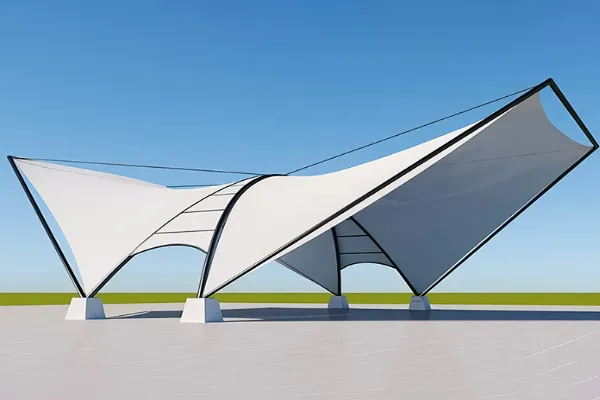
Tensile membrane structures are crafted from lightweight materials, allowing for easier installation and the ability to span large areas without the need for extensive support systems. This lightweight nature enables architects and engineers to create expansive canopies and roofs that are both functional and aesthetically pleasing.
These structures utilize high-performance tensile fabrics that provide excellent strength-to-weight ratios. The use of materials such as PTFE and ETFE ensures that tensile membranes can withstand significant loads while maintaining their shape and integrity, making them ideal for stadiums, pavilions, and multi-purpose venues.
Tensile fabric structures offer incredible design flexibility, allowing for the creation of iconic shapes and forms. The use of translucency in the membrane materials allows for naturally lit spaces, enhancing the visual appeal of structures while providing shelter. This versatility makes tensile architecture a popular choice for innovative designs in modern buildings and exhibitions.
Featured Products
Tensile Structure Membrane For Sale
Explore our primary membrane solutions, engineered to address the complex requirements of contemporary architecture and structural design. Each type is developed to deliver superior performance, versatility, and durability for a wide range of applications.
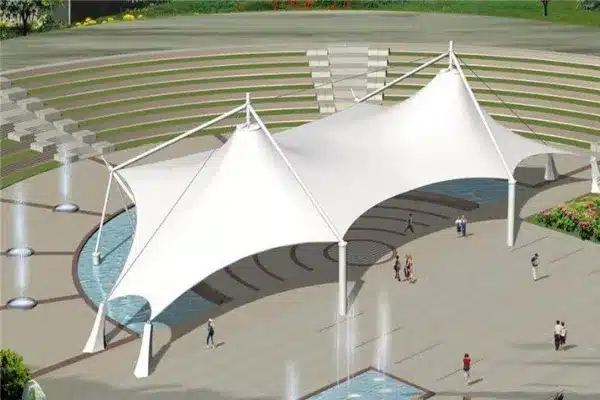
Fabric Tensile Membranes
Fabric tensile membranes are lightweight, flexible, and highly durable materials used in a variety of architectural applications. These membranes are typically made from materials like PVC-coated polyester (PES), PTFE-coated fiberglass, or ETFE films.

Mesh Tensile Membranes
Mesh tensile membranes are semi-transparent materials designed to provide shade and ventilation while maintaining structural integrity. These membranes are often used in environments where airflow and light diffusion are essential.
Design and Engineering of Tensile Membrane Structures
Key Considerations for Architects and Engineers
When approaching the design and engineering of tensile membrane structures, architects and engineers must carefully consider various factors to ensure both functionality and aesthetic appeal. The selection of materials such as PTFE and ETFE is crucial, as these fabrics offer the necessary tensile strength and durability to withstand environmental loads. The design process involves a deep understanding of the interplay between tension and compression, requiring precise calculations to achieve the desired shape and structural stability. Additionally, the use of steel cables and masts plays a pivotal role in maintaining the integrity of the structure, enabling large spans without the need for intrusive pillars. These considerations are essential in creating innovative, lightweight structures that are both iconic and efficient.
Shape and Form in Tensile Architecture
The shape and form of tensile architecture are defined by the unique geometry that these structures can achieve. By utilizing tensile fabrics and membranes, designers are able to create complex, three-dimensional shapes that would be difficult to realize with traditional building materials. The curvature and fluidity of these forms not only provide aesthetic value but also contribute to the structural integrity of the design. The absence of rigid frameworks allows for a dynamic interaction with light and shadow, creating naturally lit spaces that enhance the environmental efficiency of the building. This flexibility in form enables architects to explore new architectural languages and push the boundaries of what is possible in modern architecture.
Use of Tension and Cables in Structural Integrity
Tension plays a fundamental role in the structural integrity of tensile membrane structures. By employing cable nets and tensioned fabrics, these structures are able to distribute loads evenly across their surfaces, allowing them to span large areas without the need for heavy support systems. Steel cables are often used in conjunction with masts to suspend the fabric membranes, forming a stable yet flexible framework. This innovative approach to engineering not only reduces the overall weight of the structure but also allows for greater adaptability in design. As a result, tensile membrane structures can overcome traditional architectural limitations, providing shelter and functionality in diverse settings, from stadiums to walkways.
Tensile Structure Membrane Technical Specifications
This table provides a comprehensive overview of the technical performance and specifications of tensile structure membranes, highlighting their innovative design and structural capabilities.
| Specification | Description |
|---|---|
| Material | PTFE and ETFE coated fabrics, lightweight tensile membranes |
| Tensile Strength | Excellent strength-to-weight ratio, capable of withstanding significant loads |
| Architecture | Designed for iconic structures such as stadiums and pavilions, enhancing aesthetic appeal |
| Span | Ability to span large areas with minimal structural support |
| Geometry | Utilizes hyperbolic paraboloid shapes and curves for unique designs |
| Installation | Quick installation using steel cables and cable nets for structural support |
| Translucency | Provides naturally lit spaces through transparent membranes |
| Applications | Used in multi-purpose venues, exhibitions, and as canopies for outdoor events |
| Durability | Withstands various weather conditions, suitable for both temporary and permanent structures |
| Engineering | Involves innovative design techniques by architects and engineers, such as Frei Otto |
Testimonials
What Our Customers Say About Our Tensile Structure Membrane
Client feedback is a critical measure of our performance and product quality. These endorsements from industry professionals validate the engineering, durability, and aesthetic integrity of our solutions.
“The design flexibility of the tensile structure membrane was exceptional. It allowed us to achieve a complex, visually striking form that would have been impossible with traditional materials. The structure has performed flawlessly, withstanding significant environmental stresses while maintaining its original tension and appearance. It is a testament to superior engineering and material quality.”

Mark Johnson
“We specified the PTFE-coated fiberglass membrane for a large-span stadium roof. The material’s durability and long-term performance were primary considerations. Years after installation, the membrane shows no signs of degradation and requires minimal maintenance. Its light-transmitting properties have also contributed to significant energy savings, making it a highly effective and cost-efficient solution for our client.”

Sarah Chen
Applications of Tensile Structure Membranes

Emerging Trends in Membrane Design
Safeguard your architectural vision with our custom-engineered tensile structure membranes, designed for superior longevity and environmental resilience. Our high-performance architectural fabrics are fabricated from advanced materials like PTFE-coated fiberglass and feature factory-welded seams for absolute structural integrity. Whether you require a translucent roofing system for a stadium, an all-weather canopy for a public plaza, or a dynamic building façade, our membranes are UV-stable and engineered to endure extreme weather conditions. Contact our technical team today to develop a bespoke membrane solution that meets your project’s precise specifications.
Our Latest Insights
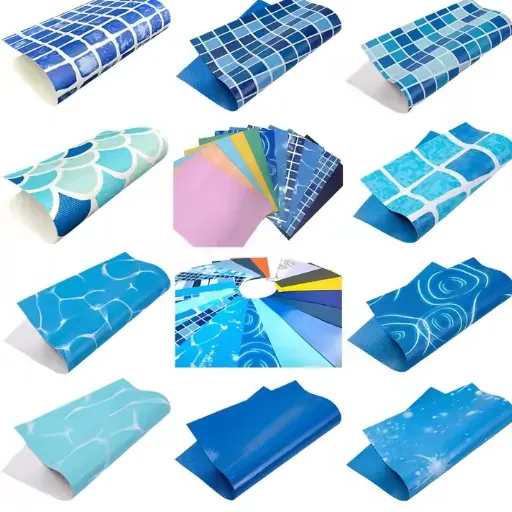
PVC Tarpaulin for Water Slides: Grades, Seams & Specs
The correct PVC tarpaulin for water slides is a PVC-coated, high-tenacity polyester fabric at 18 oz (610 gsm) as the accepted baseline, and 20 oz (650 gsm) or heavier for slides that run wet most of the season. The spec that matters is not the marketing label but three measurable numbers: coating weight, base-fabric denier,…
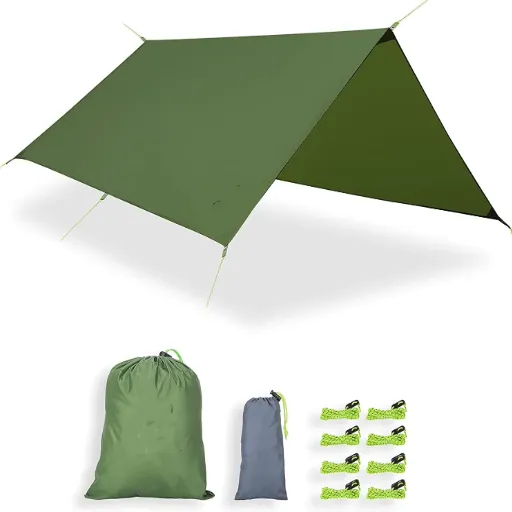
Lightweight Waterproof Tarp for Camping: Materials & Sizes
A lightweight waterproof tarp for camping comes down to a single trade-off: the fabric that carries best sheds rain least, and the fabric that sheds rain best carries heaviest. For ultralight backpacking, silnylon and silpoly win, at under 600 g for a full-size shelter. For car camping, base camp, and group shelters, a PVC-coated or…
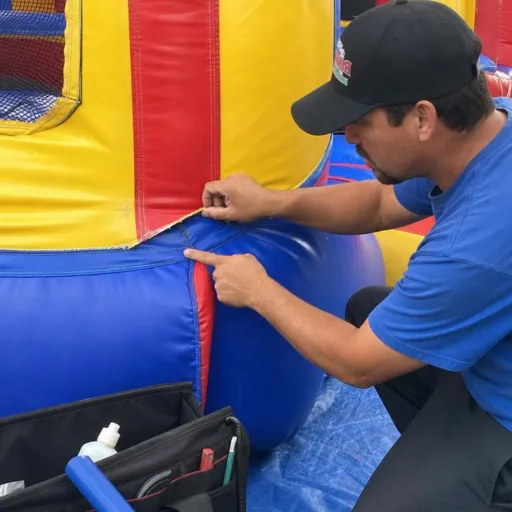
How to Repair a Bounce House: Costs & When to Replace
Most bounce house damage is repairable, and the question that decides everything is whether the fix is worth it. A puncture in 18 oz commercial PVC is a 15-minute, roughly $25 field patch. A seam split on a lighter 15 oz unit can run $500 or more once you ship it out, which is when…
Frequently Asked Questions (FAQs)
Find answers to the most common questions about Tensile Structure Membrane. If you can’t find what you’re looking for here, please contact us.
A tensile structure membrane is a lightweight architectural form that utilizes fabric or other flexible materials to create a structure that is held in place by tension. This type of structure is often used in pavilions, exhibitions, and other large-scale designs where both aesthetic and functional qualities are desired.
Membrane structures offer several advantages, including lightweight construction, aesthetic flexibility, and the ability to create large open spaces without internal supports. This makes them ideal for structures such as the Olympic Stadium in Munich, which showcases the beauty of transparent fabrics and innovative design.
Perimeter tensioning is crucial in maintaining the stability and shape of tensile structures. By anchoring the edges of the membrane securely, the structure can withstand external forces such as wind and snow, ensuring its durability and longevity in various environmental conditions.
The central mast serves as the primary support point in many tensile structures, acting as a vertical element from which the fabric is tensioned. This design allows the membrane to maintain its shape while effectively distributing loads, making it an integral part of the overall structural integrity.
Yes, tensile fabrics can be incorporated into bridge designs, enhancing both the structural and visual aspects. By using tensioned membranes, designers can create unique shapes and forms that not only serve a functional purpose but also add to the overall beauty of the bridge.
A tensile pavilion can host a variety of events, including exhibitions, concerts, and community gatherings. Its versatile space, combined with aesthetic appeal and functional design, makes it a popular choice for temporary and permanent installations alike.