
Reflective Tarpaulin: High Visibility & Safety Applications
Reflective tarpaulins are a tremendous solution when it comes to securing safety and visibility in the most challenging areas. Working in construction, handling outdoor events, or moving goods under dim light conditions, these professional tarps give the best combination of strength and visibility. Built with safety and risk reduction in mind, reflective tarpaulins are now a must-have in almost all the sectors mentioned above. This paper will detail the working of these tarps, their main uses, and the reason behind their being a non-removable item for anyone regarding safety as a priority in their operations.
Introduction to Reflective Tarps
What is a Reflective Tarpaulin?
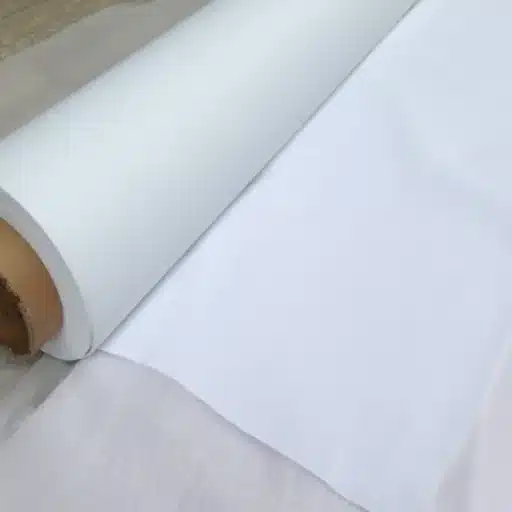
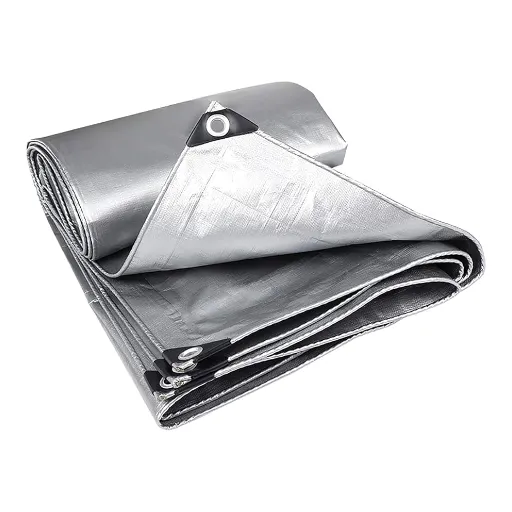
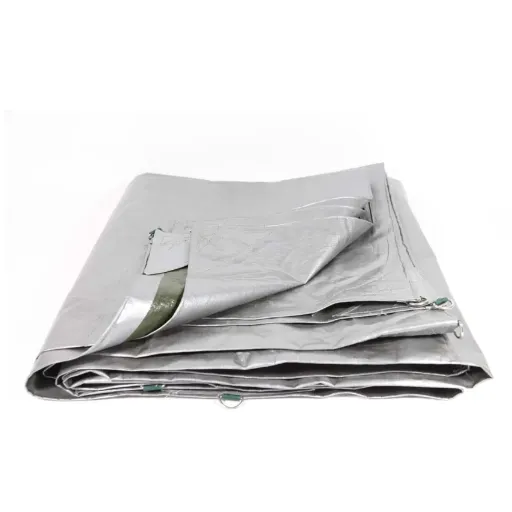
A reflective tarpaulin is a heavy-duty, light-weight sheet that has been designed with reflective properties to make it visible in dark or low-light areas. These tarps are usually made from weather-resistant materials like polyethylene or vinyl along with the application of a reflective coating or a strip that makes them highly capable of capturing and reflecting light. Their design makes them conspicuous even at a distance when illuminated by headlights, flashlights, or any other light source thus ensuring safety in different settings.
Reflective tarps are widely used in industries where the issue of visibility is paramount. They are commonly seen in areas such as construction, transportation, and emergencies where they both mark off dangerous spots and cover loads for trucks and trailers. Their capacity to boost visibility aids in the prevention of accidents and allows the operation to continue even in poorly lit conditions as long as the safety measures are maintained. Furthermore, these tarps are very good at preventing the weather from damaging the covered items, that is, they keep them safe from rain, wind, and sun, which adds to their functionality.
The reflective capacity of these tarps is a hundred percent necessary for night-time work or in places where the visibility is limited. They have become a part of the safety scheme required for legislated visibility and hazard prevention. If one chooses to integrate strength, durability, and brightness into a product then the reflective tarpaulins are the way to go as they are truly the best in promoting safety and efficiency throughout the industries and applications that are diverse.
Key Features of Heavy-Duty Reflective Tarps
- Highly Durable Construction: Heavy-duty reflective tarps are made from very hard wearing materials like polyethylene or PVC, which can endure very tough weather and also last for a long time. They do not show much damage and hence can be used for industrial and outdoor purposes where long life is required.
- Enhanced Reflectivity: These tarps are treated with a material that reflects light which allows to see better even when it is quite dark or in the night. Thus, the safety is further increased on the construction sites, transport operations, and emergency response scenarios, when the light made the devices and areas of work visible to people and vehicles.
- Waterproof and Weather-Resistant: Tarps reflecting light are made with the best materials that give them all water, ultra-violet protection, and extreme temperatures resistance. As a result, they are a very good and reliable alternative to covering up and protecting the valuable equipment, materials, and workspaces from rain, sunlight, or snow.
- Versatile Application: Reflective tarps come in different sizes and thicknesses, so no matter what your need is, whether it’s covering vehicles, holding up construction materials, or making a temporary shelter, they will accommodate each of those. Moreover, they will keep working and showing up in safety operations in multiple industries.
- Ease of Use and Maintenance: These tarps come with reinforced grommets and have a lightweight design yet they are still very strong making it easier for you to deploy, secure and store them. Their surfaces are simply wipes clean which keeps the tarps functioning and also looks reflective even under the use for a long period of time.
Heavy-duty reflective tarps with all these features turn out to be a great help for operations where visibility, protection, and durability are required and they become a big part of workplace safety and efficiency.
Benefits of Using Reflective Tarps
- Enhanced Visibility: Seattle et al. (2018) mentioned reflective tarps which not only help in low-light conditions but also provide the chance of being seen by others on the road, thus decreasing the risk of accidents. It is said that 30% of the accidents at the workplace caused by low visibility can be avoided if reflective materials are used there.
- Weather Protection: Though the tarps are made of very thin and light materials, nevertheless their resistance to all kinds of extreme weather is incredible. Much rain, high winds, and UV radiation cannot do anything but keep equipment and personnel secured and protected in different locations.
- Durability and Longevity: High-quality materials are used to manufacture such tarps and the best characteristics are taken from them, i.e., reflective tarps are supposed to suffer normal wear and tear for a long time. Their edges are reinforced and surfaces have UV protection which can extend their life by 40% as compared to non-reinforced tarps.
- Improved Safety in Work Zones: Increasing the visibility of the work area is one of the most important reasons why reflective tarps are used in construction, logistics, or roadside operations. In fact, this level of safety can have a major impact on the reduction of workplace hazards.
- Versatile Applications: Reflective tarps are multipurpose items and can be used for a number of different things, like, covering equipment, marking hazards, or securing cargo. Their flexibility makes them the most important tool in many industries such as construction, agriculture, and transportation.
Materials and Technology Behind Reflective Tarps
Durability and Heavy-Duty Construction
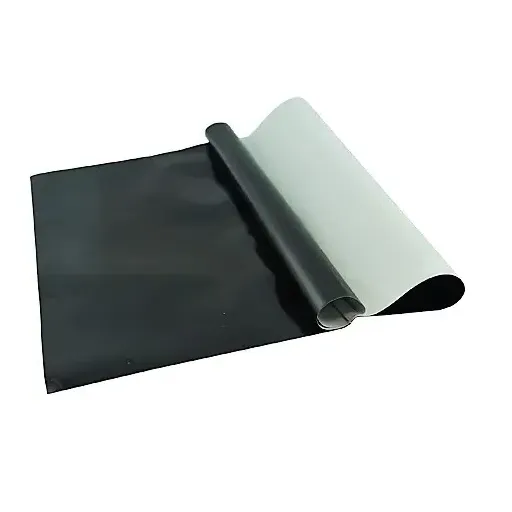
Reflective tarps are really tough and can take extreme conditions. They are used all over the industry and they are still reliable. The reflected tarps are made with high-quality materials like polyethylene or polyvinyl chloride (PVC) and they have great tensile strength and resistance to wear and tear. Heavy-duty tarps actually work even in extreme conditions, such as continuous UV rays, heavy rains, or strong winds. Tarps that are not only rugged but also reflective are thus protecting machinery, equipment, or sensitive goods with their long-lasting nature and reliability and this also causes less frequent replacements.
The technology that is advanced which is implemented into reflective tarps also further strengthens their durability. The majority of these tarps are provided with special coatings which give additional protection against water, mildew, and chemical exposure. In this respect, the properties are of great importance in industries where the equipment or goods may be exposed to the most difficult conditions, such as near construction sites, agricultural areas, or on the way by transport. Another important point is thermal resistance, since most reflective tarps can tolerate very high and low temperatures without changing their structure, thus standing outside in freezing cold or scorching heat.
Another big point when it comes to durability is the entire area around the tarp consisting of reinforced edges and seams that are usually double-stitched or heat-sealed to stop them from fraying or tearing. What is more, grommets and tie-down points are made from materials like rust-resistant brass or aluminum so these would be both very secure and easy to use. Such a construction is considerate not only because it enhances their toughness but also because it gives them a broader application in the most demanding situations, thus making reflective tarps a must-have for professionals who regard high-performance equipment as very important.
UV Resistance and Weatherproofing
Today’s reflective tarps are made to last longer even in the toughest environments, thus, they are outdoor-compatible option. First and foremost, these tarps’ UV resistance is their main characteristic. Polyethylene or similar polymer compounds, the main materials used, are treated with UV inhibitors to prevent the degradation caused by the sun’s ultraviolet rays. The tarps will continue to have their physical properties, aesthetics, and performance after being in the sun for long periods. This is, especially, the case for industries like agriculture, construction, and logistics that need to protect their resources or transport from sun damage and therefore, this feature is inevitable in such industries.
Next to the UV resistance, another important aspect is the weatherproofing of reflective tarps. They are purposely made to be highly water-resistant so none of the contents gets damaged by rain, snow or moisture. Some modern designs might even go a step further by having layers or coatings that resist substances that cause decay, like mold and mildew, hence prolonging their lifespan. The tightly woven strands and margin stitching make them last longer and let them stay strong through the rigors of nature such as storms or rain. Therefore, they are a trustworthy option for various rugged usages, like preventing machinery from getting wet or offering a place to stay temporarily.
The evidence points to the fact that the users of weatherproof and UV-resistant tarpaulins witness the least environmental factors taking a toll on their assets resulting in cost savings as these factors will not require to be controlled. On the other hand, the upkeeping of these tarps is easy since they are made from recyclable materials, in fact, most manufacturers offer recycling options. Longevity and ecological robustness point out the case for the investment they represent, and their market is professionals and industries needing reliable protection for everyday and extreme conditions.
Reflective Properties and Heat Management
Modern tarps have one of the most remarkable features of all time, which are the reflective properties and they are very important in heat management. Reflective tarps are equipped with materials like aluminum or special coatings that enhance reflectivity to deflect a good part of solar radiation, thus cutting down on heat absorption. These tarps practically keep the covered surface below cooler by not allowing much heat to be penetrated, hence solving the problem of heat with such applications as storage of agricultural equipment, protection of construction materials and temporary shelters.
Research indicates that reflective tarps under direct sunlight can cool the surface to 20-30 degrees Fahrenheit less than non-reflective ones. This cooling effect is a big help for not only prolonging the life of heat-sensitive materials but also making the working conditions in shaded areas more pleasant. Transportation and logistics industries are examples where reflective tarps come into play in controlling the environments for cargo, especially with temperature-sensitive goods like food or pharmaceuticals.
Also, the energy efficiency gained through heat management with the use of reflective tarps adds to the overall sustainability goals. Cutting back on cooling methods that require machines or other high-energy solutions, businesses will not only be able to lower their carbon emissions but also enjoy cost savings. This is the reason why reflective tarps are a must-have in the toolkit of companies that are striving to be practical, cost-effective, and environmentally friendly all at the same time.
Applications of Reflective Tarps
Emergency Services and Safety Protocols
- Disaster Relief Shelters: Disaster response operations often rely on the use of reflective tarps to provide quick and temporary shelters. Due to their reflective nature, the tarps keep the inside cooler and, thus, the environment is more comfortable for the people who have lost their homes through natural disasters.
- First Responder Equipment Protection: Reflective tarps are usually the choice of emergency services for keeping their equipment out of extreme weather conditions. This way, the tools and machines needed for rescue operations stay working and are thus, available when most needed.
- Roadside Safety Barriers: As temporary roadside barriers, reflective tarps can be applied to warn motorists of the emergency and thus, the risk of accident even in conditions of low visibility be greatly reduced.
- Heat Protection in Wildfire Zones: Reflective tarps are a must for firefighters as their protection against heat during wildfires. The tarps not only absorb heat but also act as a barrier for the frontline staff and give them an extra layer of safety.
- Medical Triage Areas: During mass casualty incidents, reflective tarps will be the ones setting up mobile triage stations. One of the reasons for using these tarps is temperature control which is necessary for both patient care and medical supply storage.
Construction Projects and Site Management
- Weather Protection: Reflective tarps are the foremost barrier against the wrath of the elements, such as rain, snow, or extreme sunlight, for the construction materials along with the ongoing works. Thanks to the reflective layer, a temperature that is stable during the process, is made possible underneath, therefore, protecting the materials from deterioration.
- Temporary Shelter: Heat during the day or rain or snow in the wintertime sometimes require the workers to be in a shaded area for breaks or to guard their tools. Reflective tarps are the best in the creation of temporary shelters that cool the area by reflecting the heat away and thus making it cool.
- Dust Control: A lot of dust and debris are produced at construction sites. Reflective tarps are not only a means but the best means of controlling dust and they effectively reduce the area where dust can reach around the site and thus, create a much safer environment for the workers.
- Energy Efficiency: In addition, reflective tarps covering temporary constructions or equipment act to reflect the sun’s heat away and thus lowers the energy demand for cooling in the summer.
- Scaffolding and Safety Covers: The use of reflective tarps to cover scaffolding has been one of the measures of the safety provided to the workers through the prevention of falling debris plus the cooling effect that reflects during the sunlight.
Outdoor Camping and Recreational Use
- Shade and Sun Protection: Reflective tarps are capable of being set up as provisional shelters under which shade is given to campers and sun rays that are harmful to the skin are blocked. Their shiny surface actually absorbs less heat thereby making the shady areas cooler.
- Ground Covers: When they are laid on the ground, the reflective tarps perform the role of strong ground covers and thus protect camping gears and even personal items from dirt, moisture, and insects.
- Tents and Emergency Shelters: Reflective tarps are perfect for the making of temporary or emergency shelters. They can reflect heat therefore the inside temperature is regulated which is equal to comfort in hot and cold climates.
- Rain Protection: In case of sudden rain, reflective tarps function as marvelous rain covers that keep the campers and their gear dry. Their being waterproof is what guarantees no penetration of water.
- Outdoor Cooking Areas: Reflective tarps can serve the purpose of establishing cooking areas by protecting them from sun and rain at the same time allowing airflow which makes outdoor meal preparation safer and more convenient.
Choosing the Right Reflective Tarpaulin

Factors to Consider When Shopping for Reflective Tarps
- Material Durability: The material quality of the tarp is very important. Heavy-duty materials like polyethylene or canvas should be used for reflective tarps to guarantee their durability and resistance against harsh weather conditions. Plus, UV-resistant coatings can be very beneficial for the contenders since they increase their lifespan.
- Size and Coverage: Tarp dimension should be chosen according to the actual requirement. It is advisable to take the area of coverage and the tarp size into accounting. It is true that if you use extra large tarps, the area will be protected more, but at the same time, it will be difficult to move them.
- Reflective Efficiency: If the tarp has a reflectivity rating that you can check. The tarp that has a very high reflectivity can be used in deflecting the intense sunlight, keeping the area’s temperature in check, and reducing the heat accumulation in the place, thus, making it suitable for not only outdoor activities but also storage purposes.
- Waterproof Capabilities: Reflective Tarps of high quality should be water-proof in full to ward off rain and moisture. Check whether the seams are well sealed and reinforced to stop leakage during heavy downpours.
- Portability and Weight: Select tarps that are sturdy yet easily portable at the same time. Tarps made of lighter materials are more convenient for carrying and setting up. On the contrary, a heavier tarp might give better protection but will be less convenient for quick uses.
- Grommets and Fastening Options: Check out the grommets in terms of their number and position for securing the tarp. Grommets that are strong, rust-free metal and evenly distributed can support the tarp very well in windy conditions.
- Temperature Resistance: In case the tarp is to be exposed to extremely high or low temperatures, it should be assured that it is rated for these conditions. This is particularly important during long-term outdoor applications.
Once you evaluate these aspects with utmost care, you will be able to conclude which reflective tarp is going to meet your standards ecologically, practically and in terms of use, while still being able to give the best performance in different situations.
Different Types of Reflective Tarps Available
Reflective tarps are manufactured in different styles and materials rendering them to meet particular needs and situations. It is really possible to select the best tarps for your application by getting familiarized with the different types:
- Polyethylene Reflective Tarps: Woven polyethylene fabric is used in the production of these tarps which are one of the most known types of reflective tarps. They are water resistant, lightweight, and very much UV rays resistant which makes them not only suitable for outdoor use but also for short-term projects like construction or farming.
- Vinyl-Coated Reflective Tarps: These types of tarps are strong and durable and therefore are the main reason for their resistance to tearing, abrasion, and harsh weather. Their robustness along with the property of reflecting light makes them used in industrial areas such as transport and large outdoor storage.
- Aluminum-Coated Reflective Tarps
- Designed explicitly for heat reflection, aluminum-coated tarps reduce up to 70-90% of sunlight passing through them. Thus, they are a great solution for cooling purposes in agriculture or outdoor camping. These are the best ones for places with high sunlight.
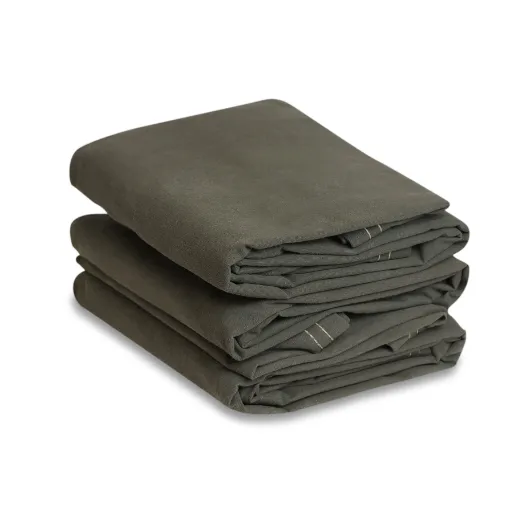
- Canvas Reflective Tarps: Heavy-duty treated canvas is the main material for these tarps which are mainly for usability in breathing and reflecting moderation situations like painting, landscaping, or machine covering. The tarps are of non-waterproof type, however, they are very UV resistant and good against wear and tear.
- Multi-Layer Insulated Reflective Tarps: The cutting-edge tarps make the best use of the outer reflective layers and insulation uses, for instance, foam. They are the most suitable for situations when temperature is a key factor, such as using tents, warehouses, or outdoor areas as a barrier against heat or cold.
The selection of the proper reflective tarp type is largely based on the application, climate conditions, and durability requirements. Knowing the differences among the above options, you will be able to make an effective investment that meets your needs.
Comparing Thickness and Mil Ratings
Thickness and mil ratings determine a tarp’s durability, with higher mils offering greater strength and weather resistance.
|
Aspect |
5-8 Mil |
9-12 Mil |
13-16+ Mil |
20+ Mil |
|---|---|---|---|---|
|
Durability |
Light-duty |
Medium-duty |
Heavy-duty |
Super heavy-duty |
|
Best Use |
Temporary cover |
Seasonal use |
Long-term storage |
Industrial use |
|
Weather |
Mild |
Moderate |
Harsh |
Extreme |
|
Material |
Polyethylene |
Polyethylene |
Poly/Vinyl |
Vinyl/Canvas |
|
Weight |
Lightweight |
Moderate |
Heavy |
Very heavy |
|
Cost |
Low |
Moderate |
High |
Very high |
|
Applications |
Furniture, tools |
Camping, vehicles |
Construction, roofs |
Marine, industrial |
Maintenance Tips for Reflective Tarps

Cleaning and Storage Recommendations
To clean and maintain reflective tarps properly, it can be a very critical process to let them last longer and stay good at their job. When washing one, use the mildest soap and warmest water possible, not to mention the super strong chemicals that will certainly ruin the reflective coating. To get rid of dirt or debris, the most gentle way possible is to use a soft brush or cloth to scrub it off The other method for such tough stains is to use the water-and-vinegar mixture, but it is crucial to rinse the area very well afterward to avoid any residue.
After cleaning, it is important to make sure that the tarp is completely dry before it gets stored, otherwise, there will be mold or mildew. The best way to keep the tarp is in a cool, dry place, away from the sun, so that the material’s reflective properties will be preserved. Also, the way the tarp is stored matters a lot; if it is properly folded or rolled then this will guard against creases or damage. Another way to ensure the tarp is kept safe is to use a protective storage bag which will act as a barrier against dust and pests.
While the tarp is in storage, do not forget to regularly inspect it, especially before the time it is to be used again, for any signs of wear such as tears, spots that are fainter than the rest of the tarp, and reflective surfaces that are worn out. Deal with the little damages right away with a tarp repair kit before they develop further decay. You will be able to enjoy the full benefits and the extended life of your reflective tarp by adhering to these instructions.
Inspecting for Damage and Repair Techniques
Performing regular inspections is very important to discover reflective tarp problems and also to prevent them from becoming bigger. Begin with putting the tarp flat on clean and large ground where everybody can see it. Scan the material attentively and religiously for holes, rough places, or color changes, since all these defects might be a signal of UV attack and material weakening. Look even more closely into those areas that experience the most stress, for instance, the grommets and seams that are likely to be worn faster.
There are good ways to fix up minor holes and rips efficiently. A repair kit for tarps very often consists of self-adhesive patches or tape that are specifically designed to stick well to the tarp material. Cleaning and drying the damaged area thoroughly before applying will give you a strong seal. In case of large damage, you can stitch the tear and put fabric glue or extra patching on it to make it strong enough. Depending on the tarp’s application, you may also want to apply seam sealant for extra durability and waterproofing.
You are making the most of your tarp and its life, by coupling up routine inspections with right repair methods even in tough conditions. At the same time, these practices are minimizing waste and cutting down on the cost of replacements, which is why they can be seen as both cost-effective and eco-friendly solutions.
Maximizing Lifespan and Functionality
To stretch the life of your tarp to the maximum and even its effectiveness, it all would take preventive care and maintenance as needed in a very strategic way. First, make it a point to store your tarp properly once it is out of use. The material gets damaged over time when it is under direct sunlight, hence, it would be best to keep your tarp in a cool, dry, and shady place always. Also, folding it neatly in such a way as to avoid forming creases that would lead to the fabric losing strength over the years can aid the tarp’s long life. Regularly cleaning with mild soap and water helps to keep away dirt, mold, and mildew build-up which could hamper the tarp’s integrity. On the other hand, avoid applying harsh chemicals that would either remove the protective coatings or make the fabric’s fibers weak.
If you want durability surpassing what is normally expected, then it is a must to buy high-quality tarps made of such materials as polyethylene or canvas that are super durable and so are suited for demanding use. Where the quality of the tarps is such as to go along with UV resistance and waterproofing, their performance will be greatly improved and their life span extended even more in places with extreme weather. It would be good during the tarp’s usage to reinforce areas that are likely to be stressed, i.e. grommets or seams, with extra patches or reinforcements. The good thing about this is that it will not only manage the wear and tear but also keep minor damages from escalating into major problems.
What is more, periodic inspections are of utmost importance in order to spot potential issues prior to their worsening. Look for small cuts, weak seams, and frayed edges, and quickly take care of these with the right method of repair according to the material, like fabric glue, vinyl patches, or sewing reinforcements. Keep an eye on weather conditions so as to lessen exposure to the extremes of nature, e.g. very strong winds or heavy snow, that can make your tarp undergo a lot of stress. If done together with careful planning, all these measures not only result in the prolonging of your tarp’s life but also guarantee its trustworthy performance over a variety of applications thus making it a cost-effective and eco-friendly solution in the long run.
References
-
ScienceDirect – A study examining the use of reflective tarps during harvest and transport to reduce cherry fruit temperature and its impact on stem browning.
- Click here to read more.
Frequently Asked Questions (FAQ)
Q: What is a reflective tarpaulin and how does it work?
A: A reflective tarpaulin is basically a durable cover, frequently made of poly or mylar film with a shiny silver finish, thereupon reflecting infrared and thermal reflective radiation. The silver reflective coating helps to either keep or divert the heat and light thus a heavy-duty silver tarpaulin being reflective up to a certain extent does not allow the sun’s radiation to overheat the object and at the same time gives the object more warmth by reflecting the body heat or solar energy back.
Q: What materials are used in a reflective tarpaulin and what makes it premium?
A: The reflective tarpaulins can be made using a blend of polyethylene (poly) which is then fortified with a silver film or a laminated mylar layer to give the cover a premium look. The higher-end models tend to have features such as corners that are reinforced, aluminum grommets, mesh vents, and thicker ozone-resistant oz-rated layers allowing the tarp to last outdoors under heavy duty use while being remarkably durable and also performing well in terms of thermal insulation.
Q: Is a reflective tarp suitable for survival and emergency blanket use?
A: Yes, small reflective tarpaulin sheets or mylar-like silver blankets are perfect for survival situations because they are easy to carry, can be packed into a small space, and are capable of keeping the body warm by reflecting the heat given off. A reflective tarp can be a quick covering or ground cover to avoid heat loss during winter or on cold nights, however, the blanket usage may not be as the case with large heavy-duty silver tarps that are used for sheltering gear.
Q: How durable is a reflective tarpaulin—can it withstand harsh weather and winter conditions?
A: Reflective tarpaulins that are meant for outdoor use are usually made with reinforced corners, aluminum grommets, and a strong poly or film construction that allows them to last through wind, rain, and snow. Increased oz ratings and premium finishes further improve longevity so the tarp is less likely to tear or retain moisture, thus it is ideal for prolonged outdoor use in winter or to cope with rough handling.
Q: Can a reflective tarpaulin prevent objects from overheating under the sun?
A: Certainly, the reflective silver surface minimizes the absorption of heat by bouncing back sunlight and infrared radiation, thus, the objects under the tarp are less likely to overheat. This quality makes reflective tarps a must for the summer to cover cars, tools, or stocks since the internal temp of the reflectors is kept lower in comparison to that of the dark or non-reflector caps.
Q: What features should I look for when buying a reflective tarpaulin?
A: Look for features like heavy-duty silver reflective material or high-end mylar/poly laminate, reinforced corners and aluminum grommets for secure tie-down, adequate oz thickness for tear resistance, mesh vents to reduce moisture traps, and a UV degradation resistant quality film finish. These highlight the tarp’s ability to keep warm when the need arises and protect itself from the outdoors at the same time.
Q: How do I use and maintain a reflective tarpaulin to maximize warmth and longevity?
A: For maximum warmth, the side with the reflector should be directed towards the source of the heat (body or sun) to reflect radiation energy back. Use reinforced corners and grommets to tie down the tarp against wind damage; stay away from sharp things that might go through the film. Mild soap and water can be used for cleaning, drying thoroughly before storage, and storing in dark places will help to maintain both the quality silver finish and the longevity of the product.
Q: Are there any safety considerations or traps when using reflective tarpaulins?
A: Yes, keep hot tarps away from open flames since some film finishes are liable to socialize with the flames or even melt; if using as a shelter make sure that the area has proper ventilation to prevent condensation forming inside or overheating during sunny days. Watch out for the fact that very reflective surfaces could give off glare and they might even cause the temperature of the nearby objects to rise if not correctly placed. It is wise to pick a great, certified heavy duty type with proper mesh vents and a strong poly-mylar construction which will help minimize such risks.