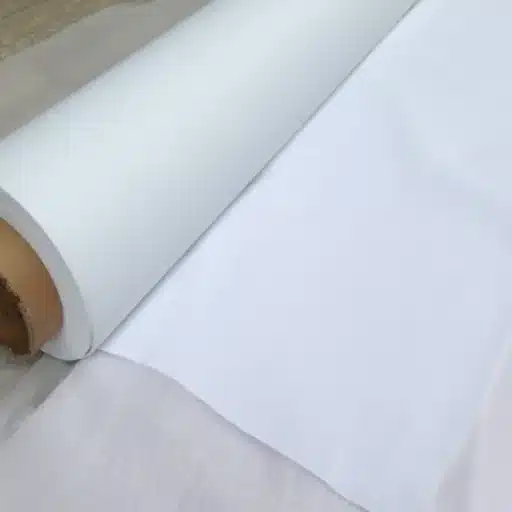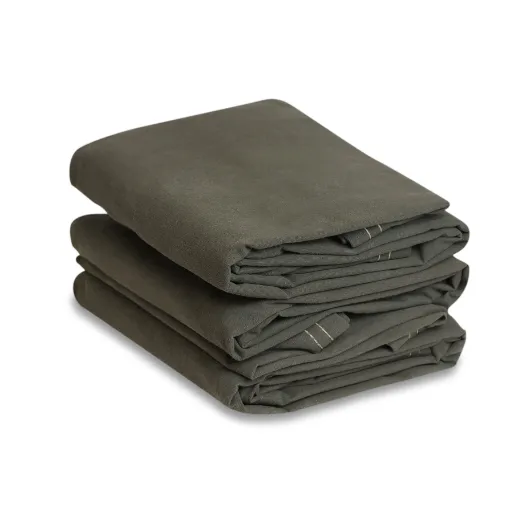

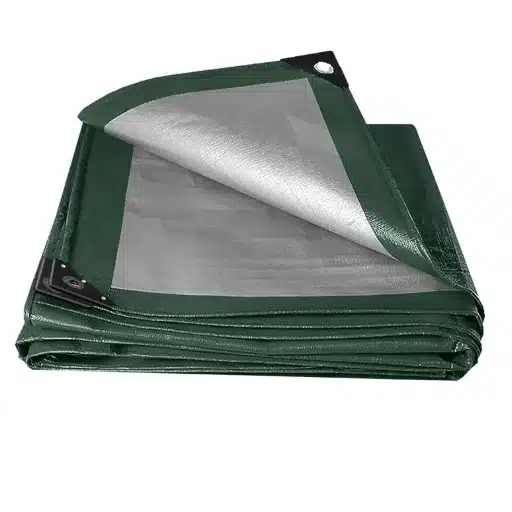
Double-Sided Tarpaulin: Reversible Covers & Applications
Double-sided tarpaulins are a must-have product in any scenario where covering, protecting, or even dividing spaces are involved. They come with the big advantage of two in one, having two separate sides tailor-made to different applications. Be it weather protection for your equipment or a colorful cover for an outdoor event, double-sided tarpaulins are the ultimate solution in terms of versatility. This article will unveil the full scope of their applications and the multitude of advantages these products offer, which is also the reason they now are practically used in every field and situation.
Understanding Double-Sided Tarps
What is a Double-Sided Tarp?
A double-sided tarp is an all-around, tough covering made of either waterproof or water-repellent material, which was intended for different purposes. The “double-sided” term refers to the fact that both sides of the tarp are coated or treated, providing the same functionalities and generally possessing the same features like protection from the elements, resistance to UV rays, and longer life on both sides. That is why no matter which side of the tarp is used, it works just as good as the other side.
Key Advantage
One of the most important advantages of a double-sided tarp is its versatility. The tarp can be utilized for various purposes such as outdoor gear protection, temporary shelter erection, storage area full-covering, or even groundsheet. Since both sides are active, the tarp lives longer due to the lessening of wear and tear as it can be distributed evenly, making it highly practical for cases where frequent adjustments or changes of position are needed.
Moreover, double-sided tarps come in various materials, dimensions and thicknesses to meet specific requirements. Tarps made of polyethylene, vinyl or canvas are among the most typical materials used and are manufactured to endure extreme weather conditions, such as heavy downpour or strong winds. Due to the fact that double-sided tarps can always maintain their performance and offer dependable protection, they have turned into a must-have item not only for outdoor enthusiasts but also for professionals.
Benefits of Using Double-Sided Tarps
1. Durability and Longevity
Double-sided tarps are typically made of heavy materials like vinyl or polyethylene which are very hard and resistant to even the harshest weather conditions such as strong winds, heavy rain and snow. For example, research indicates that if taken care of properly, good quality polyethylene tarps can last up to five years, making them a quite economical choice for applications requiring heavy duty use.
2. Versatility Across Multiple Applications
Tarps are very much versatile and can be used in a variety of places such as camping, construction, transport, and agriculture. The various surfaces that come with a double-sided tarp give it even more uses, like one side being waterproof and the other one being protected from the sun with a UV-coated surface which makes it a functional all-rounder.
3. Enhanced Waterproofing and UV Protection
Thanks to the double-sided waterproof layering, tarps have great moisture-proofing ability and can keep precious items or equipment safely protected inside. Moreover, the number of tarps that come with UV resistant feature is quite high as the rays of the sun will not be able to reach the materials under the tarps. The fading caused by sunlight or the breaking down of the area will be slowed down significantly when outdoor use is prolonged.
4. Ease of Maintenance and Reusability
Cleaning the double-sided tarp is very simple and many times all that is needed for maintenance is just a rinse followed by drying. The lifespan of such tarp is many times longer due to their robust manufacturing, hence they can be used repeatedly without losing effectiveness which in turn contributes to waste reduction and greater environmental sustainability.
5. Variety in Sizes and Thicknesses
To meet the different needs of users, double-sided tarps come in different sizes and thicknesses from which one can choose. Lightweight tarps for simple coverage as well as extra-thick industrial-grade tarps are also available. This ensures that every user will find a tarp that is just right for them.
Heavy-Duty Use Cases for Double-Sided Tarps
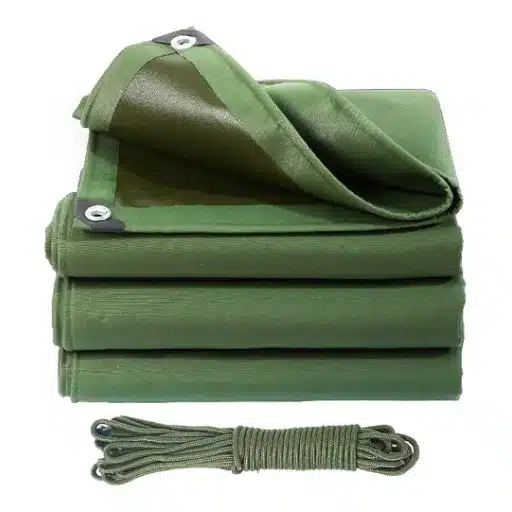
Construction Applications
The construction industry has accepted double-sided tarps as an indispensable tool with their characteristics of resistance, versatility, and ability to endure different conditions. The materials for these tarps consist of polyethylene or vinyl, which provide durability as well as resistance to UV rays and the outdoor elements. Double-sided tarps are regularly used at construction sites to protect scaffolding, machinery, and even unprocessed materials such as lumber or steel. In this way, the critical resources are not impacted by environmental factors, thus, delays and financial losses caused by the deterioration of materials are minimized.
✓ Construction Benefits
- Protection for scaffolding, machinery, and raw materials
- Temporary work areas and worker shelters
- Robust barriers against wind, rain, and excessive sunlight
- Maintains comfortable and safe working conditions
- Minimizes material deterioration and project delays
Tarp manufacturing has developed features such as fire resistance and advanced coatings for durability to the greatest degree possible. To give an instance, some products have even come with thermal insulation layers that allow use in extreme temperature areas. What is more, the custom sizing option and the reinforcement of grommets have contributed to their demand, thus, providing a secure fitting in a high-stress environment.
Agricultural Uses and Benefits
Agriculture holds a significant role in the economy and environmental friendly practices besides being the main source of food. The sector employs millions of workers globally and is the main source of income for many countries. Practices like agroforestry and sustainable farming are gaining ground in the fight against climate change. These methods involve the planting of trees, hence, the soil erosion is controlled, biodiversity is enhanced, and, finally, the emission of greenhouse gases is reduced.
The range of agriculture’s potential uses and innovations have been extended even to less obvious sectors such as bioenergy and nutrient recycling. Biofuels made from corn and sugarcane as well as from certain other crops mark the start of renewable resources to replace fossil fuels. In a similar vein, agricultural waste is being recycled back to soil as organic fertilizer thus closing the loop between inputs and outputs of production while at the same time minimizing waste coming from agricultural-related activities.
Material Durability and Weather Resistance

Analyzing Different Materials
When assessing the durability and resistance to weather changes of an assortment of materials, it is very important to take into account their chemical makeup, structural soundness, and capacity to adapt to different environmental conditions. One of the best examples is the use of stainless steel, which is a material that is widely known for its capability to withstand rusting and its longevity even under fast changing conditions making it very suitable for both building and marine uses.
Composite materials and polymers are two other kinds of materials that have become quite famous because of being lightweight and versatile. New types of polymer materials, like high-density polyethylene (HDPE) and fiberglass composites, have shown remarkable resistance against heat, chemicals, and very difficult weather. These materials are being more and more employed in the areas of aerospace, automotive, and infrastructure because they can yield the best climate in the most efficient way.
UV Protection and Its Importance
UV protection is a major factor that ensures human health and the lifespan of materials. The sun’s ultraviolet (UV) radiation is one of the most important environmental elements that has an impact on the skin, eyes, and even buildings after a long time. UV protection is of utmost necessity not only for health — the protection of materials is covered as well, which we are using daily such as plastics, furniture, etc.
💡 UV Protection Advantages
For Materials:
- Prevents rapid aging of plastics
- Reduces fading of textiles
- Prevents decay of construction materials
- Extends product lifespan significantly
Modern UV protection technology now utilizes nanotechnology to produce more potent coatings while maintaining material characteristics and aesthetics.
Waterproof vs. Water-Resistant Tarps
Understanding the difference between waterproof and water-resistant tarps is crucial for selecting the right product for your needs. Waterproof tarps completely block water, while water-resistant tarps repel moisture but allow some water penetration over time.
| Aspect | Waterproof | Water-Resistant |
|---|---|---|
| Water Block | Complete | Partial |
| Breathability | None | Moderate |
| Durability | High | Moderate |
| Material | Vinyl, Polyethylene | Canvas, Poly |
| Best Use | Heavy rain, vehicles | Light rain, camping |
| Cost | Higher | Lower |
| UV Protection | Yes | Limited |
| Maintenance | Easy | Moderate |
| Weight | Heavier | Lighter |
| Applications | Industrial, roofing | Firewood, tents |
Types of Double-Sided Tarps Available

Comparing Canvas Tarps and Metal Tarps
Canvas tarps are breathable, durable, and water-resistant, while metal tarps are heavy-duty, waterproof, and ideal for industrial use. Each type has distinct advantages depending on your application needs.
| Aspect | Canvas Tarps | Metal Tarps |
|---|---|---|
| Material | Cotton/Polyester | Metal sheets |
| Waterproof | No | Yes |
| Durability | Moderate | High |
| Weight | Lightweight | Heavy |
| Breathability | Yes | No |
| Cost | Lower | Higher |
| Best Use | Camping, firewood | Industrial, roofing |
| UV Resistance | Limited | High |
| Maintenance | Easy | Moderate |
| Applications | Outdoor covers | Heavy-duty protection |
Color Options and Their Impact on Performance
The hue of a tarp has a great impact on its performance, especially in the areas of heat absorption, light reflection, and visibility.
🎨 Color Performance Guide
Light-Colored Tarps (White/Silver):
- Excellent at reflecting sunlight
- Keep temperatures cooler underneath
- Perfect for heat-sensitive materials
- Ideal for creating shade
Dark-Colored Tarps (Black/Dark Green):
- Efficient at absorbing heat
- Suitable for warmth retention
- Good for creating darkness
- Best for equipment that needs to stay warm and dry
High-Visibility Colors (Orange/Yellow):
- Essential for construction sites
- Critical for roadside work safety
- Ensures quick spotting
- Enhances safety protocols
Camouflage Patterns:
- Blend with natural surroundings
- Perfect for outdoor activities
- Ideal for hunting applications
The color of a tarp influences its function and at the same time, it can be a longevity factor. For instance, UV-resistant coatings and the application of the right color together can prolong the life of the tarp by preventing the degradation of the material from the sun’s prolonged exposure. Consequently, the choice of the color is a matter of deliberating over the application area, required durability, and functional needs.
How to Set Up and Maintain Your Double-Sided Tarp
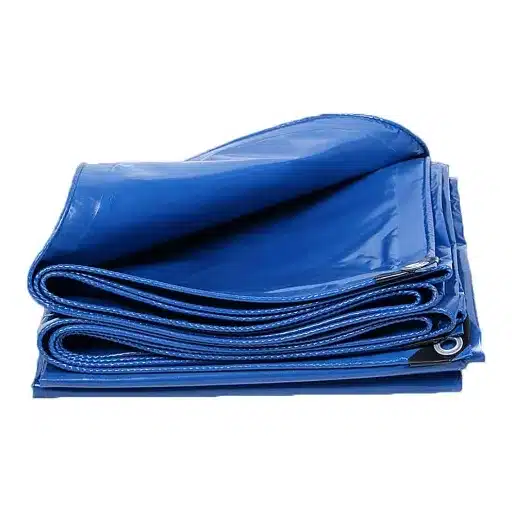
Essential Gear and Accessories
For proper execution of setup and likewise, the full usage of your dual-sided tarp, the presence of suitable gear and accessories is very important. Below are some of the essentials that need to be taken into account:
✓ Required Equipment Checklist
- Heavy-Duty Ropes or Paracord – Essential for tarp support in different weather conditions. Choose UV-resistant or water-repellent materials for improved durability.
- Adjustable Poles – Telescopic or adjustable poles with strong locking mechanisms provide better height and angle adjustments, guaranteeing a stable structure even on uneven grounds.
- Ground Stakes and Anchors – High-quality stakes and anchors keep the tarp in place and prevent unintended movement or lifting during windy conditions. Rust-proof materials like aluminum or stainless steel are best for outdoor durability.
- Tensioners and Clips – Tensioners, elastic bungee cords and robust clips allow for precise adjustments and prevent sagging without causing harm to the tarp material.
- Repair Kit – Essential for outdoor use, especially prolonged use. Repair kits usually contain adhesive patches, waterproof glue, and spare cords.
- Storage Bag – A compact, weather-resistant storage bag makes it less of a hassle to move and protect your tarp and accessories during non-use periods.
The purchase of these accessories will contribute to the prolongation of the tarp’s life and its performance, thus giving you reliable protection in case of camping, outdoor work, or even versatile shelter creation for different purposes. In all cases, when buying gear that is compatible with your tarp, always check its specifications and weight capacity.
Step-by-Step Setup Guide
Follow these comprehensive steps to ensure a secure and reliable tarp installation that provides protection and versatility for various outdoor activities:
📋 Installation Steps
- Select the Location
Pick a flat and open area that is totally cleared from any sharp objects or rubbish that could harm your tarp. The location should fit your purpose, whether for a camping trip, work, or a shelter. - Spread Out the Tarp
Open and spread out the tarp on the ground. Ensure it is properly oriented with the sides positioned in the desired setup direction. - Fix the Corners
Stake the tarp down in the ground or tie it to anchor points using durable ropes or bungee cords for a tight and secure fit. Be sure the anchors are strong enough to endure wind or movement. - Adjust for Tension
Ropes should be pulled slightly or material should be stretched to get rid of slack or sagging, but avoid over-tightening because this can cause gradual tearing of the tarp or damaging of the attachment points. - Set Up Support Poles (if necessary)
If support poles are used, position them under the tarp at the desired height for stability. Use guy lines to secure the poles effectively to the earth. - Stability Review
Review all anchor points, guy lines, and supporting poles for correct stability. Modify them if needed in order to keep the entire structure under even tension and with good stability. - Weather Adaptation
Make the necessary adjustments according to the weather — for example, tilt one side for rain runoff or add extra stakes in the case of strong winds. It is advisable to regularly check your setup for durability.
Maintenance Tips for Longevity
To keep the tarp in top shape and increase its life, extensive regular maintenance is a must. Following these proven maintenance practices will ensure your investment remains protected and functional for years to come.
⚠️ Critical Maintenance Practices
- Regular Cleaning: Clean the tarp with mild soap and water after every use. This thoroughly removes all dirt, stains, and debris. Do not use any strong chemicals since they can weaken the fabric.
- Complete Drying: After cleaning, let the tarp dry completely before storing it to prevent mold and mildew growth.
- Damage Inspection: Inspect the tarp regularly and look for any signs of damage, like tears, fraying edges or grommets that are not strong enough. Address small troubles immediately using adhesive patches or repair kits.
- Waterproofing Maintenance: Consider reapplying waterproofing treatments periodically, especially if the tarp has been subjected to heavy downpours or the sun’s harsh rays for a long duration.
- Proper Storage: Store your tarp in a cool, dry area away from sunlight and extreme temperatures. Keep it in a storage bag to avoid dust accumulation and pest damage.
- Folding Technique: Don’t fold the tarp in the same manner every time as this will cause permanent creases. Vary your folding pattern to distribute wear evenly.
By adopting these practices, you would be helping yourself to get much more durability and reliability of the tarp during all your outdoor adventures.
📚 References
-
Centers for Disease Control and Prevention (CDC) – This document discusses safety guidelines for using tarps in flatbed trucking, including handling multiple tarps.
Frequently Asked Questions (FAQ)
Q: How do double-sided tarps work, and what is the difference between them and polytarps?
A: A double-sided tarp is a waterproof cover that can be used two ways, with each side having a different color, coating, or texture, as the circumstances might dictate. Standard tarpaulins usually have only one functional side, but double-sided tarps offer more possibilities for situations such as camping, RV covering, roofing, and trailers. These are mostly made of polyester as well as high-strength PE tarpaulins. They are robust and durable due to their impressive quality.
Q: How can I choose the right size double-sided tarp for my needs?
A: When browsing for a double-sided tarp, ensure to measure the area to be covered and provide an allowance for anchoring and drooping. Many vendors provide various dimensions tailored for RVs, trailers, hammocks or cargo. Look at the product details, dimensions, and spacing of the grommets, and make sure the edges are reinforced to ensure that the tarpaulin can support heavy loads even when windy or icy.
Q: Are double-sided tarpaulins strong enough for permanent outdoor protection?
A: Yes, products marketed as double-sided tarpaulins are made to be durable and last longer. Materials such as heavy-duty mesh or poly tarps, grommets that are galvanized or stainless steel, and UV protection features will reduce wear and tear. When manufactured for commercial use, such as for trailers, RVs, or hammock applications, these types of tarps last longer and are less prone to tears.
Q: What weather conditions can double-sided tarps withstand?
A: A well-chosen double-sided tarp can resist ice loads, heavy rains, and solar radiation due to the incorporation of UV stabilizers and water-repellent finishes. In regions with snowfall and ice, thick fabrics along with proper edging and tying points should be applied. The majority of sellers offer product videos or promotional footage showing how their tarps hold up in real weather situations.
Q: How do I properly secure a double-sided tarp for camping, RV, or trailer use?
A: Securing a double-sided tarp involves the use of reinforced grommets, ratchet straps, bungee cords, or tarp clips attached to anchor points on the trailer, RV, or campsite. For packing, consider tarps that are easily foldable or come with a storage case, bag or straps; some brands provide carrying cases for convenience.
Q: Are there biodegradable or recyclable variants of poly and polyester double-sided tarps?
A: Numerous manufacturers provide environmentally friendly solutions by using materials such as recyclable polyester or recycled polyethylene. When browsing materials, make sure you are fully aware of the sources used and how recyclable they are. Companies which promote eco-friendliness with their products will include packaging with identifying labels or codes that indicate characteristics such as being recyclable.
Q: What features should I look for when purchasing a high-quality double-sided tarp?
A: Select a brand characterized by strength, comprehensive product descriptions and customer support. Look for detailed specifications of the material (polyester or poly tarps), grommet quality, seam construction, and warranty information. Other factors to consider include online reviews, video testimonials, and a functional shopping experience. Consider brands that provide clear information about durability and performance.
Q: Can I use a double-sided tarp as a hammock cover?
A: Certainly, a double-sided tarp can be used as a rain fly to protect hammocks. In practice, it is advisable to use a tarp large enough to extend beyond the extremities of the hammock. Fasten the tarp with ridgelines, and if condensation is an issue, use breathable tarps for better air circulation.
Conclusion
Double-sided tarpaulins represent a versatile, durable, and cost-effective solution for a wide range of applications, from construction sites and agricultural operations to camping adventures and industrial uses. Their unique dual-sided design ensures maximum utility, allowing users to benefit from different coatings, colors, and protective features on each side.
The key advantages of double-sided tarps — including enhanced durability, superior weather resistance, UV protection, and ease of maintenance — make them an indispensable tool for both professionals and outdoor enthusiasts. Whether you need protection from harsh weather conditions, a temporary shelter, or reliable equipment coverage, double-sided tarps deliver consistent performance and long-lasting value.
By carefully selecting the right material, size, and color for your specific needs, and following proper setup and maintenance procedures, you can maximize the lifespan and effectiveness of your double-sided tarp. As innovations in tarp manufacturing continue to evolve, incorporating features like fire resistance, thermal insulation, and eco-friendly materials, these versatile covers will remain essential tools for protecting valuable assets and creating functional outdoor spaces.