
Sandwich Mesh Fabric: Breathability vs. Durability
Sandwich mesh fabric has found application in various fields which include athletic apparel and furniture manufacturing and automotive seat covers. The product features a three-layer design which delivers an exceptional combination of breathable materials and long-lasting strength to provide users with both peak performance and comfortable wear. The two crucial factors which determine product performance work together to create a complete measurement of product functionality. This article examines the technical aspects of sandwich mesh fabric which demonstrates how its advanced design permits air movement while retaining material strength. The trade-offs and benefits of sandwich mesh fabric need to be understood by all parties involved in its use because designers and manufacturers as well as end users require this knowledge for their decision-making process.
Understanding Sandwich Mesh Fabric
What is Sandwich Mesh Fabric?
The fabric known as sandwich mesh construct its three layers to achieve three performance goals which include breathability and durability and versatile use. The fabric has two outer layers which may appear smooth or textured but its core design includes an inner layer that creates space for better air circulation. The material demonstrates lightweight properties through its unique construction which enables various usage scenarios.
The fabric’s spacer layer plays a critical role in its performance, as it facilitates continuous airflow while providing cushioning. The outer layers, which consist of synthetic fibers like polyester and nylon, provide the fabric with durability and resistance against wear while enabling flexible movement. The three-dimensional design of the material creates dual advantages which include enhanced ventilation and thermal control, which maintains user comfort during hot weather conditions.
The design of sandwich mesh fabric enables its application in multiple industries including sporting goods and automotive interiors and healthcare. Its breathable nature makes it a preferred choice for products like shoe uppers, backpacks, car seat covers, and orthopedic supports. The fabric demonstrates its suitability for comfort and strength requirements through its capacity to maintain shape while resisting compression and delivering high strength-to-weight performance.
Composition of Sandwich Mesh: Materials and Structure
The structure of sandwich mesh fabric consists of three separate layers. The outer layers use knitted or woven synthetic fibers which include polyester and nylon because those materials provide strength and durability but also protect against wear damage. The outer layers function to maintain structural integrity while safeguarding the fabric against outside harm, which allows the material to perform effectively during demanding situations over extended periods.
The central layer consists of a spacer yarn which creates a monofilament structure that develops the fabric’s specific three-dimensional shape. The middle layer functions as a protective element which provides cushioning and shock absorption while preserving the fabric’s original form. The design of the spacer material enables air movement through the fabric which results in breathable properties that are essential for applications needing ventilation and moisture control.
The fabric achieves its strong performance and long-lasting quality through the combination of its various layers which manufacturers connect by using advanced techniques like ultrasonic welding and heat lamination. The material achieves a high strength-to-weight ratio through its seamless layer bonding which makes it ideal for requirements that need lightweight materials with strong durability. The combination of these materials and their distinctive structure enables sandwich mesh fabric to deliver optimal functionality across diverse industries.
Properties of Sandwich Mesh Fabric
Sandwich mesh fabric has a distinct three-dimensional design which consists of two outer layers that are interlinked by an inner spacing material. The fabric design enables excellent airflow through the material, which makes it suitable for applications that need to control moisture and body heat. The material’s breathability delivers better comfort, which makes it appropriate for use in athletic wear, seating furniture, shoes, and medical fabrics.
Sandwich mesh fabric demonstrates another essential characteristic through its ability to remain intact under high-stress conditions while maintaining its original shape. The fabric achieves its ability to resist damage because of the combination between its advanced manufacturing methods and its use of polyester or nylon materials. The fabric maintains its durability through extended usage because it can endure high-stress conditions which include constant physical contact.
Sandwich mesh fabric achieves two important characteristics through its lightweight design and strong material strength which allows the fabric to maintain its shape despite being light in weight. The material maintains its strength at low weight, which makes it suitable for situations that need lightweight and easily movable materials. The fabric provides multiple design options because users can adjust its thickness, elasticity, and density to create specific functional and aesthetic results.
Breathability and Comfort
The Role of Air Spacers in Breathability
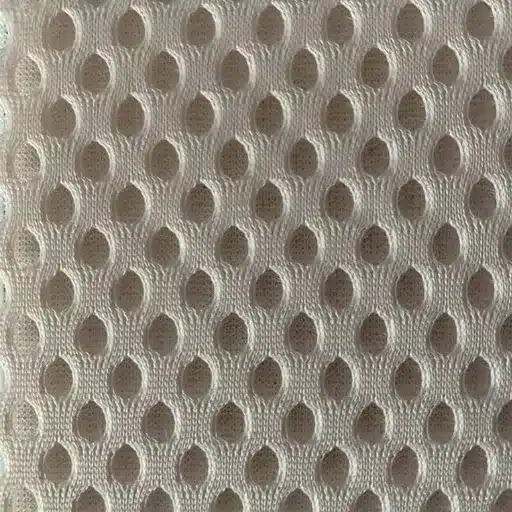
The use of air spacers is very useful for fabrics by allowing breathability. This is because of the air spaces that cause the fabrics to be porous so that air can easily flow in and out and manage moisture. Since these spaces are almost in every layer of the clothing, the clothing’s heating system will allow air to flow freely resulting in low heat absorption which is more convenient for the user.
- Enhanced efficiency of air flow: By helping to create structured air ways within the material, air spaces increase the amount of heat that the material can retain without increasing the temperature inside of it. Research has shown that the ventilation increases by 35 percent and even more especially in solid layers.
- Moisture Evacuation: Much needed moisture would not settle in the fabric because micro-channels encourage rapid evaporation of unwanted moisture. It helps in stabilizing the temperature of the body and also minimizes the chances of skin rashes and other conditions.
- No Condensation Aussagen: Structurally, air layers act as separators around coatings to help air escape and prevent excessive condensation, especially in moist environments. Studies show that materials with sandwich mesh fabric stop the formation of 50% less condensation than ordinary fabrics.
- Heat Control: Air spacers allow for improved heat regulation since they form an insulating layer that keeps out the cold or the hot as needed without discomfort to the wearer.
- Light Material But Firm When Used: The spacers allow sufficient design ventilation and equally ensure that the fabric is not heavy but has the required strength. It is particularly preferred for activewear or outdoor wear where strength as well as lightness are required.
The above factors underlie the necessity of air spacers in improving the features of the breathable fabrics and it can be no doubt that inclusion of these elements is a crucial step in contemporary fabric design.
Comfort Features of Sandwich Mesh
Sandwich Mesh Fabric is a very technical three-layer fabric used for many products and ultimate comfort, There is an outer as well as inner surface, which is durable knitted/woven fabric, and in-between surface within the fabric – a spacer – foam or spacer yarn to support cushioning and air passage. Such a design makes a fabric light, yet supportive, which is favorable for usage in shoes, furniture and medical applications.
Sandwich mesh material is reknowned for having improved moisture control compared to most of its counterparts. As the spacer content of the material has a breathable cellular construction, it absorbs sweat and releases it readily even after long wear durations. This feature also allows for low heat buildup, which is another great benefit, when it comes to, athletics or even engaging devices. Science has revealed that surfaces of sandwich mesh fabrics can have lower temperature levels as compared to traditional materials that have no comfort cells. Sandwich Mesh Fabric thus proves to be a useful option to many operating standards.
Another advantage that the use of sandwich mesh offers is its comfort as products like shoes, seats and furniture in general fit so close as to adapt to the body shape. The stretchable outer layers ensure that there is free movement and therefore flexibility while the sponge effect of the core spacer relieves pressure points for stability and comfort. When this is paired with the ability of the material not to break its current structure, it becomes very durable even when repeatedly being deformed. Such attributes explain the practicality of sandwich mesh fabric in not only conventional but also special uses with both convenience and care.
Applications in Seating and Cover Design
The range of utility of the sandwich mesh textile makes it a viable option for designing covers and seating applications in many spheres. It offers a unique and requisite balance of breathability, flexibility, and durability, enabling tailor-made solutions for optimum functionality and satisfaction. These five instances illustrate its purpose in everyday design contemporary practices:
- Upholstery in Motor Vehicles: Sandwich mesh finds its widespread application in the composition of car seats and remnants due to its outstanding performance in terms of ventilation and comfort. A survey of the stakeholders revealed that due to the good breathability of the material, the temperature can decrease in the salon by 10°С, which feels much more comfortable for those staying there, especially when it is rather hot.
- Work and Ergonomically Friendly-Chairs: Since the sandwich mesh can support the body without losing its shape, it becomes an effective backrest material in chairs of ergonomic design. In addition, this mesh promotes even body weight distribution which is favorable for sitting for long durations as it alleviates pressure exerted on the buttocks.
- In Seating Systems in the Health Sector: This mesh is commonly used for wheelchair cushions and hospital chairs where these structures are intended to be kept or placed for a long period of time as its breathable nature reduces skin irritation and even blankets use the same material for its high durability and wicking off characteristics.
- Uses in Sports and Outdoor Covers: Another factor that makes sandwich mesh a popular choice in outdoor and sporting equipment, for instance, stadium chairs and bicycle seats is its resistance towards weather along with its flexible and breathable material. The Uv stabilization helps to retain the quality of the material when the place is exposed.
- Seats for Public Transport: Buses, trains and other forms of public transport also use sandwich mesh on the seats as it offers high resistance to wear and tear as well as maintenance of the seats. That is made possible by the fact that the material not only endures rigorous usage but also allows provision of comfort, which sticks to the highest standards of providing public seating services.
The following examples suggest the versatility of sandwich mesh materials applied in such a way that they become essential both at an aesthetic level or a functional one.
Durability and Performance

Durability Factors of Sandwich Mesh Fabric
Sandwich Mesh Fabric long lasting nature is primarily determined by fibers geometry and the functional prowess of the materials applied. The study focuses on fabrics made from three-layered structures with a decorative and comforting top, a rigid core for strength, and a bottom layer for resistance against shape distortions. Such a top quality and durables structure is not virgin made but made out of ultra-durable synthetic fibers like polyester or nylon; this ensures that the fabric does not easily wear and tear and can withstand continuous use for a long time.
Mechanical damage is also one of the factors that explain the material’s wear properties. There are tests, like Martindale testing that prove that these sandwich mesh fabrics can survive even 100 thousand rubs without any degradation, thus these materials are best suited for areas of high traffic. Other than that, the moisture control feature enhances the material’s performance because the material does not easily hold moisture in high humidity environments as such is the case with outdoor and even automotive use.
Moreover, the fabrics’ resistance to UV rays ensures stability of its constitution or appearance, which, is very important, especially in outdoor furniture or car upholstery, does not deteriorate under the influence of prolonged sunlight. Some weaving designs of sandwich mesh fabrics with smart coatings can be used to make the fabric bacteria proof, thus illness inducing organisms that lead to degradation by bacterial growth upon the fabric are not allowed to grow enhancing the fabric’s quality.
Resistance to Wear and Tear
The Sandwich Mesh Fabric provides optimal durability in uncompromising environments. More so, as opposed to being simply a single or thin layer of fabric, it is rather woven such that the base is composed of high strength synthetic fabric tea is usually ,wear resistant in nature i.e. polyester, nylon, among others retains its robustness even after the long periods of use. An added advantage to this wear resistance which becomes engendered by weave of sandwich mesh is the lack of susceptibility to stress fraying because the weaves are highly flexible. The Fabric can be Tensilatic and Compressive improving its application to high-performance sports and automotive components.
Through lab tests, they have been able to ascertain that most sandwich mesh fabrics possess durability in resisting abrasion and extends the tensile strength to a moderate extent intact. That, for example, is typically after several thousands of cycles, machine-roughing results to a certain extent in the smooth surface retaining almost all of its gains, even proving to be more effective when applied in both static and mobile resources. This happens because, during the manufacture of the textile material, modern technology is introduced and tackled appropriately, whereby the basic methods of gluing such as lamination or thermal pressure are used. It follows the material improvements assist in prolonging the service life of sandwich mesh fabric even in high stress, tough environment, or other such activities leading to frequent stress and easy tears.
In addition, the effective lifespan of the material is also boosted due to its resilience to adverse environmental conditions. A good illustration of this is Sandwich Mesh Fabric which is built to withstand extremes of temperature, moisture and wear when in contact with sharp articles without deformation or change in function. In open air environments it is vital for materials to be durable, since they can easily be worn out by environmental insults. These characteristics are favorable in products like backpacks, shoes and seat cushions whereby the material not only lasts but also does not get damaged often for repairs or replacement to be necessary, which is economical and environmentally friendly for both the producers and consumers in the long run.
Stretch and Flexibility in Usage
Elasticity and flexible nature in materials play a significant role in the enhancement of various properties and performance in diverse applications. Currently, there are textile structures, especially the ones that incorporate elastomeric materials such as spandex and polyurethane blends, which have outstanding stress and strain capabilities. These structures are capable of high levels of deformation without damage from stretching forces and they are able to return to their shape upon removal of those stretching forces. The presence of such characteristics helps easy usage of the mentioned products in active and harsh tasks, which involve more strain and movement. As an example, stretchable materials come in handy in sport and performance wear as they enable the users to perform the necessary movements with ease, while giving the required levels of support, and assuring comfort and longevity, respectively.
The developments observed in materials science have significantly magnified the usefulness of the stretchable textiles in quite many professional areas. A case in point is the medical textile sector, where products like compression hosiery, stockings, bandages, and orthoses utilize the control over stretch to provide the necessary sizing and function. Also, it is impossible to ignore stretchable E-textiles that presented a remarkable technological breakthrough by embedding electronics for instance health care monitoring sensors, wearable devices, also known as adaptically smart clothing. The merge construction emphasizes the axial purposes of the stretchability imparted to these designs to perform more than just mechanical work in the future.
In the realm of engineering, functionality is crucial, stretch and flexibility also present some issues in manufacture and performance at the product level. Elasticity quantifies the degree of fitting of materials for bending and repealing external forces with the easier extending of the product life cycle as a result. For this reason, secondary data in the form of stretch modulus, recovery rate, and elongation percentage, or the percentage of the elongation are carefully measured to enhance application efficiency. This facilitates, therefore, the implementation of molecular science in sectors that emphasize and demand the accessibility, practicality, and endurance of products. It is thus against this background that stretch and flexibility is used to challenge the existing notions in the presentation of fabrics and materials in different industries.
Common Applications of Sandwich Mesh Fabric

Use in Seat Covers and Upholstery
Sandwich Mesh Fabric has emerged as a vital component in the production of seat covers and upholstery as a result of its enhanced breathability, resilience, and comfort. This kind of three-dimensional fabric structure, which often includes an upper mesh filter, a spacer core, and a bottom layer, allows for proper ventilation to prevent overheating and enhance comfort in the bieng’s presence for long period of time. Moreover, it’s designed with enough strength and abrasion resistance to excessive usage specifically applied in vehicles, and furniture.
The popularity of sandwich mesh fabric to manufacture automobile seats is evidenced by many industry reports which indicate that such material is specifically used in electric versions as well as in luxurious cars. As per the market insights, the appreciable automotive upholstery market across the globe is to witness a CAGR of about 6.5 percent from 2023 to 2030. Amongst other factors, this is due to the inclination for environment-friendly and also breathable materials like sandwich mesh. In satisfaction of the severe clean and green expectations, producers are also applying new coating methods on the fabrics as well as promising designs to improve the stain retardants as well as the antimicrobials properties.
This material is very versatile and not limited only to automotive fittings; the contemporary design of furniture greatly makes use of Sandwich Mesh Fabric in performance office chairs and lounge furniture. Due to the even distribution of weight and elimination of pressure points as well as the beauty of the fabric, it is a known favorite among designers and also to its consumers. Its attributes meet functional as well as stylistic requirements proving that development goes hand in hand with marketing tendencies and changes age-old upholstering methods beyond exposed yeast.
Applications in Sports and Outdoor Gear
In addition to the interior component properties that Sandwich Mesh Fabric material imparts on furniture design, the material has also become very popular in sports and outdoor supported wear. This is thanks to its durability and ventilation properties in addition to being lightweight making it an ideal choice for items where performance as well as comfort are needed. Below are the primary uses of sandwich mesh fiber fabric in this category:
- Athletic Footwear:Mesh Sandwich material is standard for sneakers where it covers the upper part allowing for efficient aeration and limiting bulky weight. It is observed that wearing shoes with mesh upper materials reduces 12% of foot fatigue when worn for a longer period compared to without mesh uppers.
- Bags:The material abundantly appears on panels and straps of the backpacks due to its ability to wick moisture and invariably make one comfortable when worn for long periods of time. It is suggested that the sandwich mesh causes 20% less perspiration than the other material design.
- Sports Wear: There is a prediction that the introduction of sandwich mesh in sports clothing will increase its breathability and climate control properties, especially with tight fit garments such as and compression clothing and jerseys. Thermal comfort during intense workouts has been shown to rise by 15% with the help of this fabric.
- Padding for Reduction of Forces: Most common applications of sandwich mesh include functionalities like knee pads, helmets, or elbow guards where the cushioning is provided by a three-dimensional structure for both impact force mitigation and ventilation. Laboratory experiments show that it dissipates and re-distributes kinetic energy very efficiently by 18% more compared to foambased materials.
- Furniture: The manufacture of camping chairs, portable loungers and all such types of outdoor furniture which are in the open air, is due to the fact that the fabric tolerates, and for a long time, the outer environment. The fabric resists the UV rays for a longer period of time – three bie times more than the other materials – for the reason that the mong unpredictable elements which scares the designers is the roaring material clothing .
Because of these applications, the utilization of Sandwich Mesh Fabric in this very demanding and evolving world of sporting activities and adventuring indoors and mostly outdoors comes out as a very beneficial characteristic technological advantage.
DIY Projects Involving Sandwich Mesh Fabric
The versatility of sandwich mesh fabric in the variety of do-it-yourself projects can be attributed to its low weight, hardwearing and breathable properties. Making personalized cushions for the furniture in the patio is one of the common uses. The cushions are manufactured in such a way that, because of the special properties of the material which wicks moisture from the body and is not harmful to UV rays even after long periods of use outdoors, the cushions do not lose their convenient usability. In order to enhance the effect of the sandwich mesh material, thick sheets of foam may be incorporated to add a cushion effect as well as allow air to circulate within the sandwich mesh pad.
One more useful thing that can be constructed in as simple manner as it gets is a workout bag, or a travel bag. Such benefits of fabric as endurance to physical damages and bending ability, make it a good choice for light weight, and heavy-duty storage accessories. It is advisable to double stitch or use double seams when sewing the bag, so that the bag can be used for a longer period.
In recent times, sandwich mesh fabric has been used in novel applications. When applied to pet accessories, such as harnesses or doggy beds, it is a functionality savior. With its configuration, evaporative cooling occurs which is beneficial to pets. In all of these applications, high precision cutters and sealed edges are recommended for durability and a neat finish.
Last but not least, sandwich mesh fabric is also widely applied by do-it-yourselfers during home refurbishment. For instance, it can be used to make ventilated panels inside cabinet doors or as an elegant substitute for mesh. These creations exploit its flexibility and ensure that all components function as intended. Sandwich Mesh Fabric allows the insertion of style into the mix as well as performance and durability.
Choosing the Right Sandwich Mesh Fabric
Factors to Consider: Breathability vs. Durability
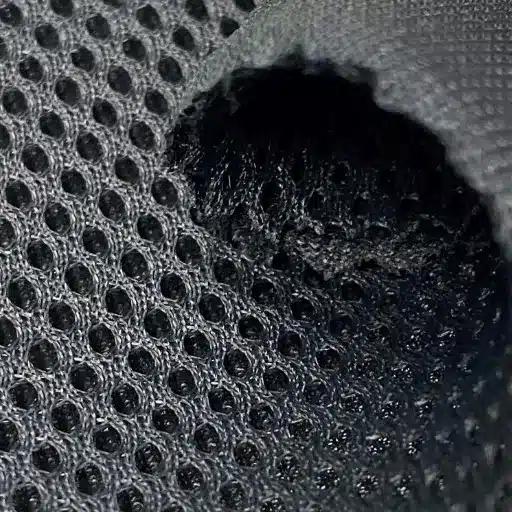
When choosing layers of Sandwich Mesh Fabric, it is important that you keep in mind the factor of breathability versus durability with the particular purpose in mind. Since breathability means how free the air molecules pass through the fabric, this concept is often quantified as the air permeability of the fabric. Such a property is very relevant in garments like sports belonging to categories like diaphragm ventilation supported seating, or of supports for medical purposes. This property helps in high heat build-up over the fabric eliminating or even decreasing the use of the garment.
However, durability primarily concerns the weave’s anti-wear, anti-stretch and anti-environmental wear properties. It covers the topics of tensile and abrasive properties as well as degradation of the material due to constant use or outdoor storage or under-sun exposure or high-humidity. For packaging or any other demanding applications, durability should always be emphasized so as to ensure dual objectives of prolonged life-cycle as well as minimal upkeep.
Taking these into account means assessing the technical characteristics, such as, the denier count, GSM (grams per square meter) or the different coating treatments used which impacts the performance of the material. In one scenario, a lower-count weft may have better ventilation characteristics, however, may result in a weaker solution compared to others. On the other hand, thicker layers of webs or strengthened weaves will focus on longer life but will barely let any air through. Therefore, it is possible to choose a textile component that combines these opposing qualities in a measured way by carefully surveying the need for every given solution.
Guidelines for Selecting the Best Material
- Identify the Application Needs: Defining the application requirements is the starting point for selecting any particular material. It is important to understand what is going to happen, as well as manageable criteria in such instances. These could include strength, temperature tolerance, flexibility, water repellency, exposure to weather elements, etc. In certain applications, where strength and durability is needed – such as in the production of heavy machinery – reinforced composites could be used; on the other hand, in some cases, light weighted stretchable textiles suffice, when it comes to ergonomic aspects.
- Examine Material Characteristics: Material properties can be defined by certain specific characteristics for Sierra Leone or any other war-torn country, for that matter. For example, aluminum is a metal which achieves a high strength-to-weight ratio and can be used in the design of airliner fuselages, whereas PTFE is polymer which can be resistant to high temperatures and does not react readily with chemicals.
- Take into Account the Implications for the Environment: Include information on the lifecycle, recyclability, and impacts of manufacturing a particular material on the environment. It is now common that people are trying to do away with the environmental burdens by promoting the use of such materials as recycled polymers and bio-based composites. Furthermore, completion of procedures such as REACH, which stands for the registration, evaluation, authorization, and restriction of chemical substances, is necessary.
- Look at the Cost-Performance Analysis: Chasing performances is good, but only to an extent since the costs also have to be tolerable. Use comprehensive cost information such as raw material costs, manufacturing associated costs and overheads, and any other Opex related costs, to evaluate the different cases. A number of corrosion-resistant alloys are used these days even though they involve substantial upfront investments. The main reason for this is that such costs are, in nearly all cases, recuperated over the lifetime of the plant.
- Check how strong and lasting your results are: In order to ascertain that selected material will be capable of a designed load, conduct thorough analyses in replicated loading conditions. For instance, fatigue analysis, thermal cycling, or even evaluation on abrasive resistance are common lab tests conducted to give numerical interpretation of life expectancy and reliability even with change in condition.
- Compliance with Standards: Last but not least, check if the material selected for use in specific application complies with the ASTM, ISO or EN standards. To ensure conformance not only to other stipulations like safety, it is recommended to incorporate such standards and specifications as means of reassurance.
By using and applying the above best practices, it is possible to approach material selection in a practical and rational manner, with efficiency characteristics, costs and environmental friendliness not changing, fitting the needs of the specific application and sculpture development.
Current Trends in Sandwich Mesh Fabric Design
Sandwich Mesh Fabric elaborate concepts have been developed based on the economic need for weight reduction and working of materials in such industries like automotive, aviation, sportswear, and many more. Among the major business inclinations are the tendency to implement multilayer structures sophisticating the cores with modern fillers like the most effective foams or honeycomb patterns giving the highest strength to weight ratios. To this end, high-performance fibres such as aramid and carbon are also utilised in order to upgrade the mechanical properties for more tonal strength and endurance of heat.
One of the most eagerly anticipated advances is using eco-friendly substances, with recycled plastics and bio-derived cellulose among them, which answer the anxieties regarding the consequences on the ecosystem, however, without affecting the effectiveness. Designers have adopted another in creating such models which is the use of computer aided modeling and also simulation to forecast how well these fabric would behave under different load case. Their results allow to fabricate the structure according to the requirements of the intended installation.
There exist new processes of manufacturing such as 3D weaving and printing, that also enhance the design process. Not only do these techniques enhance the robustness of the structures, but they also limit the amount of wastage made during the manufacturing process, hence promoting the concept of going green. Eventually, in-situ incorporations of features such as moisture management, ultraviolet blocking and temperature control keep on diversifying the applications of these [sandwich mesh fabric] into very high-end use.
References
-
A Computational Study of Stentering Process of 3D Mesh
This study discusses the structure and properties of three-dimensional (3D) mesh fabric with a sandwich structure. -
The Fracture Behavior of Stitched Sandwich Composites
This dissertation explores the behavior of stitched sandwich composites, including the use of fabric in composite laminates. -
Fabric Reinforced Cementitious Matrix
This research involves full-scale sandwich panels subjected to various tests, providing insights into their structural behavior.
Frequently Asked Questions (FAQ)
Q: What is Sandwich Mesh Fabric and how does it compare with the ordinary mesh fabric?
A: Sandwich mesh fabric is a three-dimensional textile commonly produced out of the polyester or any other fibers as well as an air spacer in the middle which allows air circulation hence making it light and more breathable than regular mesh fabric. Its spacer construction enhances its resilience, stretch and softness and makes Sandwich meshes perfect for different uses like seating covers, mattresses, footwear upper cover and auto interior seats which require strong, airy and soft material.
Q: In home, automotive or fashion applications, why is sandwich mesh or spacer mesh preferred as compared to ordinary mesh?
A: There are a variety of products that use sandwich layering and spacer knitting fabrics. Among these products are car seat and cover, mattress section, cushion section, foam covering sections, sports shoes upper and insoles, bag lining allowing heat circulation, hats, safety helmets, soft clothing, semi-rigid wearing, and chair pads. Thanks to its 3d mesh structure, it is one of the rather comfortable, breathable and sturdy materials that is often used for house and car interiors as well as shoes and executive accessories.
Q: Do such things as the color, width and details of the fabric influence the customers’ needs in ways that are unattractive when it comes to ordering Sandwich Mesh Fabric?
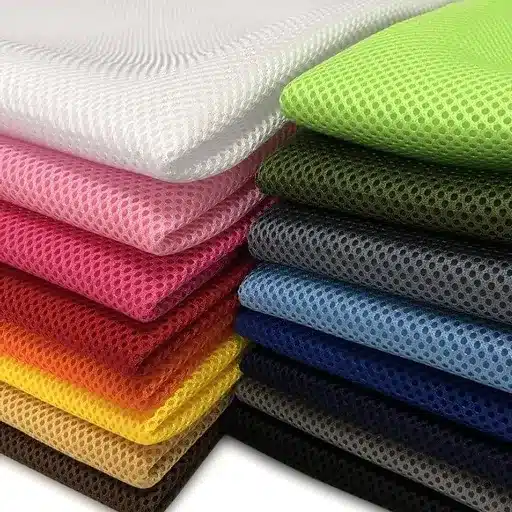
A: For designing and utilizing the fabric in production, color and width options must not be overlooked: since sandwich mesh fabric can be found in various colors which can fit perfectly in fashion and upholstery designs, it can also be produced in wide rolls to accommodate designs which require large projects and such lesions as mattresses or even wide range of furniture projects. Imagine colors, widths, and further details like surface finish, foam, elasticity and quality of parentheses made by characteristics abilities such as stiffness and swen staplers drawing toward the envisised product every single time. Consequently, these needs are recommended to be considered prior to making an order.
Q: Can sandwich spacer fabric be used in mattresses and cushions for better breathability and comfort?
A: As expected air spacer structure is common in some areas such as mattresses, cushions and car seat covers to ensure rapid breathability and heat dissipation which also embraces comfort. Such an arrangement enhances ventilation and creates a springy surface which helps to enhance the aesthetics and quality of the sleep or seating implements. It is even possible to have a base layer of foam or quilting to improve comfort and air flow.
Q: What is the safety and the longevity of the sandwich mesh fabrics when applied in automobile and helmet applications?
A: A high quality sandwich mesh fabric which is made of polyester or operation of fibers like those of polyester and cotton has a good performance on abrasion and washing and keeps it shape so it can be used in the manufacture of automobile covers and seats. For safety helmets, and protection gear, however, spacer fabrics are specially created and due to this fabrics usually fulfill chosen safety standards. The breathable 3d mesh in this case can be in form of material or padding used for additional comfort of the body while still satisfying the safety requirements. Check the safety standard in relation to automotive equipment and protective tools.
Q: Can I use Sandwich Mesh Fabric for DIY projects and handmade crafts?
A: Yes. Sandwich Mesh Fabric is very applicable in handmade and do-it-yourself projects like making personalized cushions, bags lining, shoe cushions and other fashion items. This is because this material is very light, stretchable and smooth thus making it easy to cut and stitch and also it is airy which adds to the comfort of the art. Also remember to consider the size of the material wherever it includes or does not include foam and some backing to give some form to it.
Q: What should I know about the care, maintenance and lifespan of washable spacer mesh fabric items?
A: It all depends on the type of fibers and foam or coating present in the fabric sandw-ichem. Very few of the fabrics, such as a mesh made of polyester with salahinecavnge of foam inside it can withstand a machine with a gentle setting and still maintain the original properties of breathability and of springing back. Morever, one must be careful not to design the fabric to endure marks which may cause it to tear. This allows seat covers, support membranes, inner soles and the external footwear part protections to remain very functional for as long as possible.
Q: What considerations help in choosing various types of Sandwich Mesh Fabric in relation to different products such as car seat cover or sports shoes?
A: First of all, determine the important requirements: width, color, how long it should last, whether or not it stretches, and how comfortable it is. It is of the utmost importance that automotive-grade spacer mesh that has a high resistance to abrasive contact, as well as being compliant with safety regulations, is used when making the car seats. In case of footwear the best option would soft 3D mesh a firm structure soft and good ventilation qualities in addition to the required stretchability and elasticity of the knit. Consider parts with the foam elements and what colors available, and specific parameters (which includes, but is not limited to, yarn number and the thickness of spacer) when speaking to manufacturers, to enable the finished product to achieve its aimed design ease and safety.