
Tarpaulin Lifespan Guide: How Long Do Different Materials Last?
Tarpaulins are used in the various outdoor solutions that are weatherproof, versatile and durable. They are a top choice for many applications such as providing protection for equipment, vehicles and even covering construction sites plus temporary shelters. But have you ever thought about the lifespan of tarpaulins? It heavily relies on the material the tarp is made from and the way it is used, and knowing this can assist you in making the right choices and also help you to get the full value of your investment. In this tutorial, we’ll categorize and evaluate the different types of tarpaulins regarding durability. Besides, we will provide practical tips for extending their lifespans. The information in this article will benefit everyone whether you are a homeowner, business owner or outdoor enthusiast, as it will help you to pick the right tarpaulin for your needs and also make it last a long time.
Understanding Tarpaulin Durability
Factors Influencing Tarp Lifespan
The lifespan of a tarpaulin is a function of multiple key factors, and among them, the quality of material is the most important. Generally, tarps consisting of heavy-duty materials such as PVC or polyethylene last longer than those made of lighter fabrics since they can withstand wear and tear better. The selection of a tarp according to your particular use case—like UV-resistant tarps for sun exposure for the whole day—can help a lot in durability. Thickness of the tarp also matters, as thicker tarps are stronger and last longer in tough conditions.
Key Factors Affecting Tarp Durability:
- Material Quality: Heavy-duty materials like PVC and polyethylene offer superior longevity
- Thickness: Thicker tarps provide enhanced strength and durability
- UV Resistance: Protection against sun exposure significantly extends lifespan
- Environmental Conditions: Weather elements accelerate material degradation
- Maintenance Practices: Regular care and proper storage prevent premature wear
Another factor that is equally important is environmental conditions. The exposure of the tarp to extreme weather elements such as direct sunlight for long hours, heavy rainfall, high winds, or very cold and hot temperatures can lead to the deterioration of the tarp gradually. UV radiation has the capacity to not only weaken the fabric but also to slowly fade the colors and thus moisture can cause mildew and mold growth if not properly managed. The use of tarps that are resistant to the weather impacts or storing them correctly when they are not in use could be part of the measures to counter the negative effects.
The correct care and maintenance can significantly increase a tarp’s lifespan. The practice of making sure that a tarp is clean, dry, and stored in a cool, shaded area when not in use is an effective way of reducing wear over time. One should regularly inspect for damages like tears or holes and repair them immediately to prevent further deterioration. By combining high-quality materials, minimizing environmental stress, and practicing good maintenance habits, you will not only maximize the lifespan but also the effectiveness of your tarpaulin.
Material Quality and Its Impact on Durability
The tarpaulin’s durability, to a large extent, is influenced by the quality of materials that are used in making it. Tarps made from quality materials such as vinyl, polyethylene, or canvas are considered to a great extent more resistant to tearing, UV radiation, and moisture than the lower-quality alternatives. To illustrate, the vinyl tarps are famous for their strength and waterproof characteristics thus they can be used for heavy-duty work while the canvas tarps, which are breathable, may require some extra treatment to be made water and mildew resistant.
Moreover, high-quality materials usually undergo more manufacturing processes, such as lamination or coatings that make them stronger and more resilient under difficult conditions. For instance, polyethylene tarps are usually coated so as to be UV resistant, thereby making them last longer when compared to regular ones which are subjected to prolonged sunlight. To add, the hems and grommets of high-end tarps are reinforced, thus making them able to withstand more pressure and at the same time making it less likely for them to get ripped or torn during use. Using high-quality materials means that the tarp can withstand environmental stress and at the same time, its performance will not be affected over time.
Purchasing the higher-quality tarps may come with a higher initial cost, but in the long run, it offers a functional and lifespan advantage. The durable materials, for example, not only eliminate the need for replacements that are done frequently but also make the tarp to be of good performance even in the differing conditions like when it is used for shading under the sun or for keeping equipment dry from rain. The material decision ultimately remains as the most important one in the whole process of finding the right direction to go in terms of cost-efficient and reliable performance.
Environmental Conditions Affecting Longevity
The longevity of tarps as well as their effectiveness are significantly affected by environmental conditions. Sun exposure for an extended period causes the UV rays to radiate down and degrade some of the materials, thus turning them from strong into brittle ones over the years. Prevention of this by either choosing the UV-resistant tarps or applying protective coatings is a good idea since it will allow the material to keep its strength as well as its durability.
Moisture is yet another major player in deciding how long a tarp will last. To put it differently, continuous exposure to rain or high humidity can result in the growth of mold, mildew, and the weakening of the material, notably in the case of untreated fabrics. Thus, water-resistant or waterproof options are the preferable ones in the areas that experience frequent rains. Plus, keeping the tarp in dry conditions during its storage when not in use can dramatically increase its life span.
Another factor that can influence the performance of tarps are the temperature extremes. In the case of freezing, some materials may crack, and in the case of excessive heat, warping or even melting of less durable ones can take place. It is wise to choose materials that are rated for wide temperature ranges since this will ensure good performance even in diverse climates, thus keeping the tarps functional under difficult environmental conditions.
Types of Tarpaulin Materials
PVC Tarpaulin: Characteristics and Longevity
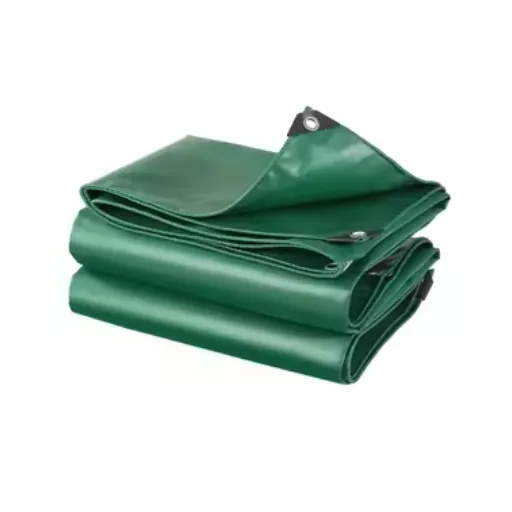
PVC (Polyvinyl Chloride) tarpaulin is well-known for its durability and versatility, thus it is the most preferred over other materials in many industries. One of the most important features of this tarpaulin is that it is tear-proof and can take a lot of physical stress without losing its structure. Its excellent quality is waterproof, so it effectively protects against rain and moisture and still works in continuous outdoor use. PVC shows UV resistance so the tarp retains its strength and colour no matter how long it is sunlit. Also, among several materials, PVC tarpaulins are the ones that can be treated with fire retardant which makes them safer and more suitable for the environments where flame-resistant materials are needed.
PVC Tarpaulin Key Benefits:
- Exceptional tear resistance and structural integrity
- Superior waterproofing capabilities
- High UV resistance maintains strength and color
- Available with fire-retardant treatments
- Excellent temperature extremes tolerance
- Resistant to chemicals, mildew, and abrasions
Another thing favoring PVC tarpaulin is that it can withstand high temperatures and cold weather really well. It’s chemical makeup is such that cracking, warping and even melting do not happen at all, thus the material is resistant to the most hostile conditions. Some premium quality PVC tarps are also treated with additives that make them resistant to mildew, abrasions, and chemical damage which prolongs the lifespan of the product. PVC tarps have become essential in the agricultural, construction, and transportation sectors, where they are used for covering equipment, protecting goods, and making temporary shelters, reflecting the versatility of the material’s.
The environmental impact of the PVC tarpaulin has been greatly reduced through the changes in its production that are regarded by the eco-conscious. Some of the latest innovations are the recyclable variety and eco-friendly production methods that are set out to lessen environmental impact. Notwithstanding the criticisms on its ecological footprint, these new ways of doing things are part of the continuous effort to strike a balance between sustainability and durability. In conclusion, the PVC tarpaulin is a combination of resiliency and flexibility turning it into a perfect and trustworthy solution for both the house and industry. Choosing good quality PVC tarps means that even in harsh conditions users can enjoy the long-lasting performance of the material.
Polyethylene Tarps: Durability and Uses
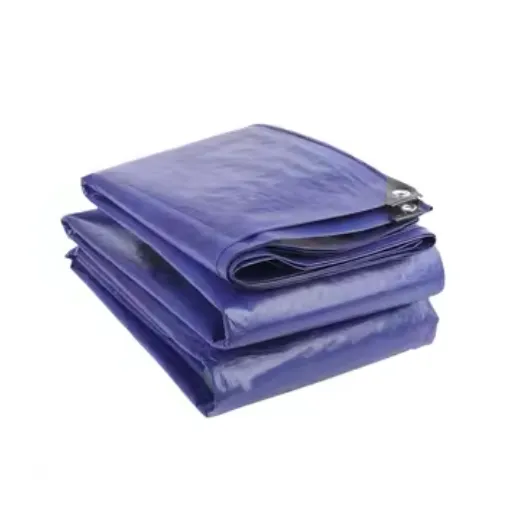
Polyethylene tarps are recognized as one of the most versatile and commonly used tarp materials, mainly due to their outstanding durability and resistance to all sorts of weather conditions. The main composition of these tarps is woven polyethylene fibers, which are also coated to provide waterproofing and UV protection, consequently, they can be used in both short- and long-term applications. Their lightness coupled with high tensile strength guarantees that they are not only easy to carry but also reliable in rough situations.
The application of polyethylene tarps is very broad and covers numerous industries such as construction, agriculture, and transportation. One of the most common practices is to use them as cover and protection for machines, crops, or transporting goods. Besides, due to their weatherproof features and low price, polyethylene tarps come first for temporary shelters, camping, and emergency relief operations.
The modern techniques in the manufacturing of polyethylene tarps have opened up new horizons for their performance. The implementation of multi-layer coatings and sturdier edges has greatly improved the resistance to tearing and wearing while offering the option of recycled polyethylene that contributes towards maintaining the environment. With affordability, diversity of uses, and firmness in construction, polyethylene tarps are still the best and most economical solution for various application fields across multiple sectors.
Canvas Tarps: Performance and Applications
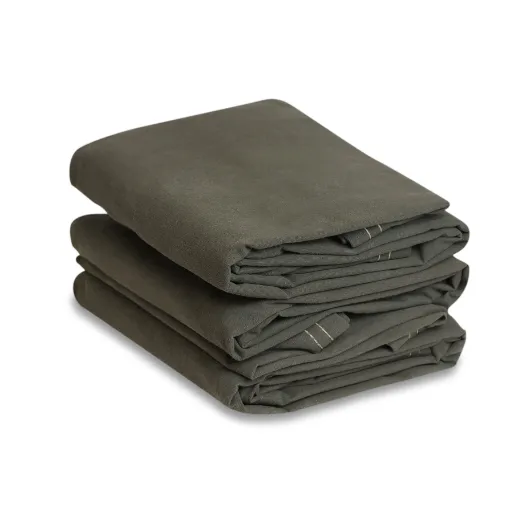
Canvas tarps are known for their long lasting and breathable nature, and also they are made of natural material which together make them a perfect pick for those projects where the strength and good airflow are needed at the same time. Canvas tarps are generally made out of a mixture of polyester and cotton or cotton that has been wax-treated. canvas tarps are very resistant to wear and tear, and bad weather exposure for a long time they will still be able to perform their duty. By slowly and steadily letting the air out through its breathable structure the tarp will not create a build-up of condensation underneath which is a very important benefit especially in the case of industrial applications like machines, wood, or crops that are moisture-sensitive and could be easily damaged by trapping moisture under the tarp.
Canvas Tarp Advantages:
- Breathability: Prevents condensation buildup under the tarp
- Temperature Tolerance: Performs well in both hot and cold climates
- Natural Materials: Often biodegradable and eco-friendly
- Durability: Resistant to wear and tear with proper treatment
- Versatility: Ideal for agriculture, construction, and commercial use
One of the main advantages of canvas tarps is their temperature extremity endurance which makes them hot and cold climate adaptable. In addition to that, these tarps are treated making them resistant to sun, mold, and water which implies that their durability is not only in the nature of the climate but in it being a very tough outdoor environment. Farmers and construction workers in particular prefer canvas tarps to cover hay, scaffolding, and building materials as they provide weatherproof protection while allowing ventilation at the same time. They are also facing the rugged look and their reusability which make them a common choice for both commercial and personal projects like canopy tents or truck covers.
The environmental aspect of canvas tarps is their one more disclosure, being biodegradable most of the time and also made from the silky natural materials. In contrast to synthetic materials like polyethylene canvas tarps are a solution that is ultimately more eco-friendly for the environmentally conscious consumers. The cost of maintenance may be higher ones like periodic cleaning and reapplication of water-resistant coatings but the long term cost-effectiveness and environmental advantages make canvas tarps a remarkable investment.
Tarpaulin Material Comparison
Extending the Lifespan of Tarpaulins

Proper Cleaning Techniques for Tarps
The tarpaulin is a vital part of equipment that cannot be used for any purpose or operation without being cleaned. As they hold dirt and other unseen contaminants, regular cleaning, on the other hand, is a way of preventing possible wear and tear in the long run due to the accumulation of these substances and hence, cleaning won’t weaken the fabric. First of all, shake off or use a brush to remove loose particles such as dust, leaves, or soil. For tarpaulins that are heavily soiled, take a mixture of mild soap and lukewarm water and apply it using a soft-bristled brush or sponge connecting very lightly. Do not put pressure or pain the area and avoid using harsh detergents as these might ruin the material or even the waterproofing if any exists. After thoroughly rinsing, cleaning with water of the same quality as that in the previous step is a must as no remnants should be there because they might create dirt attraction or spoil the substance further.
Cleaning Best Practices:
- Remove loose debris with a brush or by shaking
- Mix mild soap with lukewarm water
- Gently scrub with a soft-bristled brush or sponge
- Avoid harsh detergents and excessive pressure
- Rinse thoroughly to remove all soap residue
- Dry completely before storage
It’s just as important to dry the tarp immediately after washing to keep the moisture from being trapped thus allowing mold and mildew to grow. Put the tarp up in an airy place or let it lay out horizontally with the sun for the drying. But do not let it be under the sun for so long that it gets too hot, synthetic ones especially won’t take that too well as the UV rays will shorten their life. Moreover, canvas tarp should not be stored until it is absolutely dry as that might lead to spoiling of the fabric and/or deficient smell coming from the tarp. Drying with care also guarantees that the tarp will be in the best condition to be used again.
Moreover, cleaning of the tarp should also be done together with inspecting it for any possible small tears, holes or weakened areas. Early repairing these with patch kits or seam reinforcement tape will not only make the tarp last longer but also keep it leakage proof. Along with proper storing—neatly folding the tarp and keeping it in a dry and cool place—these steps provide a great maintenance routine. The daily cleaning and care routine not only results in the tarpaulin being used for its maximum time but also contributes to a greener environment by minimizing the replacement rate.
Storage Practices to Enhance Durability
Properly storing tarpaulins is a vital step not only for their longevity but also for their reliable performance throughout the years. The best way to keep tarps in good condition is to keep them in a shaded spot that is cool, dry, and well-ventilated. If tarpaulins are exposed to the sun for a long time, UV rays would weaken the fabric by breaking down the fibers and, thus, reducing the weather resistance of the tarp. It is better to roll the tarp than fold it as rolling it minimizes the possibility of creasing which may lead to cracks or tearing, especially in the case of plastic or vinyl-based tarps. Also, keeping the tarps clean and free from any dirt before storing them is a good practice as it discourages the growth of mold and mildew that would ultimately compromise the tarps’ integrity.
Moreover, it is advisable to get bags or containers specifically designated for the storage of tarps in order to protect them from pests, dust, and moisture. Storage solutions that are airtight or water-resistant are particularly recommended for humid areas because tarpaulins in such places are more likely to get damaged. Whenever you keep more than one tarp, roll or fold each one carefully and arrange them in a way that no one gets the brunt of the weight, as this could cause the material to be under stress or get distorted unnecessarily. The best approach for large tarps is to mount them on hooks or racks above the ground so they can retain their shape and not be subject to wear and tear from the ground.
If the tarps are going to be stored for a long time or rarely used, applying a protective coating or solution can enhance the durability of the tarp. Products like silicone sprays or UV protectants made specifically for tarpaulins add another layer of defense against both environmental and material degradation. Make it a point to routinely check the stored tarps for any signs of degradation, such as fading or becoming tough, and resolve these problems promptly to avoid incurring more extensive damage. Being mindful of these precautions will not only make your tarpaulin a trustworthy asset for diverse uses but also economically efficient throughout its lifespan.
Timely Repairs and Maintenance Tips
The longevity of your tarpaulin, together with its efficiency, greatly depends on regular maintenance and prompt repairs. Start with a timetable for checking your tarp for the most common issues like small tears, holes, and seams that are no longer strong enough. Repair these damages without delay by using tarps repair kits that are meant for tarps, which usually contain adhesive patches or sealing tapes. To get the best result, make sure the spot that is damaged is first cleaned and dried properly before you start the application.
Essential Maintenance Checklist:
- Schedule regular inspections for tears, holes, and weak seams
- Monitor high-stress areas like grommets and tie-down points
- Clean after every use with mild soap and warm water
- Apply waterproofing sprays or UV protectors every few months
- Replace damaged grommets promptly
- Ensure complete drying before storage to prevent mold
- Store in cool, dry, shaded locations
Also, keep an eye on the areas that are likely to become stressed, like, for example, where the grommets are and also where the tie-downs are. Replacing broken grommets or using heavy-duty ones at stress points to provide the required stability of the structure will be of great help. Very importantly, tarpaulin cleaning after every use is a must; dirt and stains that have been accumulating may cause the material to wear off faster. It is necessary to use mild soap, warm water, and a soft brush while avoiding harsh chemicals since they may destroy the surface of the material.
As far as durability is concerned, it would be a good idea to use waterproofing sprays or UV protectors every few months, particularly if the tarp is subjected to severe weather. Proper storage of tarps is just as crucial—always make sure that they are completely dry before folding in order to prevent the occurrence of mold and mildew. By implementing these strategies, your tarpaulin will always be able to meet the requirements of use through the different conditions, thus being a very dependable and economical asset.
Choosing the Right Tarpaulin
Considerations for Weather Resistance
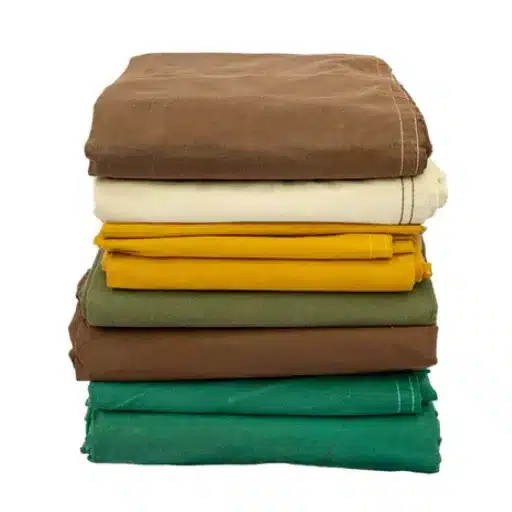
Prompt selection of a tarpaulin is getting that it passes the weather resistance test so its life span and performance can be maximized. One of the major things to look at is the tarp material composition. Among the outdoor materials, polyethylene and PVC are highly durable and their qualities include being resistant to water and UVA/UVB rays, thus they can be put outside without any problem. Besides, it is good to always opt for tarpaulins that have high denier ratings or thread counts because these are generally stronger and tougher against tearing during the harshest of weathers.
Another important factor is the tarpaulin’s capability to withstand different climate factors such as heavy rain, strong wind, or sun for a long time. There are many kinds of tarps that have been coated with special waterproof treatments, that are the most important barrier against rain and water getting inside the covered area. On the other hand, UV-treated tarps block the physical and chemical deterioration of the material caused by prolonged sun exposure, which can lead to fading or weakening of the structure over time. For areas with extremely windy conditions, tarps with reinforced hems and grommets will provide better stability when tied down, hence, less prone to damage or detachment.
Ultimately, it is crucial to reflect on what are your plans for the tarpaulin, since some usages might need very high weather resistance. For instance, if it is going to be used for agriculture or industrial purposes, prime tarps will have to be very strong and come with amenities like mold resistance, oil resistance, or fire retardance. Overcoming these factors on the weight of your decision, you can have an assurance that your tarpaulin will serve reliable defense and be capable of enduring adverse weather conditions effectively.
Size and Fit for Specific Applications
The selection of the right tarpaulin size and fit is significant to the application for which it is intended. A smaller tarp may not be able to cover the area thus risking the exposure of the covered items to the elements. The excess material from an oversized tarp, however, can make it difficult to handle, not effective at all and create a mess. To get a proper fit, you can use a measuring tape to measure accurately the area or the objects that need to be covered. If the application is stationary, like covering equipment or structures, you could consider adding a few extra inches to the dimensions to avoid the effects of the wind or settling.
With the help of the right-size tarps, various companies are capable of getting the most out of their entire material usage. To illustrate, construction workers would need a large tarp to cover the wood or cement bags or even the equipment, which is why they would custom-tailor the tarp to exact scaffolding or other structures in order to avoid any loss of coverage. Likewise, in the agriculture industry, snug tarps that fit bales or silos are a must. Any gaps at the seams would be an invitation for moisture which could subsequently spoil the hay. Although many suppliers sell tarps in predefined dimensions, custom-made that coincide with your precise measurements are also provided for specialized needs.
Application and material properties should be considered concurrently when determining the correct size of the tarp. To give an example, polyethylene or vinyl tarps are effortlessly durable for heavy-duty or industrial use but on the downside, they may need extra ties, grommets, or fasteners for a proper fit. Weighting up reinforcements or adjustable features as an option is a clever way to get the double benefit of functional area covered and durability. The issue of size and fit indirectly bears heavily on the efficiency of the tarpaulin as a wear and tear reducer.
Budget Considerations for Heavy-Duty Tarps
The first step of forming a budget for heavy-duty tarps is the condemnation of the initial cost against the durability and efficiency savings of the latter. Though at first, lower-priced tarps may appear to be a more economical option, they still get worn out faster and therefore need to be replaced more often. The investment in top-notch materials like polyethylene or PVC might require you to pay higher in the beginning, but it will certainly be a wise move that will compensate you in the end with the longevity of the product and less maintenance. On top of that, letting the machines do the work for you while choosing tarps with reinforced edges or ultra-modern weather-resistant features can save you from the damage that extreme weather may attempt to inflict, thus the time of your tarp being used will increase and you’ll reap the benefits even more.
Budget Planning Tips:
- Initial Investment vs. Longevity: Higher upfront costs often result in fewer replacements
- Special Features: UV resistance, flame retardance, and mildew resistance add value for specific applications
- Quantity Needs: Bulk purchases or custom sizing may affect overall cost
- Maintenance Costs: Factor in cleaning, storage, and repair expenses
- Warranty Protection: Look for manufacturer guarantees for added value
The amount and kind of tarp that you require will also have an effect on your finances. Tarps that are custom-fitted or have special characteristics like resistance to UV, flame, or mildew may require a higher price. Still, such advantages can turn out to be worthwhile depending on your use. For instance, a UV-resistant tarp would be a great choice for covering outdoor items that need protection from the sun’s rays for a long time, as it will not let them get damaged by melting away and changing color through exposure. Therefore, one should not only think about one’s own and others’ needs while considering the trade-offs between cost and utility in order to guarantee the cheapest option selected for their requirements.
The purchase price is just one factor to be taken into account; there are also frequent costs like maintenance and repair that will have to be covered over time and, eventually, replacement. Proper tarp maintenance includes, among other things, storing it correctly, checking it for damages regularly, and using the right fasteners that are also friendly to the tarp’s material. Another thing that needs to be taken into account is whether or not the manufacturer is offering warranties or guarantees, as these can be seen as extra value and assurance, especially in the case of high-end tarps. Quality, functionality, and budget are all things that should be considered very carefully if you want to make a decision that will be beneficial for both the short and long term.
When to Replace Your Tarpaulin
Signs Indicating It’s Time to Replace
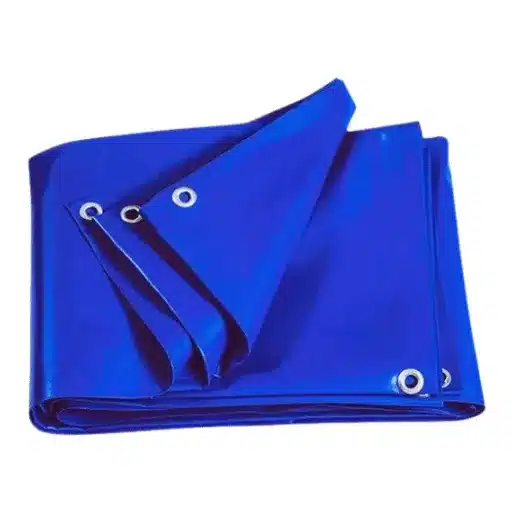
With time, even the best quality tarpaulins will eventually wear out from the elements and everyday use. The most noticeable sign of wear is damage to the tarp, like tears, holes, and edges getting frayed. Such problems, if not attended to, can greatly reduce the tarp’s protective ability, and may even worsen with continued usage. If all the attempts to patch up the tarp are no longer working or the material is still getting worse, then it is time for the replacement to guarantee reliability.
Warning Signs Your Tarp Needs Replacement:
- Physical Damage: Multiple tears, holes, or frayed edges that cannot be effectively patched
- UV Degradation: Significant discoloration, fading, or brittleness from sun exposure
- Lost Waterproofing: Persistent leaks, sagging, or water pooling despite treatment
- Structural Failure: Broken grommets, rusted tie-down points, or separated seams
- Material Weakness: Fabric becomes brittle, cracks easily, or loses elasticity
Another sign that it is time for the tarpaulin to go is when it gets discolored or faded due to the sun being around it for too long. The UV rays can make the tarp weaker, thus, causing the material to get cracked, especially in tarps that are not UV-resistant. Furthermore, if the tarp is not working as a water repellent anymore and there are signs of sagging, leaks, or pooling, it is time to check its waterproofing. The tarp might have lost the waterproofing ability due to the surface coating wearing off or the material deteriorating. This makes it less effective in protecting your belongings, especially during wet or humid conditions.
Lastly, the tarp’s structural elements, like grommets, tie-down points, or the seams must be checked. If these areas are already showing signs of significant wear and tear, rusting, or are even broken, the tarp’s stability and functionality may be compromised. If you choose to overlook these problems, the whole tarp might fail during critical situations such as heavy winds or storms. It is very important to carry out timely assessments and replacements to prevent larger issues and to provide efficient coverage and protection according to your specific requirements.
Assessing Tarp Longevity Over Time
If you want to get the most out of your tarp and prolong its life, it is necessary to integrate regular maintenance routines and know the environmental factors first. The sun’s rays are one major problem for tarps’ durability. They can rack up the weakening of the material day by day until the tarp is no longer useful. One way to counter this is by using tarps that have been treated with UV-resistant coatings or additives. This is especially crucial in sunny areas. Another thing to do is to keep the tarp out of the sun by placing it in a shaded area or under a protective cover when not in use.
Another founder of cavitation is non-appropriate consumption and storage methods. Never let the tarp flap or tear by the wind. Anchor it down securely at all times. The frequent movement, besides causing the fabric and seams to become brittle, can also lead to a lot of fabric failure. It is good practice to keep the tarp clean when not in use so that dirt, debris, or moisture that would lead to mold, mildew, or decay of fabric does not collect on it. Foldup and keep tarp in a dry, cool place so that the chances of moisture-related damage and microbial growth are reduced.
To finish with, routine inspections are so important to identify a tiny damage before it gets worse. Check for tiny holes, worn edges, or grommet wear, and treat these problems with the repair kits that are made for your tarp material. By using the high-quality materials along with proactive maintenance, you can not only significantly extend the life and reliability of your tarp but also ensure that it performs optimally throughout its usage.
Replacement Options for Different Needs
The decision regarding the replacement of a tarp is based on the selection of the right option that meets your needs and the place of use. Heavy-duty tarps, which are made from materials like polyethylene or canvas, are commonly used in industries and constructions where resilience and durability are the key factors. They can endure the worst of weather and climate by tearing, UV damage, and abrasions resistant. Besides, they come in different sizes and thicknesses so that you can pick one that definitely matches your workload requirements.
For outdoor recreational or home usage, lighter alternatives such as vinyl or polyester are often sufficient. The combination of durability and flexibility makes these materials perfect for covering cars and protecting garden furniture, and even serving as a place for camping. Moreover, vinyl offers excellent waterproofing which is vital in wet climates. Keep in mind the factors like weight, ease of storage, and coloring for either visibility or aesthetic purposes when making your choice.
There is another option for specially designed tarps that are devoted to the specific applications. Fire-retardant tarps are necessary in the environments where there are burning concerns and where mesh tarps provide the perfect combination of shade and airflow; these are the commonly used ones in agriculture or sports fields. If your requirements are in terms of extreme conditions such as freezing temperatures and exposure to chemicals, then investing in tarps that are specifically designed for those environments will ensure the products’ longevity and efficacy. By decoding your exact needs and merging that with the latest innovations in fabric and design, you can go for a replacement tarp that overwhelms your expectations regarding performance and reliability.
Expected Lifespan Summary
References
- Bulletin #1075: Tarping in the Northeast – General Logistics
Published by the University of Maine, this resource discusses the average lifespan of tarps, which varies by type from 2 to 10 years. - Tarping and Occultation Techniques in Gardening and Farming
From Virginia Tech, this publication provides insights into the UV ratings and lifespan of silage tarps, ranging from 1.5 to 4 years. - Smithfield Tarp Nutrient Cover
A study from Iowa State University discussing tarp cover systems, their lifespan, and return on investment. - Click here to read more.
Frequently Asked Questions (FAQ)
Q: How long will a tarp last if exposed to the elements?
A: The tarpaulin life in the outside depends on the tarp quality, material (PVC, canvas, or coated fabric), and elements. Heavy duty tarps and pvc tarps are very resistant to sun and can generally last for 2 to 10 years. Canvas tarpaulin and clear PVC have different resistance: canvas tarpaulin is famous for their toughness but may get wet, while pvc coated and pvc fabric tarps are better in harsh weather conditions and they are more resistant to water. Your tarp will live less if it has to deal with prolonged exposure to high UV, sun ruining, and puncturing risk.
Q: What are the most important factors that affect the life of the tarp?
A: The lifespan of a tarpaulin gets affected by several factors; the foremost ones being quality of material, uv exposure, prolonged exposure to extreme temperatures, physical wear like puncture and abrasion, and how the tarp is installed (roof tarp versus stored tarp). Opting for a tarp made of good quality material—like heavy duty, coated tarp or pvc coated options—can be a factor extending its life. Likewise, protecting the roof properly and avoiding direct sunlight when possible will aid in reducing sun damage and thus increasing its lifespan as well.
Q: How does sun exposure and UV damage affect tarps?
A: The sun can really do a number on tarps—over time the UV exposure literally disintegrates fibers and coatings. A lot of UV and long-lasting exposure will result in cracks, fades, and confident loss in waterproofing. PVC tarps are more UV resistant than untreated fabrics; still, making sure that the tarp is not in direct sunlight or using UV resistant, heavy duty tarps will certainly be a good idea to keep the tarpaulin last longer.
Q: Are heavy duty tarps better for long-term outdoor use?
A: Yes, heavy duty tarps are changeably the best option for long-term outdoor use as they usually last longer. Still, they are thicker, mostly PVC coated, and their design is that of sun exposure, puncture and harsh weather conditions resistance. Heavy duty tarps are likely to offer higher long-term durability and even though choosing the right tarp may mean protecting a roof, equipment, or outdoor storage items for longer periods; it is still a strong choice.
Q: How can I extend the lifespan of my tarp?
A: If you want the tarp to last a long time, get one that is fit for your needs (heavy duty or pvc fabric for long-term outdoor use), make it secure to minimize flapping and wear, clean it often, avoid sharp things that cause puncturing, and if possible, limit your tarp’s exposure to direct sunlight. The best storage place for the tarpaulin roll is a dry and shaded one and patching small tears quickly will allow the tarp to last anywhere from a few seasons to several years.
Q: What things should I take into account when selecting a tarp for roof protection or fixing roofs temporarily?
A: When you are getting a roof tarp or temporary roof cover, pick waterproof tarps with pvc coating or coated tarp construction for the water resistance and easy long-term durability. The risk of roof damage, wind exposure, and the duration of tarpaulin stay are all factors that should be considered when choosing the tarp. A tarp with reinforced edges and UV protection is not only a good idea to prevent further roof damage but it is also the one that guarantees that the tarp will be able to withstand the sun and harsh weather conditions.
Q: Do canvas tarpaulin and pvc tarps have different lifetimes?
A: Yes. Canvas tarpaulins are breathable and known for their long life in places with non-extreme UV bend over but they may not have very good waterproof performance and can get moldy if not taken care properly. On the other side, PVC tarps are very good at waterproofing and generally last longer in the sun and wet conditions because of the coating and high UV resistance. For outdoor use, on the one hand, untreated canvas lasts as long as and sometimes even less than PVC tarps providing a longer lifespan than treated canvas.
Q: How long a tarp can stay on a roof under persistent sun and rain?
A: The lifespan of a tarpaulin on a roof is mainly affected by its quality and the conditions of use. A cheap tarp would be able to withstand sun damage and high UV only for a season, whereas heavy-duty, UV-resistant, and PVC-coated roof tarps could stay firm for several years. To prolong the life of your roof’s tarp, always choose those that provide UV protection, install them securely so they do not flap, and regularly check for holes, tears, or any signs of battering.
Conclusion
Understanding the lifespan of different tarpaulin materials empowers you to make informed decisions that maximize value and performance. Whether you choose PVC for its exceptional durability, polyethylene for its versatility and affordability, or canvas for its breathability and eco-friendliness, proper selection, maintenance, and storage practices will significantly extend your tarp’s useful life. By considering factors such as weather resistance, material quality, and intended application, you can select the perfect tarpaulin that meets your specific needs while ensuring reliable protection for years to come.