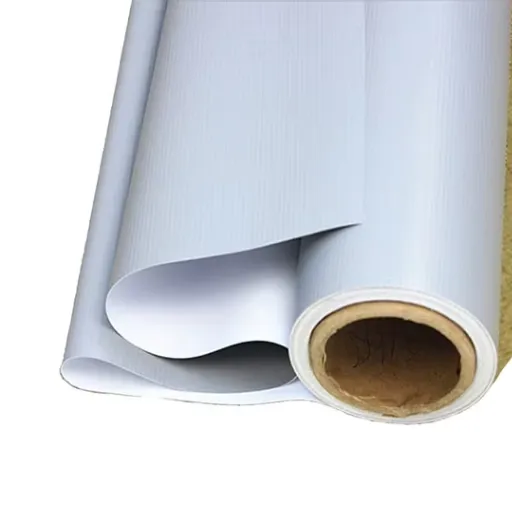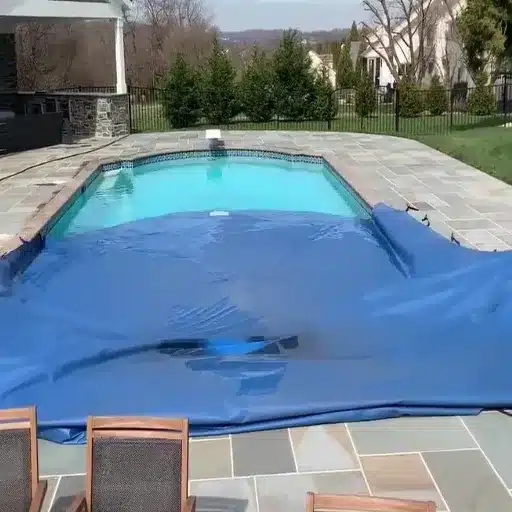


Transparent vs Opaque Tarpaulins: Light Transmission Guide
Transparent and opaque tarpaulin options differ greatly, and knowledge of the variances between them is pivotal in choosing the right tarpaulin for your requirements. The amount of light passing through is a factor that has great importance in various applications, from covering flowers in a greenhouse to building a private but practical storage area. But then again, which kind of tarpaulin is most appropriate for your use? This article highlights the special characteristics of transparent and opaque tarpaulins, and thus, you will be able to make a wise choice. You might be the one wanting to let in the full sunshine or one preferring total darkness; don’t worry, we have everything you need—continue reading to find out!
Understanding Clear Tarps
What is a Clear Tarp?
A clear tarp is a strong and long-lasting that is transparent and that can be used in many different ways. It lets light through and at the same time it keeps the protection that was required. The materials used for making clear tarps are usually polyethylene or vinyl; thus, these are not only waterproof but also resistant to tearing making them perfect for both indoor and outdoor use.
Maximum use of the available natural light is one of the main features of clear tarps. Because of this, they find their way into the covering of greenhouses, windows, and places that need both light and visibility most. Their transparency allows for the same light to come in but at the same time they act as a barrier against the rain, wind, or dust.
Moreover, it is common to find clear tarps being treated for UV ray resistance, hence, their lifetime is prolonged even with continuous exposure to the sun. Such strength along with versatility makes them ideal for use in construction sites, temporary shelters, or even enclosing gardens or patios. In such cases, the clear tarps offer the perfect mix of functionality and practicality and thereby win many different industries and environments.
Key Features of Clear Vinyl Tarps
Clear vinyl tarps are the exceptional transparent material that offers visibility and protection at the same time. Their great transparency makes them the top choice for places where light penetration and monitoring are necessary, the like of which are greenhouses, outdoor structures, or construction sites. These tarps are not only transparent but also strong enough to resist weather and other factors for a long time.
Key Material Properties: The tarps are made in such a way that they will never let any water pass through and hence they will be very useful in wet areas and no damage due to water will ever happen. Besides that, the material will not tear or get abraded easily which is why its lifespan will automatically increase even in tough locations. Another benefit is that most clear vinyl tarps are supplied with UV resistance which means the tarp and the area covered will be protected from the sun and thus will last longer during the time of exposure.
Moreover, the versatility of the product must be mentioned. Transparent vinyl tarpaulins can be used for both domestic and commercial purposes, from covering patios to industrial enclosures. They can be easily customized in size and thickness to fit different applications. Their durability, visibility, and weather resistance features make them a wise choice for protecting and improving diverse environments.
Benefits of Using Clear Tarps
✓ Weather Resistance
The ability to withstand different forms of weather, like rain and wind, and UV rays give clear tarps a great advantage in the market. The fact that they can support the extreme conditions assures users of their durability and protection in both indoor and outdoor settings over long periods of time—thus making them the ideal choice for bringing around indoor or outdoor processes that need ultimate protection.
✓ Enhanced Visibility
The basic characteristic that turns clear tarps into an asset is their visibility. They not only allow sunlight to scatter through but at the same time, they act as a protective barrier, which makes them particularly suitable for areas where the light and the outlook matter, for instance, in greenhouses or on patios.
✓ Durability
Working with first-class materials such as reinforced PVC, clear tarps are durable. They do not give in to tearing, abrasion, or punctures making them reliable even in heavy-duty situations for commercial or residential use over long periods of time.
✓ Customizable Sizes and Thickness
Clear tarps are offered in different sizes and thicknesses thus providing flexibility to meet various requirements. If you need a lightweight cover for small projects or a tough tarp for industrial enclosures, customization will ensure that it will be just right for you.
✓ Versatile Applications
The use of clear tarps is diverse ranging from protection of furniture and equipment, to creating temporary enclosures, and covering greenhouses. Their flexibility has made them appropriate for construction sites, warehouses, residential areas, and so on, making them the king of all.
These advantages together make a strong case for clear tarps to be the number one choice for protection and functionality in varied environmental conditions.
Durability and Performance of Vinyl Tarps
Weather Resistance and Waterproof Properties
Vinyl tarps are the best in the market when it comes to weather resistance and are the preferred option for indoor and outdoor uses. These tarps that are created to endure extreme weather, rain, snow, UV light, and wind, all still get to perform at their best. The sturdy making of these products provides them with reliability and lets them be intact even in tough climates, thus protecting all materials continuously throughout the year. This degree of durability is why they have become a standard barrier against all elements for goods, machines, and materials in different places.
The waterproof feature is among the best that the vinyl tarps come with. The fabric that goes into their making is created to resist water completely, thus no vapor can go through. This is extremely important in areas where no water at all can contact existing artworks or delicate items, for example, hiding machinery, building materials, or making waterproof shelters. A lot of vinyl tarps also receive special treatments to improve their mildew resistance and thus, their lifespan when used in wet conditions.
Moreover, vinyl tarps are one of the few materials that can boast a mixture of power and elasticity to the extent that they will still be usable over the hard weather. The prevention of leaking and boosting by heat-sealing seams have one of the newest coatings, which is waterproofness and enhances the effectiveness of their waterproofing. Beyond this, their leak-proof ability due to UV resistance allows them until sun exposure without cracking, etc. Hence, vinyl tarps’ usability and durability automatically increase with the wide range of industries and applications, thus making them an essential item of very high quality.
Tear-Resistant and Heavy Duty Options
Vinyl tarps have amazing tear resistance, so they are a very popular option for the most asking applications in many industries. This quality of tear resistance is rooted in the fact that the material is constructed with layers and is wearing out slowly due to its high-quality reinforcements such as polyester scrims or reinforced fibers that are woven into the material. The tarps are made to hold their ground even in the most strenuous situations where loads, sharp edges, or high tension are involved. Thus, they are the kind of materials that are going to stay very good even under the most difficult conditions and therefore they are extensively used in construction sites, transportation, agriculture, and other heavy-duty environments that need strong protection against wear and tear.
| Tarp Weight | Recommended Application | Key Features |
|---|---|---|
| 10-ounce vinyl | Residential patio furniture covers | Lightweight, easy handling |
| 18-ounce vinyl | Long-haul truck covering | Heavy-duty, maximum durability |
Tough and heavy-duty tarps can resist a thoroughgoing puncturing and abrasion which would otherwise be the case with the lighter ones. These are the tarps that will score at the top when it comes to asking for power where the strength is prised, indeed, they are perfect for the applications that are subject to continuous friction or impact. The manufacturers have a selection of such tarps in various thicknesses and grades, ready for the specific requirements.
Moreover, heavy-duty and tear-resistant vinyl tarps have a very high degree of customization that guarantees they are always up to the task for the particular application. Manufacturers produce a wide variety of products that include grommet spacing, color options, sizing, and temperature-resistant coatings, etc. that can all be adjusted to fit many different applications. This adaptability plus their impressive strength makes vinyl tarps a versatile tool for protecting assets, creating safe workspaces, and enhancing operational efficiency. These tarps have been and are still proving their worth across industries as the best ones for heavy-duty protection needs.
UV Protection in Clear and Opaque Tarps
Clear and opaque tarps come with UV-resistant features that are the main reason they are used in protecting goods, places, and the environment against the harmful effects of continuous sun exposure. Non-stop UV rays can change the physical and chemical properties of the materials, making them less resistant and color fading, and thereby, UV-resistant tarps become the must-have for the situations that need to resist sun for a long time and in good condition. The tarps have surface treatments containing special UV inhibitors that either absorb or reflect the harmful effects of the sunlight, so that not only the tarp lasts longer but also the items or areas it covers. Clear tarps, usually found in farming or greenhouses, let through a bit of light while keeping out the bad UV rays, thus striking a compromise between access to light and the protection it provides.
Clear Tarps
Allow natural light transmission while blocking harmful UV rays. Ideal for greenhouses and agricultural applications where plant growth requires sunlight.
Opaque Tarps
Block both light and UV radiation completely. Perfect for construction sites, equipment storage, and shading setups requiring total protection.
Opaque tarps, conversely, are often the choice where going light and UV radiation free is a must. Their impenetrable constructions offer really good protection, so they are perfect for places like construction sites, storage of equipment, and shading setups. The UV resistance of opaque tarps acts as a barrier against cracking, fraying, and material decay even in hot environments, thus making the performance stay consistently high across the years. Moreover, these tarps assist in proper temperature control of the heat-sensitive products by cutting down the amount of direct sunlight, so they play a significant role in making the preservation perfect.
With the option of clear and opaque tarps, it is very important to identify the exact needs of the application. For example, clear tarps opens up the possibilities of plant growth in the controlled environment, while the opaque ones are more suited for heavy duty requirements like industrial or outdoor. Both kinds are made from top-notch materials which not only prolong their lifespan but also make them tear and wear resistant. The combination of traits, i.e., the durability and the usability of UV protected tarps, makes them indispensable tools in various industries that need to ensure longevity and prevent their assets from being damaged by extreme environmental conditions.
Applications of Clear Tarpaulins
Clear Tarps in Agriculture and Greenhouses
Clear tarps are a vital part of agriculture and greenhouse operations, providing practical ways to control the environment and set conditions for plant growth to the fullest. They are transparent and let in the sun which is the most important factor of photosynthesis; nevertheless, they still give shelter against bad weather and other environmental attacks. Below are five examples of the use of clear tarpaulins in agriculture and greenhouses:
1. Greenhouse Coverings
Clear tarps are abundantly used as greenhouse coverings in large numbers. They have a role in keeping the temperatures inside steady and protecting the plants from the bad effects of the weather like wind, dust, and insects. Thus, the crops are getting a better environment to grow all year round.
2. Crop Protection
In case of bad weather like heavy rain or frost, farmers cover their crops with clear tarps that can either be on the whole field or on single plants. Crops get less damage and hence the yield is better.
3. Pest Control
When clear tarps are put up as barriers, they function as a safeguard against the entry of pests and insects into the plants. This leads to a decrease in the use of chemical pesticides, which is in accordance with the principle of sustainable agriculture.
4. Temporary Shelters
Clear tarps that’s being used as a nursery or seedlings shelter provides short-term protection to nursery plants or seedlings at the critical early stages while allowing the sun to assist their growth.
5. Moisture Retention
Clear tarps can be applied to devise a barrier that will keep moisture, thus effectively lessening the amount of water lost through evaporation. This particularly helps in the very dry regions where water is not only scarce but also expensive.
With the applications given here, it would be clear that tarpaulins are versatile thus supporting agricultural practices and improving crop quality and yield in a sustainable way.
Construction Uses for Heavy Duty PVC Vinyl
Heavy-duty PVC vinyl has been the one and only material to be used and one of the main reasons for its use in construction industry is due to its versatility. Below are five major uses of heavy-duty PVC vinyl in constructions:
- Protective Sheeting for Structures: Heavy-duty PVC vinyl is usually the first material to be selected when it comes to protective coverings for structures. It works like an invisible layer of protection around the building exposing it to rain, wind, and dust, hence a clean and safe environment for construction workers.
- Temporary Walls or Dividers: PVC vinyl is the right choice when one wants to create temporary partitions or barriers in a construction area. Such vinyl installation divides the work area, reduces the noise and increases the safety on-site especially in the zones with heavy traffic.
- Flooring Protection: Heavy-duty vinyl is the very thing that gives the base of a house (the floor) a protective coat against scratches, stains, or spills during construction. This practice is a must when dealing with high-end flooring like hardwood or marble.
- Scaffolding Enclosures: PVC vinyl tarps or wraps are often the things used by builders to cover scaffolding where working continues without the worry of rain ruining the materials and workers. This prevents workers and building materials from the effects of weather such as heavy rain or snow, which is truly a win-win situation.
- Storage and Transport Covers: Heavy-duty PVC vinyl has always been and will always be the best covering material for construction materials in storage or during transport. It will keep moisture, UV rays, and dust away, thus materials will be in the best condition possible.
The mentioned applications are a few but they demonstrate the support that heavy-duty PVC vinyl provides to the construction industry making the whole process efficient, safe, and eco-friendly.
Outdoor Events and Patio Covers
Heavy-duty PVC vinyl fabric is a versatile material that for outdoor events and patio coverings at a great length due to its durability, weather resistance, and aesthetic flexibility. Below are five major applications and benefits of the heavy-duty PVC vinyl use in this context:
- Event Tents
PVC vinyl is the material of choice in the manufacture of large event tents. Its waterproof quality makes it perfect for preventing rain from soaking the guests and the equipment, while its UV resistance guarantees comfort even during very sunny days. Such tents are usually found at weddings, corporate events, and festivals. - Patio Awnings
PVC vinyl is the first-choice material for patio or deck awnings in both residential and commercial buildings. It gives shade, lowers heat absorption, and takes care of the outdoor furniture by weatherproofing, thus extending the usability of the outdoors all year round. - Backdrop and Stage Covers
In outdoor venues for concerts and plays, PVC vinyl is a most suitable material for backdrop and stage covers. Its robustness and variety of design options allow it to cater to both the utilitarian and aesthetic aspects. - Pop-Up Market Stalls
At farmers’ markets, craft fairs, and other open-air fairs, vendors are supported by the covering of their stalls made with PVC vinyl, which is a durable and weatherproof material. These coverings not only protect products from adverse weather conditions but also keep the stall looking good. - Poolside Canopies
Heavy-duty PVC vinyl is undoubtedly the best material for poolside canopies, as it provides both protection against harmful ultraviolet rays and a beautifying touch to the pool area. The canopies are durable and require little to no maintenance, thus being a sensible option for both private and public pools.
The aforementioned uses are just a few examples of how heavy-duty PVC vinyl not only provides reliable protection but also offers a wide range of aesthetic options making outdoor living and event hosting greatly improved.
Choosing the Right Tarpaulin
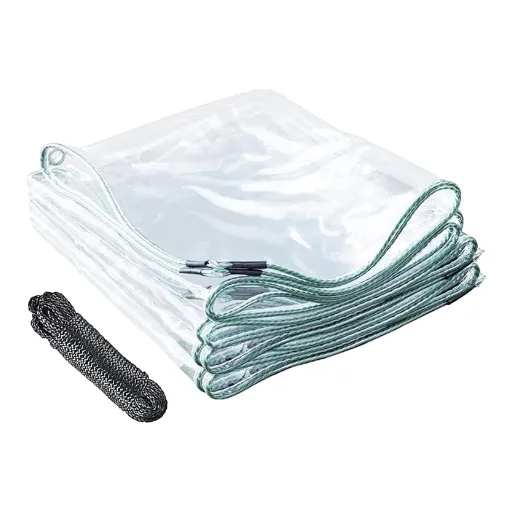
Factors to Consider: Material and Size
Key Considerations for Material Selection
The material choice is essential while choosing the right tarpaulin, as it affects longevity, adaptability, and use for intended applications directly. Heavy-duty PVC vinyl is usually chosen owing to its remarkable resistance to tearing, water, and UV light, which makes it among the best for tough outdoor conditions. On the other hand, polyethene tarpaulins possess light weight and low cost thus quick usage or lighter loads are their fields of application. Canvas tarpaulins are very much breathable and eco-friendly, thus they can be used in applications where both strength and airflow are required, too.
| Material Type | Best For | Key Benefits |
|---|---|---|
| PVC Vinyl | Heavy-duty outdoor use | Tear-resistant, waterproof, UV-resistant |
| Polyethylene | Temporary covers, light loads | Lightweight, cost-effective |
| Canvas | Breathable applications | Eco-friendly, allows airflow |
The tarpaulin’s size is another aspect that can’t be neglected and it should fit the specific site’s size right where it is supposed to be used or just covered. Find out the precise size of the area you want to cover and don’t forget the extra room for overhanging or slack that is necessary for fastenings to be secure. Tarpaulins that are undersized can cause the coverage to be inefficient while the bigger ones may cause wastage or improper storage use. Sizes that can be adjusted, like those offered in modular formats, provide more flexibility for various needs.
Branding the proper material and size with the right fastening technique not only improves the effectiveness of tarpaulins but also elongates their life span. Keep an eye on other characteristics like reinforced grommets, heat-sealed seams, and coatings that contribute to performance. By dividing the material strength, right size, and modern design you can be sure that your investment will give the maximum protection and utility for many years to come.
Thickness and Reinforced Edges
The thickness of a tarpaulin is an essential factor for its durability as well as its use. Measured in mils (thousandths of an inch), heavier-duty tarps usually spread their thickness from six mils for weightless options to twenty mils or more for the industrial ones. Thicker tarps are less than easily broken as they provide more protection against rough handling, piercing, or unfavorable weather. They can withstand such influences gradually, hence are suitable for heavy-duty applications like covering construction equipment, agricultural needs, or long-term outdoor storage. Thinner tarps, however, are the best in cases where portability and easy handling are the main requirements like in temporary covers or camping setups.
💡 Pro Tip: Thickness Guidelines
- 6 mils: Lightweight applications, temporary covers
- 12 mils: Medium-duty residential use
- 20+ mils: Industrial and heavy-duty commercial applications
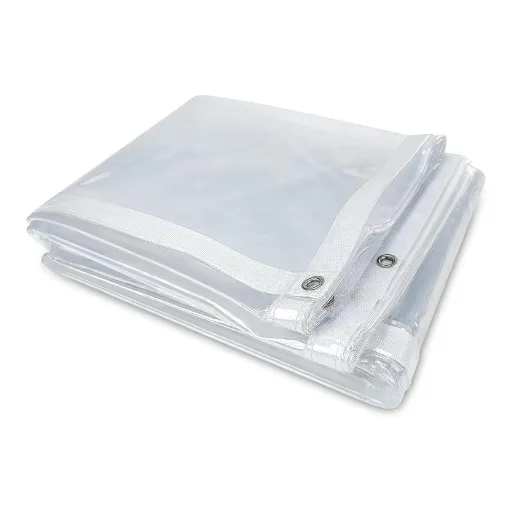
Reinforced edges are not only responsible for the extra strength and durability but also for making the most wear and tear-areas watertight, especially if the wear and tear are due to the tension or prolonged use. Quality tarps have heat-sealed or double-stitched edges and usually have rope or webbing reinforcements to block fraying and prevent the loss of structural integrity. Besides, having reinforced grommets along the edges further enhances usability since these metal or plastic rings act as secure anchor points for tying or fastening. For heavy-duty applications, tarps with reinforced hems and rust-resistant grommets are a must, ensuring long-lasting performance even under extreme conditions.
When selecting tarps for particular applications, one should consider thickness and edge reinforcements together. Thick tarp gives overall sturdiness but reinforced edges so timely that the tarp can stand repeated tension and environmental exposure. This combination is very crucial for applications that require large load-bearing capacity or that are continuously subjected to high winds, rain or UV rays. By choosing a tarp that has the right thickness and reinforced edge design, you can be sure your assets are protected and that you have the most reliable protection possible.
Common Uses and Recommendations
Tarpaulins are very adaptable and can be applied in many different situations, like, for instance, protecting equipment or improving outdoor activities. Heavy-duty tarpaulins are generally used for this purpose in the industry, as they cover machinery, building materials, and vehicles thus preventing them from getting damaged by rain, snow, and other weather conditions. Besides, construction workers often work with tarps as they cover scaffolding and minimize the chances of the litter getting blown away in windy conditions. Farmers, on the other hand, use the tarps to protect their crops, hay, and even livestock from rain, sun, and extreme changes in temperature.
🏗️ Industrial Uses
- Machinery protection
- Building material covers
- Vehicle protection
- Scaffolding covers
🏕️ Recreational Uses
- Camping shelters
- Outdoor event covers
- Ground protection
- RV and boat covers
When it comes to recreational use, tarps are essential for camping, hiking, or even organizing outdoor events. They are the best option for making temporary shelters, shady spots, and even covering up places for picnics. Ground cover made of lightweight tarps is an example of how people use them to stay dry, or they will even use them as improvised rainfly for tents. Moreover, boat owners and RV users make use of the all-weather-resistant tarps to keep protecting their vehicles from sun rays, humidity, and dirt thereby saving them from the aging process.
✓ Selection Recommendations
To obtain the best results, it is essential to select the right tarp for you according to your specific needs. Keep in your mind factors such as the type of material, thickness, size, and environmental element resistance.
- Polyethylene (PE) tarps: Outstanding heavy-duty durability and waterproofing
- Vinyl tarps: Exceptional resistance to wear and tear
- Quality features: Reinforced edges and grommets for secure anchoring during severe conditions
The purchase of high-quality tarps not only extends the service time but also provides more confidence when protecting the valuable assets.
Maintenance and Care for Tarpaulins

Cleaning Techniques for Clear Vinyl Tarps
The preservation of the transparency and longevity of clear vinyl tarps is dependent on the application of suitable cleaning methods and frequent maintenance. To start with, a soft-bristled brush or a gentle flow of water can be used to take away the loose debris like dirt, dust, and leaves. The vinyl surface should not be scratched by using abrasive tools or scrubbing pads since this would lead to reduced transparency. After getting rid of the loose particles, a cleaning solution made of mild dish soap and warm water can be prepared. The solution should be applied using a soft sponge or cloth, and it is important to ensure that the entire tarp is uniformly covered.
Step-by-Step Cleaning Process
- Remove Loose Debris: Use a soft-bristled brush or gentle water flow
- Prepare Cleaning Solution: Mix mild dish soap with warm water
- Apply Solution: Use a soft sponge or cloth to cover the entire tarp uniformly
- Rinse Thoroughly: Remove all soap residue with clean water
- Dry Completely: Lay flat or hang in a shaded, well-ventilated area
When the cleaning solution has been applied rinsing the tarp with clean water to remove any soap residue should be done thoroughly. It is very important that no detergent is left on the surface as this can lead to cloudiness or streaking over time. If there are any stains that are difficult to remove, a commercial vinyl cleaner specially meant for clear tarps can be used following the manufacturer’s directions. It is very important to do a small test of any new cleaning product on an inconspicuous area first to check if it doesn’t ruin or discolor the material.
⚠️ Important Warning
Avoid abrasive tools or scrubbing pads as they can scratch the vinyl surface and reduce transparency. Always test new cleaning products on a small, inconspicuous area first.
After the cleaning process is totally done, dry the tarp fully to thwart the growth of mold or mildew. You can either lay the tarp flat or hang it in a shaded area which has good air circulation and is not exposed to sunlight since the latter can cause discoloration or reduce the tarp’s flexibility over time. Regular cleaning along with the right storage habits, such as rolling instead of folding, will not only prolong the tarp’s life but also help retain its transparency. By following these steps, the tarp will be in great condition and always ready to be used when needed.
Proper Storage for Longevity
To fully benefit from a tarp’s durability, proper storage is indispensable. When no longer needed, first clean the tarp very well to get rid of dirt, debris, and moisture. Make sure the tarp is completely dry before storing it so that mold or mildew will not form. A shaded and well-ventilated place is perfect for drying because, over time, the material can be damaged by direct sunlight.
✓ Storage Best Practices Checklist
- ☑ Clean the tarp thoroughly before storage
- ☑ Ensure the tarp is completely dry
- ☑ Roll loosely instead of folding tightly
- ☑ Store in a cool, dry location
- ☑ Keep away from sharp objects and heavy items
- ☑ Use a tarp storage bag for protection
- ☑ Avoid direct sunlight exposure during storage
While for storage, do not fold tightly as this may lead to creases or weak points in the fabric. Rather, roll the tarp loosely to keep its integrity and minimize the chance of damage. Keeping the tarp in a cool, dry place away from sharp objects or heavy items will also protect it from rips or giving the material undue stress. Moreover, using a tarp storage bag will not only help keep it clean but will also prevent the entry of pests, thus prolonging the quality of the tarp.
Tarp owners can confidently keep the effectiveness and reliability of their product by combining these storage practices with the latest insights on material care, such as the development of UV-resistant coatings or mildew-preventative treatments.
Repairing Damage to Tarpaulin Covers
Through the years, the most reliable tarpaulin covers might also suffer wear and tear eventually, as a result of keeping under unpleasant weather, very much usage, or getting accidental damages. Repairing these damages as soon as they appear is necessary to avoid further deterioration and to make the tarp live longer. Among the common wear and tear are small cuts, holes, and worn-out edges, which can in most cases be treated through simple repair methods. First of all, give a complete examination to the cover and mark all the places that need attention. A mild soap and water mix will clean the damaged area, and thus it will be a dirt-free place for the repair materials to stick well.
| Damage Type | Repair Method | Best Solution |
|---|---|---|
| Small cuts and holes | Tarp repair tape | Apply tape 1 inch beyond damage on all sides |
| Large tears | Sewing repair | Heavy-duty thread with grommet-setting tool |
| Seam damage | Heat-welding | For thermoplastic tarps – fuse material |
| Severe damage | Industrial adhesives | Waterproof bonding solutions |
Using the best tarp repair tape can be both an effective and convenient solution for small cuts and holes. This kind of tape is made expressly to bear the hardships of water, sun, and extreme temperature, which makes it the best choice for an outdoor application. Make sure that the tape is pressed down properly and that it goes over the one-inch area of the damage on all sides at least. In order to make the repair even stronger, the side of the material that is not exposed to others should also get a patch, if possible. Some tarps are provided with repair kits, the contents of which usually include covering adhesive patches for quick fixes.
If the tears are large or if the damage is close to the seams, then perhaps a sewing repair is needed. The use of heavy-duty thread and a grommet-setting tool can make the process of sewing the edges or supporting the weak areas much quicker and easier. There are even state-of-the-art methods like heat-welding that afford inconspicuous repairs for thermoplastic tarps by melting and fusing the material again. Moreover, the glue industry has made great strides by coming up with new waterproof and bonding solutions that are among the strongest industrial adhesives for repairs on severe damages. It is a good thing for the tarp owners to be aware of the latest materials in the industry such as self-repairing textiles or UV-resistant coatings as they will be able to handle the future repairs with more confidence and efficiency.
References
- Trials Evaluating Solarization and Tarping – Discusses tarping methods for agricultural applications, provided by the University of Hawaii.
- Stratospheric Balloon Environmental Monitoring – Highlights the use of transparent tarpaulins in greenhouse-like structures for scientific experiments, hosted by Harvard’s ADS.
- Reusing Plastic Bottles in Energy-Saving Design – Examines the role of tarpaulins in energy-efficient construction, available on Scientific.net.
- Click here to read more.
Frequently Asked Questions (FAQ)
Q: What is a transparent tarpaulin and how is it made?
A: A transparent tarpaulin is a see-through plastic sheet made usually from either clear PVC vinyl or reinforced PVC vinyl tarpaulin that lets you see through while still protecting the area. On top of that, heavy-duty clear tarps that are waterproof vary in thickness from 20 mil which is the most common to others, all of which offer a combination of clarity and resistance to tearing durability.
Q: How durable is a clear tarp with grommets for outdoor use?
A: Extra strong clear tarpaulin with grommets put at each corner and along specified spacing and having reinforced corners is rainproof and tear resistant; it can endure strong winds when properly secured. Tarps can be used for a porch canopy, pavilion, or outdoor tent cover. If you select a 20 mil or better mil thickness, longevity against wear and harmful UV rays will be assured.
Q: Can I use transparent tarpaulin as a patio enclosure or porch curtain?
A: Absolutely! Transparent tarpaulin can be an effective patio enclosure, a porch curtain, or a vinyl patio screen, allowing clear visibility of the window while at the same time protecting the outdoor areas from rain and wind. Transparent PVC Vinyl panels can function as a porch canopy or curtain for a pavilion or gazebo, and tarps can also be used for seasonal patio enclosures.
Q: What fastening options are common for clear tarps and how are grommets spaced?
A: Clear tarps contain brass grommets or reinforced metal grommets which are usually put at the four corners and along the four sides grommets spaced every 12 to 24 inches depending on the size of the tarp. Tarp with grommets and white webbing reinforces stress points so that at no time will you transparent tarpaulin be loose even in strong winds and outdoor camping setups.
Q: Are transparent tarpaulins waterproof and UV resistant?
A: Most clear tarpaulin items are waterproof made of waterproof clear PVC vinyl that do not allow penetration of rain and moisture. Moreover, some heavy-duty clear tarps offer UV inhibitors to limit the damage caused by these rays which are in fact the main reason for such protection issues so they are really suitable for greenhouse plant protection, pavilion covers, and areas that are permanently sunlight exposed.
Q: How thick should a clear plastic tarpaulin be for greenhouse and patio use?
A: For planting and patio protection, an opaque or thicker clear sheet of 20 mil is suggested. Mil options thicker than 20 offer better tearing resistance and insulation, whereas, for protection against drafts or temporary covers, thinner sheets may suffice.
Q: Can transparent tarpaulin be used for camping and temporary shelters?
A: Yes, tarps are perfectly suitable not only to cover tents but provide rainproof shelters, ground covers, and similar uses in outdoor camping. A heavy-duty clear tarp can be installed either as a tent clear window or as a porch canopy extension; just make sure to use reinforced edges and grommets for secure fastening in the field.