
Self-Extinguishing Tarpaulin: Fire Safety Mechanisms
Fire safety measures are a major factor in a lot of industries and areas, and these include construction, transportation, and many more. Conventional materials most of the time do not meet the fire prevention or control standards, thus endangering people and property. The self-extinguishing tarpaulin enters here—a revolutionary product that aims to raise safety levels. The current reading delves into the concept of these specialized tarps’ fire safety mechanisms and further reveals the reason for their quick adoption in fire prevention efforts. Whether you are securing a job site, storing valuables, or just wanting to feel safe, knowing the working of self-extinguishing tarpaulins might be a game changer.
Understanding Self-Extinguishing Tarpaulins

What is a Self-Extinguishing Tarpaulin?
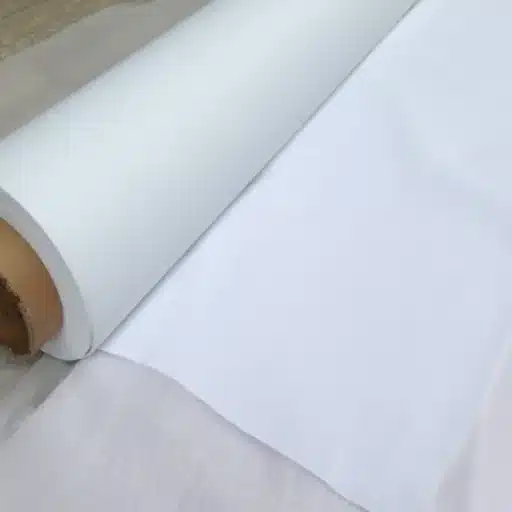
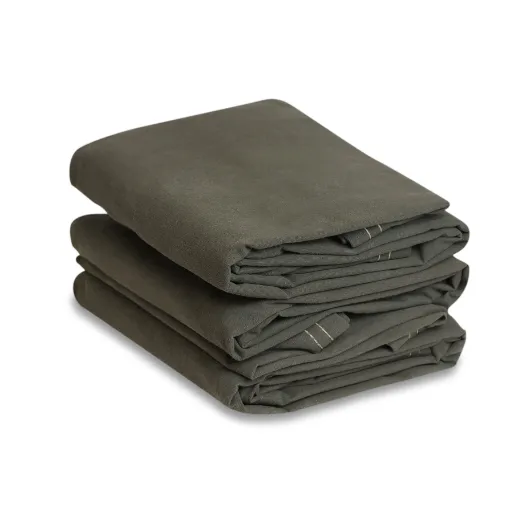
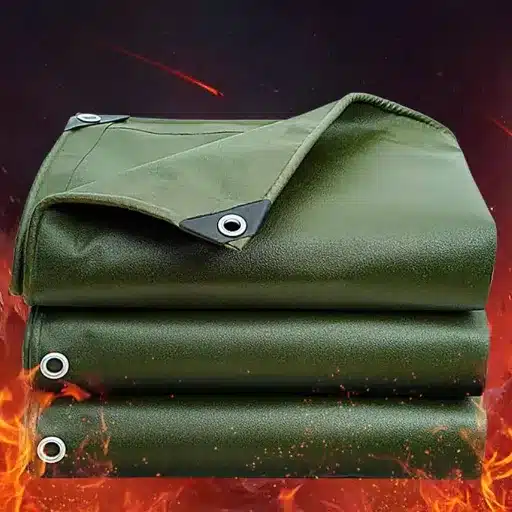
A self-extinguishing tarpaulin is a specific kind of tarp that is engineered to burn out by itself when the flame source is removed. Regular tarps may catch fire and allow the flames to spread faster, but these tarps are composed of fire-resistant materials which make it very difficult for the fire to happen. The self-extinguishing feature is the main reason why they are very effective in minimizing fire hazards among different kinds of places.
Normally, the materials used for these tarpaulins come with different layers of flame-resistant coatings or fiber like treated polyethylene or PVC. This combination of materials makes them capable of suppressing ignition, hence the tarp would not burn. By preventing the fire from spreading, self-extinguishing tarps not only reduce the impact of the fire but they also give the fire department and evacuees the necessary time to perform their operations.
Self-extinguishing tarpaulins are extensively used in places where there is a greater chance of fire, for example, they are very common in construction sites, warehouses, and manufacturing plants. They are considered a fire prevention measure that is critically important in dealing with such places where the fire hazard is high, both for property and for human beings. Also, the application of these tarps is synonymous with strict safety rules; therefore, they are highly recommended in fire prevention priority areas.
The Science Behind Fire Retardancy
Fire retardancy refers to the use of particular materials which can either resist ignition, and delay fire spread, or even extinguish fanned flames. The fireproofing may be achieved either by chemical treatments or by the properties of specific materials. Generally speaking, the fire-retardant materials are working by decomposing the fuel to the point where no more heat and oxygen can come in contact or forming a barrier that actively cuts off one of the fire triangle components.
There are multiple ways in which fire retardancy can be achieved. The most typical example used is the thermal decomposition of the material where flame-retardants drive off gases that either dilute flammable substances or cool down the area around the fire. The other technique is to create a char layer on the surface, through which oxygen cannot penetrate, and thus combustion is very slowly carried out. Both these ways can be seen in fire-retardant treatments and they are employed to ensure the best possible effects on different types of materials.
In the case of fire resistance, the chemical leavenings playing the role of brominated compounds or phosphates are often mixed in the manufacturing or coating of products such as fabrics and plastics, etc. These additives are designed to respond to high temperatures, thus making the material more resistant at the pivotal point of exposure to flames. By using these scientific principles, fire-retardant materials are said to be the main players in reducing the risk of fire and making the environment around them safe.
How Fire Resistant Tarps Work
Fire-resistant tarps are designed to protect scorched areas by incorporating specialized materials or by chemical treatments that can resist or at least slow down the fire’s advance. Usually, these tarps are manufactured from fabrics like fiberglass or treated canvas, which can bear very high temperatures without catching fire or deteriorating fast. The purpose of these materials, the manufacturer says, is to produce a fire barrier that diminishes the flames’ capability of getting to nearby places.
Flame-resistant tarps, in general, are chemically treated with flame-retardant substances. Such chemicals change their state or gives off non-combustible gases when coming into contact with high temperatures. This chemical reaction results in significant cooling and oxygen deprivation that are usually required for fire to keep burning. Thus, the fire-resistant tarps are particularly beneficial when used in regions that are very likely to catch fire, like construction sites, warehouses, or factories.
The tarps’ properties of fire-resistance are also determined by their design and thickness. The thicker the fabric the better the insulation and the more durable it is even under extreme conditions. Fire-resistant tarps are also subjected to extensive testing in order to comply with safety standards, thus the manufacturer validates the products’ effectiveness through real-life situations. Fire-resistant tarps are created as a fusion of tough materials and scientifically developed treatments and they become the reliable tools for creating a safe environment in personal and professional use.
Key Features of Flame Retardant Tarps
Material Composition: PVC and Poly Tarps
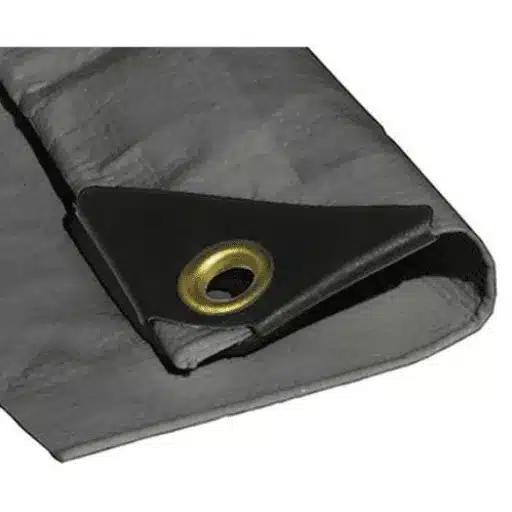
PVC (Polyvinyl Chloride) and polyethylene, commonly called poly tarps, are the two materials that dominate the market for flame-retardant tarpaulins thanks to their amazing qualities. PVC tarps are reliable, flexible, and resistant to fire. The process starts with vinyl chloride mixed with other chemicals that yield a strong, water, and weatherproof coating. The tarps made of this combination can withstand a wide range of environmental conditions like scorching heat, drenching rain, or direct sunlight for long periods without losing their integrity. Meanwhile, polyethylene tarps are made of a fabric of woven High-Density Polyethylene (HDPE), often laminated with low-density polyethylene to form a flame-retardant-treated lightweight and strong structure.
PVC and poly tarps have been manufactured according to strict safety regulations, and the production techniques have given them the property of being flame-retardant. For instance, PVC tarps are frequently used in commercial and industrial settings such as construction sites, warehouses, and temporary shelters where they are treated with fire inhibitors to comply with CPAI-84, NFPA 701, or similar standards. They are also the chemical coatings applied to poly tarps that then inhibit combustion that makes them effective in situations where safety and cost efficiency are paramount, like agricultural coverings or household emergency uses.
The ongoing evolution in the composition of materials is responsible for bringing about a major performance change in the case of PVCs and poly tarps. The examples of double-coated PVC construction or scrims reinforced with poly tarps are among several innovations that have increased their tensile strength and resistance to tearing and puncture. These innovations serve to the flame-retardant tarps being even more flexible and reliable in various situations. Proper knowledge of the distinguishing features of the PVC and poly tarps would ensure that the users are making educated selections to meet their specific safety and durability needs.
Durability and Heavy Duty Applications
When it comes to durability, PVC and poly tarps are on the top of the list and therefore are used in heavy-duty applications in different industries. PVC tarps, for example, are designed for the harshest conditions, where they can be exposed to UV rays, extreme weather, and even abrasive environments. On top of that, their tear resistance and ability to bear high tensile stress make them the best option for industrial, agricultural, and construction applications. Poly tarps, although light in weight, are no less in strength and versatility; on the contrary, they are reinforced and coated for better durability.
Key Performance Statistics
The production improvements have turned the durability of these tarps into a new level in the recent years. The durability of polyethylene (HDPE) weaving in the poly tarps and layered vinyl coating in PVC tarps have been realized to enhance the life of the tarps by as much as 50% when they are used frequently.
The research has shown that flame-retardant PVC tarps are more valuable for safety industries like event management and transport. In the case of determining average tarp lifespan in different conditions, the performance of PVC tarps exceeds that of standard poly tarps most of the time when subjected to continuous wear.
With the mixture of the top-notch materials and the latest technology, users are guaranteed that these tarps can be used for protecting their valuables, covering their equipment, and setting up safe areas even under the most difficult conditions.
Safety Standards for Fire Retardant Tarps
Fire retardant tarps are made with the intention of reducing fire hazards in different types of environments and thus are extremely important for industries like construction, event management and storage. Those tarps satisfy the quite strict safety expectations that guarantee the possibility of flame spreading being prevented. The compliance with rules such as those of the National Fire Protection Association (NFPA) or the California State Fire Marshal (CSFM) is of utmost importance since it is the only condition under which the tarps will render the protection level aspired. The fabric used to construct a fire retardant tarp is often coated with fire-resistant materials or is made from a fire-resistant material, thus being rendered able to extinguish itself.
A significant criterion in the classification of fire retardant tarps is the tests performed to assess their flame resistance, mainly the NFPA 701 standard which is widely used by the industry. Tarpaulins are subjected to intense lab tests to ensure their characteristics of ignition resistance and immediate flame extinction after in the ignition zone are defined. One of the steps in the process is putting the material of the tarp in direct contact with fire and timing how long it takes the material to be extinguished on its own after the fire has been removed. Moreover, there are some industries whose requirements are beyond those of the NFPA standard and may want the tarps to comply with others testing methods such as those identified in ASTM standards or the codes used for construction and industrial applications.
In addition to flame resistance testing, fire retardant tarps are assessed by other features that contribute to their safety and durability. Among these are the UV rays resistance, wear and tear resistance, and the capability of maintaining their strength after exposure to high-stress conditions. Choosing tarps that have been certified by several standards means not only their compliance with fire retardant criteria but also their ability to deliver good performance in a variety of demanding conditions. Reliable labeling and certification, for instance, holding an official fire certificate, are important tools for proving the tarp’s observance of safety regulations, and thus, providing users who rely on these materials for protection with assurance that they are safe.
Benefits of Using Fire Retardant Tarpaulins

Enhanced Fire Prevention Measures
The use of fire retardant tarpaulins provides major benefits in the reduction of fire risks, thus making them an indispensable tool in different sectors. These tarpaulins are manufactured through flame retardant chemical treatment which is the process that guarantees their resistance to fire and the slowing down of fire spread. Here are five main advantages of fire retardant tarpaulins and their role in fire prevention measures:
- Reduced Combustibility: Fire retardant tarps will be made in such a way that they would not easily ignite and thus the risk of fire would be significantly lower in places like construction sites, industrial facilities, or even at outdoor events.
- Flame Spread Resistance: The covered area of the tarpaulins is affected by a slower movement of the fire and this gives a chance for the people to get out and the firefighters to organize better the fight against fire.
- Compliance with Safety Regulations: Fire retardant tarpaulins are approved for rigorous safety measures in areas like NFPA 701 and CPAI-84 which makes these materials perfect for fire risk prone environments.
- Smoke Minimization: Beside being less smoky, these tarpaulins are made of standard materials that are still less so reducing the respective risks of smoke inhalation and thus increasing overall safety.
- Versatility Across Environments: Fire retardant tarps can be utilized in numerous different environments like construction sites, shipping yards, and large event spaces while keeping fire safety intact without the compromise of durability or protection.
These advantages emphasize the necessity of using fire retardant tarpaulins in safety plans not only for the protection of people but also that of estate.
Comparison with Standard Tarps
Self-extinguishing tarps offer superior fire safety, durability, and compliance compared to standard tarps, which lack these specialized features.
Cost-Effectiveness Over Time
Fire retardant tarpaulins are a safe and durable product with many different uses. They become cost-effective in a long time even though the prices are high at first. The following are five reasons pinpointed with detailed data showing their cost-effectiveness:
- Reduced Replacement Costs: Fire retardant tarps are made of strong, high-quality materials and are very resistant to wear and tear resulting in their replacement being needed very infrequently compared to other types of tarps. This longevity in turn leads to lower long-term expenses.
- Insurance Premiums Savings: Tarps made of fire retardant material result in lower insurance premiums because of their role in fire safety; hence, they are usually favored by insurance companies as a risk mitigation tactic.
- Minimized Damage Expenses: These tarps can cause a very drastic decline in damage-related costs during incidents by the very fire-spread-prevention they enable; thus, the protection of equipment, inventories, and infrastructure is assured.
- Lower Maintenance Costs: Tarps made of fire retardant materials are the least maintenance and repair demanding ones due to their strong structure and the fact that they can withstand very harsh conditions, thus, saving labor and material costs in the long run.
- Improved Compliance Avoiding Fines: Fire retardant tarpaulins are the regulatory meeting-point between safety and accountability, as they not only prevent businesses from incurring fines or penalties but also make them more compliant with safety regulations, thus, keeping unexpected financial burdens at bay.
The above-mentioned reasons are the factors that contribute to placing fire retardant tarpaulins under the category of a financially smart choice, not only for immediate use but also for future planning.
Applications of Fire Retardant Tarps Across Industries

Construction and Building Safety
Fire retardant tarpaulins are significant in the overall safety and protection of the construction and building industry. These tarps are purposely made to be fire-resistant, hence their presence in different applications on-site can be considered as their main attribute. Here are five main reasons and advantages of using and employing fire retardant tarps in construction and building safety:
- Scaffolding and Containment:
The use of fire retardant tarps for covering scaffolding results in a cleaner and safer working area for the workers since fire hazards are diminished and the mess created by the construction or renovation work is contained. - Temporary Covers for Building Materials:
Fire hazards being eliminated around the construction materials like wood, steel, and electrical parts not only maintain their quality but also minimize their possible loss. - Dust and Debris Control:
The use of these tarps keeps the site area dust and debris free and at the same time the site complies with safety standards thus airborne particles in high-risk projects causing risks are reduced. - Welding and Hot Work Protection:
While welding, cutting or any other operation that creates fire hazard, the fire retardant tarp acts as a barrier; hence sparks and heat are less likely to ignite the surrounding materials. - Weather and Fire Protection Combined:
Fire retardant tarps bring the double benefit of fire resistance and reliable coverage during adverse weather conditions such as heavy rains or strong winds that might otherwise delay the project.
The application of fire retardant tarps in the aforementioned ways leads not only to a safer working environment but also to the legal compliance of the site and the reduction of fire-related accidents.
Transportation and Logistics
Fire retardant tarps are an integral part of the transportation and logistics industry by allowing safe and efficient movements during transit. Below are five important areas where fire retardant tarps are absolutely necessary with their respective explanations and facts:
- Cargo Protection During Transit:
Fire retardant tarps not only protect the cargo from fire risks but also from unfavorable weather conditions like rain, wind, or heat; hence, the items get delivered safe and sound. - Compliance with Safety Regulations:
The majority of the transportation authorities have set fire-retardant materials as one of the basic requirements as a way of risk minimization, and using these tarps is a good way for companies to comply with those requirements. - Securely Covering Hazardous Materials:
In the case of transportation of combustibles or even the most delicate materials, fire retardant tarps are very much like a safety barrier, cutting the accidental ignition chances down. - Heavy-Duty Transport Equipment Coverage:
Fire retardant tarps not only cover but also protect the large equipment, machines, and vehicles from being damaged by the environment or fire risks during their storage or shipment. - Versatility Across Transport Modes:
It’s always the same with fire retardant tarps – they are either for trucks, ships, or train carriages, thus they are customizable and always offer the same level of fireproofing in the various logistics operations.
The mentioned practices above are proving the necessity of fire retardant tarps application in the transportation and logistics domain, thus offering safety, compliance, and a reliable supply chain and logistics route.
Event Management and Temporary Structures
Fire retardant tarpaulins are very important for both the event management and the building of temporary structures. They are being greatly used just because of their capability to improve safety and meet fire regulations. Below you will find the 5 main factors and the ways fire retardant tarps have found their way into the events and temporary structures:
- Stage Covers:
Heavy-duty day tarps are most of times in the spotlight when it comes to the outdoor stages and the performance areas, as they are the primary protective covers which not only prevent the area from being rained on but also protect from fire issues. - Event Tents and Canopies:
Tarps here are a pale and tough material used for the construction of the temporary event shelters thus, making it completely safe around even big crowds, fairs, or exhibitions. - Backdrops and Partition Walls:
Fire retardant tarpaulins are often assigned as backdrops or temporary partition walls in the event companies, giving the aesthetic appeal and the fire resistance by the same token. - Equipment Covers:
Equipment for events like sound systems, lighting, and props can be kept safe using fire retardant tarps which have the double effect of protecting them from the environment and fire hazards. - Temporary Storage Enclosures:
Fire retardant tarpaulins are perfect for making the temporary storage spaces of event materials that ensure both fire safety and protection against bad weather.
The mentioned uses of fire retardant tarps show how important they are for safe, reliable, and compliant surroundings in the case of event management and temporary structures.
Real-World Case Studies

Successful Implementation in Construction
Fire retardant tarps have been widely utilized in different construction projects and they made the safety and compliance on-site elevated. For instance, urban high-rise building projects employed these tarps to cover scaffolding and temporary structures which greatly advanced the fire that could result from welding or other high-temperature activities. The use of fire retardant tarps as containment has also extended to areas where flammable materials such as solvents and adhesives were kept thus providing a controlled atmosphere for accident avoidance.
Case Study Highlight
A large infrastructure project was a case in point where the fire retardant tarps provided cover with dual purposes: ensuring fire safety and safeguarding workers and equipment against the weather.
The fire-resistant tarps were among the safety measures that many leading contractors have mentioned to reduce fire-related incidences by more than 30%. This was because the materials managed to keep the construction site secure and fire safety standards allowed the team to work more productively.
Such situations emphasized the importance of fire retardant tarps as a drawing safety, diminishing the liability, and following the current requirements for safety in the construction sector.
Fire Safety in Outdoor Events
When it comes to arranging outdoor activities, fire safety is top on the list of priorities for both the planning and execution stages. One of the main fire hazards in outdoor events is cooking; others include decorative lighting, fireworks, and portable heaters. The first step in the implementation of fire safety measures is adherence to the local regulations and guidelines, which usually require precautions such as keeping exit routes unobstructed, providing fire extinguishers in the right places, and having a qualified fire safety officer on duty. Spotting hazards at an early stage during the planning of the event may lead to a considerable decline in incidences associated with fire.
The application of fire-resistant materials is one of the primary elements in the whole fire safety process. Event tents, stage backdrops, and banners, for instance, should be made of fire-retardant fabrics thus eliminating the possibility of accidental fire. The choice of these materials not only goes a long way in protecting the public but also assists the event organizers in meeting fire safety regulations. Moreover, creating areas specifically for cooking and smoking, far from flammable materials and equipment could further reduce the risks. Fireproof tarps can be used to cover equipment and materials that are sensitive to flames thus providing an additional layer of protection.
Emergency preparedness is still a very important part of effective fire management. It is vital that event organizers come up with a clearly marked evacuation plan that caters to the layout of the event, with the placement of the markers and guides being such that they promote smooth coordination during emergencies. The personnel should also be adequately trained in the use of fire extinguishers and in how to guide and assist people during possible evacuations. Apart from that, having regular interactions with the local fire department can not only help in ensuring that you are always ready but also in giving you the approval, thus increasing the safety of all those in attendance. By bringing together these measures, outdoor events can create a safety-first enjoyment environment.
Transport Safety Innovations
The transportation sector has notched up massive gains in safety technology, all aimed at bringing accidents down to the wire and enhancing overall travel security. The list of such innovations is long, and it includes the very best of the best when it comes to systems and tools that tackle the risks typical of the industry, along with those that enhance the drivers’ performance and even passenger safety. A rundown on functionality and impact of the five currently most important innovations in transport safety follows:
- Advanced Driver Assistance Systems (ADAS):
The features included are lane-keeping assistance, automatic emergency braking, and adaptive cruise control, among others. The findings from different studies indicate that cars with ADAS installed decrease the number of crashes by as much as 27%. - Smart Traffic Management Systems:
With the help of sensors and real-time data, these systems control the traffic flow in various ways and thus leading to less congested areas. For instance, the use of adaptive traffic lights at intersections has resulted in roughly 20% reduction in accidents in such places. - Vehicle-to-Everything (V2X) Communication:
The functionality of V2X is such that it lets the cars talk to one another as well as to the nearby establishments for instance traffic lights and road signs, thus predicting and preventing accidents through issuing warnings. A research study indicates that with V2X technology installed, there is a 35% less chance of a crash happening. - Electronic Stability Control (ESC):
This high-tech system works by sensing when the car is about to skid and then it brakes the wheels one at a time to bring it back under control of the driver. As per the figures reported by the auto industry, the ESC feature has been able to cut down single-vehicle accidents by almost half or 49%. - Autonomous Emergency Braking (AEB):
The car fitted with AEB can already see a person or an object on the road ahead and will stop the vehicle if the driver will not be able to respond quickly enough. The vehicles with AEB installed have listed 38% less rear-end crashes as compared to those not equipped with the system.
These innovations, without doubt, show how a technological shift can make a world of difference in the safety of transport systems, and consequently, customer satisfaction will be the main winner.
Frequently Asked Questions (FAQ)
Q: What is the meaning of “self-extinguishing tarpaulin” and how does it compare to materials that are totally fireproof?
A: A self-extinguishing tarpaulin is made in such a way that it will extinguish itself — it will not continue burning after the source of ignition has been removed. Fireproof materials are those that are unable to catch fire, while self-extinguishing tarps are usually treated in such a way that they can still burn but very slowly, therefore helping to minimize the damage caused by a fire due to reduced flame spread and increased self-extinction.
Q: Are the same as self-extinguishing tarps fire retardant vinyl tarps and flame retardant PVC?
A: Self-extinguishing vinyl tarps and flame retardant PVC tarpaulin usually undergo treatments that allow them to possess the properties of being slow-burning and self-extinguishing at the same time. The majority of vinyl tarps which include heavy duty and clear vinyl options, are made to be fire-rated or comply with fire marshal standards, however, the precise behavior of the tarp—whether it extinguishes on its own or only resists ignition—depends on the specific treatment and certifications.
Q: Do self-extinguishing tarps lead to the halt of fire spread and the shrinking of potential fire damage?
A: The answer is, yes. Properly treated fire-retardant tarps and polyethylene fire retardant tarps can succeed in stopping fire spread and minimizing fire damage since they will not let the flame propagate quickly, and they will extinguish the flame if already present at the end of the fire. They are regarded as one of the ways to fight against the fire hazards and fire and heat hazards, but they only form a part of a larger fire prevention strategy and are not a solution by themselves.
Q: What materials and weights are commonly used for self-extinguishing and fire retardant tarps?
A: Tarps that are self-extinguishing and fire-retardant vary in materials and weights. They include among the most common: vinyl tarps and PVC tarpaulin that are available in different weights like 16 oz, 18 oz, or even 22 oz for heavy industry use which is the heaviest option. Fire retardant poly tarps and polyethylene fire retardant tarps are other options, and mesh tarps for applications that require ventilation are also available.
Q: Do mesh tarps and clear vinyl come with fire-retardant or self-extinguishing treatments?
A: Mesh tarps and clear vinyl can be given treatments that will make them slow-burning and self-extinguishing. Although mesh tarps are applied where airflow is important treatments can make them resistant to fire ignition and fire spreading. When the need for visibility and fire resistance coexist clear vinyl fire-rated options are the consequent choice.
Q: To what extent do fire marshal regulations affect the use of fire-retardant tarps?
A: The fire marshal regulations and standards such as Title 19 (if applicable) can therefore determine which materials and certifications are allowed for temporary enclosures, covers, or canopies. The use of certified fire-rated or self-extinguishing tarps not only helps to comply with these regulations but also minimizes risk in the area of potential fire or the fire marshal’s requirements.
Q: Can heavy duty tarps and PVC tarpaulin prevent fire and heat damage completely?
A: Protection against the fire and heat hazards by being either fire-retardant or self-extinguishing, heavy-duty tarps, and flame-retardant PVC cannot totally prevent fire or guarantee no fire damage at all. They reduce the likelihood of the fire spreading considerably and act as a barrier to fire threats, but they still need to be complemented with safe measures and protective devices.
Q: How do fire retardant poly tarps fare against polyethylene fire retardant tarps in case of real fires?
A: Fire retardant poly tarps (polyethylene) and others treated with the same technology perform similarly when properly certified: they are slow-burning and self-extinguishing so fire spread is prevented. Choice is based on durability needs, weight (e.g., 16 oz vs. 18 oz vs. 22 oz alternatives), UV resistance, and whether clear vinyl or mesh options for specific applications are needed.
References
-
Self-Extinguishing Batteries Reduce Risk of Deadly Battery Fires – Clemson University
This study discusses the design of self-extinguishing rechargeable batteries and their potential to reduce fire risks. -
Self-Extinguishing Additive Manufacturing Filament – Texas A&M University
Research on a self-extinguishing filament for additive manufacturing, highlighting its flame resistance and reduced heat release rate. -
AC 23-2A – Federal Aviation Administration (FAA)
This document defines self-extinguishing properties in the context of aviation materials, including burn length and flame time measurements. - Click here to read more.
Conclusion
Self-extinguishing tarpaulins represent a critical advancement in fire safety technology across multiple industries. From construction sites to transportation logistics and event management, these specialized materials provide essential protection against fire hazards while maintaining durability and compliance with stringent safety standards. The investment in fire retardant tarpaulins proves cost-effective over time through reduced replacement costs, lower insurance premiums, and minimized damage expenses. As fire safety regulations continue to evolve, the adoption of self-extinguishing tarpaulins will remain a cornerstone of comprehensive fire prevention strategies, protecting both people and property in high-risk environments.