
Color Fastness: Fade Resistance & Color Stability Testing in Tarpaulins
When it comes to weather resistant canvas, color fastness becomes a very important factor in performance preservation. This comprehensive guide explores innovative testing methods and critical considerations for choosing tarpaulins that deliver long-lasting effects.
Understanding Color Fastness in Tarpaulins
Definition of Color Fastness
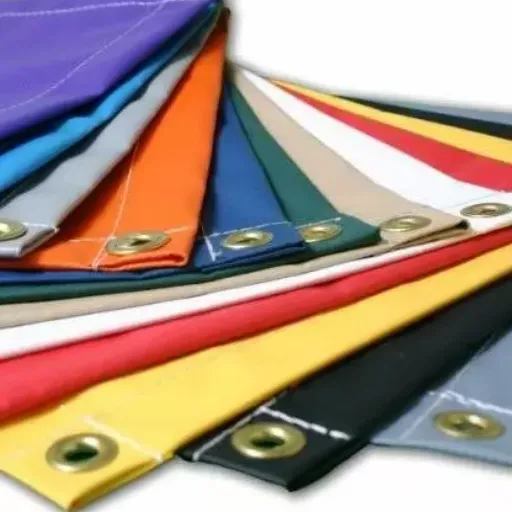
The concept of color fastness pertains to the endurance, against fading or bleeding, of a specific material when it is exposed to sunlight, water and other chemicals. This particular feature becomes of substantive relevance when durability and appearance of a finished product such as colored fabrics, especially tarpaulins, are extensively exposed to the environment.
Color fastness, numbered as how resistant a material is to color change, has standardized tests that help gauge the approximation of real-time use. These tests are crucial as they allow production of goods in light of future use expectations and standards required by customers.
Color fastness is a basic requirement especially with respect to tarpaulins since these tend to be used in environments that are more demanding than other textiles. For example, tarpaulins used to cover agricultural machinery, building equipment, or vehicles are always exposed to the sun, moisture from rain, and different pH conditions. Thus, assessing and providing very good color fastness enables manufacturers to assure that tarpaulins shall operate and look the same even after extended usage.
Importance of High Color Fastness in Tarp Applications
The proper development of color fastness ensures that tarpaulins deliver their anticipated protective capabilities and appearance even in adverse conditions. If tarps lose their colors, there is a high risk that the material will be compromised due to sunlight, which alters and reduces the useful life of tarps. The effects of radiation discoloration are amplified with the presence of water and temperature changes, making the need for color fastness even more important.
Key Benefits of High Color Fastness
- Functionality Preservation: Maintains protective capabilities over extended periods
- Safety Compliance: Ensures visibility for identification, signaling, and branding purposes
- Cost Effectiveness: Reduces replacement frequency and maintenance costs
- Visual Appeal: Preserves aesthetic appearance in competitive environments
In order to improve the strength of color fastness, industries use various modern methods of dyeing and protect the surface with UV films. Compared to other materials, polyester and polyethylene are available for processes that use these types of color restoration stabilizers. These improved features make tarps ready for usage without replacement very often, thus becoming a cost-effective option. Enhanced color fastness leads to better performance, visual appearance, and longevity of the product.
Factors Affecting Color Fastness in Fabrics
Fiber Type
Different fibers such as cotton, wool, polyester, and nylon engage dyes in ways that affect color retention. Synthetic fibers typically have a tightly packed molecular structure that holds dye better and enhances color fastness.
Dye Selection
The type of dye used in dyeing processes fills an important gap. Reactive dyes for cellulosic fibers offer strong bonds and good color retention, while acid dyes for protein fibers may be less stable under UV light or high pH conditions.
Dyeing Process
Mechanical variables such as pH, temperature, and duration influence the extent of dye binding to fibers, directly impacting color retention in fabrics.
Environmental Exposure
Sunlight, moisture, and abrasives accelerate material discoloration. UV radiation causes dye breakdown, while repeated washing leads to dye loss from fibers.
However, using modern enhancements such as application of UV-blocking chemicals or waterproof coatings protects and increases the lifespan of fabrics and preserves their color fastness.
Materials Used in High Color Fastness Tarpaulins

PVC vs. Polyester in Tarpaulin Manufacturing
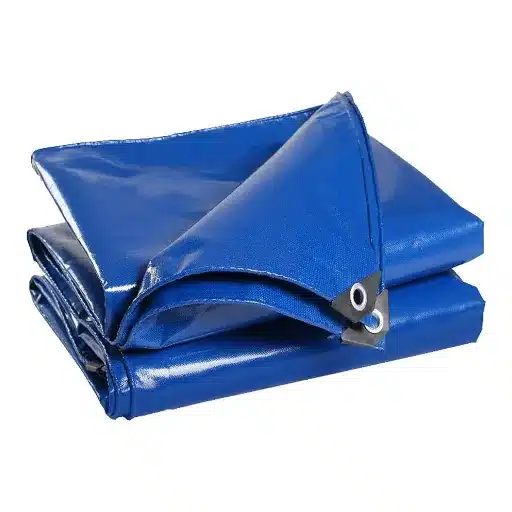
PVC tarpaulins are more durable, tear-resistant, and weatherproof, while polyester tarpaulins are lighter, cost-effective, and less durable. Understanding the differences is crucial for selecting the right material for your specific application.
The Role of PVC Coating in Color Stability
Tarpaulins undergo PVC coating because it enhances the stability of colors applied on the fabric. It provides a protective surface on the textile that withstands a wide range of environmental and physical damages. This section highlights the mechanisms of high color fastness conferred by PVC coating.
Prevention of UV-Induced Fading
PVC coatings provide ultraviolet protection with UV-absorbing additives that protect the polymer from harmful UV rays, preventing dye molecule bond breakdown.
Hydrophobicity
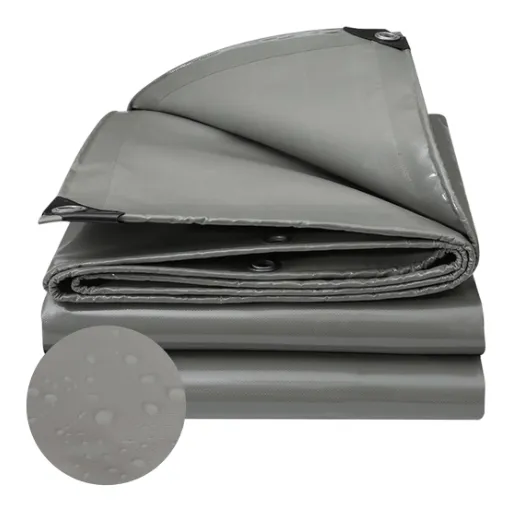
The PVC-coated surface is water-repellent, keeping water exposure at the lowest level possible and preventing dye loss from fiber saturation.
Resistant to Rubbing
PVC increases surface durability and decreases wear and tear exposure. It guards inner fabrics from friction damage, keeping colors intact.
Chemical Resistance
PVC protects against chemical attack from acidic rain, detergents, and oxidants that typically destroy dyes and fabric within short periods.
Thermal Stability
PVC coatings provide thermal support ensuring dyes stay in place even at extreme temperature conditions, preventing dye-fixative breakdown.
From such properties of PVC coating, the operational aspects of making high color fastness tarpaulins become irreplaceable, particularly in applications where extra rigidity and longer exposure to aggressive atmospheres are anticipated.
Comparing Fabric Types for Fade Resistance
Synthetic fabrics like polyester and acrylic are more fade-resistant than natural fibers like cotton, with UV treatments enhancing durability significantly.
Testing Methods for Color Fastness
Colorfastness to Light: Techniques and Standards
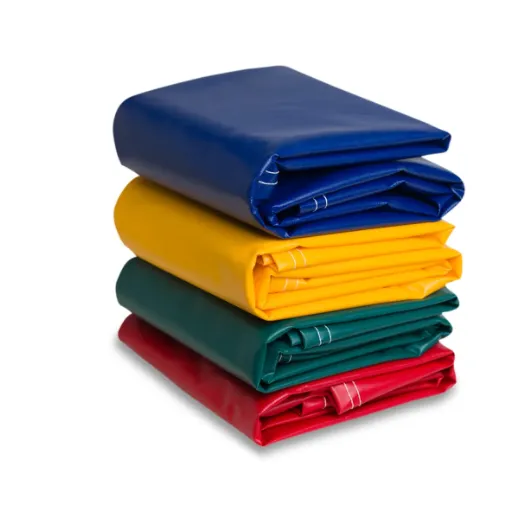
Color fastness or resistance to light is a key factor in determining how robust and long-lasting colored textiles or printed textiles will be when exposed to light for prolonged periods. Measurement involves the use of appropriate testing methods—ISO 105-B02 (Textiles — Tests for Colour Fastness — Part B02) or AATCC Test Method 16, both establishing uniform procedures for material evaluation under either simulated or actual light exposure.
Testing Procedure Overview
Step 1
Sample fabrics exposed to defined light sources
Step 2
Xenon arc lamps closely mimic sunlight
Step 3
Fading tendencies observed at intervals
Step 4
Results rated on Blue Wool Scale
In order to improve quality and reliability, modern equipment has sensors to check the evenness of light as well as levels of different environmental conditions such as temperature and humidity. Such information helps researchers and manufacturers generate realistic conditions in which products are likely to be used, thus providing a more complete performance assessment.
Through international standardization practices and the use of effective techniques, industries are able to manufacture more consistent products and allow durability and aesthetic longevity expectations of consumers to be achieved to a greater extent.
Evaluating Fade Resistance in Different Environments
The assessment of fade resistance is always comprehensive because of differences in climate among different geographical areas. Elements such as the extent of proximity to sunlight, ambient temperature increase, moisture content, and the level of different gases in the atmosphere speed up the deterioration process of materials over time.
Tropical/Desert Regions
Higher UV index accelerates fading through increased sun exposure. Materials experience rapid photodegradation in these environments.
High Moisture Areas
Conditions with higher moisture or rainfall cause chemical transformation of surface finish materials and fabrics, potentially compromising color stability.
Coastal Regions
Monochloride presence speeds up corrosion processes. Salt exposure combined with UV radiation creates unique degradation challenges.
Urban Environments
High solid substance concentration in the air contributes to accelerated material degradation and color fading over time.
The adoption of sophisticated weather chambers with acceleration capabilities has become common practice for comprehensive evaluation of color fastness issues. These chambers manifest diverse climatic factors from high degrees of UV radiation to varying temperatures and fixed humidity levels. Modern equipment includes sensors and data acquisition systems for real-time monitoring of stress effects through materials.
Industry Certifications for Color Fastness Testing
Supply chain audits must be conducted according to relevant industry standards to verify fabric quality performance under extreme conditions. Several internationally recognized certifications ensure product reliability and consumer safety.
ISO 105 Standards
- ISO 105-B02: Resistance to color fading from light
- ISO 105-C06: Withstanding domestic/industrial washing
- Provides specific guidelines for testing color fastness
AATCC Standards
- AATCC TM16: Color fastness to light
- AATCC TM61: Color fastness to washing
- Applicable throughout the world for manufacturers
OEKO-TEX® Standard 100
- International textile certification
- Requires color fastness assessments
- No harmful substances criteria compliance
Complying with these certificates allows manufacturers to back their claims of product strengths and efficiency, establishing credibility in fierce competition. Standard practices also serve as prerequisites for international business and market promotion.
Impact of Environmental Conditions on Tarpaulins
Effects of UV Exposure on Color Retention
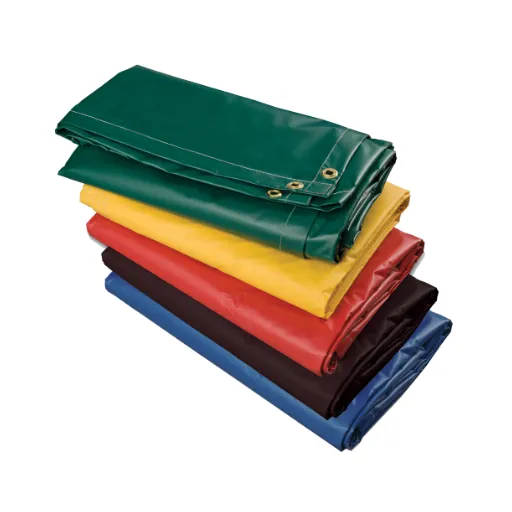
Sunlight contains significant ultraviolet emissions that affect the productivity and health of tarpaulin materials. One of the characteristics most affected by ultraviolet radiation is the ability of tarpaulins to maintain color fastness. Excessive radiation causes color alteration through fading and component extrusion. These processes are examined in detail below:
UV-Induced Degradation Mechanisms
- Change in Tints and Colors: Ultra violet rays cause oxidative browning of pigments in tarpaulin. Colors begin to fade inconsistently in patches due to wear without retouching or covering affected areas.
- Discoloration of Materials: UV light enhances photodegradation and photo-oxidation in tarpaulin polymers. This harms the material’s structure and hinders effective pigment incorporation.
- Formation of Chalking: Constant sunlight exposure causes surface chalking. UV light degrades the outer layer, forming powder and impairing color fastness.
- Thermal Effects: UV radiation increases surface temperature. Immense heat speeds up chemical reactions that decompose dyes and coatings, cracking colors and accelerating fading.
- Decay of Protective Barrier: UV protection coatings have limited durability during bright daylight activities. Once the protective barrier is removed, colors become instantly susceptible to accelerated yellowing.
These effects demonstrate the importance of selecting materials with sufficient UV stability and appropriate coatings to ensure the best quality and maintenance of appearance in outdoor conditions.
Weather Resistance and Its Relation to Color Fastness
The relationship between weather resistance and color fastness is a key factor in estimating structure endurance and outdoor appearance. Weather resistance encompasses multiple parameters including resistance against sunlight, moisture, temperature cycles, and chemicals or contaminants that affect color fastness in various ways.
Adverse Effect of Ultraviolet Rays
One of the main causes of outdoor color deterioration. Materials in direct sunlight can lose up to 40% of their color in the first year if not properly protected.
Solution: UV-blocking additives in coatings or substrate
Influence of Water Content and Moisture
High moisture levels speed up chemical activities in pigments and binders. Fabrics in tropical conditions (80%-90% humidity) fade colors 25% more than those in dry regions.
Impact: Chemical transformation of surface finish materials
Temperature Changes
Extreme temperatures soften or destroy protective coatings, exposing pigments to harsh conditions. Materials experiencing 40-degree temperature swings show 15% or more degradation.
Effect: Softening, cracking, thermal expansion damage
Pollutants and Acid Rain
Dilute atmospheric sulfur dioxide combined with industrial products affects pigments and paint films chemically, causing color alteration. Degradation rates are higher in susceptible materials like nylon or polyester.
Risk: Increased decomposition in polluted air zones
Abrasion and Deformation
Surface protection may be lost through mechanical ablation. Abrasion tests demonstrate 30% coating degradation after 200 cycles of rubbing simulation.
Cause: Sand-carrying air with abrasive particles
This consideration provides connection between weatherability and color fastness which stresses the need for development of materials that will be impervious to the elements as well as wear and tear over time.
Durability of Tarpaulins in Varied Conditions
Tarps, widely utilized in industrial and commercial purposes, undergo various extremities that influence their strength. Such environmental extremities include UV radiation, water penetration, temperature changes, and mechanical forces like tension and abrasion.
Key Durability Statistics
15-20%
Strength loss after 500 hours of continuous strong winds
25%
Enhanced defense against UV rays with nanoparticle coatings
30-50%
Better performance with UV protective tarpaulins vs. untreated
UV exposure according to studies contributes to polyethylene and PVC tarpaulins breaking down their polymer structure, making them more brittle and less strength-bearing in due course. Nevertheless, humidity levels, rainfall, and temperature fluctuations increase the possibility of material swelling or micro-scale tearing, especially when waterproofing properties are poorly laminated.
Moreover, mechanical damages such as wind loads and stresses due to permanent extensions contribute to existing wear mechanisms. Complications from soil or mud crust can accelerate surface damage, increasing thrixotropy and damping, which increase chances of water penetration, therefore damaging the material.
To extend tarpaulin life, various chemical formulations, aging inhibitors, and protective film coatings are under investigation. Manufacturers incorporate these modern technologies to create tarpaulins that will not lose color fastness and service life as environmental conditions or physical forces increase.
Selecting the Right Tarpaulin for Your Needs
Identifying High-Quality Fade-Resistant Tarps
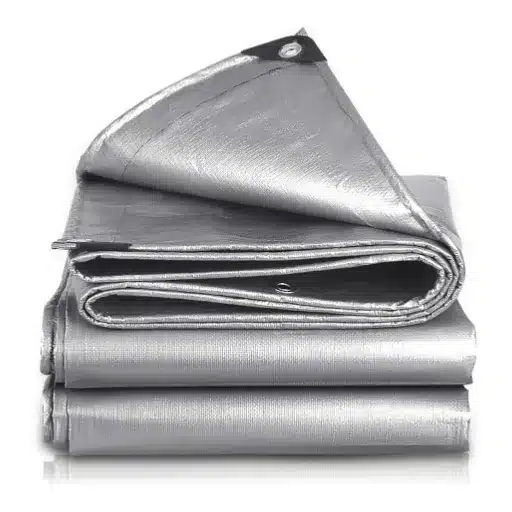
When choosing fade-resistant tarpaulins, especially high-end ones, it is important to consider several technical properties that guarantee their usefulness and strength. Below are the critical factors to evaluate:
Essential Quality Indicators
- UV Protective Elements: Look for tarpaulins containing ultraviolet protective substances. These prevent and reduce UV light effects, protecting both color and structure for longer periods.
- Thickness and Weave Size: Excellent color fastness tarps usually contain thick fibers that are tightly woven, resisting friction and impact action effectively.
- Advanced Coating Layers: Coating layers loaded with nanoscale particles, silicones, or nanotubes provide color fastness and promote resistance to heat and moisture.
- Color Fastness Ratings: Check product descriptions for color fastness evaluation as per ISO 105-B02 to sunlight. Tarps with high ratings hold color better in different environmental states.
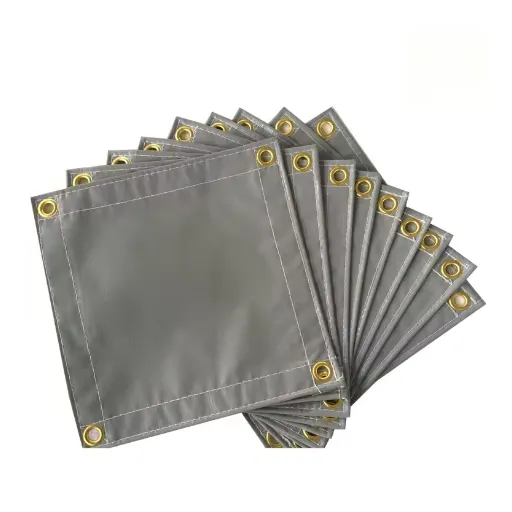
- Reinforced Construction: Rust-resistant eyelets and reinforced edges indicate quality equipment that can sustain tension loads in varying climatic conditions.
Combining all these specific considerations ensures purchase of the best fade-proof tarpaulins that will withstand harsh outdoor environments without necessitating costly replacements after only a short while.
Practical Tips for Consumers and Businesses
For Consumers
- Note down specifications including UV and waterproof materials
- Seek waterproof tarps instead of water-resistant ones
- Store unused tarps in dry, well-ventilated areas
- Clean tarps before storage to prevent mold growth
- Keep basic mechanical sewing tools for quick repairs
For Businesses
- Invest in heavy-duty tarps performance-tested for tearing and stress
- Analyze life cycle costs including procurement and replacement
- Choose tarps with reinforced webbing or double-stitched construction
- Conduct structured assessments before large-scale procurement
- Select highly puncture-resistant materials for outdoor operations
Important Note: While tarps are bought for outdoor use, it is necessary to be cognizant that different terrain and situations represent different challenges. Appropriate maintenance and storage contribute positively to tarpaulin longevity, helping ensure these measures extend operational life and prevent irregular spoilage.
Long-Term Value: Investing in Color Stable Tarpaulins
Hard-wearing tarpaulins are designed to retain their color and shape after long exposure to UV rays and dynamic weather conditions. Usually, the substrates contain UV-inhibiting coatings or pigments aimed to reduce photodegradation levels that cause color fading, breakage, and complete deformation.
Investment Benefits Overview
30-50%
Better performance in extreme climatic conditions vs. untreated tarpaulins
20-30%
Reduction in total costs over entire usage period
Multi-Year
Tensile strength and appearance maintenance duration
Purchase of tarpaulins which do not fade owing to color fastness generally provides longer product durability and significant functional advantages through less frequent replacement or repair needs. For example, high-performance polyethylene tarps blended with PVC and UV inhibitors maintain their tensile strength and appearance for many years with minimal color and embellishment losses.
This becomes particularly important for situations where heavy-duty protection is necessary for considerable time periods such as job sites, crop protection, and transportation. Moreover, statistics show that choosing color fastness products helps avoid unintended material replacement and associated risks.
This promotes asset safety and increases maintenance service intervals. Extensive cost calculations reveal outlays in color-fast premium tarpaulins can lead to total cost reductions, rendering users with sufficiently low maintenance for both individual customers and businesses.