
Are Tarps Waterproof? Complete Guide to Ratings & Materials
Are tarps waterproof? Not all of them are. Whether a tarp blocks water depends on its base material, coating chemistry, seam construction, and current condition. A polyethylene tarp fresh from the factory will keep rain out. A canvas tarp will bead water for a while, then soak through. A mesh tarp is designed to let water pass through on purpose. If you are choosing a tarp for cargo, equipment, or emergency roof protection, you need to know which category your application falls into before you buy.
Last October, a logistics manager named Elena covered a flatbed shipment of electronics with a standard blue poly tarp before a cross-country run. The tarp looked fine. By the time the truck reached its destination, a seam had split in a storm, and water had damaged 12% of the load. The lesson was expensive but clear: a tarp failure is never just a tarp failure. It is damaged cargo, a leaking roof, or ruined equipment.
This guide explains how tarp waterproofing works, how to read technical ratings, and how to match material specifications to real-world applications. You will learn why seams and grommets often fail before the fabric does, how UV exposure changes the equation, and when upgrading to heavy-duty PVC tarpaulin is the rational engineering decision—especially if you’re wondering whether a tarp is truly waterproof. Contact LY TRUSTLINK for expert guidance and recommendations based on your specific application.
Key Takeaways
- Polyethylene and intact PVC tarps are waterproof; canvas is water-resistant; mesh tarps are not waterproof by design.
- Waterproof performance is measurable via hydrostatic head testing under AATCC 127 or ISO 811.
- Seams and grommets are the most common leak points, not the fabric surface.
- Standard poly tarps lose waterproofing in 6–12 months of outdoor exposure; PVC tarps maintain performance for 5–8 years.
- For demanding applications, heavy-duty PVC tarpaulin with RF-welded seams delivers the most reliable long-term protection.
Are Tarps Waterproof? The Short Answer
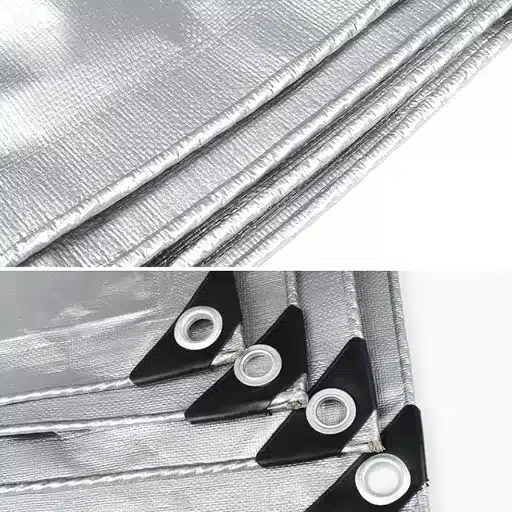
Some tarps are waterproof, some are water-resistant, and some are designed to be permeable. The difference comes down to material, coating, and construction. A truly waterproof tarp uses a continuous barrier, either a laminated polyethylene film or a PVC-coated polyester substrate, that prevents liquid water from passing through. A water-resistant tarp, such as treated canvas, repels water temporarily but will eventually saturate. A mesh tarp is neither waterproof nor water-resistant; it is built for airflow and shade.
Not All Tarps Are Equally Waterproof
Even within the same material family, waterproofing varies. A 5-mil blue poly tarp is technically waterproof when new, but its seams and grommets are weak points. An 18-oz vinyl tarp with RF-welded seams can withstand years of exposure and far higher water pressure. The word “waterproof” is not a binary claim. It is a measurable performance property.
Waterproof vs. Water-Resistant vs. Water-Repellent
- Waterproof: Blocks liquid water under pressure. Measured by hydrostatic head in millimeters of water column.
- Water-resistant: Withstands light rain or spray for a limited time before saturation.
- Water-repellent: Causes water to bead on the surface due to a surface treatment, but does not block water under sustained exposure or pressure.
When comparing waterproof vs water-resistant tarps, the critical difference is whether the material blocks water under pressure or merely repels it temporarily.
If your application involves ponding water, wind-driven rain, or extended outdoor exposure, you need a waterproof tarp. If you need breathability and only light rain protection, water-resistant canvas may be the better engineering choice. Have questions about tarp waterproof ratings, coatings, or long-term weather resistance? Reach out to LY TRUSTLINK for professional support and fast answers.
What Makes a Tarp Waterproof?
If you have ever asked is a tarp waterproof by default, the answer is that waterproofing is not magic. It is the result of material selection, coating chemistry, and manufacturing precision. Understanding these three elements helps you evaluate specifications rather than rely on marketing labels.
What Makes a Tarp Waterproof: Fabric Construction and Weave Density
Woven fabrics begin as a grid of fibers. The tighter the weave, the smaller the gaps between yarns, and the harder it is for water to pass through. High-tenacity polyester scrims provide strength and dimensional stability, while the coating applied over the weave provides the actual waterproof barrier. A loose weave with a thin coating will leak faster than a tight weave with a heavy, uniform coating.
Coating Chemistry: PVC, PE, PU, Silicone, and Wax
The coating determines how well a tarp resists water, UV, abrasion, and chemical exposure.
- PVC (polyvinyl chloride): Creates a thick, continuous, impermeable film. PVC tarps typically achieve hydrostatic head ratings from 2,000 mm to over 10,000 mm.
- PE (polyethylene): Used in standard blue or silver tarps. PE films are waterproof when intact but become brittle under UV exposure and develop micro-cracks over time.
- PU (polyurethane): Common on lightweight nylon and polyester camping tarps. Flexible and waterproof, but less durable than PVC for industrial loads.
- Silicone: Used on ultralight silnylon tarps. Highly water-resistant and lightweight, but not suited for heavy-duty commercial use.
- Wax and oil: Traditional canvas treatments. They make cotton fibers swell and repel water, but they wear off and require regular reapplication.
Seam Construction: Heat-Sealed, Sewn, and RF-Welded
The fabric may be waterproof, but the seams are often the weak link. Seams create holes, overlaps, and stress concentration points.
- Heat-sealed seams: Common on poly tarps. Two PE layers are fused together. Adequate for light use, but the seal can reopen under flex or wind load.
- Sewn seams: Used on canvas and some vinyl tarps. Stitching creates puncture holes that must be sealed with tape or seam sealant.
- RF-welded seams: Used on high-performance PVC tarpaulin. Radio frequency welding creates a molecular bond across the seam, producing a watertight, permanent seal that matches the strength of the surrounding fabric.
For critical applications, RF-welded seams are the engineering standard. They eliminate the seam as a leak path. If you’re comparing waterproof tarps or need help selecting the right material, LY TRUSTLINK’s specialists are here to answer your questions and provide reliable solutions.
Grommets, Edges, and Common Leak Paths
Grommets are reinforced holes for tying down the tarp. If a grommet tears out or the edge reinforcement fails, water enters through the tear. Edge binding, reinforced corners, and proper grommet spacing all affect waterproofing longevity. A tarp that is well-specified but poorly installed will still leak.
Want to see how waterproof ratings are measured in a lab? This hydrostatic head test demonstration shows how fabric samples are subjected to controlled water pressure until penetration occurs.
Are All Tarps Waterproof? Material Type Comparison
If you are asking are all tarps waterproof, the material is the single biggest determinant of the answer. Below is a comparison of the four main categories.
| Material | Waterproof Rating | Typical Lifespan | Best For |
|---|---|---|---|
| Polyethylene (poly) | 1,000–1,500 mm H₂O | 6–12 months outdoors | Short-term covers, light-duty storage |
| Vinyl/PVC | 2,000–10,000+ mm H₂O | 5–8 years outdoors | Truck curtains, construction, industrial use |
| Canvas (treated) | 0–1,500 mm H₂O | 2–5 years with maintenance | Breathable covers, equipment, heritage use |
| Mesh | Not waterproof | 3–7 years | Shade, debris containment, airflow |
Polyethylene Tarps: Waterproof When New, Degradable Over Time
Poly tarps are made from a woven HDPE scrim laminated with PE film. The film is waterproof when intact. The problem is durability. UV radiation breaks down the polyethylene polymer chains, causing the film to become brittle and develop micro-cracks. Flex fatigue at fold lines, abrasion at contact points, and grommet tear-out all create new entry points for water.
A standard blue tarp may stay waterproof for one camping season. A heavy-duty silver poly tarp may last one to three years. For long-term or high-value protection, poly is usually a false economy.
Vinyl/PVC Tarps: Fully Waterproof and Most Durable
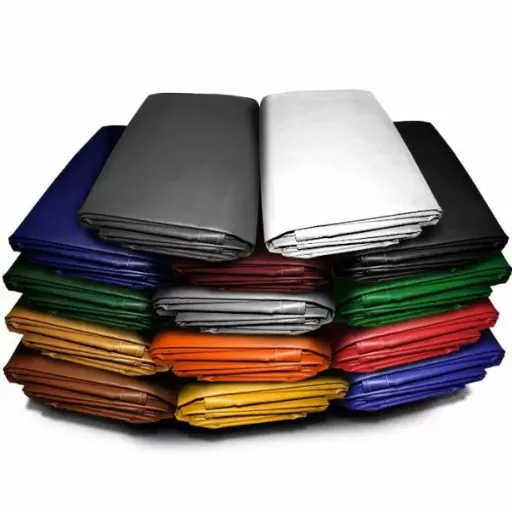
PVC-coated polyester tarpaulin combines a high-tenacity polyester base fabric with a thick virgin-grade PVC coating. The result is a material that is waterproof, UV-stable, tear-resistant, and chemically stable. Hydrostatic head ratings commonly exceed 5,000 mm, and premium grades reach 10,000 mm or more.
The global tarpaulin market, valued at approximately USD 4.5–4.7 billion in 2025, is driven by demand in transportation, construction, and agriculture. PVC holds 55–60% of the premium durability segment because it outlasts polyethylene by a factor of five to ten in demanding environments.
Canvas Tarps: Water-Resistant and Breathable
Canvas is made from cotton or cotton-polyester. Untreated canvas is not waterproof. Treated canvas, whether waxed, oiled, or silicone-coated, repels water through fiber swelling and surface treatments. The advantage is breathability, which prevents condensation and mildew under the cover. The disadvantage is that canvas will eventually soak through under sustained rain or ponding water.
Canvas is the right choice when you need a quiet, breathable cover for equipment, lumber, or heritage structures. It is the wrong choice when you need absolute waterproofing.
Mesh Tarps: Designed for Airflow, Not Waterproofing
Mesh tarps are woven from polyethylene or vinyl strands with open spaces between them. They block sunlight and debris but allow air and water to pass through. They are not waterproof and should never be specified where water exclusion is the goal.
If your operation needs both airflow and water protection, the solution is usually a layered system: a mesh tarp for ventilation combined with a waterproof PVC ground sheet or liner where moisture must be blocked.
Ready to specify the right waterproof tarp for your fleet or facility? Explore our heavy-duty PVC tarpaulin specifications or talk to an engineer about your application.
Tarp Waterproof Ratings Explained
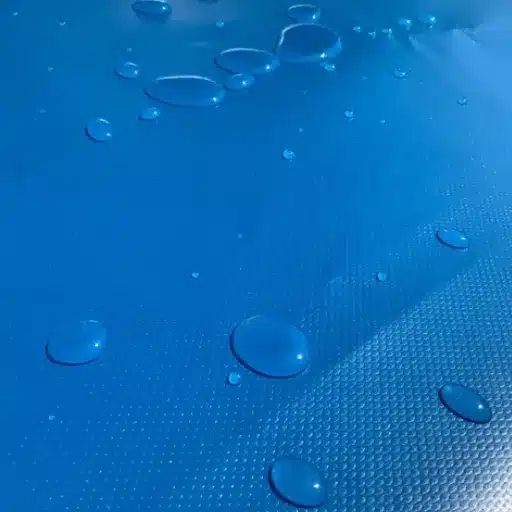
If you are asking are tarps waterproof in a measurable sense, the industry answers with hydrostatic head testing. Marketing claims like “100% waterproof” are meaningless without a test method and a number.
Hydrostatic Head Testing Under AATCC 127 and ISO 811
Hydrostatic head testing clamps a fabric sample over a test area and applies water pressure from below. The pressure increases at a controlled rate until three droplets appear on the upper surface. The result is reported in millimeters of water column (mm H₂O) or kilopascals (kPa).
The two most common standards are AATCC 127 and ISO 811. Both measure the same property but use slightly different pressure-rise rates and sample conditioning. For procurement purposes, what matters is that the supplier provides a test report from an accredited lab with a specific hydrostatic head value.
Waterproof Rating Thresholds for Tarps
| Classification | Hydrostatic Head | Real-World Equivalent |
|---|---|---|
| Water-resistant | < 1,500 mm | Light spray, brief rain |
| Waterproof | 1,500–5,000 mm | Steady rain, wind-driven rain |
| Heavy-duty waterproof | > 5,000 mm | Prolonged exposure, ponding water |
A tarp rated below 1,500 mm should not be trusted for continuous outdoor waterproofing. A tarp rated above 5,000 mm can handle standing water and severe weather.
MIL Spec and NFPA 701 Relevance
For military, construction, and event applications, waterproofing may not be the only requirement.
- MIL-C-43006 and MIL-PRF-44103 specify military tarpaulin materials with defined tensile strength, tear resistance, and water-repellency requirements.
- NFPA 701 tests the flammability of textiles and films used in public spaces. For construction site enclosures, event tents, and temporary structures, a tarp that meets NFPA 701 standards may be required by local fire marshals.
Always verify that certification claims are backed by dated, signed test reports from accredited bodies such as SGS, TÜV, or UL.
How to Interpret Manufacturer Claims
Be cautious of vague terms. Ask for:
- Hydrostatic head test result in mm H₂O or kPa
- Test standard used (AATCC 127, ISO 811, ISO 1420)
- Seam construction and seam leakage test data
- UV aging test results for outdoor applications
- Fire-retardant certification if required
If a supplier cannot provide these, the “waterproof” claim is not engineering-grade. Every project has different waterproofing requirements. Contact LY TRUSTLINK to find the ideal tarp solution backed by professional service and industry experience.
How to Make a Tarp More Waterproof
If you are wondering whether a tarp is waterproof enough after wear, or if you can improve an aging cover, temporary waterproofing treatments can extend service life, but they have limits.
Spray Treatments and Their Limits
Waterproofing sprays based on silicone or polyurethane can restore some water repellency to fabric surfaces. They work best on woven nylon, polyester, or canvas. They do not repair torn films, reopen seams, or restore degraded polyethylene. On poly tarps, spray treatments are usually a short-term cosmetic fix rather than a structural repair.
Waxing Canvas Tarps
Traditional canvas waterproofing uses paraffin, beeswax, or proprietary wax blends. The process involves melting the wax, applying it evenly, and curing the fabric. Waxed canvas can achieve a high level of water resistance while retaining breathability. It requires periodic re-waxing, especially at fold lines and wear points.
Seam Sealing Techniques
For sewn seams, seam tape or liquid seam sealant can close the stitch holes. The process is straightforward:
- Clean the seam and let it dry completely.
- Apply seam tape or liquid sealant along the stitch line.
- Allow the full cure time specified by the manufacturer.
- Test with a gentle spray before relying on the tarp in heavy rain.
For high-stakes applications, heat-sealed or RF-welded seams from the factory are more reliable than field-applied sealant.
When DIY Treatment Is Worth It vs. Replacement
DIY waterproofing makes sense when:
- The fabric is structurally sound but the surface treatment has worn off.
- The tarp is used in low-risk applications where temporary protection is acceptable.
- The cost of treatment is materially lower than replacement.
Replacement makes sense when:
- The base fabric is torn, abraded, or UV-degraded.
- Seams are splitting repeatedly.
- The application protects high-value assets or safety-critical equipment.
A construction site manager in Florida learned this distinction the hard way. He re-sprayed a fleet of aging poly tarps every spring to “save money.” After two hurricane seasons, the cumulative labor, spray product, and water-damaged materials cost more than switching to PVC tarpaulin would have. The cheap fix became the expensive mistake.
Looking for a durable waterproof tarp for commercial or industrial use? Contact LY TRUSTLINK today to discuss your needs and receive a customized recommendation.
Waterproof Tarp Repair Guide
A leaking tarp does not always need replacement. If you are asking are all tarps are waterproof after damage, the answer is that many can be restored. The first step is finding the failure point.
Finding the Leak: Diagnostic Checklist
- Inspect seams for separation or failed tape.
- Check grommets and corners for tears.
- Look for pinholes, abrasions, or punctures in the field of the fabric.
- Examine fold lines and contact points where flex fatigue occurs.
- Test by spraying the tarp with a hose while an observer watches from underneath.
Patching Holes by Material Type
- Poly tarps: Use PE repair tape on both sides of the hole. Clean the surface first and apply pressure evenly.
- Canvas: Sew a canvas patch over the hole, then seal the stitch line with wax or seam sealant.
- PVC/vinyl: Use a PVC patch with adhesive, or heat-weld a patch for a permanent, watertight repair.
Re-Sealing Seams and Grommets
For failed seams, remove old tape if it is peeling, clean the area, and apply new seam tape or liquid sealant. For torn grommets, install a new grommet slightly offset from the original tear, or reinforce the area with a fabric patch before setting the new grommet.
Repair vs. Replace Framework
Repair is justified when:
- The damage is localized.
- The fabric is otherwise in good condition.
- The repair cost is below 30–40% of replacement cost.
Replace the tarp when:
- Degradation is widespread.
- The material is brittle or cracked.
- The application involves safety, compliance, or high-value assets.
Heavy Duty Waterproof Tarp Buying Guide
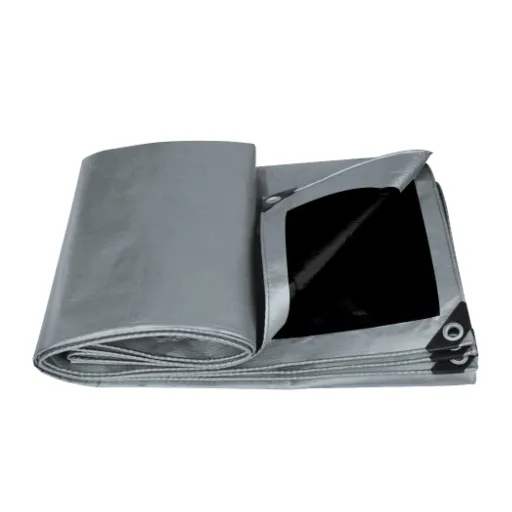
When a simple “waterproof” label is not enough, you need to evaluate specifications.
Weight: GSM, oz/sq yd, mil, and Denier
- GSM (grams per square meter): Total fabric weight. PVC tarpaulin for industrial use typically ranges from 400 gsm to 900 gsm.
- oz/sq yd (ounces per square yard): Common vinyl tarp measurement. 18 oz/sq yd is a standard heavy-duty weight.
- mil: Thickness of the PE film on poly tarps. 10-mil and above is considered heavy duty for poly.
- Denier: Fiber thickness in the woven scrim. Higher denier indicates thicker, stronger yarns.
Higher weight usually correlates with higher tear strength, abrasion resistance, and waterproofing longevity, but it also means less flexibility and more weight to handle.
Construction Features That Matter
- Reinforced edges and corners: Double-folded hems with reinforced webbing resist tear propagation.
- Grommet spacing: Closer spacing distributes wind load more evenly. 24-inch spacing is common; 18-inch or closer is better for high-wind areas.
- UV inhibitors: Essential for outdoor use. Without them, PE and PVC will degrade under solar radiation.
- Cold-crack resistance: For sub-zero environments, the coating must remain flexible. Premium PVC formulations maintain pliability down to -40°C.
Certifications to Look For
- ISO 811 / AATCC 127: Hydrostatic head testing.
- NFPA 701: Fire-retardant performance for public occupancy.
- ASTM D4533: Tear resistance of coated fabrics.
- ASTM D5034: Tensile strength of textile fabrics.
- RoHS / REACH: Environmental compliance for restricted substances.
Matching Specs to Application
| Application | Recommended Material | Key Specs |
|---|---|---|
| Truck and trailer covers | PVC tarpaulin, 500–900 gsm | High tear strength, RF-welded seams, UV stable |
| Construction site enclosures | PVC or laminated PE, FR-rated | NFPA 701, reinforced corners, wind-resistant |
| Agricultural equipment covers | PVC or heavy-duty canvas | UV resistance, breathability if needed |
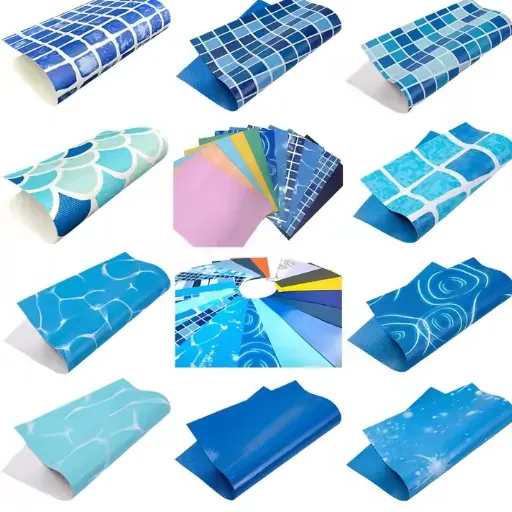
| Marine and pool covers | PVC tarpaulin, 400–650 gsm | 100% waterproof, UV-stable, mildew-resistant |
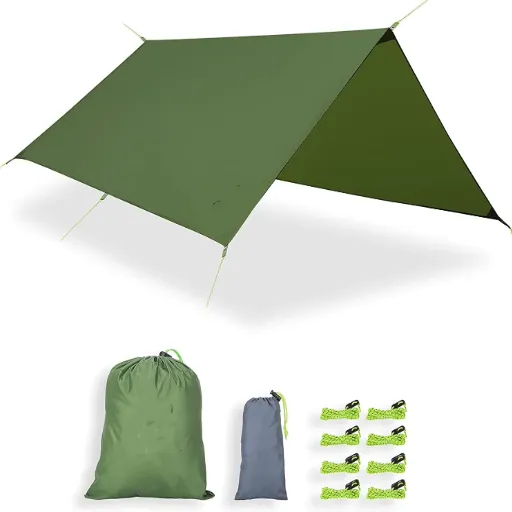
| Camping and recreation | Silnylon or lightweight PU-coated nylon | Low weight, compact pack size |
| Emergency roof protection | Heavy-duty PVC, 600 gsm minimum | Reinforced, high hydrostatic head, securely anchorable |
For a deeper dive into heavy-duty specifications, see our guide to heavy-duty waterproof tarps.
When to Upgrade to PVC Tarpaulin
There comes a point when maintaining a lower-grade tarp costs more than switching to a better material. If you are still asking are tarps waterproof enough for your application, these signs indicate the answer is no.
Signs Your Current Tarp Is Not Enough
- You replace tarps more than once per year.
- You notice cracking, flaking, or stiffness in the coating.
- Seams or grommets fail repeatedly under normal tension.
- Water has damaged assets despite the tarp being in place.
- Your application requires compliance with fire-retardant or safety standards.
Cost-Per-Year Comparison
A USD 20 blue poly tarp that lasts one season costs USD 20 per year. A USD 200 PVC tarpaulin that lasts five years costs USD 40 per year. The upfront price is higher, but the cost per year of service is often lower. Add in avoided damage, reduced labor, and fewer emergency replacements, and the economic case becomes clear for demanding applications.
Applications Where PVC Is the Rational Choice
- Transportation and logistics: Truck side curtains, flatbed covers, trailer tarps.
- Construction: Scaffolding wraps, debris containment, temporary enclosures.
- Agriculture: Long-term equipment covers, grain pile covers, livestock shelters.
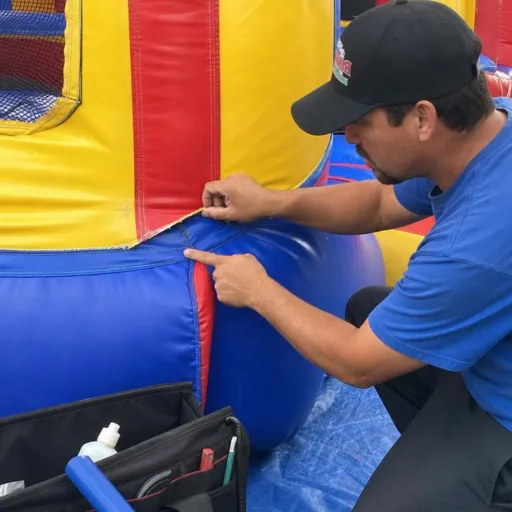
- Marine: Boat covers, pool liners, inflatable structures.
- Industrial machinery: Covers for stationary equipment exposed to weather and chemicals.
When Marcus, a fleet maintenance supervisor in Ohio, switched his 40-truck operation from disposable poly tarps to custom-fitted PVC side curtains, his annual tarp spend dropped by 35% over three years. More importantly, cargo damage claims fell by nearly half. The material upgrade paid for itself in protection and labor savings.
If your specification calls for non-standard weights, coatings, or dimensions, our OEM and custom solutions team can engineer fabric to your exact operational requirements.
Frequently Asked Questions
Are blue tarps waterproof?
Yes, blue tarps are typically made from waterproof polyethylene when new. However, they are usually thin, lightly reinforced, and degrade quickly under UV exposure. Expect 6–12 months of reliable waterproofing in outdoor use.
Are canvas tarps waterproof?
No. Canvas tarps are water-resistant, not waterproof. Treated canvas repels water through fiber swelling and surface coatings, but prolonged rain or ponding water will eventually soak through.
Are mesh tarps waterproof?
No. Mesh tarps are designed to allow air and water to pass through. They provide shade and debris containment but cannot keep water out.
How long do tarps stay waterproof?
It depends on the material and exposure. Standard poly tarps: 6–12 months outdoors. Heavy-duty poly: 1–3 years. PVC tarpaulin: 5–8 years. Canvas: 2–5 years with regular re-treatment.
What makes a tarp 100% waterproof?
A continuous waterproof barrier, intact seams, and secure grommets. The fabric itself must achieve a sufficient hydrostatic head rating, and the seams must be sealed by heat, welding, or high-quality tape.
Can you make a tarp waterproof?
You can improve water resistance with sprays, waxes, or seam sealant, but you cannot turn a fundamentally unsuitable material into a long-term waterproof solution. If the base fabric is degraded, replacement is the better option.
What is the strongest waterproof tarp material?
Vinyl/PVC-coated polyester is the strongest common waterproof tarp material. It offers high tear resistance, UV stability, chemical resistance, and hydrostatic head ratings that far exceed polyethylene.
Is a tarp waterproof without coating?
No. An uncoated woven fabric will allow water to pass through the gaps between yarns. Waterproofing requires either an integral polymer film, such as polyethylene, or a coated substrate, such as PVC.
How can you tell if a tarp is waterproof?
Check the hydrostatic head rating, seam construction, and material. A truly waterproof tarp will list a test standard such as AATCC 127 or ISO 811 with a specific mm H₂O value. You can also spray the tarp and look for leaks from underneath, especially along seams and grommets.
Conclusion
Are tarps waterproof? The answer depends on what the tarp is made of, how it is constructed, and what condition it is in. For some materials, a tarp is waterproof when new; for others, it is only water-resistant. Whether you need a waterproof tarp or a heavy duty waterproof tarp for a single season or a decade, the material choice determines the answer.
Polyethylene and PVC tarps can be fully waterproof when intact. Canvas tarps resist water but eventually saturate. Mesh tarps are not designed to block water at all.
For procurement and operations teams, the critical takeaway is that waterproofing is measurable. Ask for hydrostatic head test data under AATCC 127 or ISO 811. Inspect seam construction. Verify UV and fire-retardant certifications where required. And remember that the cheapest tarp is rarely the most economical when you count replacement cycles, labor, and asset protection.
At LY TRUSTLINK, we engineer protective fabrics that reduce operational risk across transportation, construction, agriculture, and marine applications. If your current tarp program is costing more than it should, request a custom specification and let our engineering team recommend a solution built for your environment.