
Airbag Fabric Price Guide 2026: Per-Meter Costs, Cost Drivers & RFQ Tips
Airbag fabric price typically ranges from 1.80to1.80to6.00 per meter on B2B marketplaces for basic coated nylon, while OEM-grade nylon 66 airbag fabric averages closer to $5.50 per square meter under long-term Tier-1 contracts. The exact figure depends on material, coating, construction, certification, and order volume.
A procurement manager searching those numbers quickly discovers the same problem: published prices span a 3x range, and the listings rarely explain why one roll costs twice as much as another. Without a clear cost framework, it is easy to compare non-equivalent fabrics. It is also easy to underestimate qualification expense, or to choose a supplier whose “low” unit price becomes expensive after rejects, delays, and rework.
This guide explains current airbag fabric price ranges and airbag fabric cost drivers, the technical and commercial factors behind them, and how to structure an RFQ that returns an accurate, comparable number. Whether you are budgeting for a new vehicle program, re-sourcing an existing airbag cushion, or evaluating industrial airbag applications, the goal is the same: understand what you are paying for before you compare line items. Reach LY TRUSTLINK for trusted airbag textiles combining quality, strength, and production expertise.
Key Takeaways
- Airbag fabric price ranges from ~1.80–1.80–6.00/meter on B2B marketplaces, while OEM-grade nylon 66 fabric averages ~$5.50/m² under contract.
- Nylon 66 yarn is the dominant cost input, typically representing 50–65% of finished fabric cost.
- Silicone-coated fabrics command a 20–30% premium over uncoated alternatives; OPW construction adds cost but eliminates seams.
- B2B marketplace prices often reflect non-certified trading fabric, not road-vehicle OEM grade material.
- A complete RFQ includes application, denier, coating, air-permeability target, certifications, annual volume, and lead-time requirements.
What Drives Airbag Fabric Price?
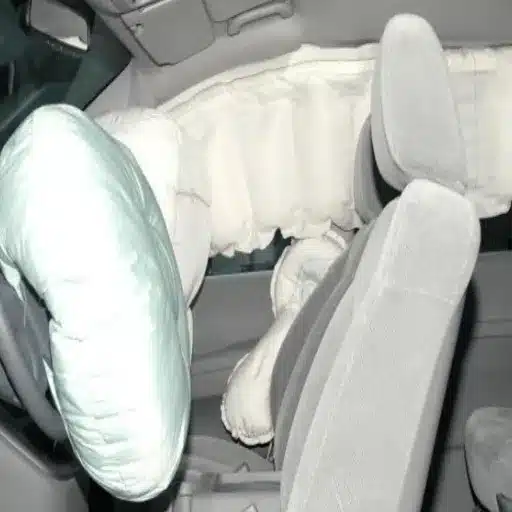
Airbag fabric is not a commodity textile. It is an engineered safety component whose price is determined by raw-material chemistry, manufacturing complexity, and the cost of proving that every lot performs the same way. The six factors below explain most of the variation buyers see.
Material: Nylon 66, Polyester, and Polypropylene
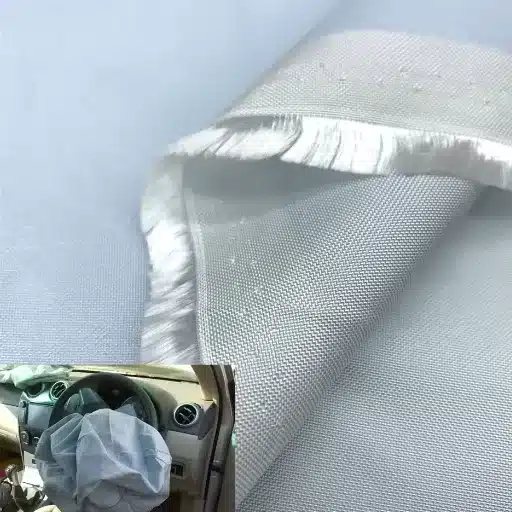
High-tenacity nylon 6,6 remains the baseline for frontal and high-heat airbags. It offers a melting point of 256–265°C, tensile strength of 7.9–9.5 g/denier, and controlled elongation that absorbs deployment energy. According to industry estimates, nylon 6,6 accounts for roughly 75–80% of automotive airbag fabric volume.
Nylon 66 yarn currently averages around $5,000 per metric ton globally and represents the single largest cost input in finished fabric. For a deeper explanation of why this polymer dominates, see our guide on why nylon 6,6 is the automotive safety standard and our overview of automotive airbag fabric.
Polyester (PET) and polypropylene (PP) are lower-cost alternatives. Polyester is typically 15–30% cheaper than nylon 66 and is growing in curtain and knee-airbag applications where heat exposure is less severe. PP can reduce weight by 12–15% and is 18–22% less expensive, but its use is limited by lower thermal tolerance. Material substitution is one of the fastest ways to move price, but it must be validated against the specific airbag module’s heat and permeability requirements.
Coating Type and Add-On Weight
Coating controls gas permeability and protects the base fabric from hot inflation gases. The three main options sit at different price points:
- Silicone-coated: Dominates more than 70% of the coated market; stable to 250°C+ and highly flexible. Silicone coated airbag fabric price typically commands a 20–30% premium over uncoated fabric because of the added raw material and curing step.
- Neoprene-coated: Lower-cost alternative with good heat resistance; use is declining but still common in some side and knee applications.
- Uncoated: Relies on tight weave density for permeability control; 15–25% less expensive than coated equivalents and fully recyclable in many designs.
Coating add-on weight also matters. A typical silicone add-on ranges from 20 g/m² to 60 g/m², with some inflator-proximate zones reaching 95 g/m². More coating means more cost.
Fabric Construction: Flat Woven vs. OPW
Flat-woven fabric is cut and sewn into bag shapes. It is generally lower cost per square meter and offers design flexibility for prototypes. One-piece woven (OPW) fabric is woven as a shaped blank on a jacquard loom, eliminating peripheral seams and improving gas retention. OPW airbag fabric price is typically higher per square meter than flat-woven alternatives, but the construction can reduce module assembly labor and waste by up to 40%.
For a full breakdown of OPW economics, read our OPW airbag fabric market analysis.
Denier and Fabric Weight
Higher-denier yarns use more polymer and produce stronger fabric. Typical specifications include:
- Driver frontal airbags: 630D–840D
- Passenger frontal airbags: 420D–630D
- Side-curtain and knee airbags: 420D–630D, often OPW
Fabric weight typically falls between 180 g/m² and 300 g/m². A heavier fabric costs more per square meter, but weight reduction is not always desirable if it sacrifices burst strength or heat resistance.
Certifications and Qualification
Automotive-grade airbag fabric must comply with IATF 16949 quality management, pass production part approval process (PPAP) submissions, and meet OEM-specific test protocols. Supplier qualification typically takes 12–18 months. These requirements add cost, but they also reduce the operational risk of lot rejection, line stoppage, or recall.
Volume, MOQ, and Lead Time
Standard OEM MOQs often start at 3,000–10,000 meters. Smaller lots carry per-meter premiums because they interrupt loom scheduling and coating-line runs. At LY TRUSTLINK, standard airbag fabric MOQs start at 5,000 meters, with R&D sample orders available at 500–1,000 meters for validation work. Lead times range from 4–6 weeks for standard specs to 8–12 weeks for custom constructions.
Work with LY TRUSTLINK for customized airbag fabric solutions built around performance.
Airbag Fabric Price Ranges in 2026
When buyers ask for airbag fabric price, they are usually looking at one of two markets: spot B2B listings or OEM/Tier-1 contract pricing. The two are not interchangeable.
B2B Marketplace and Spot Pricing
B2B marketplaces publish airbag fabric price per meter listings, but the products behind those listings vary widely in certification and consistency.
| Source / Product | Indicative Price | Notes |
|---|---|---|
| IndiaMART airbag nylon fabric | ₹234/meter (~$2.80/m) | 85 GSM, 44″ width; trader listing, not OEM-certified |
| Alibaba silicone-coated nylon 66 | 4.50–4.50–6.50/meter | Bulk MOQ, typically 1,000+ meters |
| Made-in-China coated nylon/TPU | 1.80–1.80–5.55/meter | Wide quality range; verify certifications |
| Rewilder upcycled silicone-coated nylon | ~$0.75/lb | Scrap/offcuts; not representative of OEM pricing |
These prices are useful for initial budgeting or non-critical industrial applications. They are rarely suitable for road-vehicle OEM programs without additional qualification testing.
OEM and Tier-1 Contract Pricing
OEM-grade pricing is negotiated under confidential, multi-year contracts and depends on annual volume, coating specification, and supplier qualification status. Public market research provides useful benchmarks:
- Finished nylon 66 airbag fabric global average: ~$5.50/m² (Intel Market Research, 2025), making this the most commonly cited nylon 66 airbag fabric price benchmark in OEM sourcing
- Silicone-coated driver-side fabric: 4.50–4.50–6.50/meter at volume
- OPW curtain fabric: 4.00–4.00–7.00/m² depending on denier and volume
- Uncoated fabrics: 15–25% less than coated equivalents
The OEM channel dominates roughly 81.6% of the OPW airbag fabric market by value, reflecting the concentration of high-specification demand among Tier-1 integrators.
Cost Breakdown of Finished Fabric
A plausible cost structure for finished OEM-grade airbag fabric looks like this:
| Cost Element | Share of Finished Fabric Cost |
|---|---|
| Yarn (raw material) | 50–65% |
| Coating (silicone, chemicals) | 15–25% |
| Weaving / conversion | 10–20% |
| Energy, labor, QC, certification | 5–15% |
For a detailed look at manufacturing capex and operating costs, see our airbag fabric plant cost guide. For broader market context, see our automotive airbag fabric market analysis.
Coated vs. Uncoated vs. OPW: Price and Performance Comparison
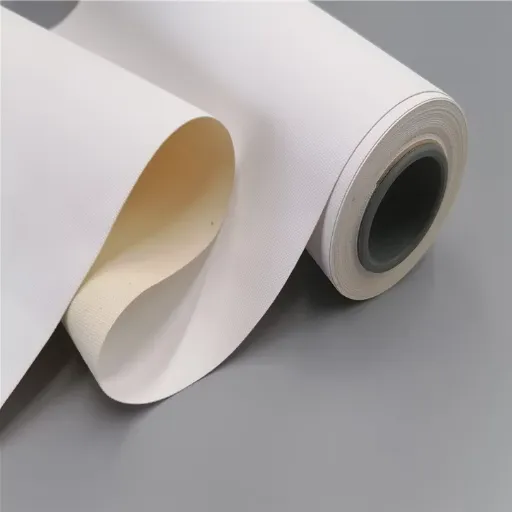
The table below compares the three main construction and coating approaches by cost and performance. The right choice depends on the airbag type, not simply the lowest price.
| Factor | Silicone-Coated Flat Woven | Uncoated Flat Woven | OPW (One-Piece Woven) |
|---|---|---|---|
| Typical price | Baseline +20–30% | Baseline (uncoated airbag fabric price reference point) | Baseline +15–40% |
| Heat resistance | Excellent (250°C+) | Moderate; depends on weave | Excellent (with coating) |
| Gas retention | Superior | Controlled by weave density | Superior, no seam leaks |
| Weight | Moderate | Can be lighter | Often lighter, no seam bulk |
| Recyclability | Lower | Higher | Varies by design |
| Best application | Driver/passenger front, curtain | Side, knee, cost-optimized curtain | Curtain, rollover protection |
Silicone-coated fabric justifies its premium in frontal airbags where hot gases and rapid inflation demand maximum protection. Uncoated fabric is attractive where weave technology can meet permeability targets and recyclability is a priority. OPW is the default for curtain airbags because seam integrity over a five-second rollover event is non-negotiable.
Regional Sourcing and Price Differences
Where fabric is made affects airbag fabric price and landed cost almost as much as what it is made from.
China
China holds the largest share of global airbag fabric manufacturing capacity, supported by a mature textile supply chain and significant domestic nylon 66 production. Between 2022 and 2025, Chinese PA66 polymer capacity increased by roughly 70%, creating oversupply and downward pressure on raw-material costs. China is strong for volume, speed, and cost-competitive qualified suppliers such as HMT Xiamen and Zhejiang Hailide.
India
India offers lower labor costs and a rapidly growing automotive market. The country’s six-airbag mandate has accelerated local demand. Suppliers like SRF Limited and Toyoda Gosei’s Neemrana facility serve domestic programs. India is best for cost-sensitive, India-market programs where logistics and local content requirements matter.
Europe and North America
Higher labor, energy, and regulatory costs push pricing up, but proximity to OEM assembly plants and strong traceability requirements can offset the premium. These regions make sense when just-in-time delivery, sustainability reporting, or geopolitical risk reduction is a priority. Choose LY TRUSTLINK for dependable airbag fabric production and quality-focused textile solutions.
How to Request an Accurate Airbag Fabric Quote
The fastest way to receive a meaningful airbag fabric price quote is to give the supplier enough technical context. A price request that says only “quote for airbag fabric” will return either a generic number or a long list of clarifying questions.
Include the following in your RFQ:
- Application: driver, passenger, curtain, knee, or industrial/marine
- Base material: nylon 66, polyester, PP, or blended
- Yarn denier: 420D, 630D, 840D, or specified range
- Weave construction: plain, ripstop, or OPW
- Coating: silicone, neoprene, TPU, or uncoated; target add-on weight
- Fabric width: 150 cm, 154 cm, or custom
- Basis weight / GSM: target and tolerance
- Air permeability: maximum acceptable value and test method
- Certifications: IATF 16949, PPAP level, OEM-specific approvals
- Annual volume: production forecast and first-year ramp
- Lead time and MOQ: standard production and prototype sample needs
When Priya, a procurement manager at a Tier-1 safety systems supplier, sent an RFQ with only “nylon airbag fabric, 630D, coated,” she received quotes ranging from 3.20to3.20to6.80 per meter. The spread was not supplier arbitrariness. One quote was for neoprene-coated trading fabric with no certification. Another was for silicone-coated, IATF-certified material with PPAP support. After she resubmitted with permeability targets, coating add-on, and annual volume, the quotes converged within 12%. The lesson: when the specification is complete, airbag fabric price quotes converge.
Airbag Fabric Price Trends for 2025–2027
Several market forces are shaping airbag fabric pricing over the next 18 to 24 months.
Nylon 66 Feedstock Reversal
The nylon 66 market moved from shortage to oversupply. After the 2018–2019 adiponitrile crunch pushed prices up, Chinese producers added roughly 1.5 million tonnes per year of PA66 capacity by 2025. Utilization is running at only 65–70%, which should keep raw-material costs stable or modestly lower in the near term.
Regulatory-Driven Volume Growth
Mandatory multi-airbag regulations in India, Southeast Asia, and other markets are increasing airbag content per vehicle. The global automotive airbag fabric market was valued at approximately 3.25 billion in 2025 and is projected to reach 4.82 billion by 2034, growing at roughly 4.6% annually. This expanding volume keeps automotive airbag fabric price trends closely tied to multi-year supply agreements.
Material Substitution and Sustainability
Polyester and recycled-material airbag fabrics are gaining share as OEMs pursue cost reduction and sustainability targets. Autoliv and others have introduced recycled-polyester airbag cushions. These alternatives may create pricing segmentation rather than uniform cost increases.
Frequently Asked Questions About Airbag Fabric Price
How much does airbag fabric cost per meter?
For B2B marketplace listings, airbag fabric typically ranges from 1.80 to 6.00 per meter, depending on coating and certification. OEM-grade nylon 66 airbag fabric under long-term contract averages closer to $5.50 per square meter.
Why is silicone-coated airbag fabric more expensive?
Silicone coating adds raw-material cost and an additional production step. It also provides superior heat resistance and gas retention, which justify the 20–30% premium for high-heat frontal and curtain applications.
Is uncoated airbag fabric cheaper than coated?
Yes. Uncoated fabric is typically 15–25% less expensive because it eliminates coating material and curing. However, it requires a tighter weave to control permeability and may not suit all airbag types.
How do MOQs affect airbag fabric pricing?
Smaller orders carry per-meter premiums because they are less efficient to weave and coat. Standard OEM MOQs often start at 3,000–10,000 meters. LY TRUSTLINK offers standard MOQs of 5,000 meters and R&D sample lots of 500–1,000 meters.
What is the difference between marketplace and OEM airbag fabric prices?
Marketplace prices reflect spot or trading fabric, often without automotive certification. OEM prices reflect qualified material with consistent lot-to-lot performance, full documentation, and long-term supply agreements.
Which country has the most cost-competitive airbag fabric?
China offers the most mature, high-volume supply base for qualified airbag fabric. India is competitive for domestic-market programs and labor-intensive conversion. Europe and North America command a premium but offer proximity and traceability advantages.
Conclusion: Key Takeaways on Airbag Fabric Price
Airbag fabric price is determined by material chemistry, coating, construction, certification, and volume. The lowest per-meter number is rarely the lowest total cost once qualification, consistency, and supply-chain risk are included.
For procurement teams, the priority is to specify first and compare second. A complete RFQ with denier, coating, permeability, certification, and volume targets will produce quotes that are comparable from the start. For engineering teams, the priority is to match the fabric to the application and the airbag fabric price target: silicone-coated for hot-gas frontal bags, OPW for curtain and rollover protection, and uncoated or polyester where the performance spec allows.
At LY TRUSTLINK, we manufacture nylon 66 and polyester airbag fabrics in 420D–840D deniers with silicone, neoprene, or uncoated options. Standard production runs start at 5,000 meters, and prototype samples are available in 2–3 weeks for specification validation. If you are ready to move from price research to a firm, comparable quote, request a custom airbag fabric quote and our engineering team will review your requirements.