
Tarpaulin Buying Guide 2025: Complete Selection Framework
For protection, and durability, as well as versatility, tarpaulins are still considered necessary throughout the different industries and even in personal use. But the modern applications’ changing requirements along with the multitude of options available in the market have made it difficult to pick the perfect tarpaulin. Thus, we have put together this elaborate guide with the purpose of assisting you taking well-informed decisions. No matter if you are a professional contractor who is after a heavy-duty coverage, or a business owner aiming at protecting your assets, or merely looking for a dependable tarp for DIY home projects, the present article will lead you through the primary factors to contemplate. With material types, sizes, specialized features, and the trends of 2025 covered, you will be well armed to make the right tarpaulin purchase.
Introduction to Tarpaulins
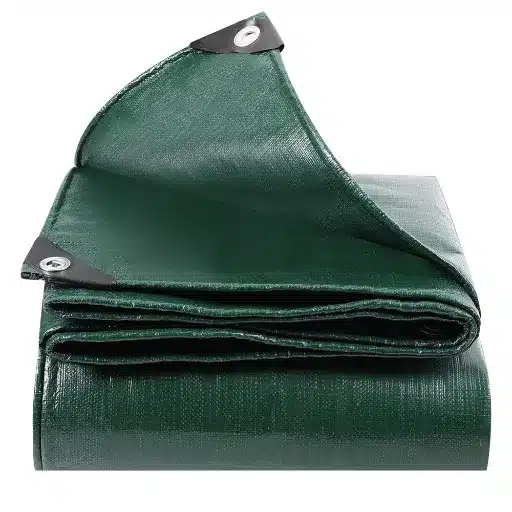
Tarpaulins, commonly known as tarps, are highly functional and long-lasting sheets that are used for covering and protection. They are made of different materials such as polyethylene, canvas, or vinyl, and they are designed to keep and protect items or places from weather conditions like rain, wind, and sun. Tarpaulins are available in an extensive range of sizes, thicknesses, and strengths which makes them perfect for not only simple home projects but also heavy-duty industrial applications. Featuring reinforced edges, UV resistance, and waterproof coatings, tarps guarantee dependability and adaptability in coverage to meet the diverse needs of clients.
Importance of Choosing the Right Tarpaulin
It is necessary to choose the proper tarpaulin to ensure its life span, effectiveness, and price are appropriate for your particular needs. Materials, size, thickness, and other features are some of the factors that must be carefully considered. To give an example, industrial use calls for heavy-duty polyethylene tarps, while temporary home usage may require lightweight canvas ones. The choice between UV resistance and waterproof coatings is crucial for outdoor use, as it will determine whether your items are going to be protected from the elements or not. A tarpaulin that is perfect for the job will not only give you the best performance but will also likely not need replacements often, which means you will save time and money in the end.
Applications of Tarps in Various Settings
- Construction Sites – Tarps are commonly used to cover building materials, protect buildings from tempests, and construct temporary shelters for workers.
- Agriculture – Farmers apply tarpaulins to cover crops, hay, and machinery against rain, sun, and wind.
- Camping and Outdoor Activities – Tarps are merely ground sheets, temporary tents, or rainproofs for outdoor escapades.
- Transportation – Tarps are used to secure and protect goods on trucks, trailers, and boats from the weather.
- Home Improvement Projects – They are used to protect furniture, flooring, and other surfaces during renovation or painting.
Overview of Key Factors for Consideration
When it comes to choosing a tarp, you should pay attention to these significant aspects:
- Material Quality – The tarp must consist of durable materials like polyethylene or canvas, depending on its use. Premium materials guarantee longer life and better performance.
- Size and Thickness – You should choose a size and thickness that fit your needs exactly. A thicker tarp will give you excellent protection but may also be more challenging to maneuver.
- Weather Resistance – Look for signs of UV protection, waterproofing as well as resistance to very high and very low temperatures that will assure you of the tarp’s reliable performance in different conditions.
- Reinforcement and Grommets – Edges that have been reinforced and strong grommets are features to look out for as they lead to not only better durability but also easier securing of the tarp.
- Intended Application – Consider the tarp’s purpose, whether it is to cover equipment, protect outdoor areas, or transport goods, to ensure you get the correct type of tarp.
Considering all the above factors will help you choose the right tarp for your needs and reap the benefits of its performance.
Material Options for Tarpaulins
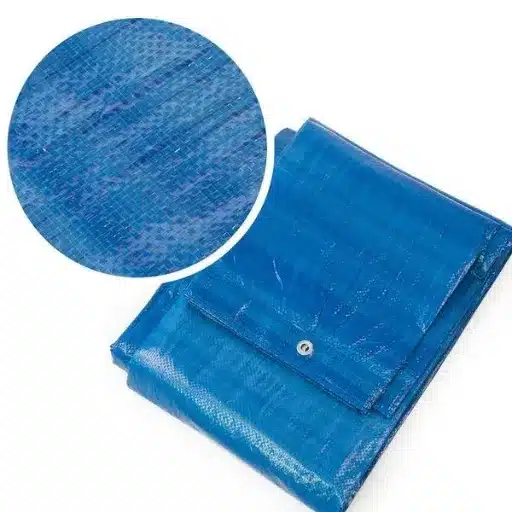
The selection of tarpaulin materials includes many standard options, and each one is tailored to a particular application:
Polyethylene (PE)
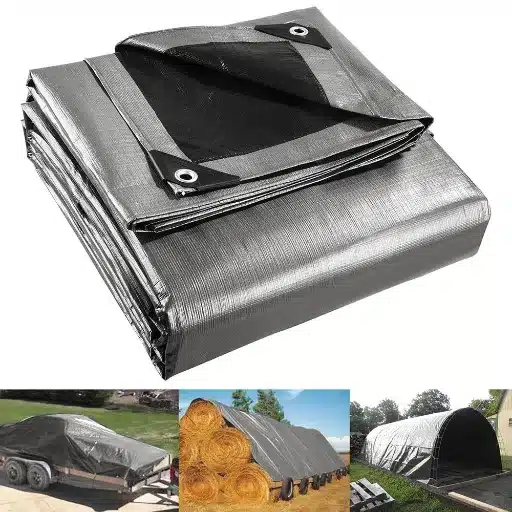
PE tarps are very lightweight, water-resistant, and cheap, which makes them perfect for general protection like temporary covers as well as outdoor activities in general.
Vinyl
When it comes to durability, heavy-duty tearing resistance, and extreme weather resistance, vinyl tarps are the most suitable for industrial applications and transporting heavy loads.
Canvas
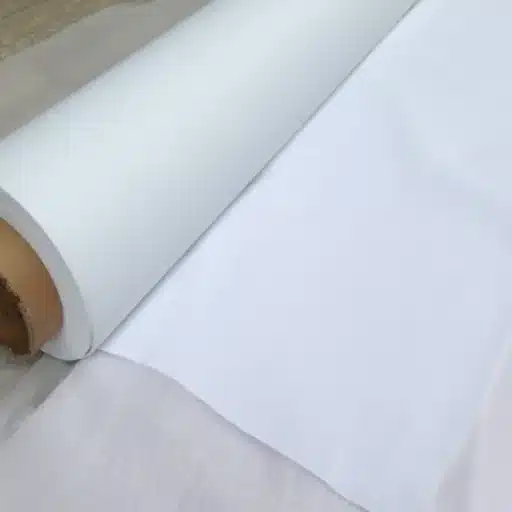
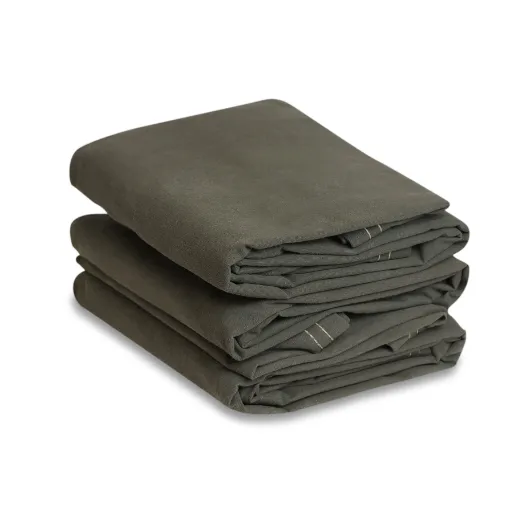
The most breathable and eco-friendly option is canvas, which makes tarps suitable for covering equipment, construction sites, or agricultural needs.
Mesh
Mesh tarps are good for shade, fencing, and truck covers because they facilitate airflow and reduce wind resistance.
However, the material selection still relies heavily on your particular needs for strength, flexibility, and weather resistance.
Canvas Tarps vs. Poly Tarps
Canvas tarps excel in breathability and environmental-friendliness, while poly tarps are superior in waterproofing, affordability, and durability in harsh conditions.
| Parameter | Canvas | Poly |
|---|---|---|
| Durability | Moderate | High |
| Waterproof | No | Yes |
| Breathable | Yes | No |
| Weight | Heavy | Light |
| Cost | Higher | Lower |
| UV-Resist | Moderate | High |
| Longevity | Reliable | Shorter |
| Flexibility | Good | High |
| Use Case | Multi-Purp | All-Weather |
Heavy-Duty vs. Lightweight Tarps
Heavy-duty tarps are best for demanding, long-term tasks, while lightweight tarps excel in portability and short-term, less demanding uses.
| Parameter | Heavy-Duty | Lightweight |
|---|---|---|
| Durability | High | Moderate |
| Weight | Heavy | Light |
| Strength | Superior | Lower |
| Cost | Higher | Lower |
| Portability | Low | High |
| Weather | All-Cond | Mild-Cond |
| Flexibility | Moderate | High |
| Lifespan | Longer | Shorter |
UV Resistance and Waterproofing
Tarpaulins are usually made with characteristics that improve their performance in different environmental conditions. One of the characteristics is UV resistance, which is essential for tarps meant for outdoor settings, as the sun’s rays can gradually destroy the materials over time. Often, very durable tarps have UV-resistant coatings applied to them, which act as a barrier to the sun’s radiation and thus, above all, ensure that they will be strong and last for a long time. Lightweight tarps may also have UV protection but are not typically as practical for long-term exposure.
Another essential feature of tarpaulin is its waterproofing, which repels water and makes it suitable for use in rainy or damp conditions. The majority of heavy-duty tarps are made of thick waterproof materials, such as polyethylene or PVC, which do not allow water to enter. Besides, lightweight tarps provide some degree of waterproofing and are more suitable for temporary or less severe conditions where complete water resistance is not essential.
Choosing the Right Tarpaulin
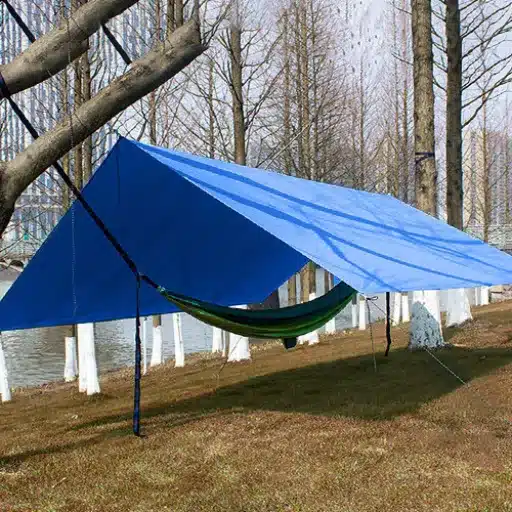
The proper tarpaulin selection should be based on its intended use and the environmental conditions at the site of usage. In situations where the tarpaulin will be under severe stress or exposed to bad weather, go for heavy, waterproof materials like polyethylene or PVC. If the tarpaulin is going to be used for light-duty applications or temporarily, a lighter-weight option could be sufficient. Size, durability, and waterproofing are features that can be evaluated to ensure the tarpaulin satisfies your specific requirements.
Factors to Consider
- Material: Choose a tarp made of materials suitable for your specific use, such as polyethylene for its waterproof quality or canvas for its ability to let air circulate.
- Thickness: Consider thickness in terms of strength, as thicker tarps provide more protection against wear and tear.
- Size: Make sure the tarp you choose is big enough to provide proper coverage for your specific situation.
- UV Resistance: If the tarpaulin will be under direct sunlight for a long time, choose one with a UV protection feature to prevent the material from deteriorating.
- Grommets and Reinforcements: Look for strong grommets and reinforced edges; they not only help in easy installation but also increase the lifespan of the product.
How to Determine the Right Size
To determine the appropriate size of your tarpaulin, the first step is to measure the length and width of the area that needs covering. Then, on top of these dimensions, add a few extra inches so that the tarp can be adequately secured and thereby completely cover the area. Consider the shape of the area you are covering and how the tarp will be secured or tied down. In case the tarp has to hang over things or edges, give yourself a little more material for fitting. A tarp slightly larger than your measurements should always be chosen to ensure the best coverage and most comfortable use.
Understanding GSM Ratings and Thickness
GSM, or grams per square meter, is the weight of the tarp fabric and is one of the main factors to consider when assessing the tarp’s durability and thickness. A tarp with a higher GSM rating is thicker and stronger, making it suitable for heavy-duty applications such as industrial use or prolonged exposure to extreme weather conditions. On the contrary, lower GSM tarps are lightweight and more adaptabl,e which makes them perfect for temporary or light-duty cover. When buying a tarp, consider the area and the purpose it will serve—choosing the right GSM provides both protection and cost-effectiveness. For example, a universal outdoor tarp might be anywhere between 120-200 GSM, while heavy-duty tarps sometimes go beyond 250 GSM. Knowing these ratings helps you match durability and performance with your needs.
Use Cases for Tarpaulins
- Construction Sites: The use of tarpaulins on construction sites is a common practice for the covering of building materials, shielding of work areas from the elements, and making of temporary shelters for workers.
- Camping and Outdoor Activities: They are used as ground sheets, waterproof shelters or even tents while camping or having outdoor parties.
- Agriculture: Tarpaulins’ main use in agriculture is for the protection of crops, hay, and other materials against rain, sun and wind.
- Transportation: Tarps are the primary means of adequate weather protection during transit for trucks and trailers.
- Emergency Situations: In natural disasters, tarpaulins are considered essential materials for disaster relief efforts, providing temporary roofing or shelter in areas affected by storms, floods, or other calamities.
Construction Site Protection
Tarpaulins have a significant impact on the construction industry by enveloping the site with a protective layer against bad weather. They are often thrown over the materials, tools, and buildings that are yet to be completed, thus protecting them from rain, wind, and sun. Furthermore, tarps contribute to a neat and safe work environment by enclosing waste and controlling the distribution of dust to nearby places. Their adaptability and strength are the reasons why they are considered as one of the main instruments that support and enhance the process of construction site work being done fast and smoothly.
Camping Groundsheets and Temporary Shelters
Tarpaulins are very useful for camping and outdoor activities; they provide protection and are practical in many situations. If used as camping groundsheets, tarps will not only serve as a heavy-duty barrier but also act as a waterproof layer between the ground and tents, keeping campers dry and comfortable even in wet conditions. Besides, the tents will not get worn out by adding a layer of protection.
Tarpaulins are great for temporary shelters because they are both light and strong. They can be tied down easily to make roofs, canopies or windbreaks, which means they can be used for protection from sudden weather changes or for creating shaded areas in the sun. Their versatility and low cost make them very popular among outdoor lovers seeking reliable solutions for shelter and ground protection.
Agricultural Covers and Vehicle Protection
The applications of tarpaulins are extensive, ranging from agricultural covering to protecting vehicles. In the farm field, they can be found covering hay, grain, and other crops to protect them from rain, wind, and UV light, thereby retaining their quality during storage. To achieve weed control or soil preservation, farmers also utilize tarps as ground covers. Moreover, the use of tarpaulins for farming equipment and machinery has become very common, protecting them from the weather and thus increasing their lifespan.
Tarps are also an excellent choice for vehicle protection as they can be used to cover cars, trucks, boats, and RVs. They provide a protective barrier against aggressive weather conditions, such as rain, snow, and sun, safeguarding both the exterior and interior of vehicles from damage. Additionally, tarpaulins are very useful for securing loads during transport, ensuring safety and keeping the load dry and well ventilated. Really tough and capable of withstanding various weather conditions, tarpaulins are an essential part of both the agricultural and the vehicle-related operations.
Budget Considerations When Buying Tarps
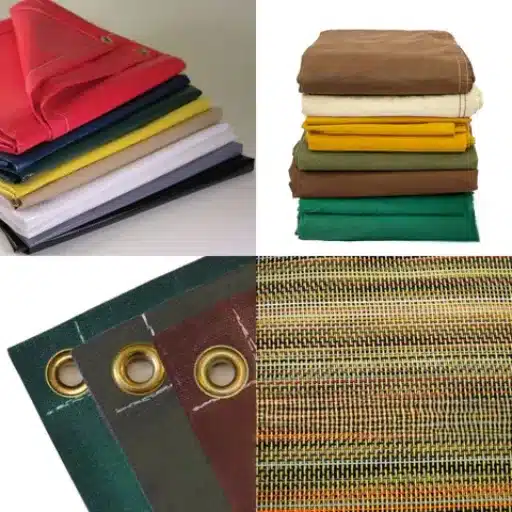
If you are looking for budget tarps, consider the material, durability, and size that your needs require. If you’re looking for a high-quality yet affordable option, choose polyethylene tarps because they provide weather protection for very little money. Check the thickness and the reinforced edges to make sure that the tarp lasts long. This is especially important when the tarp is going to be used a lot or placed in a harsh environment. Also, check the prices of the same tarp among different suppliers and inquire about bulk discounts if you are buying more than one tarp. The art of balancing quality and price is to identify a tarp that is not only within your budget but also meets your functional needs.
Balancing Initial Cost with Long-Term Value
Tarps are certainly a helpful tool that is often overlooked and considered only for their cost price. A low-quality tarp may not be expensive at first, but, in the long run, it will cost the same or even more if it has to be frequently replaced due to its lack of resistance. A top-of-the-line tarp made from durable materials like heavy-duty polyethylene or canvas can last longer and provide better protection for your valuable items. Moreover, features like UV resistance, mildew prevention, and reinforced grommets can enhance the longevity of the tarp, making the initial cost less of a burden. Only when considering durability, intended use, and maintenance requirements can one arrive at a good compromise between price and the value of the tarps over their lifetime.
Assessing Lifespan and Warranty Options
The lifespan of a tarp should be evaluated by considering factors such as the material, frequency of use, and exposure to harsh conditions. Tarps made from top-quality materials like vinyl or canvas usually have a longer lifespan than those made from lighter and less durable materials. In addition, considering warranty options is of utmost importance, as they often reflect the manufacturer’s confidence in the product’s durability. It is advisable to pick a tarp with a warranty policy that is transparent and detailed, as this provides extra assurance and assistance if problems occur, thus guaranteeing a better long-term investment. Always compare warranties and product specifications to find the right balance between durability and cost-effectiveness.
Cost vs. Quality: Making Informed Choices
Whenever I buy tarps, I always put quality first even if it means paying a higher price because a durable and high-quality tarp is a money saver to the end. Cheap options attract us, but they usually wear out quickly and need frequent replacement. I consider materials, construction, and warranty to make sure the tarp is strong enough for my use, thus, balancing the initial price with the value over the years.
Reference Sources
-
Which Materials Make the Best Tarpaulin? – A detailed look at tarpaulin materials, including water resistance and other key characteristics.
-
What is a practical guide of buying heavy-duty tarpaulin? – Insights into durable materials like polyethylene or PVC and fabric density.
-
How to Select the Best Tarpaulin Sheet for Your Needs? – A guide from a trusted tarpaulin manufacturer offering a variety of options.
-
Super Heavy Duty Tarps: Your Ultimate Guide to Durability – Focuses on tarps designed for tough conditions, emphasizing reliability and value.
Frequently Asked Questions (FAQs)
What is the ultimate guide to selecting the right tarp?
The ultimate guide to selecting the right tarp involves understanding the various kinds of tarps, their fabrics, and their specific attributes. One will be aided in making a rational choice by some factors like thickness, UV resistance, and the planned use. If you need a large tarp to cover machines or a small one for speedy outdoor works, these facts are vital for your choice of the right tarp for your requirements.
What varieties of tarps are on the market?
There are a few different types of tarps, including canvas tarps, poly tarps, and vinyl tarps. Canvas tarps are composed of natural fibers and are thus strong but probably not entirely waterproof. Poly tarps are produced from polyethylene and usually are light, UV resistant, and completely waterproof. Vinyl tarps, often the heaviest type, are perfect for heavy-duty uses and have features such as reinforced edges and grommets for extra strength.
How do I pick the right tarp for my needs?
Picking the right tarp involves evaluating the size you need and the conditions it must withstand. Think about if you want a multi-layered tarp for extra durability or a lightweight option for easy handling. It is also essential to consider whether the tarp will be exposed to severe weather conditions, as this will determine the type and thickness of the material you choose.
What is the thickness of a tarp and why does it matter?
The thickness of a tarp, usually expressed in grams per square meter (gsm), is a key factor in its durability and functionality. A thicker tarp generally provides better protection against the weather and lasts longer. For extra heavy uses, look for tarps with high gsm ratings, while lighter ones may be enough for temporary or less demanding applications.
How do I choose the appropriate tarp size for my project?
To choose the appropriate tarp size, measure the spot that has to be covered and add extra area to ensure there is no exposure. A size guide will assist you in finding the dimensions you need. It is essential to consider how the tarp will be tied down and remember that larger tarps can be more challenging to handle.
What are the best materials for a waterproof tarp?
Polyethylene and vinyl are among the best materials for waterproofing a tarp. Poly tarps are lightweight, UV-resistant, and thus suitable in many situations. Vinyl tarps, although heavy, are very effective at keeping water out and are ideal for long-term outdoor use. You can choose either of the two, depending on your requirements, as both offer waterproof features practical for the job.
Ready to Make Your Tarpaulin Purchase?
Armed with this comprehensive guide, you now have all the information needed to select the perfect tarpaulin for your specific needs. Consider the material, size, durability, and intended application to make an informed decision that balances quality with budget considerations.