
Vinyl vs PVC vs Polyester: Complete Material Breakdown
The variety of materials that are available for manufacturing, construction or for any other usage can make it difficult to make a choice. It is because materials like vinyl, PVC, and polyester are quite prevalent in various sectors and many find it hard to tell the difference between the three. The engineering perspective demands that every element should be fully exploited in order to maximize its specific function, which is durability, cost effectiveness and practicality. In this regard, this write up would analyze the three types of materials – vinyl, PVC and polyester – explaining their individual features, their particular benefits, and their specific uses. All the assisting mechanisms aside, you will be able to understand which of the materials is the best for you, should you be a designer, a constructor, or just someone interested in knowing more about materials. Do you want to know more about the pros and cons of these materials? Then keep reading, you won’t be disappointed.
Understanding the Basics of Vinyl, PVC, and Polyester Tarpaulins
Vinyl Tarpaulins
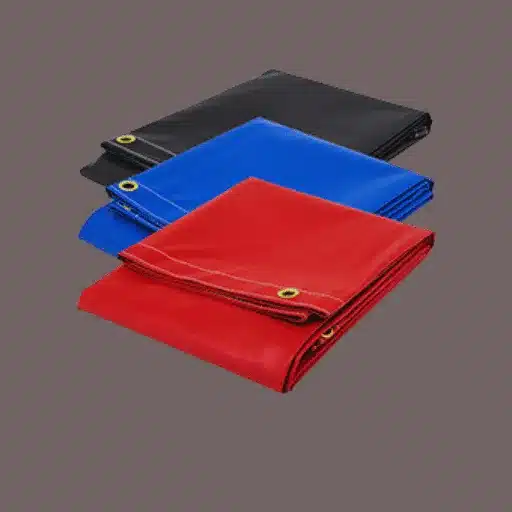
An example of a very durable canvas against inclement weather is the vinyl tarpaulin. Tarps are commonly said to be waterproof, UV-resistant, and tear-resistant. Accordingly, vinyl tarps are known to be used on construction sites, industrial covers, and transportation.
PVC Tarpaulins
PVC tarpaulins are considered lightweight yet sturdy, featuring a polyester base fabric covered with polyvinyl chloride. These offer water resistance and, to some extent, flexibility, with a smooth surface suitable for event tents, banners, and temporary shelters. They provide a perfect balance of strength and versatility for applications both indoors and outdoors.
Polyester Tarpaulins
Being noted for their lightness and fast drying, polyester tarpaulins are generally not waterproof, although many are treated with appropriate coatings to improve water and UV resistance. These tarpaulins find wide usage in the recreational world including camping, where portability and easy handling are prime concerns.
These different materials have varying advantages and thus your choice will depend on what your particular needs are for toughness, lightness, and environmental resistance.
What is Vinyl and its Composition?
Vinyl is essentially a synthetic form of polyvinyl chloride (PVC), regarded as one of the most versatile and widely encountered plastics. Its chemical constitution includes chlorine, derived from salt, and ethylene, obtained from either natural gas or petroleum. Through polymerization, these two substances are combined to form the PVC resin, which is basically the precursor for vinyl. Then comes the addition of plasticizers, stabilizers, and pigments for flexibility, durability, and color. Vinyl is the name for this “plastic material” colloquially used for a lot of things—-and the term covers the strength and resistance to moisture it needs to be used for applications like flooring, upholstery, banners, or tarpaulins. The adaptability of vinyl allows for it to be manufactured in rigid or flexible forms, depending on the product requirements.
Exploring PVC: Characteristics and Uses
Properties of PVC
Polyvinyl chloride (PVC) is one of the most versatile polymers having diverse uses due to the uniqueness of its properties. It is lightweight, durable, and resistant to chemicals, corrosion, and weathering. It can be produced either as a hard or soft material, providing for a wide variety of applications. Other properties include its fire resistance and excellent electrical insulation, which contribute to its wide range of uses in construction and wiring.
Major Uses of PVC
PVC finds application in building construction where it is used for piping, window frames, and flooring application, thanks to its strength and longevity. Due to its flexibility, it is perfect for applications in medical devices such as IV bags and tubing. PVC is also used for packaging, automotive parts, and even footwear. This mix of price, durability, and flexibility will continue to ensure PVC as the future of contemporary manufacturing and design.
Polyester Tarpaulins: Features and Benefits
- Durability: Polyester tarpaulins resist wear and tear and are apt for long-term use in different environments.
- Waterproof: These tarps provide good resistance against rain and moisture, keeping goods and places safe.
- UV Protection: Being UV-proof tarpaulins, they ensure that prolonged sun exposure will not limit their working lifespan.
- Lightweight and Portable: Though they have great strength, polyester tarpaulins are also lightweight and easy to carry, making them convenient for various uses.
- Versatile: Since these tarps come in different sizes and finishes, they can be used for various jobs, from guarding vehicles to providing temporary shelter to protecting construction sites.
Comparative Analysis: Vinyl vs PVC vs Polyester in Tarpaulins
Vinyl, PVC, and polyester tarpaulins differ in durability, flexibility, weather resistance, and cost-effectiveness.
| Parameter | Vinyl | PVC | Polyester |
|---|---|---|---|
| Durability | High | High | Medium |
| Flexibility | Moderate | High | High |
| Weatherproof | Excellent | Excellent | Good |
| UV resistance | High | High | Medium |
| Weight | Heavy | Heavy | Light |
| Longevity | Long | Long | Moderate |
| Cost | Expensive | Expensive | Affordable |
| Usage | Industrial | Industrial | General |
Durability: Vinyl and PVC Tarpaulins
The choice between vinyl and PVC tarpaulins largely depends on their strength and insertion qualities. They are highly durable and resistant to tears and abrasion. In industrial capacity, this product is mainly manufactured and used. Therefore, the weather elements can be strong, with UV penetration and extremely heavy weather contributing to the products. Ideally, a vinyl and PVC tarpaulin is the best choice in situations requiring resistance and strength.
Weight and Flexibility: Polyester vs Vinyl
Weight and flexibility are inversely proportional with polyester docker tarps. To be shorter in weight and flimsy, polyester is indeed a light textile and never great for awkward handling in particular if the placement needs to be changed most often. Vinyl tarpaulins, due to their thicker and denser construction, can feel more cumbersome and inflexible, limiting their ease of use in some situations. This, however, often makes the rigid vinyl tarpaulins more stable and durable under stress. The choice of polyester or vinyl depends primarily on the requirements of the application, weighing portability against strength.
Water Resistance: PVC and Polyester Tarpaulins
By comparing water resistance properties, the PVC surface of the tarpaulin perfectly combines non-porosity and water repellency under long-term exposure to wet conditions, which the polyester surface lacks. Polyester tarpaulins are otherwise made water-resistant by applying a treatment, though in high water exposure or long-term use, the effectiveness tends to be less adequate. Hence both types can be considered to offer water protection, but PVC is variously considered better in water resistance and durability, particularly when the applications qualify for severe industrial or outdoor use. The type to be chosen regarding water exposure and application durability would depend on this factor.
Pros and Cons of Using Vinyl and PVC Tarpaulins

✓ Pros of Vinyl and PVC Tarpaulins
Tarpaulins: Lightweight and inexpensive, suitable for medium-duty operations. Appropriate for temporary or light-duty applications.
PVC Tarpaulins: Heavy-duty, water-proof and lasting forever. Consider transporting in more demanding environments and for heavy-duty use.
✗ Cons of Vinyl and PVC Tarpaulins
Vinyl Tarpaulins: Less resistant to weather and water than their PVC counterparts. Indeed, in these conditions, they are not suitable for long-term exposure.
PVC Tarpaulins: Heavier and pricier than vinyl; therefore, both price and weight may be unfavorable for some activities.
Advantages of Vinyl Tarpaulins
- Lightweight: Easy to handle and transport as it weighs less than PVC tarpaulins.
- Cost-Effective: Inexpensive, hence recommended for projects on a tight budget.
- Versatile: Suited for different applications for short-term or light-duty assignments.
- Weather-Resistant: Resists moderately adverse weather conditions like rain or sunshine.
- Customizable: Comes in various sizes and colors according to your preferences.
Disadvantages of PVC Tarpaulins
- Heavy Weight: As a PVC tarpaulin, it is generally heavier and therefore more difficult to shift and handle compared to a lightweight alternative.
- Highest Price: They generally carry a higher price, which might not work for projects with very tight budgets.
- Lesser Breathability: PVC is actually less breathable and may cause condensation in specific applications.
- Environmental Concerns: PVC tarpaulins are the least eco-friendly due to the chemicals involved in the manufacturing process.
- Rugged in Cool Weather: These tarpaulins can get sufficiently inflexible to prevent rust in cold climates.
Cost-Effectiveness of Vinyl vs PVC
Several factors enter into this comparison of cost-effectiveness between vinyl and PVC: durability, initial cost, and needed maintenance. Although vinyl is slightly more costly, it offers longer life and resistance to wear and tear, making it more cost-efficient overall. In contrast, PVC is usually cheaper, which makes it suitable for projects with tight budgets. However, with its shorter lifespan and greater susceptibility to damage, especially during cold spells, PVC can only lead to an increase in replacement or maintenance costs over time. This means that the decision to choose either vinyl or PVC will ultimately depend on immediate project concerns, price considerations, and the balance between short-term savings and long-term value.
Best Applications for Vinyl, PVC, and Polyester Tarpaulins

Commercial Uses of PVC Tarpaulins
Being more solid and adaptable, PVC tarpaulins are versatile in almost all commercial uses. An everyday use for these tarpaulins is covering trucks during the loading of commodities to protect the goods from severe weather. In construction, PVC tarpaulins are often used to cover equipment and materials. They are also used as waterproof temporary shelters, event covers, and banner materials due to their high abrasion resistance. Being economical and so versatile in applications, they find prominence across many industries.
Residential Applications for Vinyl Tarpaulins
Vinyl tarps are incredibly versatile for residential purposes. Often considered an outdoor protective covering for furniture, rugs, and vehicles from rain, sun, or dust, they are seldom missed during rainy days or emergencies. Homeowners consider temporary roofing solutions for their durability and water resistance qualities. Vinyl tarps are also handy for providing shade on patios or gardens, serving as makeshift canopies against harsh sunlight. The light yet strong character of vinyl tarps guides them skillfully for many DIY projects, meeting some needs around the home.
Polyester Tarpaulins in Outdoor Settings
Excellent strength and durability withstand all types of weather, and thus polyester tarpaulins find application in every conceivable outdoor situation. Covering and guarding equipment, vehicles, or goods with these tarps is usually done to protect them from adverse weather, which may include heavy rainfall and bright sunlight. Due to their fast-drying time and high UV resistance, they are perfect for camping: covering a tent or a picnic area. The other applications of polyester tarps are in agriculture, where they safeguard crops, hay, and machinery from prolonged exposure to harsh environments. Thus, they stand as versatile weatherproof materials for any sort of outdoor applications.
Choosing the Right Tarpaulin Material for Your Needs

Consider the particular needs of your application while selecting tarpaulin material. Polyethylene tarps are highly durable and water-resistant, making them especially suitable for heavy-duty use with prolonged application. Polyester tarps are the next choice if being lightweight and providing UV protection are on your list of priorities. Canvas tarps are the way to go for a breathable, environmentally friendly application, such as covering machinery or outdoor storage. Weather, exposure to sunlight, and use will all be factors to consider for any material you decide upon.
Factors to Consider When Selecting Tarpaulin Material
- Durability: Consider how well the material can withstand wear and tear in case it has to undergo heavy treatments in rugged surroundings.
- Weather Resistance: Check the tarp for its resistance to rain, wind, and severe sunshine to ensure it can adequately protect the goods.
- Weight: Consider a material that is sturdy yet easy to carry especially when you need to be moving it around or manipulating it.
- UV Protection: For tarps exposed to sunlight for long durations, choose materials with a UV-resistant paint coating to prevent deterioration or fading.
- Breathability: If ventilation is an issue, mainly when covering fragile goods, choose breathable materials like canvas to prevent moisture from trapping.
Comparing Life Expectancy: Vinyl vs PVC vs Polyester
Vinyl typically lasts 5-10 years, PVC can last up to 15 years, and polyester generally lasts 2-8 years depending on conditions.
| Material | Lifespan | Durability | UV Resist | Moisture Resist | Flexibility |
|---|---|---|---|---|---|
| Vinyl | 5-10 yrs | Moderate | High | High | Moderate |
| PVC | Up to 15 yrs | High | Very High | High | Low |
| Polyester | 2-8 yrs | Low | Moderate | Moderate | High |
Expert Recommendations for Tarpaulin Choices
The application requirements must be examined while selecting a tarpaulin. PVC tarpaulins remain the most durable option over time for outdoor use: they really boast a long lifespan being UV resistant, thus compromising flexibility. Vinyl tarpaulins form a valuable compromise given their somewhat hardier life and extreme moisture resistance when exposed to moderate outdoor conditions too. For good flexibility, a polyester tarp is excellent for short-term use, especially for light and temporary applications. They really must consider the surrounding conditions and the purpose of the tarp bag.
Reference Sources
-
Guide to the Different Types of Coated Fabrics – Discusses the durability, versatility, and cost of vinyl-coated fabrics, often made with polyester or nylon bases.
-
The Durability Duel: Vinyl vs Polyester in Everyday Use – Compares the durability and lifespan of vinyl and polyester materials.
-
Polyester, PVC Vinyl, Polypropylene and Polyethylene Comparison – Explores print quality and other properties of polyester and PVC vinyl.
-
Best Marine Canvas Material Comparison: Acrylic Vs Vinyl – Highlights waterproofing and breathability differences between vinyl and other materials.
-
PVC-Free Vinyl: The Complete Guide – Examines the environmental impact of polyester versus PVC production and the benefits of PVC-free vinyl.
Frequently Asked Questions (FAQs)
Understanding the differences between vinyl, PVC, and polyester materials empowers you to make informed decisions for your specific needs. Whether you’re selecting tarpaulins for industrial use, residential applications, or outdoor activities, each material offers unique benefits that cater to different requirements in terms of durability, flexibility, cost, and environmental resistance.