
Tarpaulin Failure Analysis: Common Problems & Solutions
When it comes to shielding valuable items from harsh weather conditions, tarpaulins are usually a reliable and flexible option. Nevertheless, even the most hardwearing of cover sheets eventually develop faults that may result in expensive repairs, loss of efficiency, or even early damage. It is essential to know the most prevalent complications with tarpaulins and how to address them to extend their service life and efficiency. This work considers the usual reasons for tarpaulin failure, such as inadequacy of raw materials or external factors, but also offers advice on how to preserve your tarpaulin effectively. It does not matter whether you use tarpaulins for industrial, farming, and protective coverings or everyday activities; this publication aims to resolve common mistakes and help you enjoy them for the longest time possible.
Understanding Tarpaulin Failure

Causes of tarpaulin failure are related not only to weaknesses inherent in the material out of which the tarpaulin has been manufactured but also to other external factors. The major contributing factors include:
- UV Radiation: Direct sunlight is the main force of degradation and embrittlement of materials.
- Abrasion: Constant rubbing against coarse surfaces damages the tarpaulin, causing holes and frayed sections.
- Lack of Proper Tensioning: Excessive stretching or unequal tension leads to stress concentrations at points, consequently resulting in tearing.
- Moisture and Mould: Washing the tarpaulin but leaving it wet for several days encourages the development of mould, which damages the tarpaulin over time.
- Adverse Weather Condition: Strong winds, intense rain, or snowfall all overburden the tarpaulins beyond their thresholds, and they break.
Knowing these frequent problems allows for tarpaulin maintenance and usage enhancement before it wears out completely.
Definition and Importance of Tarpaulins
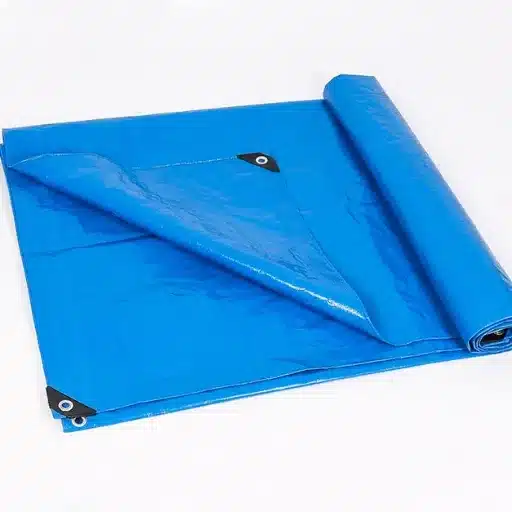
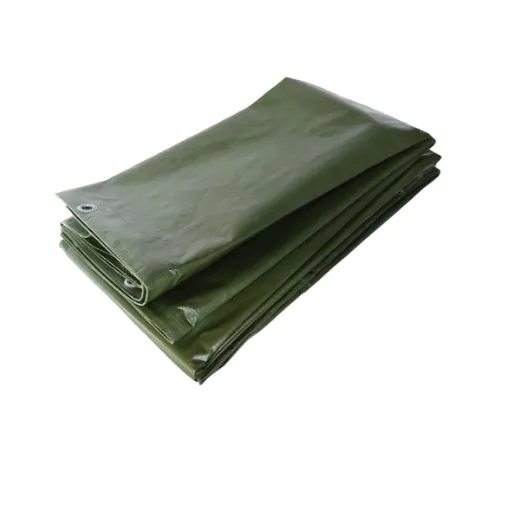
Tarpaulins, also known as tarps, are heavy sheets of bendable material, usually from canvas, polyester, or polyethylene, used for general coverage and protection. These covers are designed to be waterproof or at least water-resistant, and the corners of the tarps have grommets for fastening them. They are used for many purposes, including covering goods, preventing damage by weather conditions, providing provisional shelter, and protecting construction areas from equipment and debris.
Tarpaulins have become very important because they are easy to handle and are cheaper. Trends in recent searches, combined with other relevant data, support the idea that tarps have become viable for use in both homes and businesses, or even better, in areas where extreme weather is typical. An obvious example would be in the deployment of temporary tarps in response to disasters, where there is an immediate need to provide roof or shelter protection for people whose houses have been damaged by the storm. Additionally, complaints about agricultural perishables or weather-sensitive equipment can lead to significant debts, but this concern can be alleviated because the tarpaulin protects against environmental elements. Emphasising effectiveness as well as dependability, tarpaulins continue to remain substantial devices employed in industries as well as in homes all around the world.
Common Causes of Tarpaulin Failure
☀️ Sunlight
Extended periods of exposure to sunlight lead to material deterioration. It will easily get damaged if an external force is exerted.
🔗 Poor Fastening
This occurs when the clean cut, as a metaphor, is placed in the wrong context, causing stress on the fabric in adverse weather or when carrying weight.
🔨 Rubbing
The tarpaulin will instantly develop ruptures or fragile portions if it is rubbed against rough or sharp surfaces.
🌧️ Hostile Environment
Torrential downpours, hurricane-force winds, and excessive snow can potentially overload the tarpaulin, causing tears or even causing it to collapse.
⚗️ Effects of Chemicals
Contact with aggressive substances or chemical emissions can weaken the given tarpaulin, reducing its durability and effectiveness.
Environmental and Human Factors Contributing to Failure
The durability and efficiency of such tarpaulins might be affected by various environmental and anthropogenic factors. The material may break and crack due to prolonged exposure to the sun’s ultraviolet (UV) rays. It could also cause molds and mildews to form on the fabric when the level of moisture is high or there are leaks around the tarp. Moreover, human activities like mishandling, improper storage, or overloading the tarp beyond its capacity tend to increase stress on it. When these factors are taken into account altogether, then, it becomes clear that the tarpaulin will perform less effectively and serving limits will be abated. Moreover, preventive measures like the application of UV protective layers and adequate maintenance have been shown to reduce such causes of tarpaulin failure.
Types of Tarpaulins and Their Vulnerabilities
1. Polyethylene (PE) Tarpaulins
Even with their lightweight and waterproof features, PE tarpaulins deteriorate with exposure to the sun, leading to tears and brittleness.
2. Polyvinyl Chloride (PVC) Tarpaulins
In extreme weather, PVC tarps are firm yet flexible, but they are also more vulnerable to chemicals and can become stiff in low temperatures.
3. Canvas Tarpaulins
Canvas tarps provide air circulation, but they will rot and wrinkle if left exposed to moisture. Frequent washing before they become wet deteriorates their water-resistant capability.
4. Mesh Tarpaulins
Mesh-enriched tarps are crafted to endure wind and provide shading; however, they do not effectively avert heavy downpours and fray around the edges.
5. Nylon Tarpaulins
Nylon tarp is lightweight and durable. However, it easily degrades as a result of exposure to the sun over long periods or when exposed to certain oils and chemicals.
It is essential to understand why tarpaulin failure can occur to choose the right one suitable for a particular use case and enhance its longevity.
PVC Tarpaulin: Benefits and Limitations
The use of PVC tarpaulins is prevalent due to the material’s long-lasting properties and versatility. One of the key advantages of PVC cover is water resistance which makes it suitable for use in wet environments. In addition, tearing, rubbing and UV light cannot affect them easily, hence permitting such tarpaulins to withstand the harshest of external conditions. Further, they are very non-permeable in nature; therefore, when used, they can protect anything or any form of space from dust, moisture, or any dirt.
However, the benefits these PVC tarpaulins provide are not without their demerits. They tend to be on the heavier side, making it difficult to load, mount, and carry around compared to carpet or even nylon. Moreover, PVC cannot be considered environmentally friendly because it is non-biodegradable and can lead to the emission of harmful gases if left as waste. It can also wear or distort after prolonged heating. Having a good knowledge of these pros and cons puts one in a better position to select a material for a particular function without compromising practicality or the environment.
Polyester Tarpaulin: Characteristics and Common Issues
Polyester tarps are incredibly durable and versatile. It can be used to cover industrial applications, as tents and awnings. They are basically lightweight and water- and tear-resistant, making them perfect for outdoor use. Polyester is often coated or laminated with PVC, which provides even more waterproofing and UV resistance, thus enhancing its longevity when exposed to severe weather.
However, there are recurring problems with polyester tarpaulins when the weather is severe and the sunlight is strong, as even UV-treated materials may deteriorate over time. Other proceedings could leave material susceptible to wearing away from dirt and contaminants; any rough handling or exposure to sharp objects can lead to ruptures or other forms of damage. Another consideration is that, although coated polyester tarps are stronger, the PVC layer added to the coating is less environmentally friendly and very difficult to recycle. Selecting the better kind and taking proper care of it, then, is the very factor that would ensure a longer life and provide technical service in the long run.
Vinyl Tarpaulin: Durability and Maintenance Concerns
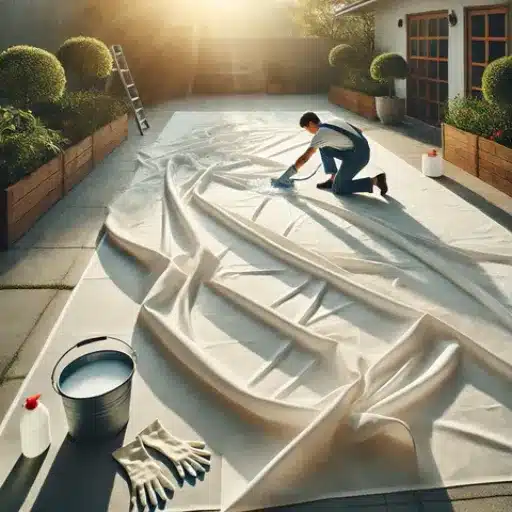
Vinyl tarps are a popular choice because they are pretty strong and can withstand both the heat of the sun and the cold of the wind. Made of polyester woven fabrics, these tarpaulins are coated with one or more layers of PVC resin, allowing them to withstand many environmental conditions, such as heat, rain, or even chemical exposure, without breaking down. Although they may seem extremely robust, these tarpaulins cannot be overlooked when it comes to maintenance. The simple action of washing them with warm water and soap keeps soiling material from packaging and accelerates the deterioration of the fabric. It is essential to remember to roll and place dry tarpaulins in a conditioned space when not in use to preserve their overall shape. Repair patches, repair kits can easily take care of minor rips, or repairs can be made to enhance the usefulness and viability of the materials above. However long-lasting vinyl tarpaulins appear, caution must be exercised to work them in moderation while maintaining their functional edge over time.
Common Issues with Tarpaulins and How to Fix Them
1. Tears and Holes
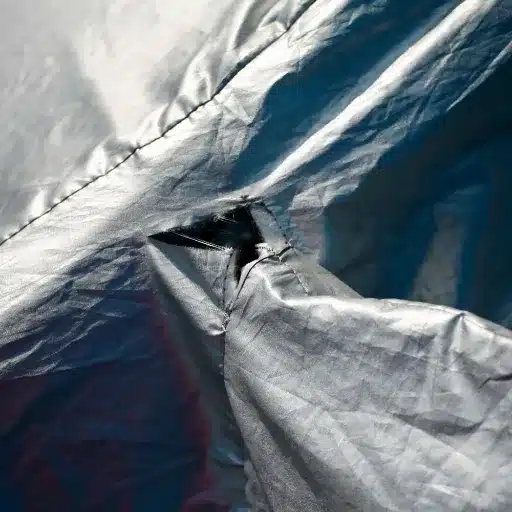
Sharp objects or hard wear over time can fray tarpaulins. Such tears can be mended with a tarpaulin repair kit equipped with adhesive patches. For best results, clean the damaged area well before applying the patch.
2. Mold and Milidue Growth
Staying wet for hours encourages mold and mildew growth. To remedy and prevent this, clean the tarpaulin with warm water and mild detergent, and ensure it is scorched before storage.
3. Fading from UV Exposure
Sunlight will fade the colors and weaken the tarp if left out for extended periods. A UV-resistant coating will ensure protection against the sun when applied repeatedly.
4. Loose or Damaged Grommets
Repeat stretching and tension can pull away or damage the grommets. Faulty grommets can be replaced with a repair kit with attention paid to secure fastening to prevent loss in the functionality of the tarpaulin.
5. Fraying Edges
Due to frequent use and tearing, tarpaulin edges tend to fray. Apply heavy-duty tape or hem the edges with strong thread to prevent further fraying and maintain durability.
Discoloration and UV Damage
Discoloration and UV damage are problems typical of tarpaulins exposed to long hours of sunlight. The ultraviolet rays, if applied too long, weaken the tarpaulin material, while colors may fade and the material loses its strength. Some protection against UV rays can be achieved by using a waterproof UV spray or coating on the tarpaulin surface. To keep the color and strength intact, it would be better to store the tarpaulin under shade when it is not being used. Proper care and protection will keep its tarpaulin functional and attractive for years to come.
Loss of Waterproofing: Causes and Solutions
Loss of waterproofing in tarpaulins can result from wear and tear, prolonged exposure to adverse weather conditions, or improper cleaning methods. Small tears, scratches, or abrasions may weaken the material’s ability to repel water. At the same time, overexposure to water or the use of strong detergents may degrade the coating designed to protect it.
Loss of the Waterproofing Effect: Solutions
- Repair Small Damage: Applying waterproof patches or using a waterproof adhesive to fix holes and tears will address this problem immediately.
- Reapply Waterproof Coatings: Use a spray or treatment to improve tarpaulins that have lost their water-repellent properties.
- Preventive Maintenance: Clean the tarpaulin using mild soap and water; avoid using abrasive tools or chemicals.
Applying the above will increase the life and usability of your tarpaulin several-fold.
Tears and Rips: Repair Techniques and Best Practices
Usually, tears occur as a result of prolonged severe weather, improper handling, and general wear and tear. However, if these are not dealt with soon, the tarpaulin could lose its usefulness. So, these are some tried and tested repair methods and measures:
Clean the Damaged Area
Before repairing any damage, check that the surface is relatively clean and free of dirt, debris, or moisture. Wipe it gently with a dry cloth to set the surface for patch application.
Repair Tapes or Patches
For more minor or medium-sized tears, heavy-duty repair tapes such as vinyl or polyethylene work best. A patch that is quite similar to the tarpaulin material should be applied for bigger damage. Strong adhesives or heat sealing should be used to fix this patch.
Reinforce Weak Points
Reinforce grommets or add layers of fabric to the edges or areas of the tarp where high stress is exerted, potentially causing further damage. This will prevent it from happening and increase the usability period of a tarp.
Routine Inspections
Carry out a routine inspection of your tarpaulin, especially after storms. Timely identification and mending of tears will save you more time and money in the long run.
These are the methods through which you can ensure your tarp stays durable and valuable, even under challenging conditions.
Preventative Measures for Long-Term Use

To take care of the tarpaulin, extend its service, ensure proper storage, and avoid exposing it to sunlight for long periods. Use tarpaulin with UV protection as it adds extra protection against the sun’s rays and tie it securely to prevent wind damage. Also, clean the tarpaulin often and remove all moisture to avoid mold/mildew development, and take care of any minor problems before they enlarge.
Choosing the Right Tarpaulin for Your Needs
When selecting a tarpaulin, there are a few aspects that need to be taken into account to avoid tarpaulin failure. First, decide on the intended use – for covering valuables, meeting tents or encasing products. Second, choose the correct material, such as polyethene when waterproofing is required; canvas when air flow is needed; or vinyl for rough conditions. Third, consider the surface area coverage, size, and thickness, taking into account the desired durability for the material in question. Ensure that the tarpaulin is stitched correctly on the edges and has grommets that are adequately sized to prevent slipping. Lastly, there are also other additions to the tarpaulin, such as UV protection or fire-retardants, which are available and may be used where necessary.
Proper Maintenance and Care for Tarpaulins
To keep my tarpaulins in good condition, I wash them periodically using only soap and water, as harsh cleaners can easily damage the material. I do not leave them out; instead, I keep them folded and stored in a dry, cool place to avoid any unnecessary wrinkles and damage. When in use, ensure they are tightly secured to prevent being torn by the wind. Continually perform regular checks for any signs of failure or holes, fixing them promptly to extend the tarpaulin’s lifespan.
Implementing UV Protection and Waterproofing Techniques
In UV protection for tarpaulins, the most beneficial application is a protective coating or spray that resists UV rays. This treatment is easily found and effectively prevents the material from becoming brittle or faded due to prolonged exposure to sunlight. Furthermore, they can look for tarps made with UV-treated materials to give another layer of protection.
For waterproofing, they must prevent water from entering through the pores of the material. Regularly treating the tarpaulin with waterproof sprays would help it endure harsh weather conditions. One should seek products designed explicitly for the tarpaulin material in question, such as vinyl or polyethylene. With these treatments, one could expect to enhance the lifespan and functionality of their tarp.
Real-World Impacts of Tarpaulin Failure Across Industries
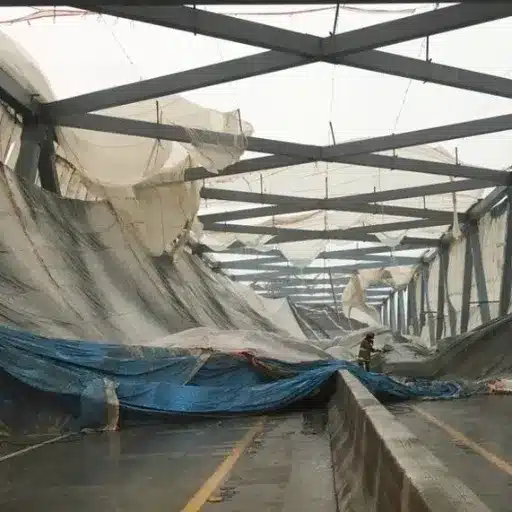
The consequences of tarpaulin failure tend to differ from one sector to another. In agriculture, it is likely that crops and produce will be ruined due to water damage and harsh weather conditions. The logistics and transportation sectors are likely to experience unsecure cargo leading to losses and annoyance due to missed deadlines. In construction, tarpaulins may worry workers as they may not shield equipment and unfinished construction from materials damage, or delays. The event industry could also be affected since damage to event equipment and collapse of outdoor events as a result of tarpaulin failure would be an inconvenience to the audience. All these cases demonstrate the need for frequent maintenance and effective use of tarpaulin installation to avoid accidents and enhance operations.
Construction: Risks and Consequences of Tarpaulin Failure
When it comes to tarpaulin failure in construction activities, they can present various threats and implications that are unavoidable. Such torn tarps can expose machinery and raw materials to extreme weather conditions, leading to rusting, soaking, or weakening. It not only halts the project’s advancement but also increases spending for repairs or replacement due to the damage. There is also the possibility of worker injuries and legal compliance issues due to inadequate or incorrectly positioned tarpaulins. To avoid such problems, high-quality and durable tarpaulins must be used and periodically checked to ensure they are properly secured and maintained. Taking steps such as using materials that can withstand weather changes and following manufacturer recommendations tends to reduce losses from such detailed work.
Agriculture: The Role of Tarpaulins in Crop Protection
Tarpaulins are a part of crop protection and are used to protect crops from rain, sun, wind and other harsh conditions. This helps the farmer control the amount of water on crops, provides some shade, and prevents mechanical damage, thus improving both the yield and the crop quality. The advent of UV-treated contemporary tarpaulins that are effective against the sun rays for a long time affords both longevity and protection of the crops. Another widely utilized exterior canvas protector is the short-term stowage tarpaulin, which provides a water-tight and vermin-proof shelter. By using tarpaulins, farmers can minimize crop spoilage and optimize processes, thus enhancing agricultural production capacity.
Transportation: Ensuring Load Safety with Tarpaulins
Transportation tarpaulins are essential equipment that is used to secure and protect commodities during transportation. They are used primarily to cover the cargo of lorries, trailers, and other vehicles under weather conditions that can cause damage to the load, e.g., rain, wind, and UV. Furthermore, it prevents items from shifting or falling, which increases safety on the roads. These qualities make tarpaulins an exceptionally reliable way to transport almost any goods, ensuring they arrive at their destination unchanged and undamaged.
Reference Sources
- How to Avoid Common Mistakes When Using Tarpaulins? – Discusses improper securing techniques and other common causes of tarpaulin failures.
- What Are the Disadvantages of Tarpaulin? – Highlights issues like inadequate securing and exposure to environmental factors.
- Common Tarpaulin Issues and How to Fix Them – Covers problems such as tears, weak grommets, UV damage, mold, and more.
- Guide to Repair and Care for Your Tarps – Provides a comprehensive guide on maintaining and repairing tarps to prevent failures.
- Troubleshooting Common Truck Tarp Problems – Focuses on issues like rips, UV exposure, and wind damage, with tips for regular inspection and care.
Frequently Asked Questions (FAQs)
❓ What are the common failure points in tarpaulins?
Surface ripping, loss of waterproofing capacity, and an unnatural response from the grommets are all commonplace failure points within tarps. Faults in tarpaulins result from continuous exposure to direct sunlight or constant folding and unfolding of the material.
☀️ How do UV damage and discoloration affect tarpaulin service life?
UV Penetration drastically shortens the tarpaulin service life with discoloration and the diminution of tensile strength. Poorly maintained tarpaulins or those not possesing UV protection tend to suffer these problems very fast, hence their premature failure.
🔧 Can I repair tears and rips in my PVC tarpaulin?
Yes, tears and rips in PVC tarpaulins may be well repaired with tarp repair tape. This tape is designed to seal synthetic fabric tarps and restore their waterproofing capacity, thereby preserving the tarp’s use even after damage occurs.
📦 What are the materials used in the manufacturing of tarpaulins?
Tarpaulins can be made from a variety of materials, including PVC vinyl, polyester, and other synthetic materials. The choice of tarp material determines how durable it is, as well as its tensile strength, and resistance to UV damage, and mold and mildew agents.
🛒 What should I be looking for in a tarpaulin supplier?
Keep in mind that the tarpaulin supplier must provide the best-quality materials and be able to discuss the service life and tensile strength of the products they supply. Also, inquire if he supplies tarpaulins that come with a guarantee against UV damage and are suitable for long-term use.
🛠️ How does a well-maintained tarp fail?
To keep the tarp well-maintained, wash it regularly to remove dirt and debris, inspect for any rips or damage, and store it properly when not in use. Keep it out of direct sunlight for extended periods, and ensure grommets are in good condition to prevent the formation of failure points.