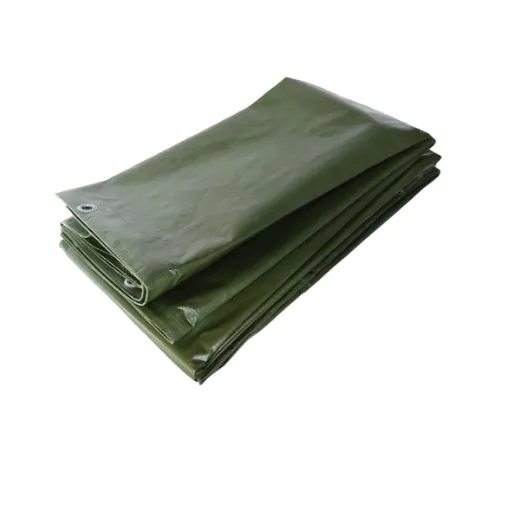

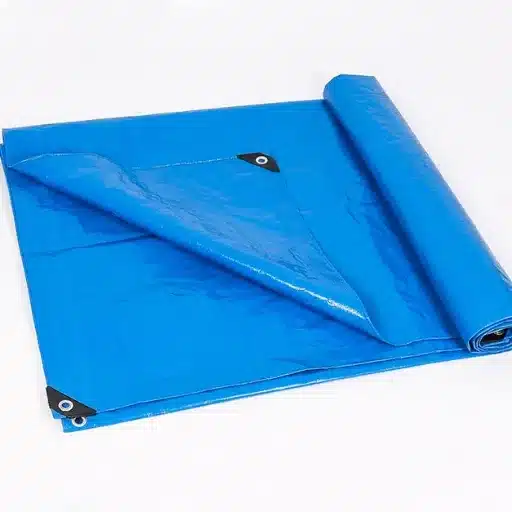
Discoloration Problems: Staining & Color Change Solutions for Tarpaulin
Tarpaulins are all about their durability and look. Though, eventually, those strong materials could have a common problem of discoloration, that is, staining and color change, which not only reduce the aesthetic value but also indicate previous factors that might have affected the performance of the tarps. Making usage of tarpaulins for covering outdoor areas, in industrial applications, and even for personal DIY projects, is always important to maintain the quality and the appearance of tarpaulins. This article discusses the reasons that usually cause the discoloration problems and gives solutions that are both practical and effective to make sure that the quality and appearance of your tarpaulins are maintained for years. Keep reading to find out expert advice and helpful tips!
Understanding Tarpaulin Discoloration
Causes of Tarpaulin Discoloration
One of the main reasons why a tarpaulin discolors is that it is exposed to environmental elements for a long time. When a material is exposed to the sun for a long time UV slots its way down into the pigment of that material and causes it to fade/change color. Also, wear and tear can be caused by rain, wind and dirt, thus it renders the tarpaulins easily discolored.
Another concern is associated with chemicals. Some people might use cleaning detergents or other harsh chemicals, for example painting or smoking, where changes occur on a surface or discoloration occurs from contact with the outside layer of the material. For example, harsh detergents in cleaning can reduce the protective layers of the surface and cause discoloration faster than usual.
Finally, the weather conditions affect the storage of the material under the tent can pass as it affects the stern. The tent stored in humidified atmosphere or in the balcony where the ceiling leaks easily favors the appearance of clams and molds which eats out the fabric evaluated over those places and allows the petals to be covered in discoloration. Upon periodic cleaning and safe storage of the tarpaulins in out of the sun areas, such causes are tenable and their outlook can be appraised.
Impact of UV Rays on PVC Tarpaulin
When subjected to UV radiation, PVC tarpaulins undergo massive deteriorations therefore tend not to perform the function for which they were intended or were bought for. Continuous efforts to protect PVC from ultraviolet rays causes its composition to weaken, severely reducing its use period. The following are five different effects of ultraviolet light on the structure of PVC tarpaulin:
1. Discoloration
Exposure to UV radiation also works against the pigments in the PVC tarpaulins, forcing them to lose their color and leading to discoloration over long time. This reduces the visual appeal of the material, particularly in applications where aesthetics are important.
2. Stiffening
In this case, when continuously exposed to UV radiations, the material becomes stiff and ready to break or tear, creating damages too easily.
3. Reduction in Tear Tendency
Strength in fathers “sac” due to sunlight rays decreases the extent to which PVC tarpaulin can resist stress. This may mean that materials are more easily used during harsh conditions.
4. Damage on Surfaces
After excessive exposure to sun rays over a long period of time, the surface of the tarpaulin could create microcracks which will let in dirt or moisture thus quickening the process of damage.
5. Lowering of Waterproofing Ability
The water-resistant capabilities of PVC tarpaulins will be compromised due to exposure to excessive UV leading to leakages and they will not be suitable for such use anymore.
💡 Protection Tip: Such effects can be mitigated and the useful life of the PVC tarpaulins extended by adopting intervention measures such as use of coating for protection against UV, carrying out maintenance from time to time as well as avoiding instances where they are exposed to direct sunlight for too long.
Effects of Harsh Weather Conditions
In general, harsh environmental conditions can affect PVC tarpaulins negatively both in terms of performance and durability. Such effects are the outcome of environmental exposure characterized by excessive and constant rains, wind, snow, and significantly varied temperatures. The following five salient points will narrate details on the impact of adverse weather conditions:
❄️ Breakage as a Result of Cold Weather
In sections of PVC tarpaulins exposed to freezing point temperatures and below, the elasticity is reduced to a brittle structure which leads to efforts molded in fractures.
🔥 Warping from Heat Exposure
When there is too much heat over the pvc materials, they shall tend to get warped deforming the structures. Studies indicate that if components are subjected to temperatures of above 140 °F (60 °C), this will result in a loss of strength of even up to 30 percent.
💧 Soaking and Rotting
If it is exposed to continued rainwater or excess snow that melts, the material will generally become waterlogged which in turn supports the growth of fungi such as mildew over the materials. It is estimated that moisture-related damage can reduce the lifespan of tarpaulins by as much as 25% when proper drainage is not done.
💨 Tearing Due to High Winds
High winds often spread a lot of stress across a PVC Tarpaulin leading to tears or worse, structural damage. Research indicates that winds of more than 50 mph (80 km/h) more often than not increase tearing risk by 60% more in the older tarpaulins.
☀️ Fading Away and Discoloration
Plastic tarpaulins usually experience color loss or discoloration when they are subjected to the beauty of the bad weather for extended periods. This will in turn inhibit their look and function as an effective protectant with time due to most being affected by this UVR and moisture interaction.
⚠️ Important: Knowing how weather affects PVC tarpaulins helps users take measures to maintain their usage and protect them from damage.
Mold and Mildew: The Hidden Threat

How Mold Develops on Tarpaulins
One of the many issues people have with PVC tarpaulins, as with most organic bodies, is mold and mildew. Even with the most organic of all materials like dirt, tarpaulin gets older and collects dirt that becomes a surface for microbial growth when moisture is retained and is prevented from escaping. The mold, once it starts, will do so very fast thus leading to the degradation of the tarpaulin and causing some unpleasant smells that will affect the usability of the tarpaulin as well as its structure. This is more prevalent in warm or cool however least oversunlit areas where it is more ideal for molds to thrive given that those ecosystems receive less sunlight than dry or outside areas which promotes molds discoloration of the tarpaulins in storage.
One issue that highly enhances the propensity of building up of mold is poor cleaning and care. Debris, dirt and organic material left on the tarp is able to support the inhabitation of spores, especially in the hidden folds of that traps are able to hold water. While it is true that good quality water resistant tarps can last for long without stress, the contents of the soil must be cleared from time to time to avoid any challenge. If the structure water is regularly exposed to either rain or even rinsed but not left to dry, it makes it worse thereby making upkeep very as wetness becomes a great concern in terms of fungus control.
To prevent mold from forming, preventative care should be taken including disinfecting tarpaulins by using suitable disinfectants and drying the materials completely before storage. Storing tarpaulins in places that are airy and accessible to sunlight will also help in reducing the likelihood of discoloration due to mold. Furthermore, there has been a great improvement in the manufacturing of PVC material, such as laminates that contain antimicrobial additives, which help make them more resistant to mold and mildew therefore prolonging their useful life.
Preventing Mildew and Discoloration
To avoid mildew and discoloration of a tarp, a combination of good maintenance practices, as well as modern technology will help. For starters, make sure that you clean the tarpaulin surfaces from time to time using water and mild soaps and detergents, including removing dirt along with any organic debris. This is because microorganisms that cause mildew can grow on such dirt. However, avoid using any harsh chemicals as they can ruin the surface layer of the tarpaulin. On the contrary, effective care is suggested in the form of cleaning agents that are eco-friendly and designed for use only on vinyl or PVC based materials. Besides, it is advisable to regularly check the tarp that it does not have any plugged cracks or any of the covers have scratches or any other damage on the surface. This is because these problems can absorb moisture, which encourages the development of mold, and more porous structures play a primary role in this development.
✓ Prevention Checklist
- Clean tarpaulin surfaces regularly with mild soap and water
- Use eco-friendly cleaning agents designed for vinyl or PVC materials
- Inspect regularly for cracks, scratches, or surface damage
- Dry tarpaulins completely before folding and storing
- Store in cool, well-ventilated areas with low humidity
- Fold loosely to allow air circulation and reduce moisture accumulation
- Consider using desiccants or moisture-absorbing sachets during storage
Advances in material science allow a better way of tackling problems related to mold and discoloration. Today’s tarps are more often than not infused with anti-microbial agents or components to make them mold- or fungus-proof during production. These specialized coatings reduce pathogen colonization making the material longer-lasting and maintaining good aesthetic quality for the prescribed time. In addition, ultraviolet (UV) resistant coatings are available for preventing tarpaulin color change that is occasioned by the exposure to the sun. The use of such advancements incorporated into a routine of maintenance can guarantee the quality, usability, and appearance of tarps for a long time.
Cleaning Techniques to Remove Mold Stains
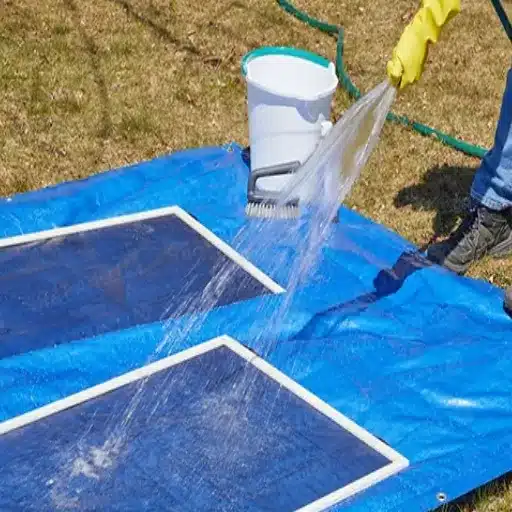
Ridding tarpaulins of mold stains calls for the use of effective cleaners, appropriate tools, as well as efficient procedures, in order to not damage the material. One should initially make sure that the tarpaulin with the mold on it is ready for cleaning by gently scrubbing off the loose mold spores with the help of a soft-bristle or cloth brush. This step was best exanylizes the spores after they have been reached and scraped which is in a state of dryness, so they do not get scattered around the axis thereby. This step must be carried out properly and, most importantly, in a place where there is enough ventilation and if possible at an outdoor location so as to reduce the risk of inhaling the spores.
Step-by-Step Cleaning Process
- Prepare the area: Gently scrub off loose mold spores with a soft-bristle brush in a well-ventilated outdoor location
- Create cleaning solution: Mix mild liquid detergent with warm water. For stubborn stains, add white vinegar or diluted bleach (1 part bleach to 9 parts water)
- Apply solution: Use a sponge or soft cloth soaked in the cleaning mixture and apply to stained areas using circular motions
- Rinse thoroughly: Remove all remaining detergent and cleaning solution with clean water
- Dry completely: Spread the tarpaulin in a well-ventilated area under sunlight and allow to dry completely before folding or storing
⚠️ Warning: Do not use abrasive pads or harsh chemicals that will destroy the tarpaulin. Always test cleaning solutions on a small, inconspicuous area first.
One of the most important stages of mold removal is drying, which inhibits the reoccurrence of the growth. Spread the tarpaulin in a place that has sufficient ventilation such as under the sun and allow it to dry completely before it is folded or kept. Because sunlight contains UV rays, which help prevents organisms from growing on the surface, it is a natural way to avoid mold. For added protection, the tarpaulin should be treated or coated with a product resistant to mold prevention. Cleaning the tarpaulin often and placing it back in a dry, clean area that does not have much sunlight will help prolong the tarpaulin’s life span and keep it to dry even outside with attention paid to discoloration by mold. Taking good care of and cleaning the tarpaulin properly whenever necessary, will allow you to keep your tarpaulin in good condition for long and avoid massive tears and shades.
Preventative Measures for Tarpaulin Care

Choosing UV-Resistant Coatings
When it comes to choosing UV-resistant coatings for maintaining the quality of tarpaulins, one has to take into account factors such as the extent and duration of sunlight exposure, the fabric or material used for making the tarpaulin and the environment or conditions in which the tarpaulin will be used. Good quality of UV-resistant coatings is designed to extend this period by keeping tarpaulins away from sunlight for an excessively long time as this results in loss of strength and discoloration of the tarpaulins. Coatings with high SPF rating or intended for outdoor use surfaces are some of the best options as they protect materials from excessive sun damage.
Types of UV-Resistant Coatings
- Acrylic-based coatings: Provide good bonding and excellent UV resistance
- Silane or siloxane-based sealants: Offer effective waterproofing combined with UV protection, reducing discoloration, cracking, and surface weakness
- Nano-technology coatings: Use advanced technology to create thinner protective layers that improve endurance and UV light protection
Additionally, routine ways of treatment such as UV-durable coatings can increase the service interval of the tarp. Before lubricating the surface it is important to assume the layer is completely clean of any dirt, dust and even bacteria which might affect milies adhesion. Application should be reapplied at the interval recommended by the production Company and is usually given in months for best effect of the coating. Advanced discoloration prevention materials and habits in using them will provide days of bright sunlight and other defects of the covers made of tarpaulins.
Proper Storage Techniques for Longevity
Proper management of any equipment is important for its efficiency to be maintained over a long period. One of these equipments that require proper maintenance during storage is the tarpaulin. To start with, ensure that the tarpaulin is cleaned and dried before storing it as necessary. If any water is left on the tarpaulin, there is a likelihood of discoloration on it as well as causing unnecessary tension on the material. To clean the canvas surface, utilize soft brushes or soft cloth and non-aggressive soap if necessary, but avoid heavy detergents which might damage the surface’s protection layer. Then, leave the canvas to dry out in a well-ventilated place but in the shade, as the unprotected canvas material can be affected by the sun.
🔑 Key Storage Principles
Clean & Dry
Always clean and completely dry tarpaulins before storage to prevent mold and discoloration
Cool & Dry Location
Store in cool, dry areas away from heat and direct sunlight to prevent stiffness and warping
Roll, Don’t Fold
Roll tarpaulins rather than folding to avoid creating weak points from creases
Use Protective Covers
Cover or place in storage bags to prevent dust, damage, and pest infestation
Lastly, make an effort to check up frequently on your canvas when it’s in storage for issues that appear to exist related to abrasion, destruction and infestation. Catching problems such as pinholes, tear or discoloration at an earlier stage saves one from a big headache later. Wet coating the material again can also help to secure it better for storage for a while. Besides all of these, there is another way of enhancing the lifespan of a tarpaulin so that it does not need replacements often and cost is controlled simultaneously. It entails cleaning it, storing it well and also repairing it when necessary which works quite well in that respect.
Regular Maintenance Practices to Avoid Color Change
There is a need to take maintenance exercises seriously in order to address the issue of discoloration that may occur on your tarpaulin. To this end, dirt, dust, and other harmful ingredients that may induce stains or scratches in the fabric ought to be eradicated routinely by washing the tarpaulin with soap and water. It is strongly recommended that no harsh chemical or mechanical agents should be used when cleaning the material as that could reduce the strength of the material and its colorfastness.
More so, extreme heat should be avoided for long, exposure to the sun rays should be limited. Being the prime culprits when it comes to color fading of most materials and in this case, screens. Buy appropriate UV sprays or coatings which prevent the surfaces of tarpaulins from sunlight penetration or sunlight damage. When not in use a tarpaulin should be carefully stored inside an area which is cool and dry to protect its color and material from damages.
📊 Key Statistic: Studies show that tarpaulins of high quality, with added built-in UV stabilizers, discoloration 30% slower than those without additional treatments, on average.
Wearing a UV-blocking protective cover on the tarpaulin, proper cleaning and storage measures, along with reinforcement of protective coating and the tarpaulin will keep its bright colour and use for the long duration.
Understanding the Impact of Discoloration

Durability vs. Aesthetic Appeal
Durable tarpaulins prioritize longevity and resistance, while aesthetically appealing tarpaulins focus on visual and professional appearance.
How Faded Tarpaulins Compromise Functionality
Paleness of manufactured covers can compromise their utility and the roles they serve. The major disadvantage is the colors’ discoloration explaining to the extent of use for branding or advertising. Catchy and beautiful graphics fade with time, making them unattractive and unable to point out any inscription or symbol in most cases. Such a decrease in their ability to attract reduces the return on investment and can be very painful, especially in highly commercially aggressive industries using the ability of the tarpaulins to advertise.
In addition, the fading can be a sign of the material itself being impaired, which will in turn lower its service life. Long duration of sunlight exposure discolors fabrics, impairing their structural coherence which makes it easy for them to tear and wear. In time, this wear and tear will impair the effectiveness of the tarpaulins used to shield the stuff from rain, wind, or even debris. Eventually, this poor condition will necessitate persistent change of the tarpaulin, hence more maintenance expenses, which is inefficient.
Also, sometimes a pleasant, lovely color can transform into an unattractive color as a result of discoloration. This can prove critical in many environments ranging from warehouses to meeting rooms. Customers and clients might start associating the discolored tarpaulins as carelessness and a poorly managed brand, hence, affecting the business image of the company. By looking into new futuristic materials with properties such as ultraviolet light protection or by designing tarpaulins containing coatings which protect them, it is possible for a company to prolong the time before discoloration and damage of the tarpaulin thereby keeping it functional and nice looking.
Identifying When to Replace Discolored Tarpaulins
Tarpaulins stained tarp stains are not only an eyesore but can put the useful life and performance of the material at risk. Generally when left outside over long periods of time light harsh weather and toxic gases which fall upon it over time will degrade the fabric causing it to tear lose its UV protection qualities or absorb water easily. The material needs to be replaced once it manifests cracks, holes, or frayed edges. If the tarpaulin has every turned into loads of colors, any tearing or tearing except folding decoloration where kinks falls within tarpaulin it means it can no longer be used.
🚨 Signs It’s Time to Replace Your Tarpaulin
- Visible cracks, holes, or frayed edges
- Severe discoloration affecting branding or professional appearance
- Loss of UV protection qualities
- Increased water absorption or loss of waterproofing
- Material tears easily or shows structural weakness
- Coat loss or deep PVC cracks that cannot be repaired
One more thing that needs to be considered is whether the old worn out tarp is still able to perform the functions that it was made for. In other cases such as organizational or marketing purposes, the eyesore of a tarp that has dulled in color might bring little or no branding effect or it may just not be acceptable to clients and all the other important people who concern themselves with the brand. On this same note, these fading tents may miss out on the ultraviolet insulation or waterproofer benefits and as such reduce the value of their role in preserving merchandise, facilities or outdoor spaces from damage. More often than note, there is need to check the condition of the tarpaulin and some of these dings and cracks on already-sunned out material will show you if it is worth fixing or it just need to be substituted.
Finally, it is crucial to manage the issue of tarpaulin replacement wisely. Ponder over increasing investments in better quality tarpaulins which incorporate UV resistant technology or even use protective coatings to increase use time. Where the current tarpaulin has served less period as anticipated, an evaluation of this features and care practices in detail may be helpful to avoid such occurrences in future. By focusing on the technologies available and the lens of one’s needs, one can look forward to the purchase of a replacer tarpaulin that will offer prolonged use while it is also beautiful. Frequent checking of the condition of the tarpaulin prevents the user from the surprises of failed operations due to discontinuities in functionality or discoloration more so in offices.
Best Practices for Maintaining Tarpaulin Quality
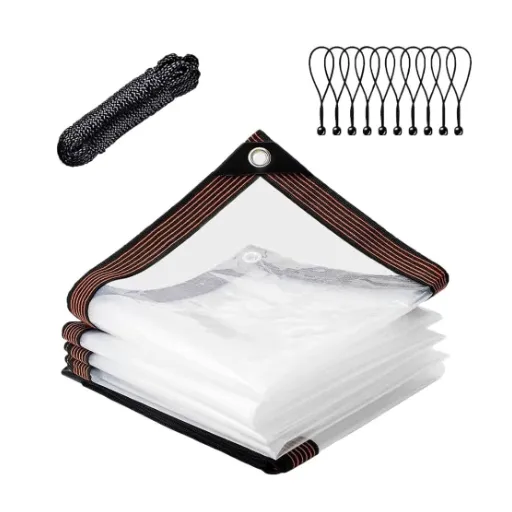
Effective Cleaning Methods for Tarpaulins
It is very important to keep your tarpaulin clean always to increase its durability and functionality. In practice, this means no cleaning agents that are too rough in can be used. A brush with soft bristles and a silk soap without any abrasiveness are the most suitable for washing away even hard and old stains. Prior to washing, one should rinse the surface of the pH and grit so the coarse cleansing does not expect surface distortion. While scrubbing, there must be even, firm strokes, only on spots that require force application, not the whole of the tarpaulin structure.
🧼 Cleaning Tips for Stubborn Stains
- Grease and oil stains: Use a diluted solution of isopropyl alcohol or a suitable stain remover for your tarpaulin material
- Application method: Apply solvent on the affected area and blot it—do not scrub as it may lead to tearing and wearing out of fabric
- Temperature adjustment: Use warm water to soften and remove stubborn stains faster
- Thorough rinsing: Ensure every chemical used for cleaning is washed away entirely to prevent accumulation and gradual discoloration
Once the cleaning is finished fully, it’s important to leave the tarpaulin to dry, naturally, before packing or re-using. When drying, especially do not leave it in direct sunlight and avoid exposure to excessive amounts of UV which causes fast bleaching and cracking of the tarpaulin. In addition, for bigger size tarpaulins, take the benefit of external ropes or ropes hung high to prevent water from lying and to dry it faster. As much as it is highly advisable to clean your tarpaulin frequently because it looks better, it also keeps away moldy, mildew or any other substances that will damage the tarpaulin in some time. With these measures undertaken, your tarpaulin will remain a practical, beautiful item in good shape and good condition over the years.
Protective Treatments to Preserve Color
Taking care of the color of an object is basically all about the measures to see to it that the tarpaulin does not undergo any discoloration. Of course it is important to note that sunlight or particularly the UV light is the main factor that leads to the color fading as well as deterioration causing the material to look quite old and jaded. However, treatment solutions are available as well and they are effective. This is because these solutions form an outer coat which ensures that the rays that are indeed dangerous do not affect the surface of the painting, thus preventing any changes in color even under constant sunlight. Solutions with advanced hydrophobic rates also act as water and solvents protection bends down water and chemicals help them in the process as well.
Using water repellent or waterproofing sealants assists in keeping the colors intact. These therefrom ensure that the tarps do not absorb water, meaning that the color does not fade easily and there is growth of mildew and fungi that lead to discoloration the fabricibly after washing the poly tarps. It is also crucial to satisfy the sealant’s compatibility with the tarps material whether it is polyethylene type or vinyl or canvas idly so that possible repercussions can be avoided. Therefore, these coats applied on regular basis such as every few months or as indicated by the manufacturer will serve to increase the efftive sukce lifef orhte material in its original condition.
💡 Storage Tip: When not in use, this cloth must be kept in an area that is cool and dry, and it should not be exposed to the sun. Rolling and folding the tarpaulin in a proper way will decrease the chance of material stress and dust or insects will not be able to creep into the tarpaulin if it has been packed into a breathable storage bag.
Proper storage together with application of appropriate remedies for protection will certainly help to maintain the color and efficacy of the tarpaulin for a long time regardless of the usage conditions.
Storage Recommendations for Different Tarpaulin Types
Polyethylene Tarpaulins
Polyethylene tarpaulins are suitable for short-term storage owing to their light weight and waterproof features. Before storing please make sure they are only dry or else risk mold or moisture. Be mindful of how tightly you fold them, as this practice can lead to bending and eventually material distortion. To avoid material deterioration, store them away from UV light in a cool and shaded location.
Canvas Tarpaulins
Canvas tarpaulins have a reputation for being one of the toughest fabrics with good ventilation. Clear out all dirt and dust from it before storing, then let it dry in the open. Folding tarps is not advisable, rather they need to be stored rolled. Should be kept in a dry place where molds will not be encouraged by high humidity, and mothballs may be added if the tarps have to be kept for prolonged periods.
Vinyl Tarpaulins
Vinyl tarps are made to be used by aggressive regulation violators in the industry as they are incredibly strong. Make sure they are clean from any grease or oil and others because its residues can attack the material when you are thinking of storing them. Keep it away from sources of heat because these high temperatures when continuous cause the vinyl to distort. Wrapping in a protective sheet or bag can also add an extra layer of preservation.
Mesh Tarpaulins
Most of the time we use mesh tarps for shielding purposes or as privacy screens. It is advised to wash these using mild soap and water in order to get rid of any accumulated dirt. Even if they are not so easy to tear, creasing them firmly can make the mesh weave lose its shape and cause it to stretch out. Keep them in a place where there is no moisture and away from the sun because they should not be distorted.
📌 Remember: Each tarpaulin deserves a specific approach to storage to avoid any probability of discoloration or damage. There are several steps to carry out for the proper functioning and durability of each type of tarp.
References
-
Demystifying Hyperpigmentation: Causes, Types, and Effective Treatments
This article from Harvard Health provides insights into skin discoloration, including causes and treatments. -
Abnormally Dark or Light Skin
This MedlinePlus article explains skin discoloration, including conditions like hyperpigmentation and bronzing. -
Dental Discoloration: An Overview
This PubMed article provides an overview of tooth discoloration, its causes, and clinical implications. - Click here to read more.
Frequently Asked Questions (FAQ)
❓ Why does the colour change on a PVC tarp and what role does the tarp material play?
The primary causes of discoloration of a PVC tarp are ultraviolet (UV) light within the sun’s rays assault, elevated temperatures, moisture, fungi, and adsorption of other materials like plasticizers made from low-grade materials. The material of the tarpaulin mainly laminated PVC tarpaulin or PVC coated polyester tarpaulin determines to what extent the tarpaulin will not fade, stain or change color; good quality PVC vinyl with adequate doses of stabilizer and coated PVC films will provide better performance on fading color for while than low grade tarpaulin.
❓ Any suggestions to avoid alteration of colors and prevention of fungus development for the stored covers?
At whatever cost, apply measures that will avoid the discoloration and the growth of mold on the stockpiled tarpaulins- dry ventilated shade. When wet, the tarpaulin should be air dried instead of being kept when soaked with moisture in it, and the storage should be such that ensures that the fabric is never contaminated with dirt, contaminated white paper, or the crumpled packing. Cleaning and maintaining them are the very practical solutions that will help to prevent the growth of molds or mildews as well as prevent any intolerable prints for a long time.
❓ Which cleaning materials is better used for mildew and tarpaulin discoloration removal?
Do not use a harsh or abrasive detergent to clean PVC tarpaulin, water should suffice, and air-dry should be done in warm places devoid of concentration of the sun. If there are rooms of mildew stains then carefully apply diluted bleach or fungicidal solution – leave it enough and rinse it thoroughly so as to keep the PVC vinyl coating from softening due to plasticizer migration. In case the coat or the lamination can be easily destroyed by rough hands in cleaning, avoid doing it and try on a wet coat, which is what is helpful.
❓ Is plasticizer migration at fault for discoloration, and if so how can the issue be addressed?
It is true that the migration of plasticizer in poor quality coated PVC or weightables raw materials can result in discoloration and sticky spots. In order to reduce migration, one should consider the one aspect selection of tarpaulins with working stabilizers and quality PVC, without prolonged periods under the sun, making sure to store them dry and clean. Warm and humid environments over long periods facilitate increased migration which weakens the fabric of the tarp.
❓ With waterproof tarpaulins, will the tarps still get fungus growth and how can that be controlled?
Even waterproof tarpaulins are prone to fungal growth if moisture gets trapped between the tarpaulin or the tarpaulin is stored damp in a damp area. For the prevention of mold growth to cease as well as the tarpaulin not to receive any infestations of mildew they need to be stored thoroughly dry, and in a dry and ventilated space with the avoidance of all debris, and organic material to be left to accumulate on the top as mold loves such surfaces.
❓ Which is more prone to discoloration and staining: laminated PVC tarpaulins or canvas tarpaulins?
Laminated PVC and polyester coated PVC tarpaulins are more fade and stain resistant in comparison to uncoated canvas tarpaulin because they contain waterproofing and UV stabilization. But still, very cheap laminated PVC can, in turn, discolor if material is very poor. By investing in high-quality and highly durable tarpaulins with a proper stabilizer and coating, it is possible to keep the material in good color for years without losing its vibrancy and experiencing much wear and tear.
❓ How to care for a tarpaulin to protect its look and functionality?
Standard maintenance involves cleaning of the item after heavy use, rinsing dirty or salty surfaces, letting it dry out before rolling it up, checking for any signs of mildew or damage, and keeping it in a cool, well-ventilated space. When it comes to long-term storage, care should be taken not to expose the tarpaulin to direct sun and heat during storage, any tears should be repaired immediately so as not to destroy the material further and in case where tarpaulins are used in the open air, they should be covered or treated with UV protection.
❓ If something does get discolored, can I tell if it can be modified or improved?
Stains and mildews are usually treated with bleach so cleaning and disinfecting the area, and applying the correct fungicide can help the fabric regain its structure. However, there is some coloration which can occur due to plasticizer migration, chemistry breakdown, or extensive UV exposure such that they are deep colorings or cracking or even a white paper appearance. Check the state of the material — any stain that comes with coat loss or PVC cracks is bound to be long-lasting and might warrant tarp replacement ultimately.
Take Action Today!
Protect your investment by implementing these proven maintenance strategies. With proper care, your tarpaulins can maintain their quality, appearance, and functionality for years to come.