

Adhesion Loss in Tarpaulin: Understanding, Repairing, and Preventing Damage
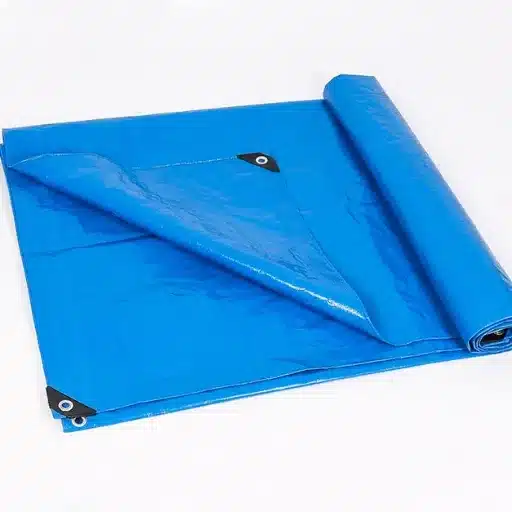
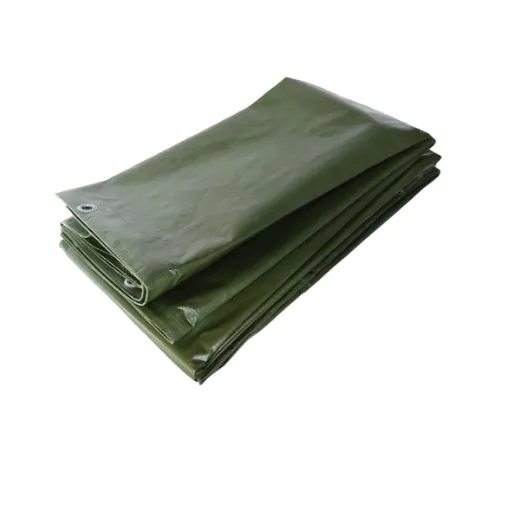
The main factors that make tarpaulins effective in protecting from the weather have been their durability and performance. The most serious problem that could weaken their efficiency is the loss of adhesion. This issue is frequently ignored and may cause the coating of the tarp to suffer through peeling, cracking, and ultimately non-protective layers forming below. It is very important to know the reasons behind adhesive loss, to be able to repair the damage and even more to prevent it, for the extension of the tarpaulin lifespan. We will take a tour behind the scenes of adhesion loss, the down-to-earth repairing methods, and we will even be able to list the preventive measures that will help you to make sure that your tarp remains dependable and tough no matter what conditions.
Causes of Adhesion Loss in Tarpaulins
Environmental Exposure and UV Damage
Environmental exposure is one of the foremost factors that result in adhesion loss in tarpaulin. Weather conditions that are harsh and last for long, such as rain, snow, and extreme heat, dent the adhesive materials that have been used in the construction of the tarp. Besides, moisture can go inside the seams and edges, thereby, deteriorating the bond slowly, whereas, temperature changes can lead to expansion and contraction, thereby, putting more stress on the adhesive.
Sunlight also through UV radiation is one of the main factors that lead to adhesion loss. Prolonged exposure to ultraviolet rays results in the breaking down of the chemical bonds in the adhesive material making it hard or ineffective. This degradation through light is a chemical process that not only reduces the strength of the tarp but also speeds up its deterioration. The parts of the tarp that receive the most sunlight are the most affected.
💡 Protection Tips
- Store tarps in shaded or covered areas while they are not in use
- Apply UV resistant coatings or sprays specifically designed for tarpaulin
- Inspect tarps regularly for signs of damage by looking for cracks or peeling
- Address environmental factors promptly to reduce adhesion loss risk significantly
Chemical Degradation of Adhesives
The chemical degradation of adhesives is a process that takes place when their molecular structure changes as a result of interacting with different chemical agents such as solvents, acids, or alkalis. The intervention of these substances can enable the adhesive to lose its effectiveness by making the bonds weaker. An extended duration of exposure to such chemicals might result in the adhesive softening, swelling, or hardening, and all these will eventually affect its capability to hold a strong bond.
Adhesives subjected to cleaning and industrial agents are one of the cases most often encountered. For example, acetone and alcohol as solvents can do the trick by dissolving up some adhesives and meanwhile, exposure to common alkaline substances may result in the loss of rubbery character in some materials. It is really important to find out the chemical compatibility of the adhesive with the materials where it will be used or the environment it will be subjected to, in order to keep the degradation away.
⚠️ Prevention Strategies
- Choose adhesives designed to withstand chemicals specific to your application
- Follow manufacturer recommendations for use carefully
- Avoid prolonged contact with hazardous substances to preserve adhesive durability and performance
Mechanical Stress and Wear
The mechanical stress and wear are among the most important factors that affect the performance and the life span of the adhesive bonds the most. In the course of time, the glue bond may get weakened or even break up due to repeated or prolonged stresses of different kinds like tension, shear, or compression. To counteract these bad effects, it is of paramount importance to know the mechanical requirements of your application and, therefore, to choose the adhesive that has the right quality of strength and flexibility to endure them. This practically guarantees a more dependable bond even when dynamic or static loads are applied to it.
To avoid wear, think about the environmental conditions and the mechanical forces that are put on the adhesive during its usage. Also, consider factors like vibration, impact, and movement which, in turn, could potentially deteriorate the bond. In such cases, adhesives with modified strength and toughness are preferred since they won’t get as easily worn out by mechanical forces. Moreover, proper and uniform adhesive application along with surface preparation are effective in stress distribution, thus melting down the probability of failures in certain spots.
Last but not least, inspections and maintenance should be performed frequently to catch any signs of mechanical degradation and treat them. In this regard, the techniques mentioned and the tools used to monitor, such as visual inspections or non-destructive testing, can detect wear and stress factors before these compromises the adhesive performance. Therefore, the life span of adhesive bond can be extended and the overall reliability of the system can be increased by the combination of proactive issue handling, best practices in adhesive selection, and application.
Impact of Adhesion Loss on Tarpaulin Performance

Effects on Durability and Lifespan
The loss of adhesion can drastically shorten the lifespan and durability of tarpaulin fabrics, and these problems eventually lead to higher maintenance costs and, in some cases, failure before the normal life span of the fabric is reached. Here are the five principal effects of adhesion loss with their explanatory notes:
Waterproofing and Weather Resistance Issues
Tarpaulins’ waterproofing and weather-resistance properties are extremely important when it comes to environmental factors protection. The significant problem is when the adhesive integrity gets compromised, and then water can seep through faulty seams or joints. These problems can become worse if the materials are consistently exposed to rain, snow, and humidity. Proper seam bonding is imperative to build a layer that can withstand harsh weather for a long time and is completely watertight.
Studies indicate that weakly combined tarpaulin adhesives can give in to the elements, for instance, during severe winds or heavy rains. When water penetrates through the cracks, pooling or even mold growth can result in the covered area making the tarpaulin less effective. Nevertheless, modern adhesive techniques do offer great durability and flexibility that can cope with temperature changes and environmental stresses. Users who use top-notch adhesives and do frequent maintenance can reduce the risk of water damage, thus, allowing the tarpaulin to be strong over a long period.
Moreover, sunlight or UV rays are another major factor that affects the weather resistance of tarpaulins. Direct sunlight for a long time can ruin adhesives, making them weaker and even causing tearing. The use of advanced adhesive types that incorporate UV inhibitors and weather-resistant compounds has become standard to tackle this problem. Besides, these technologies ensure that the tarpaulin maintains its structural integrity even in the harshest climates and thus, the performance is consistent throughout the product life. Users can gain a lot in terms of waterproofing and general weather resistance by selecting the right adhesives and applying the desired maintenance practices.
Performance Challenges During Use
Tarpaulins in real-world applications are usually subjected to a plethora of performance difficulties which, in turn, could result in their ineffectiveness. Among the performance declines, the most notable is the wearing out of the fabric through the prolonged weather extremes which could be characterized by continuous heavy rainfall, snow accumulation, and strong winds. Bit by bit, the material gets weaker and turns into degraded parts—one of the consequences is reducing moisture penetration resistance in the tarp.
Another issue comes up due to the mechanical strains related to installing and using the tarps. For instance, improper heating or exceeded stretching would create the points of tension that might lead to siding the material apart. Besides that, temperature variation also plays a great role in bringing about material fatigue; thus, really hot or even very cold weather might make the material too stiff or lose its softness.
✓ Modern Solutions
To address these challenges, modern technologies are being utilized such as corner reinforcement, strong-tensile-fabrics, and chemical treatments that enhance longevity. The latest available stats in the industry claim that the maximum life of tarpaulins in extreme settings is increased by approximately 30% due to these advancements.
Preventative Measures for Adhesion Loss
Choosing High-Quality Vinyl Tarps
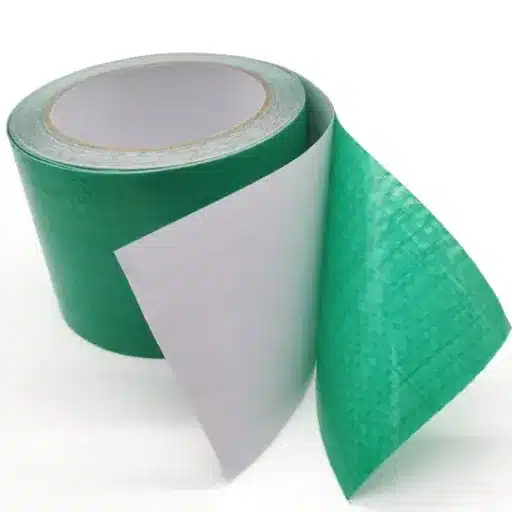
No matter what type of vinyl tarps you are selecting, the first thing to consider is the quality since that is the only thing that guarantees durability and performance. Premium vinyl tarps are made of high grade materials which provide excellent resistance against tearing, cutting, and UV light. Tarp with increased thickness and double stitched edges are the ones you should be going for because such features give extra strength and life even when used in the harshest outdoor conditions. Besides, check the weight of the tarp which is usually given in ounces per square yard; heavy tarps normally last longer and provide better coverage.
📋 Selection Checklist
- Purpose: Consider whether you need heavy-duty tarps for industrial/construction sites or light-duty tarps for temporary coverage
- Coatings: Look for water resistance and flame-retardant properties for enhanced versatility
- UV Protection: Ensure tarps utilize UV inhibitors for prolonged sun exposure
- Seams: Choose heat-sealed seams to prevent tearing
- Grommets: Verify rust-resistant grommets for secure fastening
The aspect of resistance of the tarp to environmental factors is crucial when it comes to a selection process. Vinyl tarpaulins that utilize the latest tech like UV inhibitors and mold-resistant coatings will not only last longer but will also need less maintenance in case of prolonged sun exposure or wet conditions. Besides, the choice of tarps made with heat-sealed seams and rust-resistant grommets will save you from the hassles of random tearing and loose fastening. Tarp made from high-quality materials with the incorporation of innovative features not only gives great life-span but also provides reliable protection for different usages.
Utilizing Specialized Coatings and Treatments
Across various industries specialized coatings and treatments are essential for the durability maximization and functional performance of tarps. Advanced treatments provided take care of the degradation of materials due to the environmental factors such as UV radiation, water and mildew. One application of UV inhibitors is that they stop the uv rays coming from the sun from destroying the fabric thus guaranteeing that the tarp is strong and flexible even in the heat of the sun for a long time. On the other hand, waterproof coatings form a strong barrier that avoids the penetration of rain, snow, and moisture thereby keeping the items under the tarp safe from any kind of damage.
Mildew treatments are a very important enhancement as well and the mildews resistant categories are particularly well suited for the tarps that are being used in wet and humid conditions. The inhibitors are the coatings which when applied to the ethylene vinyl acetate will not only repel but also inhibit the growth of mold and mildew. The tarp will thus have a longer life and remain hygienically and aesthetics wise okay. Heavy-duty tarps usually combine several treatments as this not only addresses different environmental challenges effectively but also gives the end-users a versatile solution that is suitable for agricultural applications as well as construction projects. This innovation is an outright result of quality materials along with precise engineering.
By including new technologies in specialized coatings, manufacturers not only increase lifetime but also the performance of their products. For instance, heat-sealed seams and precision stitching thwart water seepage and enhance the fabric’s strength. Rust-resistant grommets make secure fastening possible even during wet or stormy conditions. All these features provide a comprehensive solution that is designed according to the need of the modern industries and thus they confer protection, durability, and reliability in every application.
Implementing Proper Storage Techniques
The storage methods that are the most appropriate are critical to the survival and usefulness of the products, especially those that are applied in the industries and outdoors. First, the cleanliness and dryness of the storage area have the highest priority. The presence of dirt and moisture can cause the materials to deteriorate slowly, eventually resulting in the growth of molds, the occurrence of rust, or the weakening of fabric strength. Storing items in sealed containers above the ground can help to keep them clean and protect them from sudden environmental changes like those caused by floods or rats, for instance.
Another factor of storage that has great importance is the temperature control. Extremely hot or cold temperatures can cause many materials to undergo changes in their physical state such as warping, cracking, or loss of strength, e.g. in the case of plastics, fabrics, and metals. For instance, the heat may cause the adhesive strength of the sealed seams to be reduced, whereas the cold may make the plastic easily breakable. The storage units equipped with climate control help in keeping the right conditions with not much variation thus lowering the chance of damage taking place due to the effects of the temperatures.
Best Practices for Repairing Adhesion Loss
Using Vinyl Cement and Tarp Repair Kits
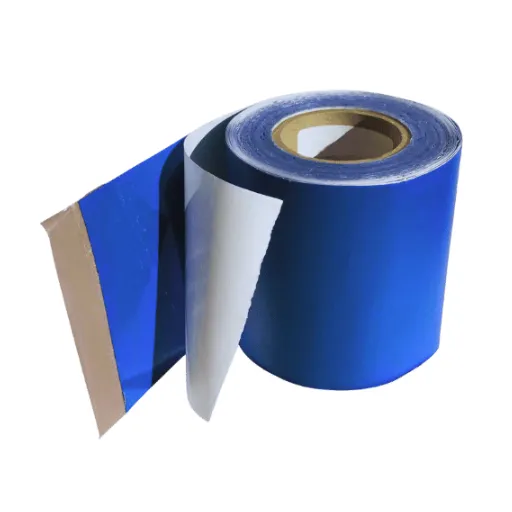
The vinyl product and tarp adhesion loss can be a critical downside to their usability, which might result in tears, leaks, or overall reduction in performance. Repairing vinyl and tarp issues right away with vinyl glue and tarp repair kits is a simple but effective way to regain the function and longevity of the products. Vinyl glue is a specific adhesive that is meant to be used with vinyl in such a way that it will create a long-lasting seal. Tarp repair kits usually come with the right patches, adhesives, and application tools, which are the best for small repairs or even bigger damages and they are very quick and easy to fix.
🔧 Step-by-Step Repair Process
- Clean the Area: Remove dirt, moisture, and debris. Use soft soap and water to prepare the surface properly
- Dry Completely: Ensure the affected area is thoroughly dry before applying adhesive
- Apply Vinyl Cement: Spread uniformly following manufacturer’s recommendations for optimal bonding
- Cut and Apply Patch: Cut patch slightly larger than damaged area for complete coverage
- Apply Pressure: Press firmly to attach the patch with the adhesive
- Allow Curing: Follow guide instructions for curing time to achieve maximum adhesion
The portability and versatility of vinyl glue and tarp repair kits are among the main benefits of using them. These kits will be suitable for different scenarios – from camping trips to industrial settings, which makes them a very smart choice for emergency repairs on the go. The latest developments in adhesive technology have made the products more durable and at the same time more flexible, thus making sure of their reliability while exposed to the different environments. It does not matter whether it is for personal or professional use, learning how to repair adhesion loss with vinyl cement and tarp repair kits is a financially savvy and environmentally friendly way to keep your equipment and materials in good shape even after a long time.
Repairing Tears and Rips Effectively
The restoration of tears and rips in tarpaulin or vinyl materials is an operation that requires accuracy and carefulness for successful outcomes. The very first step in the process is to clean the damaged part very well so that dirt, grease, and other unwanted substances that may cause poor adhesion are removed. Using a cleaning solution that is compatible with the material will guarantee zero residues left behind. The cleaning and drying process done, the next step is to take a piece from the repair kit that is a bit bigger than the tear and to place it on the tear with the edges having an overlap of at least an inch to give the patch more strength.
In order to get the best results possible, spread a thin coat of vinyl cement on both the patch and the damaged material according to the manufacturer’s instructions for curing time and pressure application. It may be a good idea to use a roller tool to press down the patch, thus, getting an invisible bond by uniformly distributing the pressure over the patch. Moreover, if you reinforce the sides of the patch, you can double the life of the repair especially if the item is constantly in use or is in a harsh environment.
💡 Pro Tips for Long-Lasting Repairs
- Use a roller tool to ensure uniform pressure distribution across the patch
- Reinforce patch edges for items in constant use or harsh environments
- Perform regular inspections to catch tiny tears before they become major problems
Reinforcing Grommets and Seams
The strength of wearable items made from fabric like tarps, tents, or sails can greatly be enhanced through grommets and seams reinforcement. Most of the time, grommets serve as the points where ropes and fasteners are attached, thus they are likely to experience great pull and strain. When the reinforcement is not done, the stability of the entire construction gets compromised as the fabric around these areas might suffer from fraying or tearing. In order to fortify grommets, suggest to add one more layer of fabric or to use specific grommet reinforcement tools which make it easier to share the strain over the material uniformly.
Seams are like the very foundation of a fabric assembly that is slowly getting stronger with time as different pieces are being securely stitched together. Elements like moisture, UV rays, and friction can gradually crack seams and the cracks may lead to loosening or splitting. To safeguard the seams, one can perform double stitching to make seam sealants—the latter create a barrier resistant to moisture and hence wear is reduced. If you want further durability, perhaps you might consider high-tensile threads or strong adhesives for additional stitching reinforcement.
The combination of such reinforcement techniques with proactive maintenance is the factor that will decide the fate of the lifespan of your equipment. Regularly checking the grommets and seams for any signs of wear like fraying, discoloration or loosening, can really be helpful. If you act on these issues promptly, you can easily avoid further damage and your items will continue to have their original strength and functionality. Not only does investing time in reinforcing grommets and seams improve the reliability factor but it also saves money in the long run as replacements or extensive repairs will not be required as often.
Maintaining Tarpaulins to Extend Lifespan

Regular Cleaning and Inspection
The first step in ensuring tarpaulins’ longevity and functionality is to set up a schedule for their regular cleaning and inspection. The surface of tarps can become covered with dirt, debris and pollutants from the environment which, in the long run, cause the material to give way. A tarpaulin can be cleaned by the gentle brushing or rubbing of a sponge with lukewarm water and mild soap. Do not use harsh or abrasive cleaning agents, as they could break the material down. Besides, rinsing thoroughly and letting the tarp dry naturally before putting it away is necessary to prevent the growth of mold or mildew.
🔍 Inspection Schedule
- After Each Use: Check for new damage or wear
- Monthly (if in constant use): Thorough inspection of all critical points
- Focus Areas: Grommets, seams, corners—where wear and tear happen most
- Look For: Holes, rips, thinned out areas that could render the tarp useless
- Minor Damages: Fix immediately using a patch kit or weather-resistant bonding
Additionally, the combination of regular cleaning and inspection with proper storage practices can significantly prolong the life of your tarpaulins. Store the while not in use in a cool, dry place out of direct sunlight or excess moisture. Neatly fold the tarp up, making sure that no sharp creases or folds are there that could hurt the fabric. Maintenance is an excellent strategy for the long run in that it not only prolongs the durability and performance of the tarp but also reduces the frequency of replacements which, consequently, lowers your overall costs.
Proper Handling and Usage Tips
Pavilions maintenance doesn’t matter if they are expensive or cheap, it’s the same process and they have to be treated the same way. When handling tarps, it is prudent to take care and, at first, replace them if they were not used as expected. Check the tarp first and see if nothing tears, punctures, or crumbling fabric. If you do not want to wait until a bigger issue surfaces, these little damages can be handled in a timely manner by applying a patch or tape on them. Besides that, using fasteners such as bungee cords or ropes is a must, so that the tarp will be tightened but not too much that the material will be stressed unnecessarily.
✅ Best Practices for Outdoor Use
- Wind Protection: Place tarps in areas with natural windbreaks or secure to stable structures
- Support: Use support poles at the middle or edges for added stability in heavy-duty applications
- Surface Preparation: Ensure smooth surface before laying tarp to prevent tears from dragging
- Cleaning: Use mild detergent diluted in water with a soft brush for regular cleaning
- Drying: Always rinse completely and dry before storage to prevent mildew
Setting up tarpaulins outside, like for example, do not forget about nature, especially the position of the sun and strong wind in case of bad weather. In the case of strong winds, the anchors or grommets may become the weak points of the tarp, so placing it in the area that has some natural windbreak or securing it to the buildings with stable structures can lessen the damage. For heavy-duty applications, support poles in the middle or the edges can be lifted up to be more stable.
Cleaning is an essential and routine procedure in tarp maintenance. It is often the case that dirt, debris, and mildew will accumulate on the tarp especially when the tarp is being used in wet or muddy places. A mild detergent diluted in water and a soft brush must be used for cleaning. Make sure the tarpaulin is rinsed off completely and dried before being stored. Never ever use strong chemicals or rough tools, as these are sure to weaken the fabric. Good usage practices along with regular upkeep will ensure that tarpaulins are a reliable and efficient source for many different kinds of tasks.
📚 References
- On the Origins of Sudden Adhesion Loss at a Critical Relative Humidity – Penn State University
This paper discusses mechanisms of adhesion loss due to relative humidity, focusing on stress and interfacial bond weakening. - Adhesion Testing of Epoxy Coating – TxDOT Research Library
This document examines wet adhesion loss in epoxy coatings, its recoverability, and factors leading to permanent loss. - Click here to read more.
Frequently Asked Questions (FAQ)
❓ What causes adhesion loss in a tarpaulin and how can I detect tarp damage?
A tarpaulin undergoes adhesion loss due to the degradation of vinyl, PVC, or polyethylene tarp materials which are mainly caused by UV, chemicals, or extreme temperatures. You can spot tarp damage if you see tearing edges, separating foamy places where the vinyl layers are coming off, and by noticing cracks, or telling other places where vinyl glue has given way. This applies also for truck tarps and trailer sheets where at one time the seams were strong but now have become weak and the water bond is no longer there.
❓ What is the best way to repair a small tear on a vinyl tarp?
For a small tear, it is best and easiest to use a tarp patch kit which includes a large and sturdy patch than the tear, vinyl adhesive like HH-66 cement, cleaner, and a thinner. Clean and dry the area first, then if needed, apply thinner to eliminate any oils, next, use the adhesive solution and press the vinyl-coated patch down hard so that a waterproof bond is formed. This method that is easy to apply not only lasts long but also prevents further tarp damage.
❓ Are temporary fixes with duct tape allowed on tarps used for commercial cargo?
Duct tape is only suitable for an application that is temporary and very restricted and it will soon lose its effectiveness because of degradation from the weather on commercial truck tarps. If you have to protect your cargo, then always use a heavy-duty tarp patch or go for a professional vinyl adhesive repair; permanent repairs using vinyl cement with the right patches are the most robust and dependable solutions for trailer and cargo applications.
❓ What consists of a good tarp patch kit?
Usually, a quality tarp patch kit will contain vinyl or PVC patches of great durability, vinyl adhesive, cleaner, thinner, and tools for application. If the tear is larger than any part of the patch, then a patch has to be made which is a few inches larger than the tear, clean both surfaces and remove any dirt thoroughly, apply the adhesive solution evenly, and press the patch firmly so that a waterproof bond is established. For heavy repairs, it may be advisable to reinforce from both sides and use commercial-grade adhesives for a permanent result.
❓ Is HH-66 vinyl cement the best vinyl adhesive for truck tarps?
HH-66 vinyl cement is a commonly used vinyl adhesive in which a strong and waterproof bond is created on vinyl-coated fabrics and PVC, therefore, it is calling widely used. Pick HH-66 for vinyl tarp repair especially when you are looking for a sure vinyl bond on truck tarps, vinyl sheets, or vinyl-coated cargo covers. Make sure that you are following the manufacturer’s instructions and using the recommended cleaners and thinners so that the adhesion is maximized.
❓ Do environmental factors impact the adhesion of PVC and polyethylene tarp material?
The exposure to UV rays, ozone, extreme heat, and cold can lead to the weakening and loss of adhesion of PVC and polyethylene, besides the chemicals and oils that can also break down the vinyl coatings. Ultimately those factors that gradually degrade the adhesive that leads to the failure and shorter life of the tarp. Regular inspections and maintenance using the right vinyl adhesives and patch kits will go a long way in reducing these effects.
❓ In what situations should I replace a tarp rather than repair it?
A tarp should be replaced if the damage is too much, seams come apart in large areas, or the fabric has become very brittle and degraded. If you would have to do multiple repairs or if the structural integrity of the truck tarps and trailer covers is compromised, you are better off investing in a new heavy-duty tarp that is more cost-effective and safer for cargo protection than repeated temporary fixes.
❓ Are there simple adhesive solutions for DIY vinyl tarp repair?
Yes, there are quite a number of adhesive solutions which are simple to apply that can result in a permanent fix if done correctly. Kits that contain cleaner, thinner, reliable vinyl adhesive like HH-66, and sturdy vinyl-coated patches allow DIY repairs that last long. Just ensure that you do not skip surface preparation, proper patch sizing, and curing time as these will give you the strongest waterproof bond.