

UV Damage Restoration: Fading, Cracking & Degradation
The sun’s ultraviolet (UV) rays are a persistent killer of materials, and their exposure is the main cause of wear and tear over time. UV damage manifests through a variety of ways such as fading of colors on upholstery and fabrics, cracking on car surfaces, and weathering of outdoor structures. It can drastically reduce the life span of your belongings and make the degradation more noticeable. However, the answer to the question if UV damage is permanent is not in the affirmative. The following text presents the influence of UV radiation on various materials, the aging of those materials through fading, cracking and degradation, and restoration techniques to rejuvenate your most valuable possessions that are, unfortunately, affected by UV light.
Understanding UV Damage in Tarpaulin Materials
How UV Rays Affect Polyethylene Tarps
Polyethylene tarps are very adaptable and widely used in many industries, but still, UV rays can cause their damage. Sunlight’s constant and the plastic’s gradual wear-and-tear process are the main reasons for the polyethylene materials’ decline in strength and, thus, the latter’s whole-day effectiveness. UV light can ravage the tarp’s molecular structure causing the plastic to lose its toughness and becoming a lot easier to tear or crack in due course.
⚠️ Key Point:
One of the major ways in which UV rays harm the polyethylene tarps is through oxidizing the stabilizers within them. Stabilizers are basically the ones that make the tarp more durable and less susceptible to environmental factors and are therefore the ones that are added to the material in that day-time manufacturing process.
The surface of the tarp starts to vanish and lose its strength when the proper UV-resistant additives are not put on the tarp, hence cutting down the life span of the tarp drastically. This really poses a big problem where the tarp is kept outdoors as it will easily get sunbaked all the time.
💡 Protection Tips for Polyethylene Tarps
- Choose polyethylene tarps that have UV inhibitors designed
- Sun protection additives work by absorbing or reflecting harmful rays
- Clean the tarp properly on a regular basis
- Store tarps when not in use to minimize sun exposure
The Impact of UV Exposure on Vinyl Tarpaulin
Vinyl tarpaulins are tough and can be used in various ways, but they will still suffer from the drawbacks of prolonged UV exposure. The sun’s rays can, over time, cause degradation of the vinyl material thereby resulting in different problems. The following are five major effects of sunlight on vinyl tarpaulins:
Five Major Effects of UV on Vinyl Tarpaulins
1. Color Fading
Vinyl tarpaulins fade with time when the UV exposure is prolonged. This is due to the fact that the UV rays break down the synthetic dyes that are in the material and thus the fabric is left with a faint look.
2. Flexibility Loss
The radiation from the sun slowly changes the chemical structure of the vinyl, making it rigid and losing its flexibility. This could lead to the tarp cracking or ripping especially when it is not handled carefully or is under stress.
3. Surface Coating Weakened
The manufacturers of vinyl tarpaulins usually coat them with a protective coating to provide them with waterproof and weatherproof qualities. But, gradually, the sun’s rays can damage these coatings thus lessening their protection and leaving the underlying area open to further harm.
4. Tensile Strength Reduction
The structural composition of the canvas gives up under the constant UV light exposure. This literally makes the tarp weaker in terms of tensile strength, i.e. it can no longer support heavy weights or endure tough environmental situations.
5. Lifespan Reduction
The total impact of UV degradation is that it drastically reduces the period of use of vinyl tarpaulins. In the absence of proper UV shielding, these tarps might have to be replaced pretty often, thus causing an increase in maintenance and replacement costs.
Understanding these impacts allows users to take preventative measures like choosing vinyl tarpaulins made with UV inhibitors that will not only counteract the sun’s long-term detrimental effects but also up the performance and longevity of the users’ investment.
UV Damage in Canvas Tarps: What You Need to Know
Canvas tarps have a high susceptibility to UV damage if they are constantly under the sun. At first, the radiation action of the sun will not be visible, but after some time the canvas will lose its color, become brittle, and finally tear down. As a result of this process, the tarp will not be able to provide good protection and its life will be cut short considerably.
Canvas Tarp Protection Strategy
- Apply UV protection coatings approved for canvas tarps to block sun’s rays
- Monitor regularly for signs of wear and tear to catch issues early
- Store properly in cool, dark places when not in use
- Minimize direct sunlight exposure during storage
Users that take all these steps will be able to enjoy their canvas tarps for a very long time as the longevity of the tarps will practically be doubled.
Identifying Signs of Degradation

Recognizing Fading in Tarpaulin Fabrics
The fading in tarpaulin fabrics is one of the first and most obvious indications of wear and tear and degradation. Its main cause is the infiltration of the sun’s light and heat, more specifically, ultraviolet (UV) rays. In the course of time, the colors of the fabrics may lose their brilliance and patches of color can cause the signal that the tarp’s protective layer is about to melt. This scenario of fading is very common in outdoor situations where tarps are subjected to severe weather conditions for a long time.
Factors Affecting Color Fade Speed
| Factor | Impact on Fading |
|---|---|
| Fabric Quality | Higher quality materials resist fading longer |
| UV Exposure Amount | More exposure accelerates color degradation |
| Geographical Location | Areas with intense sunshine cause faster fading |
| UV-Resistant Coating | Treated tarps hold off fading much longer |
Prevention Best Practices
- Use UV-resistant tarps with chemical treatments that block harmful rays
- Place tarps in shaded or indoor areas when not in use
- Conduct frequent inspections to catch early signs of fading
- Take action before fading affects fabric strength
Understanding Cracking and Brittleness
One of the main problems that develop over time in tarpaulins is cracking and brittleness, which are the consequences of long-term environmental stress. The aging of materials is often accompanied by losing flexibility, which is usually caused by cyclic exposure to sunlight, heating and cooling of the environment, and physical stress. The sun’s UV rays, for example, cause the chemical bonds in tarp materials to break and thus make them less elastic and more brittle over a period of time. Besides that, very bad weather, such as severe cold or very high heat, can also worsen the situation, leading to cracks that affect both the looks and the functions of the tarp.
Controlling Cracking and Brittleness
Material Selection: Choose high-quality tarps made from durable, UV-resistant materials. PVC and polyethylene tarps commonly include additives that improve durability.
Regular Maintenance: Clean the tarp’s surface regularly to remove dirt and debris, preventing material weakening through abrasions.
Proper Storage: Store tarps in warm, dry, controlled environments to reduce stress from humidity and extreme climates.
The technology used by tarp manufacturers has advanced to the point where they are now able to produce tarps besides the issue of cracking and the problem of brittleness. The coatings and treatments that the manufacturers apply in order to keep the fire burning even after the difficult conditions for a long time, are made up of the very materials like hydrocarbons and silicone, which have shown good results in making the tarps live longer by keeping the surface soft and hard for the elements to penetrate.
How to Spot Reduced Tensile Strength
Recognizing signs of impaired tensile strength in tarpaulins is pivotal to maintaining their effective use and consistency. Among the first signs visible to the eye are the small rips, marks, and softly worn areas along the surface or seams of the fabric. The weakening of the fibers due to the regular exposure to make weather conditions such as UV radiation, rain, and wind will be the cause of the durability loss of the tarp. Regular inspection, especially at grommets or corners where stress is more likely, can assist in the early detection of the damage, and thus prevent the issue from becoming worse.
Warning Signs Checklist
| Visual Signs | What It Means |
|---|---|
| Small rips and marks | Fiber weakening has begun |
| Worn areas on seams | High-stress points degrading |
| Deformation or stretching | Structural integrity compromised |
| Sagging when tensioned | Material losing original shape |
| Color dulling | Protective layer eroded |
| Material hardening | Further damage vulnerability |
Maintenance & Repair Tips
- Use patch kits or repair adhesive for damaged areas before damage spreads
- Store tarps correctly during non-use periods to prevent prolonged element exposure
- Clean regularly to prevent dirt and debris from accelerating wear
- Implement high-quality measuring devices for precise tension tolerance evaluations
Choosing UV-Resistant Tarpaulins
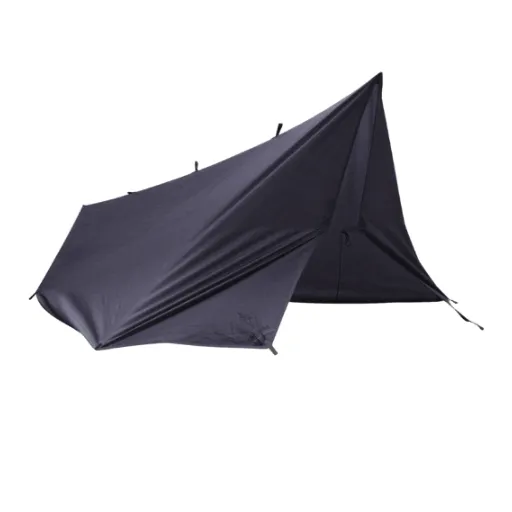
Key Features to Look for in Heavy Duty UV Tarps
If you want to buy heavy-duty UV tarpaulins, you need to look at their properties that will guarantee durability, performance, and protection for a long time.
Essential Features Comparison
| Feature | Description | Benefit |
|---|---|---|
| Material Composition | Polyethylene and vinyl tarps | Best UV resistance and strength |
| Denier Count | High denier count rating | Greater wear and tear resistance |
| Mil Grade | Thick mil grade measurement | Enhanced weather toughness |
| UV Protection Rating | Higher UV stabilization level | Better harmful ray blocking |
| Seam Construction | Heat-sealed seams | Prevents fraying and leaks |
| Edge Reinforcement | Reinforced edges | Increased structural strength |
| Additional Coatings | Weatherproof/mildew-resistant | All-weather protection |
| Grommets | Uniformly distributed points | Easy and reliable fastening |
If one takes all the above-mentioned points into account, he/she can safely pick a heavy-duty UV tarp that fits perfectly his/her requirements whether they are industrial, agricultural, or personal.
Comparing Treatments and Coatings for UV Protection
As far as safeguarding against UV damage is concerned, it is important to know the difference between treatments and coatings, which determines the most appropriate solution for your needs.
UV Treatments vs UV Coatings
MaintenanceMinimal maintenance requiredRecoating possible when needed
| Aspect | UV Treatments | UV Coatings |
|---|---|---|
| Application | Infused into material during manufacturing | Applied on outer surface of material |
| Durability | Permanent, integrated protection | May wear out over time with exposure |
| Effectiveness | Less susceptible to deterioration | Effective but can degrade with weather |
| Cost | Higher initial investment | More affordable option |
| Best For | Demanding applications, long-term use | Temporary or low-end purposes |
Recent UV Protection Innovations
- Nano-coating technologies: Provide very thin but highly resistant protection layers without compromising material flexibility
- Innovative polymer therapies: Help diminish destruction from UV light and other environmental conditions
- Multi-functional treatments: Combat mildew growth and high humidity levels alongside UV protection
Benefits of Reinforced Edges and Grommets
✓ Improves Tear Resistance
Reinforced edges keep fraying and tearing off, particularly when the material is used intensively or is in contact with adverse factors. This is a negative thing as it lessens the damage over long periods of use.
✓ Enhances Structural Strength
Grommets, together with strong edges, distribute the force evenly throughout the material when it is tied down and, therefore, lessen the chances of the material breaking at such places. This, in turn, leads to the material always performing at its best even in case of very heavy loads.
✓ Prolongs Lifespan
The inclusion of strength to the reinforced edge and grommeted material would make it last significantly longer than the one with no such features, this in the end would make the constant replacements need to go down and give cost benefits in the long run.
✓ Weather-Proofing
These features are instrumental in protecting the fabric in challenging weather conditions such as gales, downpours, or blizzards due to the provision of secure anchoring and the prevention of edge damage by sustaining the reinforcement with good shelter.
✓ Ease of Installation and Versatility
Grommets placed at the sealed edges are there to speed up and make the installation process more efficient, which means that the fastening of the tarpaulin, with ropes, hooks, or cables, will be totally secure. The above-mentioned elasticity is helpful for the usage of the waterproof tarpaulin in a number of different fields such as building, transportation, and outdoor events.
Maintenance Strategies for Longevity
Proper Cleaning Techniques for Tarpaulins
Regular washing of the tarpaulin has the benefits of not only appealing to the eye but also breaking the old adage of “use and dispose.” The first step in any maintenance job is the removal of any dirt and dust present on a tarpaulin. This is to make sure that a deeper cleaning can be achieved.
Step-by-Step Cleaning Process
- Initial Debris Removal: Use a soft bristled brush to remove loose dirt and dust from the tarpaulin surface
- Prepare Cleaning Solution: Mix lukewarm water with gentle soap solution
- Gentle Scrubbing: Dip brush into solution and attend to stains and dirt. Avoid aggressive chemical agents and excessive friction
- Thorough Rinsing: Ensure all soap detergent is rinsed out to prevent accumulation that may affect UV damage resistance
- Complete Drying: Allow surface to dry completely before folding or packing to prevent mold formation
⚠️ Special Stain Treatment
For stubborn stains like oil or mildew, use specialized tarpaulin cleaners that are anti-mildew or anti-oil stain. Apply following detergent instructions, making sure not to render the fabric colorless or weak. Sponge or wipe affected spots carefully.
Regular Inspection Checklist
- Check for punctures or holes
- Examine fraying of edges
- Inspect grommets for loosening or damage
- Look for signs of structural weakening
- Address issues immediately to prevent further problems
Effective Storage Solutions to Prevent UV Damage
The tarpaulin stays undamaged of sunlight and its life is prolonged through the safe-keeping of it. The most widely accepted way is to place it in a place which is cool and out of sunlight when not in use. The strength of the material is reduced and its endurance is short when it is subjected directly to the sunlight, which is the reason for the acceleration of the decomposition of the cloth’s polymer.
Optimal Storage Locations
| Location Type | Benefits |
|---|---|
| Garages | Protected from direct sunlight and weather elements |
| Sheds | UV rays blocked, dry environment maintained |
| Covered Areas | Prevents UV exposure while allowing air circulation |
| UV-Resistant Storage Bags | Guards against sunlight, dust, dirt, and pests |
Storage Best Practices
- Ensure tarpaulin is thoroughly clean and totally dry before storage
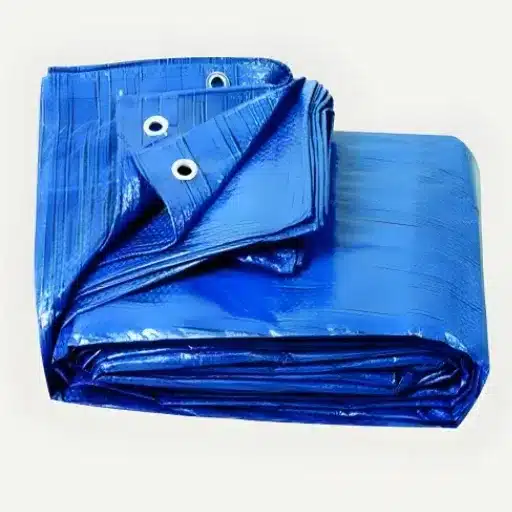
- Roll instead of folding to prevent creases and material stress
- Store in cool, dry environments to avoid moisture-related issues
- Use heavy-duty storage bags made of UV-resistant material
- Inspect periodically during long-term storage to detect potential problems early
Tips for Prolonging the Lifespan of Waterproof Tarps
1. Clean Regularly
It is common for tarpaulins to get dirty which can lead to mold or material decay. To clean a tarp, mild soap is the best option and you can use water as well. Just make sure that you don’t use cleaning agents that are too harsh as they might weaken the material or harm the waterproof coating.
2. Ensure Proper Storage
For the time when you are not using the tarp, put it in a nice cool and dry spot that is not exposed to the sunlight directly. Do not fold your tarp in tight creases. The best way to do it is to roll it up loosely to maintain material rigidity.
3. Inspect for Damage
It is important that you look through your tarp in regular intervals to see if there are any needs for replacement or fixing such as holes, frayed edges, or broken seams. The best way to go about this is to use the special patch kits to mend minor damage before major deterioration.
4. Avoid Prolonged Exposure to Sunlight
The tarp materials can be weakened due to continuous exposure to UV rays which in turn reduces the waterproof characteristic of the tarp. In the event the tarp is to be in direct sunlight for a long period of time and yet no other alternative shelter is available, use UV-resistant tarpaulins or other covering to protect the tarp.
5. Secure the Tarp Properly
Loose or not properly fastened tarps are subject to wind flapping, a condition that can result in tears, thus reducing their life span. The use of tie-downs or bungee cords to tie down the tarp firmly, providing enough tension, is a common way to prevent stress points.
6. Avoid Sharp Edges
Make sure that any objects that come in contact with the tarp are smooth and do not have any sharp edges or corners. Use padding material where necessary to prevent holes and scuff marks.
7. Keep it Dry Before Storage
Moisture in the tarp is a perfect condition for the growth of mold and mildew while in storage. Take the necessary measure to make sure that the tarp is completely dry before rolling or folding it for storage.
Key Takeaway: By being guided by these suggestions, you would be able to make your waterproof tarpaulin stay serviceable for even longer than you expected. Taking care of your own tarp by regularly controlling its condition and using it properly is an economical choice to keep its merits and its money-endowed nature non-stop throughout the years.
Case Studies and Practical Applications
Using UV Tarps in Greenhouses
UV tarps greatly benefit the greenhouse system by offering the required protection and the essential conditions for the plant’s health. These tarps are specially developed to cut off and at the same time make the UV light less harmful through the right light diffusion. Apart from being easier to feed, the light diffusion also provides extra safety as it prevents overheating and it also reduces the chances of plant stress and in turn, the occurrence of fungal issues.
Benefits of UV Tarps in Greenhouses
- Light Diffusion: Reduces harmful UV rays while maintaining adequate light transmission
- Temperature Control: Prevents overheating within greenhouse environment
- Plant Health: Reduces plant stress and minimizes fungal issues
- Humidity Management: Helps maintain balanced year-round growing conditions
- Enhanced Photosynthesis: Light diffusion elevates photosynthetic capacity
- Increased Yield: Improves crop productivity for commercial and hobbyist gardeners
The progress that has been made in the tarping has resulted in the introduction of tarp materials that are both objectively strong and efficient in the terms of light transmission. Contemporary tarps are commonly made from special polymers that have the power to resist degradation through the influence of the sun and hence are able to make the tarping of the greenhouses last for a more extended time.
Sustainable Agriculture: With the help of UV tarps in greenhouse arrangements, one can protect plants from harmful UV rays and take advantage of natural sunlight at the same time. The use of these tarps is considered to be a sustainable agriculture practice due to its dual protective and productive features.
Patio Coverage: Maximizing Sun Protection
Patio cover solutions are one of the most important factors in the struggle for having a sunny and functional outdoor space. The most common way to achieve this is by using tarps and shades that were made to resist UV and are not destructive and at the same time let the air pass through sufficiently.
Patio Coverage Solutions
| Solution Type | Features | Advantages |
|---|---|---|
| HDPE Tarps | High-density polyethylene material | Durability, weather resistance, long-term investment |
| Pergolas | Customizable designs with UV-blocking fabrics | Beautiful and functional, versatile aesthetics |
| Retractable Awnings | Motorized options available | Adjustable shade control, convenience |
| Natural Elements | Plants, vines, water features | Eco-friendly, temperature regulation, aesthetic appeal |
💡 Enhanced Protection Tips
- Position potted plants strategically as natural shade makers and sunlight filters
- Use vines climbing over trellises for eco-friendly sun protection
- Install water amenities like fountains or mist systems for temperature regulation
- Combine modern shading technologies with natural elements for optimal results
Real-life Examples of Successful UV Damage Restoration
🚗 Automotive Restoration Case Study
Challenge: Solar ultraviolet rays caused car paintwork to peel off and headlights to become cloudy or yellow over time.
Location: California automobile service firm
Solution: Used restoration kits with polishing pads and UV hard lacquer
Process:
- Sanding damaged surfaces
- Polishing to restore clarity
- Applying UV protective coating
✓ Result: Successfully restored sun-baked cars to near-new condition, dispelling the myth that UV damage cannot be repaired.
🪑 Furniture Restoration Case Study
Challenge: UV exposure lightened and damaged surfaces of antique wooden furniture and flooring in a New England library
Items Affected: Tables, chairs, and bookshelves from early twentieth century
Solution: Combined modern technology with traditional restoration skills
Techniques Used:
- Applied UV-cured resins
- Advanced sanding technologies
- Protective finishes application
✓ Result: Improved appearance while preserving longevity, demonstrating effective cultural heritage protection.
🏢 Architectural Restoration Case Study
Challenge: Glass-faceted office building in Arizona suffered heavy window damage affecting energy effectiveness and aesthetic appearance
Impact: Reduced building functionality and increased cooling costs
Solution: Comprehensive window restoration strategy
Approach:
- Added UV-resistant glass in damaged areas
- Applied sun-control films on older window panes
- Improved overall building insulation
✓ Result: Recovered functional purpose, gained significant energy efficiency, reduced cooling costs in hot Arizona summers.
Key Insight: These initiatives demonstrate how more and more advanced materials and approaches towards combating UV damage are put into use enabling a more sustainable and aesthetically pleasing outcome across various industries.
References
-
Soil Solarization for Gardens & Landscapes – University of California Agriculture and Natural Resources
This resource discusses the use of plastic tarps in trapping solar energy and their exposure to UV radiation. - Click here to read more.
Frequently Asked Questions (FAQ)
Q: What’s the effect of UV radiation on tarps and what’s their significance?
A: Whenever a tarpaulin is exposed to the sunlight for long period, the composition of tarpaulin material breaks down called UV damage, thereby the strands wear out, decrease in integrity and performance and cause it to become hard. Most of the times, UV damage is more appropriate in the outdoor environment. UV damage decreases the UV resistance of heavy duty tarpaulins and makes them last for shorter periods of time, affecting users such as patio furniture, construction sites, vehicles or any specification of cover applications.
Q: How can I recognize if my tarpaulin has begun to show the effects of the UV rays?
A: Some of the known symptoms of UV damage include removable elasticity, fractures, loss of colour or even fading (imagine a blue tarpaulin becoming almost white), decreased resistance and incipient pinholes under direct light. A UV stabilized treated tarp would have less wear and tear, on the other hand, some polyester fibers are not treated thus they deteriorate faster when subjected under direct sunlight and extreme temperature.
Q: Can one use UV stabilizers to ensure that tarpaulin does not deteriorate at all?
A: UV degradation or damage is a process which can be minimized greatly by the presence of UV stabilisers through protection of covering materials used on tarpaulins from radiation and harmful rays in order to give extended life and useful tarping cycles. Unfortunately, no treatment keeps tarps from wearing out forever as the sun will always have an effect, but treated tarps hold out better against harsh environments than non-treated tarps.
Q: Which kinds of material are most commonly used for making tarp materials resistant to harmful rays of the sun?
A: Some materials such as coated polyester and polyethylene along with UV treated tarpaulins have high protective qualities. Thicker woven polyesters consisting of UV stabilisers are usually used in the construction industry or applications within and without where there is a need for UV and adverse weather resistant facilities.
Q: Is it better to select a transparent tarpaulin or an opaque tarpaulin in order to shield one’s belongings from UV damage?
A: Opaque tarpaulins that can prevent the UV damage or blue tarp that is used as a precaution against UV exposure is the best as it eliminates the entry of natural sunlight as well as prevents light’s actual presence in the elements. See-through tarpaulins allow daylight which is desirable for some tasks but unless fitted with UV stabilizers does not prevent the harmful UV rays.
Q: What are some ways to increase the life of tarps in relation to exposure to the sun?
A: Select products meant to withstand exposure and open weather, UV-stabilized fabrics or treated to block fabrics, avoid unnecessary stretching or friction, use the tarps inside for storage when possible, and if need be replace or reshuffle the tarps that have been in prolonged use. Construction sites or patios when netted appropriately minimize the amount of tear as well as offer greater comfort.
Q: Do construction and other outdoor activities warrant the use of heavy duty tarps?
A: Yes. Heavy duty grade tarps are demanded at construction sites and for many outdoor usage scenarios as they are more strong, durable, resistant to UV, and less or least affected by harsh conditions. They are usually made of sturdy raw materials and are sometimes treated with UV protection in order to resist these harsh conditions unlike the lighter tarps.
Q: Is it possible for tarpaulin to preserve sensitive items or utensils from sun’s rays?
A: Yes, it is possible to protect fragile items from UV damage using a tarpaulin cover of good quality, especially that is UV blocking or UV treated tarpaulin made from an opaque polyester fabric or blends meant for UV resistance. When the items like patio furniture are exposed to the sun’s rays, including harmful UV-based rays, ventilation is provided in regard to the protection offered so that no moisture gets built up inside.
Q: Did you know that a blue tarp is not necessarily UV treated?
A: This is not an absolute. Blue tarps that are low-cost are available and these provide for basic shielding. These may, however, lack UV damage prevention from stabilizers as well as decent levels of resistance to UV, hence their accelerated deterioration upon use under such conditions. For more challenging conditions or long-term prevention where a blue tarp is preferred, there are certain blue tarps that have UV resistance ratings, or other even better and more durable options that clearly specify having UV treatment.