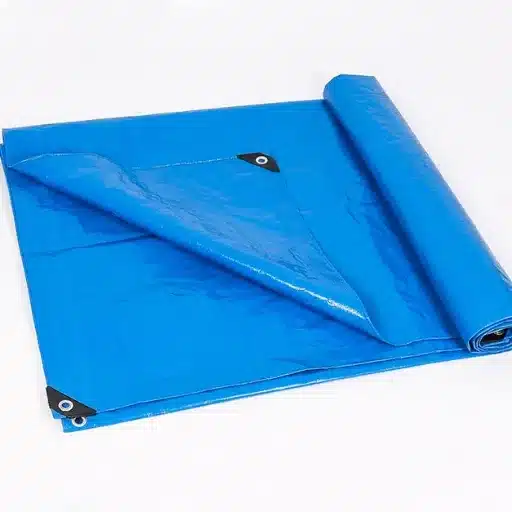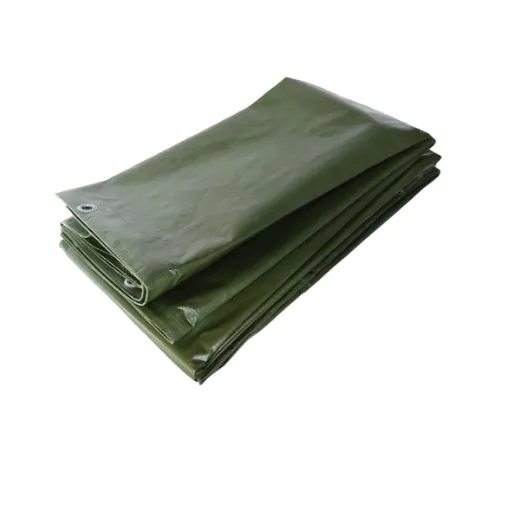

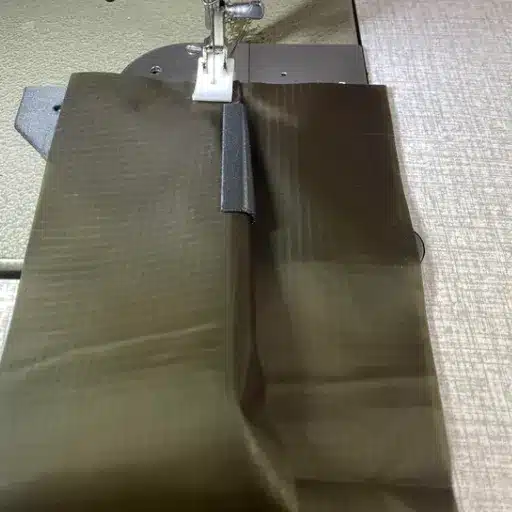
Seam Failure: Causes, Prevention & Repair Methods
When it comes to tarpaulins, the main things are their durability and reliability. However, one issue that can compromise their effectiveness is seam failure. Whether it’s for industrial purposes, outdoor protection, or as temporary shelters, tarpaulins are only as good as their seams. The failure of these seams can have repercussions that vary from minor inconveniences to critical failures. But what causes this issue, and how can you ensure your tarpaulin remains steadfast when pressure is applied? This article will analyze the common causes of seam failure, provide practical prevention tips, and discuss the most effective repair methods for keeping your tarpaulins at peak performance. Whether you are a business owner, adventure enthusiast, or just someone who relies on tarpaulins, understanding these factors is crucial for prolonging their life and maintaining their functionality.
Understanding Seam Failure in Tarpaulins
What is Seam Failure?
The term seam failure in tarpaulins refers to the deterioration of the joints or stitched areas of the material, which results in holes, leaks or even complete separation. This problem can drastically shorten the tarpaulin’s lifespan and render it useless for its intended purpose. Seam failure is mainly due to excessive stress on the seams, poor stitching, or damage from harsh weather conditions like storms, heavy rain, or intense sunlight.
Substandard manufacturing is the most common reason for seam failure. During fabrication, if seams are poorly bonded or inadequately stitched, they will likely weaken over time. Additionally, the strain on the seams due to continual folding, stretching, or pulling of the tarpaulin can lead to gradual separation. Poor-quality materials or adhesives will result in reduced ability to resist external forces.
Beyond manufacturing issues, environmental factors play a significant role in seam failures. Continuous UV radiation from the sun degrades materials and adhesives, while moisture from rain or high humidity can weaken waterproofing coatings. The cycles of heating and cooling cause the tarpaulin to expand and contract, putting further stress on the seams. Understanding these causes is essential to prevent them and keep your tarpaulins working properly for longer periods.
Common Causes of Seam Failure
UV Damage
Sunlight’s ultraviolet rays are a leading cause of tarpaulin seam failure. UV rays gradually break down the material until seams become weak enough to tear or rip easily. To prevent this, use UV-resistant materials or apply protective coatings.
Moisture and Water Damage
Moisture can severely damage seams by eroding waterproof coatings and dissolving adhesives. When water penetrates the seams, it accelerates wear and tear, especially in hot and humid conditions. Regular inspections and ensuring the tarp is dry during storage help combat this threat.
Temperature Extremes
Seasonal temperature variations cause tarpaulins to shrink and expand, creating stress on seams. This thermal movement weakens both fabric and adhesive over time, particularly in regions with significant temperature swings. Premium materials that withstand heat and cold can reduce this damage.
Key Insight: Understanding these causes not only helps in recognizing seam problems but also provides a pathway to prevent failures. Through regular inspections, applying protective measures, and selecting tarpaulins designed for specific environments, you can significantly prolong their lifespan.
Impact of UV Degradation on Durability
UV degradation is the principal factor that gradually weakens tarpaulins and reduces their durability. Prolonged sun exposure leads to moisture evaporation, fiber breakdown, cracking, and tearing. Understanding how UV exposure affects tarpaulins enables you to take preventive measures and extend their lifespan. Here are the five main impacts of UV degradation:
Maintenance Tip: Regular application of UV protectant sprays and storing tarps away from sunlight when not in use can help mitigate these problems and preserve the material’s longevity.
Preventing Seam Failure in Tarpaulins

Choosing High-Quality Materials for Tarpaulin Production
Using premium materials is paramount for tarpaulins to remain robust and effective over time. One major factor is the fabric itself. Polyethylene and polyvinyl chloride (PVC) have good reputations for being strong, water-resistant, UV-resistant, and protective. Furthermore, woven or reinforced fabrics provide extra durability, making them tear-resistant even under heavy stress.
High-quality coatings also have a major impact. UV-resistant and waterproof coatings act as shields on the tarpaulin against environmental damage and help maintain performance even during harsh weather conditions. When selecting materials, look for standards and certifications like ISO quality assurance or ASTM testing marks that demonstrate compliance with industry guidelines. This practice helps optimize material choices in terms of cost, durability, and specific intended use.
Investment in advanced treatments and layered constructions not only increases resilience but also meets the demands of heavy-duty applications, including industrial, agricultural, and outdoor uses. With a clear understanding of material options, manufacturers can make informed decisions that result in enhanced product reliability and reduced environmental impact.
Effective Stitching Techniques for Longevity
To ensure longevity in textiles and other sewn items, proper stitching execution is the key factor. High-quality stitching starts with selecting appropriate thread types like polyester and nylon, known for their excellent tensile strength and environmental resistance. Double stitching is highly recommended for heavy-duty use, as it significantly increases durability through repeated use. Reinforcing stitches with backstitching at the beginning and end prevents unraveling over time.
Recommended Stitching Methods:
- Lockstitching: Forms a secure stitch pattern that won’t break under stress, perfect for challenging fabrics
- Chain Stitching: Allows movement and stretch for soft goods or clothing applications
- Automated Technology: Provides higher precision, fewer errors, and consistent seam quality across production volumes
- Specialized Threads: Water and heat-resistant threads extend product life in extreme conditions like outdoor gear or vehicle interiors
By understanding these methods and combining them with robust design, manufacturers can continuously raise the performance bar without shortening the product life cycle.
Importance of Seam Sealing and Reinforcement
Seam sealing and reinforcement play a crucial role in the lifetime and performance of textile-based products, especially those used in harsh environments. A seam is typically the weakest part of the fabric, easily affected by wear, moisture, or environmental stressors that compromise integrity. Seam-sealing techniques such as tape bonding or liquid application effectively prevent leaks and increase durability in functional aspects. This is particularly beneficial for industries like outdoor gear that rely heavily on waterproofing, where leaks could lead to user discomfort and safety concerns.
Reinforcement techniques such as double-stitching, edge-binding, or adding reinforcing patches strengthen seams at high-stress points. These methods allow seams to resist the constant strain, load, or tension that comes with prolonged use. Products from heavy-duty applications like protective gear or industrial textiles require seams that can survive the most extreme conditions. Reinforcement also prolongs seam life, maintaining product integrity while reducing repair and replacement costs.
Modern Innovations:
New materials and technologies have greatly influenced seam sealing and reinforcement processes, making them more effective. The application of thermoplastic adhesives and ultrasonic welding has made seam-sealing in technical textiles more accurate and faster. Integrating these techniques with high-performance fabrics produces goods with better durability while remaining lightweight and flexible. By investing in seam sealing and reinforcement, industries can deliver sustainable, reliable, and high-performance textile solutions for numerous applications.
Repair Methods for Tarpaulin Seam Failures

Step-by-Step Guide to Repairing Seam Failures
Repairing seam failures in tarpaulin not only extends the fabric’s lifespan but also maintains its performance in tough conditions. This guide outlines the steps for efficient seam repair:
1
Inspect the Damage
Carefully examine the damaged area to determine the extent of seam failure. Look for tears, weak fabric, or adhesive disintegration that may need more attention than other areas.
2
Clean the Surface
Use mild detergent and water to clean both sides of the affected seam area. Ensure the surface is completely free of dirt, oil, and debris, as contaminants can weaken the bond of repair materials. Allow the fabric to dry completely before proceeding.
3
Select the Appropriate Repair Materials
Purchase high-quality adhesive or sealing tape compatible with the tarpaulin material. For professional repairs, consider using heat-sealing patches or advanced seam sealants designed for technical textiles.
4
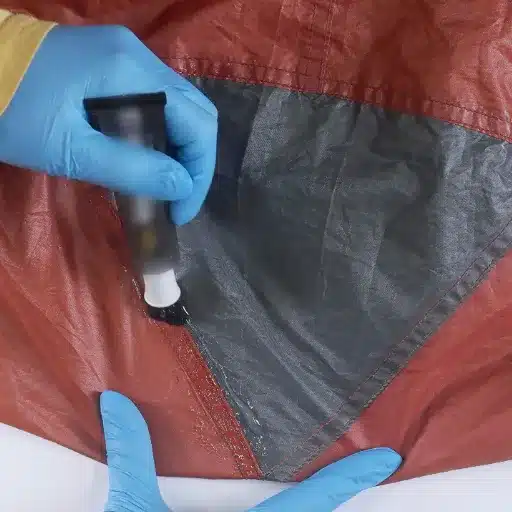
Apply Reinforcement Tape or Sealant
If using tape, cut a piece slightly larger than the damaged area and press it firmly onto the seam. For sealants, apply uniformly along the seam line, ensuring complete coverage of the failure point. Use a spreader for smooth and even application.
5
Heat Application (if required)
Some seam repair systems activate adhesive bonding through heat. Use a heat gun or specialized device according to the manufacturer’s instructions. Distribute heat evenly to avoid damaging the fabric.
6
Allow Time for Curing
Strictly follow the product’s recommended curing time once repair materials have been applied. During this period, avoid folding, stretching, or exerting tension on the seam area so the adhesive can set firmly.
7
Inspect and Test the Repair
After curing, inspect the seal to ensure no gaps or bubbles exist. Perform a stress test by gently pulling on the seam to confirm the repair’s integrity.
8
Apply a Protective Coating
To enhance durability further, apply a protective waterproof coating over the repaired area. This step increases resistance against environmental factors such as UV rays and moisture infiltration.
Pro Tip: By following these steps, you can quickly restore tarpaulin seam performance and extend the material’s usability for many applications. Regular inspections and preventative maintenance can additionally reduce seam failure occurrence and maintain desired functionality over time.
Using Seam Tape vs. Heat Sealing for Repairs
Using seam tape is quicker and easier for repairs but may degrade over time, while heat sealing offers stronger, more durable bonds but requires specialized equipment.
Tools and Materials Needed for Effective Repairs
Utilizing proper procedures and equipment is necessary to execute tarp and seam repair tasks correctly. Here is a list of essential items you will need:
✓ Seam Tape
Multi-purpose tape that prevents leaks and overlaps weak points. Choose high-quality tape compatible with your tarp material.
✓ Heat Sealing Tool
Hand-held tool for controlled heat application, achieving more lasting bonds through precise sealing.
✓ Clean Cloth and Solvent
Essential for cleaning and surface preparation before applying seam tape or heat-sealed layers.
✓ Adhesive Rollers
Tools for pressing seam tape down evenly, ensuring a solid and leak-free bond.
✓ Cutting Tool
Utility knife or scissors required to trim edges and resize repair materials.
✓ Measuring Tape
For detailed measurement of damaged portions, resulting in more accurate repairs.
✓ Patch Material
Suitable fabric piece often required for larger holes or weak spots in the tarpaulin.
✓ Protective Gloves
Necessary safety measure when working with adhesives, solvents, or heat-sealing tools.
Important: Tarpaulin repair can be done quickly and efficiently with the right tools and materials, granting increased strength and usability for different applications. Always follow manufacturer’s instructions for best results and safety.
Maintaining Tarpaulins for Enhanced Durability
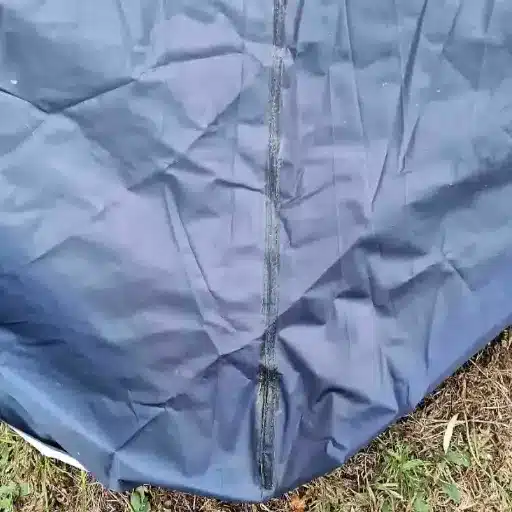
Regular Maintenance Tips for Tarpaulin Longevity
1
Clean the Surface Regularly
Untreated dirt, debris, and moisture can quickly cause damage and mold infestation. Clean tarpaulins using a soft brush or cloth with mild soapy water. Avoid harsh chemicals as they might weaken the material over time.
2
Ensure Proper Drying
Always let the tarpaulin dry completely by air after cleaning before folding or storing. A damp tarpaulin can cause mildew and bad odors, speeding up the wear and tear process.
3
Inspect for Damage
Regularly check for small tears, weak seams, and worn areas. Early detection allows for timely repairs, preventing more extensive issues in the future.
4
Store Appropriately
When not in use, keep the tarpaulin in a cool, dry place away from direct sunlight. UV ray exposure degrades the material and reduces its lifespan.
5
Use Proper Anchoring Systems
When in use, ensure the tarpaulin is securely fastened with appropriate grommets, ropes, or bungee cords. Improper handling or excessive pulling can cause tearing or stress in the seams.
6
Rotate Usage if Possible
If you have multiple tarpaulins, rotate their use to distribute wear evenly. This practice extends the lifespan of each tarp in your collection.
By performing these maintenance practices, a tarpaulin will be more durable and perform better, holding up to both heavy use and various weather conditions.
Common Issues and How to Address Them
While they are tough, tarpaulins may still face many common problems over time. These problems mainly consist of tearing, mold spots, sun damage, and eventual wearing out of eyelets or grommets. Taking care of these issues promptly can save your tarpaulin from falling apart completely and extend its lifespan.
Remember: Addressing these common issues through proactive measures ensures your tarpaulin works effectively and lasts long, withstanding different weather conditions.
The Role of Grommets and Reinforcements in Maintenance
Grommets and reinforcements maintain tarpaulin durability and functionality. They serve as support points, meaning the tarp can endure and be secured in various and taxing environmental conditions. Properly maintained grommets and reinforcements can save your tarp from wear and tear while preventing tearing caused by misuse or overpressure.
Here are five important maintenance tips with detailed considerations:
1
Maintenance Inspection
Inspect grommets and reinforced areas for wear, rust, or loosening. Early detection of damage allows for immediate repair, preventing damage from spreading.
2
Proper Tension
Do not over-tighten cords and ropes attached to grommets. Excessive pulling on these spots may cause material tearing and reduce the tarp’s usefulness.
3
Reinforcement Patches
Apply reinforcement patches or tapes to strengthen high-stress areas. This provides an added layer of protection against tearing.
4
Rust Prevention
Use rust-resistant sprays or coatings on metal grommets to maintain their non-corrosive condition, particularly in humid or wet areas.
5
Avoid Sharp Edges
Ensure all surfaces and objects near grommets or reinforced areas are rounded and smooth without sharp edges that can stab or cut the tarp over time.
By applying these best practices to your maintenance schedule, the grommets and reinforcements of your tarpaulin will remain functional and tough under various conditions. These details contribute to the overall dependability and performance of your tarp.
Innovations in Tarpaulin Manufacturing
Automation in Tarpaulin Production
The introduction of automation to the tarpaulin manufacturing industry has had a profound impact in terms of efficiency, accuracy, and scalability. Traditional production lines are now equipped with various high-tech machines and robotic systems that handle cutting, welding, and other operations. These machines operate safely and consistently in terms of quality with very fast production processes. For instance, automated cutting systems use computer-centric precision to produce accurately measured sheets of fabric, resulting in minimal waste and most effective material use.
Moreover, real-time monitoring and control systems based on sensors have been implemented to spot defects or irregularities quickly, ensuring strength and product quality. Innovations like automatic grommet installation machines enable manufacturers to have greater output while avoiding manual labor delays. The incorporation of Industry 4.0 technologies, such as IoT, provides opportunities for remote monitoring and adjustments during production, resulting in more flexible and responsive manufacturing systems.
Sustainability Through Automation
Embracing automation in tarpaulin production signifies not only faster processes but also fostering sustainable development. Efficient resource use and minimal waste result in reduced environmental impact and decreased earth resource usage, aligning with eco-friendly industrial practices advocated globally. Through automation, manufacturers not only stay competitive but are also ready to cater to the changing needs of different industries including construction, transport, and farming.
Advancements in PVC and Polyethylene Materials
In recent years, the development of polyvinyl chloride (PVC) and polyethylene materials has progressed significantly, with demand for enhanced properties and environmental responsibility at the forefront. Material formulation innovations have vastly increased resistance to UV rays, extreme temperatures, and physical stress, making these materials suitable for various applications like tarps, membranes, and industrial protection covers.
Modern production methods focus not only on performance but also on reducing the harmful environmental impacts of PVC and polyethylene. This is accomplished by employing recycled materials, bio-based plasticizers, and polymer blends that are strong and high-quality yet reduce the amount of virgin material used. Additionally, developed processing technologies allow for more precise manufacturing, lessening waste and energy consumed during production.
Performance Enhancement
Advanced formulations provide superior UV resistance, temperature tolerance, and physical durability for demanding applications.
Environmental Responsibility
Integration of recycled materials and bio-based components reduces environmental footprint while maintaining quality standards.
Future-Ready Solutions
Continuous research in polymer science promises even more significant improvements in shorter timeframes.
These advancements in materials not only satisfy specific industry needs but also support globally-set sustainability goals. Manufacturing industries are adopting approaches that emphasize life-cycle efficiency, thus providing long-lasting solutions without diminishing functional quality.
The Future of Tarpaulin Welding Techniques
Tarpaulin welding methods are being influenced by technological improvement and increasing demand for long-lasting, environmentally friendly solutions. New welding technologies such as high-frequency and hot air welding are establishing new standards in terms of accuracy and speed. These methods not only guarantee strong seams but also reduce the amount of material used, solving both performance and environmental issues.
The coupling of automated equipment and AI-powered solutions is making tarpaulin welding quicker and more uniform, reducing human error and providing high-quality results simultaneously. Development of new materials, for instance environmentally friendly polymers, is altering welding techniques as they demand changes in heating and bonding to achieve a perfect balance of durability and material integrity.
🔮 Looking Ahead
In the future, ultrasonic welding research reveals possibilities for producing even stronger seams with virtually no heating, resulting in longer-lasting products. The trend of pushing to comply with strictest sustainability measures has accelerated the transition to eco-friendly welding technologies. This combination of technological advancements and eco-friendly practices makes the future of tarpaulin welding a crucial point of innovation and accountability.
References
- Studies on tensile and tear fracture of the S8210 tarpaulin – Academia.edu: This study explores the tensile and tear properties of PVC-coated tarpaulins, including factors affecting their durability.
- Attached Thermoplastic Membrane Roofing – University of Nevada, Las Vegas: Discusses membrane roofing materials and mentions failure modes, including seam-related issues.
- Chapter 7 – Erosion and Sediment Control – Iowa State University: Highlights the importance of proper anchoring to prevent failures, which can include seam-related issues in protective materials.
- Seed Cotton Handling & Storage – Texas A&M University: Discusses how high winds can cause seam failures or stress point damage in tarpaulin covers.
- Click here to read more.
Frequently Asked Questions (FAQ)
Q: What are the main causes of seam failure in tarpaulin for heavy-duty applications?
A: Tarpaulin seam failure is mainly due to a combination of stress points, abrasion, and poor sealing methods. In heavy-duty applications, repeated tension on attachment points and exposure to UV light, temperature variations, and environmental humidity are the main factors weakening the fabric and leading to welded or taped seam failures. Seam strength may be compromised by incorrect hot air welder settings, improper use of sealing machines, or use of substandard PVC tarpaulin material, which instantly increases wear and causes leakage and loss of structural integrity.
Q: How can I inspect and identify seam failure on a tarpaulin sheet?
A: Inspection involves cleaning the seam thoroughly to remove dirt and residue, then checking for visible cracks, delamination, or separation along tarp stitching and welded seams. Also, examine areas where zipper seams and attachment points are located for any signs of abrasion, puckering, or tiny holes. When possible, if the tent or inflatable cover can be inflated or tensioned, it will be easier to detect any leakage. For a non-invasive test, water can be applied to observe the integrity of the waterproof and airtight seal. When using liquid seam sealer or tape repair products, always test a small area first to ensure PVC tarpaulin material compatibility.
Q: What are the proper techniques for repairing tarpaulin seam failure?
A: Using the right technique means considering the correct repair method for tarp type: welding seams on PVC canvas tarpaulin with a hot air welder or hot air gun at the right temperature and pressure, or applying high-quality adhesive like gear aid seam grip or liquid seam sealer for vinyl or polyurethane-coated fabrics. Thoroughly clean the seam, prepare a reinforced patch if necessary, and use tape repair as a temporary measure. When applying heat and pressure, wear heat-resistant gloves and follow manufacturer guidelines strictly to avoid damaging the tarpaulin fabric. For major failures, consult a professional repair service that specializes in welded seams and has proper sealing machines.
Q: Will maintenance and repair routines help prevent seam failure in tarpaulins?
A: Absolutely. Regular maintenance and repair routines can significantly boost durability and waterproof performance. Periodically inspect seams for signs of wear and stress, clean and reapply seam sealer or protective tape to weak spots, and don’t overtighten attachment points as the tarp is only as strong as its weakest seam. Proper storage, ensuring fast drying when a tarp becomes wet, and choosing either high-quality PVC tarpaulin material or reinforced tarp for heavy-duty and industrial applications lessen early failure. Timely application of repair techniques and professional repair for critical truck covers or essential protection gear help maintain structural integrity.
Q: What materials and products are most effective in preventing seam failure risks?
A: For heavy-duty or industrial applications, choose high-quality PVC tarpaulin material, reinforced tarp, or vinyl tarp which have not only good seam strength but also excellent abrasion resistance. In situations where waterproof and airtight performance is critical, opt for welded seams made with a sealing machine or hot air welder instead of stitched seams. Gear aid seam grip, polyurethane-based liquid seam sealer, and durable tape repair systems designed for PVC canvas tarpaulin are all recommended for repairs. The right choice of material and repair products increases effectiveness and quality of long-term protection.
Q: When should I use tape repair rather than hot air welding when dealing with seam failure?
A: Tape repair is recommended for quick, temporary solutions on tarpaulin fabric as well as emergencies where waterproofing must be done immediately. However, a hot air welder or sealing machine for PVC tarpaulin and truck covers is the best choice for long-lasting repair, because taped seams can peel off under stress or temperature changes. Consider the tarp’s intended use—heavy-duty or industrial applications, or continuous load-bearing require professional repair using heat and pressure for the strongest possible seam.
Q: How do environmental factors contribute to seam failure and how can I reduce their impact?
A: Environmental factors such as UV rays, humidity and temperature changes, chemical exposure, and abrasion from wind-blown particles all factor into seam failure in tarpaulins. To counter these, select durable UV-stable PVC tarpaulin material, ensure proper ventilation to mitigate moisture build-up, shield from sun when possible, and reinforce or cover attachment points. Regular cleaning and applying protective coatings, such as polyurethane or liquid seam sealer, help maintain durability and waterproof properties.
Q: Is professional repair always needed for seam failure issues?
A: Not in every situation. Minor leaks or localized seam wear can often be resolved with DIY methods using quality repair tape, adhesives, or sealants. However, for extensive damage, critical applications like truck covers, or when working with specialized materials requiring welding equipment, professional repair services are highly recommended. Professional services have access to proper sealing machines, heat welding tools, and expertise to ensure repairs meet safety and performance standards for heavy-duty applications.
Conclusion
Understanding seam failure in tarpaulins is essential for ensuring their longevity and reliability. From identifying common causes like UV damage, moisture, and temperature extremes to implementing preventive measures through quality materials and effective stitching techniques, every aspect plays a crucial role in maintaining tarpaulin performance. Regular maintenance, timely repairs, and staying informed about innovative manufacturing techniques will help you maximize the lifespan of your tarpaulins. Whether you’re using tarpaulins for industrial, agricultural, or recreational purposes, applying the knowledge shared in this guide will ensure your investment remains protected and functional for years to come.