

Shrinkage Problems with Tarpaulin: Understanding and Solutions
Tarpaulin is a material that is widely used and highly valued due to its great versatility and durability in various applications from building sites to outdoor coverings. Still, every material, no matter how reliable, can be challenged, and one of the most prevalent problems with tarpaulin is shrinking. This issue can influence its efficacy, reduce its life, and most likely affect your projects. Whether you’re a business owner who heavily depends on tarps for industrial application or a homeowner using them for gardening, understanding the reasons for shrinkage and how to deal with it is imperative. This comprehensive guide will accompany you through the causes of tarp shrinkage, accessible solutions and precautions that will enable the durability of your tarps and prevent expensive replacements.
Causes of Tarpaulin Shrinkage
Material Type: Canvas vs. Vinyl
Canvas is lighter and eco-friendly, while vinyl is heavier, more durable, and weather-resistant. Understanding the differences between these materials is essential for selecting the right tarpaulin for your needs.
| Material | Weight | Durability | Eco-Friendly | Weather Resistance | Use Case |
|---|---|---|---|---|---|
| Canvas | Light | Moderate | High | Low | Indoor Use |
| Vinyl | Heavy | High | Low | High | Outdoor Use |
Environmental Factors: Temperature Fluctuations and UV Exposure
Tarpaulin shrinkage is highly determined by climatic conditions, in particular, large changes in temperature and UV light. UV exposure causes tarpaulin shrinkage indirectly. The heat from the sun degrades the molecular structure and, hence, weakens and stiffens the fabric over time. The process of destruction leads not only to shrinkage but also to loss of the tarp’s life and waterproofing properties. Tarpaulins made from inferior materials get damaged faster and hence have their lives cut short by this process.
Another factor that leads to tarpaulin shrinkage is the prolonged UV exposure. The right conditions, in terms of the UV index, can influence the speed at which tarps without proper UV-resistant coatings suffer damage. For example, regions with a high UV index often experience faster degradation of tarpaulins, which do not possess the right UV protection.
💡 Solution Tip
The problem can be solved by using tarpaulins with UV-resistant coatings and selecting thicker materials specifically designed to tolerate heat and cold changes. Besides, regular maintenance such as removing tarpaulins during severe weather and storing them in a cool, shaded place can greatly enhance their lifespan. The principle of “buying quality materials and taking care of them properly” is still the most effective one for lessening the impact of nature on shrinking.
Manufacturing Processes and Their Impact
The durability, performance, and even environmental impact of tarpaulins are directly influenced by the processes involved in their production. The majority of tarpaulins today are produced from synthetic materials like polyethylene or PVC, which are subjected to polymerization and extrusion. The application of these techniques renders the manufacturers to get hold of extremely lightweight, flexible, and durable sheets, which would be very suitable for the various uses. Nevertheless, oil-based products still remain as major sources of these production methods and thus indirectly contribute to the emission of greenhouse gases and environmental degradation.
One more major area of the production process is the application of layers that offer protection, like UV-resistant coatings, which are the main factor in the increase of tarpaulin lifetime. Thus, the coatings protect the fabric from sun’s damaging rays for long time and, therefore, no decay and change of colors takes place. In the same way, some manufacturers use layering of fabric mesh as one of the reinforcement techniques to further enhance the durability and tear resistance of the material. In turn, these activities lead to the improvement of product quality but at the same time the recycling of the tarpaulin at the end of its lifetime becomes more difficult due to the creation of multi-layered composite materials.
In order to lessen negative impacts, manufacturers are turning to sustainable practices more often, using such products as recycled materials or biodegradable alternatives. Moreover, modern technologies, including production machinery that consumes less energy and additive products that are eco-friendly, are making their way into the industry as a means to minimize emissions. However, changing the way the industry works in order to be more sustainable will require not only substantial financial resources but also cooperation between all stakeholders. The tarpaulin industry can be environmentally responsible not just through the means of expensive and high-quality materials, but also through the employment of innovative solutions and eco-conscious designs where a balanced situation of excellent performance, moderate pricing, and environmental concern is created.
Negative Impacts of Tarpaulin Shrinkage
Loss of Fit and Its Consequences
The shrinkage of tarpaulin is, among others, one of the main factors that negatively impact the tarpaulin’s originally intended fit. A tarpaulin is designed to fit tightly around and secure the item it covers, be it a vehicle, goods, or a building. The custom-made or more accurately fitted tarpaulin will perform its function to the fullest. Whichever the case is true, covering or not covering, draw-down of tarpaulin can lead to the material being too tight or distorted, thus not being easy to hold securely. This normally ends up being the situation where there’s a lack of coverage in some places and thus the full protection being reduced. The imperfect fit of the cover can endanger the underneath items because they would be exposed and the damage caused by water, debris, and UV rays infiltrating through may be very serious.
Besides, the tarpaulin loses its strength and useful life due to shrinkage. The wrongly shaped or shrunk coverings have a tension deficit which leads to an uneven surface and hence, they suffer from a faster wear rate. Eventually, this can cause the material to tear, crack or even fail completely, thus incurring the cost of replacing it. The economy of tarp solutions, for instance, in the sectors of transport, construction, or farming, the impacted performance might cause the blockage of operations and consequently, the rise in costs. For instance, in agriculture the wrong tarps would mean no protection for crops or supplies and hence spoilage or contamination would occur.
Moreover, the financial and environmental consequences of the constant replacement of shrunken tarpaulins are considerable. The early disposal of tarps adds to the waste and the generation of carbon, particularly if the tarp is made from non-biodegradable material like PVC. One potential solution is to invest in shrinkage-resistant structures, which, however, will be a more costly undertaking upfront for manufacturers and consumers alike. So, addressing tarpaulin shrinkage is about the right mix of material innovation, maintenance policies, and long-term economic planning that will guarantee a win-win situation of both efficiency and sustainability.
Reduced Water Resistance and Waterproofing Failures
Over the years, one of the main drawbacks of tarpaulins was the slow decline in their water resistance. Continuous exposure to rain, the sun’s rays, and temperature changes made the tarpaulin’s surface coats waterproof less and less effective, and eventually, it was unwaterproofed. Water infiltration was already made worse by the micro-tears and punctures that occurred during handling, which decreased the tarpaulin’s effectiveness in moisture shielding. The items under the tarp risked becoming spoiled or damaged because of the above. Regular maintenance like inspection for cracks and volumes of repair done timely, is indeed the way to go if one wants to add years to a tarpaulin’s life and its functional area.
The main reason why the waterproofing fails is the quality and kind of the material used for the production process. For instance, cheap tarps made from polyethylene or with less reliable coatings might give way faster under difficult weather conditions than definitely expensive, reinforced PVC ranges. Higher-priced materials come with higher manufacturing costs which might be a disadvantage for buyers who are looking for product with low price-high quality. Cost-performance balance is still one of the most important factors for the consumers in regard to this issue.
The material scientists who are working on new inventions are gradually turning the tide of this problem in their favor. The use of nanotechnology in creating the non-wetting coatings has also contributed considerably to the moisture resistance as well as the lifespan of the tarp. Through the impressive transformation of the existing materials, the manufacturers may upgrade the water resistance and reliability at the same time so that the products are still suitable for the users with different applications to which the needs are changing constantly.
Increased Risk of Tearing and Durability Issues
Tearing and durability problems are still a major concern for users of tarpaulin, even though there has been considerable improvement in both materials and technology. Even the most durable tarpaulin fabrics can eventually become weak when exposed to harsh environmental factors such as extreme temperatures, UV rays and strong winds. For example, when a tarpaulin is exposed to UV rays for a long time, it will start to lose its polymer chains, which are the main reason for its flexibility, and thus it becomes brittle. This process of degradation will significantly make it more likely for the tarpaulin to tear apart when under tension or heavy use.
Another major cause of the tarpaulin’s short life is the mechanical stress applied by repeated handling and carrying of the tarpaulin. Tarpaulins in industrial or agricultural areas are loaded to their maximum limit quite often, they are folded frequently and are exposed to abrasive surfaces. If the tarpaulin is not reinforced properly and using advanced coating technologies, it is likely to develop small fractures which will later become large tears. On top of that, poorly stitched seams and low-quality grommets can also increase the risk of tearing under tension.
However, the manufacturers are coming up with challenges by integrating advanced features in the modern tarpaulin designs. Instead of using the plain polyester or polyethylene fabrics, innovative cross-weave construction, and the combination of both, the support will be given to greater tensile strength. Furthermore, some companies are applying highly technical polymer coatings that resist UV and enhance abrasion protection thus lengthening product life. The combination of research-driven material developments and sturdy construction methods is a lead to tear risk minimization and an overall increase in the durability of tarpaulins.
Preventing and Managing Shrinkage Problems
Practical Solutions for Shrinkage Prevention
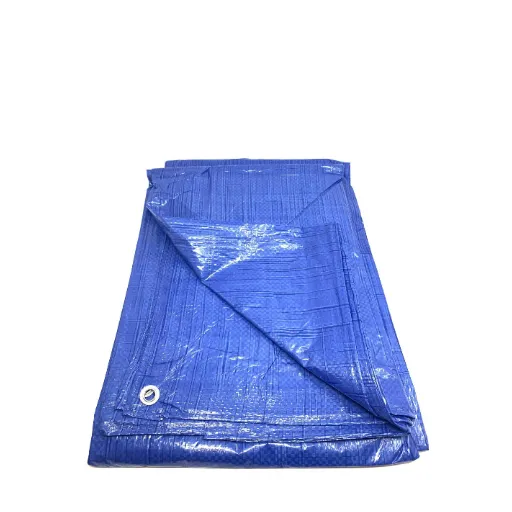
Tarpaulin shrinkage is a difficult problem that can cause loss of the product especially when it is used in environments with heavy weather changes. To make sure there is no shrinkage, one has to use materials that have undergone heat-set or pre-shrinking during manufacturing. These treatments stabilize the fibers so that they are less likely to change dimension after being exposed to varying temperatures. Another important factor is proper tensioning during tarpaulin setup. When the tension is properly and evenly distributed on the tarpaulin, local stress that could easily lead to shrinkage is avoided.
Key Prevention Strategies:
- ✓
Use blended composite materials tarpaulins, whether those make up the combination of polyester or any other synthetic fiber with cotton or other natural fibers. These hybrids not only last longer but are also less responsive to weather than the conventional ones. - ✓
Apply protective coatings or lamination as these layers efficiently block moisture that is the main cause of shrinkage. - ✓
Regular maintenance remains vital. Tarp cleaning, along with proper storage when they are not in use, gets rid of conditions that might quicken shrinkage.
Eventually, users can rely on methods combined with material science and construction advancement to minimize the incidence of shrinkage and prolong the life span of their tarpaulins.
Installation Techniques to Minimize Shrinkage
Proper installation techniques to a great extent determine the extent of tarpaulin shrinkage overtime. One of the most widely practiced and effective ways to reduce tarpaulin shrinkage is when the tarpaulin is tensioned evenly at the time of installation. Even the distribution of the material over the frame or the structure keeps the material in the areas of the least stress, thus preventing distortion or shrinkage of the material. For proper installation, the use of adjustable straps, bungees, or tensioning devices is recommended to achieve and maintain this balance.
🔧 Installation Best Practices
- Include expansion gaps: Installation should include expansion gaps or areas where the tarpaulin can expand and contract according to temperature fluctuations. Materials tend to shrink in cold weather and expand during hot weather, thus allowing for this natural movement reduces the stress that would otherwise contribute to shrinkage.
- Use reinforced edges: Reinforced hems and grommets at the edges not only secure the tarpaulin against tearing but also help in even distribution of the tension over the entire tarpaulin.
- Choose quality fasteners: Choosing the best fasteners available ensures that the tarpaulin is held securely without causing any damage to the material.
- Create proper drainage: If allowed, the tarpaulin should be installed with a slight pitch or slope so that rainwater runs off and does not accumulate as this may weaken the material over time.
The mentioned techniques bring considerable reduction in shrinkage along with the use of high-grade modern materials, thus increasing the life span of the tarpaulin.
Repair Options for Affected Tarpaulins
Tarpaulin repair becomes necessary when the tarpaulin shows problems like tears, holes, or major wear. The first action to take in this situation is to check carefully the damage done to the tarpaulin and locate its precise spot. Generally speaking, small tears or punctures can be covered with taping using adhesive repair tape made for tarps. Such tapes are the combination of being waterproof, durable, and easy to apply which makes them the best choice for small-scale repairs because they are efficient as well as economical. Proper cleaning and drying of the affected part will give the tape a good bond when applied.
Repair Methods by Damage Type:
For Small Tears:
Use adhesive repair tape specifically designed for tarpaulins. Ensure the area is clean and dry before application for optimal adhesion.
For Larger Rips:
Patch kits work better. Most repair kits offer patches made of a long-lasting material such as polyethylene or PVC that is similar to the original tarpaulin. Clean the damaged area, cut a patch bigger than the tear, and use super strong adhesive or stitching to hold it. For some kinds of tarpaulins, heat-sealing is an option which not only strengthens the joint-layer but also seals it against water and UV exposure.
For Extensive Damage:
Consider replacement panels or professional repair services. Manufacturers and specialized repair facilities can provide standard solutions like re-stitching, re-sealing, or replacing the severely worn spots of the tarpaulin.
Investing in high-quality materials with UV inhibitors and reinforced edges for those who use the replacing an old tarp will help in the long run as the durability of the tarp will be increased and future repair needs will be decreased. Operating under these repair techniques and taking the preventive measures will allow you to get more out of your tarpaulin and keep maximizing its performance in different applications.
Selecting High-Quality Shrink-Resistant Tarpaulin Materials
Key Features to Look For in Heavy Duty Tarps
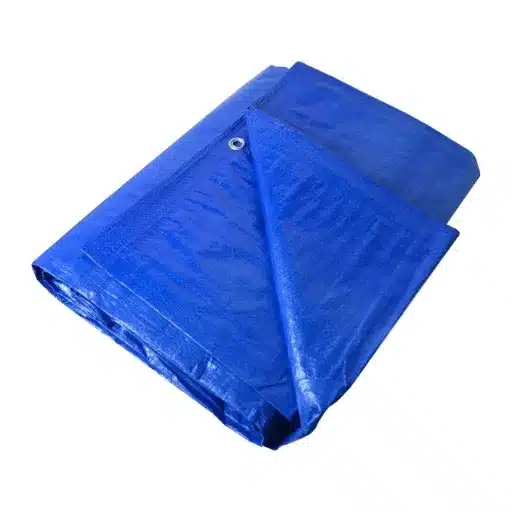
A heavy-duty tarp is what you are going to need for different purposes, and that is why when you start choosing it, it is very important to deliberate on the durability features, the functionality, and the resistance to weather.
Essential Features Checklist:
- Material Strength: Heavy-duty polyethylene (HDPE) or PVC-coated tarps are the best picks since they have the greatest power and tearing resistance.
- Waterproofing: Very crucial as it will not only guard against underground moisture but also prevent rainwater from seeping in.
- UV Protection: Necessary for tarp longevity as it is the main cause of the material’s degradation.
- Reinforced Edges: Durability comes from edges that are reinforced through double-stitching or use of heat sealed seams.
- Quality Grommets: Favorite points for tie-downs using non-rusting materials like brass or stainless steels that will withstand the rigors of use in heavy-duty situations.
- GSM Rating: The higher the GSM (grams per square meter) the thicker the material that is guaranteed to perform better under severe conditions.
- Shrink-Resistance: Use the shrink-resist tarp that helps to cover the area consistently and prevents the material from blowing in extreme temperature changes.
These features if taken into account will lead you to the right heavy-duty tarpaulin that is going to meet your requirements and produce reliable performance in different applications.
Understanding Shrink Wrap vs. Traditional Tarpaulin
Shrink wrap offers a sealed, durable, and professional solution, while tarpaulin provides quick, reusable, and cost-effective coverage. Understanding the differences helps in making informed decisions for your specific needs.
| Material | Sealing | Durability | Reusable | Cost | Use Case |
|---|---|---|---|---|---|
| Shrink Wrap | High | High | No | Higher | Long-Term |
| Tarpaulin | Low | Moderate | Yes |
solid #ddd;”>LowerShort-Term
Proper Maintenance and Storage Practices
Best Practices for Tarpaulin Care
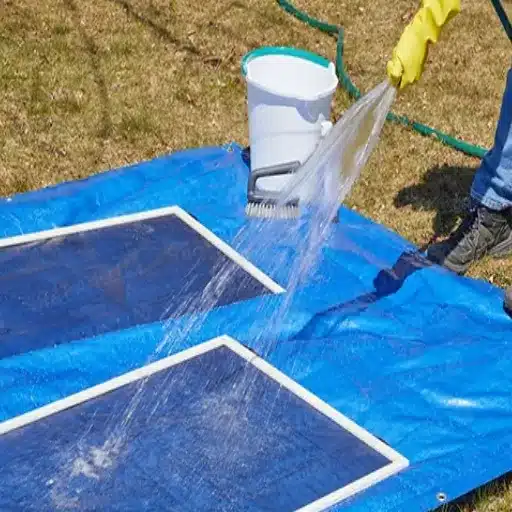
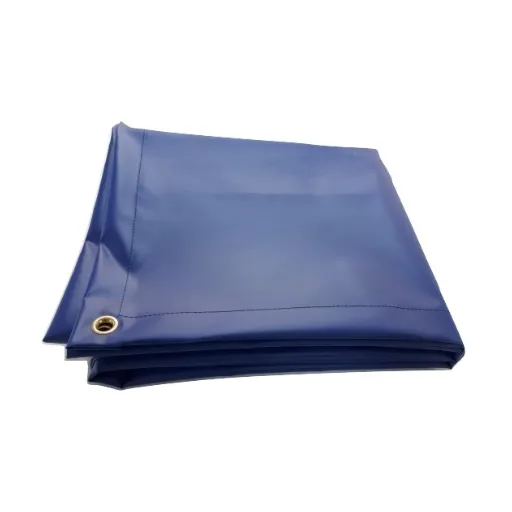
Proper care is required to maximize the lifespan and effectiveness of your tarpaulin. Clean the tarp regularly with mild soap and water to get rid of dirt, grime, and any poisons that could cause the material to deteriorate through time. Keep away from strong chemicals as they can weaken the tarp’s coatings that provide protection.
Maintenance Checklist:
- Regular Inspection: Check often for signs of wear and tear, such as small holes or edges that have started to unravel.
- Quick Repairs: Fixing these minor problems with tape or patches for tarp repair will help you to avoid damage which is why it is important to do that quickly.
- Proper Securing: Make sure the tarp is secured correctly while in use so as not to cause unnecessary strain on it and to lower the chance of wind or heavy loads damaging it.
- Thorough Drying: Always make sure to dry the tarp very well first before putting it away as this will keep mold and mildew from growing.
- Appropriate Storage: The tarp should be kept in a cool and dry place that is not directly hit by sunlight and where excessive heat is not present.
- Careful Folding: Tarp should be either neatly folded or rolled to avoid creases which may lead to cracking in some materials with time.
Your tarp will stay strong, perform well, and give you years of dependable coverage if you practice these best methods.
Storage Solutions to Extend Lifespan
Proper storage solutions are pivotal to the longevity of your tarpaulin and its continued usefulness throughout the years. One of the best ways to do this is to keep the tarp in a container or storage bag specifically made to keep it safe from moisture, dust, and insects. Airtight containers are especially effective because they eliminate the risk of humid conditions that could foster mold and mildew. Always remember to completely dry the tarp before putting it in storage, so that no moisture gets trapped. This will not only keep the material in good condition but also enhance its effectiveness.
📦 Storage Tips
- A proper shelving arrangement or specific storage racks can contribute to the good state of your tarps.
- Use racks in such a way that proper air circulation is assured, and hence, prevent the build-up of dampness.
- Storing tarpaulins hanging for a long period of time is another option, provided that the fabric is free of dirt and is secured tightly so as not to get torn or creased.
- Hanging avoids pressure points, which can occur when tarps are left on top of each other, and these may lead to weak spots and permanent folds.
Finally, think about tagging and grouping tarps by their size, type, and use. This approach not only enhances the organization but also reduces the number of times the tarps are handled and their exposure during retrieval. It can be easier to find the right tarpaulin quickly without having to go through several items if you use color-coded storage bins or tagged bags. If you routinely inspect and maintain your tarpaulin, combining these storage techniques can help keep it in top condition which would in turn make it a reliable tool for weatherproofing and covering for many years to come.
Protecting Against Mold and Mildew
Mold and mildew issues often occur in the case of tarpaulin not taking proper care of it and these fungi can significantly reduce the lifespan and functionality of the tarpaulin. The fungi prefer warm, moist environments, so tarpaulins that are not stored properly or exposed are likely to be the areas where the fungi will grow. Thus, the best way to protect the tarpaulin against mold and mildew is to ensure that it is completely dried up before the storage. Besides, the humidity in some places is so high that any moisture on the surface will quickly cause the development of fungi. Besides, regularly checking the storage places is necessary since high humidity or lack of ventilation can enhance the problem.
Prevention Strategies:
Regular Cleaning: Use a solution of either mild soap or specialized tarpaulin cleaner along with warm water to get rid of dirt, grease and organic matter that can be a source of fungi. Drying the fabric in the sun before folding or storing is always a good idea.
Avoid Harsh Chemicals: Chemicals like bleach should not be used since they can affect the strength of the fabric and ruin its waterproof coating which will lead to the tarpaulin facing the same problem.
Proper Storage Solutions: Use breathable covers or climate-controlled areas. Stacking tarpaulins in sealed plastic bags or non-ventilated areas should be avoided at all costs since it will hold moisture leading to higher chances of fungal growth.
Regular Inspections: Make inspections part of regular maintenance since the survival of mold or mildew depends on the cleaning that follows.
By implementing these precautions, not only will the tarpaulin remain mold-free but its durability and performance will also be maintained.
Frequently Asked Questions (FAQ)
Q: What are the reasons for shrinkage problems in tarpaulin and what are the measures to prevent them?
A: The primary reason for shrinkage is the contraction of tarp material which occurs gradually as a result of heat, moist air and direct exposure to sunlight, or it can happen quickly through poor securement which allows uneven tension. To avoid shrinkage, the first thing is to make sure that the tarp is made of weather resistance-rated construction materials and take the following steps: keep the tarp tight using proper rope or bungee cords, avoid constant exposure to harsh UV light, and lastly, adjust the flap and corners regularly to distribute the stress.
Q: What is the factor of the tarp material choice regarding shrinkage and stability in terms of time?
A: Tarp materials are different in their shrinkage tendency; for instance, polyethylene tarps are more likely to shrink than vinyl or canvas. By using a tarpaulin of higher quality, UV-stabilized, and constructing with materials with good weather resistance you gain stability and encounter less trouble with shrinkage. Good fastening at every corner and regular adjustments keep a taut and contraction resistant surface.
Q: Will my construction materials or equipment placed under a tarp get damaged because of shrinkage problems?
A: Yes. Uneven pulling of the tarp may expose the equipment or construction materials and, thus, the protection of the latter from the weather is compromised and flaps get lifted. This downside can cause exposure to water and dust. Use strong rope, bungee cords, and proper corner attachments to maintain the tarp tight and secure, thus, minimizing risk for stored items.
Q: What are the best ways to secure the tarp so that it does not shrink on outdoor events or job sites?
A: For tarp jobs, effective securement is using right size rope or bungee cords, reinforced grommets at corners and edges, and anchor points to keep the tarp taut. For outdoor events, consider the wind loads and use extra tie-downs, sandbags, or weighted corners. At the same time, regularly adjust the tension to offset the temperature-induced shrinkage that leads to such problems.
Q: Is it possible to repair a tarp that has already shrunk and has lost its tightness?
A: You might be able to bring back a shrunken tarp by loosening all securement, gently stretching the tarp while warm (you can use light from the sun), and re-securing it evenly at all corners and flap points. In case of severe shrinkage, patching or replacing sections of the tarp material may be necessary. Always make sure that the repaired parts have proper weather resistance as well as reinforced edges in order to prevent repeat issues.
Q: How to deal with environmental factors like direct sunlight and humidity that cause shrinking of tarp?
A: The sun’s rays cause the materials in tarpaulin to become weaker through UV degradation and the heat resulting from the sun to cycle thus causing the materials to contract gradually. Even though humidity and wet-dry cycle do not cause the materials to shrink directly, they impart stress on the fibers and coatings. If you choose weatherproof, UV-stabilized tarpaulins and keep them taut with correct securement, then the environmental factors will have lesser impact on shrinkage.
Q: When covering a construction site with tarps, how often should I check and adjust them to prevent shrinkage-related failures?
A: Tarps should be checked at least once every week and after strong weather. Look for corner, flap and grommet wear, make sure the rope or bungee cords are tight, and adjust the tension to keep a taut surface. If an outdoor event is prolonged or if you are in a heat-swing area, then more frequent checks are needed to prevent shrinkage problems from getting out of hand.
Q: Are there certain tarp designs or features that mitigate the downsides of shrinkage?
A: Definitely. Tarps with reinforced corners, UV-resistant coatings, multi-layered tarp materials, and sewn hems are good examples of tarps with great stability. The built-in tie-down points and adjustable straps are among the features that enhance securement and help keep the tarp taut thus making it less likely to shrink and eventually have flap or corner failure.
Q: Is it possible to use a tarp in cold climate without being concerned about shrinkage problems?
A: The cold can turn certain tarp materials rigid and thus they are more likely to crack rather than shrink, but cycling through temperatures can still result in a change of dimensions. So, opt for materials that are rated for low temperatures and do not overstress when it is cold by tightening the tarpaulin. Rather, take advantage of the rise in temperature to do so. This way the tarp will still be taut but at a stress level that is appropriate for the fabric, ropes and bungee cords.
References
-
6 Regression Shrinkage Methods – STAT 508
This resource from Pennsylvania State University discusses shrinkage methods in regression analysis, which are used to address overfitting and improve prediction accuracy. - Click here to read more.