
Mesh vs Solid Tarpaulin: Airflow & Protection Balance
One of the crucial decisions that you will have to make when selecting the best tarpaulin is whether to choose mesh or solid tarp material. Both alternatives are indispensable but in contrast to different ways, the choice dependent upon your particular need. Is reducing wind resistance through increased airflow your primary concern, or would you rather have complete protection from the weather? The right combination of ventilation and durability might be the solution to your needs, be it in covering equipment, shading, or securing cargo. This article will be a guide to the features, advantages, and typical scenarios of use for mesh and solid tarps so that you can decide for your project or application wisely.
Understanding Mesh Tarps
What is a Mesh Tarp?
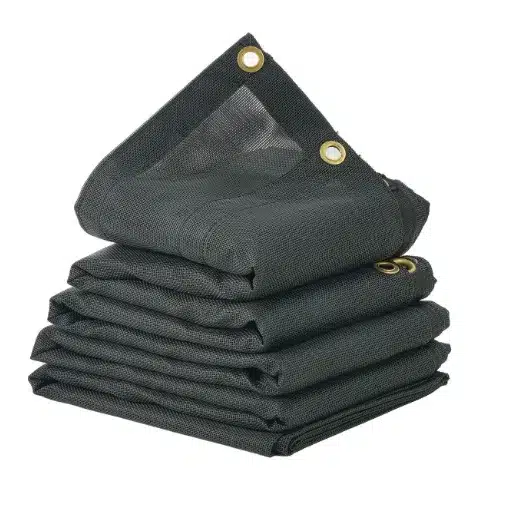
A mesh tarp is a light and breathable material which consists of woven or perforated layers which in all have the same main purpose of letting air, light and some water through. Mesh tarps were not designed to be entirely waterproof as the solid tarps are, but at the same time the ventilation caused by the unique structure of the mesh immediately prevents the heat and moisture from piling up below. Thus, it can be said that they are the best example of the use of airflow in the outdoor spaces shading or covering of condensation-sensitive items.
These tarps are usually produced from sturdy materials such as polyethylene or vinyl-coated polyester, thus making them able to endure all kinds of weather while still being easy to handle. The open weave design of mesh tarps also offers UV protection, making them an effective solution for shielding plants, animals, or equipment from excessive sunlight without completely blocking out the natural light.
Mesh tarps are widely used in agriculture, construction, and transport-related industries. They can efficiently double as truck covers to fasten loose materials, as shade for greenhouses or patios and screening people’s view in outdoor spaces. Their combined properties of being breathable, durable and versatile make them the first choice when ventilation and light filtration are of utmost importance.
Key Characteristics of Mesh Tarps
🌬️ Breathability
Breathability is one among the most considerable properties of mesh tarps that are presented marvelously. The air matrix created by the tiny holes in the mesh fabric is the cause for this cessation of the air, heat, and moisture flowing slowly. This property of the tarps makes them not only suitable but also very effective for applications requiring airflow, as in the case of covering machines or shading in the agriculture.
💪 Durability
Mesh tarps durability is their primary characteristic and hence are capable of prevailing over the most extreme climates and long-term usage. Comprising of polyethylene or nylon usually, they resist cuts and ripping, sunshine and bacteria, which contribute to their long-lasting reliance. This quality of tarps makes them a perfect choice for industries, outdoor activities, and even heavy-duty applications.
☀️ Light Filtration and Shade
These tarps give a perfect light filtering effect but at the same time do not emit complete darkness. The diffused sunlight can be considered an ideal shade for protecting plants, cars, and structures. They can block the light depending on the weave, but they allow the viewer to see, thus, making them applicable in various places.
🔄 Versatility
Tarps are used in different sectors and activities due to their versatility. Their common usage includes truck load covers, which prevent cargo from falling off, temporary fencing in the quoted areas, covering of greenhouses, and erecting of outdoor privacy. The blend of their properties means that they are able to satisfying the different needs of the users.
✅ Ease of Use
Tarps, light in weight and easy to manipulate, can be easily installed with grommets or tie-downs. This ease of use means that the range of applications is vast, and even non-specialized workers can utilize them. Their simple design is a factor in their usefulness both in commercial and leisure activities.
Mesh tarps embody a synergy of multifunctionality, durability, and user-friendliness which eventually positions them as must-have items in a vast range of applications. Their various usages and the reliability of their performance provide the reason as to why they are the most preferred among the options available for protection and shading solutions.
✨ Benefits of Using Mesh Tarps
- ✓
Durability and Longevity: The mesh tarps are made of prime quality materials like polyethylene or vinyl, which increase their resistance to abrasion. They are able to resist the extreme climate conditions, which include very strong sunlight, heavy rains, and wind, hence they are maintained for a long time without the necessity of replacement. - ✓
UV Protection: One of the main benefits of mesh tarps is that they can effectively prevent exposure to dangerous UV rays. Tarps can give up to 90% shading and thus, can help in sun exposure being minimized yet permitting air movement. This makes them suitable for outdoor events and safeguarding delicate items from destruction by the sun. - ✓
Breathability: Mesh tarps, unlike solid ones, facilitate the movement of air thus preventing the formation of heat and moisture. This characteristic proves to be very beneficial in the cases of covering plants, construction materials, or outdoor buildings where the ventilation is needed. - ✓
Versatility: Mesh tarps cannot be limited in their applications and are suitable for different uses like agriculture, construction, etc., and even transportation and recreation. Whether they are shielding the crops, tying a load, or providing shade to a patio, their flexible nature still makes them a good choice. - ✓
Lightweight and Easy to Handle: Mesh tarps are, however, strong still very light and manageable. Moreover, they can be easily and quickly installed, removed, or changed in position, which makes them appropriate for both temporary and permanent uses.
Exploring Solid Tarps
What is a Solid Tarp?
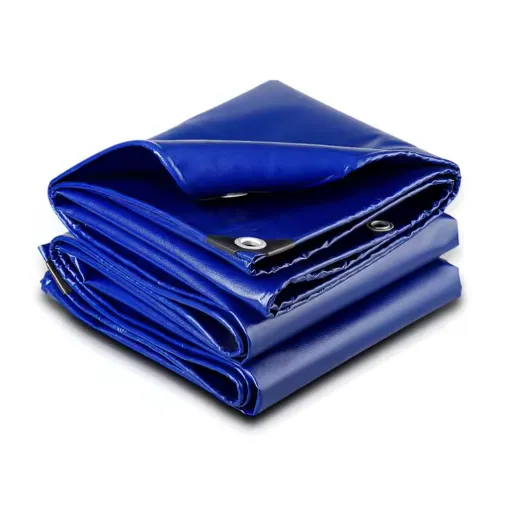
A solid tarp is a tough and multifunctional covering which consists of a variety of materials such as polyethylene, vinyl, or canvas. Being different from mesh tarps that allow some air to pass through, solid tarps are totally non-porous thus giving full protection against the sun, rain, wind, and dirt. Also, their tightly woven or coated style makes it possible for them to bear rough weather conditions hence they are very dependable for different uses.
Solid tarps are often the covering in various situations where full coverage and protection are required. For example, they are perfect for preventing the damage of moisture and UV on equipment, vehicles, or goods. Besides, they are very much used in construction for the purpose of protecting materials, making barriers, and so forth. Also, they are used in a camping site where they can act as a ground cover or waterproof shelters.
One major benefit of solid tarps is their capacity not only to keep the outside world off but also provide privacy. Because of their non-transparent design, they completely obstruct visibility which makes them ideal for use in places that are discretion-demanding. Besides, they are offered in a range of sizes and strengths to suit various needs; thus, both individuals and industries can easily get a personalized solution that meets their specific requirements.
Key Characteristics of Solid Tarps
🛡️ Durability and Strength
Solid tarps are made to resist harsh conditions, often made of heavy-duty materials like polyethylene, canvas, or vinyl, the hardest ones. Different materials offer high tensile strength, and thus the tarps can stand the test of time, getting through the most severe weather, abrasion, and stress without even a single ripping spot.
💧 Waterproof and UV Resistant
Many solid tarps have waterproof layers, so they are perfect for rain, snow, or moisture protection. Besides that, they also have UV-resistant characteristics that help prevent sun injury and thus, the life of the tarp under the sun gets prolonged.
🔧 Versatility in Use
Solid tarps range from being able to cover machines and equipment to acting as a roofing or privacy screen; they are easy to use in different applications. They are also available in different sizes and thicknesses for various purposes starting from light covers for small items to industrial-grade.
🔩 Reinforced Features for Longevity
Guaranteed by reinforced edges and rust-proof grommets, solid tarps are tied down and will not move even in gusty winds. On top of that, these features add to the tarp’s ability to resist being blown away and thus, long usage.
🎨 Customizable Options
Solid tarps come in a wide range of colors and configurations, which not only satisfies the user’s requirements in terms of visibility, aesthetics, or functionality but also provides an option of custom sizes or branding that would meet the buyer’s unique needs.
It is the combination of all these functionalities, durability, and flexibility that make solid tarps an indispensable tool for both personal use and professional requirements.
🌟 Benefits of Using Solid Tarps
- ✓
Weather Resistance: Heavy-duty tarps have the ability to endure even the most extreme weather conditions, such as heavy rainfall, strong winds, and the sun blazing down for many days. Their qualities of being water-proof and sun-proof not only make them the best but also the most reliable solution for saving items in tough weather. - ✓
Durability and Longevity: Solid tarps which are made from high-quality materials like polyethylene or canvas provide an extraordinary combination of strength and lifetime. They don’t only resist tearing and abrasion but also their strength makes them perfect for use in both private and professional settings many times. - ✓
Versatility: Heavy-duty tarps have many applications whether they are used to cover cars, prevent deterioration of equipment or even be a part of a building. Their flexibility makes them essential not only for construction but also for agriculture, camping, and other recreational activities. - ✓
Cost-Effective Protection: Solid tarps are a good investment because they can prevent the loss of money which is caused by damaging the goods that are covered. For instance, covering the vehicles and machinery with tarps not only protects them from rust and dust but also minimizes wear thereby less cost for maintenance and sometimes replacement in the long run. - ✓
Ease of Use and Transportability: Heavy-duty tarps are not just lightweight they also come with many other features that make them very easy to use and transport. Most of them have reinforced grommets or tie-down points, which makes it very easy to secure their position for different uses.
The combination of these features is the reason why heavy-duty tarps are considered as one of the most effective and useful resources for protecting assets and improving productivity across various industries.
Mesh vs Solid Tarps: A Detailed Comparison

Durability and Lifespan
In order to choose between mesh tarps and solid tarps, it is very important to know the durability and lifespan of each so they will meet the needs of a specific application. Mesh tarps, made of materials like polyethylene or vinyl-coated polyester, are meant for situations where it is important to have airflow and some light coming through. The woven construction of mesh tarps makes them resistant to tearing and wearing, thus very durable in outdoor prolonged usage. However, their fibers can be gradually destroyed by long exposure to UV radiation if not UV protected. Yet, with regular upkeep, a mesh tarp’s lifespan can be greatly compounded.
Solid tarps, commonly made from PVC or canvas, are more powerful and long-lasting than mesh in applications where the complete enclosure aspect is paramount. The use of heavy-duty-level construction makes them immune to water, chemicals, and the general breakdown of the material. In addition, they usually come with reinforced edges and grommets that prevent the tarp from breaking out due to tension or stress being too high. They can withstand extreme conditions of nature, e.g., heavy rain and strong wind. Furthermore, materials’ technologies, like UV-resistant coatings, are amongst the factors that have contributed the most to the durability of solid tarps, especially in outdoor settings.
Nevertheless, the decision of mesh or solid tarps should be informed by the potential use, environmental factors, and the level of maintenance required. While the former is the best in situations that need air circulation and less wind resistance, the latter is the only one that can deliver total protection and coverage in case of harsh conditions. Users who go through the above durability aspects meticulously and choose the best quality materials will be able to enjoy a longer lifetime of their tarps and assured the performance of the product.
Airflow and Ventilation
When choosing tarps for certain uses, proper airflow and ventilation are crucial factors to think about. Mesh tarps are one example of the kind of tarps that are especially helpful when air circulation is a major requirement. They are specially designed to allow air to easily flow through them, thus avoiding heat and moisture build-up. This characteristic renders them the best cover for places such as greenhouses, trucks carrying perishable goods, or scaffolding on construction sites. In fact, mesh tarps facilitate the prevention of mildew and mold in both industrial and residential areas by cutting down on the moisture trapped in the air and getting rid of the bad odor.
In contrast, solid tarps hardly ever let air move through them because of the materials they are made from. Although this feature could easily be viewed as a drawback on many occasions, it, in fact, proves to be a very important factor in the case of total environmental isolation scenarios. To illustrate the matter, solid tarps can be said to be very effective in protecting outdoor supplies, creating a storm shelter, and also covering wet ground as a floor protector. The unbreathable quality of the tarps provides the ultimate barrier against water, dust, and other outside factors thus confirming their use in heavy-duty applications.
After all, the decision on the use of either mesh or solid tarps is determined by particular project needs and the surrounding conditions. In the case of work involving airflow and moisture control being the top priority, mesh tarps are regarded as the right choice because of their ability to ventilate. On the contrary, solid tarps are always required whenever the situation is such that the demand is for maximum strength and protection from the weather. It is only by knowing the characteristics and uses of each kind that users will be able to choose wisely and thus get the most out of the performance and efficiency.
Water Permeability and UV Resistance
Water impermeability and UV resistance are the two most important factors that need to be considered when choosing tarp materials for different applications. Due to their porous design, mesh tarps generally have the best water permeability which means they can be used in rainy areas where drainage is necessary because rainwater or liquid can easily pass through them. However, solid tarps are completely waterproof and protect underneath materials from rain and moisture, and so they are the best in providing waterproof covering in all wet situations.
UV resistance is another thing that comes after water resistance; for that modern tarps usually combine UV-stabilized materials which can tolerate long sun exposure without the degradation of the product. Mesh tarpaulins do allow some ultraviolet rays through the use of their open structure however, their UV-resistant coatings can make the lifespan of the items they cover longer. Solid tarps, which are usually made from reinforced polyethylene or PVC, provide the best UV protection and keep the sensitive materials from becoming sun damaged.
Once these characteristics are known, they can greatly increase the efficiency of tarp usage in different industries. When the specifications of the fabric waterproof rating, UV blocking percentage, and material durability are evaluated, the user will be able to choose the most suitable tarp for their specific requirements. Furthermore, the advanced manufacturing technologies have also raised the standards of tarps in terms of performance, thus providing the demand with an optimum blend of water permeability, UV resistance, and durability.
Choosing the Right Tarp for Your Needs
⚙️ Factors to Consider for Heavy Duty Applications
- Material Strength and Thickness
In the case of heavy-duty usage, the sturdiness of the tarp’s material should be characterized by a large denier and considerable thickness, usually described in mils. An example of a commonly preferred tarp material is the 16-mil thick polyethylene and reinforced PVC for their high resistance to wear and tear.
- Waterproofing Capability
Always verify the waterproof rating of the tarp to be certain that the tarp can keep water and rain out. Tarps that are coated with either polyethylene or polyurethane are very likely to prevent water from penetrating.
- UV Protection
UV resistance is a very important factor in the case of outdoor uses so that the material will not degrade due to the sun’s being there for a long time. The heavy-duty tarpaulins are usually equipped with UV inhibitors that let them get through the sunlight without fading or getting brittle for a long time.
- Grommet and Reinforcement Quality
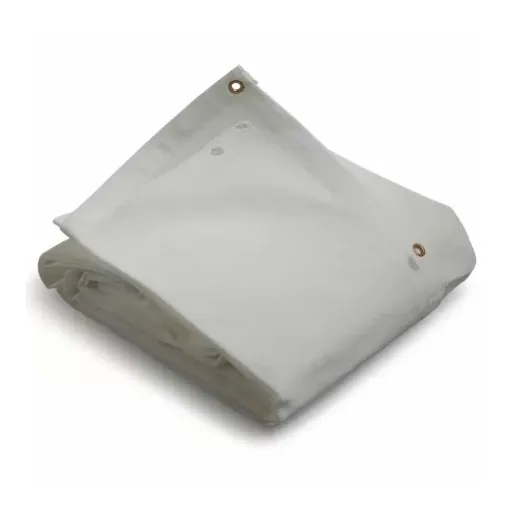
Grommets and edges that are reinforced with high-quality materials are very helpful in the tarpaulin’s overall strength and its being easy to secure. Brass or rust-proof grommets that are located at regular intervals, in combination with heat-sealed seams, can significantly improve the durability of demanding tasks.
- Temperature Resistance
The tarp should not only be able to endure but also resist extreme temperature climates, from freezing to superheated. Heavy-duty tarps, which are made for industrial or environmental applications, are said to be able to cope with temperatures as low as -40°F and as high as 180°F, thus proving their reliability in various conditions.
Best Use Cases for Mesh Tarps
Mesh tarps are extremely adaptable and can fit into different applications in various industries. One of the significant and common cases where mesh tarps are used is in the agriculture industry where they serve as a shield over crops and livestock thus they are not affected by the sun as the air and moisture circulation is not stopped. Farmers frequently apply mesh tarps as shade structures, windbreaks, or coverings that keep and protect hay, silage, and other materials in transit or storage.
The building and landscaping industries are the other area that makes considerable use of mesh tarps. These tarps are often set up as protective covers around scaffolding to contain debris thus it is safe for workers. At the same time the mesh tarps increase the safety of the site by catching the pieces and at the same time providing the workers with a cool place to work. One of the applications where mesh tarps are used is in erosion control where they are spread to hold down the loose soil or to shield the slopes from being washed and blown away by the wind. Their strength and capability to resist all weather conditions outdoors make them to be the best aid in providing a safe and productive work area.
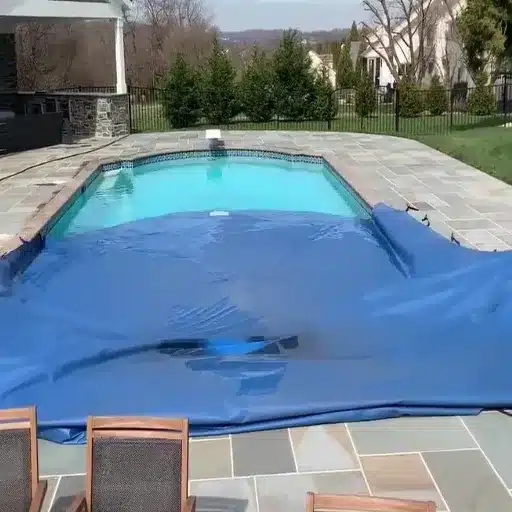
Among the many uses of mesh tarps for both recreational and residential purposes, the latter is the one that most stands out. These tarps are perfect for the provision of shaded areas in backyards, parks, and playgrounds thus, shielding children and families from the danger of UV rays. They could also be set up above patios or greenhouses for regulating the amount of sunlight exposure. Moreover, mesh tarps are often applied as truck bed covers, which encloses the cargo while permitting air flow, or as pool covers that keep the water clean while keeping the debris out. The mesh tarps are made in such a way that they are both light and strong which makes them practical for daily tasks and at the same time ensures a long-lasting performance.
Best Use Cases for Solid Tarps
Solid tarps are very versatile and tough, making them an indispensable answer for many demanding applications. They are usually used to protect equipment and supplies from extreme weather conditions. Solid tarps perform well in this regard, whether placed over a construction site machine or underking supplies in an industrial storehouse; they are very strong and act like a water-repelling barrier that guarantees durability and safety. Their power to stand up against rain, snow, and even UV rays means they last longer and can be used differently, hence offering them as reliable protection in extreme weather situations.
A great alternative that solid tarps offer is the outdoor use of covering for a long time like, temporary roofing or covering cars. These heavy-duty tarps will not tear down to wear and tear even with constant exposure to the elements. Farmers generally use solid tarps as a covering for hay bales or agricultural supplies, which is done to prevent the spoilage of the produce by moisture, which is the leading cause of spoilage. Transportation companies have a similar need and therefore use the tarps to cover and secure the goods during select transit routes to keep the cargo safe even if the journey is prolong.
Solid tarps for domestic and recreational use are quite practical as well. They can be used by homeowners to cover cars, firewood, and garden furniture so that their property is kept clean and dry throughout the year. The same goes for campers and outdoor people; they find solid tarps cheap as they can use them for ground space, make-shift cover, or rain protection for activities. The ability of solid tarps to be used in different ways from the industrial setting to recreational activities makes them the leading choice for people who want to have coverage that is also sturdy over a long period.
Debris Control and Sun Shade Solutions

Using Tarps for Debris Control
Tarps are considered the best tools for debris management and even do not mind if they are used on construction sites, landscaping projects, or home renovations. They can resist tore up and thus can avoid not being used in places with big materials like wood chips, soil, or waste materials from buildings. Heavy-duty tarps can be placed in the work areas where rubbish is collected and at the same time, this will not prevent workers from moving around and keeping the site clean and neat courtesy of the controlled environment. This particular control over the waste is of utmost importance since it leads to the avoidance of the dangerous materials getting mixed up with the surrounding areas thus keeping both the workers and the environment safe.
Tarps not only provide containment but also act like a protection wall against the elements outside during the process of demolition or moving the debris. For instance, the placing of tarps over the areas exposed can protect the buildings or the neighboring properties from the ashes, dirt, and the harmful particles carried by the wind. Moreover, while carrying the waste, wrapping the trash in a tarp that is secured ensures that the local laws are adhered to as it will stop the loose materials from dropping onto the roads and causing the town to incur cleanup costs.
The use of modern technology in the production of tarps has contributed significantly to their effectiveness in the control of debris. UV-resistant tarps for instance, not only but also support the underneath debris that is being protection. Waterproof tarps keep the materials like soil or wood dry even when there is excessive rainfall, this being one of the potential causes of damage or spoilage. Tarps when combined with their strategic placement and proper anchoring offer a practical yet versatile solution for handling debris effectively in various professional or residential settings.
Mesh vs Solid: Effectiveness as a Sun Shade
Mesh tarps offer ventilation and partial shade, while solid tarps provide complete sun blockage and maximum UV protection.
Making the Right Choice for Environmental Needs
Deciding on materials or methods for environmental issues, it is first and foremost to know the particular characteristics of the environment. For example, when cooling the place is the main concern while still wanting the airflow to be maintained, mesh tarps can be the perfect solution. Mesh tarps are shading the area but not fully blocking the sunlight so plants, for example, can still be grown under them. Moreover, it is the same for people, as they will be protected but still can enjoy the soft light ideally in gardens or during their outdoor work.
On the other hand, solid tarps provide a full shelter and repel rain, wind, and UV completely. This makes them more suitable for places where it is of utmost importance to keep the area completely dry and secure, for instance, building sites or warehouses for moisture-sensitive materials.
The right decision can lead to efficiency and sustainability by taking into account such factors as weather conditions, the lifetime of the materials, and the specific goals of the project. Selecting biodegradable or recycled materials for eco-conscious tarps further aids the environment in the long run – waste reduction plus a greener effect.
📚 References
-
University of Illinois Blog – Mesh Tarpaulins: This source explains the use of mesh tarpaulins, highlighting their ability to allow water to drain through while trapping debris, making them ideal for safety and leaf covers.
- Click here to read more.
❓ Frequently Asked Questions (FAQ)
Q: What are the main points of difference between mesh and solid tarpaulins protection and airflow?
A: Protection and airflow are the main points of difference between mesh and solid tarpaulins. Air and some light can pass through mesh tarpaulins, hence, they can be used as shade and breathable mesh applications whereas solid coverings are total sun and rain protectors. The choice of the right covering is completely dependent on the fact that you need tarps for shade and ventilation or full weatherproofing from the elements of harsh weather.
Q: How do mesh tarps compared to solid covers allow the air to run?
A: Mesh tarps are made in a form of a knitted or woven mesh material that is permeable to air so the circulation of air is effective and the wind load and heat effects are minimized. On the other hand, solid tarps act as a barrier preventing air and light from passing through, which can lead to heat and moisture being trapped. If you are prioritizing shade and ventilation for your outdoor or plant nursery, then mesh shade and breathable mesh are mostly the right options.
Q: When deciding on the right tarp, what should be my criteria for choosing between mesh tarps and solid tarps for sun protection?
A: You can make that choice based on a combination of sun protection level and airflow required. Mesh tarps are great at giving partial shade and lowering UV exposure at the same time allowing air and light to pass through. On the other hand, Solid tarps provide complete sun protection and isolate sunlight for cases of privacy or tempering sensitive stuff. The pros and cons of each material should be your main consideration so that you don’t end up with the wrong choice of mesh for your intended aesthetic purpose or fabrication of materials.
Q: Is it true that heavy-duty mesh tarps are superior to polyethylene tarps for outdoor use?
A: Heavy-duty mesh tarps and polyethylene tarps are distinctly different. Heavy-duty mesh tarps are constructed from strong mesh materials that will stand up to wind and allow air; hence they are perfect for both shade and breathability to be used. Polyethylene tarps are solid and waterproofing to a higher degree and offer full weatherproofing against the harshest weather such as rain than the mesh. The correct selection of a mesh option or a solid option depends on whether you value breathability or water-resistance more.
Q: How do I decide on the proper mesh material and the choice between standard mesh and heavy-duty mesh tarps?
A: The factors to take into account are the mesh density, UV resistance, and the strength of the weave. Standard mesh tarps have the capability of light shade and basic ventilation, whereas heavy-duty mesh tarps are thicker, consist of reinforced hems and are most likely to be sold with grommets for secure installation and fastening. In case of long-term outdoor use in tough weather or commercial benefit, go for heavy-duty mesh or a high-quality material which is known to resist tearing and UV degradation.
Q: Can mesh tarps compete with solid covers in offering rain protection and privacy?
A: Mesh tarps do not bar water from coming through, and hence they do not offer full protection against rain like solid covers and polyethylene tarps. However, mesh tarps can offer privacy if the weave is dense enough and besides they can reduce light and visibility while air is circulating through. For scenarios where both needs are present, some users put a layer of mesh over solid tarps or opt for hybrid types to ensure that the trade-off between protection from rain and breathability is minimized.
Q: What are the installation and fastening tips for mesh shade and solid tarps?
A: Tarps should be secured by means of tarps that come with grommets, reinforced corners, and proper tie-downs. Mesh tarps must always be tensioned so as to prevent their moving about, but at the same time you should allow for some movement so that air can flow without putting a strain on the material. Solid tarps need to be fastened very securely to avoid being pushed around in the wind as they will be catching more of it. It is wise to take anchor points, bungee cords, and windbreaks into account in locations where the weather can be harsh as this will help prolong the quality and lifespan of the material.
🎯 Final Thoughts
Choosing between mesh and solid tarps ultimately depends on your specific needs. Consider factors like airflow requirements, weather protection, UV resistance, and intended application. Whether you need breathable coverage for agricultural purposes or complete weatherproofing for equipment protection, understanding the unique characteristics of each tarp type will help you make an informed decision that delivers optimal performance and longevity.