

Woven vs Laminated vs Coated: Construction Method Guide
The question is not only about preference but more about the elements involved in a project and the various construction methods available. Woven, laminated and coated materials are fundamentally distinct in their features, pros, cons and the areas of application as a result of which, it becomes paramount to choose the appropriate material. However, how do these methods of construction differ? How does one decide which one is better? In this article, we are going to discuss woven vs laminated vs coated materials in detail and provide you with the crucial information needed in building for durability and to specification regards your next project. If you are designing for industrial, Outside, every day products or any other such application where you will have to design, this will guide you to describe the benefits of such regard on a more effective manner.
Introduction to Tarpaulin Types
What is Tarpaulin?
A tarpaulin, commonly known as a tarp is a material that is strong and flexible which aids in preventing rain, wind, sun, among other adverse environmental conditions. It is commonly made of waterproof materials such as polyethylene, canvas or vinyl, waterproof or otherwise which is and worn. The durability of the tarpaulin makes it an essential material in construction, agriculture, haulage, and entertainment, among others.
In addition, tarpaulins have reinforced edges that are sometimes sewn with tie on strips or contain eyelets and ropes to help in fixing, fastening or wrapping on anything. This makes them effective when it comes to covering various equipment, creating temporary and emergency shelters, and available to protect goods or items in storage. In addition, tarpaulins come in different thicknesses, dimensions and polished versions, designed for casual purpose use and heavy duty industrial purpose use as well.
Tarpaulins are strong and resilient to the elements, making them effective in all conditions and are not damaged easily. If one wants to cover outdoor furniture, plants or goods in transit over long distances one needs an appropriate type of tarpaulin depending on the use in question, in order to successfully and effectively satisfy this structural demand.
Overview of Woven Tarpaulin
mong a wide range of various durable coverings, Woven tarps stand out and are immensely popular due to their ultimate strength and long lasting nature. The woven cover which is made up of high density polyethylene (HDPE) or polypropylene (PP) strips is very strong and flexible. Their water resisting and UV blocking capabilities makes them fit for open air use, means they can survive such conditions.
The advantage of using woven tarpaulins is that they can be erected within minutes, ensuring that items which require protection from harsh weather are covered without delay. They are also popularly employed for packaging and covering goods in transit, protecting crops and hay from the open environment and constructing improvised warm weather shelters. They are light in weight; their edges and eyelets are strengthened so as to facilitate easy handling and securing of these tarpaulins’ edges without much struggle.
One more advantage of using woven tarpaulins is that they get the job done and at a cheaper price and durable levels than other material making them a preferred choice among many users for commercial or personal undertakings. Aside from being resistant to tearing, woven tarpaulins can also withstand long-term and frequent use, further increasing their usefulness. As is the case with the industrial, agricultural or any other field, when it comes to Woven tarpaulins one can expect to get multi-use utility. In case the user follows the ideal procedure in selecting and using the woven tarpaulin, the tarpaulin remains in such a manner that it efficiently performs its function for a longer period of time.
Overview of Laminated Tarpaulin
There are a number of benefits associated with tarpaulins constructed from laminated cloth. This type of tarpaulin is designed to prevent water from infiltrating and damaging an exposed item or surface while allowing the cover to breathe. A bonding layer is applied to a base fabric in order to make a laminate which is woven or nonwoven within design specifications. Lamination is typically performed with polyethylene or polypropylene as the bonding layer. This wiring not only reinforces the sheets, but makes them more resistant to water, wind, and other elements. It also protects the inner layer and maintains its integrity since the outer waterproof layer is smooth and non-porous to prevent any leaks and is very easy to wipe or wash.
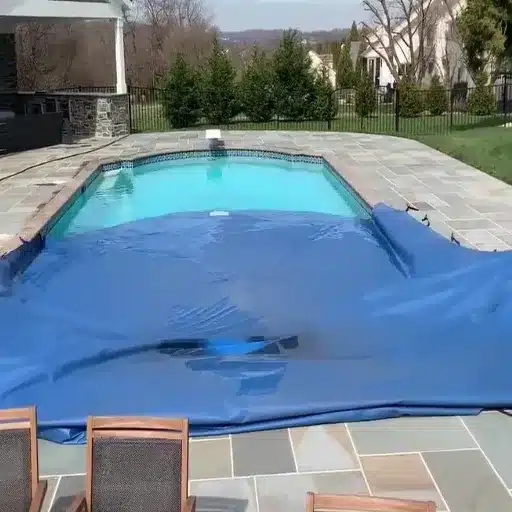
The beautiful thing with these kinds of sheets is that they do not easily give in nor are they limited to particular uses in most cases. They vary in terms of thickness which depends on the elements designed to be used as truck covers, rain curtains, swimming pool covers and even containment covers on constructions sites among other uses. Due to the fact that these sheets do not emit any ultraviolet radiation and allow for a greats for extended periods of time without any damage. Moreover, they are portable and easy to install which makes them a better choice.
Taking almost the right precautions in the use of laminated tarpaulins is important in ensuring their durability in the long run. It is because washing them with ordinary soap and water for instance gives an overview of what great good practices are such as not making the seams bear too much tension or keeping the tarp in a cooling area when not in discord. Many of them may sustain themselves for a long time with very little effort, though a lot of issues can be prevented by checking the equipment every once in a while for any damages. These laminated tarpaulins will help to satisfy a number of scopes ameliorate issues and challenges at different levels of complexity through the use of their functionalities as protective covers for inverters.
Materials Used in Tarpaulin Manufacturing

High-Density Polyethylene (HDPE)
High-density polyethylene or HDPE is a form of plastic that is derived from petroleum, well known for the high-quality ratio between its strength and density. This is a quite favorable material for tarpaulins all across the globe due to its high performance. It is possible to maintain reduced weight of the tarpaulin without sacrificing its practicality and strength when submitted to poor weather conditions such as rain, sunshine and wind. Furthermore the water fill does not affect this material as it does not absorb water. In outdoor environments, the non-absorbent property improves even more.
A significant feature of HDPE in making tarpaulin fabric is its ability to resist UV rays. In many cases, modern technology allows for manufacturing of HDPE with the addition of UV stabilizers, which increase their usefulness by curbing the damaging effects of the sun on the tarpaulins. Besides this, HDPE sib tarps offer remarkable safety against certain types of chemicals including acids and alkalis and at the same time are efficient when used in agriculture and industrial applications. In addition, k tarps maintain their strength and performance in various temperature ranges thereby contributing to universal use.
Apart from the material properties itself, HDPE is also a eco-friendly solution, since it is a material that is recyclable, encouraging the plastic industries to adhere to sustainable practices. Reuse or recycling is possible for most of the HDPE tarpaulins after their first life, reducing landfill burden. The combination of durability, adaptability and sustainability at the same time makes HDPE the material of choice for making tarpaulins for various uses, ranging from covering agricultural goods to temporary shelters and many others as well.
Polypropylene in Tarpaulin
Polypropylene (PP) is yet another material used in making tarpaulins to great effect thanks to its unbelievable quality and level of prices. Being lightweight is one of many advantages of polypropylene which is why it delivers good tension force and is used when the covering is meant to be strong but also easy to wrap around. The material does not allow chemicals and water and does not fade in the sun making it very appropriate for external use in different weather conditions. Thermally stable, the material does not warp even when exposed to high temperatures.
No doubt, the most recent developments in polypropylene materials has converted performance and ease of use of such materials to another higher level. To articulate, some of the enhanced sphere of production are techniques for manufacturing of tarpaulins made of reinforced polypropylene (pp) with higher tear strength and longer utilization. Furthermore, polypropylene characteristics are in line and support globe green strategies which provides for the recycling and saves the material from going to waste without weakening the functionalities.
These properties lead to major utilization of polypropylene from the field of engineering, farming up to transportation. Even the involvement of reinforced laminates or non-woven fabrics combined with polypropylene inside its technology has enabled more versatility, and made sure its reliability even under extreme conditions. The cost benefits of polypropylene in tarpaulin making, as well as its versatility, allow the incorporation of this material in the contemporary manufacture of tarpaulins.
Such relief is especially apt in the explanation of woven vs laminated tarpaulins which are two of the very many types of tarpaulins in the world today.
PVC and Coated PVC Tarpaulin
The industry of manufacturing and construction has PVC tarpaulin which is very useful . PVC tarpaulin is preferred for its strength , water repellence , weather resistance , due to which covers for trucks , tents , and banners – outdoor application products – are made using it . In particular, PVC tarpaulin can be painted, which makes it even better. This is because an additional coating layer is added to prevent abrasion, thus, extending the lifespan of the material and working abilities during extreme situations like constant sun and rains vs woven vs laminated.
The environmental impact of PVC production has improved with recent advances in the technology that is used to manufacture it. For instance, manufacturers have started incorporating recyclable and nontoxic plasticized PVC compositions as well as cleaner manufacturing techniques that lower tVOCs emissions. Coated PVC tarps have been shown to last over 5–7 years, depending on the grade and thickness of coated fabric, weather conditions, etc. outdoors, which is a positive economic and practical angle towards their use.
Coated PVC tarps, in fact, are also versatile. It can be made into different weight, color, and effect in reflection of light for different demands such as agriculture, industry storage and also serving as an advertisement tool. This versatility and high efficiency of the options helps sustain the demand on the market, for the vertical of PVC Tarpaulin, as the share of PVC Tents globally is constantly growing in the forecast period.
Manufacturing Processes: Weave vs Laminate
Weaving Techniques for Woven Tarpaulin
Intricate weaving techniques that interlace fibers are used to create woven tarpaulins with durability and flexibility. This includes high-density polyethylene (HDPE) or polypropylene (PP) fibers, renowned for their high strength and resistance to adverse elements. These fibers are interwoven with advanced structural looms that support the fabric, enhancing the final product’s resistance to damages.
The weaving process has been advanced highly with innovations that rely on automated machinery thus improving performance without compromising output. These weaving methods are the flat and circular process. The flat weaving, as the name suggests, produces flat tarpaulin’s large sheets commonly used in commercial matters while circular weaving is meant for creating tabular items such as silo cover used mostly in agricultural areas or even containerization as used in transportation and packaging.
The strength and barrier properties of the material also depends upon the tightness of the weave assessed using mesh count or denier which is a measure of weave density. For example, fabrics with increased mesh counts come out as finer yet stronger, mainly used in heavy duty applications. More reliable woven tarpaulins for different industrial sectors are manufactured more effectively using such techniques and developments in the material technology market present in the market.
Laminate Process for Laminated Tarpaulin
It is of great importance to manipulate laminate technique in such a manner that ensures production of excellent quality laminated tarpaulins that are effective for a wide range of purposes. Most of the processes normally involve bonding when several layers are stuck or joined together, usually with the help of either PE or PVC and a woven fabric base, heat, pressure and the required adhesives. Structural basically refers to the strength that is contributed by the woven base while waterproof, UV protective ,tear resistant, and numerous other characteristics stem from the included layers for the purpose of lamination. For this reason, laminated tarpaulins are frequently used for outdoor coverings, storage of harvests, in construction zones and the like.
There are modern processing capabilities to enhance strength and reliability of laminate joints even in severe conditions. Sophisticated equipment enables the attainment of consistent properties across the surfaces of the laminate by its control temperature and pressure profiles. For example, the increasingly common extrusion lamination process employs molten polymer resin to coat the woven fabric effectively waterproofing it. In addition to these forms of manufacture, there is a method called co-extrusion which allows a substance to be incorporated into the laminate itself, thereby giving towers the property of, for example, burning insulation or anti-static properties, which is essential for the creation of a tarpaulin. These all helped to extend the service life of laminated tarps and aided the development of different productive industries, such as ATM vehicle and waste management containment.
Obliged to observe international standards, laminated tarpaulins are also regularly tested to ensure high quality. For instance, additives are incorporated to avoid the deterioration of products that rest for long outside hence increasing the shelf life of such products in the open. Manufacturers try to make more eco-friendly products by using more recyclable materials and minimizing production wastage where feasible. All these combined with the ever increasing research and development, helps to bring this generation of high performance products in an environmentally friendly manner.
Comparison of Manufacturing Durability
Laminated tarpaulins are more durable, weather-resistant, and tear-resistant than woven tarpaulins, which are lightweight and cost-effective.
|
Aspect |
Woven Tarpaulin |
Laminated Tarpaulin |
|---|---|---|
|
Strength |
Moderate |
High |
|
Resistance |
Limited |
Excellent |
|
Tensile |
Low |
High |
|
Mass |
Lightweight |
Heavy |
|
Expense |
Low |
Higher |
|
Flexibility |
High |
Moderate |
|
Usage |
Temporary |
Long-term |
Pros and Cons of Each Tarpaulin Type
Advantages of Woven Tarpaulin
- Sturdiness: Woven tarps are very sturdy, preventing simple tearing or worn-outness. This allows them to resist being torn, ripped or overstretched within the characteristically harsh areas of play.
- Barrier Against Water: These beacons of tarp are usually layered with materials such as polyethylene that heighten water resistance strength. This character nutrient makes such tarps suitable for external environment activity as it prevents water or rain contacting and damaging the objects or materials being wrapped around it.
- Weightless: Even though they are woven, tarpaulins do not weigh much hence the reason why they do not take much effort to move around because they are very light. This makes these tarp easy to reach and install in quick situations that need to be done at the spot.
- Low-Budget: A woven tarp is reasonably priced without sacrificing functionality. Their low costs and presence in the economy size and designed laminated tarps provide economical solutions for the end users. They provide good value in both small scale and industrial uses.
- Obstructive to the sun’s rays: The Problem of UV radiation is dealt with by ensuring that most woven tarpaulins are manufactured in a way to be protective of UV rays so that they can be able to last for a fine period of time when used in a sunny environment. They are therefore ideal for farms, transportation, and also in extreme conditions in open-air environments.
Benefits of Laminated Tarpaulin
- Immunity from Water: One of the interesting features of laminated tarpaulin is that they wonderfully oppose or resist water penetration, which implies that the PVC coated tarpaulin can be used to cover goods and surfaces. They give away little to no rain hence whatever is enveloped in them stays dry and intact.
- Resistance to Damage by Ripping: Laminated tarpaulins have considerable resistance to tearing hence able to resist any weight or abuse without breaking. The high tensile strength of the material makes it satisfactory for use in heavy duty loading and soaps from harsh conditions.
- Portable and Adaptable: In spite of its strength, laminated tarpaulin is also lightweight and easy to operate. They are flexible and can be folded, carried, and deployed with little effort thus saving time and labor for their operation.
- Joins Raised By Heat: Laminated tarpaulins can be joined by hot air, or by heating the area to collapse in a leak-proof weld. This is very useful when the tarpaulins are put together in geographical areas where a seamless covering is needed like temporary constructions and storage facilities.
- Endurance to Chemicals: All lots of them, all chemicals including oils, and acids are highly restricted. Therefore, laminated tarpaulins flexibly find application in agriculture, chemical industries and even waste management, because all these branches of service usually deal with corrosive substances.
Disadvantages and Limitations
- Loss in Strength Due to UV Damage: Laminated plastic sheets also tend to wear out or become brittle due to long term exposure to ultraviolet light. Utilization of these sheets in the field tends to decrease by at least thirds. When worn excessively bright conditions, for example, has been reported by several studies.
- Environmental Effects: Production of such tarpaulins and their further disposal incorporates the usage of synthetic plastic materials, which do not get degraded easily in the environment. That means about 8 million tons of such plastic waste reaches the oceans every year, which is not healthy for the environment.
- Limitation with respect to Temperature: Laminated tarpaulins have the ability to withstand moderate temperature at the very least but deformation occurs at much higher temperature where areas experiencing low temperature faces the risk of crack formation. Examination of this confirmed that strength declined drastically above a particular temperature of 140° F (60° C) and below a temperature of -4 ° F (-20° C).
- Cost Consideration for Good Quality Tarpaulins: Laminated tarpaulins that are high in grade with great resistance to chemicals and wear and tear may cost far much more than basic types and this prices them out of reach of small and affordable projects.
- Wear and Tear Issues: Since laminated tarpaulins are made of layers, some of them can be very tricky to repair punctures or cuts because they will require special glue or strips in order to fix them. This aspect alone tends to increase the running costs and the rates of personnel wages for repairs performed within the organisation.
Functional and Structural Differences
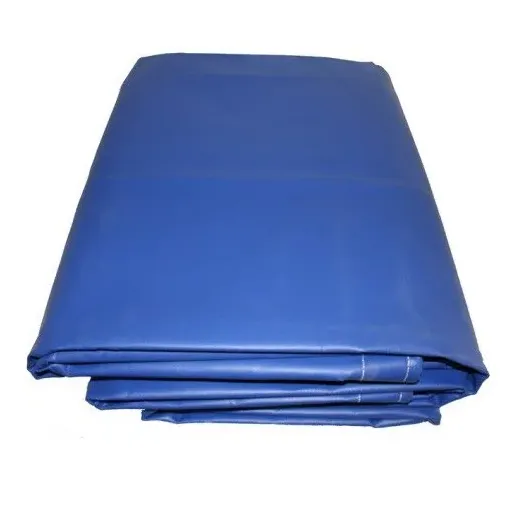
Weave Characteristics of Woven Tarpaulin
Woven tarps are made from polyethylene (PE), which is or, for some models, polypropylene (PP) in a cross-linked pattern, where thin strands of fibre are intercrossed according to the desired pattern, forming elastic but not very strong structures. These structures aid the increase of its concrete durability while still being lightweight, therefore very suitable for, for example, covering construction materials, tents or the like, in a temporary manner. But, due to fiber gaps, these tarps have limited waterproofing, unless sprayed or laminated with other layers.
The tensile strength of the material is a function of the type of fiber and the number of strands in the weave. Increase in the number of fibers helps the resisting ability to tear and stretch, leading to the fact that some tarpaulins of the woven type may withstand an average degree of force or the most severe weather conditions. Nevertheless, they are slightly weaker than laminated ones for prolonged utilisation or hostile environments, and often need replacement for long term use.
In addition, the pliability of woven tarpaulin outstrips the laminated tarpaulin. The interwoven cords make the cloth manageable and easy to handle in terms of storage or during carriage when not in active use. This is a particular advantage when considering that the material may be handled or transported time and again. Also, they are cheap when it comes to short projects, yet they do not have the same UV as well as other property retention which becomes a problem, hence making them less portable than the laminated tarpaulins that are more tough and robust.
Properties of Laminated Tarpaulin
There are the strengths and advantages of using tarpaulins such as laminated tarpaulins – irrespective of the oils needed for the product, these tarpaulins have an amazingly large application and are popularly used in industrial, agricultural, and commercial sectors. The said tarpaulins’ layers are created using plastic or PVC, joined using an acrylic lacquer thus being able to withstand tearing, abrading, or puncture damage. An important aspect of laminated tarpaulin is that it has an almost a hundred percent impermeable property causing it to perform its task of safeguarding goods or surfaces from water or rain and any other changes in weather conditions to be effective. Lastly, these types of tarpaulins are generally resistant to ultra-violet rays thereby extending their usefulness together with the colorful view for a long time even if it is used in direct sunlight for the unvarying angle.
Laminated tarps offer a noticeable difference over regular tarpaulins in that they can be used in severe weather ranging from strong gusts of wind, heavy claps of hail, eventhose with large rainstormsm and other temperature columns, and yet the tarps still function fully. This natural feature of woven vs laminated tarps is that they have remarkably high tensile strengths and therefore a long serviceability even when in aggressive conditions, hence the good alternative for continuous usage in the outdoors. They are also time and again flame retardant and this is important as in cases such as construction or transport industries where safety is an important ‘must’. All such features make laminated tarps suitable, building site covers, truck and farm covering applications.
On top of that, the laminated tarpaulins have other advantages besides those closely associated with their composition. They weigh less compared to solid rigid materials included in their production but are easily applicable to use many times. Clients have alternative options of many thicknesses as well as colors and sizes, thus meeting various user needs. The latest laminated tarpaulins include innovations that are eco friendly and they include recyclable materials and those whose processing has a minimum environmental footprint. This sophistication turns them into desired goods, fusing practical and sustainable values. In brief, laminated tarpaulins offer a perfect combination of sturdiness, flexibility, and eco-friendliness, emphasizing their significance in various fields.
Structural Strength and Flexibility
The laminated tarpaulins possess a very good combination of strength and flexibility, which makes them suitable for almost all ranges of applications. Typically, the production includes a strong polyester or nylon fabric core, which is then covered with durable and water-resistant coatings like PVC or polyethylene. Due to this combination, not only the material is tear and abrasion resistant, but also able to support heavy tensile strength. Consequently, such traits make laminated tarpaulins a must for heavy-duty applications like industrial containment, roofing, and hauling, where it is important to have the material that will last under physical stress.
Moreover, the feature of flexibility in laminated tarpaulins is a great factor that not only contributes to their strength but also among the major advantages in their use in different situations. They can be easily folded, shaped, and fixed to fit different structures or environments. This quality is especially needed in cases like tent building, truck coverings, and temporary shelters where accurate adjustments are required to ensure the right area is covered. Nevertheless, the material continues to hold its structural strength even at very challenging conditions such as extreme heat or wind. The combination of hardiness and softness assures that the tarpaulin remains usable and manageable.
Advances in technology not only strengthen the capability of the laminated tarpaulins but also they do so by incorporating tech like UV-resistance coatings and heat-welding for seamless joins. These changes are not only a way to kill the product enhancement but also a way to give it power to the point of sun endurance where the gradual wear and tear becomes so minimal over time. Moreover, these changes along with the lightweight nature make the tarpaulins perfect for the construction, agriculture, and logistic markets where strong yet light solutions are the demand. Therefore, keeping in mind the tough performance and easy adaptation, laminated tarpaulins are still proving their worth in the variety of fields, being a mark of the innovative engineering and practical invention.
References
-
Harvard ADS (Astrophysics Data System): Discusses the mechanical properties such as tensile strength, tensile modulus, and impact strength when comparing woven and laminated materials.
-
BioResources – Nomenclature for Engineered Bamboo: Explores the structural and architectural applications of laminated bamboo sheets and their comparison to woven materials.
-
University of South Carolina – Scholar Commons: Focuses on the manufacturing and characterization of pseudo-woven laminate architectures using automated fiber placement (AFP).
- Click here to read more.
Frequently Asked Questions (FAQ)
Q: What is the difference in woven vs laminated tarps?
A: Woven tarpaulin material is woven from polyethylene or polyester and is interlaced and thereby offers qualities similar to those of pp woven bag, whereas a laminated tarpaulin does not have a woven basal fabric but a laminated layer of pvc film or liquid pvc. A similar thermal or adhesive applied bonding process is applicable in creating laminated pvc tarpaulin or tarpaulin coated with increased waterproofing strength.
Q: How do woven tarps compare with PVC laminated tarps in strength and tear resistance?
A: Woven tarps provide good tear resistance due to the interlocking fiber setup that will not permit tearing between strands; on the other hand, laminated and coated pvc tarpaulins will have better tear resistance and overall strength and durability due to the bonding of PVC film to the fabric, giving added stiffness and hence harder to puncture. This in turn makes them more appropriate for heavy-duty use under harsh weather conditions.
Q: Which tarps are better to be placed outdoors and could be chosen from woven and laminated?
A: Both vinyl tarps (made out of polyvinyl chloride ) and poly tarpaulins (polyethylene) tend to operate well: By nature, a vinyl tarpaulin (shot on with PVC) as laminated or shiny coated PVC provides very good waterproofing and ample life against weather conditions: an example of poly tarps made from woven polyethylene are light in weight and low in pricing. Determining the correct tarp will depend on the weight and thickness you want, how much shade you need, and whether you would like some extra tear resistance or flex.
Q: How important are weight and thickness attributes in deciding between woven and laminated tarps?
A: Both the lamination process and the weight capacity of the cloak are directly associated with helmet resistance and shock resistance. The woven tarp is lighter and such less thick by nature being packed into tight mesh or intricately ordered eaves given for an economical advantage while the laminated pvc tarpaulin will include extra weight due to the presence of the PVC film or bonded coating that modulates the strength and durableness better, thus warranting its use in raised capacity and exposure to the boss in general weather.
Q: Could canvass tarps or canopies be a consideration when looking at choices of woven vs laminated?
A: Canvas tarps and canopies are the natural fiber alternatives to the synthetic variety of woven and laminated. Generally known for their breathability and strength in some conditions, canvas tarps fall short in only one noteworthy area: weatherproofing. Wet weather conditions call for laminated pvc mesh or coated poly tarps. For breathability and the love for traditional materials, go with canvas instead.
Q: How is Laminated PVC Applied – Are they bonded to the base material and how does that happen?
A: Laminated pvc is applied on top of the internal base fabric by a process that bonds together with heat and pressure or by the liaison of adhesives. Thus, thusly, it is bonded such that the woven polyester fabric or woven polyethylene and pvc film or liquid pvc layers adhere to each other in order to build a composite that offers waterproofing, abrasion resistance, and improved tear strength-good to the extreme. All this makes laminated pvc the privileged material in colossal disadvantage in Goindustrial=”background-color: yellow;”>actuality compared to plain woven.
Q: Which types of tarps are better for controlling the weather—woven polyethylene or laminated with pvc?
A: In terms of the prevention of weather, rain, sun, etc., the pvc-laminated (or any vinyl tarp) tarps are much superior to plain-woven polyethylene, for it is the layer of laminated pvc that prevents water absorption and degradation of the product from the harmful UV rays of the sun. Woven polyethylene tarps could be treated or laminated for enhanced treatment to such harsh weather situations. However, laminated pvc tarps notwithstanding the exact thickness and thickness would still offer a good performance for ongoing use in hard and harsh weather.
Q: How do poly, polyurethane, and polyvinyl chloride relate to the contrasts between woven and laminated tarp?
A: Poly refers to a range of plastic tarp materials, with polyethylene (poly) being used for any woven tarps and polyvinyl chloride (PVC) for laminated and coated products and vinyl tarp. Polyurethane coatings could likewise be applied in special circumstances for increased flexibility and chemical resistance. Understanding the tarp materials can be helpful in contrasting woven and laminated with PVC: woven poly gives the lightweight coverage, PVC lamination or coatings lend waterproofing to the products, while