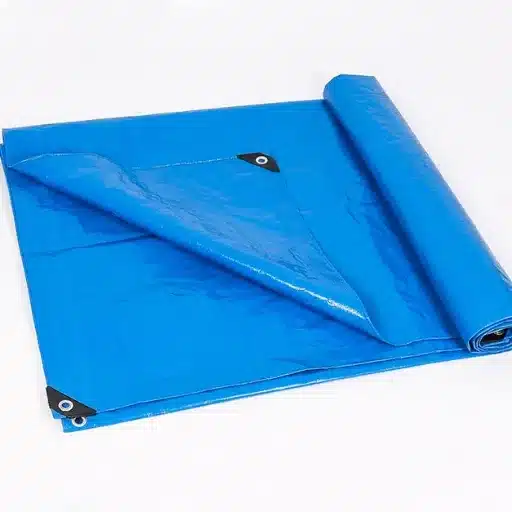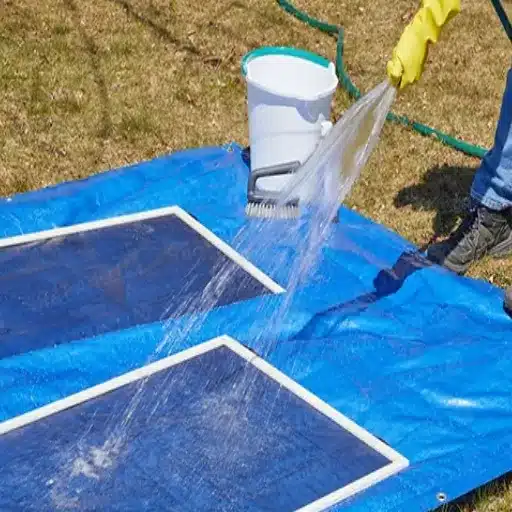

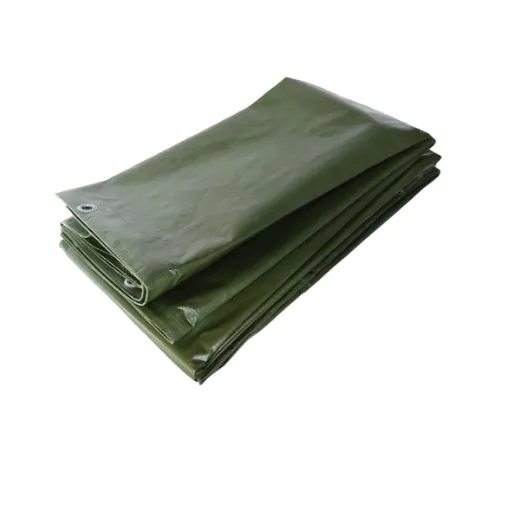
Stiffness in Cold: Low Temperature Performance Issues
The situation is a little complicated when it comes to heavy-duty tarps and their performance in cold weather. For both personal and commercial users who rely on the ability of the tarp to last long and to be flexible, this can be a major issue. Basically, if you are protecting your equipment, covering your goods, or sheltering your materials, the last thing you want is a tarp that has become stiff and hard to handle because of the freezing conditions. What exactly causes this to happen, and is there something you could do about it? This article will discuss the cold weather-related problems with heavy-duty tarps and the science behind their stiffness as well as bring out the issues that people face and provide effective solutions for keeping your tarp working as expected regardless of the temperature.
Understanding Cold Stiffness in Tarpaulins
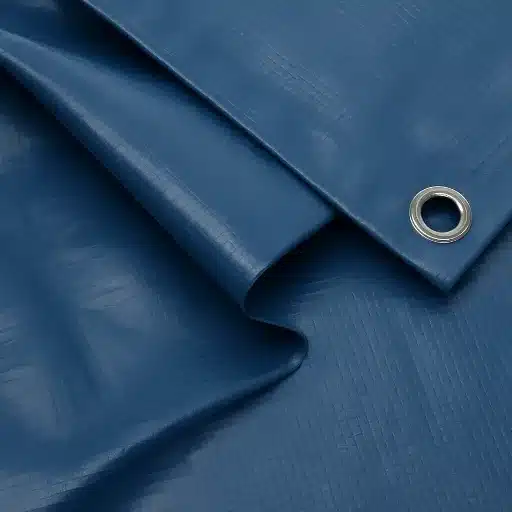
Common User Pain Points: Material Cracking and Durability
A significant problem that users encounter is that tarpaulins can be brittle and break during low-temperature exposure. This mostly happens because some materials like lower-grade plastics or untreated polyvinyl chloride lose their flexibility as the temperature goes down. The stiffness of these materials inside makes them more likely to get cracks and tears, especially when they are being used or under pressure.
Another worry is about the durability of cold weather which may impact different items. When a tarp gets frozen in a cold environment, it becomes less tolerant to hit and turn, consequently, it gets to have splits at seams or corners. Also, if the low-quality tarps are used for a long time in the cold, then they will probably get ruined very fast, thus, the user has to keep replacing them or paying for their repairs every so often.
💡 Expert Recommendation
High-quality tarpaulins that are cold-resistant should be the first to be considered. Do not simply buy the first one you come across, but go for the ones with flexible and cold-resistant materials like polyethylene and specially treated PVC which will not lose pliability even under freezing conditions.
Also, the strength of a tarp has to do with its edges and seams and that is why they should be reinforced for a long-lasting reliable performance even in extreme environments. Moreover, the granary where the tarp is kept when not in use should be cleaned regularly and that will also increase its durability.
Impact of Low Temperatures on Tarp Performance
❄️ Reduced Flexibility
The loss of flexibility for standard tarp materials due to the cold weather is one of the reasons why they are harder to handle and more likely to get damaged during the installation or use process.
🔨 Material Brittle
Freezing temperature exposure can make the untreated tarps brittle, thus increasing the chances of cracking or tearing if subjected to stress.
⚠️ Grommets and Seams Weakening
Low temperatures make grommets and seams suffer more, as the tension from frozen materials can cause these areas to weaken faster.
☀️ UV Resistance Reduction
Cold periods with UV exposure may tarps lose their protective coating thus shortening their lifespan.
💧 Condensation and Ice Formation
A tarp can trap moisture that; when frozen, it can cause the formation of ice or condensation which adds weight to the tarp and also limits its use. The issue can be avoided through proper installation and regular inspection.
Real-World Examples of Cold Weather Failures
🚧 Transportation Infrastructure
One significant case of cold weather failure is transportation infrastructure. The freeze-thaw cycle typically results in cracks and potholes on surfaces of roads and bridges that have been subjected to prolonged freezing temperatures. The condition worsens when the water that seeps through tiny fissures gets frozen and expands. The transport system is disrupted and the tedious and pricey repairs are the consequences of such a failure. If the right materials are used in the design that allows for the incorporation of weather-resistant features, the problems can be effectively dealt with.
🌾 Agricultural Storage
Another typical scenario is in agricultural storage. Farmers who use protective coverings for hay or equipment against the winter elements are likely to face issues such as formation of ice or tearing of fabrics. The tarps which are not suitable for extreme cold can lose their toughness and become easily breakable under pressure. This will in turn result in incurring costs like those associated with damaged materials and the loss of products that were being stored. Getting cold-resistant tarps of good quality is the best way to ensure that these situations don’t occur.
🏠 Residential Roofing System
Finally, the residential roofing system is another case that often suffers from failure during the times of heavy snow and ice. A poorly insulated roof can cause an ice dam where the melting snow freezes at the eaves blocking the proper drainage. This results in water infiltration and damage to the house, which can be expensive to repair. Adequate insulation coupled with maintenance practices, such as snow removal, can really help the homeowners to avoid such situations.
The Science Behind Tarp Materials and Cold Stiffness
Molecular Structure of Tarpaulin Fabrics
Tarpaulin fabrics are mainly composed of polymeric materials as, for example, polyethylene (PE), polypropylene (PP), or polyvinyl chloride (PVC). These polymers are obtained by the polymerization process wherein, initially, the monomers are connected to form long chains that provide the fabric with strength and flexibility. The arrangement of the molecules in these polymers is such that tearing is not a problem, they can be stretched and released, hence, this makes them suitable for a wide range of applications.
The chemical make-up of the material is the key factor that determines its response to very low temperatures. To illustrate, PVC tarpaulins incorporate the use of plasticizers that allow the material to remain soft and pliable by not letting the polymer chains become rigid. Nevertheless, when applied to very cold conditions, the plasticizers may become ineffective and the material may either become stiff or crack eventually. On the other hand, high-density polyethylene (HDPE) tarps might be able to last longer under such conditions since their molecular structure is less dispersed, thus fusing more strength against temperature shifts.
Knowing these molecular characteristics prepares the ground for the production of tailored tarpaulin fabrics that are capable of coping with the specified environment, as manufacturers can improve their products accordingly. Apart from blending the base polymers with stabilizers, the cold-temperature brittleness of tarps can also be greatly diminished so that these products become even more dependable and have a longer lifetime.
Why Certain Fabrics Stiffen When Frozen
The freezing of some fabrics is mainly due to molecular alterations that happen inside the material. In a scenario of very low temperatures, the polymer chains in fabrics lose their flexibility and hence, their molecular motions become highly restricted, which is basically the reason why polymer chains lose their flexibility. The process is most evident in fabrics made from PVC or vinyl, which is the reason for the reduction in chemical energy or in the form of heat giving the PVC or vinyl their rigidity which greatly reduces their pliability. This is more pronounced with the elimination of plasticizers or other additives intended to keep the material flexible in low-temperature settings.
Another reason for the hardening of fabrics during freezing is the environment. Moisture contained in the fabric or that which is the surface can freeze when the fabric is exposed to very low temperatures. This forms ice which adds rigidity and might even transform the fibers into being more solid than flexible. For example, natural fabrics like cotton might still hold some moisture even if they appear to be dry thus making them vulnerable to stiffening in freezing climates. The moisture absorption of open synthetic weaves is higher than that of tightly woven ones, causing the freezing of the latter to give an even more rigid texture.
The fabric that is being used in the industry is the one to fight back by making the right fabrics for cold resistance and adding plus advanced designs. Plasticizers and stabilizers have been incorporated and it is the manufacturer who is responsible for the low-temperature flexibility of the synthetic fabrics. This in turn leads to the reduction of freezing conditions impacts. For instance, materials like thermoplastic elastomers are becoming more and more popular in severe weather conditions because of their ability to maintain both the structure and the flexibility even at sub-zero temperatures. This constant interaction between innovation and materials science is a crucial factor in determining whether or not the fabrics used in extreme climates are functional and durable. Understanding these resentments is crucial for the manufacturing industry of outdoor equipment, construction, and logistics among others, as the fabric performance in freezing temperatures directly affects usability and safety.
Comparative Analysis of Tarp Materials in Cold Conditions
Insulated tarps, vinyl tarps, and poly tarps are the primary materials compared for cold conditions, focusing on thermal protection, durability, and resistance to cold cracking.
Choosing the Right Heavy-Duty Tarp for Cold Weather
Key Features to Look For in Cold-Resistant Tarps
The choice of heavy-duty tarps for cold weather must emphasize the features first that guarantee the most extreme conditions:
🔹 Material Composition
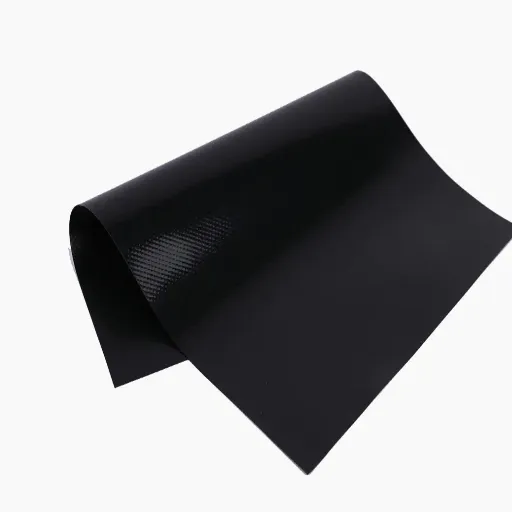
Tarps made of polyethylene or PVC are the ones to seek since these materials exhibit a very high resistance to cracking and tearing when the temperature drops below zero. Multi-layered polyethylene tarps especially reinforced with lamination offer more strength.
🔹 Temperature Resistance Rating
A verified cold crack rating should be there to check which marks the lowest temperature at which the tarp is still pliable and can perform its function. The best of cold-resistant tarps sometimes come with ratings even as low as -40°F or below guaranteeing support in extreme climate conditions.
🔹 Waterproof and UV Protection
Tarps made for freezing weather conditions should not only be waterproof to snow and ice but also be protected by a UV-resistant coating which extends the usage period by eliminating the risk of damage from sunlight during the cold yet sunny winters.
🔹 Reinforcements and Seams
The fabric of cold weather tarps can suffer damages mainly at leaks like seams and edges. Opt for tarps with heat-sealed or double-stitched seams as well as reinforced grommets or hems for added durability.
🔹 Flexibility in Cold Weather
A reliable tarp for cold weather must keep its flexibility without becoming brittle. Some advanced tarps use high-density polymers or special coatings to maintain flexibility even under freezing conditions.
🔹 Thickness and Weight
Heavier tarps, which are usually determined by the measure of mil thickness, provide the benefits of better insulation and longer durability. A thickness of 14 to 24 mils usually gives about the same strength and ease of handling in cold-climate applications.
If you give attention to these features, you will be able to select a tarp that not only stands up to severe winter conditions but also lasts for a long time with the same performance and protection.
Durability Tests: What to Expect in Extreme Conditions
Durability is the first priority for tarps when performing under extreme conditions. Typically, durability tests consist of testing the tarps in prolonged sub-zero temperatures, heavy snowfall, and high winds to judge their tearing and cracking resistance. Moreover, the UV resistance trials are another important test where tarps get severe sunlight exposure for a long time, and through this, they get to know about the tarps’ longevity and material deterioration during that time.
Moreover, water-resistance evaluation is of great importance, as tarps should be able to ward off water without letting it through, even in the case of heavy downpour or melting snow. Laboratory tensile strength tests are done to measure the tarp’s ability to tear and stretching forces without yielding or breaking. This comprehensive examination gives assurance that winter tarps will not only survive but also look good while protecting for a long time in freezing conditions.
Manufacturers are committed to selling products that not only satisfy the requirements but also outperform in the most extreme conditions.
Recommendations for Secure Outdoor Use
Following some simple but important tips, you will get the best performance, and the longest life out of, the cold-weather tarps. As a first step, it is always a good idea to use high-quality fasteners such as bungee cords that are heavy-duty or reinforced tie-down straps to securely attach the tarp. This will prevent it from collapsing under extreme weather conditions. Also, place the tarp on those parts of the area that do not have sharp or abrasive surfaces at all so that wear and tear do not happen.
Moreover, inspecting the tarp regularly is very important to spot the fraying or even damage that might happen and this should be done more at those points where stress accumulates like grommets and edges. If any minor rips or tears get noticed, fix them right away by using weather-resistant adhesive patches or industrial-grade tape so that the tarp keeps its integrity. Choosing the right size of the tarp for your application is also important because it is too big and heavy if insufficient coverage is given or its capacity is exceeded.
Lastly, when not in use, put the tarp away in a clean and dry place this will also help in prolonging its life. Debris, moisture, or mold accumulation can make the tarp very weak over time. If one follows these practical tips, then the tarp will last longer and be more reliable in outdoor conditions while the need for replacement will be less frequent.
Practical Solutions for Cold Weather Tarp Use

Tips for Protecting Your Tarp in Harsh Weather
Your tarp will be able to withstand cold and wintery weather only if it is of good quality and well maintained. Select tarps that are made of long-lasting materials such as polyethylene or heavy-duty vinyl, thawing ice can be harsh on these materials but they still won’t crack or melt. Besides, fix your tarp with weatherproof fasteners and make sure it is very well-staked-down to avoid being damaged by strong winds. Do not stretch the tarp too much as the cold weather may also make the materials very brittle and they can tear easily.
🔷 Pro Tip
You may also use a thermal reflective sheet below your tarp to create a double layer for heat retention and moisture blocking to achieve an even bigger insulation effect. Monitor your tarp constantly for frost accumulation or ice buildup as these can not only add weight but will also decrease its effectiveness.
You can, by observing these things and changing your tarp plan to correspond with the harsh weather conditions, get the most out of your tarp and it will last longer.
Best Practices for Securing Tarps in Wet Conditions
Securing a tarp during rain and wet conditions is a task that requires heavy planning and specifically tailored techniques to deliver stability and longevity. First off, a top-notch tarp that is made for use in heavy rain should be picked, one without a doubt with reinforced grommets and a waterproof coating. Place the tarp in such a way that it is slanted allowing water to run off it and not pool up, for when the water pools, it would put a strain on the material which could lead to its breaking down.
✅ Securing Checklist:
- ✓
Use tough ropes or cords together with knots that are very secure, such as the taut-line hitch that still provides adjustability even under heavy tension - ✓
Add heavy-duty stakes or weight anchors to keep the tarp grounded, especially during windy conditions - ✓
Use bungee cords to provide movement while continuing to maintain the required tension - ✓
Check all connection points regularly, as wet conditions may cause knots to become weak or stakes to become loose - ✓
Double the ropes or add padding to the edges to prevent stress point wear
Finally, always keep the tarp clear of fallen debris or water as this will increase its life and usability. When you take these practices up, it will assure that your tarp stays good and working even in rain and moisture that lasts for days.
Utilizing Ground Tarps for Enhanced Performance
Ground tarps are the key to preserving your camping gear as well as making a stable base in nature. First, if the tarp is underneath the tent, it acts as a protective shield against moisture, dirt, and wear. Thus, it stops water from penetrating your tent in the event of a downpour and also lessens the freezing by allowing the outside of the tent, which is cold and damp, to be separated from the tent floor. To have the best performance, it is good to have the tarp at least a little bit smaller than the tent so that it can cover the spot of the tent where the water cannot reach and thus avoid water pooling around the edges. The proper way of aligning and securing the tarp can make your whole camping experience better because it is going to keep your shelter clean and comfortable.
Another great feature of tarps is that they can save your gear from early damage, which in turn cheapening the cost of the tent life. The extra layer plays a role in softening the tent’s bottom area wear due to rocks twigs or rough ground. This is essential for camping regularly; otherwise, buying a new tent will be heavy on the budget. So, if you are going to face the harsh weather, it will be wise to get a heavy-duty tarp like polyethylene that is very hard to puncture and tear. Also, taking care of the tarp regularly like cleaning it and drying it after every use will guarantee its long effectiveness.
Ground tarps have different functions even when not camping, such as providing an area for food prep that is free of dirt or acting as a cover for hiding equipment. They are and still can be multi-taskers for the outdoors i.e. through their insulation property some of the tarps can keep you warm during the chilly nights. Besides, incorporating a good quality ground tarp with your camping gear will not only guarantee a better performance but also peace of mind during the adventure.
Conclusion: Making an Informed Purchase Decision
Summarizing Key Considerations
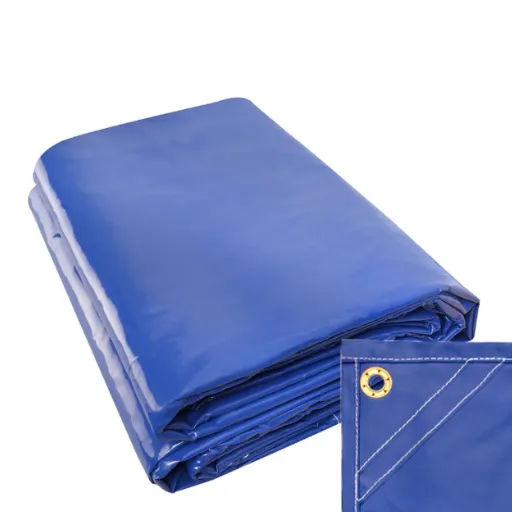
The perfect ground tarp for your needs has to be chosen by giving preference to the main factors like the quality of the material, the size and the purpose of use. The usage of durable materials, like ripstop nylon or polyethylene, is a must-have for the performance of the tarp under difficult outdoor conditions to last long. The size of the ground tarp should also reflect your particular needs. For instance, if it is about providing a waterproof base for a tent or serving as a flexible cover for your camping gear, the tarp size should match. Besides, considering the weight and ease of carrying the tarp around is important especially for camping activities like backpacking where cutting down on bulk can be critical.
A more general consideration would be the use of practical features like reinforced grommets or tie-out loops that not only make the ground tarp easier to use but also give it more functionality. The presence of these features enables one to set up the tarp in a variety of ways, thus ensuring that they can adapt it to the prevailing outdoor conditions and the varying weather. The application of reflective coatings or UV-resistant treatments are other aspects of the tarp that the buyer should be aware of because besides offering the best heat protection in summer they will also be insulating your tent in cold weather. The combination of all these features with easily maintainable options, such as machine-washable designs, also helps one to have a more comfortable outdoor experience.
At the end, the ground tarp of great quality is an investment that represents a combination of three aspects: durability, versatility, and affordability. When you assess these primary considerations deeply, you will be certain that your tarp will not only be a trustworthy partner for your adventures through hard weather but also for your worries, thanks to its performance and the peace it brings in any situation.
Final Thoughts on Choosing the Right Tarp
The process of picking a tarp that suits your needs and also evaluating the various available options is a mistake that many people do not think about. Tarp materials like polyethylene, canvas, and vinyl all possess their own unique qualities, which range from water resistance to long-lasting life, and therefore the use to be made of the tarp needs to be considered first. As an example, the polyethylene tarps, which are usually called poly tarps, are recognized for their being lightweight and for their very good waterproofing capabilities, which then make them very suitable for camping or for protecting outdoor gear. Heavy-duty vinyl tarps, however, are characterized by their very high strength and tear-resistance which qualifies them for use in industrial or rough environments.
📊 Key Selection Criteria:
- Thickness (Mil): 5-10 mils for casual outdoor use; 20-30 mils or more for heavy-duty applications
- Grommet Spacing: Closer intervals provide more secure tie-down points for stability in windy conditions
- UV Resistance: Essential for long-term outdoor exposure to prevent material degradation
- Tear Strength: Manufacturer ratings help compare products and ensure reliability
You can now combine these factors with current product reviews and reputable market insights to make your choice easier in selecting a tarp that meets your needs, lasts long and is worth the money you spend on it.
📚 References
- cold bituminous emulsion mixture
This paper evaluates the stiffness modulus ratio (SMR) of cold bituminous emulsion mixtures and their environmental benefits. - The relation between joint stiffness upon exposure to cold and the characteristics of synovial fluid
This research explores how exposure to cold affects joint stiffness and the properties of synovial fluid. - Click here to read more.
❓ Frequently Asked Questions (FAQ)
Q: What is the reason for cold stiffness in tarpaulin and how does it impact performance?
A: The phenomenon of cold stiffness in tarpaulin results from the low temperature changing the situation, the material coating, or mesh becoming hard and less flexible, thus cracking, hissing, and losing the ability to be folded or flapped leading to more tearing if the bursts are strong enough or when wind is heavy. The phenomenon of cold stiffening has a detrimental effect on the tarpaulins in terms of both losing their protective function against the weather and consequently activating the process of wear and tear due to temperature fluctuations and prolonged exposure to the same inhospitable conditions.
Q: What can I do to ensure the cold stiffness tarpaulin does not become brittle during winter?
A: To avoid the development of brittleness, it is advisable to use tarpaulins made of breathable, waterproof canvas or synthetic materials that are rated for the most extreme temperatures and cold-resistance of the same type. Ensuring good airflow, not letting the fabric stay every now and then in direct sunlight followed by rapid cooling, and drying and folding tarps (not creased too tightly to cause water retention) will help in preventing the growth of fungus and mildew and making the tarps more resilient to the cold without getting frozen stiff.
Q: Is there a possibility that in case I treat my tarp, it would not only reduce cold stiffness but also be resistant to mold or mildew?
A: Most definitely, treatment with products that are specially designed for this particular purpose will not only add water- and mildew-resistant finishes that help to inhibit the growth of mold and mildew but also increase the flexibility of the material in winter. Treatments must be compatible with the tarp material; hence, different care may need to be done for canvas, polyethylene, or PVC tarps. Also, regular cleaning and ventilation help further resist mildew and fungal growth.
Q: Are there certain types of tarp that are more resistant to struggles with cold stiffness?
A: Cold stiffness is also found in synthetic materials such as polyethylene, heavy-duty PVC coated with UV-stabilized materials, and breathable fiberglass that over time is getting treated in a way no natural canvas is receiving. Whenever possible, ask for tarps that state either their temperature ranges or their resistance to extreme temperatures; for example, concrete curing blankets and trailer covers designed specifically for cold-weather use often contain temperature-sensitive additives that help with preventing the material from becoming brittle and shrinking at the same time.
Q: What is the negative effect of cold stiffness on the installation of tarpaulin in construction sites or trailers?
A: Cold stiffness makes tarps difficult to fold and secure, increases the chance of flapping and tearing under strong gusts, and makes it difficult to keep the barrier or cover tight for protection from the elements. For instance, on construction sites, one is supposed to be very careful concerning which concrete curing blankets and tarps are being used for protection against freeze/thaw cycles because only to withstand temperature changes and heavy winds would the selected ones prevent flap-related damage and ensure continuous protection.
Q: Is there any way that ventilation or airflow can be used as a means to mitigate the cold stiffness and mildew problems?
A: Proper ventilation and airflow reduce moisture buildup that leads to mold and mildew while reducing rapid temperature differentials that contribute to stiffness. The combination of breathable tarps and strategically placed vents significantly helps in maintaining airflow under covers thus preventing condensation and growth of mold and mildew especially during prolonged exposure, moreover newly reduced material fatigue due to less temperature swings is another advantage of this fact.
Q: How do I maintain tarps to ensure they do not fade, shrink, or develop cold stiffness after being exposed to high temperatures or intense sunlight?
A: Maintenance of tarps includes cleaning debris and contaminants from them, avoiding prolonged exposure to intense sunlight and high temperatures, and not storing them if wet in places with high temperature but rather in shaded and dry places. The UV-stabilized tarps are the ones that are resistant to fading and damage caused by direct sunlight and temperature extremes; the periodic treatments can add back the water-resistant properties and flexibility thus preventing the tarps from becoming brittle or beginning to shrink after repeated heat-cool cycles.
Q: What features should I look for in case I need tarps that can stand strong winds and temperature changes without ripping?
A: Look for reinforced edges, strong grommets, high-tensile fabrics, and coatings that prevent cold stiffness and resist tearing in the tarps. Options for mesh will allow airflow to lower the incidence of flapping while heavy-duty tarps made from canvas or PVC-coated fabrics will offer tremendous protection. The products that are marketed as being able to withstand the most challenging situations, the hardest winds, and the highest temperature changes are usually the ones that have tear-resistant weaves and attachments for anchoring against strong gusts.