
Odor Issues: Causes & Elimination Methods
The issue of having offensive smells in tarpaulins and tents might be a very annoying and constant trouble, mainly for outdoor lovers and professionals who count on these materials for covering and protecting themselves. The presence of these smells turns up the discomfort during use and they might also be a sign of serious problems such as mold, mildew, or poor maintenance. The identification of the root causes of these odors is the main factor in their effective removal and in the prevention of their reoccurrence. The present article explores the causes of odor problems in tarpaulins and tents along with some very useful and easy-to-apply methods for cleaning and refreshing them for each and every adventure or project. Be it the elimination of bad smells coming from a rainy expedition, or from stored gear, we have the solution for you!
Understanding Odors in Tarpaulin and Canvas
Common Causes of Odor in Tarps
Tarps can smell bad and this can be traced to several factors that are quite common, moisture being the major factor along with wrong storage, and contamination. Mold and mildew-related fungi mostly are the culprits of these smells. Tarps soaked in water or kept without letting them dry properly can turn into a breeding ground for these fungi which then produce the foul and musty-smelling odors.
Another source of odor is the dirt, debris and organic materials that accumulate on the tarp surface. This consumption of dirt can trap moisture and thus, the microbes develop and cause foul odors. Apart from this, the use of chemicals, oils or other substances can also add to this problem if their residues are not cleaned quickly.
Finally, it is the quality of material that can also be the source of bad odors. Some lower-quality vinyl or plastic tarps might give off a chemical smell that is worsened if they are subjected to heat or sunlight. To avoid smell and mold issues and ensure tarps smell fresh for a long time, proper maintenance in terms of cleaning them after use, making sure they are fully dry before storing, and storing them in the cool and dry place can be practiced.
⚠️ Key Factors Contributing to Tarp Odors:
- Moisture retention – Primary cause of fungal growth
- Improper storage – Storing wet or damp tarps
- Organic contamination – Dirt, debris, and biological materials
- Chemical residues – Oils and substances not cleaned promptly
- Material quality – Lower-quality materials emit chemical odors
The Science Behind Musty Smells
Mold, mildew, or other similar microbial organisms are the usual suspects behind the musty smell. Definitely, all these microbes require some dampness or moisture, poor airflow, and low temperature as the main growing conditions. Not the smell itself, but the smell-effluents, which are the so-called microbial volatile organic compounds (MVOCs), are the ones produced by the mold and mildew as an inevitable byproduct of their metabolism and reproduction.
The moisture-laden air also has fungal spores in it which, through the process of settling, come to the moist surfaces and get their initial growth stimulated by the continuing presence of moisture. The fungi emit gases as a consequence of their metabolic process and this indeed is the characteristic musty odor to which one can safely say that the surrounding conditions of excess moisture or poor ventilation have allowed the growth of mold.
🔬 Scientific Understanding:
Microbial Volatile Organic Compounds (MVOCs) are metabolic byproducts released by mold and mildew during their growth and reproduction cycles. These compounds create the characteristic musty odor associated with fungal contamination.
Prevention Strategy: Musty odors can be avoided by very carefully managing water vapor levels and sweating the air out properly. The use of dehumidifiers, air circulation, and fast drying of wet items are preventive measures that can help in cutting off the conditions which are conducive to mold growth.
Impact of Weather on Tarp Odor
The weather conditions are the most potent factors that influence the odor of tarps by the different levels of humidity, temperature, and the kind of external elements that the tarp is exposed to. Understanding these factors becomes a great help in managing and reducing the problem of odor in tarp usage.
💡 Pro Tip: The process of identifying these weather-related factors has led to the realization that the implementation of tarp care, timely cleaning, and controlled storage methods as effective measures can help significantly in reducing the accumulation of odor.
Mold and Mildew: The Primary Offenders

How Mold Develops on Tarps
Mold on tarps grows when moisture gets trapped inside the fabric or on the material, hence, a humid environment is formed which is suitable for the development of the fungus. Tarps that are kept under damp or wet conditions for a long time are particularly vulnerable to this process since stagnant water coupled with little airflow create a perfect environment for the growth of both mold and mildew. Such a situation is very common in regions with high humidity or during the rainy season, therefore, it is very important to dry tarps completely after they are exposed to moisture.
The process of mold development once starts causes not only the generation of unpleasant smells but also the possibility of the tarp losing its strength over the course of time. The microorganisms consume the organic compounds found in certain tarp materials, resulting in slow degeneration. The black, green, or white spots are usually the most common visible signs of mold, and if the conditions are still suitable, they may spread quickly. This not only diminishes the tarps’ performance but also leads to health hazards, especially for asthmatics and allergy sufferers.
🛡️ Prevention Methods
- Proper Cleaning: Sanitize tarps using gentle soap and water, then dry them completely
- Strategic Storage: Store in areas that are not very hot with good air circulation
- Antifungal Treatment: Apply antifungal sprays or treatments meant for tarps as an additional protective layer
- Regular Inspection: Check for early signs of mold development and address immediately
Identifying Mildew Growth on Canvas
Mildew starts growing on the canvas by means of showing up as small dark spots first or a discoloration that takes gradually over the surface. The color of these spots can vary according to mildew species and living conditions and could be gray, green, black, or even white. Mildew has been found to be most successful in environments with a lot of moisture, therefore, long-lasting canvas in humid or wet spots becomes very much vulnerable.
👁️ Visual Signs
- Small dark spots or discoloration
- Gray, green, black, or white patches
- Gradual spreading patterns
👃 Early Warning Signs
- Musty smell presence
- Slight texture changes
- Increased surface moisture
⚠️ Long-term Damage
- Weakened fabric yarns
- Permanent staining
- Reduced material stability
It is very much essential to identify the signs at the earliest like musty smell or slight changes in texture since these can signal the presence of fungal growth even before visible spots are seen. Regularly checking your canvas supplies reveals the potential problems early thus preventing from becoming extensive damage.
Preventive Measures Against Mold and Mildew
Mold and mildew can be prevented through a proactive plan that tackles the conditions that they need for growth. One of the best treatments for this is controlling the humidity level in the building. Mold has a preference for over 60% humidity while on the contrary, a dehumidifier or an air-conditioned room is the place where moisture levels are kept under control.
📋 Comprehensive Prevention Checklist
✓ Humidity Control
- Maintain humidity below 60%
- Use dehumidifiers in moisture-prone areas
- Ensure proper ventilation in basements, bathrooms, and kitchens
- Improve air circulation throughout storage areas
✓ Regular Cleaning & Maintenance
- Clean surfaces with water-repellant or mold-specific cleaners
- Pay special attention to fabrics and cluttered storage areas
- Wipe fabric and wood furniture regularly
- Use moisture-absorbing products like silica gel
- Store items in sealed containers
✓ Structural Maintenance
- Conduct regular inspections for water leaks
- Fix leaks from pipes, roofs, and windows promptly
- Use mold-resistant building materials (treated wood, moisture-resistant drywall)
- Apply waterproof paint in vulnerable areas
DIY Solutions for Odor Removal

Natural Deodorizing Methods
Natural solutions to home odor problems provide a very effective and environmentally friendly way to deal with the issue. One such method, which is undoubtedly the simplest and most common, is the use of baking soda – a natural deodorant that takes in the smells one doesn’t want.
🧂 Baking Soda
Application:
- Sprinkle on carpets, sofas, and inside refrigerators
- Let sit for several hours
- Vacuum or wipe off
Benefits: Neutralizes odors from pets, spills, and stale food naturally and effectively.
🍶 White Vinegar
Application:
- Mix equal parts white vinegar and water
- Spray on affected areas
- Allow to air dry
- Optional: Add essential oils for fragrance
Benefits: Antimicrobial properties eliminate strong odors; vinegar smell dissipates quickly.
⚫ Activated Charcoal
Application:
- Place in small enclosed areas (closets, shoes)
- Use natural air-purifying bags
- Replace periodically
Benefits: Eliminates odors and absorbs excess moisture continuously.
🌿 Natural Air Fresheners
Options:
- Dried herbs (lavender)
- Citrus peels
- Coffee grounds
- Essential oil diffusers
Benefits: Provides pleasant fragrance without harsh chemicals.
Homemade Cleaning Solutions
One way to do house cleaning that is both economical and green is to make your own cleaning solutions at home instead of buying them from the store. The application of simple, completely natural ingredients can make your house clean without the risk of being exposed to the strong chemical smell present in most cleaning products for the house.
⚠️ Important Reminder
Remember to keep your hydrogen peroxide cleaning solution in a colored bottle because the hydrogen peroxide decays by light. By switching to these natural and homemade cleaning solutions, you are not only decreasing the waste produced, but also, encouraging a healthier environment inside your home as well as steering clear of chemical-laden commercial products.
Effective Drying Techniques
The drying of laundry correctly not only brings convenience but also keeps the quality of the garments intact and at the same time cutting down the energy consumption. The first step is to remove the excess water completely from the clothes.
💨 Drying Best Practices
Step 1: Water Removal
- Use high-spin setting on washing machine
- For delicates: blot with towel to absorb moisture
- Never wring delicate fabrics
Step 2: Indoor Drying Setup
- Place drying rack near window or ceiling fan
- Ensure proper air circulation
- Use dehumidifiers in humid areas
- Space items adequately for air flow
Step 3: Machine Drying Tips
- Separate fabric types
- Use appropriate temperature settings
- Add clean tennis balls or dryer balls to reduce drying time
- Clean lint trap regularly for safety and efficiency
Commercial Products for Tarp Deodorizing
Choosing the Right Cleaner for Vinyl Tarps
<divstyle=”background: #e8eaf6; padding: 30px; margin: 30px 0; border-radius: 10px; border-left: 6px solid #3f51b5;”>
🧴 Selection Criteria for Vinyl Tarp Cleaners
1. Product Compatibility
Always look for vinyl-specific products. Regular cleaners or strong chemicals such as bleach or ammonia can ruin the tarp surface, causing fading or loss of the protective coating. Continue using non-abrasive cleaning solutions which are safe for vinyl or outdoor gear, thus making sure that the tarp does not lose its integrity over time.
2. Stain and Odor Fighting Power
Evaluate if the cleaner can really work on stains and odors. Tarps are put through heavy dirt, mildew, and nasty smells when used outdoors for a long time. A cleaner that has antimicrobial and deodorizing properties is the ideal one to solve these issues without leaving any residue behind.
3. Application Method
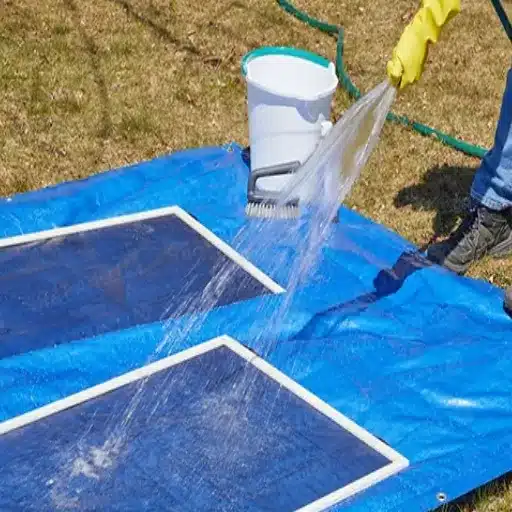
Never use harsh scrubbing tools but rather soft sponges or brushes to keep the surface intact while cleaning. Proper application prevents damage while ensuring thorough cleaning.
4. Environmental Impact
Consider the impact of the cleaner on the environment. Quite a number of biodegradable and eco-friendly alternatives are on the market that are as effective as traditional products. Such options not only conserve your tarp but also lessen the ecological impact of your cleaning routine.
Evaluating Effectiveness of Commercial Solutions
Choosing commercial cleaning solutions is a handy and time-saving way of upkeep for vinyl tarps, but on the other hand, it is not that simple, several elements will judge the overall effectiveness of the products. A good quality cleaner is expected to eliminate all kinds of dirt, grime, and stains, and retain the fabric’s integrity at the same time.
📝 Research Methods
- Read product reviews online
- Check expert opinions
- Compare ratings on review websites
- Look for side-by-side product comparisons
- Examine ingredient formulations
🔬 Product Features to Look For
- Mild surfactants and detergents
- No residue formulation
- Eco-friendly ingredients
- Safe for vinyl surfaces
- Effective stain removal
🧪 Personal Testing Protocol
- Test on small, inconspicuous area first
- Evaluate ease of stain removal
- Measure drying time
- Assess overall appearance after cleaning
- Monitor for any material degradation
💡 Smart Approach: Research and testing together ensure that the tarps have a good quality appearance without the use of chemicals that are harmful and without decline of the life span of the tarps.
Practical Tips for Maintaining Freshness

Proper Storage Techniques for Tarps
The longevity and the usability of tarpaulins are deeply dependent on their proper storage, which is already the first step in the storage process. First, ensure that the tarp is clean and dry before you store it. Mold or mildew can develop if any moisture is left, which in turn will damage the material and make it less durable.
📦 Complete Storage Guide
Step 1: Pre-Storage Cleaning
- Apply mild soap solution to remove dirt and stains
- Air dry completely in a shady place
- Avoid prolonged sun exposure that could damage material
- Ensure absolutely no moisture remains
Step 2: Proper Folding
- Fold neatly following natural seams
- Follow manufacturer’s instructions when available
- Avoid creases that could weaken fabric over time
- Handle gently to prevent material stress
Step 3: Storage Location & Container
- Choose cool, dry area away from direct sunlight
- Avoid extreme temperature fluctuations
- Use well-ventilated container or bag
- Protect from dust and insects
- Prevent moisture trap inside storage
Regular Cleaning Schedules
For tarps, the maintenance of their longevity and performance will be significantly aided by the cleaning schedule that has been established regularly. Dirt, grime and debris can gradually accumulate and the underlying layer will be made less resistant and strong against the elements.
⚠️ Manufacturer Guidelines
There could be manufacturers who will give you certain cleaning instructions that are quite intimate with their items, e.g., using special detergents or tools to clean without damaging the material. Doing the research ensures that your cleaning routine will be effective and safe at the same time thus, the likelihood of wear and tear over time is not high.
Using Odor Neutralizers Outdoors
Controlling odors in outdoor areas can be tough, especially in places like campsites, outdoor event areas, or patios. Odor neutralizers have proven to be a practical option for dealing with the bad smell caused by waste, pets, or natural decay. Neutralizers decompose the very molecules that cause the odors instead of just covering up the scent, thus bringing about a more durable and efficient solution.
🎯 Product Selection
- Choose outdoor-specific formulations
- Consider area size
- Identify odor source
- Match product type to application
📋 Application Types
- Sprays: Small targeted areas
- Granules/Gels: Large continuous control
- Eco-friendly: Natural enzymes/plant-based
⚠️ Safety Considerations
- Read product instructions carefully
- Avoid overapplication
- Protect surrounding plants/animals
- Monitor soil quality
- Reapply as needed
References
-
Odor Treatment for Advanced Wastewater Treatment Technology
This document focuses on methods to prevent and remove odorous compounds in wastewater treatment systems. -
Typical odor mitigation technologies for swine production facilities: A review
This review evaluates the efficiency of various odor removal technologies, such as acid scrubbing. -
Odor control technologies at POTWs and related industrial and agricultural facilities
This paper provides insights into odor characterization, sampling, and control technologies with reported removal efficiencies ranging from 53% to 99%. - Click here to read more.
Frequently Asked Questions (FAQ)
❓ What is the most common way to ease the odor of a new tarp or tarpaulin?
Answer: The most common way to remove the smell from a new tarp: first wash warm with soapy water (dish soap works great) and hot water rinse depending upon nature of the material if possible; the tarps should be hung to dry indoors or outside, with adequate ventilation, and without direct sunlight, if the tarp does not possess UV protecting qualities. To clean a PVC type or a heavy-duty tarp, prepare a solution by mixing dish soap into warm water and then gently sponge off the tarp and allow it to dry completely: do not allow it to dry in a coiled-up state, for this may cause tarpaulin smell further to return.
❓ How do I have the smell left by mold or mildew from my tarpaulin removed?
Answer: To remove the odor from any tarps highly afflicted by mold and mildew, it is suggested that you first remove the mold, if loosely attached, in a place that is somewhat dry out in the open, with then soapy water and sponge or hot water and mild detergent cleaning. For the tougher areas, the really moldy portions, a mixture of one cup of salt water or one cup of lemon juice with one gallon of warm water will be more aggressive when applied carefully, work for a little while, scrub some more, rinse off properly, and let the tarp dry thoroughly to inhibit growth under different humid conditions.
❓ Is there any chemical that can be mild and would work for removing the smell without damaging PVC or a heavy-duty tarpaulin?
Answer: Yes. You can try something mildly cleansing, such as diluted dish soap or a gentle detergent (hot water and detergent solution), and steer clear of the harsh bleaches for PVC or UV-coating erosion. A lathering application can then be more effective on the surface of the tent or tarp, once moisturized along with a sponge, allowing ample rinsing water if needed and making thorough drying unavoidable to prevent any further smelly accumulation or mold and mildew growth.
❓ Can lemon juice and saltwater help remove the odor, and should that be considered the first obvious way to remove deep smells?
Answer: While lemon juice and saltwater do help get rid of bad smells, they aid in removing odors and stains; a solution that calls for a cup of lemon juice or a cup of salt water be added into a gallon of warm water. Apply it with a sponge, scrub, rinse, and allow to dry. This is a natural process that is quite effective. Test in an unnoticeable spot first, to avoid spotting or damage, especially on PVC or colored tarpaulins.
❓ How would I treat a smelly tarp used at camp that had mold growing after being put in a humid environment for storage?
Answer: To remove the odor of a smelly tarp from camp with mold growth, take it outside, shake, clean with warm soapy water, and/or hot water with detergent, and scrub with a sponge to remove mold and mildew growth; rinse away thoroughly with gallons of water if you have it, then hang to dry completely in the UV light if the tarp is UV protected, otherwise with ventilation; in order to prevent the mold’s multiplication and eliminate the tarpaulin smell.
❓ What precautions could be taken with heavy-duty or PVC tarpaulin to ensure safe cleaning with hot water or other strong cleaners?
Answer: To ensure the safe use of hot water, avoid really hot temperatures for some PVC tarpaulins as they might warp, and do not use straight hard cleaners that will end up stripping down the UV-resistant coatings. Instead, err on the side of caution with the cleaners as the instructions direct and test on an inconspicuous area: use warm soapy water or mild detergent, rinse well, and ensure that the tarp is completely dry before storage to prevent mold and mildew growth and new odor build-up.
❓ How much cleaning solution will be needed to remove the smell from a large tarp?
Answer: For a very large tarp, prepare several gallons of warm water diluted with dish soap or detergent depending on the tarp size, calling for a gallon or more. For enhanced odor fighting, add 1 cup of lemon juice or 1 cup of salt water to each gallon. Use a sponge and soapy water to wash down the tarpaulin, rinse with fresh gallons of water, then dry completely to prevent the smell from returning.
Key Takeaways
By combining these comprehensive care tips with regular maintenance and proper storage techniques, you can ensure your tarpaulins and tents remain fresh, functional, and ready for your next outdoor adventure. Remember that prevention is always easier than treatment, so establish good habits early to maximize the lifespan and performance of your outdoor gear.