

Construction Site Tarpaulin: Safety, Protection & Compliance
Construction sites are lively places full of actions, but on the other hand, they bring their own problems such as weather exposure, controlling the debris, and so on, maintaining the safety measures, to name only a few. The construction site tarpaulin is exactly where it comes into play. This versatile cover not only protects the workers and materials, but also guarantees the compliance with the vital safety regulations. In this paper, we will investigate the importance of tarpaulins in the building process, demonstrating their chief functions, advantages, and role in a more secure and efficient work atmosphere. A contractor, site manager, or safety lover—this extensive guide will unravel for you the secrets of right tarpaulin solutions in site operations optimization.
Understanding Construction Tarpaulins
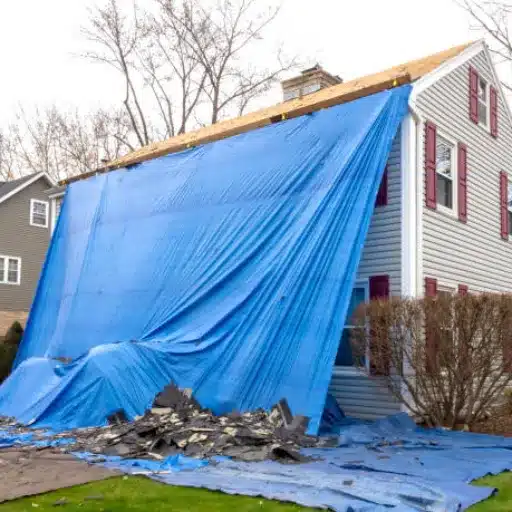
Construction tarpaulins are multipurpose and long-lasting sheets that are made from different materials such as polyethylene, canvas, and vinyl, which are all geared to protecting construction sites and equipment. They are used to cover buildings and raw materials against bad weather like rain, wind, and sun, thus making it possible for the work to go on without any interruption. Furthermore, tarpaulins help to improve safety on the site by trapping waste, cutting down on the amount of dust, and providing either privacy or security for the projects that are in progress. Their light yet tough build allows them to be easily installed, modified, and reused, thus becoming a valuable solution for the myriad of construction requirements.
What is a Construction Tarp?
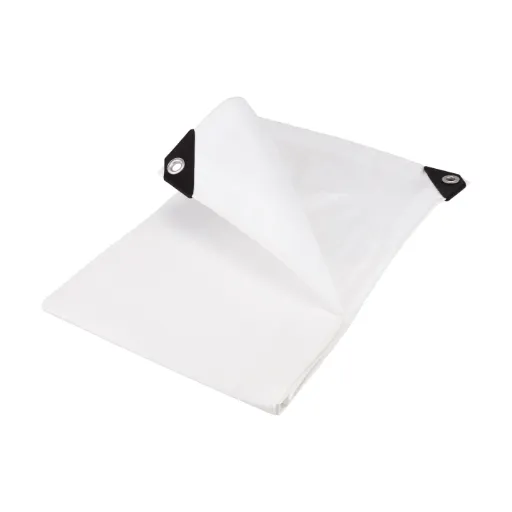
A construction tarp, which is short for tarpaulin, is a robust and heavy-duty sheet created using materials like polyethene, canvas or vinyl. These tarps are intended primarily for construction sites where they protect various items from nature’s wrath like rain, wind, UV rays, and even debris. Construction tarps usually have edges that are reinforced and grommets that enable tying down or fastening for security. Modern construction tarps undergo water, mold, and fire resistance treatment, thus complying with the safety and efficiency standards that are mandatory on job sites. They are a multipurpose and necessary item for construction works since they allow for coverage, safety, and flexibility in different applications.
Types of Tarpaulins Used in Construction
Polyethylene (PE), polyvinyl chloride (PVC), mesh, canvas, and fire-resistant tarpaulins are commonly used in construction.
| Type | Material | Durability | Waterproof | Fireproof | Use |
|---|---|---|---|---|---|
| Polyethylene | PE | High | Yes | No | General Covering |
| Polyvinyl | PVC | Very High | Yes | Yes | Heavy Duty |
| Mesh | Mesh | Moderate | No | No | Wind Control |
| Canvas | Cotton | Moderate | Water-Resist | No | Weather Coverage |
| Fire-Resistant | Varies | High | Yes | Yes | Safety Covers |
Key Features of Heavy Duty Tarps
- •Superior Strength: Heavy duty tarps are made using very tough materials which can sustain great tension and also have resistance against ripping.
- •Weather Resistance: These tarps are very good at protecting against the most unfavorable weather conditions, whether it’s rain, snow, or UV radiation.
- •Fire Resistance: Most heavy duty tarps get a fire-resistance treatment; hence, they are fit for use in areas where safety is concerned.
- •Multi-Layered Construction: Usually, these tarps are made up of several layers of either polyethylene or vinyl, which contributes greatly to their durability and long-term use.
- •Versatile Usage: Their use is not limited, and they can find application in many areas like construction, agriculture, and industrial safety.
The Importance of Tarps on Construction Sites
Tarps are an important part of construction sites as they give protection and increase safety. They act as a shield against bad weather for materials and equipment, and thus, no damage comes from rain, wind, or UV exposure. Not only that, tarps are also helpful in keeping the workspace clean and organized as they contain waste and limit the production of dust. Besides, their fire retardant qualities and strong build also make the working place safer, thus, making them a must-have for effective and safe construction activities.
Role in Enhancing Safety
Tarps are an important factor in safety enhancement on construction sites as they limit dangers and keep the workers and the equipment safe. They reduce slips and falls by controlling dust and debris and at the same time protect the workers from the impact of bad weather or falling objects. In addition, their robust nature and flame-retardant characteristics help to keep the risks that arise from fire and exposure to toxic chemicals very low, thereby, creating a safe environment for everyone who is working in the area.
Reduction of Hazards and Accidents
The combination of tarps and cutting-edge safety measures greatly cuts down the hazards and accidents that occur on construction sites. The latest figures indicate that the introduction of such protective measures as heavy-duty tarps can bring a significant reduction in workplace injuries by as much as 25%. These tarps are highly effective in holding back the debris, reducing the workers’ exposure to harmful elements, and ensuring the secure covering of the hazardous materials. To make it safer so that accidents are less likely to happen, they also form clear borders around the construction sites which, in turn, invite the workers to be more cautious and practice the safety protocols.
Protection from Falling Debris
Falling debris is one of the most dangerous hazards among the construction site dangers, and at the same time, it is one of the main dangers to the workers as well as to the bystanders. To reduce the danger, heavy-duty tarpaulins along with netting systems are blocking the falling through preventing the loose materials from falling to the lower levels. Besides, installing the overhead protective structures like nets for debris or canopy-like systems are also good at protecting people in the high hazard areas. Workers must also use hard hats and be trained in recognizing and eliminating hazards. Periodic inspection and securing of materials and tools at the elevated work areas cut down the accidents that result from falling debris to a very large extent.
Types of Tarpaulins for Construction
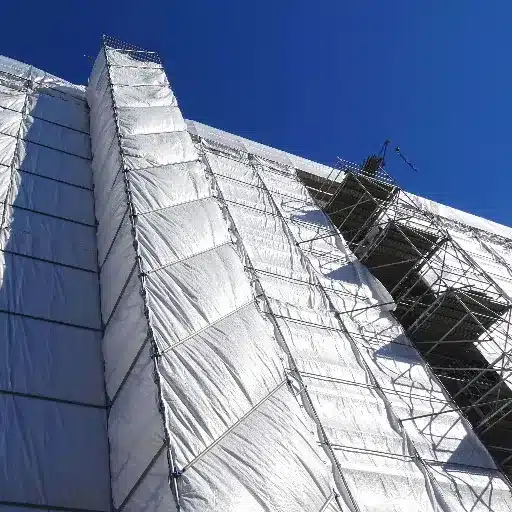
- •Polyethylene (PE) Tarpaulins: The characteristics of PE Tarpaulins are, on the one hand, their lightness, and on the other, their water resistance and tear resistance. So they are perfect for covering materials and scaffoldings.
- •Canvas Tarpaulins: They are strong, and having a breathable quality as well, the canvas tarpaulins are widely used for the protection of the equipment and supplies, and at the same time, the air is allowed to flow in so that the moisture cannot be trapped.
- •Vinyl Tarpaulins: These are heavy-duty and highly weather-resistant tarps that are best for prolonged outdoor use and in situations where areas need to be protected from heavy rain or wind.
- •Mesh Tarpaulins: They come with a feature of cutting down wind resistance and serving the purpose of completely sealing scaffolding without confining the air.
- •Flame-Retardant Tarpaulins: The other advantage of using these tarps is that they are considered safe in areas where there is always the risk of fire, and they are practically part of the construction sites where such a risk exists.
All the tarps have distinctive features and applications that make them suitable for different requirements and surroundings in construction.
Heavy Duty and Super Heavy Duty Tarps
Heavy duty and super heavy duty tarps are always necessary and extremely durable for all demanding applications that require such strength and durability to the utmost. Usually, heavier tarps comprise of reinforced materials like polypropylene or cotton, and the latter is usually with high resistance to ripping, UV rays ruining, and water seeping through. Hitting the list of using them is covering giant machines, putting up temporary shelters, or shielding the construction sites from the forces that nature brings, and the super heavy-duty tarps are most of all used in the activities of extreme conditions habituation, thus, making them even stronger through thickness and reinforced edges for maximum tensile strength. Therefore, the reliability and longevity of these tarps make them an easy pick for the solution in the commercial and industrial applications.
Waterproof Tarps for Weather Protection
Waterproof tarps are crucial for keeping construction works safe from harsh weather that is not easy to predict. The materials used to make the tarp are waterproof like polyethylene or vinyl that, when sturdy, will make the maximum resistance for the rain, snow, and moisture that tries to come in. The respective areas where these tarps would be taking up are covering the construction site, making building material secure, or giving a place to shelter people when the weather is not good. Also, waterproof tarps that are of high quality have UV protection which keeps the tarps from getting damaged due to the sun sometimes being right above them for a long period of time. Furthermore, the edges are reinforced with grommets that provide secure tie-downs which will also ensure those places stay put even when the wind is strong. In the place where the tarps are used for both residential and commercial purposes, they are reliable and durable thus providing weather protection and their use is significant in keeping the construction timeline and in the case of materials, their preservation.
Flame-Retardant and UV Resistant Options
Flame-retardant and UV-resistant tarpaulins are a must in the construction sector, as they provide the best protection for operating staff and materials. These specific tarps are made fireproof by adding fire-retardant chemicals to them, which helps them meet safety regulations, and thus cutting down fires in hot places or near welding and grinding operations. In addition to this, their UV-resistant layers help prevent sunburn, which can ruin materials and tools sooner than you might think, since UV rays are a major contributor to material aging. Consequently, both features not only improve access to a safe working environment but also the life span at the construction site. The high-quality alternatives usually come with industry certifications, such as NFPA 701, confirming that they have gone through and passed very rigorous safety standards. So, when one is considering tarpaulins for construction, it is paramount to pick only those which coincide with your particular needs for getting the best performance and compliance.
Compliance and Safety Standards
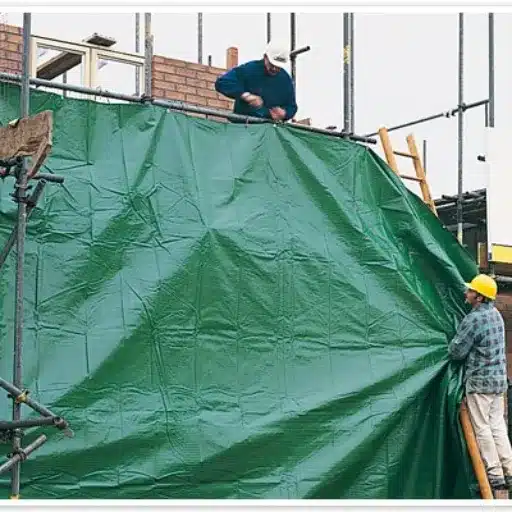
In order to meet the compliance and safety standards for construction tarpaulins, products that have recognized certifications such as NFPA 701 are to be selected first. NFPA 701 is a certification that guarantees fire resistance, and it is the same for other local or industry regulations that are applicable. Furthermore, check if the fabrics are strong, water holder, and if they are made with safety and efficiency in mind as far as the construction site or area is concerned. Suppliers are always to be consulted for confirmation of legal compliance and safety requirements for the particular project.
Understanding Safety Regulations for Construction Tarps
It is a must to select construction tarps that comply with the safety standards laid down in order to ensure the safety of the workers and the project. When it comes to these regulations, the focal point of these regulations is the same as the requirements, that is, fire resistance, weather resistance, and durability. Standards such as NFPA 701 are recognised on a global scale and they ensure that tarps are fire-resistant and do not fall behind the industrial benchmarks. OSHA, on the other hand, frequently speaks of installing and using the right ways in order to avoid hazards coming up on the construction site.
Moreover, local building codes can also have an impact on determining the type of tarps that are to be used, particularly in places where the weather is unpredictable and extreme. Tarps must be fastened securely, inspected periodically for signs of wear and damage, and replaced immediately if found to be damaged. Checking for industry certifications, reliable suppliers, and safety guidelines that are specific to your project will not only help you stay compliant but also create a safe environment. Non-stop function is guaranteed when reliable and certified materials are used, hence keeping construction sites safe and efficient.
Fire-Retardant Tarps: What You Need to Know
Fire-retardant tarps are made to not only resist ignition but also to slow the spreading of flames, hence they become a must-have safety measure in places where the fire risk is really high. Treatments using chemicals or making the tarps from the materials that adhere to the strictest fire safety regulations such as NFPA 701 or CPAI-84 are some of the ways in which fire-retardant tarps are made. They are especially needed in places like welding, construction, and even events where fire threats cannot be ruled out. It is very important to consider the kind of fire-retardant tarp that is best suitable for your purpose and at the same time ensuring that it is able to withstand heat and flames without losing its durability or functionality. Furthermore, do not forget to look for certification labels and check that the item meets local safety standards in order to be sure of its reliability and to have peace of mind.
Importance of Using Certified Tarpaulins
Using certified tarpaulins can be considered as essential for the very reasons of safety, reliability, and compliance with standard regulations. Certification is a precondition for the product to be widely tested and to subsequently be recognized as safe and of good quality, that is, performance and quality will be guaranteed. The use of certified tarps reduces the likelihood of accidents, especially in places where fire, chemicals, or heavy loads are involved. Moreover, certified tarps come with the comfort of knowing that users will not be let down when the materials are expected to perform under certain conditions. It is always a good idea to opt for certified tarpaulins not only for the purpose of securing property and safety but also for the sake of staying legal.
Choosing the Right Construction Tarpaulins
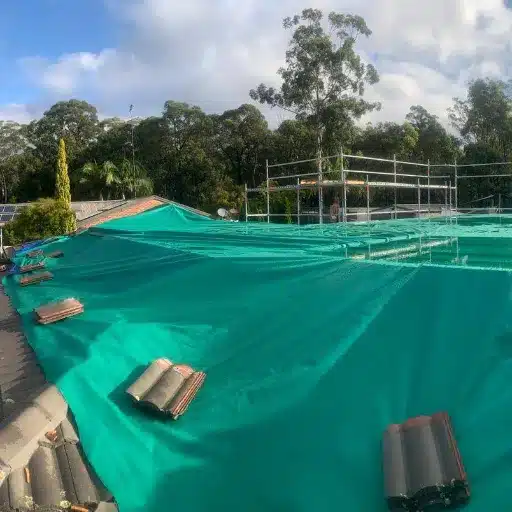
Picking up construction tarpaulins, the best way is to take the requirements of your project into account. The size of the tarp and its thickness have to be estimated according to the area of application and durability level. The best materials are those which are resistant to weather conditions, waterproof, and have the ability to shield from UV rays, so, probably, they will be the main protection against various environmental elements. Furthermore, it is important to check whether the tarp has robust grommets and edges that have been reinforced, as these are the means of secure fastening. Last but not least, check if the tarpaulin conforms to the safety standards and has the relevant certifications of the industry—especially when it comes to the protection against fire, chemicals, and heavy-duty applications.
Factors to Consider: Size and Type
Size and type are the first and foremost among the considerations that will determine the selection of the construction tarpaulin as they are critical factors that affect its efficiency directly. To compute the right size, it is necessary to take measurements of the area that needs to be covered and also consider the overhang that will be needed for securing the attachment. It is vital to get a tarp that covers the area properly without going over the limit of the material, as this will only bring extra expenses and difficulties in securing it.
The tarpaulin’s kind is very significant as well and it should go with the project’s need in a specific way. For construction purposes, heavy-duty tarps made up of materials like polyethylene or PVC are the most common choices due to their long life and tear resistance. In addition, if the project area is likely to be under the sun for long periods, then UV-resistant tarpaulins are the perfect choice since they will last longer. Besides, fire-retardant tarps are a must for those areas where there is a risk of fire. Always select the type of tarp that is the best for your project’s conditions for maximum efficiency and safety.
Custom Tarps: When and Why to Choose
When it comes to custom tarps, I usually pick them when none of the ready-made options can meet the size, material, or functionality requirements that are specific. Custom tarps provide me with the opportunity to deal with peculiar project requirements such as fitting equipment with odd shapes or upgrading features like more grommets, stronger stitching, or special coatings. By choosing custom tarps, I make sure of getting the best in terms of performance, longevity, and an exact solution that is specially made for the job.
Heavy Duty vs. Super Heavy Duty Tarps
Heavy Duty tarps are suitable for moderate protection, while Super Heavy Duty tarps provide maximum durability and protection for demanding applications.
| Parameter | Heavy Duty | Super Heavy Duty |
|---|---|---|
| Thickness | 10-12 mil | 14-20+ mil |
| Weight | Medium | Heavy |
| Durability | Moderate | High |
| Coating | Standard | Extra UV/Waterproof |
| Strength | Good | Superior |
| Uses | General | Harsh Conditions |
| Price | Affordable | Premium |
| Lifespan | Short to Medium | Long |
Reference Sources
-
Construction Tarps | Plastic Sheeting | Safety Netting
This source provides details on various types of tarps and their applications in protecting workers, equipment, and structures. -
Safety First: Using Tarps in Hazardous Work Environments
This article discusses how tarps can create barriers, protect from dust, prevent slips, and shield from weather. -
A Beginner’s Guide To Tarps For Construction Sites
This guide explains how to choose the right tarp size and weight to reduce safety risks. -
Are Construction Tarps Just Coverings or a Safety Requirement?
This article reiterates the risks of improperly secured tarps, including collapse or becoming airborne hazards.
Frequently Asked Questions (FAQs)
What is meant by a construction tarp and what are its functions?
Primarily, a construction tarp refers to a tough cover that is used on construction sites to shield materials and equipment from the rain, sun, and other weather conditions. Besides, tarps come in different sizes and types of materials, such as poly tarps and vinyl, which makes them very flexible for use in many construction settings.
How long will a heavy-duty tarp last?
Heavy-duty tarps are the strongest and the most rugged of all tarps hence they are of high durability. Usually, the fabric employed in making tarps or coverings is either polyethylene or vinyl; these materials are resistant to tearing and wear which underwrites longevity for tarps in construction sites.
Are there fire-retardant options for construction tarps?
Yes, there are fire-retardant tarps for buildings that are of a particular design to meet basic safety requirements for a number of applications. These tarps give out a layer of protection whenever they are used in fire-related areas or environments where the fire hazard is somehow expected.
What are the dimensions for industrial tarps?
The industrial tarps are available in several dimensions that are indicated by common sizes such as 10×12, 6×8, and even larger custom-made tarps. Thus people can pick from this wide range of sizes and select the one that best suits their specific needs in the construction area.
What can I do to make my tarps stronger?
Tarps can be made stronger by applying reinforced webbing around the edges, incorporating grommets for secure fixation, and choosing tarps manufactured from heavier mil material such as 12 mil or 20 mil which are much stronger and more durable.
How do I go about selecting the tarp that is most suitable for my construction site?
The process of selecting the tarp that is most suitable requires also considering the factors of intended purpose, material (like heavyweight vinyl or canvas tarps), durability (mil rating), and selected features such as waterproofing or fire resistance. By looking at these aspects, you can be sure of picking a tarp that fulfills your needs.
Is tarpaulin an option for building enclosure?
Yes, tarpaulin can be used quite effectively in building enclosures by providing protection against the weather during construction. Tarps that are specifically made for enclosure purposes are very often heavy-duty and can keep safety and site protection maintained throughout the whole process of building.
Conclusion
Construction site tarpaulins are indispensable tools that provide essential protection, enhance safety, and ensure compliance with industry standards. By understanding the various types, features, and applications of tarpaulins, construction professionals can make informed decisions that optimize site operations and protect both workers and materials. Whether you need heavy-duty coverage for extreme conditions or specialized fire-retardant options for high-risk areas, selecting the right tarpaulin is crucial for maintaining a safe, efficient, and compliant construction environment.