
Sports Field Covers: Playing Surface Protection Systems
Maintaining the great condition of sports fields is one of the most important concerns for managers of facilities, sports people and even those who organize events on such fields. One of the workable solutions towards ensuring the protection of the natural or artificial grass and other surfaces of fields and courts is the sports field cover or the cover system. The systems come in, protecting the fields from the wear and tear, from the elements, and also preventing the fields from the over-usage of the shoes in occasions not meant for sporting activities and bearing in mind the field conditions throughout the entire year.
Understanding Field Covers
What Are Athletic Field Covers?
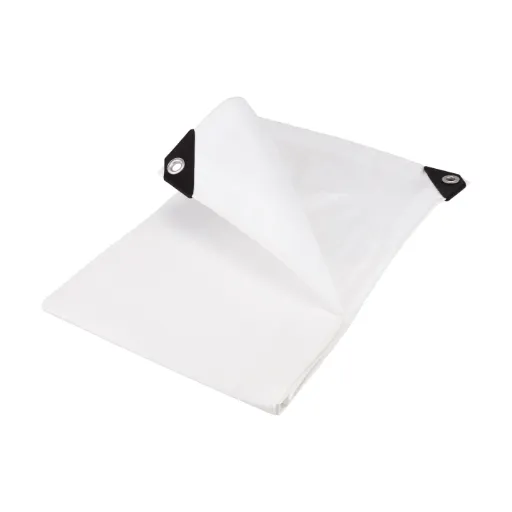
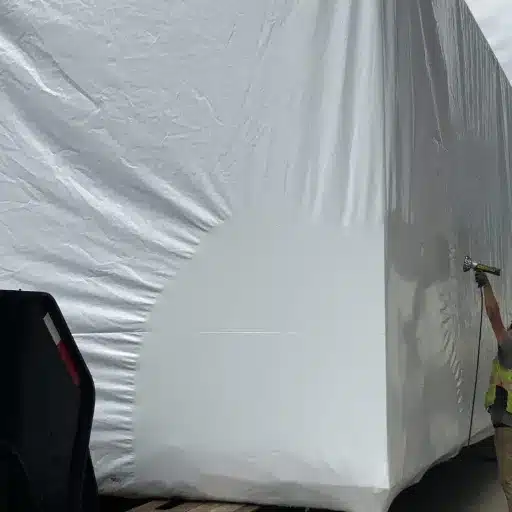
A Sports field cover is a kind of fabric that is used to keep the sports field in usable condition even in wet weather or even water logged fields due to overuse. They are physical covering, which prevents rain, snow and ice from ruining the surfaces or oversaturating the soil beneath. Such covering systems protects particularly the important surfaces of natural grass and artificial grass pitches in order to keep them ready for play.
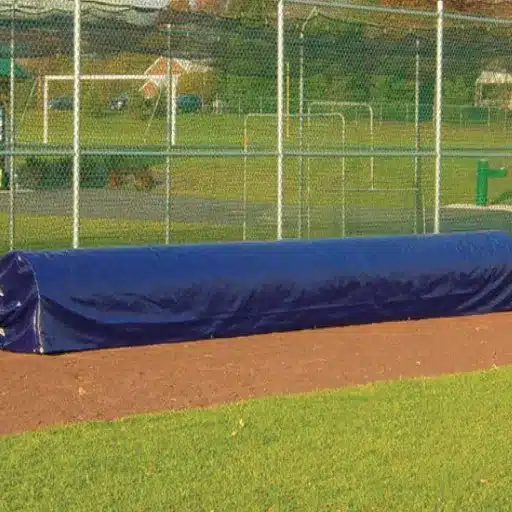
The majority of times these field covers are mainly those which are made of polyethylene or vinyl which are strong and adaptive to the environment. Normally cover uses materials such as polyethylene and vinyl due to their strength, flexibility and durability when faced with these bothering factors. The covers come in several varieties, ranging from small compactive tarps applied at strategic areas like pitcher’s mounds, or big full field covers.
Incorporating a sports field cover is a pro-active decision to preserve the sports ground and decrease the expenditure required to service the field. They, in fact, reduce the time wastage on wet grounds waiting for playability of pitches or soil fixation for use in case of damages on the playing fields, plays, practices or other activities starts as planned.
Types of Field Tarps Available
Field tarpaulins come in different types. Each type has a specific purpose depending on environmental conditions. The most common types include:
Full Field Covers
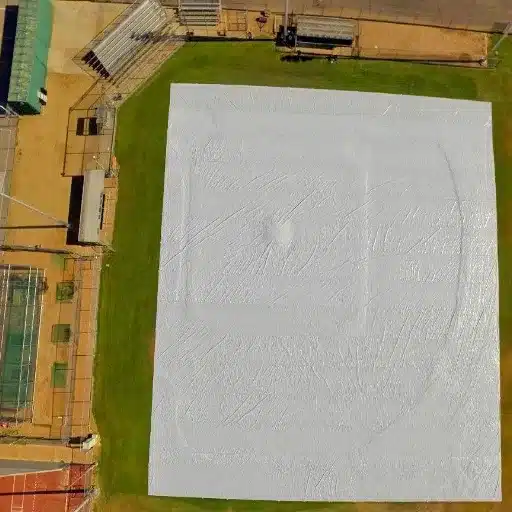
Big strong tarpaulins that engulf the whole field thus keeping it dry or clear of snow and debris. They shield the field even during intense or constant rainfall.
Spot Covers
Meant for the protection of much smaller areas of the field, such as batting cages or around goalposts. Very light but strong, suited for localized protection.
Infield Tarps
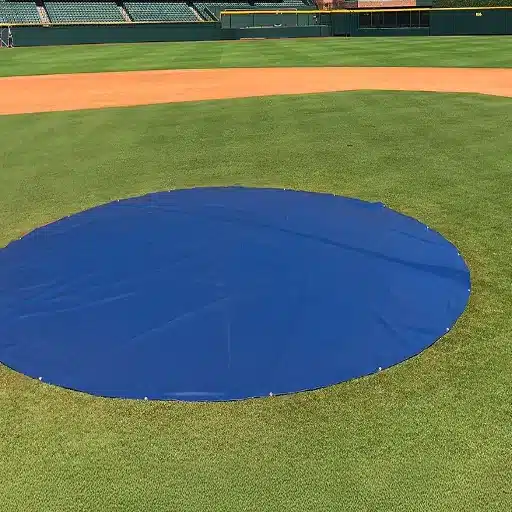
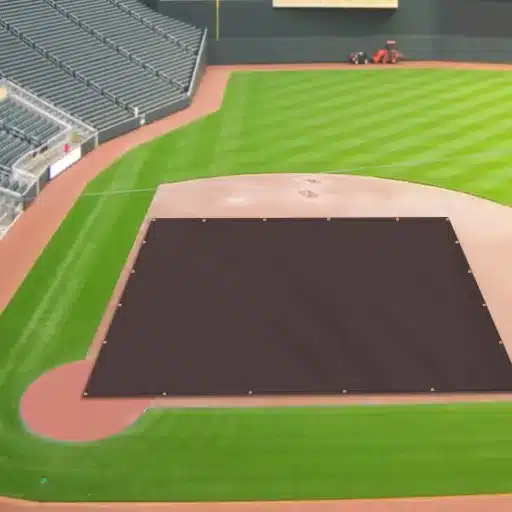
Medium-sized tarps used in baseball and softball to safeguard the clay or dirt parts against soil wash and water infiltration.
Importance of Protection for Playing Surfaces
Taking care of pitches promotes safety of athletes, maintains the standard of play and the field itself. Open fields are damaged by environmental agents like rain, snow or even high temperatures. Whenever steps are not taken, water may stand causing waves on the surface, decaying surfaces and even injurious illnesses, and most of all, unplayable fields.
Sports field covers as well as other methods of protection against the damaging effects of water are very useful. Most notably, excessive water on unprotected grounds tends to cause soil compaction and other irregularities, thus reducing the quality of playing surfaces. In addition, natural grass fields with too much water suffer from damage to the roots, or fungus and turf destabilization.
A number of safety precautions can also increase playing surfaces’ shelf-life so as to maximal times, especially where there is a base layer of clay or synthetic material. Rather than exposing the field to extreme weather elements that would destroy it, field managers limit their functional damages, reduce their repair cycles and save on operational resource usage.
Benefits of Using Athletic Field Tarps
Weather Protection for Various Sports
Utilizing sports field cover espouses enhancement in protection for different sports as it meets the needs of the surfaces of play in different places. The tarpaulins construct in a way that shields the playfield from harsh adverse atmospheric elements hence making it functional for a longer period.
⚾ Baseball
Baseball fields being more specified the infield clay and the pitcher’s mound are the most delicate areas and particularly vulnerable to the rain.
Impact: Water damage can be slashed up to 70%, reducing maintenance expenses.
🏈 Football
A tarp acts as protection to the grass from mud and water infiltration to enhance the player’s health and effectiveness of drainage systems.
Impact: 40% reduction in games postponed due to adverse weather conditions.
⚽ Soccer
The flat and composed pitch is essential for enhanced ball playing and reduced player injuries.
Impact: Covering the field dampens rain and maintains pitch quality.
🏃 Track and Field
Synthetic track materials are weather-sensitive surfaces affected by sun and rain.
Impact: Tarps minimize long-term damage and remove standing water.
⛳ Golf
Special tarps protect golf course greens from frost or rain damage.
Impact: 30% increase in grass recovery rate during adverse weather.
Enhancing Field Longevity and Quality
Necessary prowess in maintaining fields is developed over time through proper planning, regular care, and utilising gadgets such as sports field cover. The following methods backed by evidence, improve the endurance and usability of fields:
- 1
Appropriate Drainage Systems
It is necessary to have the necessary drainage installations to control water retention over the field. Fields with modern drainage have 20-30% less down times due to rain compared to those without.
- 2
Respective Aeration
Turf density is said to have a significant increase of up to 40% when athletic fields are aerated two or three times annually according to agronomic research.
- 3
Alternate Use of Fields
Regular movement of field use helps in wear distribution of the turf. Research indicates that the life expectancy of evenly managed fields is enhanced by about 25 percent.
- 4
Custom Fertilizing Programs
Custom nutrition practices applied on fields provide almost 50% faster turf recovery post activities like matches in areas of high foot traffic.
- 5
Introducing Covers
Sports field cover is an innovated field covering equipment utilized in providing protection against inclement weather. Protective covers aid in the restoration with up to 30 percent recovery of damaged turf.
Cost-Effectiveness of Field Covers
Field covers play a significant role in sports fields as they make sure that no harm is done to the sports fields due to weather conditions. Below are five ways in which field covers can be said to be economical backed up with statistical information.
💰 Reduction in Repair Costs
Field covers help reduce damages to surfaces by rain and frost. Annual repair costs reduced by approximately 40 percent compared to fields that are not covered.
⏳ Prolonged Field Lifespan
The use of protective cover prevents damages. Fields with these covers have a useful standing age that is 3 to 5 years longer on average.
⚡ Energy Consumption Savings
Insulation or thermal covers ensure about 20–25% of cost for energy savings during the coldest months.
📈 Extra Income Generation
Protection allows facilities to host more events by roughly 15-20% each year, thus increasing the income raised.
👷 Cut Back Labor Cost
Installation of field covers shrinks labor hours on grounds maintenance by approximately 25 to 30 percent, reducing operational costs.
Comparative Analysis of Field Tarp Materials
Durability and Weight Considerations
There are a number of factors to consider, such as durability and weight, when determining the performance and usability of the field tarp materials. For example, HDPE and PVC material are mostly preferred when they are designed for any kind of stress or where there is a high degree of dependency.
| Material | Weight | Durability | Best For |
|---|---|---|---|
| HDPE | Lightweight | High tensile strength | High-traffic fields, harsh weather |
| PVC | Heavier | Excellent wear resistance | Long-term use, rigorous conditions |
| Composite | Balanced | Enhanced properties | Cost-effective outdoor use |
Latest generations of polymer coatings and advanced fabric structures tend to shift materials toward a high performance profile where weight and strength are a concern with sports field cover as well. Multilayered laminated devices with enhanced coatings significantly giveaway amplified durability of service.
UV Protection and Its Impact on Field Health
The underlying factors responsible for damages to the surface of fields, whether they are natural or synthetic surfaces, are the ultraviolet (UV) radiations emitted by the sun. Heavy exposure to UV radiations further starts photodegradation, resulting in breaking the polymer molecular structure which contributes towards the brittleness of the material, change in color and even shortens the useful life of some materials that form a sports field cover.
UV Protection Technologies
- HALS (Hindered Amine Light Stabilizers): Captures free radicals to prevent degradation
- UV Absorbers: Blocks harmful UV radiation before damage occurs
- Impact: Materials with UV treatment have 50% more serviceability than untreated ones
Research elucidates that controlled UV exposure enhances turf strength and aids in the surface maintenance and rapid restoration to the initial standard after persistent wear and tear. Mishandling enclosed sports field implies in conjunction with other basic maintenance activities these protective approaches considerably contribute towards extending the lifespan of the material.
Choosing Between Premium and Pro Options
Premium options offer advanced features, scalability, and higher costs, while Pro options are cost-effective and suitable for smaller-scale needs.
| Key Point | Pro Option | Premium Option |
|---|---|---|
| Cost | Lower | Higher |
| Scalability | Limited | High |
| Features | Basic | Advanced |
| Audience | Small teams | Large enterprises |
| Performance | Shared resources | Dedicated resources |
Maintenance Practices for Field Tarps
Essential Cleaning Techniques
🧹 Regular Cleaning
Use a soft brush and mild soapy solution to clean the tarpaulin surface gently. Strong solvents or rough abrasive implements can compromise fabric fibers or coatings.
💧 Proper Rinsing
Rinse thoroughly with clean water and air-dry the tarp prior to storage to significantly reduce risk of mildew or moisture damage.
🔍 Inspection
Inspect all materials and equipment for wear signs and defects both before and after washing. Check edges and grommets for damage.
🚿 Deep Cleaning
For frequent use, occasional deep cleaning using steam or pressure cleaning at reasonable levels provides greater cleaning effectiveness.
Storage Tips to Extend Lifespan
Best Practices Checklist
- ✓
Complete Drying: Ensure the cover is completely dry before storage to prevent mold growth and delamination - ✓
Ventilation: Use well-ventilated storage areas or dehumidifiers to reduce moisture condensation - ✓
Proper Folding: Fold and tie neatly to reduce risks of stretching or deforming tarpaulins - ✓
Flat Storage: Stack tarpaulins on flat surfaces to avoid unnecessary folds causing weakening - ✓
Protection Bags: Use storage bags or covers meant for protecting from dust, pests, and mechanical damage - ✓
Climate Control: Avoid extremely high or low temperatures and direct sunlight exposure - ✓
Regular Inspection: Stored tarps should be inspected regularly for degradation or damage
Inspecting for Damage and Repairs
To properly check sports field cover for damages, one has to conduct a careful, thorough assessment via inspecting and feeling the fabric. Place the tarp on a clean, flat surface with adequate lighting so that tears, punctures or damaged areas can be seen.
Repair Guidelines by Damage Type
| Damage Type | Repair Method |
|---|---|
| Small Cuts | Heavy duty adhesive patches or tarp tapes |
| Large Damage | Grommet repair kit or industrial sewing methods |
| Post-Repair | Apply sealant to prevent moisture absorption |
This active approach to inspection and restoration will enable consumers to prevent further deterioration, minimise the risk of heavy expenses for replacement, and realize the full capability of their tarpaulins.
Current Trends and Innovations in Field Covers

Lightweight Fabrics for Easy Handling
Recent materials science developments improved field covers’ usability and ergonomics by making the covering fabrics highly functional and very light. Such fabrics are typically made from reinforced polymer materials, mostly light but sturdy such as polyurethane coated nylon or polyester.
Key Advantages
- Weight Reduction: Up to 40% lighter than ordinary canvas tarps
- Compact Storage: Can be folded to very compact sizes for easy transport
- Enhanced Protection: Better protection against water, sun, and heat loss
- Durability: Ripstop weave patterns prevent tearing and wear
Advancements in Infield and Softball Field Tarps
It is essential to say that the modern field criteria to avoid damage are constantly being updated. Lightweight high density polyethylene or reinforced polyvinyl chloride materials are being used to manufacture these tarps and their manufacturers ensure very high tensile and tear resistance even in adverse conditions.
💧 Drainage Systems
Innovative drainage systems prevent water accumulation that can delay game schedules due to wet fields.
🔒 Secure Mounting
Custom designs with edge weighting and reinforced grommets ensure secured mounting even under high wind conditions.
♻️ Eco-Friendly Production
Major shift towards environmentally friendly practices incorporating industrial waste recycled into production.
📡 Smart Integration
Future developments expected to integrate smart systems including sensors for weather and ground moisture monitoring.
Case Studies on Successful Implementations
Case Study 1: US Major League Baseball
An effective case scenario demonstrating utility of tarps can be seen in the US major league baseball where many games are played in various cities. A good number of major league baseball facilities have embraced use of multiple layers and resistance to weather types of covers which have been developed using advanced methods.
Yankee Stadium Example
- Technology: Polyethylene and reinforced vinyl advanced covers
- Results: 30% reduction in maintenance delays
- Benefits: Improved water repelling and faster deployment with built-in drainage systems
Case Study 2: University Softball Programs
In most colleges which have softball amenities such as University of Texas and University of Florida, there are already shifts of modern yet lightweight tarp systems which can be handled by very few people.
Performance Metrics
- Material: UV Grade A tarps for extended longevity
- Durability: 20% longer lifespan without affecting usability
- Game Continuity: 40% reduction in postponed games after rain
Case Study 3: Neighborhood Sports Facilities
In fields used for sports in townships, placement of sports field cover usually has much more complex designs. More and more local government and sports utility service providers are opting for cost-effective tarpaulin covers that are relevant for intermediate level uses.
Denver City Implementation
- Installation: Sectional fabric cover for multipurpose sports grounds
- Cost Savings: 15% reduction in annual repair and maintenance costs over 3 years
- Features: Anchoring systems fitted to withstand strong winds
Each of these situations attests to the different available use cases and the positive impact that evolving tarpaulin use has. With more studies and participation of all actors, it is likely that the management of sports fields within sports infrastructure will materially improve.
References
- Sports Field Maintenance: Discusses field maintenance practices, including the use of tarps to protect infields during rain.
- Fertilizing Light-Traffic Turf: Explores the use of vented plastic tarps for maintaining soil conditions and protecting fields during events.
- Protection Covers for Trafficked Turf: Focuses on turf protection covers designed for high-traffic areas to prevent damage.
- Click here to read more.
Frequently Asked Questions (FAQ)
Q: What is the protective strategy implemented by using a sports field cover tarpaulin?
A: The tarpaulin used as the cover for a sports field is a thick waterproof sheet specifically meant to be used on playing fields such as baseball diamond, softball or soccer pitch to prevent water, snow, ice as well as other bad weather conditions from damaging the field. These covers are important as significant savings on maintenance costs are made since the infield skin, grass or turf remains relatively dry while the playing surface is maintained in premium condition.
Q: How will I identify a good field tarp for my baseball or softball field?
A: There are specific key factors to note such as the material (thick polyethylene or 6.3-ounce coated fabric), weight and durability, level of ultraviolet protection, waterproof rating, grommets after every 10 feet, web loop handles with intervals of 15 inches, reinforced edge, and the right size to cover the diamond or infield. Opt for field protector tarps of good quality with added rot and mildew resistance.
Q: How do web loop handles with grommets and reinforced edge make a tarp perform better?
A: Each 15 inch web loop handles and 10 foot spread grommets aid in the implementation, anchoring and extraction of the sports field cover particularly with the use of rolled up cart. The edge reinforcements help prevent tears or wear from traffic which aids in proper maintenance to extend longevity and prevent infield and grass damage.
Q: Is it possible to use a sports field cover to reduce maintenance and keep the field dry?
A: Absolutely. Improving maintenance is possible when there are field covers and athletic tarps which manage the chances of water entering the surface, maintain the infield skin from becoming muddy, and protect the turf and grass from frequent walking. Protection in place diminishes the need for patch up work and maintenance, which promotes retention of the playgrounds’ playable state and reduces maintenance budgeting.
Q: How do polyethylene tarps compare to 6.3-ounce premium tarps?
A: Tarps made of specialized polyethylenes are affordable, waterproof, and tough enough not to rip easily, making them an excellent choice for covering fields. High-performance fabrics weighing 6.3 ounces and up are fabricated using chemical coatings that give added reinforcement, UV protection resistance and make them considerably longer lasting. This should depend on availability of funds, prevailing weather conditions and frequency of use.
Q: Do I need a cart for field tarps and softball field tarps operation?
A: Generally, for most baseball and softball field tarps the use of a cart is recommended to roll the heavy equipment and stage them ready for action. Web loop handles and grommets help secure tarps fast. Smaller or all-purpose tarps can be managed manually, however a simple cart slashes man-power requirements, increases speed of placement and avoids breakages during use.
Q: Are these tarps usable for offseason preservation?
A: Yes, athletic field covers are flexible in use and can be employed to shield from rain, snow or frost on football fields, soccer fields and any other sporting ground. During the close season, they prevent damage to grass and turf, keep frost conditions at bay and get the surface ready for the incoming season of sports activities.
Q: How should field tarpaulin covers be maintained for longevity?
A: Clean the tarpaulins from dirt and mud after every use, spread out folded tarpaulins to air or dry them before storing (do not store when wet), examine the grommets, looping web and reinforced edge for damage, and fix tears as soon as you see any. Good care and the use of tough materials protected from UV rays will aid the longevity of the baseball field or any other sports field cover.