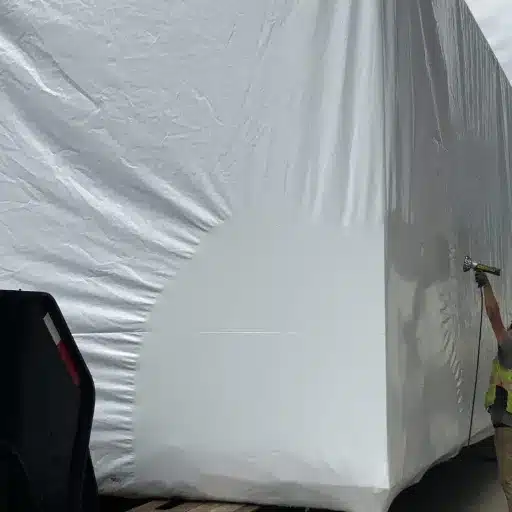

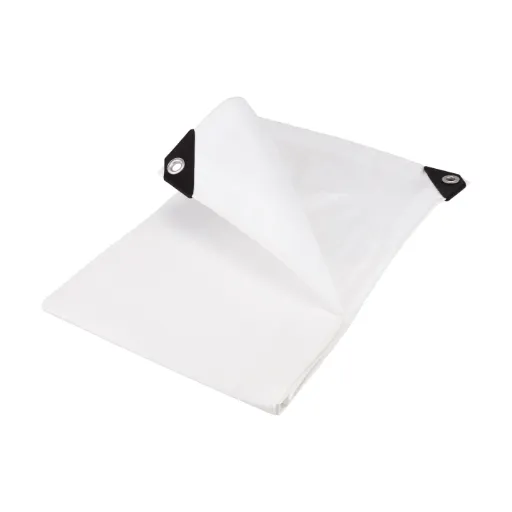
Pharmaceutical Grade Tarpaulin: Cleanroom & GMP Compliance
When dealing with pharmaceuticals, attention to detail is deeply appreciated. The pharmaceutical industry operates under stringent safety regulations and quality standards. While many focus on the primary manufacturing processes, few consider the critical role that specialized tarpaulins play in maintaining these standards. Far beyond simple construction covers, pharmaceutical-grade tarpaulins are essential tools that ensure compliance with Good Manufacturing Practices (GMP) and maintain the sterile environments necessary for safe pharmaceutical production.
Understanding Pharmaceutical Grade Tarpaulin
Definition and Importance
A pharmaceutical-grade tarpaulin represents a specialized, high-standard fabric designed exclusively for use in highly sterilized environments known as cleanrooms. These tarpaulins are manufactured from carefully selected raw materials that typically include hydrophilic properties combined with antimicrobial treatments, exceptional strength, non-toxic composition, and hypoallergenic characteristics. Unlike ordinary tarpaulins used in construction or general industrial applications, pharmaceutical-grade tarps are custom-engineered to support comprehensive cleaning protocols while maintaining strict compliance with GMP standards.
💡 Key Insight
The primary purpose of pharmaceutical tarpaulins is maintaining the cleanliness and standards that are indispensable in pharmaceutical manufacturing. These tarps prevent the ingress of dust, water, and other foreign elements, ensuring product safety throughout the production process.
In healthcare and cleanroom environments where sterility is paramount, these tarps prove ideal due to their inherent antimicrobial nature. They are engineered to withstand constant, frequent, and rigorous cleaning—an aspect that is essential in pharmaceutical settings. By utilizing pharmaceutical tarpaulin covers, manufacturers can avoid potential contamination risks, maintain conformity with international standards, and provide a clean working environment that enhances both product quality and safety.
Materials Used: PVC and Vinyl
PVC (polyvinyl chloride) and vinyl materials are particularly well-suited for pharmaceutical tarpaulin manufacturing due to their durability and effectiveness in cleanroom applications. These materials demonstrate exceptional resistance to chemicals and can withstand frequent disinfection, heavy cleaning regimens, and harsh physical environments—all common requirements in pharmaceutical facilities.
One major advantage of PVC and vinyl is their impermeability to particles and microorganisms. This characteristic alone underscores the importance of these materials in hospitals and pharmaceutical manufacturing facilities where the highest levels of hygiene are mandatory. PVC and vinyl tarps effectively repel liquid droplets, water, and airborne particles, significantly reducing infection risks and helping facilities meet robust industry standards.
Advantages of PVC and Vinyl Materials:
- Exceptional durability enabling repeated use without deterioration, reducing waste and operational costs over time
- Easy to clean and maintain, facilitating compliance with strict hygiene protocols
- Available in various thicknesses and finishes to accommodate different applications from equipment covering to containment zones
- Superior resistance to chemical cleaning agents and disinfectants
- Cost-effective due to longevity and reusability
Key Features of Medical Tarpaulin
Medical-grade tarpaulins possess highly specialized qualities that are vital in any medical or pharmaceutical setting. They are designed to endure rugged, everyday use without tearing, degrading, or diminishing their operational capacity. This level of sturdiness is particularly important for facilities such as temporary hospitals, field medical stations, or pharmaceutical manufacturing areas where materials are constantly stressed.
Perhaps the most notable characteristic is their ability to block external contaminants. These tarpaulins are completely impermeable to water and frequently feature antimicrobial coatings that actively inhibit bacterial proliferation, ensuring a clean environment that protects patient health and product integrity. They serve multiple purposes including covering medical apparatus, creating sterile rooms, and functioning as temporary partitions in hospital or emergency settings.
Medical tarpaulins also offer the advantage of being lightweight, facilitating quick deployment to areas of need. They can be swiftly prepared, positioned, dismantled, and repacked, maximizing the efficiency of on-site services in any situation. These qualities, combined with various thickness options, make pharmaceutical tarpaulins indispensable in both emergency and scheduled healthcare operations.
Applications in Healthcare
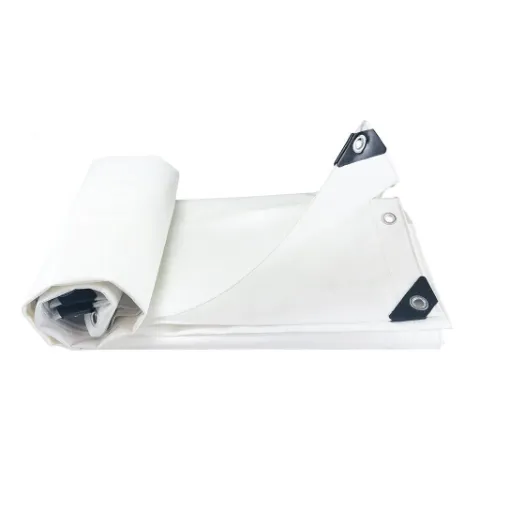
Use in Cleanrooms
In cleanroom environments, pharmaceutical tarpaulin serves as a cornerstone for maintaining genetic and bacterial hygiene control. Its non-porous, static-resistant surfaces and partitioning capabilities form the foundation of contamination control in strictly regulated cleanroom facilities.
Primary Cleanroom Applications:
1. Dividing Work Spaces
Tarpaulins are incorporated within cleanrooms to create separate zones or containment areas for procedures that carry high contamination risk, ensuring isolation between different production stages.
2. Covering Floors and Walls
They serve as protective covers for floors and walls, preventing contamination from chemicals, dust, and other foreign substances that might compromise the controlled environment.
3. Protecting Apparatus
Medical tarpaulins shield sensitive equipment from dust, moisture, and other contaminants during periods of non-use, extending equipment lifespan and maintaining calibration.
4. Contamination Control
During renovations or maintenance interventions inside cleanrooms, tarpaulins are crucial for preventing construction debris, dust, and other contaminants from interfering with sterile operations.
5. Provisional Barriers for Emergency Use
When existing cleanroom structures require immediate modifications while maintaining ongoing activities without compromising contamination control, tarpaulins provide rapid-deployment temporary barriers.
These diverse applications underscore the versatility and critical importance of medical tarpaulins in preserving the sterile conditions essential for cleanroom environments.
GMP Compliance and Regulations
Good Manufacturing Practices (GMP) represent a comprehensive quality framework ensuring that pharmaceutical products meet stringent criteria for purity, safety, and efficacy. This regulatory framework is fundamental in healthcare-related industries and cleanroom operations. GMP compliance serves to eliminate any factors that may compromise product safety, quality, or consumer wellbeing.
GMP requirements encompass specific protocols for all production stages—from raw material procurement through final product distribution. These protocols mandate production in certified clean facilities, utilization of validated equipment, and meticulous process documentation. Additional practices include comprehensive workforce training to prevent non-compliance issues, regular internal audits, and external inspections to verify documentary evidence and operational adherence.
✓ GMP Compliance Role
Medical tarpaulins play a vital role in maintaining GMP compliance within cleanrooms by acting as effective barriers between clean spaces and potential contaminants. Materials used in GMP-compliant tarpaulins are specifically selected to avoid introducing unnecessary contaminations, proving their necessity in highly regulated pharmaceutical environments.
Protection of Medical Equipment
Protecting medical equipment is essential for enhancing performance, prolonging operational lifespan, and safeguarding both patients and staff. Medical equipment must be shielded from environmental threats such as dust, microorganisms, and moisture, all of which can adversely affect functionality and accuracy. Cleanroom tarpaulins serve as effective protective barriers against these elements, helping maintain sterile areas where critical medical procedures occur.
GMP-compliant tarpaulins provide users with confidence that these products are manufactured according to established regulatory frameworks. They adequately protect delicate instruments and equipment while maintaining safety standards in sealed environments. Regular inspection and proper maintenance of tarpaulins ensure that their protective qualities are preserved for extended periods, maximizing the return on investment.
Proper storage solutions further enhance medical equipment protection. Equipment covered with appropriately sized tarpaulins during storage or periods of non-use experiences reduced contamination and mechanical damage. This approach extends equipment life, enhances adherence to healthcare safety standards, and helps personnel perform effectively under critical conditions.
Benefits of Using Medical Tarpaulin

Temperature Control Solutions
Contamination Risk Mitigation
Durability and Weather Resistance
Innovations in Medical Fabric Technology

Laminated vs. Coated Tarpaulin
Understanding the differences between laminated and coated tarpaulins helps pharmaceutical facilities select the most appropriate option for their specific applications. Laminated tarpaulins offer cost-effectiveness and lighter weight, making them suitable for short-term use, while coated tarpaulins provide superior durability, smoother surfaces, and ideal performance for long-term, high-performance applications.
Anti-Mildew and Antimicrobial Properties
When evaluating materials that encounter changing environments, anti-mildew and antimicrobial properties represent critical performance indicators. These features prevent numerous microorganisms—including fungi, bacteria, and molds—from thriving, as these organisms can cause gradual material decay and pose health risks. Products with specialized lamination or coatings incorporate antimicrobial ingredients during manufacturing to prevent microbial growth, making them particularly suitable for high-humidity or moisture-rich environments. This proves especially valuable in applications such as tents, tarpaulins, upholstery, and medical sectors where hygiene and material longevity are paramount.
📊 Key Statistics
Recent developments in antimicrobial technologies have proven remarkably effective. Materials incorporating advanced techniques such as silver-ion technology and nano-coatings demonstrate outstanding performance:
- 99.9% bacterial reduction when surfaces are treated with advanced antimicrobial coatings
- Extended material lifespan through prevention of mildew and mold-related degradation
- Improved aesthetics by reducing staining and discoloration from microbial growth
Beyond moisture resistance, anti-mildew treatments ensure materials remain robust even in wet or rainy environments. Technology developers recommend antimicrobial coatings for outdoor applications and comprehensive medical equipment designs, as these features benefit users both functionally and hygienically. Whether deployed in hospitals, recreational facilities, or industrial settings, incorporating mold and microbial resistance in products significantly improves user safety and satisfaction.
Logistics and Storage Solutions

On-Site Storage Considerations
When planning on-site storage solutions, accessibility represents a critical design element that should never be overlooked. Proper storage design facilitates easy access to materials, tools, and equipment, which saves time and reduces workplace inefficiencies. During layout planning, the positioning of storage spaces relative to work areas and walkways must be carefully evaluated. Additionally, incorporating modular storage systems allows for flexibility when operational needs change—an advantage particularly valuable in mobile operations such as construction sites and event-driven industries.
🔒 Security Considerations
Security represents another crucial aspect of on-site storage. When managing expensive equipment and valuable assets, robust security measures are essential:
- Heavy-duty locks and reinforced access points
- Security camera surveillance systems
- Biometric access solutions such as fingerprint scanning
- Regular security audits and monitoring protocols
For outdoor storage locations, weather protection becomes a vital consideration. Rain, extreme heat, snow, and other environmental factors can adversely affect stored materials. Protective measures such as weather-resistant covers, sealed storage containers, and even climate-controlled units may be necessary depending on the sensitivity of stored items. Pharmaceutical tarpaulin covers, equipped with protective features, prove particularly effective in preventing weather-related damage and maintaining material quality during prolonged storage periods across pharmaceutical packaging facilities, production plants, transportation systems, and agricultural operations.
Sustainability has become an essential component of contemporary storage approaches. Modern business practices increasingly encourage the use of recyclable or reusable materials and energy-efficient storage systems. Sustainable practices such as utilizing reusable storage containers or implementing solar-powered lighting for storage areas prove both practical and economical while reducing environmental impact. Organizations that adopt sustainable storage options benefit from lower operational costs while attracting environmentally conscious clients and meeting evolving regulatory requirements.
Transporting Pharmaceutical Goods
Transporting pharmaceutical products requires strict adherence to safety protocols and regulatory guidelines, combined with sophisticated logistical arrangements to ensure product integrity throughout the supply chain. Pharmaceuticals are frequently extremely sensitive to temperature fluctuations, humidity variations, and light exposure, necessitating specialized care during storage and transportation. Temperature-controlled logistics play a particularly significant role in maintaining product efficacy, especially for vaccines, biologics, and other critical medications that require specific temperature ranges. Every stage of the product journey must maintain stipulated conditions through appropriate use of temperature-controlled containers, insulation systems, real-time monitoring solutions, and efficient tracking devices.
📈 Industry Growth Projections
The pharmaceutical cold chain logistics market demonstrates robust growth, driven by increasing demand for temperature-sensitive medications and biologicals:
- Market size projected to exceed $100 billion by 2030, reflecting the shift toward enhanced transportation methods
- IoT sensors and GPS tracking have revolutionized the industry by enabling optimized routing and real-time environmental monitoring
- Greater compliance with international regulations such as GDP (Good Distribution Practice) guidelines
- Reduced product waste and spoilage through improved monitoring and control systems
Companies must also integrate sustainability considerations into their operational management while maintaining product safety standards. This includes utilizing thermal insulation systems efficiently, reducing packaging materials, and adopting biodegradable or recyclable packaging for transportation. Organizations that leverage advanced technology while acting responsibly toward environmental concerns realize economic benefits while meeting evolving consumer expectations. Pharmaceutical distribution represents an orchestrated balance of logistics excellence, regulatory compliance, and environmental stewardship.
Waterproof and Weatherproof Covers
Waterproof and weatherproof covers are essential for protecting commodities, equipment, and structures against environmental elements including rainfall, snow, UV radiation, and strong winds. These protective covers are manufactured from durable materials such as vinyl-coated polyester, polyethylene, or enhanced technical fabrics specifically engineered for outdoor protection.
Modern weatherproof and waterproof covers offer significantly enhanced functionality compared to traditional options. Contemporary designs incorporate lightweight yet breathable materials with reinforced edges for tear resistance. Many products feature built-in antimicrobial agents or UV protection treatments integrated directly into the fabric. For industrial machinery and pharmaceutical equipment, heavy-duty tarpaulins or specialized machine wrapping systems provide comprehensive protection during storage or transport.
🌱 Sustainability in Protective Covers
Modern manufacturers increasingly offer environmentally responsible solutions that maintain performance while minimizing environmental impact:
- Covers manufactured from biodegradable or recyclable materials
- Guaranteed performance standards without environmental compromise
- Support for global pro-environmental business practices
- Enhanced operational efficiency through durable, reusable designs
These advancements demonstrate that the protective utility of waterproof and weatherproof covers has evolved beyond simple item protection to encompass sustainability and environmental responsibility.
Frequently Asked Questions (FAQ)
❓ What is a pharmaceutical tarpaulin and how is it applicable?
A pharmaceutical tarpaulin is a specialized material manufactured to meet stringent standards for medical environments. It is used to protect medical supplies, hospital bed mattresses, and equipment. These tarpaulins typically feature PVC coating or other specialized fabrics that are breathable, compatible with medical foam, and provide portable protection for beds, medical mattresses, storage bags, and other applications requiring high cleanliness standards and reliability.
❓ What makes pharmaceutical tarpaulin suitable for medical facilities?
Pharmaceutical tarpaulins are typically constructed using coated PVC film or canvas-like materials that are anti-static, non-toxic, and free from heavy metal treatments. They provide robust, long-lasting protection while requiring minimal maintenance. Many designs are non-irritating to skin and can be foam-friendly, making them ideal for applications such as hospital bed mattress covers or medical mattress foam protection.
❓ Is it safe to use pharmaceutical tarpaulins on mattresses?
Absolutely. High-quality medical tarpaulins meet all relevant safety regulations and are designed to be gentle on skin through the absence of toxic elements. These medical-grade materials allow comfortable contact between bedlinens and patient skin without causing discomfort, while supporting static-free use with other medical equipment.
❓ How should pharmaceutical tarpaulins be cleaned?
These tarpaulins support limited cleaning and disinfection using certified cleaning products, though they may not tolerate repeated commercial laundry cycles. Most pharmaceutical tarpaulins consist of PVC film with special coatings that avoid toxic metals and incorporate flame-retardant properties. It is essential to follow cleaning processes that preserve both the protective coatings and the structural integrity of the film or fabric.
❓ Can pharmaceutical tarpaulins be flame retardant without toxic additives and heavy metals?
Yes, most pharmaceutical tarpaulins are expertly engineered to incorporate flame-retardant characteristics while excluding heavy metals. These products are essential in healthcare facilities where fire safety regulations must be observed alongside protection from chemical exposure. It is important to carefully review manufacturers’ specifications and verify that products are explicitly rated for flame resistance while confirming that heavy metal content complies with local regulatory guidelines.
❓ Is protective medical equipment available in non-static and breathable materials?
Definitely. Pharmaceutical tarpaulins can be manufactured from anti-static fabrics specifically designed for medical devices and instruments requiring protection against electrostatic discharge. Breathable membrane options allow air circulation beneath covers, preventing mildew growth while ensuring patient comfort when used for hospital bed covers or mattress protection. These features prevent skin irritation from friction or trapped moisture.
❓ What customization options exist for pharmaceutical tarpaulins?
Pharmaceutical tarpaulin manufacturing offers extensive customization ranging from various thicknesses to different widths. Products can be adapted for diverse medical purposes including bed covers, storage bags, equipment covers, or protective sheeting for hospital bed mattresses and other appliances. Manufacturers typically provide tailored solutions including custom sizes, metal-free eyelets, and specialized finishes to accommodate foam padding or other specific application requirements.
❓ What qualities should be prioritized when selecting a pharmaceutical tarpaulin supplier?
When selecting suppliers, prioritize those offering competitive pricing combined with quality assurance, products that provide thermal protection without toxic inhibitors or permanent chemical treatments, comprehensive product documentation, and reliable customer service. Verify that suppliers can provide certificates of compliance with relevant medical and safety standards, and confirm their ability to deliver customized solutions that meet your specific facility requirements.
Conclusion
Pharmaceutical-grade tarpaulins represent far more than simple protective covers—they are critical components in maintaining the stringent hygiene, safety, and quality standards required in pharmaceutical manufacturing and healthcare environments. From their specialized antimicrobial properties to their exceptional durability and compliance with GMP regulations, these materials play an indispensable role in protecting sensitive equipment, creating sterile environments, and ensuring product integrity throughout production, storage, and transportation.
As the pharmaceutical industry continues to evolve with increasingly sophisticated biologics, temperature-sensitive medications, and strict regulatory requirements, the importance of high-quality pharmaceutical tarpaulins will only grow. Innovations in antimicrobial technology, sustainable materials, and advanced fabric engineering continue to enhance the functionality and environmental responsibility of these essential products.
Whether deployed in cleanrooms, used for equipment protection, or integrated into pharmaceutical logistics operations, pharmaceutical-grade tarpaulins demonstrate that attention to seemingly minor details—like the materials used for covers and barriers—can have profound impacts on product safety, regulatory compliance, and ultimately, patient health outcomes.
💡 Key Takeaways
- Pharmaceutical-grade tarpaulins are essential for maintaining GMP compliance and cleanroom standards
- PVC and vinyl materials offer superior durability, antimicrobial properties, and ease of cleaning
- These specialized covers protect against contamination, temperature fluctuations, and environmental hazards
- Proper selection and maintenance of pharmaceutical tarpaulins directly impacts product safety and quality
- Sustainable innovations are making pharmaceutical tarpaulins more environmentally responsible without compromising performance
References
- Rowan University: Discusses transmembrane AMPA receptor regulatory proteins (TARPs) in a scientific context.
- PubMed: Explores Pharma TARP, a program for novel pharmaceutical projects, offering insights into industry practices.
- Click here to read more.