

Medical Grade Tarpaulin: Hospital & Healthcare Applications
In the field of healthcare, durability, cleanliness, and reliability are the core standards that cannot be compromised. One material that is very important and at the same time not too obvious is the medical grade tarpaulin which fulfills such requirements. The sturdy, heavy-duty fabrics are the mainstay in the areas of safety, sanitation, and even hospital and healthcare operations. The medical grade tarpaulin’s usage ranges from making emergency shelters to being the protective covers of medical equipment, and the list goes on showing its different and important applications.
This article is about medical grade tarpaulin, the diverse applications of which have been discussed along with the reasons for being a constant necessity in the modern medical settings.
Understanding Medical Tarpaulin
Definition and Composition of Medical Tarpaulin
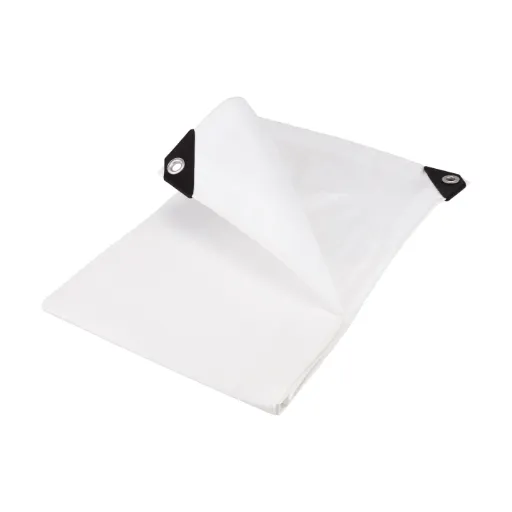
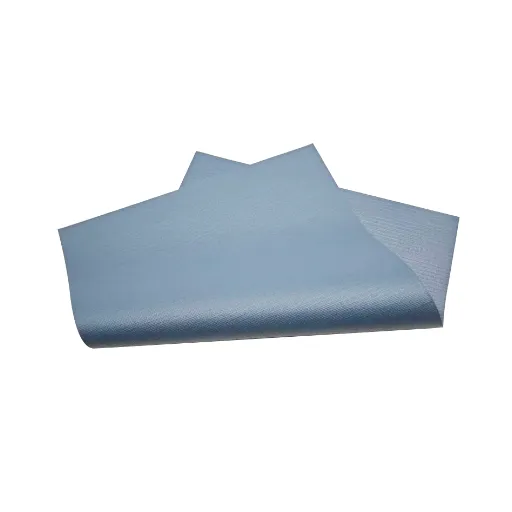
Medical tarpaulin is a particular material that is intended for rigorous healthcare environments. It consists of durable, waterproof, and flexible materials, like polyethylene or PVC, which are non-wearing, non-staining, and non-microbial. The extraordinary combination of these properties makes it perfect for areas where hygiene, strength, and reliability are the main considerations.
Medical tarpaulin’s composition can be enriched with additional coats or treatments that will augment its performance. The application of antimicrobial finishes is one such measure that takes care of the bacteria, fungi, and viruses and thus the material remains sanitary even in the most vulnerable places. Moreover, it is flame-retardant which adds to safety in emergencies and at the same time ensures adherence to strict healthcare regulations.
Medical tarpaulins are designed to go through heavy-duty cleaning and disinfection without losing their integrity. This strength along with versatility makes them very useful such as covering of medical equipment, partitioning, and even providing shelter in disaster relief operations.
Types of Tarpaulin Fabrics Used in Healthcare
In the healthcare sector, medical tarpaulin fabrics fabricated in this sphere are mostly made of materials which possess a quality of being strong, long-lasting and safe, above all. PVC, also known as polyvinyl chloride, and polyethylene are mostly used for these fabrics. They are usually designed for use in watery environments and for the sake of cleanliness and which factors can be considered to be treated against bacteria, mold, and mildew formation, as well as other active agents hygiene wise, in a hospital’s scale.
PVC Tarpaulins
- High flexibility and durability
- Withstand high heat and frequent sterilization
- Smooth surface prevents dust and micro-organism settlement
- Ideal for emergency rooms and operation theaters
Polyethylene Tarpaulins
- Low cost and portable
- Popular for emergency or disaster response
- Lightweight and impervious
- Rapid deployment for temporary structures
Benefits of Using PVC Medical Tarpaulin
Applications of Medical Tarpaulin in Healthcare Settings
Emergency Shelters and Temporary Medical Facilities
Key Applications:
- Emergency Hospitals: Field hospitals are often erected using PVC sheets during calamities or outbreaks to help patients in a more organized manner
- Isolation Zones: Create isolated zones to facilitate the control of transmitted diseases without restriction to healthcare service providers
- Housing for Displaced People: Build temporary houses that are resilient to natural elements during extreme situations
- Clinics on Wheels: Utilized to make mobile clinics for testing, immunizations, or routine check-ups in underserviced regions
- Antechambers for Cleaning: Used as cleaning modules with biohazard controls during medical emergencies
Patient Privacy Solutions with Tarpaulin
It is imperative to guarantee privacy for patients in both conventional as well as emergency care settings. Various tarpaulin systems provide cost-effective and efficient mechanisms to achieve such privacy. For the reason that these are light, portable and provide said insularity within seconds thus offer a great tool for use in any open or congested medical environment when respect and privacy should be practiced. We can make them in any shape or size as required, such as partitioning the space between patients or the creation of new consultation rooms.
💡 Key Advantages for Privacy:
- Function as isolating screens, tents within tents, or entire tents
- Weatherproof characteristics keep inhabitants protected from harsh elements
- Protect patients and staff in challenging climate conditions
- Financially beneficial as they are recyclable
- Compatible with structural materials like steel or aluminum frameworks
Protection of Hospital Equipment and Supplies
Healthcare facilities tend to use durable and efficient techniques to shield the equipment and supplies including but not limited to environmental impacts, contamination, as well as impacts that might damage the equipment and supplies. Any equipment or supplies in hospitals are adequately maintained by tarpaulin covers because they are essential for encapsulation purposes.
🔒 Sterile Equipment Storage
Covered and enclosed to prevent dust, dirt, and microorganisms from affecting sterility
☂️ Weather-Proofing
Protect against rain, sun, and wind to prevent moisture and UV ray exposure
🚚 Protection During Transit
Shield items from vibrations, weather, and impacts when moving equipment
📦 Shipment Packaging
Wrapped for extra protection against damages during transport to other facilities
⚠️ Emergency Containment
Create urgent temporary contents for supplies during emergencies
🧪 Chemical Spill Protection
Use as shields to block spills and ensure regular cleaning for contamination
Durability and Resistance of Medical Tarpaulin
Fluid Resistance and Infection Control
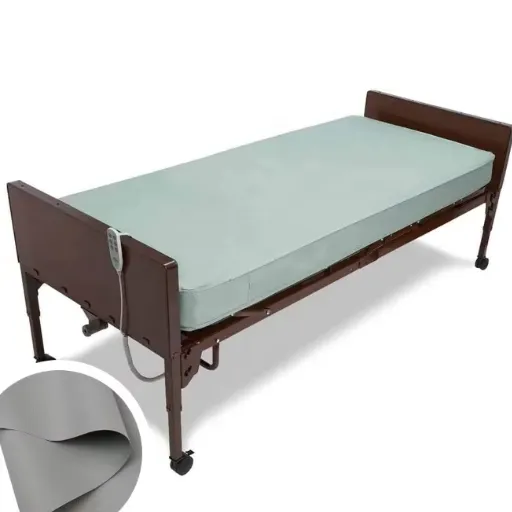
Infection control practices are essential in healthcare institutions because a medical tarpaulin that is highly resistant to fluids has proven to be an effective barrier. The design of the tarp effectively resists liquids, thus acting as a vital barricade against blood, water and other infectious body fluids reducing cross-infection risks. Such a feature is very important, especially in areas with a high risk of operations such as in theaters, emergency rooms, and intensive care units where a clean environment is critical and needs to be maintained for the sake of patients and other people prone to getting infections.
🛡️ Infection Prevention Features:
- Anti-microbial coatings discourage development of bacteria, fungi, and germs
- Compliance with healthcare infection control policies
- Does not promote spread of infection in contained areas
- Withstands aggressive cleaning, disinfecting, and sanitizing processes
Long-term Durability Under Demanding Conditions
Everyday use of medical tarpaulin is firm and heavily motivated by its durability. With engineering that enhances resilience to repeated touches, repeated abrasion, heat or chemical degradation, these products remain in use for a demanding environment. This approach guarantees the materials, enclosing such fabrics and engineered polymers, are not subjected to any splitting, bruising, or any other mechanical stresses that mostly cause failure for such materials.
✅ Durability Testing Standards:
Resistance Testing:
Higher humidity levels, temperature changes, chemical exposure
Cleaning Protocols:
Strong disinfectants and cleaning agents without breakdown
Mechanical Strength:
Prevents splitting, bruising, or mechanical stress failure
Cost Efficiency:
Long service life reduces replacement frequency
Safety Features of PVC Coated Tarpaulin
Medical tarpaulin is known for its outstanding safety attributes and has wide applications in sectors such as health care, development industry, and transportation. One of the safety advantages of this tarpaulin is its inability to jam and spread fire. The production of such tarpaulins is always focused on following the basic fire safety guidelines which prevents any risk of a fire’s destruction.
Manufacturing Processes and Material Science

Complex Manufacturing Processes of PVC Vinyl Laminated Tarpaulin
PVC vinyl laminated tarpaulins or medical tarpaulin are designed with advanced technology. In their production cost and technology, they are both designed in terms of class differences between them. For their sets, the type of commonly used textile is polyester fabric. This helps in enhancing the structural integrity during severe applications. The base cloths have to be of high quality and so each cloth is tested to ensure the strength will not be compromised.
⚙️ Manufacturing Process Steps
1
Cooling and Finishing
Layers cool and stiffen, edges are trimmed and ground square, lacquering applied for enhanced durability
5
Quality Control
Testing for thickness, tensile strength, waterproofness, and ultraviolet protection before packaging
The use of advanced technology including automation and computerized monitoring systems supports these operations, thereby improving both the speed and accuracy of the manufacturing processes. According to research, advances in fabrication have significantly helped in the reduction of the wastage of materials and utilization of energy such that even PVC vinyl laminated tarps are now industrially and commercially applicable while considering their carbon footprint.
Material Science Behind Medical Tarpaulin Fabric
A medical tarpaulin is fabricated utilizing updated materials; that is, components which resolve a number of challenging problems in health care settings. Most principally these include very strong, flexible and tough fabrics based on high-quality PVC, or alike materials reinforced with polyester fabric in most cases. The external surfaces are subjected to application of anti-infective agents which obstruct bacterial, fungal and other pathogenic growth, these coatings are applied on the tarpaulins where it is vital and proper to use in a medical sense; for instance temporary shelters, covering, and sterile areas.
🔬 Advanced Material Features:
- Waterproof and Stain Resistant Coatings: Crucial for safeguarding medical products in emergency and outdoor areas
- Fire Retardancy Enhancement: Important safety factor for creating protected spaces
- Heat Insulation Properties: Maintains stable environments in temporary medical structures
- Self-Cleaning Surfaces: Developed through nanotechnology advancements
- Improved UV Resistance: Enhances functionality without compromising cleanliness standards
📊 Impact on Healthcare: Implementing the use of medical tarpaulin of such quality has decreased the chances of infection in mobile and field hospitals by a significant percentage, implying their paramount importance in 21st-century medicine. Current studies and efforts from materials science and medical practice aim to make these materials more ecological and practical.
Regulatory Standards and Safety Compliance

ISO Standards for Medical Tarpaulin
Since they should be used in critical areas, such as operating rooms, the production of medical tarpaulins is designed in concordance with ISO standards to meet the required condition relevance. This matter shows why one should expect particularly high standards from medical tarpaulins for preventing exposure to infectious agents, hence making them essential in places like field hospitals, operating theaters, or disasters where relief activities take place.
🌍 Global Impact: Utilization of standardized medical tarpaulin contributes greatly to enhancing international healthcare services due to the standardization in quality and performance. When manufacturing is done at optimal levels, this creates trust and reliance among healthcare providers and emergency services responders, facilitating efficient delivery while prioritizing patient interests.
Importance of Safety in Healthcare Applications
In medical tarpaulin applications, safety features are critical as they affect the health of patients and any other users, such as the medical personnel, who will come into contact with the devices, systems or materials. As a result, reliable, accurate, and safe healthcare application design, productivity, intensive and system maintenance is very crucial.
Frequently Asked Questions (FAQ)
References
- University at Buffalo – Tarp-Assisted Cooling (TACO): Discusses the use of tarps in medical applications, specifically for cooling during heat stroke in wilderness settings.
- PubMed Central (PMC): While focused on the TARP technique for medical procedures, it provides insights into the innovative use of materials and techniques in medical applications.
- Click here to read more.
Conclusion
By taking these critical elements into account, creators, developers, and manufacturers of medical tarpaulin applications will be able to enhance delivery and economy for such products, while fostering trust within the healthcare sector. The life of a well-constructed medical tarpaulin is determined by proper packaging and sensible storage, allowing for easy maintenance and long-term reliability in critical healthcare environments.