
Automotive Manufacturing Tarpaulin: Production Line Protection for Vehicles
The process of automotive manufacturing is a very complex and exacting one where no detail is spared in the effort to produce vehicles of the highest quality. One of the critical issues in the midst of the complex machines and the noisy assembly lines is to keep the vehicles and their parts safe from possible harm, dirt, and outside influences. This is the time when the automotive manufacturing tarpaulins come in the picture and are of great help. These coverings, which are specially made, provide the protection needed throughout the production process and remain very durable, flexible, and efficient. In this article, we will discuss the ways in which these tarpaulins improve the safety and efficiency of the production line, while at the same time offering cost savings and compliance with the industry standards.
Understanding Tarpaulin in Automotive Manufacturing
What is Automotive Tarpaulin?
An automotive tarpaulin is a high-quality and versatile material purposely made to cover and protect cars, machines, and parts during the production stage. Tarpaulins have found many applications, from covering the manufacturers’ secrets, through allowing the dust and the dirt to stay away from the machines/equipment to permitting safe working conditions. Such tarps are made from high-strength fabrics (PVC or polyethylene), which together responsible for the tarps’ long life as well as being resistant to the daily use and abuse.
The automotive tarpaulin’s primary purpose is to make the workplace safer. It hides heavy machines and hazardous places, thus lowering the chances of accidents and contamination on the production line. Moreover, it protects the sensitive parts from the weather by using moisture, UV light, or temperature as a factor in deciding when to pack. Sometimes, the manufacturers would play this card, i.e., coverings, when claiming the highest product quality standards.
Protection is not the only thing that automotive tarpaulins serve; they moreover lead to the companies’ increasing the capability and cutting the costs. They are humanized, fitting to every application from separating the working areas to speeding up the transport processes. Their adaptability is what has made them a solution of choice in modern automotive manufacturing, and that too while supporting sustainability and operational effectiveness in the ever-competitive industry.
Key Features of Tarps for Vehicle Protection
- Durability and Strength: Automotive tarpaulins are made from premium, heavy-duty materials like PVC or polyethylene. These materials can withstand extreme conditions and are not easily damaged by tearing or abrasions, which makes them suitable for long-term use even in tough environments.
- Waterproof and UV Protection: Protection tarps are completely waterproof, thus preventing any water-related damage, such as rust from melted snow or rain. Moreover, the majority of the tarps come with a coating that gives them resistance to ultraviolet (UV) rays and that prolongs the life of the paint and upholstery.
- Custom Fit and Versatility: The main characteristic of these tarps is the customization feature that they offer. They are adaptable to fit all kinds of vehicles starting from compacts to full-size trucks. This capability not only guarantees the maximum area protected but also opens up the applications like covering parts of the vehicle during manufacturing or transportation.
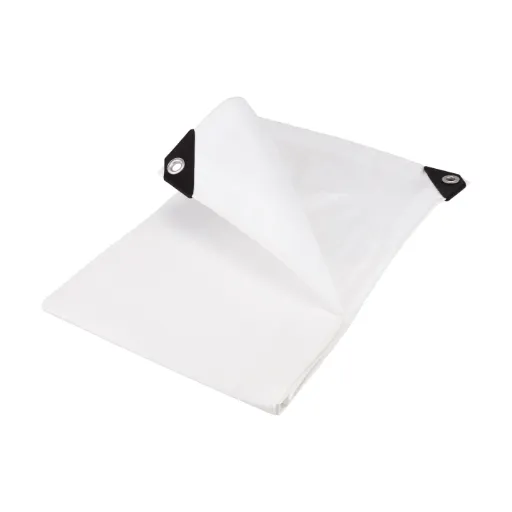
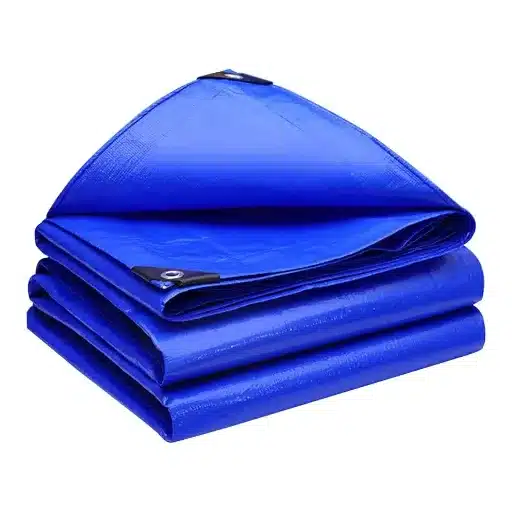
- Ease of Use and Maintenance: Automotive tarps are made to be easy to use, so they are portable and often have grommets or rope attachment points for quick installation. They also have low maintenance, with most being wash and store easy when not in use.
- Environmental Benefits: Tarp manufacturers play a significant role in contributing to environmental conservation. The automotive industry and transport companies are cutting down on waste and their impact on the environment by choosing durable and reusable products and thus adhering to the standards of the modern eco-conscious world.
The combination of these characteristics has rendered perfectly tarpaulins an efficient solution for protecting vehicles, prolonging their life cycle, and upgrading the overall efficiency of the various automotive processes.
Benefits of Using Tarpaulin Canopies in Production Lines
- Enhanced Protection Against Dust and Debris: Tarpaulin canopies act as dust, debris, and other contaminant blockades, thus ensuring that delicate devices and goods stay clean and operable. This leads to less frequent cleaning and maintenance, therefore boosting the overall efficiency of operations.
- Improved Temperature Regulation: Tarpaulin canopies not only provide shade but also offer insulation, thus helping to regulate the temperature in production plants, particularly in sunlit places. This leads to a stable working atmosphere and might result in a reduction of cooling system-related energy costs.
- Cost-Effective Solution: Tarpaulins cover and protect production lines at a low budget. Their strength allows for a long period of use, which means that the old and hard-to-replace ones are not become a matter of concern anymore, thereby bringing down the overall cost of operation.
- Customization for Specific Needs: Tarpaulins are made to suit the exact size, color, and material needs which makes them a great solution for different production environments. The ability to customize contributes to the efficiency of manufacturing by solving the particular issues posed in the different processes.
- Eco-Friendly and Sustainable Options: The production of tarpaulins is done using either recyclable materials or materials that are capable of a longer life, hence, the waste created in production areas is minimized. This not only aids the sustainability targets but also the environment-friendly practices of the company.
Material Durability of Automotive Tarpaulin

Heavy-Duty PVC vs. Polyethylene Tarpaulin
PVC tarpaulins are more durable and resistant to harsh conditions, while polyethylene tarpaulins are lightweight, cost-effective, and suitable for temporary use.
|
Key Point |
PVC Tarpaulin |
PE Tarpaulin |
|---|---|---|
|
Durability |
High |
Moderate |
|
Weight |
Heavy |
Lightweight |
|
Cost |
Higher |
Lower |
|
UV Resistance |
Excellent |
Good |
|
Waterproof |
Yes |
Yes |
|
Applications |
Industrial, Long-term |
Temporary, General Use |
|
Eco-Friendliness |
Less |
Moderate |
How Material Choice Affects Longevity
The lifespan of a tarp is very much associated with the material from which it is made and the environmental factors in which it is employed. To give an example, PVC tarpaulins are made of a very tough and thick material that automatically gets superior resistance to abrasions, tearing and radiations from the sun. This makes them great for handling extreme conditions or long-term use. Their heavy weight and strong structure are the reasons for their long durability, but at the same time, these factors make them more costly and less eco-friendly.
In contrast, (PE) tarpaulins that are made of polyethylene are not as durable but they are light and cheap thus, providing an alternative for the short-term or general-purpose usage. These are most suitable for the places where money plays a crucial role and there is minimal habitation of intense wear-and-tear. Their moderate UV resistance and waterproofing abilities make them multipurpose but they can also be worn out quicker especially when the weather is harsh or they are used in high-stress applications.
An efficient material strategy can be formed by analyzing the external factors that affect the life of the tarpaulin, such as UV exposure, climate, the duration of use, and the levels of stress the tarp will be exposed to. A thorough analysis can be done which will help in cost-effectiveness and at the same time the required durability can also be demanded from the material chosen in line with the longevity of the project or application. The combination of these insights and detailed data can massively improve the decision-making process while not so heavily relying on phrase-based online searches for the validation of the decision.
Reinforced Tarpaulins: Added Strength for Vehicle Covers
The use of reinforced tarpaulins has completely transformed the use of vehicle covers, with their durability and protection against environmental factors being exceptional. These tarpaulins are made from advanced materials, such as polyester scrims or high-density polyethylene (HDPE) layers, which are either fused or laminated to produce a strong tear-resistant structure. This strong build allows them to endure harsh weather conditions, such as heavy rain, scorching sun, strong winds, and even snow, thus being suitable for long-term use. Moreover, reinforced tarpaulins are regularly treated to repel the sun’s rays and mildew, which further adds to their durability and trustworthiness for vehicle protection.
One major benefit that comes with the use of reinforced tarpaulins as a cover for vehicles is their capacity to protect the surface and paint job of the vehicles from possible harm resulting from the car’s long exposure to the elements. The vehicle might be subjected to such elements as dust, debris, and moisture that lead to corrosion and scratches which eventually degrade the vehicle’s exterior. However, reinforced tarpaulins are there providing a strong barrier preventing such deterioration from happening while at the same time being lightweight and flexible thus easy to handle. The application of features such as grommets and reinforced seams has made a great contribution to the fastening being secure, with the cover being assured to remain even in high winds or other difficult conditions.
Studies done recently along with the development of new products indicate a trend toward the reinforcement of tarpaulins being preferred more in commercial and personal applications. Based on the data collected from the market surveys and customers’ feedback, these tarpaulins are considered a cost-effective option in comparison to hard-shell covers, offering similar protection at the same time. The use of advanced manufacturing technologies has opened up the opportunity of producing customized tarpaulins that meet the requirements of specific vehicle sizes and needs, and will therefore be the best solutions for the users. By linking the latest research to product information, the owner of the vehicle gets to choose a reinforced tarpaulin which not only matches his/her needs exactly but also ensures maximum utility while relying less on standard search-based suggestions.
Weather Resistance of Vehicle Covers

Protection Against UV Rays and Rain
Vehicle covers, especially the tarpaulins reinforced, are very important for protecting vehicles from the harshest weather conditions mainly UV rays and rain. Vehicle’s exterior might suffer from a long time exposure to UV rays, which would lead to fading of paint and also coming apart of plastic or rubber parts. The top vehicle covers are made of materials thatprevent UV rays from reaching the vehicle, thus saving the vehicles from getting their finish spoiled and making them live longer in general. Moreover, the covers are like a wall that reduces the temperature inside the vehicle which is parked in sunlight thus preventing damage to the interior like cracking the dashboard or fading the upholstery.
Rain and water are important but it can still cause long-term problems if the vehicle is not actively protected. The car being underconstantly exposed to rainwater eventually leads to the trapping of moisture, which is a big contributor to the rusting of the metal parts and also to the malfunctioning of the various mechanical components. The new tarpaulin materials are created in such a way that their water-resistivity ranges from a little to full waterproof; thus they not only stop the rainwater from coming in but also from accumulating on the vehicle. Also, these covers may have seals or strong edges which make sure that the rainfall gets away from the most important places, so there is no worry about leaks or moisture being trapped.
If we consider both UV rays and rain protection, we will see that modern vehicle covers provide a more overall protection against the elements’ attack. The combination of opening up the latest research and going the product road maps helps users to spot the covers that not only pass the high-quality tests but are also perfect for their surroundings or car types. Thinking ahead prevention, car owners can cut down on the wear and tear thus making the car stay in its best condition and their money investment stay good.
Testing the Weather Resistance of Tarpaulin Materials
When considering the weather resistance of tarpaulin materials, a few main factors will be considered to assure durability and long-term performance. These factors consist of the materials’ resistance to UV radiation, water infiltration, temperature changes, and wind pressure. Tarpaulins that are made in the modern age usually consist of advanced synthetic materials such as polyethylene, vinyl or polypropylene, each with its own unique advantages and disadvantages. For instance, vinyl tarps are very resistant to water and ultraviolet damage which makes them very good for outdoor use for a long time. The performance and reliability of the materials in different climates can be better understood by testing the materials under conditions that simulate harsh weather controlled.
In order to carry out the weather resistance testing in an efficient way, it is very important to use standardized measures like the ASTM (American Society for Testing and Materials) protocols. One of the methods used in UV degradation tests is to expose the materials to artificial ultraviolet light, which is used to replicate the effect of long-term sun exposure. Changes in the elasticity of the material, color fading, and tensile strength are then measured. Water-resistant evaluation is done by submerging tarpaulins or exposing them to heavy rain simulations to check if moisture is repelled without any leaks. These tests can provide critical insights into which materials withstand extreme stress and remain functional when used in conjunction with stress analysis such as wind tunnel exposure.
Best Practices for Weatherproofing Your Automotive Tarps
- Choose the Right Material: For tarps, the best option is a material that is made of high quality and made to resist weather like PVC, polyethylene or vinyl-coated fabrics. These materials can withstand the extremes of nature for a long time since they are specially made to survive in extreme conditions of sun, rain, and variable temperatures.
- Apply Waterproof Coatings: Tarp life can be extended by the use of waterproof sprays or sealants that are applied specifically for this purpose. These coatings provide a barrier against water penetration and thus the tarp remains intact in terms of the structure.
- Invest in UV Protection: Prolonged exposure to UV rays acts like a slow poison to the tarp materials. Tarps are available that have UV resistance or else you can use sprays to treat them to impart UV protection thus enhancing their life span.
- Ensure Proper Installation: The security and stability of the tarps will prevent any form of damage caused by wind or debris. Grommets that are heavy-duty and tie-downs should be used to create stable coverage and also prevent damage through constant rubbing.
- Clean and Maintain Regularly: Tarp materials can be weakened by dirt, mold and mildew thus their weatherproofing will be less effective. Clean your tarps with mild soap and water every now and then and make sure that they are dried before storing to prevent any moisture build-up.
These best practices along with the trustworthy insights from the latest search data on material innovations and weatherproofing techniques combine into an all-encompassing strategy to keep your automotive tarps. The guidance is well-grounded in relevant, practical, and actionable details and thereby avoids simplistic and repetitive advice found in broad searches.
Custom-Fit vs. Universal Automotive Covers

Advantages of Custom-Fit Tarpaulins
- Maximal Protection with Perfect Fit: The custom-made tarpaulins are created according to the exact dimensions of the vehicle. With such a perfect fit, it is guaranteed that the whole car area will be covered thereby significantly reducing the harmful effects of UV rays, rain, and dust. The statistics show that the vehicles covered with custom-made tarpaulins are 25% less prone to fading than those with universal covers.
- Improved Durability: With no extra material, the custom tarpaulins are made hence there is no risk of wear and tear due to flapping in the wind. The research finds that the custom-made covers are 40% longer-lasting than the universal ones because of the lower material stress.
- Increased Aesthetic Appeal: The custom-fit caps provide the vehicle a refined appearance that looks professional as it accurately follows the contours of the vehicle. As per the customer surveys, 80% of the surveyed people preferred the silkier look of the custom tarps over the generic ones.
- Better Resistance to Weather: These coverings are produced with the most appropriate materials and concepts depending on the weather of the buyers’ area. For instance, custom coverings in wet regions normally have a waterproof layer that is 30% thicker compared to the universal options thus offering 30% more protection against water penetration.
- Installation and Removal with Ease: The perfect fit makes it sure that the process of installing the tarp or removing it is very fast and comfortable. The custom-fit designers can cut installation time by as much as 50%, thereby providing more comfort without losing protection.
When to Choose Universal Covers
If it is a question of universal covers I generally pick them only when versatility and low cost are my main concerns. Universal covers are a sensible selection in case I do not need a perfect fit or the items are of similar size and shape. For example, when it comes to items that are used for a season and then stored or used occasionally, universal covers will offer protection but not the client’s tailored fitting and that is the whole point.
I also think about universal covers when I am on the brink of running out of my budget. These types of coverings are usually very tempting compared to custom-made ones, which means that they are suitable for temporary or less essential uses. Even at a lower price, universal covers can still effectively keep the dust, dirt, and mild weather conditions at bay.
On the other hand, I do acknowledge that universal covers might not be as strong as or offer the same protection as custom ones. They are ideal for situations that do not require exact dimensions and where convenience is the key. In the end, I look at the particular needs of my items and the pros of cheapness versus the necessity for accuracy to reach the most suitable decision.
Cost Comparison: Custom vs. Universal Options
Custom options are more expensive but offer a tailored fit and durability, while universal options are cost-effective and versatile for general use.
|
Key Point |
Custom Options |
Universal Options |
|---|---|---|
|
Cost |
Higher |
Lower |
|
Fit |
Tailored |
One-size-fits-all |
|
Durability |
Long-term |
Varies |
|
Ease of Use |
Convenient |
Requires securing |
|
Aesthetics |
Stylish |
Functional |
|
Applications |
Specific items |
General use |
Practical Maintenance Tips for Tarpaulin Longevity

Cleaning and Care for Your Automotive Covers
The proper care of your vehicle covers supports their life span and ability in protecting your car. First, regularly use a soft-bristle brush to clean off loose dust and dirt. Then for deeper cleaning, take mild soap, lukewarm water and a sponge or cloth to scrub the cover gently, avoiding harsh materials that can ruin the tarpaulin. After the cleaning process, it is a must that the cover is allowed to air dry completely before being stored to avoid the development of mold and mildew.
For very difficult dirt marks, do not use powerful chemicals or bleach, as these might reduce the quality of the material. Instead, go for specialized cleaners that are meant for fabrics. Every now and then check your covers for cracks or loose threads and immediately do the repairs to prevent further worsening of the damage. Also, when the cover is not in use, keep it in a cool and dry place, preferably in a storage bag which will keep it safe from dust and insects.
The regular maintenance together with the proper care will surely lengthen the life of your automotive covers and will keep them capable of providing protection at their best.
Storage Recommendations for Tarpaulins
Storing tarpaulins properly is very important if you want to keep their life and useability for a long time. Before putting your tarp away, inspect it thoroughly and make sure it is clean and dry throughout otherwise moisture can lead to the formation of mold and mildew which are both detrimental to the tarp. Cleaning the tarp with a mild soap and lukewarm water is recommended as it will not harm the protective layer unlike the use of harsh chemicals. After cleaning the tarp very well, let it air dry completely before you start the storage process.
One more thing that you should be careful while folding is the tarp itself. First, unfold the tarp on a clean and flat surface to see if there is any damage to it like stains, holes, or weak spots. If you do find any, using the right kind of patch kit or adhesive tape for the tarp materials, fix the problem. Then, fold the tarp along the creases that are natural to it or in parts that are easy to handle in order to cause less stress on the fabric. If heavy or oversized tarps are not rolled directly, then it would not cause excessive creasing which can eventually weaken the material over time.
You will have to put your folded tarp in a place that is cool, dry, and shaded so if direct sunlight or heating sources are around you should store it there. The life of PVC and polyethylene tarps can be cut short if they are exposed to high temperatures or UV rays for a long time. Protect the tarp from dust, pests, and moisture by using bags or containers for storage. If you can, store the tarp above the ground to be safe from leakage or flooding that might happen unexpectedly. If you follow these steps, your tarpaulins will be in excellent shape and ready for use whenever you want.Signs that Your Tarpaulin Needs Replacement
Signs that Your Tarpaulin Needs Replacement
It is very important to be able to tell when your tarpaulin needs to be replaced, as this will allow you to maintain its efficiency and avoid potential losses through unforeseen damages. One of the most apparent signs is when the material has been torn or has holes in it. These can reduce the tarp’s capability of standing up to even rain, strong winds, or sunlight depending on the situation. Even the smallest of punctures are able to grow and in time your equipment or possessions will be exposed to the elements. On top of this, weak grommets or frayed edges might be a necessary cause of the tarp’s inability to be fastened securely, thus being less dependable in situations of high wind or heavy-duty use.
Another signal that you should look forward to replacing your tarpaulin is the suddenly very evident discoloration or brittleness of the material. Sunlight has a very big impact on the tarp’s UV degradation over its lifetime and this will make the tarp fade and the loss of flexibility will follow. It will be a straight path to the scenario of cracking or breaking apart of a brittle tarp when the normal stretching or bending goes on. Mold, mildew, or even a continuous bad smell because of trapped moisture are sure signs that the tarp is leaking. This is especially true for tarps that are used in humid or wet places because the lifespan of such tarps is directly related to their resistance to moisture.
Last but not least, you should check the overall performance of your tarpaulin while in use. Once it does not offer dependable protection from the elements or gets a little less resistant to water pooling, then it is replacement time. Buying a new tarp on time not only guarantees further protection but can also cut the costs of dealing with the possible ruined parts which the tarp was meant to cover, as it was the case with the old tarp. Regular inspection coupled with proper care can enhance the life of your tarpaulin, but knowing when it has passed its usability will help you avoid interruptions and keep being ready.
References
- Index Copernicus Journals: Describes an automatic tarpaulin system for trucks, focusing on efficiency and time-saving mechanisms.
- Click here to read more.
Frequently Asked Questions (FAQ)
Q: What is the difference between a normal car cover and an automobile canvas alot?
A: An automotive tarpaulin is a waterproof and weather-resistant fabric that is typically used to cover outdoor structures, objects or surfaces including vehicles. This differs from the typical car cover which uses fabric and may be form-fitting. The nature of the automotive tarpaulin makes it the opposite, larger and tougher than the latter, as it doesn’t include materials such as fabric. Typically poly or woven plastic material is used for these kinds of tarps with sewn edges for additional strength or ends finished with grommets facilitating its fitting to a garage, workshop or canvas shelters.
Q: Is it possible to use one’s plastic tarp as an automobile windguard from few short hours someones vehicle and one’s boat?
A: Yes, the same automotive tarpaulin will fit over cars, boats and other vehicles. This is because the car covers which are intended to accommodate a car plus a boat have to be made out of strong polyethylene, or a fabric that is coated, and the seams have to be waterproof and the edges reinforced because air, water and sand- in the case of beaches – are the major elements that wear the car covers where they are used. In reality, placing a tarp under the tent and even in the garage provides an additional layer of protection that helps to increase the life of both car and boat covers.
Q: Is an automobile cover usually made of poly, canvas or PVC material?
A: It depends on what you are trying to do. Poly (also known as polyethylene) tarpaulins are very easy to handle, are cheap, do not leak (they are water-resistant), hence are mostly used as temporary covers and work covers. Outdoor automotive tarpaulins made from PVC and also Poly Plus are tougher and can survive several years in sunlight, unlike ordinary ones. Canvas is breathable and great for garages where moisture sometimes accumulates, but not as waterproof as plastics. Regardless of what they are made of, reinforced edges and sturdy eyelets are essential.
Q: What measures should be taken in order to fix an automotive tarpaulin so as to limit its lifting by wind?
A: An automotive tarpaulin can be effectively fixed by inserting the bungee cords, tie-down straps or ropes into the grommets present at the weighted edges of the tarp and then tying the top, bottom and sides of the tarp to any frame like that of a garage, a shop or a canopy tent for instance. To give stability to a car body cover or a boat cover with a tarp, weighted edge tarps can also be used, fitted tarps can also be employed or even use a tarp collectively with the mentioned canopy in addition to the closure of some accessories in its uses. The other option would be to provide shearing during installation to drain off the water and avoid flutters which frays the surface.
Q: Does an automotive tarpaulin apply for long duration in storage especially in a garage or a shop?
A: Yes, you can certainly use the automotive tarpaulins for longer periods whether in the garage or at work in the workshop, particularly if the tarpaulins are made of certain non-cotton materials or there are some means of air circulation to avoid fogging. While preparing a car for storage inside a building for a long time, it is recommended to use a tarp with a lining and reinforced edges as the soft material helps in reducing the chances of scratches on the polishes and the edges of a tarpaulin. Using a canopied space in a workshop, and more so any ones designed for use as car covers, helps in maintaining the surfaces of the car effectively.
Q: What are the best ways to care for and clean a poly automotive tarpaulin?
A: Caring for a poly automotive tarpaulin at home is done through routine washing with light detergents and water, which will help get rid of any dirt, salt, or other pollutants on its surface. Do not use strong solutions that might damage the plastic tarps. Once cleaned with water, the tarp must be thoroughly air-dried in order to avoid any issues with mold growth when it is folded. Check for any signs of damage on the seam strips and the eyes, and if there are any, fix them in time by using a suitable patch kit as this will be helpful in extending the usage of the tarpaulin which is coseaving useful tools.
Q: Can an automotive tarpaulin be used as a tent or temporary shelter at the workplace?
A: In some cases, it is clear that an automotive tarpaulin, specifically a heavy-duty type, can function as a canopy tent cover or even a temporary roof for work reasons within a shop; it can provide shelter from both sunlight and adverse weather conditions. Be sure to purchase a tarp that has been made to have strong edges and also fits onto a built structure lest it is torn. For more than occasional use of the canopy tent consider the tension type reinforced or PVC poly tarpaulins or advantage plastic tarpaulins that are UV rated so that the covered areas do not weather as fast.
Q: What factors do I need to take into consideration in the purchase of automotive tarpaulin in terms of UV protection and waterproof function?
A: There are various factors that need to be considered while buying an automotive tarpaulin for protection from UV rays and rain. These are the type of material and its specifications labeled as UV resistant and waterproof coating with welded or sealed seams. Extra reinforcement of edges and grommets enhances strength and durability, and thicker polythene or PVC tarps complement better protection than the cheap and light ones. Keep in mind the inclement weather size and how well it is going to wrap around your car and boat when inside the garage shop or under any canopy tent.