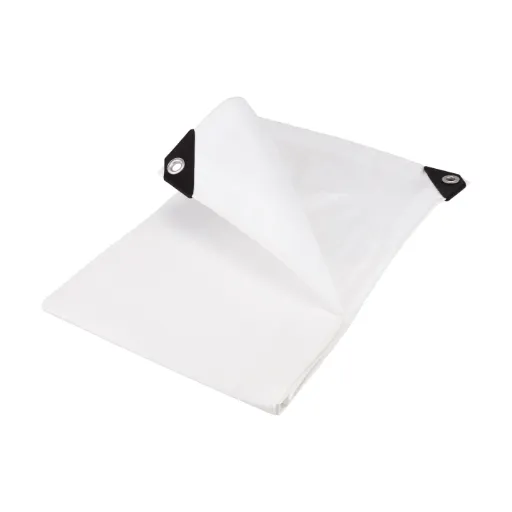


Oil & Gas Tarpaulin: Spill Containment & Safety Solutions
In the oil and gas sector, safety and the environment are the top priorities. The industry considers effective spill containment as one of the essential factors and that is when the oil & gas tarpaulins come into the picture. These specific tarps are meant to keep dangerous spills from spreading, save the environment, and also to keep their operations within the limits set by the industry’s strict regulations. So, how do these solutions function, and what is it that makes them so necessary for the operations in such risky environments? This paper will discuss the main advantages, uses, and factors that need to be taken into account regarding oil & gas tarpaulins, as they bring to light the ways in which they play a role in making the whole process safer and more sustainable.
Introduction to Tarpaulins in the Energy Sector
Definition and Importance of Tarpaulins
Tarpaulins, which are often called tarps, are strong and flexible materials that are used to protect and cover the equipment, structures, and materials from the elements like wind, rain, and UV rays. They are usually made of polyethylene or canvas and are popular because of their strength, water resistance, and versatility, making them an indispensable part of industries where strict protection is required.
In the oil and gas industry, tarpaulins are very significant in protecting the operations and keeping them safe. They are the ones that often get utilized to cover the expensive equipment from the tough weather, which, in turn, stops the equipment from getting damaged that may result in costly delays or even hazards. Moreover, tarpaulins help to hold the leaks and spills, thereby, the environmental impact of the operations is lessened and the sinks are being done in a more sustainable way. The tarpaulins by their protection ensure that the critical processes are still going on efficiently and that they are all within the environmental standards.
The significance of tarpaulins is not just limited to giving instant protection. They are considered to be cost savers in that they cut down on the maintenance of equipment, give less time for faults and defects, and thus, no potential claim for damages due to environmental destruction. Such a range of applications has made them suitable for every scenario—covering up machinery and on-site storage and creating a controlled environment by setting up barriers. This is certainly an indication of the indispensable role that tarpaulins play in keeping the energy sector’s safety, sustainability, and operational efficiency even in extreme conditions.
Overview of the Oil and Gas Industry
The oil and gas sector is a major force of the global energy supply that immensely contributes to the economic development in various places of the world. The industry is comprised of three large and main branches: upstream, midstream, and downstream. The upstream segment is about the discovering and obtaining of oil and gas deposits that are located under the ground, while the midstream part is responsible for the logistics and the main part of the distribution. The same way, the downstream is the end of the chain where crude oil is refined and natural gas is processed to create the end products that people use, like fuels, lubricants, and petrochemicals.
Fortunately, this huge sector is the main source in supplying the world’s energy requirements. Oil and gas together account for more than half the global energy use, and their demand is still on the rise. Oil is the primary fuel for the movement of people and goods, as well as for many industrial processes, whereas gas is used mainly for electricity generation, heating, and cooking purposes. Furthermore, the raw materials and chemicals present in the oil and gas industry are some of the main ingredients in the manufacturing of a wide range of products that are inseparable from modern-day living, for example, plastics, pharmaceuticals, and fertilizers.
Nevertheless, the fossil fuel industry has to face up to the different challenges one of which is to take care of the planet and the other to switch over to the renewable energy sources. The industry is transforming by putting more money into the environmentally friendly technology, carbon emissions reduction, and looking for the alternative energy solutions such as carbon capture and storage (CCS). All these above-mentioned activities are intended to maintain the energy security of the sector by playing a major role in its transformation towards being climate-friendly and environmentally sustainable.
Key Uses of Tarpaulins in the Sector
Tarpaulins have an important role in the oil and gas industry, providing durable and economical solutions for various applications. One of the main functions of tarpaulins is to protect equipment and materials from the outdoor environment and thus ensures a longer life, higher performance, and lower maintenance costs of the tools that need to be repaired after the damage caused by the weather.
Another major use of tarpaulins is on spill supervision and control. Usually, top-notch tarpaulins are used as the ground covers or liners to stop the leaking from hazardous materials, such as oil or chemicals, into the environment. This not only facilitates keeping within the limits set by the regulators but also helps in the prevention of environmental degradation to a certain extent.
Furthermore, tarpaulins are also used in providing temporary shelters and covered workspaces in remote or difficult-to-access locations. From building sites to drilling operations, tarpaulins are used as lightweight and portable solutions to protect workers from the bad weather, thus allowing for continuation of work without fear of losing safety and productivity. The range of applications for tarpaulins is so wide that their role in the sector of oil and gas becomes indispensable in the areas of operational efficiency and ecological responsibility.
Types of Tarpaulins for Industrial Applications

Heavy Duty Tarps
Heavy duty tarps are specifically made to survive and endure the harshest conditions, thus making them perfect for industrial use where durability and reliability are indispensable characteristics. Tarps of such strength are made of very strong materials like polyethylene, PVC, or canvas, which are lost through tearing, abrasion, and punctures. Many of them have fortifying edges and strong grommets to resist high winds or tension while being fastened.
Heavy-duty tarps are generally waterproof, UV resistant, and able to endure extreme temperatures up to the point where they are guaranteed to last in both hot and freezing climates. They are also used in the protection of large equipment, covering of construction materials, or as temporary roofing solutions. Tarpaulins of different sizes, colors, and thicknesses are available so industry can use what is more suitable for their specific needs.
Some of the features are flame retardant qualities, mildew resistance, or even biodegradable options for environmentally conscious customers. Statistics indicate that industries like agriculture, logistics, and construction are dependent on heavy-duty tarps because of their versatility and low-cost. Apart from the practical uses, the application of a high-quality tarp would curtail the weather-caused downtimes and help increase operational efficiency instead.
Waterproof and UV Resistant Tarpaulins
The use of waterproof and UV resistant tarpaulins is widespread among different industries due to performance as well as durability in extreme conditions. These tarps made from polyethylene or PVC are particularly designed to resist sun and rain for a long time. The UV resistance allows the tarp to not only stand the test of time but also remain effective for a longer duration. Moreover, the waterproof feature makes them perfect for keeping the equipment, cargo, and goods dry while the rain, moisture, or accidental spills are not a problem, thus, guaranteeing that the items will be safe and intact.
These tarps are very much in demand in different applications like agriculture, construction, and event planning. For instance, to protect the crops or animals or even the feed from the changing weather, farmers are using tarps which is a great way of reducing damage and saving resources. The waterproof and UV resistant tarps are very much needed on construction sites for covering materials and already existing structures, and this will not only prevent water from getting in and damaging the structures but also very costly delays will be avoided. In the same way, they provide outdoor events with shelter and protection from the weather that could disrupt the activities.
The innovations in canvas technology have made them more effective than ever, proving benefits like super-strong edges, sealed seams by heat, and no-tear properties among others to increase their life and reliability. Their versatility and economic efficiency have earned them no lesser than a key position in the arsenal of professionals that prefer protection as well as functionality. Moreover, in terms of sustainability, these tarps are seen as being very supportive as they extend the life of the equipment and materials that otherwise would have to be replaced, thereby, making high-quality protective solutions become a necessary evil in today’s resource-conscious world.
Flame Retardant and Reinforced Tarps
Flame retardant and reinforced tarps are vital in industries where safety and durability come first. Such tarps possess the properties of being able to resist ignition and also slow down the spread of flames thus making them very suitable for protecting not only the equipment but also the structures and personnel in areas with high risks like construction sites, warehouses, and even open-air events. They are made with either fire-resistant coatings or treated fabrics that conform with the industry’s highest standards that fire prevention (like NFPA 701 or CPAI-84), thus giving an extra layer of safety.
The robust construction adds the ability to withstand more, featuring materials like polyethylene or vinyl plus heavy-duty grommets and ripstop weaving. This makes sure that the tarps are able to resist the strong winds, heavy rains, and rough usage, thus they are perfect for long-term application. For example, the research has demonstrated that the usage of flame retardant tarpaulins could considerably lower the chances of incidents caused by fire since they will contain sparks or flames until they are too small to be a threat thus they will not be caught in the act and or contribute to the overall safety of the workplace and also cut down on costs.
Moreover, these tarps are usually designed to be able to work under extreme environmental conditions with UV-resistant coatings and waterproof properties that do not allow the material to degrade with time. The combination of fire resistance and reinforced durability equates to providing the tarps as a versatile and reliable protective solution, which is highly regarded in industries where compliance with safety regulations and the protection of resources are essentials.
Critical Functions of Tarpaulins in Spill Containment

Equipment Protection Strategies
The main reason for using tarpaulins is the protection of equipment, particularly in heavy industrial and construction sites where machinery and tools are often subjected to extreme conditions. Tarpaulins act as a barrier between environmental factors and industrial appliances and instruments. The use of tarpaulins allows for covering the equipment with heavy-duty, waterproof tarps which preserve and prolong the lifespan of the equipment and the business. Corrosion, malfunctioning of sensitive parts, and eventual extinction of the asset are the possible outcomes of not using the protective cover. Such protection not only leads to reduced repair costs but also less equipment-related unplanned downtimes.
Not only do high-quality tarpaulins market their general application, but they also come in many different variants designed specifically to meet the needs of the customer. For example, a breathable tarp is just the thing for ventilated equipment, which can easily turn into a watery trap due to condensation. On the other hand, if you are in a fire-risk area, flame-retardant tarps are a must. Besides, manufacturers continue to employ state-of-the-art technology to produce a range of tarps that resist tearing and bear the weight, thus delivering uniform performance under strict conditions. Tarpaulins that are made-to-order are another means of protection that fits precisely the shape of the equipment and thus prevents any part from being exposed to outside hazards.
The modern-day innovations in tarpaulin technology even go to the extent of using smart materials, such as temperature-sensitive coated tarps or heat-deflecting reflective layers. The research and development in the industry’s focus area of sustainable solutions goes in parallel with these technological developments since they are all about durable products that bring along the advantage of less waste and energy consumption. Getting the right tarpaulin for the specific equipment protection needs makes compliance with safety regulations not only a matter of course but also a sign of the employer’s taking risk management seriously and being up to the task. This tactical covering of the ground with tarpaulins does not only secure the operation but also plays a part in making the workplace safe.
Spill Containment Methods
Spill containment that works well is a crucial factor in the preservation of a safe and environmentally compliant workplace, mainly in the industries of manufacturing, construction, and oil and gas. It is a matter of employing substances containment strategies and tools that can stop the spilled ones from moving and contaminating the location of the spill, which can be soil, water, and air. The application of absorbent materials like pads, rolls, and granules is one of the most common tactics which can quickly soak up the spills and thus prevent the damage from spreading. Besides that, spill containment pallets and trays have been widely used to store liquid-filled containers, focusing on any leaks being captured before getting to the ground.
Attitudes towards spill containment have changed, and new products have come up that make it easier to manage hazardous spills. One such innovation is the portable spill berm, which enables one to contain a spill quickly by simply deploying the barrier. Innovative sealing technology on drains and floors ensures no liquid escapes even in complex infrastructure situations. These approaches not only increase safety at work but also support meeting strict environmental regulations. It is equally important that employees are properly trained to work with the materials and equipment so that the response time is reduced and accidents prevented.
The advantages of an effective spill containment policy are many. The right methods not only prevent the environment from being damaged but also save the company from regulatory fines and exposure of the workers to dangerous substances. Data obtained recently shows that companies that have installed full-fledged spill containment systems report a lower rate of incidents and a decrease in cleanup costs. Furthermore, companies can always improve their procedures by adding regular inspections and maintenance of spill containment equipment. In doing so, they cultivate a culture of safety and sustainability that not only protects their operations but also contributes to the environment through less pollution.
Site Covering Solutions
Covering solutions for sites are indispensable in reducing environmental risks and ensuring proper functioning. These solutions include strong protective coverings for different areas of work, which aim to stop the likelihood of hazardous spills, handle the debris, and limit the contamination. Site coverings made of high-density polyethylene or reinforced geomembranes are so tough that they not only keep sensitive surfaces safe from destruction but also guarantee the following of environmental regulations.
The latest in site covering technology is modular deployment systems and custom-fit designs, which give companies the opportunity to cover specific site areas with the special dimensions and operational requirements. A recent industry study revealed that companies using advanced site covering solutions are saving up to 30% on their cleanup costs and have significantly increased their compliance with regulations. Thru integrating site coverings and spill containment systems, a comprehensive offensive barrier is formed, thus improving both safety at the workplace and the environment.
Organizations that will embrace these state-of-the-art solutions can not only protect their sites but also optimize resource use and still be part of the long-term sustainability agenda.
Benefits of Using Tarpaulins in the Oil & Gas Industry

Exceptional Durability in Harsh Conditions
Tarpaulins have been made particularly to face the rough environmental conditions created in the oil and gas industry. Their vigorous build and super materials push the performance to the limits thus making them perfect for the long run in rough and unpredictable places. Below are five points that detail the durability of tarps:
- Resistance to Extreme Temperatures: Tarpaulins withstand both extremely hot and cold temperatures and function correctly at -40°F to 176°F (-40°C to 80°C) thus they can be used all over the world irrespective of climate.
- UV Protection: UV-resistant coatings are present in most tarpaulins which in turn protect them from degrading and thus help to prolong the life of the tarpaulins even when they are directly exposed to sunlight and harsh ultraviolet radiation for long periods.
- Waterproof and Weatherproof Properties: Purdy tarpaulins are produced using materials that are waterproof so they shed rain and snow, and wind-proof to a certain extent which ultimately gives them resistance to extreme weather.
- Chemical Resistance: Certain tarpaulins have been made to withstand oils, solvents, and other chemical substances, making them the choice for the oil and gas industry since this will not cause damage but rather maintain reliability.
- Tear and Abrasion Resistance: The strong fibers combined with the capacity to endure daily wear and heavy-duty usage without losing their integrity have turned tarpaulins into tremendously tear and abrasion-resistant materials.
All these features together make tarpaulins reliable protector and performer for a long time in the most difficult industrial environments.
Cost-Effectiveness of Tarpaulin Solutions
Tarpaulin solutions are a winning choice for various industries from the point of view of cost because of their durability, good flexibility and being affordable. Here are five main reasons pointing to the cost-efficiency of tarpaulins:
- Long Lifespan: Tarpaulins are built very strongly which makes them last for a very long time and thus the company has to make fewer replacements and the long-term expenses are also lowered.
- Low Maintenance Costs: Tarpaulins can take even the most terrible weather with very little care, hence the company does not spend as much on cleaning and repairing them as before.
- Reusability: Tarpaulins are among the few that can be used in many different ways, hence the company maximizes the value of its purchase and at the same time produces less waste.
- Affordable Initial Investment: When compared with other industrial materials, tarpaulins have a relatively low upfront cost, which is why they are an economical choice for a wide range of businesses.
- Energy and Resource Efficiency: The use of tarpaulins as insulation or weatherproofing not only cuts down on energy consumption but also indirectly lowers the heating or cooling costs in industrial and storage locations.
There is no doubt that these factors render tarpaulins a practical solution that strikes a balance between performance and cost, thus offering great value for a variety of applications.
Material Specifications and Manufacturing Technologies

Canvas vs. Plastic Tarpaulins
Canvas tarps are breathable, durable, and eco-friendly but less waterproof, while plastic tarps are lightweight, waterproof, and cost-effective but less durable and eco-friendly.
|
Aspect |
Canvas |
Plastic |
|---|---|---|
|
Strength |
High |
Moderate |
|
Waterproofing |
Resistant |
Complete |
|
Ventilation |
Yes |
No |
|
Mass |
Heavy |
Light |
|
Sustainability |
Yes |
No |
|
Price |
Higher |
Lower |
|
Sun Protection |
Moderate |
High |
|
Longevity |
Long |
Short |
|
Care |
High |
Low |
|
Application |
Long-term |
Short-term |
PVC and Polyethylene Tarps
PVC (Polyvinyl Chloride) and polyethylene (PE) have been the two most recognized and used choices in the tarpaulin market from the very first stage, with each having different characteristics, which are the main reasons why they are used in different applications. The nature of the PVC tarps are their durability, weather resistance, and flexibility, all these combine to make the tarps perfect for heavy-duty use, that is, in truck covers, industrial curtains, and containment solutions, among others. Besides, PVC tarps are usually reinforced with polyester mesh. Consequently, they possess high tensile strength, good tear resistance, and their performance is still good even in harsh outdoor conditions.
In contrast, polyethylene (PE) tarps are very versatile and while being lightweight they are also quite strong; thus, they are used commonly for temporary shelters, ground cover, and construction site protection among others which are all considered as budget-friendly alternatives. Polyethylene is a material that can withstand UV rays and is waterproof as well; moreover, it is very resistant to chemicals which makes it applicable even in the most diverse environments. HDPE (High-Density Polyethylene) is the most commonly used in these tarpaulins; hence, sturdiness and longevity are assured.
Technology in the manufacturing sector has taken to new levels that both materials are no longer mere plastics but have become almost the new generation ones. The convincing characteristics of PVC and PE such as flame retardation, anti-microbial properties and, recyclable are all eventually the result of the aforementioned advancements in the manufacturing industry. So the end users from agricultural to logistics no longer have to choose between sustainability, safety, and efficiency since both kinds of tarps are available that meet the modern requirements of these three parameters.
Advanced Manufacturing Techniques
The new advanced manufacturing techniques have set up a whole new era in the production process of PVC and polyethylene tarps and have resulted in improving their properties, longevity, and usability. The most important one among them is the employing of automatic precision machines in the weaving and coating procedure as the largest innovation by far. These machines provide uniformity in the fabric’s strength and texture and, consequently, that leads to the significant reduction of the material weaknesses and improvement of the quality overall. Besides, the modern-day computerized systems now make it possible to intricate customize the size and properties of the tarp catering to industrial demands, with the added advantage of reduced material waste.
Another major turning point is the blending of green manufacturing practices with the production of tarps. For example, lots of manufacturers are beginning to use renewable energy sources like solar and wind power in a bid to lower their carbon footprints while producing. Besides, high-tech recycling plants are being set up to reclaim the production offcuts as well as the post-consumer materials, leading to the production of less impactful tarps with the same quality as the high-end ones. This commitment to sustainability is an integral part of global efforts to support the creation of clean industries and at the same time, comply with the current legal requirements.
Moreover, the use of nanotechnology has been one of the fastest ways to make both PVC and polyethylene tarps more capable. The nanocoatings can give the user superior water repellency ability, UV-filter, and the non-bacterial property, hence maintaining the tarps’ performance even under very harsh conditions. The coating is extremely thin and light thus the tarp’s flexibility is maintained and at the same time, its functional value is boosted considerably. In short, successful delivery of the new manufacturing techniques is represented by the creation of tarps that are stronger, greener, and more versatile for the different needs of the industries throughout the world.
References
- Yale School of Public Health: Discusses strategies to mitigate hazards from oil and gas development, which may involve protective materials like tarpaulins.
- University of Maryland: Mentions the use of tarpaulins and other materials in fuel-oil systems and accessories.
- Emergency Response Guidebook 2020: Highlights the use of tarps in emergency response scenarios involving petroleum crude oil to minimize spreading and contamination.
- Click here to read more.
Frequently Asked Questions (FAQ)
Q: What is an oil gas tarpaulin and where is it used?
A: An oil gas tarp is an industrial-grade weatherproof covering that is mainly used in the oil and gas industry, particularly in offshore sites where gas and oil exist. In addition, these tarps offer expertise from the industry in protective solutions that are suitable for harsh conditions as they also protect outdoor equipment, reels, cargo, and temporary structures from weather, salt, and other contaminations.
Q: What materials and welding methods are used to make oil gas tarpaulins durable?
A: Generally, manufacturers utilize coated PVC, reinforced polyethylene, or heavy-duty fabric laminates with high-tensile cores. Seam welding, using hot-air or RF weld techniques, has replaced stitching to create joints that are both strong and leakproof and that can endure the harsh offshore conditions and prolonged outdoor exposure. Good quality of weld is crucial for safety in the energy industries applications.
Q: Can oil gas tarpaulins be made in custom sizes for specific projects?
A: Suppliers often sell oil gas tarpaulins that are made to custom sizes and are also designed to fit unique equipment, reel covers, or offshore cargo tarpaulins. Besides, engineers and fabricators help the client identify tarp dimensions, attachment points, and reinforcements, which allows the tarpaulin to harmonize with the logistics and lifting plans that are used in oil and gas operations.
Q: What considerations are important when selecting tarpaulin sizes and attachment points for offshore use?
A: Equipment base, lifting space, wind, and access for maintenance are critical factors for the selection of tarp size and attachment locations. Offshore cargo tarpaulins generally have to be made with reinforced corners, multiple lashing points, and compatibility with standard lifting slings. Areas around tarp sizes should include overlap for fastening securely and should also take into consideration flex under load.
Q: How do oil gas tarpaulins perform in harsh marine and outdoor environments?
A: First-rate oil gas tarpaulins are water-resistant, UV-stable, and treated to withstand salt corrosion and chemicals that are normally present in energy industry operations. Proper coatings and reinforced welds work together to ensure that the outdoors and stormy conditions do not compromise the integrity of the structure. Regular inspections and maintenance can double the life of the system even in challenging offshore environments.
Q: Are there specialized tarpaulins for reels and other specific equipment?
A: Indeed. To provide the highest protection, customized reel tarpaulins and reel covers are designed to prevent moisture and physical damage to cable, hose, and pipe reels. Moreover, these covers are equipped with the necessary contour shapes, options for ventilation, and places for lifting that are reinforced, thus tapping into the industry expertise to cater to the particular needs of the oil and gas sector.
Q: What certification or engineer involvement is recommended for tarpaulins used in energy industries projects?
A: In the case of critical offshore and gas applications, it is advisable to get a qualified engineer involved who will check the design, material choice, and lifting/attachment arrangements. Furthermore, many projects demand habitat properties, weld testing, and adherence to the client’s or regulatory standards in energy industries ascertaining secure deployment to be a part of their documentation.
Q: How do suppliers provide solutions designed for both onshore and offshore oil and gas projects?
A: Suppliers that have extensive experience in the industry will go a step further and not only offer the standard product lines but also customize them according to their customers’ needs so that they can cover a wide range of requirements, for example, from standard tarp sizes for onshore storage to robust offshore cargo tarpaulins and reel covers. They will also consider environmental exposure, operational procedures, and maintenance limitations before providing an integrated protective solution that is specifically designed for the oil gas tarpaulin market.