
Food Grade Tarpaulin: FDA Compliance & Food Safety
Safety and compliance are the top priorities in every industry that has to do with food storage, transport or production. Tarpaulins for food grade have turned out to be a solution that is necessary, as they provide a reliable and long-lasting way to protect the products and at the same time, keep the health standards. Besides, not all tarpaulins have the same characteristics – verifying their facilitation through FDA regulation is very important for the entire food safety chain. The article goes on to discuss all the various aspects related to food grade tarpaulins starting from their distinctive features to their contribution in the regulatory requirements compliance. If your business is located in agriculture, food logistics or manufacturing, then an understanding of these crucial materials can certainly help you a lot in defeating the adversities to your operations.
Introduction to Food Grade Tarpaulin
What is Food Grade Tarpaulin?
Food-grade tarpaulin is an industrious material that is manufactured with the intent of catering to the demanding safety and hygiene conditions posed by food and beverage industries. It is made of sturdy and clean materials that guarantee no food poisoning through the contact of the tarp. The safety of these tarpaulins is often verified with regulatory standards such as those set by the FDA that allow them to be used in direct or indirect food applications.
The main aspect of food-grade tarpaulin that is moisture, grease, and stains resistant and this feature not only reduces the possibility of accidental contamination during food transportation or storage but also the cleanliness of the area where food is kept. Because the surface is non-porous, washing and disinfecting is easy thus it can be reused without any possibility of contamination risk. The material is strong enough that it can defend food against external forces such as rain, dust, or pests, hence giving food-related operations a reliable layer of safety.
Food grade tarps are used extensively in different domains of the industry such as agriculture for covering crops, the food industry for containment, and logistics for protecting the goods during transport. Their ability to meet food safety standards plays an important role in making them an indispensable tool for the businesses that aspire to have the highest quality of safety and sanitation practices. It is through their understanding of the function and advantages that the selection of materials for food-related applications is facilitated.
Importance of FDA Compliance in Food Safety
FDA compliance is extremely important in guaranteeing the security and quality of food products. The Food and Drug Administration (FDA) sets up very strict guidelines and implements them to secure the public health, and requires the materials and practices in food’s production, processing and packaging to be at the established safety standards. One of the main advantages of the conformity with these rules is the reduced chance of contamination and therefore the safety of the food products for further consumption.
Moreover, being in line with the FDA regulations increases consumer trust and brand loyalty for the businesses. The use of FDA-compliant materials, including approved food-grade plastics and coatings, acts as an additional guarantee for the products that they are adhering to the hygiene and safety protocols. This is most important in food-related industries where the consumer’s safety is directly influenced by the materials that touch the food.
Not being able to comply with FDA regulations would lead to very serious repercussions such as product recalls, damaged consumer trust, and lawsuits. Nevertheless, compliance with FDA standards not only allows businesses to guarantee the well-being and safety of their customers but also puts them in a position of maintaining an ethical and legally responsible operational framework that is up to date.
Overview of Tarpaulin Varieties
Tarpaulins are also called tarps and come in various materials, each of them having its unique set of applications. Among the major types of tarpaulins are polyethylene (PE) tarpaulins, canvas tarpaulins, and vinyl tarpaulins. PE tarpaulins are characterized by their lightness, water resistance, and their major use in temporary cover solutions, for instance, during the construction of buildings, as protection for the materials or when forming temporary shelters. In contrast, canvas tarpaulins are heavyweight, breathable, and ideal for the goods that require both protection and air flow, such as the case with agricultural products. Vinyl tarpaulins, due to their high durability, waterproof, and extreme weather resistant properties, find their application in long-term outdoor uses.
The other type is mesh and PVC tarpaulins. Mesh tarpaulins are mainly used in applications that require partial airflow or only a little light to penetrate, like shading in greenhouses or covering scaffolding. The PVC-coated tarpaulins are much stronger and versatile which are very often used in transport, industrial storage, and other heavy-duty applications. These tarps offer UV protection and resist wear and tear due to the prolonged exposure to the elements.
The right tarpaulin is a matter of use, durability, and environmental conditions. For light and temporary needs, PE tarps are cost-effective and easy to handle. For heavy-duty or long-term applications, vinyl and PVC-coated tarps get recommended because of their great strength and weatherproof qualities. When the different types of tarpaulin are known, then the right one can be selected by businesses and individuals according to their needs.
Materials Used in Food Grade Tarpaulin

PVC Tarpaulin: Characteristics and Benefits
PVC tarpaulin is a top-tier material in terms of quality and versatility, having the distinctive properties of being long-lasting, pliable, and impervious to water. As a direct result of this, it is often used in food-grade applications, among others. The process of making these tarps involves using a base polyester fabric that is coated with PVC (polyvinyl chloride), which gives them resistance against tearing, UV rays, chemicals, and even extreme weather. Thus, they will last and be trustworthy even in tough conditions.
One of the largest advantages of using PVC tarpaulin for food-grade applications is that it meets the required standards of safety and hygiene. This material, when processed, can be made to be non-toxic, anti-microbial, and easy to clean which will reduce the chances of contamination when used for food items’ covering or storing. Besides, its property of keeping the shape through a wide temperature range makes it an excellent choice for cold storage and transportation needs.
Moreover, the customization options for PVC tarpaulin which include thickness, colors, and coatings allow the industries to create their own solutions based on the specific requirements. Taking advantage of these features, companies can be able to practice the safe, eco-friendly, and efficient methods in the handling and storing of food products.
TPU Tarpaulin: A High Quality Alternative
TPU (Thermoplastic Polyurethane) tarpaulin has quickly established itself as a multifunctional and high-performing option to classic materials while providing still more than one of the most important benefits, such as durability and less harm for the environment. TPU tarpaulins are the ones that withstand the most challenges with environmental conditions—they are mostly used for outdoor shelters, inflatable structures, and flexible storage tanks. As compared to PVC, TPU comes out more eco-friendly due to the fact that it can be recycled and does not contain any plasticizers that are harmful to the environment.
Flexibility is another great feature of TPU tarpaulin, which is recognized over a very wide temperature range and even during extreme cold and heat the integrity is kept. Hence, it is the material of choice for medical, food storage, and high-performance sporting goods industries. With the development of TPU technology, these tarpaulins often come along with increased UV resistance, waterproofing, and better tensile strength, thus, conforming to very strict operational standards.
The TPU tarpaulins have been increasingly embraced by industries all over the world as an eco-friendly and first-rate alternative, which guarantees that products will meet both the functional and environmental requirements efficiently.
Comparing PVC and TPU for Food Safety
The key differences between PVC and TPU for food safety are: TPU is non-toxic, BPA-free, and eco-friendly, while PVC may release harmful chemicals and is less sustainable. Here’s a concise table summarizing the comparison:
Applications of Food Grade Tarpaulin

Use in Water Tanks and Storage Solutions
The application of food grade tarpaulins in the water tank and storage solutions sector was quite vast and its advantages were seen in terms of safety and efficiency in the use of certain areas. Such tarpaulins would not solely be utilized in the case where hygiene and durability are the main considerations, but they would also still make perfect applications in the case where these are the least considerations, since they meet the requirements for food safety, thus, keeping the water or liquid stored through them unpolluted. Following are five specific cases where and how food grade tarpaulins are making it even more effective:
1. Portable Water Storage Tanks
Lightweight, foldable, and leak-proof solution – all these features make food grade tarpaulins a perfect fit for temporary or mobile water storage depending on the situation. The food grade properties that these tarpaulins have, help minimize water contamination risks making them ideal for emergency and remote-area applications.
2. Rainwater Harvesting Systems
The usage of food grade tarpaulins as rainwater collection tank linings is a good practice and this guarantees that the water will always be clean. The linings have a special quality that is able to resist mold (mildew) and bacteria thus keeping the water fresh for a longer period.
3. Agricultural Water Storage
These tarpaulins are very suitable for both irrigation systems and agricultural use and they can cover even large tanks or can be used in small water storage units. This is because of their UV resistance, which prevents the damage done by sun exposure even if this lasts for a long time, thus their long-term reliability is assured.
4. Industrial Liquid Storage
Food grade tarpaulins are used by the industrial sector for various liquid storage such as edible oils or water-based food ingredients. Besides the adherence to strict safety regulations, these tarpaulins also help maintain the quality of the stored liquids.
5. Fish Farming Tanks
By the use of food grade tarpaulins, the health of the aquatic organisms is guaranteed as well as the water environment is kept intact. This is because these tarpaulins have been employed as liners for the fish ponds and aquaculture tanks due to their nontoxic and durable properties, hence, their waterproof nature as well.
Applications of food grade tarpaulins have demonstrated their versatility and safety, hence, making them indispensable in contemporary water storage and management systems. Their durability and compliance with food safety standards have guaranteed good performance in different settings.
Food Transportation and Packaging
Food grade tarpaulins are essential for the safe and hygienic transportation and packaging of food items. Their compliance and reliability with high safety standards render them capable to secure foods against contamination as well as environmental factors during transit. The following are five main usages of food-grade tarpaulins in the sector of food transportation and packaging:
- ✓
Covering Fresh Produce: Protects fruits and vegetables from getting spoiled by sunlight, rain, and dust while keeps the freshness during transport. - ✓
Pallet Wraps: Provides wrapping that is both secure and sanitary around food pallets, thus ensuring stability and eliminating the danger of contamination. - ✓
Tank Liners for Bulk Liquids: Serving in the capacity of liners in tanks that are transporting edible oils, syrups, and other liquid food items so as to prevent leaks and maintain food-grade standard. - ✓
Truck Covers: It does the work of protective covers on trucks that are carrying bulk or packaged food items, protecting them from the weather and pests which are considered as outside elements. - ✓
Seafood Insulation: To be used for lining containers for transporting fresh or frozen seafood, which has the temperature control and hygiene guarantee.
These applications are indispensable for keeping the food quality and safety along its supply chain.
Heavy Duty Applications in Various Industries
Heavy-duty materials and equipment are indispensable in the machinery and equipment industries due to the factors of their longevity, strength, and dependability. Heavy-duty applications are constructed to not only survive but also to provide uninterrupted performance. The following paragraphs contain five important heavy-duty applications together with their particulars:
Construction Equipment Components: Heavy steel and metal reinforced materials are the choices of the manufacture for making parts of excavators, bulldozers, cranes, etc. These materials fortify the structure when stressed and are still usable in many different weather conditions.
Mining Machinery: Strong and resistant to wearing materials are the absolute must for the mining tools like drills, crushers, and loaders. These parts take the full heat of the abrasive and harsh environment for a long time.
Agricultural Machinery: Tractors, plows, and harvesters, among others, are equipped with extra durable materials to be able to cope with the intensive farm work of uneven fields and unfavorable weather conditions.
Shipping Containers: Heavy-duty steel is the major material involved in the manufacture of shipping containers, hence, the goods being transported and stored are well-protected from impacts, corrosion, and severe weather.
Oil and Gas Equipment: The extreme operating conditions in the oil and gas industry call for the use of super durable materials for components like pipelines, drill bits, and safety valves. These materials have to be able to put up with corrosion, high pressure, and extreme temperature.
The above applications are vivid demonstrations of the impact that heavy-duty materials have not only in terms of productivity but also safety and life-span across diverse industries.
Safety Certifications and Regulatory Compliance

Regulatory Standards for Food Grade Tarpaulin
Food grade tarpaulins are produced under stringent safety and hygiene standards that guarantee the products are suitable for food-related applications. The main rule that these materials have to abide by is the Food and Drug Administration (FDA) compliance in the USA. Tarpaulins approved by FDA mean that the raw materials, like polyethylene or polypropylene, used in their making are not toxic, do not contain heavy metals, and are safe for direct or indirect contact with food. Besides, they must also have the properties such as being resistant to contamination, not leaching harmful substances, and being easy to clean and maintain.
There are other significant international regulations in the picture, like the food contact materials (FCM) standard of the European Union’s Regulation (EC) No 1935/2004, which is one of the main standards for material in contact with food. This regulation prevents food-grade tarpaulins from changing the composition, taste or nutritional quality of the food they protect. Hence, the manufacturers must perform migration tests to guarantee that not even the tiniest amount of harmful chemicals is passed from the tarpaulin to the food directly or indirectly. Such a high protection level not only gives businesses but also consumers a guarantee of the safety and reliability of food-grade tarpaulins in catering, transportation, and storage.
Moreover, international certifications like that of the International Organization for Standardization (ISO) further enhance the quality and safety of food-grade tarpaulins. Among ISO standards, ISO 22000 is a food safety management systems standard and controls the manufacturing processes thoroughly. This standard is partnered with third-party audits and testing for microbe resistance, UV stability, and durability under a range of environmental conditions, thus, guaranteeing that food-grade tarpaulins are made to withstand the most stringent safety and regulatory requirements. Besides, they get the benefit of being aligned with the best practices in food safety and global compliance through the stringent standards.
Importance of Compliance in Industrial Settings
Compliance in the industrial environment and the ability to operate efficiently, safely, and sustainably are interconnected. It is not merely a legal obligation but rather a key element of an organization’s existence. Observing all the established laws, rules, and standards, industry managers first preserve the lives of employees and secondly protect the company from potential legal and financial repercussions. For example, the food industry, among other things, has to enforce strict hygiene standards and ensure that all materials and equipment, such as food-grade tarpaulins, are, in terms of safety and quality, up to regulatory standards. The non-observance of regulations in these areas can result in disastrous outcomes, including product recalls, loss of public confidence, and huge fines.
Compliance is considered an innovation driver and a factor for the whole industry progression beyond regulatory mandates. Prescribing standards unconsciously forces organizations to practice and adopt the latest technologies which eventually improve productivity and in turn reduce the amount of resources used. The same thing can be said for the impact of new manufacturing materials and their applications on the environmental standards of the industrial equipment that including tarpaulins. Besides, these developments help meet the goals of reducing industrial waste and lower carbon footprints which are among the global goals. Therefore, compliance not only keeps businesses in line with the current regulations but also makes them more flexible in adapting to future norms and expectations.
Moreover, compliance is a tool for establishing credibility and cultivating trust among the stakeholders. On the one hand, safety and quality compliant industrial firms show to be responsible and thus gain trust among customers, investors, and partners. On the other hand, this trust is a critical factor more than ever in the areas of food production, construction, and transportation, where a single case of non-compliance could cause extensive devastating consequences. Companies that make compliance a priority strengthen their reputation, thus guaranteeing long-term growth and resilience in an already overly competitive global market.
Key Factors to Consider When Purchasing Food Grade Tarpaulin
Durability and Heavy Duty Considerations
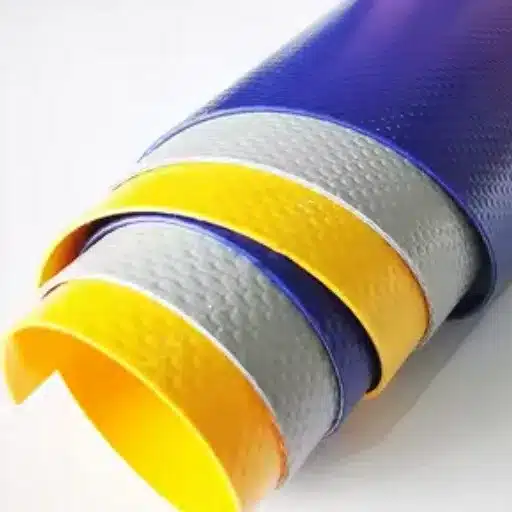
Among all factors to consider, durability is the one that most importantly determines the selection of a food grade tarpaulin. Quite often these tarpaulins suffer from extreme weather conditions, heavy loads, and the toughest daily usages. The life span of the tarpaulin has a lot to do with the material choice when it comes to food grade tarpaulin manufacturers; if they use reinforced poly and PVC-coated fabrics, durability will be guaranteed. To ensure resistance against the pulling and the weights of the items thus covered or transported, the stitching and seams should be reinforced. This durability is vital to the protection and safety of food products, especially in the case of agriculture and logistics where efficiency and compliance are main concerns.
⚠️ Important Considerations
Moreover, heavy-duty tarpaulins that are constructed for food use must be compliant with stringent hygiene as well as safety standards. The material in use should be non-toxic, BPA-free, and FDA or similar food safety regulations compliant in order to avoid contamination. It is also important that the tarpaulin is resistant to mildew, molds, and UV rays.
UV resistance is necessary since the sunlight can make the material weak and this will, in turn, affect its protection abilities. Products with eyelets or grommets that are anti-corrosive can also enhance their longevity as they allow secure fastening without compromising the usability of the tarp under stress.
Lastly, the thickness of the tarpaulin, which is measured in mils or GSM (grams per square meter), is a factor to be taken into account that significantly affects the performance of the tarpaulin during heavy-duty applications. Usually, thicker tarpaulins feature the best tensile strength, scratch resistance, and load-carrying capacity. For businesses, a premium-quality food grade tarpaulin that lasts long may seem an expensive upfront investment but will eventually cut the company’s costs in the long run due to the reduced frequency of replacements. By combining durability and adherence to compliance requirements, companies can have smooth operations, better safety measures, and a secure supply chain.
Chemical Resistance and Waterproof Features
The key elements of the best food-grade tarpaulins are chemical resistance and waterproof properties. These characteristics mean that the cloth can be safely used in contact with various substances, that is, oils, acids, and cleaning agents, and still maintain its original appearance. For the industries that depend on food processing or movement, this resistance the hygiene and that the products do not get contaminated. The modern tarpaulins are capable of attracting more water and resisting the chemicals through the application of special coatings or treatments, thus giving them a long life even in the most challenging situations.
Recent study data proving the importance of these properties as protecting agents for foodstuffs. A tough waterproof barrier does not allow moisture to infiltrate packaged products, which may—over time—have consequences like spoilage or the formation of bacteria. On the other hand, the chemical resistance does not permit that the external contaminants, such as industrial cleaners or accidental spills, penetrate or corrode the tarp surface. This dual-protection system makes it possible for businesses to meet the strict safety requirements and at the same time reduce waste and keep the quality of goods that are sold to consumers.
💡 Advanced Technology Insight
The usage of advanced manufacturing technologies has also resulted in the innovation of multi-layered tarpaulins, which are combining excellent waterproofing with strong chemical resistance. One of the examples is the use of polyvinyl chloride (PVC) and polyethylene as raw materials, which, in addition to their chemical inertness, possess high impermeability. Such improvements not only make the fabric last longer but also offer the business—by virtue of being more cost-effective—less maintenance. Therefore, with the features of the food-grade tarpaulin matching up to the operational requirements, one can optimize performance and preserve a secure supply chain through evaluation.
References
- University of Arkansas Extension: Discusses safe tarpaulin aeration practices in food-related fumigation.
- University of Nebraska-Lincoln Extension: Mentions the use of tarps or plastic sheeting in food manufacturing facilities, emphasizing food-grade materials.
- Click here to read more.
Frequently Asked Questions (FAQ)
Q: What is it exactly that a food grade tarpaulin is and in what ways does it differ from the regular tarpaulin?
A: A food grade tarpaulin is a textile layer that is coated with a material which is constantly food-safe, non-toxic, and according to food contact standards; unlike the regular tarpaulin, this one uses such materials as food grade TPU or PVC food grade coatings which are resistant to contamination, offer waterproof protection, and are suitable for food storage, water tank liners, and agriculture and processing tarpaulin sheets.
Q: Are the materials used for the food grade tarpaulin PVC, TPU, or polyester?
A: Food grade tarpaulins often consist of a combination of PVC coated tarpaulin, food grade TPU, and polyester textile backings; PVC food grade offers the best of both worlds with the durability of PVC coating and the reliable quality of waterproof properties, and on the other hand, food grade TPU tarpaulin has all the qualities of flexibility, long life, and excellent resistance to abrasion and aging making both alternatives appropriate based on the use.
Q: Is a food grade tarpaulin adaptable to be used for tanks, tents, or even water containment?
A: The answer is yes, a large number of suppliers provide the opportunity to tailor food grade tarpaulin specifically for tanks, tank liners, tents, tarpaulin sheets, and water applications; the adaptation can cover dimension, thickness of the coating, reinforcement types, welding or seam kinds, and markings printed to ensure the requirements of a specific containment of waterproof and food-safe are met.
Q: What is the performance of PVC coated tarpaulin in terms of its lifespan, resistance to UV light, and aging?
A: A PVC coated tarpaulin is a tough, sun-resistant, and UV-leeching shield that has a long life expectancy; top-notch food-grade PVC tarps are made with layers of polyester textiles that reinforce the tarp and are also treated to be long-lasting as well as strong in terms of being able to withstand harsh weather, wear, and also fire-retardant options if needed.
Q: Is food grade TPU better than PVC for applications where potable water or food might come into contact with the material?
A: Food grade TPU typically outdoes the flexibility, permeability, and resistance to plasticizers and oils of traditional PVC; hence, TPU for the water tank liner and direct food contact applications is the perfect option; however, PVC food grade is a widely accepted and economical solution, that is applicable when properly certified and maintained.
Q: What certifications and compliance should I look for when choosing a food-grade tarpaulin supplier?
A: Look for certifications that provide evidence of the use of food-safe materials, non-toxic coatings, and compliance with the regional standards (like FDA, EU food contact regulations, or equivalents); a credible supplier should be able to show documents on grade PVC tarpaulin or food-grade TPU compliance, furnish test reports on substances, and prove that they are good quality manufacturers like Derflex or other known coated fabric manufacturers.
Q: In what ways should food-grade tarps be taken care of to guarantee their durability and safety?
A: Food-grade tarp can be maintained by cleaning with approved, non-toxic cleaners at regular intervals, being careful not to use strong solvents that might destroy PVC coating or TPU, checking for holes or seam failures, keeping them in the shade when possible so as not to expose them to the sun for a long time, and doing the necessary repairs or replacing parts in order to avoid contamination; proper care prolongs the life of the tarp and keeps the waterproof and food-safe functions active.
Q: Are food-grade tarps non-flammable and able to take on heavy-duty industrial use?
A: A lot of food-grade tarpaulins come with flame-retardant treatment and heavy-duty construction; manufacturers have the capability of making PVC tarps that are both non-flammable and provide a rugged performance for industrial, agricultural, and containment uses while still being able to meet the food-safe criteria—always check for flame certification with the supplier.