
Container Tarpaulin: Shipping Protection & Cargo Security
Global shipping, alongside logistics, has safeguarding cargo as the main concern. Valuable goods are at the end of the transport process where they might be damaged or lost because of moisture, dust, or rough weather. This is the time for tarpaulins for containers. They are strong but yet unnoticed and underappreciated, their main purpose is to cover and protect the cargo in the shipping industry thus ensuring that the goods get to their final place safe and sound. Soon, the article will discuss the significance of container tarpaulins, their advantages, and how they help in both shipping protection and cargo security. Keep reading to find out why they are indispensable for contemporary logistics.
Understanding Container Tarpaulins
What is a Container Tarpaulin?
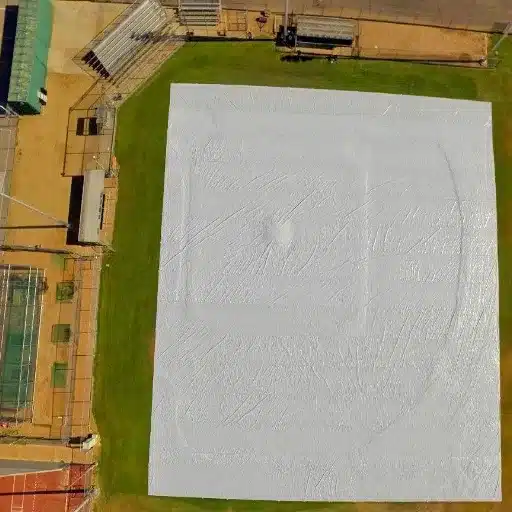
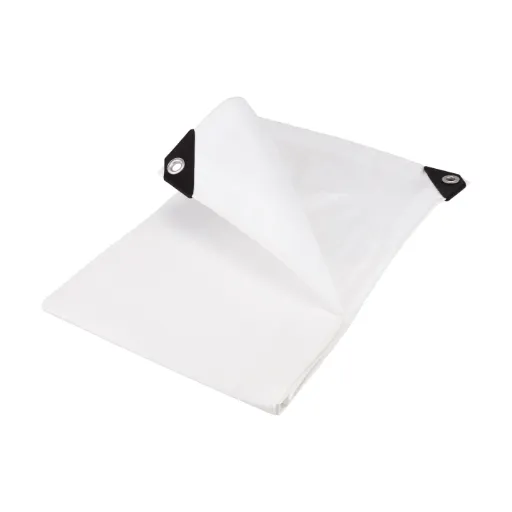
A container tarpaulin is an exceptionally robust covering that is made of a strong, durable, and weather-resistant material to cover and protect cargo when containers are transported. Normally, these tarpaulins are made from PVC-coated fabrics or polyethylene, which are the most commonly used materials, thus being able to stand even the most extreme weather conditions, UV radiation, and physical abrasion. Their main function is to stop damage caused by the environmental elements such as rain, wind, and dust, which could otherwise spoil the cargo and make it unfit for sale during transit.
Not only are container tarpaulins constructed for that purpose, but they also have another important feature—flexibility. They are made in such a way that they will fit nicely on top of the standard shipping containers, usually having reinforced eyelets, straps, or hooks for securing them easily. As a result, a snug and trustworthy seal can be established that not only keeps the goods dry and clean from dust but also makes the items stay put during long trips or rough handling.
The advantage of using container tarpaulins is that they will allow companies to increase the security and the lifespan of their shipments. The covers not only act as a barrier to the cargo but also cut down the chances of encountering financial losses caused by goods being damaged. In addition, they are said to play a major role in promoting eco-friendly shipping methods, thus, becoming indispensable in modern logistics and supply chain management due to their ability to reduce disposable packing material sources.
Types of Container Tarps
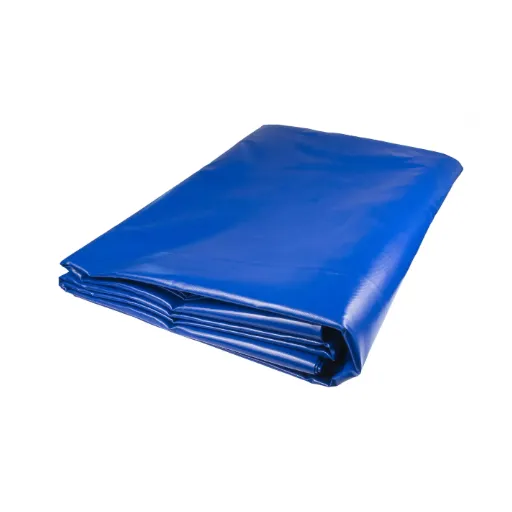
There are different types of container tarpaulins, each tailored for specific needs regarding transportation and storage. One such type that is regularly used a lot is the PVC-coated tarp, which is extremely durable and resistant to weather. These tarps can utterly shield the cargo from the elements rain, UV rays, or snow to be the most extreme ones. Their seven-pronged structure hence, has it that the goods are kept and covered very safely during the whole period of transit.
On the other hand, the polyethylene (PE) tarp is another leading option, which is noted for its quality of being lightweight and inexpensive. These tarps are perfectly suitable for a short time and give great water and dust protection. PVC tarps are not as tough as they are but PE tarps are still used a lot for non-perishable and in-series coverings where lighter materials are wanted.
There are also insulated tarps for more exclusive requirements that keep temperature-sensitive shipments. These tarps are made of insulating materials that assist in keeping the temperature inside constant and thus, they are perfect for transporting perishable goods like fruits, vegetables, or pharmaceuticals. This type of tarp is absolutely necessary for the companies dealing with cold-chain logistics, as it reduces the chances of spoilage during transport to the minimum.
Materials Used in Container Covers
Usually, covers for containers are created from strong and resistant-to-weather materials in order to give maximum protection to the products beneath. One of the most widely used materials is polyethylene (PE), famous for its fantastic water resistance and UV suppression. PE is bulky but not heavy, thus it is ideally a material that endures extreme weather conditions and keeps the cargo safe during transit.
Another material that is often used is polyvinyl chloride (PVC). The features of this material are praised by its strength, elasticity and capacity to conquer moisture and chemical attacks. PVC covers are frequently employed in very demanding situations where extra durability is a must, for instance, long-distance shipments or industrial storage solutions.
For unique requirements, some container covers are made from multilayered fabrics, integrating aluminum foil laminates for thermal insulation and reflective properties. Using these covers, especially in the case of temperature-sensitive goods, the application of heaters or coolers can be avoided, i.e. the product won’t be affected by the extreme external heat or cold. These materials bring the protective efforts to a higher level, thus ensuring the safety and quality of the products being transported or stored.
Benefits of Using Container Tarpaulins
Waterproof Features
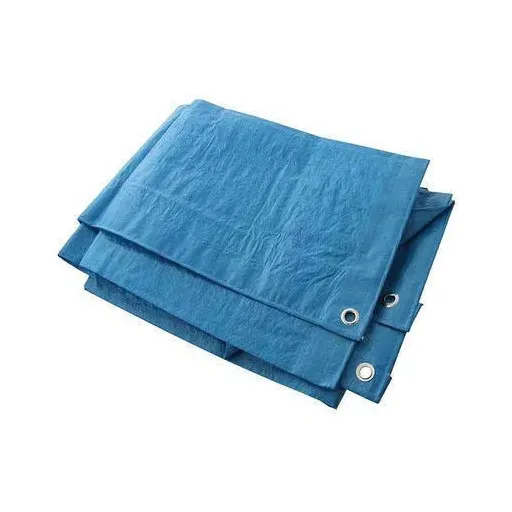
Tarpaulins for containers that come with waterproof attributes provide a wide range of benefits, thus giving a surefire guarantee against moisture, rain, and other environmental factors. This particular quality is very critical in maintaining the goods’ quality throughout their journey or in the warehouse. The following are five main waterproof advantages:
- Water Damage Prevention – Water resistant tarpaulins allow water to seep through the contents of containers, thereby shielding them from and rain, flooding, or even drying up quickly due to the above.
- Enhanced Lifespan – The water-resisting tarpaulins are durable enough to withstand use and overlook their water-repellent nature. They can thus be termed as synonyms to longevity in the case of their use.
- Mold and Mildew Prevention – Waterproof tarpaulin not only keeps water out but also makes it hard for mold and mildew spores to thrive. Thus, it greatly reduces the risk of losing sensitive or organic materials through decay.
- Weather Barrier – Waterproof tarpaulins will not fail you as they keep your goods safe in all kinds of weather including heavy rains, storms, and sleet.
- Cost Savings – Water proofing prevents goods from getting damaged and therefore, cuts down on the financial losses that are usually incurred from restoration or replacement of such goods.
Thus, the significance of waterproof tarpaulins in conserving goods that are being transported or stored is manifested by each of these features. Furthermore, it guarantees that the goods will survive even in the most unpredictable environments.
UV Resistance
Waterproof tarpaulins, with their improved UV resistance, are created to shield the cargo from the sun’s welcome but unkind rays. The sun’s rays are especially issuing in the certain areas where the aforementioned sources of materials decay, lose their colors, and eventually become less vigorous. To mention it simply, here are the uplifting points regarding the UV-resistant tarpaulins:
- Durability for a Longer Time – Tarpaulins that are resistant to UV rays and are intended for outdoor usage have coating or material that constrains the fabric’s demise due to the rays of the sun. Thus, the product lasts longer than usual.
- Colorkeeping – The properties of UV resistance work in favor of the tarpaulin, keeping its shades and hues alive, and, as a consequence, the tarpaulin does not turn dull.
- Control of Temperature – A few tarpaulins, which are UV resistant, can reflect the rays of the sun and this way they can help to keep the temperature under the cover at a certain level. This feature is a plus for the heat-sensitive goods.
- Minimized Degradation Chance – The use of the tarps ensures there are no cases of cracking, becoming brittle, or weakening the material that could otherwise lead to the loss of the protective qualities.
- Sustainability – For the purpose of industrial or agricultural practices, the use of UV-resistant tarpaulins means less need for cooling systems or protective measures, which leads to energy and cost savings.
The combination of these tarpaulins’ UV resistance with other features has certainly made them trustworthy and hence suitable for long outdoor use in various sectors.
Heavy Duty and Durability
UV-resistant tarpaulins are not only resistant to UV rays but also to extreme conditions and have a long life span due to the strong nature of the material. They are trusted for both commercial and industrial purposes because of their heavy-duty characteristics. The following are five main aspects that make them heavy-duty and durable:
- High-Quality Material Composition – Using very strong materials like PVC or polyethylene, these tarpaulins are very hard to tear and resist abrasion which makes them a good choice for harsh environments and long-term protection.
- Reinforced Edges and Grommets – These tarpaulins are provided with reinforced edges and rust-resistant grommets which makes them a secure and stable fixture even in windy or high-stress conditions.
- Enhanced Waterproofing – These tarpaulins are designed not to allow any water or moisture to come through the coating and thus are able to keep the covered items dry and safe even during the heavy rainfall or humid conditions.
- Extreme Temperature Resistance – These tarpaulins are made to use in extreme temperatures, they will not crack or sag under the heat anymore than they would in freezing conditions.
- High Tear Strength – Advanced weaving and cross-laminating technique is the reason behind the excellent tear strength of these tarpaulins which makes them fit for the toughest applications in construction, agriculture, and logistics.
It is the combination of heavy-duty features that is the reason why UV-resistant tarpaulins are a reliable option for use in difficult environments for the long term.
Primary and Secondary Uses of Container Tarps

Protecting Cargo During Shipping
Container tarps are critical for the safety and preservation of goods in transit. These strong and highly functional covers are made to protect the goods from the bad weather, which may include heavy rain, snow, and scorching sunlight, that might ruin the products. Through providing strong waterproofing and UV resistance, container tarps become a must-have for shipping companies that want to keep their goods of high quality and avoid losses. On the other hand, they help to prevent the risks of moisture exposure, which may lead to rust, mold, or spoilage, especially for perishable or sensitive items.
uv resistant tarpaulins, for example, are weatherproof and at the same time made for handling the rigors of long-haul trips. Their superb breaking strength and unbreakable nature even under the most stressful conditions, coupled with rough handling or strong winds during transit, give the assurance of the goods being safe throughout the journey. These aspects are what make the container tarps very much sought in the agricultural, manufacturing, and construction industries, where the safe transportation of goods is a major worry that can affect business operations. In addition, the simplicity of fastening and adapting of the tarps makes it possible to use them for covering different sizes of containers and types of cargo without losing efficiency.
Moreover, the use of high-quality container tarps is one way to go green in shipping. The prolonged lifespan of the protective covers and the reduced need for frequent replacements are some of the ways businesses can cut down on waste and their environmental impact. Besides that, the investment in the tarps means a reduction in the volume of damaged goods hence, a reduction in financial losses and an increase in customer satisfaction at the same time. In brief, container tarps are indispensably used in modern logistics as they provide a practical and cost-effective solution against the unpredictable shipping environment challenges.
Storage Solutions for Open Top Containers
Open top containers are instrumental in carrying huge loads that cannot be accommodated in standard containers, such as heavy machinery, building materials, and unorthodoxly shaped equipment. Nevertheless, these containers are more prone to the effects of the environment, such as rain, dust, and extreme temperatures, because of the open-top design. To counteract these weaknesses, it is a must to embed strong storage solutions to preserve the safety and integrity of the transported goods.
One of the best storage solutions for open top containers is the covering with tough and waterproof tarpaulins. These tarpaulins work as the main protective measure to keep cargo out of moisture, UV rays, and dirt. The top-grade tarpaulins are made to last long even in the most unfavorable shipping conditions and come with features such as edges that are reinforced, grommets for easy and secure fastening, and sizes that can be made to fit any container’s dimensions. By using these tarps, companies can lower their chances of incurring losses from repairs or quality deterioration due to the weather, thus keeping their shipments at a high quality while incurring low costs.
Moreover, the implementation of internal bracing and support systems for cargo stabilization is an innovative method. Open top containers and unguarded demands for extra precautions necessary for the shifting or damage of the items in transit. Cargo straps, padding, and wooden or metal braces can be used up to the point where the items are totally secured in their positions. Insulated liners, or thermal blankets can work as an extra layer for protection against severe weather conditions if the goods are temperature-sensitive. Practicing these effective solutions will not only help businesses to make their open top containers storage more efficient but also their whole logistics operations to be more reliable.
Industrial Applications for Container Covers
Container covers have become a necessity in numerous industries to the utmost extent to transport and protect the goods efficiently. In the construction industry, heavy machinery, massive timber and steel, and other oversized items are often kept safe from the elements by strong tarps or custom container roofs. The same goes for the agricultural sector, where on the example of grains or vegetables, covers are used for the shipment of crops in bulk ensuring quality during transport through nature’s factors being well taken care of.
Another major use is in the waste management and recycling sector, where the use of container covers has become a common practice that not only prevents spillage but also contains odors, and shields waste from rainfall consequently making the sanitary conditions better. The energy area too, when dealing with sensitive tools for solar power installation or wind turbine parts, requires such protection, which could be offered by container covers, against accidental damage during transit.
The inventive container cover designs made out of waterproof and UV-resistant materials in combination with economical manufacturing practices have consequently made them even more practical. The introduction of functional and reusable covers has rather been a supporter of the sustainability efforts, so waste has been reduced while lower operating costs have been achieved. This multi-faceted use signifies the very important part that container covers, in particular, play in the logistics of the industries by safeguarding them.
Choosing the Right Container Tarp

Factors to Consider: Size and Fit
The initial step in selecting a container tarp is verifying the size and fit for your application with precision. The tarp’s size must be identical to the container’s size allowing complete coverage and safety. Measure the container’s length, width, and height with extra caution and include any handles or latching points that could be sticking out. A tarp that fits well will not have any slack where water, dirt, or other contaminants could enter the container’s contents. It’s always better to take extra care when it comes to precise measures; hence, the result will be those goods and equipment being safe during the whole process of transportation and storage everlasting.
Another point that’s not less important than the previous one is the kind of cargo or contents that are covered. Some materials may necessitate tarps specified for that purpose. For example, sensitive or temperature-dependent items might not need the extra insulation even though tarps do the job of keeping the specific conditions. Heavy-duty industrial machines will often require tarps that come with very strong features, tearing resistance among them, while acrylonitrile butadiene styrene (ABS) is good for less demanding goods. The risk of damage is lowered and, so the operation between the buyer and seller is made more efficient through the tarp that perfectly suits the nature of the cargo.
Moreover, the openers designed to fasten adjustable tarp might be among the tie-downs that secure it notwithstanding serious weather like hurricane wind or torrent rain. The proper dimension along with the good securing features not only ensures the container protection but also enhances safety through the minimization of risks during the moving process. Careful treatment of fit and cargo needs, with the help of technological advances in tarp making, will yield the solution for container coverage that is both more dependable and sustainable.
Custom Tarpaulin Options
With regards to custom tarpaulin options, the main factors that need to be considered as versatility and accuracy. The use of modern customization has made it possible for tarps to be made according to the exact sizes, thus making it possible to fit perfectly into containers with different sizes and shapes. Material selection is one of the factors that apart from size that is also considered when customizing, which allows customers to choose the fabrics according to their special requirements whether they need water-resistant, UV-resistant, flame-retardant, or abrasion-proof materials. Then, these features will not only contribute to the durability but also the lifespan of the tarps in different working environments.
One more feature of custom tarpaulin solutions that is really important is the opportunity to use modern methods and systems when fastening and adding features. It is up to the customer what kind of fastening systems will be used in the custom tarp—grommets, D-rings, bungee cords, or hook-and-loop closures. What is more, certain options grant the tarp to have reinforced edges and corners that will impart the tarps extra resistance against wear and tear. To the industries, that require branding or helping with logistics, tarps not only can have printed logos, identification tags, or colors that are easy to see in the busy areas like ports or construction sites but also can be made so that their colors are easily seen.
The backward manufacturing processes have influenced the tarpaulin industry so profoundly that, it has greatly expanded the range of custom options. High-tech coatings and treatments, like eco-friendly PVC alternatives or anti-microbial finishes, are no longer only available in small quantities. Not just that the use of these technologies results in higher performance but they also are being eco-friendly at the same time. Custom tarpaulins continue to be a reliable, durable, and very adaptable solution for a number of different industrial, commercial, and personal applications thanks to smart design and material advancements.
Practical Advice for Maintaining Container Tarps

Cleaning and Care Tips
For the most part, container tarpaulins are always going to be operational and effective when properly taken care of and doing their work even under the extreme conditions of the situation. Always keep the tarp surface clean by using a very soft-bristle brush and soapy water diluted mildly. Never use any abrasive cleaner or harsh chemical as that will spoil the tarp covering and also lower its protective feature. Give the tarp a thorough rinse after cleaning to make sure that nothing is left behind and then air it dry before putting it away.
Tarp should be regularly checked for possible wear and tear or damage by looking for signs such as tiny cuts, wearing out of edges, and punched holes that have lost their grip. Fixing the problem promptly, for example, by using an adhesive repair kit for patching up the tear or resealing the seam, is an effective way to prevent the process of deterioration of the issue. A tarp in the non-working stage should be stored in a dry and cool spot that is also away from sunlight to retain the fabric’s strength and color.
Also, along with using UV-resistant tarp sprays or waterproofing treatments as protective measures, the tarp will have a longer life in total. The implementation of routine care and maintenance practices is the most effective accordingly economical way to not only ensure that the container tarpaulin will always perform at its best but also to meet its various application needs.
Inspecting for Wear and Tear
Regularly checking your tarp for wear would be a very good way to keep it working well and to avoid expensive replacements. To begin with, carefully look at the whole area and see if there is any damage like tears, holes, or frayed edges. Such weak spots could become larger very quickly through heavy use or through getting them in a rough environment. Notice the stress areas like grommets and seams and give them special attention because they could be the most affected part during usage. Early detection of these problems means repair will be done in good time and thus prolong the life of your tarp.
If you are doing a detailed inspection, aside from physically checking the tarp, look for color change, faded spots, or hard and brittle areas mainly on the surface of the tarp if it has been under direct sunlight or extreme weather for a long time. Such signs usually mean that the tarp has been affected by UV light or that it has been degraded and therefore its efficiency is compromised. Moreover, make sure that the tarp is free of mold and mildew since these can gradually degrade the tarp. It is a good practice to clean and dry the tarp right after the usage in wet conditions to prevent this kind of problem.
It would be a good idea to use the available tools and resources to help you assess wear since this would make the process easier. For instance, a number of high-end tarps come with wear-indicator stitching, which, when the material becomes weaker, changes color indicating that the tarp is damaged. This can be done along with protective treatments and good storage practices that will help in lessening the damage. Making it a point to inspect regularly as a part of your maintenance schedule will make sure your tarp is always dependable and available for every use, thus improving its durability and performance and at the same time, saving you from having to spend unnecessarily.
Storage Recommendations for Longevity
Proper storage is vital to prolonging the lifespan of the tarp and keeping it working. Before storing, check if the tarp is absolutely clean and dry to stop the growth of mold, mildew, or nasty smells. A soft brush or cloth can be used to clean the tarp, and you can even rinse it with water if necessary. After that, let the tarp dry very well in a cool and shaded area, so it’s not too hot or too cold before you fold it over. You can compromise the tarp’s manufacturing process and cause it to lose its property when you pack it in a wet state.
Don’t fold the tarp in a way that sharp creases are made, because these can weaken the fabric at the stress point. It is better to roll or loosely fold which will put less strain on it. It is essential to store it in a cool, dry area away from the sun or extreme temperatures. Heat and UV rays can trigger brittleness or discoloration in the tarp. It’s best to safeguard it with a tarp storage bag which means protection from dust and insects and at the same time letting some airflow in to avoid moisture buildup.
Check your tarp that you have stored regularly to confirm it is in a good state. Inspect forfurther signs of damage, like frayed edges, holes, or discoloration, which may have appeared during storage. Do not hesitate to use repair patches or sealants to fix any damage that has been detected before it further degrades in the next usage of the tarp. It may seem like tedious work, but by following the correct care, storage practices, and maintenance schedule, you will not only manage to extend the life of your tarp but also ensure its constant performance up to your needs.
References
-
University of Nebraska-Lincoln – Pesticide Container Recycling Program
This page discusses the use of tarps in the collection and inspection process for recycling pesticide containers. -
USDA APHIS – Treatments Procedure: Methyl Bromide Tarpaulin Fumigation
This document outlines procedures for fumigation, including the use of tarpaulins to cover containers and vans. -
EPA – Closed Container Guidance
This guidance explains the use of tarps to ensure containers are properly closed when stored outdoors. - Click here to read more.
Frequently Asked Questions (FAQ)
Q: What is a container tarpaulin and why is it important for shipping container covers?
A: A container tarpaulin is a cover that is very thick and strong. It is usually made of vinyl and its main purpose is to protect a cargo container or an open-top container from the sun, rain, and people who might want to take a look at it. There are several reasons why one might want to shelter a cargo container with a cover or a tarp—the most important being the prevention of any possible damage to the container along with the rain, theft, and contamination protection of its contents during the time of transport or storage.
Q: What materials are used for heavy duty tarps on cargo container and truck applications?
A: There are many heavy-duty tarp materials available for cargo tarpaulin applications; the most common ones are reinforced vinyl or polyethylene, which have welded seams and UV treatment. While the use of tarps made from vinyl material is a common practice in the trucking and international shipping industries, it is mainly due to the fact that such tarps offer an excellent combination of durability, stretch resistance, and waterproofing that makes them suitable for 20 ft and 40 ft containers as well as semi and truck usage.
Q: How do container tarpaulins work with open-top containers and roof bows?
A: For open-top containers, a tarpaulin covers over the roof bows or rib constructions and is fixed by a covered cable, a tir cable, or fittings to covers to the lashing bars or to rings. This setup prevents the contents that are protected from the rain and debris from escaping and causing damage while it still allows for easy loading. The right setup guarantees the tarp will be able to stretch properly over the roof bows and will be kept tight throughout the journey.
Q: Can container tarpaulin prevent theft and shield its contents in high-crime or high-theft areas?
A: Definitely. A tarp cover that is securely placed on the shipment container hides the load from the eyes of those who are not supposed to see it, and, when combined with a cable that cannot be easily broken and lashing bars, it also prevents theft in areas that are known for such activities. Although tarps do not replace locks and seals, they still play a significant role in the protection of shipments—especially when used together with the strong attachment to lashing bars or rings and tamper-evident seals.
Q: How do I choose the right size and fit for 20 ft and 40 ft container tarpaulin covers?
A: Get the measurements of the outside of the container, and check if it is a standard 20 ft or 40 ft one, and consider the roof bows, ribs, and any overhang for safe fastening to the lashing bars. There is no shortage of suppliers that provide custom sizing if you want an exact fit; also it is necessary to select the correct stretch characteristics in the vinyl or tarp material to guarantee a snug fit that lessens flap and wear during road transport on a truck or semi.
Q: What maintenance and repair practices extend the life of a shipping container tarp cover?
A: Inspections for tears, seam separations, and wear around the cable and lashing bar attachment points are to be done regularly. Clean salt, oil, and debris off; use patch kits designed for vinyl heavy-duty tarps to repair small punctures; and replace any corroded cable or tir cable hardware. Proper tensioning and avoiding sharp edges on roof bows or ribs will prevent failures and reduce the chances of damage to the container.
Q: Are there industry standards or conventions for container tarpaulin used in international transport?
A: Yes, it is usually the customs convention along with international transport guidelines that determine the required markings, load-securing practices and inspection procedures for the container tarpaulin systems. The truck tarpaulin industry and logisticians who work with international routiers (internationaux routiers) follow the standards for safe lashing, covers to the lashing bars, and cargo restraint to minimize shifting and prevent damage during cross-border shipments.
Q: How do container tarps integrate with trucks, semi trailers, and the truck tarpaulin industry operations?
A: Container tarpaulins are built to be compatible with trucks, semi trailers, and container chassis by having the same attachment points such as lashing bars or rings on the vehicle. The systems provided by the truck tarpaulin industry allow for very fast tarping and untarping during loading and unloading, thus achieving minimal downtimes while keeping the protection against rain, wind, and road debris.
Q: What special considerations exist for transporting delicate or irregular cargo under a container tarpaulin?
A: When the cargo is delicate or of an irregular shape, the use of padded supports, custom roof bows, or internal bracing is necessary in order to keep the cargo from coming into contact with the container tarpaulin. Proper