

Railway Tarpaulin: Cargo Protection for Rail Transport
Since the commencement of trade and commerce, rail freight has been an important player on the world’s freight production field since it facilitates the transport of goods over long distances by railways. Nonetheless, it presents a major problem that has to be addressed and that’s the safety and security of the materials being transported including the ones subject to harsh weather, dust, and any other distractions. This is where the railway canvas also comes in handy. The material of these trains is designed to be strong and capable of fairy tale stretches, the cargo is well-covered tights and reaches the destination in a perfect state. Railway tarpaulins will be considered in this piece; why in the present day’s rail transport system, these train covers cannot miss will also be analyzed.
Understanding Railway Tarpaulins
What is a Railway Tarpaulin?
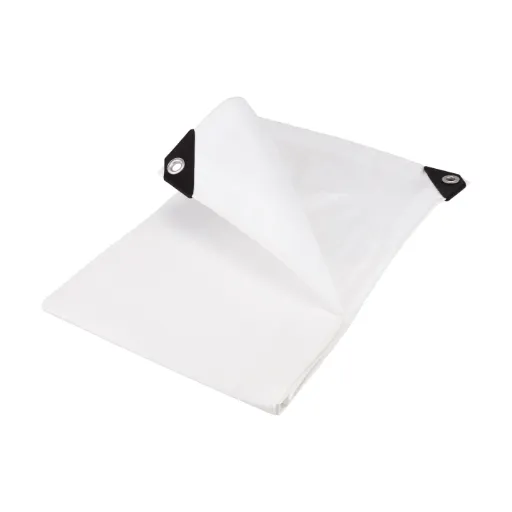
A railway tarpaulin is a very robust cover with enhanced resistance to weather, which is ideal for the protection of goods and materials in railway transport. These tarps are made out of materials such as PVC coated fabric or polyester, which makes them able to endure even the toughest conditions like rain, wind, sunlight, and temperature changes. In most cases, they are intended to protect the cargo from getting damaged while it is still in transport so that it can safely reach its destination without being damaged.
These over covers, for instance, are designed to suit various types of rail wagons and can be fitted with items such as reinforced edges, eyelets, and straps to hold them in place while in motion. This guarantees that the goods being carried are stable and secure even when the train is moving at high speed or in dusty environments. Different types of railway tarpaulins sua the very flexibility and options of that allows a safe transportation of raw materials such as coal agricultural produce and products in finished form such as machines and packed goods.
In addition to protecting the goods, railway tarpaulins enhance the effectiveness of rail transportation by reducing wastage and preserving the value of the goods transported. Their adoption reduces the chances of spoilage, contamination or any weather-related damage that might occur which assures customers and helps save costs to the railway cargo users. Railway tarpaulins are perfect for this task as they provide an efficient way for moving goods safely making sure that they reach a particular destination without any interruptions.
Types of Tarpaulin Used in Rail Transport
For efficient conveyance of goods within the range of varying weather situations, flower pots are used in railway cargo work. The following are the categories of railway tarpaulin in the industry which are used for different purposes:
- Polyethylene (PE) tarpaulins: The PE tarpaulins are both light weight and waterproof which makes them useful in covering cargo against rain, dust or sun. They are economical and hence preferred in covering cargo that does not require much handling during transit.
- Polyvinyl chloride (PVC) tarpaulins: A most characteristic feature about PVC tarpaulins is that they are tough and tear resistant. In seasons when there is a risk of transporting high prices or low weights of goods, rail transport uses these tarpaulins. These are ideal for high volume transit since the material they are made of does not tear easily and is quite durable.
- Canvas tarpaulins: Canvas tarpaulins are made of exclusively cotton or polyester materials with a certain water repellent finish, and thus is both breathable but strong and durable. They are normally used where ventilation is needed to transport the goods within the tarpaulin such as the agricultural goods but for transport in light rain and dust conditions.
Railway tarpaulins differ in purpose depending on the kind of cargo and the conditions it will be exposed to on the way to the destination. Picking the suitable material speeds up the process of logistics, saves money on the purchase and installation of protective gear, and ensures fault free or problems associated with rail transport.
Importance of Tarpaulin Covers in Freight Wagons
Railway tarpaulin covers are among the most effective techniques in the protection of goods during transportation by rail. Tarpaulin covers protect the cargo from the rain, snow, and UV radiation, in case of health and safety issues due to humidity, temperature changes, or exposure to the sun. Tarpaulins help ensure that the condition of the goods is not altered in any way, hence enhancing customer satisfaction along with product quality.
Also, there is the issue of safeguarding the goods during transportation which is one of the uses of Understanding Topographies The Use of Tarps. Anti-theft or anti-vandalism high-quality covers are made this way. It helps particularly in the case of transporting expensive or dangerous goods to far distances requiring special care and protection.
The use of tarpaulin covers increases the efficiency of operations and also reduces the cost of freight operations. This is because it decreases the risks of damage and wastage hence avoiding the need to incur costs in obtaining replacements and shipping them. Unlike normal wrappings, these walls are stronger and can be re-used. This can be attributed to the improved environmental standards in rail freight logistics. Therefore, when purchasing or investing in the tarpaulins, one can be assured that his or her operations will not be compromised in any way and such investments will pay off in the near future.
Material Durability Requirements

UV Resistance in Railway Tarpaulins
Railway tarpaulins, like most other covers that spend extended periods outdoors in the strong sun and under adverse weather conditions, need to be designed and built wสระว่ายน้ำith such consideration since exposure of such sunrays has a great impact severe impact onignent sharp declines in the tensile strength of material, causes color fading, leads to cracks and makes the material brittle. The latest railway tarpaulin have sun covers or are manufactured out of materials that contain sunscreens in their composition. Compositions of these materials scavenge the damage-causing UV radiation avoiding the polymer underneath from being disintegrated with time.
Additionally, innovative techniques and procedures can be used to assess the wear-and-tear, be it at the molecular level or beyond. Which could simulate the chronic exposure of the tarpaulins occupied for months by the sun and other harsh weathering conditions which is contained and controlled in the laboratory box. Retaining in this case the functions of the materials for a long time would prove helpful in decreasing amounts spent on repair and maintenance including replacement ones by railway companies while providing better protection for the goods in transit. For example promotions from various producers show that the topmost UV stabilized tarpaulins have a life of 5-10 years in extreme weather while untreated can to 2-3 of active life.
The importance of resistance to UV rays is also connected with wider environmental and economic issues. Specifically, cover sheets which are UV resistant are long lasting, and they help reduce wastage by reducing the number of times one has to get another cover. It is prudent for both the environment and for rail companies as costs expended each time is repeated are known to be very high. Additionally, the efficient covering offered by UV protective railway tarpaulin is such that everything transported by train is not immediately exposed to heat or deterioration due to sunlight, preserving any vulnerable goods thus preventing any possibility of monetary losses.
Tensile Strength Standards for Tarpaulin Covers
To evaluate the tarpaulin covers in terms of good qualities, one of the attributes that makes it a good cover is tensile strength. In physics, this term is defined as the ability of material to bear pressure stretch forces or forces of tension to a certain point without tearing. For industrial or transportation grade tarpaulins, the required specifications will generally be high to be able to withstand high levels of usage.
The expected strength of a certain material, say a tarp for example, is mainly dependent on the different types of materials used. Where, for instance, heavy duty tarpaulins made from polyethylene may range in strength from about 75 to nearly 150 psi; and those made from PVC coated canvas might have tensile strength of more than 200 psi. This is impacted by the weave fabric structure and, in some cases, the thickness of the coating. Certain procedures to quantify the the tensile strength in tarpaulins have been established and adopted within the world, for instance like the one like the ASTM D5034.
An increase in the use of modern manufacturing practices has resulted in a further increase in the tensile strength of current generation tarpaulins. By adding rudimentary stitching and other techniques such as the use of materials fabricated from ripstop fabric, a stronger product has been realized that has been made more resistant to wear and tear. With these enhancements, these tarps are able to stay intact for longer periods of time under tough weather conditions such as strong winds, heavy loads, extreme weather fluctuations without getting destroyed.
Weather Resistance Properties: Rain and Beyond
These days, good tarpaulins are manufactured in such a way that they can endure rain in a structured way, and this is possible due to the invention of special waterproof technology. Such tarps often have a polyethylene or PVC coating, which acts as an impermeable surface through which moisture cannot permeate. Furthermore, heat-sealed seams and additional reinforcements at the edges of the tarp, further safeguard against waterproofing in the case of extreme weather conditions, hence providing protection for valuable items in rainy days. Their waterproofness is appreciated in many fields such as buildings and constructions, agriculture or logistics.
In addition to providing shelter from the rain, tarps are also resilient to other outdoor conditions including exposure to the sun. Most of the standard tarps are subjected to extensive processing such that they are able to stay in the sun for a long time without getting worn out or depreciated. It is very significant to protect particularly in the case of usage of tarps for long periods of time outdoors for example in covering of cars, machinery or storage containers. Railway tarpaulin helps in ensuring that the tarpaulins are able to withstand the strong sun without cracking, which in turn protects the commodities contained within the tarpaulins for a long period of time.
Apart from that, today’s tarps are made to withstand environmental extremes, from severe winter conditions to intense summer heat. Such modern materials hold firm and do not become fragile in cold conditions or weaken in excessive warm temperatures. Specific tarpaulins are preventively conditioned by anti-mildew components to avoid any limitation to their use in damp regions where molding would constitute a challenge. The mentioned weatherproof characteristics of modern tarpaulins echo their versatility and strength, making them effective for use in any working environment or out of office use.
Logistics Applications of Railway Tarpaulins

Protection of Goods During Transport
A railway tarpaulin is essential in protecting the goods from a number of transport-environmental challenges that may arise while in transit. The use of these protective covers is primarily due to the rugged structure of the material that is able to withstand harsh weather such as rain, snow or too much sunlight on the loaded goods. The use of such cases is due to the fact that these tapes help in stabilizing the internal environment of the rest of the active shield as it is for toiletries, for example, or for any other agricultural product or pharmaceutical or electronic device, which prevents any damage. Thereby, any commodities limping on their destination in the correct condition is ascertained and hazards of lamination, unnecessary towards supply sources and requirements from consumers’ point of view discounted.
Yet another benefit of using railway tarpaulin is that it comes in handy in damage prevention and contamination. There are products that become dust, debris and pollutants, which could be transported while in transit. The dirt therefore does not touch the cargo as the thick tarpaulins protect the contents and sanitize the surfaces as far consumables are concerned. Such tarpaulins can also be used to protect items from getting scratched or damaged when transported from place to place such as for example, when carrying palatal chargers or even internal coils. Assurance of professional practice by conveyance of goods without defects even for further distances is an advantage of this flawlessness.
Apart from taking precautionary measures in order to prevent damage in railway tarpaulin for instance physical safety, the application of current technology resolves many problems in logistics. This might mean including UV-protective additives in the production of materials imminent to degradation as a way of extending product longevity. It could also be other measures that incorporate various features to prevent theft like ropes that have classes for better cargo protection or even a mechanism for locking the top part of the tarpaulin. As a consequence, new findings contribute to the progression of railway tarpaulin and make it an essential component of the freight industry, thus ensuring efficient coverage of demanding issues concerning transportation of goods in totally different and more often than not difficult circumstances.
Packaging Solutions for Diverse Cargo
Many advances have been made in packaging for the transport of all kinds of cargo, but transport of goods especially in this era of globalization involves an effective packaging solution. In light of these different needs industries and items concerned have made appropriate protective layers or packages to avoid possible damages from contamination, seepage, and bad weather conditions. A good example of this includes food products such as how fresh produce (fruits and vegetables) and pharmaceuticals will be icy-packed or chilled that in some cases even rely on refrigerated containers to keep the product cold during the duration of movement. For light breakable items, such as cups and electronics, cushion like foams or bubble wraps or molded paper may be placed to fill the vacant space.
More so, there are bulk items which include food stuff, fertilisers, building materials which are available in various forms which are made from tough material such as the jumbo bags or heavy duty plastic crates. These ensure the items are stored properly and can be handled easily. Also, solutions that are known as smart packaging are becoming popular, as they consist of sensors and tracking devices that are used to check such parameters as temperature, humidity and location even within transportation and storage reaching supply chain optimization and decreasing losses.
Global shipping volumes are increasing and advanced sustainable packaging is in growing demand. There is an emergence of environment friendly materials including biodegradable plastics and refigable cardboard among others in the market to allay the fears of soiling while at the same time serving the purpose. These innovative remedies become important in helping manage the varied and changing needs of the logistics industry, by allowing further innovations in the transport of all kinds of cargo. Al the while keeping the principles of ‘smoke’ realism. Only a limited number of items such as railway tarpaulin are not packed in boxes. They are instead carried on heavy telescopic poles in trailers without any protective lining inside.
Choosing the Right Supplier for Railway Tarpaulins

Factors to Consider When Selecting a Supplier
While settling on one among the multiple railway tarpaulin suppliers available, it is always advisable to do certain evaluations to obtain utmost functionality and high quality with minimal expenses. To begin with, it is important to focus on suppliers who have established supremacy in durability and weather resistant capacity. Railway tarpaulin is expected to be used in hostile and versatile environments which may include tolerating high or very low temperatures, rain or even sunlight therefore it is very important to identify such a supplier who has a track record of supplying high standard material.
Certifications and meeting the industry norms are also very important. So do not forget to base this decision on whether or not the supplier meets national or international quality standards namely the ISO certification for a consistent product quality. The possibility of alterations is no less important. Suppliers with options like varying sizes, colors and logo printing solutions contribute positively in the accomplishment of business objectives.
It is crucial to look at the execution of the distribution of material related to timing as well as logistics evolution because lack of availability at the right time can go a long way in reducing the efficiency of the supply chain. Suppliers with strong distribution channels and predictable delivery times serve as an insurance of continuous supply. Lastly include the evaluation of pricing devoid of hidden costs as well as after sales support such as repairs, warranty and any other means that extends the lifespan of the railway tarpaulin. All these considerations should be made in line with the objectives of the organization and the requirements of the user.
Importance of Customization in Tarpaulin Solutions
Thanks to the possibility of customizing the available solutions, all customers even from various sectors attain multiple benefits from existing tarpaulin solutions when applied to their specific needs. Examples include the agricultural sector as well as logistics, construction or even events management – all of which will demand one modification or another on the size, material or strength standards of the tarpaulin. Blanket manufacture does not well serve the multiple industries because it often creates challenges. Construction, for example may require heavy duty and fire retarding tarpaulins, while event coordinators may require a more lightweight material that is pleasing to the eye for the creation of temporary covers. The use of customized designs helps to do away with features that are not needed thus making them economically viable.
With all the advancements in technological and production techniques, the possibility of custom designing tarpaulins has increased tenfold. For instance, such aspects as ultraviolet stabilization, moisture locking, or any other protective cord can be ingrained in the fabric extending the life of the tarpaulin in a tough environment. Moreover, tailor-made print options enable organizations to put their logos on the tarps for good marketing causes. Utilizing contemporary technology, providers produce efficient railway tarpaulin products which can equally address pragmatic as well as visual problems.
It is worthy of note that statistics from the market research study have confirmed the appreciation of the need for the use of specialized tarpaulins. More customers were focused on the bulk goods services where the customization of components designs fit the changing use patterns and environmental conditions. This trend encourages companies, especially those that appreciate the value of production processes with advisory services, to exploit engagement with operatives. Investing in railway tarpaulin designs allows companies to optimize consumables, avoid the breaking of applicable regulations, and last but not least improve their business.
Future Trends in Railway Tarpaulin Technology

Innovations in Material Science for Tarpaulins
Miracles in materials science have helped improve the ruggedness and performance of the railway tarpaulin. The use of high performance plastics or polymers such as thermoplastic polyolefins and modern cloth coatings have been seen to be on the rise as they are more resistant to tearing, UV, or harsh climate with better thermal property. These make sure that the tarpaulin lasts long besides making it lighter so it is also easier to taxi the tarpaulin and the expenses of transport will be reduced.
Then the use of nanotechnology has come and there are many new types of coatings which increase the water repellency of a tarpaulin, its resistivity to stains and inapplicability to develop molds. Moreover, sensors for monitoring change in environment and in particular temperature, pressure, humidity, and even pore size have already been embedded into these intelligent textiles facilitating a maintenance strategy called condition-based maintenance, which augurs well for preventive measures.
All of these innovations highlight the industry’s focus on sustainable technology and practices along with the performance caused by the innovations in biodegradable and recyclable materials. Various global efforts to enhance efficiency and minimize environmental damage have been aligned with the application of these state-of-the-art technology materials, making them a key element for the railway tarpaulin technologies in future.
The Role of Technology in Enhancing Cargo Protection
The development of technology has brought about significant advancement in cargo protection thus enabling safe and easy movement of goods through elongated chains of supply. New ideas have brought out features that go beyond strengthening and safeguarding ordinary materials such as the railway tarpaulin as they move further to management aspects in real time. The following are five of these technologies that have improved cargo protection:
- Intelligent Tarpaulins with in-built sensors: The tarpaulins have sensors that can detect the temperature of the air in the cargo space, changes in humidity and pressure. This kind of data is used to provide friendly or favourable conditions, minimises instances of spoilage and particularly for the cases where the goods are perishable.
- Real-time tracking device uses GPS: More sophisticated GPS systems allow businesses to track where their delivery is at any given moment in time. Therefore, this improvement in technology helps reduce theft, enhance logistics, and keep customers informed about the progress or status of the delivery.
- Automated Safety Mechanisms: Locks are self-operating and all mechanisms that are designed as an alarm to be installed in an cargo transportation vehicle make this possible because they enhance security. In case of a breach into the lock system, the operator is instantly notified thus bringing down cases of theft and breakage significantly.
- Weatherproof Construction Materials and Coatings: There are tarpaulins that have special weather proofing coatings that help to protect from direct sunshine, heavy rains or extreme cold. These materials protect cargo against harsh weathers.
- Operational Visibility Through IoT Platforms: Internet of Things (IoT) platforms use various applications to provide a holistic picture of cargo activities. Vehicles, sensors and other monitoring systems may be linked in order to enhance business operations, foresee services and deal with any problems fast.
In their cumulative entirety, these technological innovations enhance the safety and overall efficiency of cargo transport solutions. This is in essence meeting the safe, efficient, and sustainable transportation solutions that the industry calls for.
References
-
Interpretation ID: nht81-3.34 – National Highway Traffic Safety Administration (NHTSA)
This document discusses the use of tarpaulins on bulk commodity trailers, which may provide insights into their application in transportation. -
US Department of Transportation – PHMSA
This resource explains regulations regarding vehicles covered with tarpaulins, including their classification as “closed vehicles.” -
National Transportation Safety Board (NTSB) Report
This report includes an incident involving tarpaulin use, offering context on safety considerations in transportation. - Click here to read more.
Frequently Asked Questions (FAQ)
Q: What is a railway tarpaulin and how are goods protected on a railway wagon?
A: Railway tarpaulin is an another phrase used to describe the cover which is strong built and designed to cover and shield the goods placed on a railway wagon, from rain, dust and varied climatic conditions during transportation as well as storage. Normally coming from a manufacturer who specializes in the production of such covers, they act waterproof covers that can be placed to cover open wagons, hopper cars and goods wagons as well in order to facilitate its cargo before any mildew occurs or any small tears happen within it and it remains in good condition when in use.
Q: How are standard railway wagon tarpaulin different from custom tarps and tailored solutions?
A: These custom tarps and tailored solutions are constructed to fit with the particular shape, design and proportions of your railway wagon, rake or roof profile which in turn assures a perfect fit and an effective seal. Custom covers are usually available from companies that are dedicated to providing such covers and incorporate the attachment points, windage security and strength of the cover to the cargo as compared to the ready-made that are usually the shelf type covers.
Q: If I was to select a railway tarpaulin with a reputable manufacturer, what materials, and functional specifications should I consider?
A: The requirements include good quality materials, which means they should be water proof, UV resistant, mildew resistant and able to resist tearing in small amounts. These should also include reinforced edges, effective fixation of covering open cars, as well as the shape of covers that corresponds to the roof shapes of cargo and hopper wagons. This is because leading companies offer better coatings as well as reinforces seals for enhanced durability.
Q: Is there a possibility of fitting different designs of railway tarpaulins such that they are able to cover wagons other than just straight open wagons?
A: Yes. There are railway tarpaulin types for all wagons, not only open and covered railway wagons, but even wagons such as hopper cars. Designs are customized so that the tarpaulins work for certain types of wagons and rakes so that there is no or little damage to the goods in carriage or during stowage with the use of the tarpaulins.
Q: In what way is it possible to protect an environmentally limited load inside a wagon with the use of railway tarpaulin?
A: One effective way of protecting a load is the railway tarpaulin that is spread tightly onto the ceiling and the walls of the wagon, and that is waterproof and fitted in such a way that all the external factors such as dirt or temperature changes do not affect the cargo. With the help of a water resistant layer and added sternness to the edges, chances of developing mold are minimized and the goods remain safe even for prolonged periods.
Q: How is a railway wagon tarpaulin maintained optimally for maximal usage before replacement?
A: The main frequency is for them to be checked and cleaned out from any dirt that may be within them, checked for tear if need be, checked for damage of bunch fittings if they were tight due to constant engagement and disengagement. Timely actions to deal with repairs, periodic cleaning for mildews, and even keeping it in the state when it is not being used, manage to extend their service life. It is also important to choose reliable manufacturers whose products have repair kits or are available in parts even in case of breakdowns.
Q: What roles do railway tarpaulins play in enhancing the flexibility of freight operation?
A: Through reducing possibilities of product and time losses during shipping and warehousing; railway tarpaulins help in preserving the cargo and its state during extremes of weather conditions. Customization eases and expedites the loading and unloading process whereas efficient seals and strong materials connotation fewer maintenance issues leading to less costs in use of these tarps especially for operators engaging services of several racks and goods wagons.
Q:What standards are or certifications available for railway tarpaulin on the market?
A:There are some. Try tkets from a trusted manufacture that is able to satisfy the necessary industrial requirements of tensile strength, prohibitive water usage, and weatherproofness. Assessment or coquebac competition on climatic parameters, tolerance against sunlight, and stitch lines over the seam add confidence that the tarpaulin will serve its purpose and also ensure cargo safety in accordance with business transportation norms.