

Mining Tarpaulin: Dust Control & Environmental Protection
Mining operations, though being very important for the development of industries, have to deal with a number of obstacles like the environment and the safety of the workers among others. One of the main issues of these challenges is the dust control and the impact on the environment. The mining tarpaulins are the ones that come up with the innovation and the practical solution to this problem. The strong and multipurpose dust covers are implemented to minimize the release of dust, assure the protection of the available resources and also to make the mining operations more eco-friendly. In this paper, the important fue of the mining tarpaulins in the mentioned issues, the coming up of the cleaner and safer work environment, and the responsible mining practices will be discussed. Get along with us in the unwrapping of the main advantages and uses of these essential tools.
Introduction to Mining Tarpaulin
What is a Mining Tarpaulin?
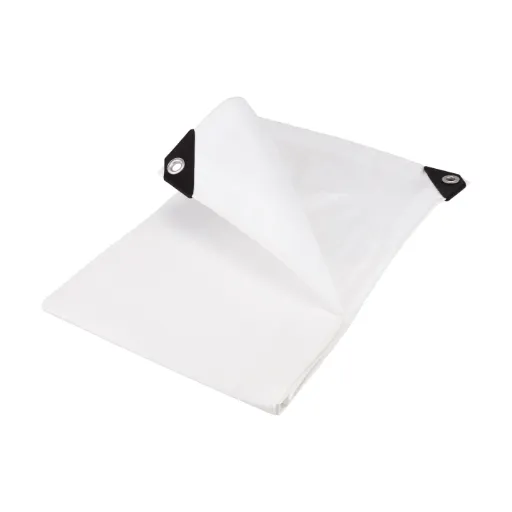
A mining tarpaulin is a heavy-duty, durable protective cover specifically intended for use in mining operations. They are made from tough materials like polyethylene or PVC, and are therefore very resistant to the elements, experiencing the worst conditions such as the fiercest sun, pouring rains, and strong winds. Moreover, their main role is to provide the utmost protection to the rigors of mining activities such as materials, equipment, and even manpower.
The main advantage of mining tarpaulins is that they cut down on dust emissions during the storage or transportation of materials. Mining companies cover ores, minerals, or other resources so tightly that they even stop the release of fine particles into the atmosphere, thus improving the air quality surrounding the mining sites. It also helps in establishing a safer and healthier work environment, besides proper compliance with environmental regulations.
Moreover, mining tarpaulins help in the conservation of resources by lessening the losses incurred due to weather exposure. They support the quality of stored materials and minimize the risk of contamination, thereby ensuring operational efficiency. These multipurpose coverings are irreplaceable in terms of fostering environmentally- friendly, responsible, and efficient mining practices.
Importance of Tarpaulins in the Mining Industry
In the mining industry, tarpaulins are an indispensable element that provide full protection from environmental elements. They protect materials, equipment, and workers from the weather and thus the operations continue without interruption. The prevention of material degradation and maintenance of mining processes’ efficiency is the result of this protection.
The uses of tarpaulins go beyond that of simply preserving equipment and materials, they become an important factor for cost efficiency. The weather damage and contamination losses that are minimized as a result of tarpaulins will translate to reduced waste and resource savings for the mining sites. Besides, the tarpaulins have a role in covering vehicles and transportation systems thus allowing for the safe and secure movement of mined materials and at the same time cutting down the spillage during transit.
Moreover, the use of tarpaulins is a must in mining operations if they are to be environmentally friendly. Tarpaulins play a significant role in dust suppression which consequently lowers air pollution and indirectly protects the people and wildlife around. By reducing the environmental impact and more so complying with the regulations, tarpaulins are the backbone of sustainable mining practices as well as operability and safety.
Overview of Heavy Duty Tarps
Heavy duty tarps are extremely strong & versatile covers made to go through very tough conditions and hard jobs. Usually, those are made of polyethylene, canvas, or vinyl giving them the outstanding strength, water resistance, and UV protection. They are mixedly used in all types of industries and households for dependable weather and physical damage protection.
Heavy duty tarps still take care of the main thing—equipment, vehicles, and goods protection from bad weather like rain, snow, and strong sun. They are also found in construction, agriculture, and mining heavily where they are covering machinery, materials, and crops. Their inability to tearing and wearing makes them perfect for protecting the most valuable assets in the roughest places.
Heavy duty tarps are additionally appreciated for being the safety and efficiency enhancer. Taking construction as an example, these tarps stay with scaffolding securing and thereby reducing the risk of falling debris hazards. In such case, the same could be said for agricultural settings—the tarps will not only help in keeping the hay and crops safe from moisture and contamination but also be easy to handle. These versatile tarps are the foundation of any protection.
Uses and Benefits of Mining Tarpaulins

Dust Control in Mining Operations
Dust control measures are the very foundation of a modern mining operation, as they not only take care of the health and safety of the workers but also the environment plus the company’s operations secretly. The various activities that go on in a mining site, such as drilling, blasting, crushing, and transportation, contribute to the release of a large volume of dust, which poses a great threat to the health of the workers as well as the people living in the surrounding areas. The main culprit among these harmful air particles is crystalline silica, and, thus, its long-term inhalation may eventually lead to a variety of respiratory diseases, silicosis included, as well as other chronic conditions. The implementation of appropriate dust control practices not only protects health but also assures the companies of being compliant with the environmental regulations that have been put up to restrict the mining operations’ contribution to air pollution.
Mining tarps are among the tools that have been put in place by the industry to deal with the dust issue, albeit indirectly. These sturdy tarps are typically used to cover heaps of raw materials, thus preventing the dust generated during the transportation of these materials from getting into the air. Moreover, in addition to these applications, they are useful as windbreaks in construction sites where they can help control the dispersion of very fine particles created as a result of the construction activities. By encasing the heaps and machines with tarps, mining companies are able to lower the quantity of dust that is generated to a great extent and thus, keep the atmosphere around the site, which is free of dust and safe for employees, as well. Tarps are produced using very strong and weatherproof materials which allow them to tolerate scorching conditions and frequent use over the years.
The practice of covering stockpiles and equipment with tarps has been supplemented in great measure by the development of new materials for their usage in the mining applications in the past few years. These advanced tarps may have part of their surface coated with anti-static agents to help keep them away from static electricity or possess flame-retardant properties, as so required by the specific safety rules in zones with high-risk working conditions. In addition, putting these coverings together with other dust control solutions such as water sprinkling systems and vacuum collection units creates a multi-layered dust management approach. This cooperation between the old and the new techniques ensures that mining operations continue to be productive, socially responsible, and in agreement with the world health and safety standards.
Environmental Protection Strategies
The mining sector has adopted a variety of techniques to reduce its ecological footprint without sacrificing productivity. One major method is land reclamation where the soil is reclaimed from the earth, that is, it is taken back to its original condition or designated for agricultural, wildlife, or recreational use. Mined land reclamation is among the most successful measures taken by the mining industry. For example, in certain regions, about 80% of land that has been extracted from the earth is restored back steadily through reclamation processes, which indirectly helps refer to the term ‘sustainable development.’
Moreover, the water management technology has been developed and thus water usage and pollution has greatly been cut down. The closed-loop systems of mining which are aimed for not to let the water go out already reduce the water consumption as well as prevent water going out contaminated from the mining activities, and moreover advanced filtering systems help not to let the runoff of the toxic materials come into the surrounding ecosystems. Reports are that mines using these methods can lessen their water usage by as high as 40%, which is a noteworthy factor in resource efficiency.
The protection of air quality is another area that had turned into a priority, and therefore industrial activities are using clean energy sources and replacing their equipment with low-emission ones. One of the reasons for such changes is the use of solar energy in remote mining areas, which has made the sites less dependent on diesel generators thereby reducing the amount of CO2 produced and at the same time enhancing the general cleanliness of the operations. The mining sector is getting its partnership with nature increasingly deeper as it combines these strategies with continual investigation into carbon capture and storage measures for the future.
Applications in Construction and Agriculture
- Sustainable Building Materials: The use of sustainable materials in the construction sector has been steadily rising, including the use of recycled steel, bamboo, and engineered timber. Studies reveal that the energy consumed while going through the process of making new steel can be reduced by the use of 75% and thus, less carbon dioxide will be emitted by construction projects.
- Energy-Efficient Systems in Buildings: The combination of energy-efficient mechanisms along with modern HVAC systems and smart lighting cuts down the energy needed in buildings. The application of these technologies is capable of leading 30% reduced energy use in buildings, which in turn will result in both cost savings and a smaller environmental footprint.
- Precision Agriculture: The growing of crops, watering, and treating with chemicals is being applied to the field with proper control of GPS technology and sensors, thus, precision agriculture. The method not only allows the base crops to be sometimes 25% more productive, but it also saves water and chemicals while maintaining the soil and the nature around it.
- Agroforestry Practices: Agroforestry is the practice of combining agriculture and forestry, allowing trees to be grown next to and around the crops and livestock. The advantages of such a practice are multiple: it creates habitats for different species, boosts soil fertility, and even captures 5 tons of CO2 per hectare per year which is a considerable contribution to the reduction of global warming.
- Vertical Farming: Vertical farming, when implemented in cities, ensures that the more efficient and less water-demanding—up to 95% less compared to the traditional method—agriculture practices are applied. It is thus regarded as a sustainable way of using less land equipped with continuous food supply.
Types of Materials Used in Mining Tarpaulins

PE Tarpaulin: Features and Advantages
Tarpaulins made of PE (Polyethylene) are versatile and have been used in a variety of industries to their maximum potentials, thanks to the combination of their durability, light weight, and cost efficiency. These tarpaulins are made of either high-density polyethylene (HDPE) or low-density polyethylene (LDPE) and provide superb moisture and UV rays resistance, thus ensuring long-lasting performance even in extreme environmental conditions. Moreover, they are chemically inert which makes them extremely suitable in environments where the presence of chemicals or oils is frequent because they won’t get contaminated.
The most pronounced benefit that the PE tarpaulins have to offer is their waterproof quality, and that is the reason why they are so much needed in construction, agriculture, and mining industries. For instance, tarpaulin sheets are placed over and covering the raw materials to protect them from getting spoiled by rain and moisture, thus allowing unhindered operations. Besides, the light weight of the tarps ensures that all the necessary tasks like handling, transporting, and installing them are done quickly and therefore saves the company time and labor costs.
PE tarpaulins production has gone through numerous innovations which have not only increased their effectiveness but also made them more eco-friendly at the same time. To illustrate, the contemporary PE tarpaulins have been made with multiple layers for extra durability and they can be recycled easily thus occupying a smaller place in the rubbish dump. Also, some manufacturers have added certain materials that will make the tarps to have resistance against tearing as well as direct sunlight for a very long time. These features put PE tarpaulins as a tough and trustworthy selection for the industries with high demanding operation requirements.
PVC Tarps: Durability and Waterproof Properties
PVC (polyvinyl chloride) tarpaulins have been widely accepted due to their superb durability and the ability to withstand water which is a great advantage for their use in various demanding applications. High-strength polyester fabric is the main component of these tarps which is coated with PVC material on both sides, thus increasing not only tear resistance but also complete water impermeability. Therefore, the construction of PVC tarps gives them an extra advantage in getting through harsh weathers thereby protecting the goods and equipment from rain, snow, and long moisture exposure.
The ability of PVC tarps to bear the brunt of nature’s fury is one of their prime benefits. They do not change the quality of the product when the temperatures go down to freezing or sky-high in hot climates. In addition, they get less UV damage, mildew, and abrasion; thus, being an industry’s good long-term investment that seeks protective cover. This level of resistance is one of the reasons why they are in heavy use in transportation, agriculture, and construction—not to mention the fact that heavy-duty sheeting is often required in these areas.
Today’s PVC tarps have also been equipped with new features to cater to the needs of different industries. Some of the sophisticated ones come with flame-retardant traits that provide safety for applications close to fire or in high-risk areas. Others have been given treatments with anti-static coatings to avoid the build-up of electrostatic charges, a situation critical to industries that deal with sensitive equipment or combustible materials. The combination of these innovations with their primary advantages of superb waterproof and durable features make PVC tarps versatile and indispensable not only in industrial but also in commercial contexts.
Comparison of Poly and PVC Tarpaulins
Poly tarpaulins are lightweight, cost-effective, and water-resistant, while PVC tarpaulins are heavier, more durable, and offer superior weatherproofing and fire resistance.
|
Aspect |
Poly Tarps |
PVC Tarps |
|---|---|---|
|
Material |
Polyethylene |
Polyvinyl Chloride |
|
Weight |
Lightweight |
Heavy |
|
Durability |
Moderate |
High |
|
Waterproof |
Yes |
Yes |
|
UV Resistant |
Optional |
Yes |
|
Fireproof |
No |
Yes |
|
Flexibility |
Moderate |
High |
|
Cost |
Low |
High |
|
Use Case |
General Cover |
Industrial/Heavy-Duty |
Choosing the Right Mining Tarpaulin
Key Considerations for Selection
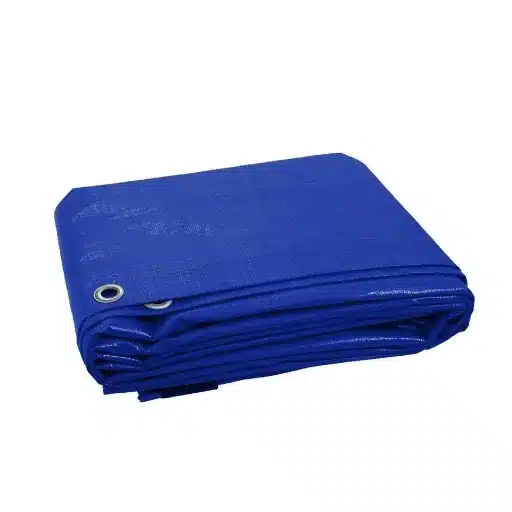
Choosing a mining tarpaulin, pinpointing the needs of your operation is the first and foremost step. The first thing to do is to have a look at the environmental conditions that the tarp will be exposed to. For instance, if the site is regularly exposed to UV radiation, extremely hot or cold temperatures, or heavy rainfall, it is necessary to choose a tarp with high UV resistance and very good waterproofing capabilities, for example, PVC tarps. The particular setting calls for the mastering of the tarp material to be able to last even when exposed for long periods of time without going through degradation. And then if, in your mining operation, you have the risk of fire, you may consider fire-resistant tarps which will be even safer since these are already the goods that are being used in such hazardous areas.
Then, there is another factor that should be considered and it is the weight and portability of the tarp. Lightweight poly tarps are usually the best choice for short-term and general coverage where frequent repositioning and handling are involved, while heavier PVC tarps are more appropriate for long-term use in heavy-duty industrial settings. Also, the tarp’s weight will impact labor and transportation requirements, which are costs that should be included in your operation’s planning for cost and efficiency.
Also, budgetary projections should be in tandem with the performance and lifespan being required. Even though poly tarps have a lower initial cost, they might not be able to last as long as PVC tarps unchecked in a harsh mining environment leading to more frequent replacements and eventually higher total costs. Another way to put this is, while balancing the demands of durability, flexibility, and features such as fire resistance and UV resistance against budget, companies can pick a tarpaulin that is operationally efficient and cost-efficient in the long run. All these factors are very important in making sure that your tarps selection gives the safety and productivity of the mining area a very smooth contribution.
Heavy Duty vs. Standard Tarps
Heavy-duty tarps are thicker, stronger, and more durable for demanding applications, while standard tarps are lighter, more portable, and suitable for general use.
|
Key Point |
Heavy Duty |
Standard |
|---|---|---|
|
Thickness |
14-20+ mils |
5-10 mils |
|
Strength |
High |
Moderate |
|
Durability |
Long-lasting |
Short-term |
|
Weight |
Heavy |
Light |
|
Use Case |
Construction, harsh |
General, light |
|
Cost |
Higher |
Lower |
|
Portability |
Less portable |
Easy to carry |
Industry-Specific Applications
- Construction Industry: Tarps and heavy-duty tarpaulins are the main types of uses in construction sites for different aspects like covering construction materials, scaffolding protection, and curtailing exposure of incomplete buildings to bad weather. Heavy-duty tarpaulins are used during the rainy season with wind and sun to avoid damage, making it possible to keep working and lessening waste of materials.
- Agriculture Sector: Farmers use tarpaulins for crop protection, hay storage, and soil covering. Tarps, when properly used, act as a barrier against the most unpredictable weather conditions, thus product integrity and yield quality are kept and improved.
- Transportation and Logistics: Tarpaulins along will be a significant part of a transportation industry, as to safe keep goods in trucks, ships, or trains being the main use. Besides that, tarps protect the delivery of products in perfect state while ensuring that safety standards are being followed.
- Mining and Heavy Industry: Both tarpaulins and the mining industry, together, cover the machines and materials, the temporary storage of material and the setting up of safe workplaces. Their resistance to chemicals and harsh environmental factors makes them a must-have even in tough mining areas.
- Sports and Events Management: Tarps and tents are multifunctional in sports arenas and outdoor events in the forms of protecting the playing fields, covering the equipment, or making temporary shelters. Their flexibility makes it possible for both professional small and large scale settings to have an effective usage.
Emerging Trends in Tarpaulin Technology
Innovations in Heavy Duty Tarps
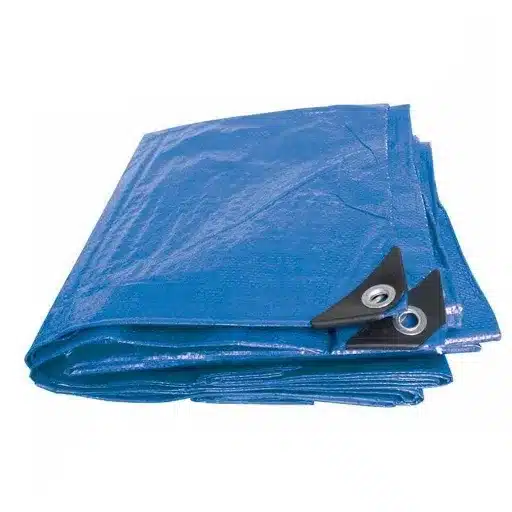
The demands of the modern world are pushing heavy-duty tarps to make a huge change, and this is happening thanks to materials science and technology. Of all the innovations, the creation of the advanced composite fabrics is the most important one. The new materials mix high-strength fibers such as polyethylene or polypropylene with special coatings, hence, making them more durable, puncture resistant, and weatherproof. For building, farming, and freight industries, these modern materials are the veil that protects the tarp from the environment and the elements such as strong UV, long heavy rains, and extreme temperatures.
The incorporation of smart technologies into the tarpaulin design is another key innovation coming from the same source. Now, the manufacturers are embedding RFID tags and sensors that are able to provide real-time tracking and condition monitoring into the tarps. This is especially useful in logistics and supply chains where visibility and efficiency are critical. For example, the sensors can monitor the temperature and moisture levels under the tarp, hence alerting the users to possible risks like damage to cargo or spoilage of goods. All these technological advancements not only serve to enhance functionality but also to conserve nature by prolonging the life of tarps and cutting down on waste.
Environmental consideration has, indeed, become the driving factor behind modern tarpaulin innovations. Gradually, the manufacturers have been turning their attention to the use of green materials in the production process as well as making use of the recycled and biodegradable materials. The progress achieved in the area of recyclable coatings and non-toxic additives are making the tarps greener while still being strong and reliable. Not only that, but some of the companies are even developing modular designs that will enable easy repairs and repurposing, hence, reducing the need for frequent replacements. The trends being depicted are in fact part of a wider shift towards environmental responsibility in industry and commercial use through the provision of sustainable solutions. Heavy-duty tarps are no longer the mere covering solutions, but rather, essential instruments in the promotion of a more efficient and environmentally friendly future.
Impact of Geomembranes on Mining Applications
Geomembranes are undeniably crucial in today’s mining operations as they provide environmentally friendly and process-efficient mining through long-lasting and dependable containment solutions. Their use guarantees that no harmful chemicals escape, waste is not leaked, and the efficiency of the whole operation is improved. Following are five impacts of geomembranes on mining applications explained in detail:
- Environmental Protection: Geomembranes act as a wall between nature and man by stopping chemical hazards such as cyanide or sulfuric acid that are used in mineral processing from leaking into the neighboring soil and groundwater. This action not only protects nature but also assists the mining companies in meeting government regulations.
- Tailings Management: They are commonly used in the disposal of mining waste in tailings storage facilities. Geomembranes help to greatly reduce the danger of leakages from tailings dams, thereby shielding nearby industries and animals from harm and minimizing the risk of disasters.
- Heap Leach Pads: Geomembranes form a very important part in heap leaching processes, where precious metals such as gold and copper are evenly distributed. They stop the leaching solutions from draining off the leach pads, thereby raising the recovery rates and decreasing the loss of chemicals.
- Water Containment: The mining industry uses geomembranes to cover reservoirs, ponds, and channels which ensures good water storage and supply. This results in water saving and at the same time, it prevents industrial water from polluting rivers and lakes by being contaminated.
- Cost Efficiency :The use of geomembranes may lead to a reduction in the total cost of mining projects over time due to the fact that they will help to avoid or minimize the environmental impact, maintenance costs will go down, and the overall efficiency of the operation will be improved. One of the reasons for their long life is their ability to withstand extreme conditions and not being replaced often.
These major impacts have kept geomembranes as one of the main technologies that support the development of both environmentally friendly and cost-effective mining practices.
Future Directions for Mining Tarpaulins
Material science and sustainability are the two main drivers that will shape the future of mining tarpaulins. The first one is creating stronger and more flexible materials that can resist not only the heavy loads but also the most extreme weather. The invention of such things as reinforced geomembranes or hybrid tarpaulins made from composite materials is the example that comes to mind when we think of creativity in this direction, as they are recognized for increasing resistance to abrasion, UV exposure, and chemicals even more than the previous generation does. These advancements will maintain the efficiency of mining operations during the most difficult and extreme conditions, and they will also lead to less production downtime and less failure of materials being the two most important factors giving rise to this situation.
At the same time, the incorporation of modern-day technology into mining tarpaulins comes as yet another positive trend confirming the position of smart tech as a permanent feature of mining tarpaulins. For example, one of the many applications that can be realized by embedding sensors within the fabric comes from the fact that they will make it possible to monitor temperature, pressure, and wear throughout the whole process in real time. This flow of information could be directly linked to an automated system that would inform operators about any possible points of weakness and timely maintenance, thereby allowing for anticipatory actions to be taken in order not to cause either environmental disasters or operational delays. Moreover, the use of artificial intelligence (AI) is predicted to be the next big thing in the area of predicting the life cycle and performance of such tarpaulins based on real-time data inputs, thus leading to their better utilization with little or no wastage of resources.
Sustainability will still be the main consideration, the decisive factor for the future design and selection of materials for mining tarpaulins. The manufacturers have started to look into the use of so-called ‘green’ materials, which would be either completely biodegradable or recyclable, as a substitute for conventional synthetic polymers, thus eliminating the ecological impact of these materials. Furthermore, new ideas such as using industrial waste that has been processed for other applications or sourcing materials from renewable ones for making the end product are becoming more popular. The acceptance and use of such environmentally friendly measures will contribute to the global mining industry’s objective of achieving higher environmental standards, which in turn validates the mining tarpaulins’ future role as the lead player in the global mining industry’s transition towards more sustainable mining practices.
References
-
Improved TARP Development Based on Mine-Specific Data – Harvard ADS
This study focuses on the development of TARPs (Trigger Action Response Plans) tailored to mining operations, ensuring safety and efficiency. -
Aggregate Production Operations Best Practices – Texas Commission on Environmental Quality (TCEQ)
This document highlights the use of tarpaulins to cover aggregate cargo, reducing dust and debris in mining and related industries. - Click here to read more.
Frequently Asked Questions (FAQ)
Q: What does a mining tarpaulin mean and how does it contest the harshest conditions by its design?
A: A mining tarpaulin refers to a heavy-duty tarpaulin used in the mining industry to cover and protect equipment, conceal stockpiles, and isolate hazardous goods. They are made from very durable and reliable materials like geosynthetic fabrics or geomembranes and have heat-sealed seams, anti-corrosion coatings, and fire-retardant treatments which together bring a long life span and resistance to extreme conditions.
Q: In what way do construction heavy duty tarps differ from coal mining and other industrial settings’ duty tarpaulin?
A: Heavy duty tarps for construction, agriculture, and industrial usage have several similar traits, but mining tarpaulins are frequently created with standards that are completely different, like tensile strength, chemical resistance in coal mining, and special liners for containment. Certain suppliers have already made those things easier by offering:
Q: What is the contribution of GSM in the selection of a mining tarpaulin that is both suited for heavy duty equipment and reliable in operation?
A: GSM (grams per square meter) is a unit of measurement which tells the weight of the fabric and thus helps in judging its robustness and life span. For this reason, mining tarpaulins with a higher GSM slowly go on to become less reliable when frequently subjected to abrasion, tearing, and exposure, thereby resulting in more operational reliability and less operational costs due to the longer service life of apothecary covers over heavy equipment and stockpiles.
Q: Is it possible to use mining tarpaulins as liners or geomembranes for landfill and containment purposes?
A: The fact is that a good number of mining tarpaulins act as geosynthetic liners or geomembranes for the covering of landfills, the containing of tailings, and the prevention of evaporation or leakage. These products are fully capable of withstanding permeation, accommodating heat-welded seams for secure joins, and adhering to the environmental regulations for hazardous materials containment and different industry applications.
Q: What custom options do suppliers have for mining tarpaulin to meet precisely the demand and save on operation costs?
A: Suppliers have a tendency to present customizations of a range of dimensions, tracing corners with heavy-duty eyelets, UV- and chemical-resistant coatings, flexible GSM possibilities, and the addition of flame-retardant or corrosion-resistant treatments. Customizations make sure a specific solution which is both stable and convenient, increases mining operation efficiency, and decreases operational costs by preventing downtime and frequent replacements.
Q: How do heat-welded seams and eyelet reinforcements influence the reliability of mining tarpaulin placements?
A: Heat-welded seams give rise to firm, leak-proof bonds which are vital for containment and durability of the product; on the other hand, backed eyelets and corner patches ensure that the securing can withstand forces from wind, abrasion, and machinery. To sum up, they not only prolong but also ensure operational reliability together, especially during the deployment of tarps that come in contact with heavy-duty equipment or extreme climatic conditions.
Q: Are mining tarpaulins good at blocking evaporation and keeping hazardous materials safe in stockpiles?
A: Definitely, those mining tarpaulins meant for containment and cover applications can greatly lower the evaporation rates of stockpiles and keep hazardous materials safe from weathering and contamination. The geosynthetic-grade fabrics, when sealing and heat-welded seams being applied correctly, create a robust barrier that not only assists in environmental compliance but also in preserving the material quality.
Q: What are those issues that should be taken into consideration when picking a supplier of a heavy-duty construction agricultural industrial tarpaulin for mining applications?
A: Picking a supplier that has experience with mining and geosynthetics, the potential to produce and personalize tarps for various uses, and the history of supplying first-rate mining products are good moves. Checking such material characteristics as GSM, retardant properties, corrosion resistance, and availability of heat-welded seams and reinforced eyelets, will help to make sure that the product conforms to your individual needs and boosts efficiency in mining.