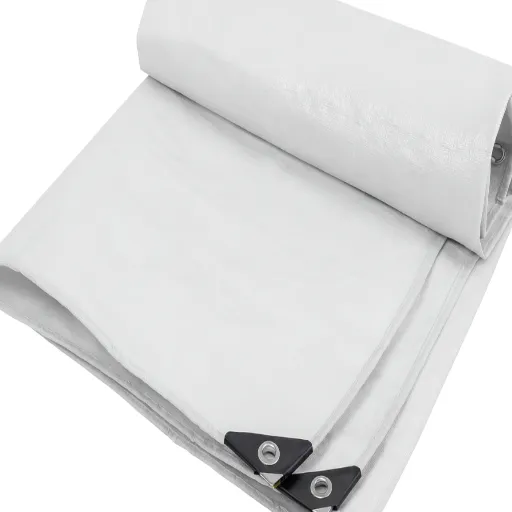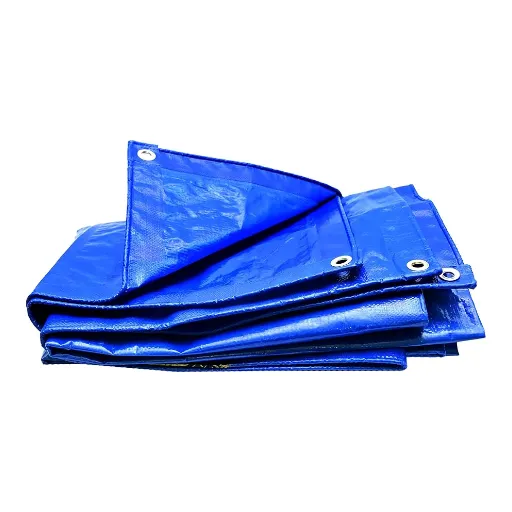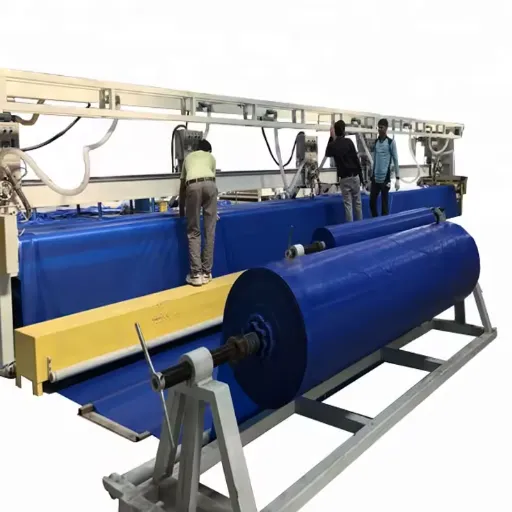

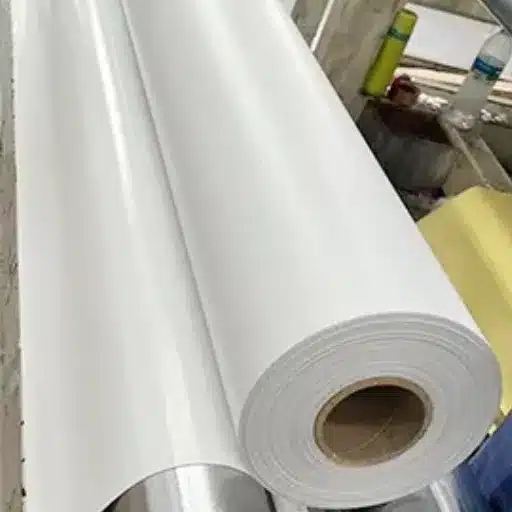
Calendering Process: Roll Pressing & Surface Finishing
Durable tarpaulins with seamless appearance for extensive use in particular sectors are merely impossible without the calendering process. The purpose of this paper is to delineate the roll pressing and final surface finishing practices, the areas which comprise the basic steps of calendering, and which carry great weight in determining the performance of the end product. This is a perfect guide to everyone who would like to become familiar with the making of tarpaulin because it covers everything from the process of roll pressing up to the skills required in finishing a well polished and resistant material. With this very expansive view any one involved in such a field or interested in how things are done in industry will gain much more than just high quality tarpaulin making steps.
Understanding the Calendering Process
What is Calendering?
The process called calendering employs several heated rollers to compress and stretch the material, turning it into thin films. Calendering is a fairly popular technique in textile, plastic, and tarpaulin industries as it allows for controlled thickness, texture, and finish of the produced material. This process requires heating and applying force on the raw material while rolling it as to flatting or smoothing the tension created surface.
One of the most significant benefits of calendering is that it can boost the materials characteristics like enhancing the strength, the stability of the material, and improved resistance against factors present in the environment. For example, in the case of tarpaulin production, one can make calendered sheets resistant to sunlight, water, and extreme temperatures. This happens since, during calendering, additives such as UV absorbers or plasticizers, that alter the properties of the material for use under the required conditions are added.
Another major advantage of membranes’ manufacturing is effectiveness in mass production. This wholly eliminates variations within a large structure, thus making it highly suitable for the industries producing high standardized products. Equally important is that calendering provides flexibility in its application meaning that it is possible to manufacture something, with specific requirements – gloss, embossing or even a variation in thickness. In the manufacture of DCC, which uses tarpaulins, the possibilities listed above take on an important role for the calendering process.
The Steps Involved in Calendering
There are few more steps that stand between the ingredients and the calendering – coating of an adhesive film on the surface of the polymer blend. ‘About Calendering’ page from Avery Dennison company website, outlines healthy material development practices in the context of calendering processes:
- Fabrication Process: This is the foundation stage of the calendering process. Indeed, specific raw materials, usually polymers or rubber are selected and then prepared which consist of compounding with and addition of plasticizers, stabilizers, colorants etc. Its aim is to create a blend of these materials which has the molecular structure and characteristics appropriate for the job at hand.
- Processing: Once prepared they instead charge all these materials in heated rolls arranged in sequence one after the other. These are hot rolls and the material is passed through them where it takes the shape of desired form. Temperature levels inside different chambers are adjusted and monitored so that at any given time all the material has even heat level.
- Form and Gauge ruas: The material that has been softened is now put through calendering by passing it in between several such rollers to help in the desired thickness. The distance between the rollers is vital and has to be accurately managed to deliver uniform size all along the length of the product.
- Finishing of the Surfaces: This stage represents an opportunity for customizations of the surfaces. The design and texture or contour of the surfaces of the tools such as rollers differ and they are responsible for transferring the surfaces such as; gloss or shine, non-gloss commonly known as matte and even raised (embossed) surfaces among others. In addition, these steps enhance other surface characteristics in accordance with a given application, which serves in purposes of improving both efficiency and aesthetics.
- Chilling and Hardening: Once the shaping and finishing are over, the material is cooled at a great pace so as to preserve not only its shape but also the surface characteristics. Depending on the design, cooling may incorporate either the air or water or both. The solidifying process supports durability and keeps the material intact from within.
- Winding and Quality Inspection: The finished material, whether it is a sheet or a film, will be wound into rolls or cut to size depending on its application. Quality control comes last and before the products are released, they are checked for any imperfections like thickness variations or surface defects to ensure that they conform to very high standards.
Despite the wide array of manufacturing methods, calendering is still one of the most effective processes in achieving quality products with defined characteristics. These procedures make it possible for producers to supply their clients with effective solutions for various industries and sectors.
Importance of Calendering in Fabric Manufacturing
In the production of textiles, calendering is an essential technique that improves textiles by both beautifying and making them more functional. It’s being used to smoothen and polish the fabrics more evenly but also change the surface characteristics to facilitate obtaining the required finishes, gloss or consistency. This accuracy allows for the creation of products that contain the desired look and functionality, therefore, making it inevitable for advanced fabric making.
The effectiveness of calendering can largely be attributed to its capability to keep dimensions stable and make a difference to fabric tightness. The technique improves the strength of the fabric to withstand the stresses in applications such as household textiles, garments, and industrial fabrics, for example. This is more evident in some fields where extreme specifications are the norm like the vehicle or aviation industries, where each and every defect in the fabric is enhanced.
Calendering allows for the enhancement of water, oil, or stain resistant properties of the fabrics as surface modifications or coatings can be applied on the roller. This quality of the fabric improves its purpose by providing the modified materials required by different industries while ensuring that the material can function as required. Therefore calendering is one of the most valuable techniques in fabric manufacturing in the contemporary world. It provides the synthesis of effectiveness and high accuracy necessary for the creation of high class products that can be used in various processes.
Benefits of Calendered Tarpaulin
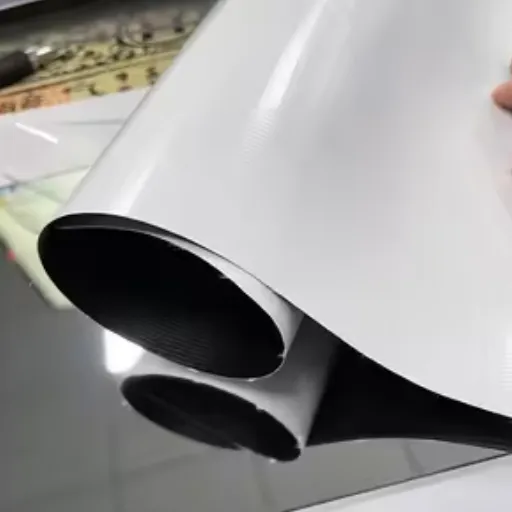
Durability and Weather Resistance
Calendered tarpaulin is favored in many Industries due to its outstanding good performance longevity and capacity to withstand hostile conditions. That strength is made possible by the high manufacture use of calendering technology and carefully matching the inputs. The following enhanced properties enable this fabric to be very sturdy and durable to climatic changes:
- UV Resistance: Most calendered tarpaulins have UV resistant layers applied on their surfaces to prevent damage of the surface due to exposure to long periods of sunlight and keep the material safe in shape. It has been reported that a treated tarpaulin can hold up to 40% times more exposure to sunlight for continuous use, instead of untreated tarpaulin.
- Potential water impact: The dense structure and additional surfaces of the calendered tarpaulin avoid the permeation of moisture throughout the period of rain or high humidity. As such, it is very useful in the production of outdoor furniture, truck covers and agriculture covers.
- Resistant deflection: Calendered Tarpaulin containing reinforced fibers and polymers of higher densities is produced with the aim to overcome mechanical deflections that would normally destroy or tear it. More so in heavy loading tasks, its durability becomes a necessity.
- Temperature Range: Premium calendered tarp functions very (well) in wide variations of temperatures; from very hot conditions to extremely cold environments. It stays malleable and sturdy without fracture or warping, making it adaptable to various weather conditions and business sectors.
- Chemical Resistance: coating due to chemical coating covering the material during calendering process limits the effect of industrial oils, acids and other nasties and allows use at extreme chemical conditions for longer periods.
All these aspects taken together, ensure that with all the strict requirements of durability and performance, calendered tarpaulin does not fail to perform as a material used in extreme conditions.
Enhancing Strength through Calendering
The calendering process suffices the internal infrastructural fulfillment of the forerunning functions of the tarpaulin materials. With this manufacturing process, there’s careful management of material thickness, layers and surfaces for strong and robust products. Let us now look at the advantages of calendering with respect to the reinforcement of plastics vis-a-vis tarpaulin:
- Better Bonding Of Layers: The layers are able to bond perfectly without any delamination and this is possible courtesy of the heat and pressure matching which takes place in calendering.
- Very Well Distributed Thickness: A process known as calendering spreads them evenly across the entire surface making weak points out of the entire structure a thing of the past as the life of such a tarpaulin extends.
- High Tensile Strength: This service composite restores the fibers along with the reinforce polymer composite thereby avoiding the mentioned weaknesses of tearing or extreme elongation of the developed material.
- Enhanced Flexibility and Elasticity: The process of calendering assists the direction of cracks by avoiding them, by making the formulation of material flexible while maintaining its tensile strength.
- Surface Reinforcement: protective coatings are employed enabling the making of calendering that enables a resistive layer which is able to endure abrasion, UV, harsh weather and other tough conditions or elements and allows the tarpaulin to ‘live long’.
These developments allow calendering for tarpaulin construction to be considered as one of the efficiency materials used in vegetative industries where durability and robust parameters are required.
Versatility of PVC Tarpaulin
One of the most common cases of usage of PVC materials, of which PVC tarpaulin is an example, is the recreational mooring of boats (eg, storage) in inland channels and reservoirs. That is because it has excellent properties that makes it suitable for many areas of application. Here are the top five ‘ways’ to make the most of PVC Tarpaulin:
- Transportation Protections: PVC tarpaulin finds its application in the production of covers for trucks, trailers and containers. It offers reliable protection to goods being carried due to its non-permeable surface that withstands vigorous weather. It is estimated that using good quality tarpaulin covers reduces the damage to goods by 40% during carriage.
- Industrial and Structural Applications: Instead of traditional tents and warehouses, heavy-duty PVC tarp is more appropriate for its quick and temporary use. Being both strong and flame resistant by government standards of fire protection, these tear -down structures are an indicator of progress in civil engineering and fighting against natural disasters.
- Use in Agriculture: The masons polyvinyl chloride (PVC) tarpaulin in agriculture acts as a covering on the greenhouse, sheets protect crops, and irrigation systems. It is also rigid enough to withstand UV exposure, as well as being flexible enough to facilitate installation. It also helps the agricultural development sector as well by enhancing the yield protection by about 25%.
- Entertainment Industry: Many tents and stages’ backdrops are made from PVC tarpaulin mostly for the events management sector. As it is hard wearing and is suitable for frequently handled objects; it also provides cultural activity due to the prints applied.
- Pond Liners for Aquaculture: PVC tarpaulin is designed in such a way that it is highly water repellent as well as stretchable and is employed inside artificial ponds and in any aquaculture system as liners. These properties of PVC tarpaulin render it,’ a popular draw among practices that usually last through expanse of water for years supplying protection of material from abrasion and chemical stress.
These application areas highlight the material’s adaptability and utility in addressing diverse industry-specific needs, solidifying PVC tarpaulin as a superior and indispensable material for modern industrial uses.
Applications of Calendered Tarpaulin

Use in Agriculture
Agricultural practices have experienced a huge revolution with the introduction of calendered tarpaulins which have been so flexible, durable, and relatively affordable. In this article, let us highlight five of the major uses in agriculture:
- Greenhouse covers: There is massive use of calendering in greenhouse construction because of its attributes of good resistance to the sun’s rays and ability to diffuse water light. It facilitates maintenance of the required temperatures, shielding the crops from unfavorable weather and helps in ensuring even growth cycles.
- Waterproof linings on irrigation canals: Deposits or layers of material are conveniently molded in such a way that water is retained in irrigation channels and ponds where the water is stored. Its large area wrapping makes it suitable for water management purposes as not much water is lost from the system in dry areas.
- Protective Covers for Crops: Calendered tarpaulin is utilized as a shield, protecting crops from intense sunlight and adverse weather conditions such as wind and rain. It ensures that crops remain intact regardless of natural calamities and allows for proper conservation of the produce during various stages of growth.
- Silage and Bale Wraps: Calendering is used in tarpaulin that covers silage and hay bales. As it has decent tear resistance, the quality of the forage can be preserved over an extended period without any wastage.
- Poultry and Livestock Shelter: In many cases, durable tarpaulin sheets are used to erect temporary or semi-permanent structures for poultry and livestock. The material is highly advantageous in its insulation and protection functions, avoiding adverse meteorological impacts and creating conditions conducive to animal health and performance.
The foregoing examples demonstrate the unabashed and truthful adaptation of the material to farming activities so as to minimize losses while in production and enhance sustainable farming as a practice.
Construction and Transportation Applications
The usefulness of tarpaulin sheets in both construction and transportation is regarded as a way of their obvious adaptive nature. Their robust nature owing to their durability which is known and the quick protection makes them very useful in a lot of special cases. Below are a few of the many such uses in these two sectors:
- Covering of Scaffolding: Tarpaulin sheets are also used a lot as covers for scaffolding on working building sites. They make it easier to work in strong winds and rain or to protect the area from falling rubble as a safety measure. Studies have suggested that using the tarpaulin scaffolding covers can bring about a nearly 20% reduction in weather-related accidents on construction sites.
- Practical Roofing Temporarily: During any construction activities such as re-modelling or repair works, the tarpaulin comes in handy as an interim roof covering material. This is due to the fact that water cannot penetrate through the waterproof tarpaulin thereby protecting the exposed structure. Reported studies in the literature suggest that good quality tarpaulin will remain waterproof for as long as one year with moderate environments applied on them constantly.
- Cargo Covers for Vehicles: It is in most cases also a part of the transportation industry where maps are used to cover and protect items being ferried on open-top trucks or trailers. The material, even with a lot of mass applied, is such that it cannot tear down even if pulled hard Labor records show that a tarpaulin cover aids in the protection of cargo, helping to prevent UV and humidity spoilage which can increase to almost 30 per cent where it concerns agriculture transportation.
- Concrete Curing Blankets: Any surface where there is a possibility of rain along with concrete most surfaces need curing blankets made of tarpaulin sheets these tarpaulins help in retaining the moisture and keeping in check the rapid process of hydration. Endogenous development of the strength under the curing blankets is maintained in the following manner. Oss’s studies explain that comparatively, 15 percent increase in strength is achieved by emphasizing on tarpaulin-type during the curing of concrete.
- Tarp’s function in equipment: A construction crew takes whatever steps necessary to clean off heavy equipment on a construction site. Accordingly, all major machines are covered with thick tarpaulin with keels up on the ends to protect against dust or rain and sun beams. Given such protective covers are in place, the applicable heavy equipment will be much more operable over time as well as the maintenance costs will be kept very low. Maintenance schedules available seem to suggest that sheets of tarpaulin reduce the maintenance needed by about 25 percent as compared to exposed machinery left in open as it explains the construct.
Use of these cases therefore confirms the importance of tarpaulins in achieving efficiency, reducing hazards and cutting costs at construction sites and in the transport sector.
Composite Uses of Calendered Fabrics
The application of calendered fabrics is highly common in many composite products for a good and well-founded reason; this is owing to its high durability, lack of flexibility, and its ability to withstand harsh weather conditions. Such kinds of fabrics are made by a unique technique of calendering hence one of its additional advantage includes enhanced mechanical characteristics making them suitable for heavy structural purposes. Outlined below are the five most frequent application purposes of calendered textiles in a composite:
- The Off-road Vehicles and Passenger Vehicles: Calendered fabrics feature for office buildings of the car in the form of seats, door pads and hood linings. Because they have high tensile strength and wear resistance properties, these fabrics have an aesthetic advantage as they make it easier to maintain the inside of the vehicle. The characteristics of the calendered fabrics used in automotive construction may allow such elements to last 30% longer.
- Strengthened Roof Coverings: These materials are essential for making roofing membranes and other reinforced construction materials. When these fabrics are manufactured through calendering and made in combination with polymers such as PVC or TPO, they provide excellent waterproofing, UV protection, and support against adverse weather conditions. Data implies that these solutions increase a roof’s lifespan by 40% against non-reinforced materials.
- Flexible Hoses and Ducting: In the manufacture of industrial hoses and air ducts, calendering provides– through its fabrics – unrivalled adaptability in terms of repositioning, pressure containment, and resistance to corrosive materials. As a good example, their usage in large-bore pipelines, for instance in chemical plants, is very important for safeguarding the infrastructure and minimizing the effects of wear and tear of materials.
- Conveyor Belts: Calendared materials are an intrinsic part of conveyor belts as they can withstand high stress and heat and are tear-proof to some extent. Therefore, they are common in industries such as mineral extraction, transport, or food industries. In particular, evidences are provided that the increase of such materials enhances the productivity of a conveyor belt by 25% in terms of load and service life.
- Tarps and other protective covers: Consideration of calendered material in agricultural, transportation, and military industries reveals the unprecedented combination of impermeability and resistance to tears. As a result, they can be used for tarps designed to protect equipment and goods from the effects of bad weather, among other things. It is because of their ability to take extreme pressure and remain intact, they give better service cover under all sorts of conditions.
These examples show how important calendering engineering is and the advantages of using such fabrics in different fields. The products made with this material are proven to wear and tear at a slower rate calendering providing increased performance while at the same time extending the life of the product at significantly reduced cost.
Comparing Calendering with Other Manufacturing Methods
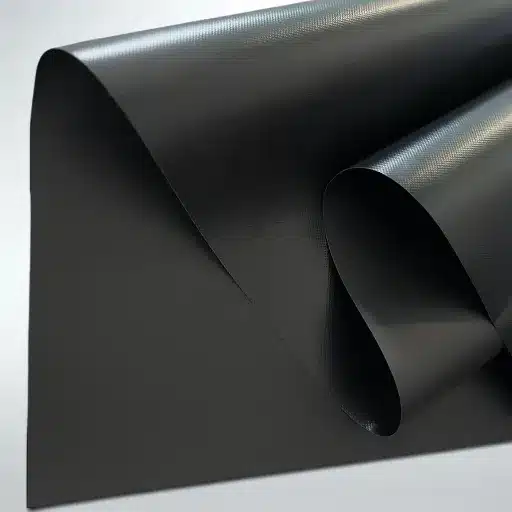
Advantages Over Traditional Methods
Calendering offers superior precision, durability, cost-efficiency, and eco-friendliness compared to traditional methods.
|
Aspect |
Calendering |
Traditional |
|---|---|---|
|
Precision |
High |
Moderate |
|
Durability |
Enhanced |
Standard |
|
Cost |
Efficient |
Higher |
|
Eco-Friendly |
Yes |
Limited |
|
Speed |
Faster |
Slower |
|
Consistency |
Uniform |
Variable |
|
Customization |
Flexible |
Limited |
|
Material Use |
Optimized |
Wastage |
|
Scalability |
High |
Low |
|
Maintenance |
Low |
High |
Cost Efficiency and Performance
Calendering tarpaulin ensures cost efficiency through durability, reduced maintenance, and long-term savings while delivering high performance in diverse applications.
|
Aspect |
Calendering |
Traditional |
|---|---|---|
|
Durability |
High |
Moderate |
|
Maintenance |
Low |
High |
|
Lifespan |
Long |
Short |
|
Cost Savings |
Significant |
Limited |
|
Weatherproof |
Excellent |
Variable |
|
Customization |
Flexible |
Limited |
|
Eco-Friendly |
Yes |
No |
|
Performance |
Consistent |
Inconsistent |
|
Applications |
Versatile |
Narrow |
Industry Trends in Calendering and Tarpaulin Manufacturing

Latest Innovations in Calendering Technology
The array of pretty pleasant surprises emerging from calendering technology evolution has been aimed in its generality, at refining the precision, efficiency and even the sustainability of calendering processes. Central to the development of such instruments has been the activating of new technologies with self- service operation, like control logic circuits or more recently codes containing the control tables. Also known as maintenance free control systems, they allow the simultaneous actuation of the internal pressure of rolls or temperature correcting operations, including also the pressure of side arms and keeping the required thickness.
At the same time there has also been advancement in materials science and engineering in making different kinds of polymers and additives containing polymers both of which increase better cake life, flexibility and environmental sustainability. These materials are normal for specialists called contemporary materials science, but they allow to create such products that can serve longer that the ordinary ones and still be environmentally friendly.
Besides, the manufacturers are searching for energy saving measures, as for example, applying induction heating plates in order to minimize energy usage when performing the calendering process. This move is towards the increased need for manufacturing within the industry in a sustainable way. They help increase production capacity while they also reduce the calendered products’ negative effects on the environment, hence preserving their applicability in a wide range of industries.
These technological improvements further demonstrate the dynamic aspect of transformation of calendering to continue being relevant in addressing current day industrial needs.
Sustainability in Tarpaulin Production
The development of the tarpaulin sector remains environmentally resistant daily. The major breakthrough issue is found in the proper management of and friendly therapies adoption of waste, which is getting in the final product packaging eliminating paper layer would be used – recyclable biodegradable materials based predominantly on polyethylene and polypropylene but not limited by them. Such components fulfill durability and power operating conditions in addition, enable it to be recycled once its lifecycle is come to a conclusion consequently minimizing the amount of waste into a landfill.
Another important advance is to rationalize the overall energy consumption, especially during tariff production. Cost effective advanced equipment and technology are largely deployed among the lines of production without increase of energy use. Moreover, implementing greener sources of energy like solar, and wind sources also provide a reduction in the carbon emissions of the weight of tarpaulin production.
Moreover, alternative coating methods are under study and being implemented to substitute PVC, which is ecologically unfriendly. As a result, particularly popularly spreads water-based, and solvent less coatings, respectively or other environmentally-friendly coatings, non-flammable water resistance and UV comes as two basic requirements.
By adopting this sensible approach regarding sustainability, the tarp-based industry endeavors to produce fitness materials for a variety of purposes without surpassing ecological limits. In addition to conforming to health and environmental requirements, industry flushes into political correctness that necessitates the use of green products.
Future Prospects for Calendered Fabric Materials
Progress in the field of material science, changes in customer expectations, and sustainability regulations are also influencing the prognosis for calendered applications. What is more, improvements in polymer chemistry enable the engineering of better materials, which are flexible, long-lasting, and environmentally resistant to, for example, high or low temperatures or chemicals. Besides, with the rising emphasis on greener manufacturing, more attention is being paid to the use of biodegradable and recycled polymers in actual calendering of materials.
Observations of new developments as regards the application of calendered fabrics in areas of growth such as construction or automotive manufacturing, renewable energy and the like are suggestive of a significant increase. The necessity of integrating calendered materials in technological solutions for sustainable infrastructure such as photovoltaic panel encapsulation and green roofing using reinforced membranes is a further demonstration. Moreover, introduction of nanotechnology and effective coatings is likely to lead to a more complicated calendered products, e.g., textiles with self cleaning properties, improved thermal isolation or biocide characteristics.
With the rising regulatory compliance and the increasing consumer demand, producers are embracing energy efficient calendering solutions, as well as implementing recycling techniques that promotes the dynamics of closed loop systems. These initiatives activity is geared towards reducing the carbon footprints of the production process and the wastage of materials. Strong research and development (R&D) strategies coupled with industry partnerships demonstrates that the market for calendered fabrics will advance in the coming years in order to suffice the needs for quality and sustainability.
Frequently Asked Questions (FAQ)
Q: Could you tell what is calendering tarpaulin and how the process is done?
A: Calendering tarpaulin is another way of saying calendering which is the manufacture of PVC tarpaulin wherein melts of rubber or PVC compound and a woven fabric are passing between a lot of pairs of rolls – effective calender rolls or in some texts known as a calendering machine- in order to smoothen and stick thinner sheets on the weave resulting in a tough PVC coated fabric for multiple applications.
Q: What do you mean by lamination and hot melt calendering in reference to making PVC tarpaulin?
A: Laminating technology and hot melt calendering come in to play when one cannot stick an outer or laminating layer to the woven fabric without applying heat on the two layers through their gap between the rollers and for this particular case, the laminating layer not only attaches appropriately to the threads and roving but also creates strong layers of fabric producing quality waterproof light weight PVC tarpaulin.
Q: Does the effect of calender rollers and the roll sequence influence the quality of tarpaulin?
A: Choosing the right calendering rollers as well as controlling their profile plays an important role in pressure distribution across the crosswise and sideways of the fabric. Otherwise, one will end up with the uneven flattening, out of line or overthickness in one area. Thus, by proper control of the frame pressure in the lamination process a satisfactory final form of the PVC tarpaulins can be obtained where they do not contain any thin walls or weakened areas.
Q: Why does extending the period in which the fabric is in the calender aided by routers and bars, including calendering tarpaulins, have significance?
A: For the covering fabric to be strong and elongate rip resistant is among reasons as to why the calendering may sometimes cause the rubber coating or PVC embedding, or, as they used to refer it, sticking on the fabric for better understanding. At many times this is advantageous but high temperatures and also some environmental conditions may cause such big differences that the cloth and especially the strips stitched on it may disintigrate or come off.
Q: What are the typical ones and how can you protect your products from these during calendering?
A: Issues related to calependering are the most common and occur due to new deformations like improper overall thickness and shape, as well as unwanted pockets affecting the seam lines, but they could be probably eliminated through regular application maintenance, temperature and pressure control of feed rolls, viscosity of the rubber compound in the right order, gauging of crown and calender rollers and avoiding catenar ply distribution in severe cases.
Q: How is the width and thickness of a PVC tarpaulin roll controlled?
A: Width and thickness are controlled by adjusting the calender gap, roller crown, and the number of laminate passes; precise control of the calendering machine and lamination process produces the required ply and thin sheets or thicker PVC coated layers depending on intended use, whether lightweight covers or heavy-duty rubber products.
Q: Are calenders used only for tarpaulin, or do they have other applications?
A: In different sectors, calendars have the application of transforming rubber, PVC, and other plastics into sheeting or laminates; they produce, besides PVC tarpaulin, rubber sheet materials, and backed textiles as well as all uniform sheets products for automotive and industrial purposes.
Q: Is there any change in the property of tarpaulin sheets produced by using calendering process under very high temperature and due to other environmental conditions?
A: Adhesion and curing of the compound is affected by environmental conditions such as humidity and dust and also the heated form of calendering where temperature melts the roller dies with material. To complement the climate effect, roller temperature, material usage, and storage are controlled otherwise, that leads to irregularities in the laminate that causes weakness in the seam and/or causes delamination of the laminate layers.